

Ford is preparing an affordable midsize pickup for international markets, with a launch targeted for 2027. CEO Jim Farley says the new truck will have a lower-cost structure than the current Ranger, helping the company compete against increasingly popular Chinese pickups.
Ford expects its base material costs to be around 20% lower than those of the Ranger, although that does not necessarily mean the final purchase price will be reduced by the same amount.
The company has not revealed the truck’s name, design, or specifications, but its planned arrival could expand Ford’s reach among buyers seeking a practical pickup at a more accessible price.
Ford Targets a More Affordable Pickup Segment
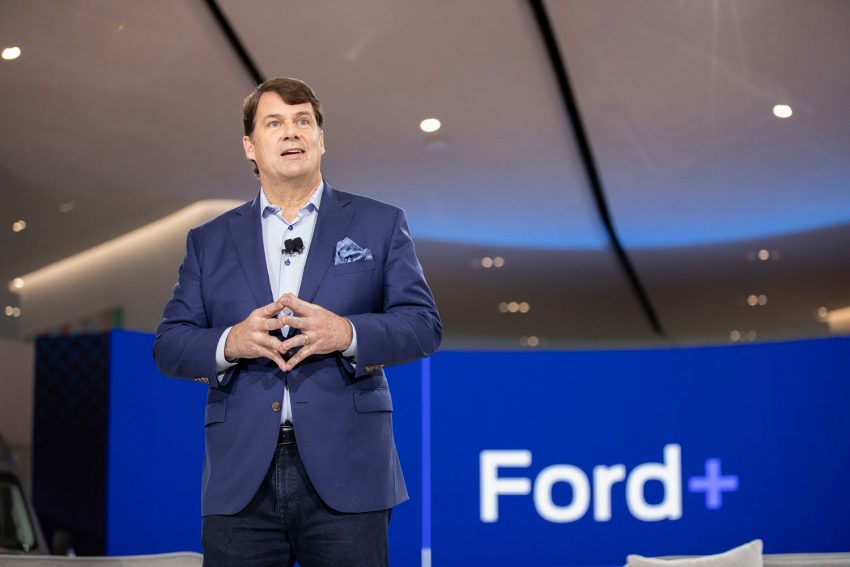
Ford CEO Jim Farley discussed the upcoming pickup during the company’s third-quarter 2026 earnings call. He confirmed that Ford intends to launch an affordable midsize truck in international markets in 2027.
The project forms part of the company’s effort to offer vehicles at lower price points while protecting its position in markets where competition is becoming stronger.
One of the most important details is the expected reduction in material costs. Farley said the new pickup should have base material costs approximately 20% below those of the current Ranger.
This is a significant target because materials represent an important part of vehicle manufacturing expenses. Reducing those costs could give Ford more flexibility when pricing the truck.
However, the 20% figure should not be interpreted as a confirmed 20% reduction in showroom price. A vehicle’s final price also depends on engineering, labor, manufacturing, transportation, taxes, and distribution. Ford has not announced a starting price or provided an estimated savings figure for customers.
Farley compared the strategy with the Ford Maverick in the United States. The Maverick gives customers access to a pickup without requiring them to purchase a larger and more expensive truck. Ford appears to want a similar opportunity in international markets, although the new vehicle has not been confirmed as a direct equivalent to the Maverick.
The distinction is important. Ford has not announced that the international pickup will share the Maverick’s platform, engines, or dimensions. It could use a different design developed around the needs of customers in its intended markets.
The company has also not confirmed whether the truck will be positioned below the Ranger in every market. Its lower-cost target suggests that direction, but Ford will need to consider local taxes, equipment levels, and competition when deciding how to price it.
For now, the confirmed information is limited to the intended international positioning, the 2027 launch target, and the expected reduction in base material costs. The name, production details, and customer specifications remain undisclosed.
Chinese Automakers Are Increasing Pressure on Ford
The new pickup is part of Ford’s response to growing competition from Chinese manufacturers. Brands from China have expanded into international markets with trucks that offer modern equipment, multiple powertrain choices, and competitive prices.
This is particularly relevant in Latin America and Southeast Asia, where Ford already has an established presence. Farley has identified these regions as important areas of competition, noting the pressure created by Chinese automakers.
The Ranger remains a major part of Ford’s international truck business. It has a strong customer base in markets such as Australia and is sold across several regions. However, its positioning does not necessarily reach every buyer who wants a pickup.
Customers with tighter budgets may consider cheaper alternatives, even if they already recognize Ford’s reputation.
That creates an opportunity for a more accessible model. Rather than relying entirely on the Ranger to compete across different price categories, Ford could offer a second option for customers who need everyday practicality and useful truck capability without paying for a more expensive vehicle.
Chinese manufacturers have made this competition more challenging by offering pickups with features that were once associated mainly with higher-priced vehicles. Depending on the model and market, buyers can find large infotainment screens, driver-assistance systems, automatic transmissions, and electrified powertrains.
Ford will need to respond with more than a lower price. Customers still expect a pickup to be dependable, practical, and capable of handling regular work. If the new truck sacrifices too much equipment or capability to achieve its cost target, it could struggle to attract buyers.
The Maverick provides a useful example of how Ford can approach a different customer group. Its smaller format and more accessible positioning have helped the company reach people who want pickup utility but do not need a traditional full-size truck. The international project could apply a similar commercial principle to markets with different requirements.
Nevertheless, Ford has not said that the new pickup will follow the Maverick’s design. It may need a different size, construction method, and mechanical setup to suit local roads, working conditions, and customer expectations.
The Ranger is not being replaced by this project. Ford’s stated intention is to broaden its lineup and compete in a more affordable category. That could help the company attract customers who might otherwise purchase a Chinese pickup, while allowing the Ranger to retain its existing market position.
Launch Markets, Powertrain, and Production Details Remain Unknown
Despite the 2027 target, Ford has not released the technical details needed to establish exactly what the new pickup will offer. There are no confirmed exterior images, interior specifications, engine options, transmission details, or towing figures.
Latin America and Southeast Asia appear to be important potential markets because Farley specifically discussed competition in those regions. However, Ford has not published a confirmed list of launch countries. Australia could also be a market of interest, given the popularity of pickups there, but no local introduction has been announced.
Production arrangements are another unanswered question. Reports have discussed the possibility of involvement from Ford’s Chinese joint-venture partners, including JMC and Changan. These companies have existing relationships with Ford, but the automaker has not confirmed that either will manufacture the upcoming truck.
The powertrain is also undecided publicly. A conventional gasoline or diesel engine could help keep costs manageable, particularly in markets where charging infrastructure is less developed. A hybrid option could provide another way to improve efficiency, but it could also add complexity and expense. Ford has not confirmed any of these possibilities.
There is also a separate Ford project that should not be confused with this international pickup. The company is developing an affordable electric truck for North America using its Universal Electric Vehicle platform. That four-door midsize pickup is planned for production at the Louisville Assembly Plant in 2027.
Although both projects focus on affordability, Ford has not said they share the same platform or engineering. The North American electric truck is part of the company’s strategy for lower-cost electric vehicles, while Farley’s international announcement concerns a new affordable midsize pickup for overseas markets.
The next announcements should clarify the vehicle’s identity, production location, powertrain, and first sales destinations. These details will determine how directly it competes with the Ranger and the lower-priced pickups already available in international markets.
Ford’s biggest challenge will be balancing affordability with the qualities customers expect from a truck. A lower material bill is useful only if the finished vehicle remains durable, practical, and competitive. The company will need to make careful decisions about construction, equipment, and manufacturing without weakening the product.
The 2027 launch could give Ford a stronger presence in a segment where price is becoming increasingly important. For now, the company has confirmed its direction and cost ambition, but the pickup itself remains largely undisclosed.
