
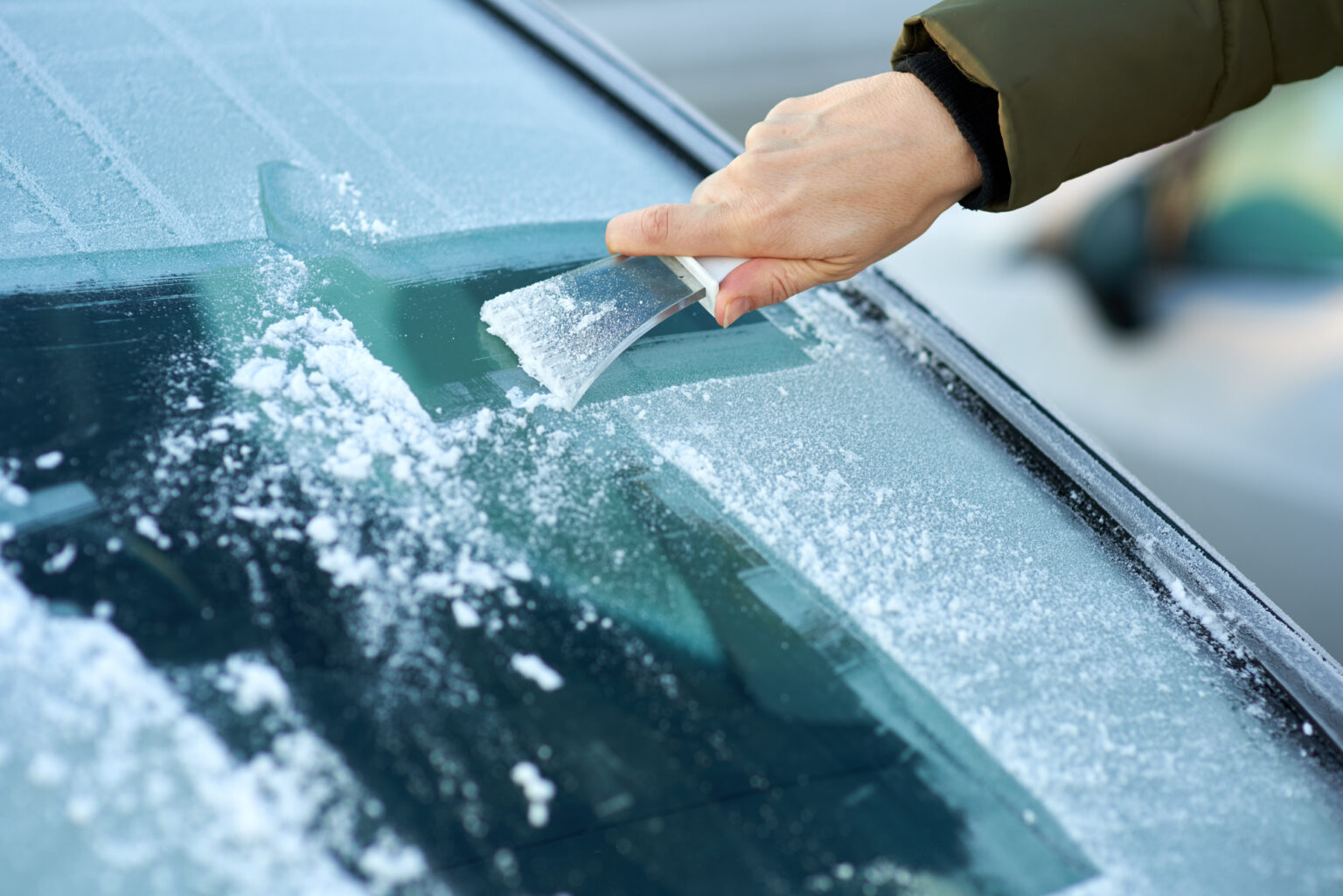
Winter mornings can turn a simple commute into a frustrating routine of scraping frozen glass, freeing stuck wipers, and waiting for the defroster to clear the windshield. Overnight frost develops when the glass becomes colder than the surrounding air’s dew point, allowing moisture to freeze on its surface.
The problem becomes particularly common in northern US states, where freezing temperatures, snow, and moisture combine. Fortunately, several practical measures can reduce ice formation or make morning cleanup considerably easier.
From choosing better parking locations to using specialized windshield covers and winter washer fluid, these methods can protect your visibility and save valuable time.
1. Park Your Car Inside a Garage
Parking inside a garage is one of the most effective ways to prevent overnight windshield icing.
Instead of allowing the glass to remain directly exposed to freezing outdoor air, a garage creates a sheltered environment that reduces its exposure to cold temperatures, wind, and moisture. This can make a significant difference when temperatures fall below freezing overnight.
The reason this works is related to how frost develops. During clear winter nights, a vehicle’s windshield can lose heat through radiation and become colder than the surrounding air. When moisture reaches the cold glass, frost can develop even when there has been no snowfall or rainfall.
A garage reduces direct exposure to these conditions and helps limit the temperature changes affecting the windshield.
You do not necessarily need a heated garage to benefit from this arrangement. An ordinary enclosed garage can provide meaningful protection, even without a dedicated heating system.
However, ventilation is important, particularly if you bring a vehicle inside covered in snow or ice. Melting snow can increase indoor moisture, so allow adequate ventilation rather than trapping excessive humidity.
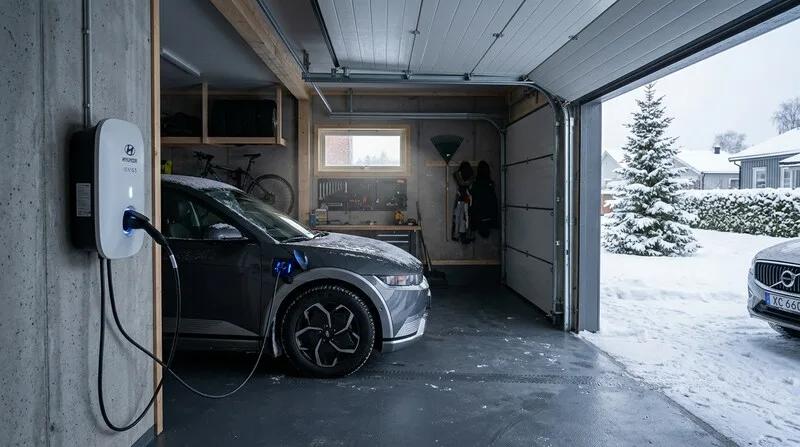
The American Automobile Association identifies garage parking as the most effective preventive measure for windshield ice. It also recognizes covered parking as a useful alternative when a garage is unavailable.
If you have access to a garage, make it part of your regular winter parking routine. It requires no chemicals, additional equipment, or special preparation. Just remember that a sheltered parking space does not guarantee completely frost-free glass during extremely cold conditions.
2. Use a Dedicated Windshield Frost Cover
A dedicated windshield frost cover is an inexpensive accessory that can save considerable time during freezing mornings. It creates a physical barrier between the windshield and the surrounding environment, preventing frost and snow from settling directly on the glass.
Most automotive windshield covers use waterproof or water-resistant outer materials with soft inner linings. Many designs include magnetic edges, elastic straps, or door-flap attachments to keep the cover secured against wind. Some products also extend over the windshield wipers, providing additional protection against freezing.
Installation is straightforward. Position the cover across the windshield before leaving the vehicle overnight, ensuring that it reaches the edges of the glass. Secure its straps or magnets according to the manufacturer’s instructions. In the morning, remove the cover carefully and shake off accumulated frost or snow from the vehicle.
One important detail is choosing the correct size. A cover that leaves substantial portions of the windshield exposed will not provide complete protection. Similarly, avoid installing it over a dirty windshield because trapped grit can move against the glass when the cover shifts in strong winds. Clean both surfaces before installation.
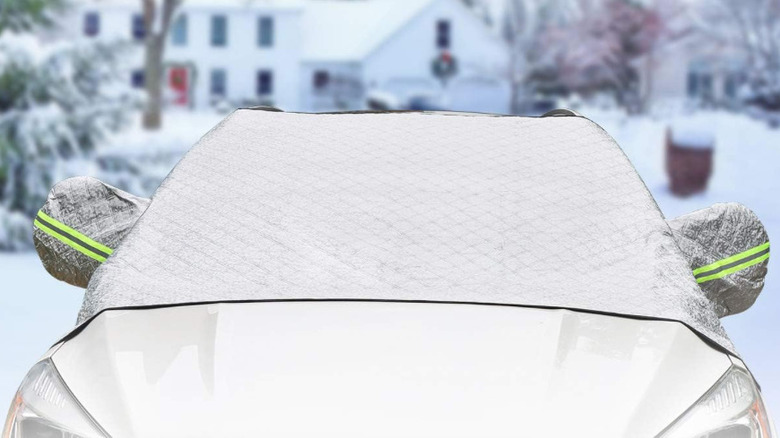
AAA recommends dedicated windshield covers as an effective alternative when garage parking is unavailable. Its winter guidance also mentions using a tarp, towel, or old sheet when a purpose-built cover cannot be purchased.
For drivers who regularly park outside in states such as Michigan, Minnesota, Wisconsin, and New York, keeping a frost cover in the vehicle can make winter mornings considerably easier. It will not eliminate every possible ice problem, but it prevents much of the direct accumulation that makes windshields difficult to clear.
3. Park Under a Covered Carport
Not every homeowner has an enclosed garage, but a covered carport can provide another useful layer of protection. Unlike an open driveway, a carport places a roof between the vehicle and falling snow, freezing rain, and other forms of direct precipitation.
Its effectiveness comes from reducing the amount of moisture reaching the windshield. When freezing rain or wet snow lands directly on glass, it can freeze into a layer that is considerably more difficult to remove than ordinary light frost. A roof prevents much of that direct accumulation, making the windshield easier to clear the following morning.
A carport does not provide the same temperature protection as an enclosed garage. The vehicle remains exposed to outdoor air, and frost can still develop through moisture in the atmosphere. However, limiting direct exposure to precipitation can reduce the amount of ice that accumulates on the glass.
Location matters, too. A carport with an open side facing strong prevailing winds may offer less protection than a structure with additional side coverage. Make sure the roof is structurally sound and capable of handling the snow loads expected in your region. Never park beneath a damaged roof or an unstable structure simply to avoid frost.
AAA specifically identifies a covered carport as a useful alternative to garage parking for preventing windshield ice.
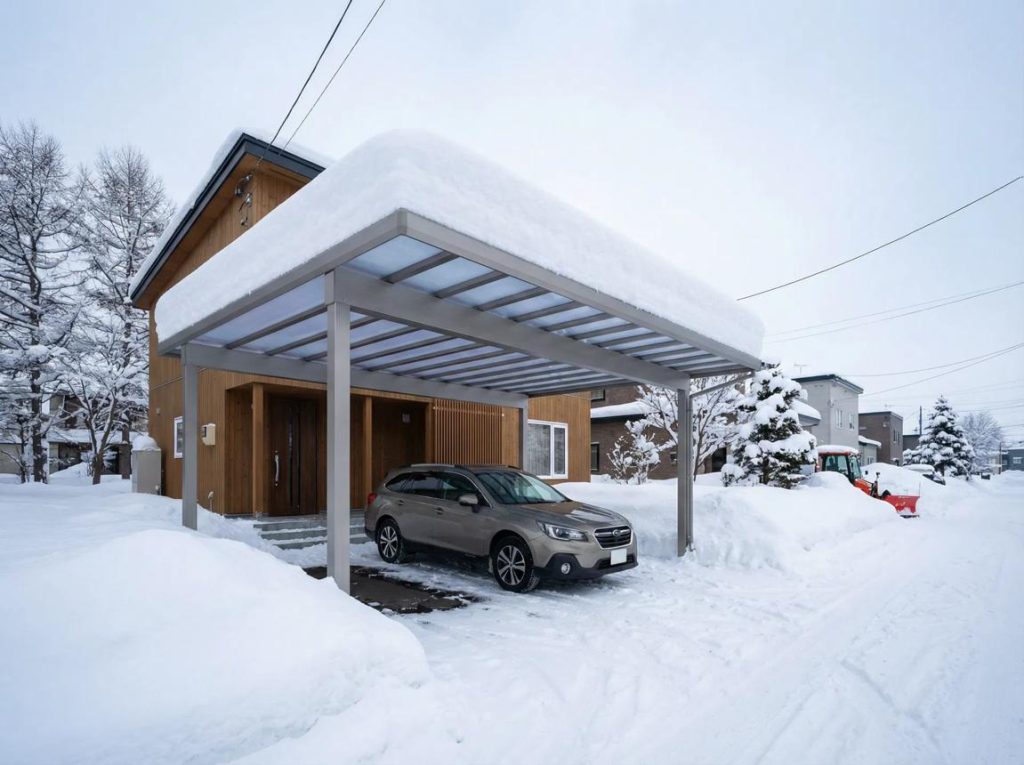
If you regularly park outdoors, a carport can be a worthwhile long-term improvement. It protects more than the windshield, reducing direct weather exposure for the vehicle’s paint, exterior trim, and other components. Just remember that you may still need a windshield cover during particularly cold, damp nights.
4. Lift the Windshield Wipers Before Freezing Temperatures Arrive
A frozen windshield is frustrating, but frozen wiper blades create another problem. When moisture freezes around the rubber blades, they can become stuck firmly against the glass. Attempting to operate them immediately can strain the wiper motor, damage the rubber edges, or tear the blades.
One practical precaution is lifting the wiper arms away from the windshield before freezing weather arrives. This keeps the rubber blades from sitting directly against the cold glass, reducing the likelihood of them becoming frozen in place.
However, this method requires attention to your vehicle’s design. Some modern cars have recessed or hidden wipers that cannot be lifted safely in their normal parked position. Their owners may need to activate a designated wiper service position through the vehicle’s controls. Always consult the owner’s manual before moving the arms manually.
Another option is using purpose-built wiper blade covers. These protective sleeves help shield the rubber from freezing moisture and snow accumulation. They are particularly useful for vehicles parked outdoors for extended periods.
AAA recommends keeping wiper blades away from the windshield during freezing conditions to prevent them from sticking to the glass. It also advises against operating wipers over accumulated ice because doing so can damage the blades.
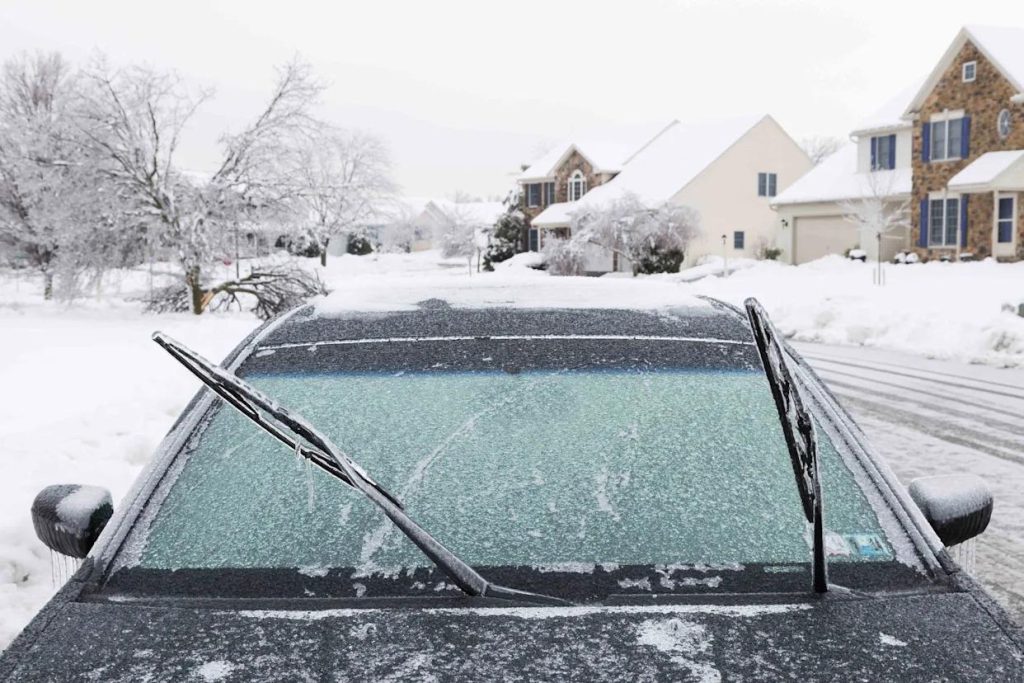
Remember that lifting the wipers does not prevent frost from forming on the windshield itself. Its primary purpose is protecting the blades and making them easier to use in the morning.
If your vehicle has automatic wipers, make sure they are switched off before freezing conditions arrive. Otherwise, an automatic activation could attempt to move frozen blades and cause unnecessary mechanical stress.
5. Apply a Commercial Windshield Anti-Icing Treatment
Specialized windshield anti-icing products offer another option for drivers who cannot park under shelter. These products are designed to make frost and ice easier to remove by treating the glass surface before freezing conditions arrive.
Some commercially available pretreatment sprays contain alcohol-based ingredients or other compounds that interfere with ice formation and adhesion. Depending on the formulation, they can reduce how firmly frost attaches to the windshield. This means that even when some ice develops overnight, removing it in the morning may require less effort.
Application instructions vary between products. Some are designed to be sprayed onto clean glass and left to dry, while others require wiping the surface after application. Always check the product label to establish whether it is intended for overnight prevention or morning de-icing. These are not necessarily interchangeable uses.
Before purchasing anything, check that the formulation is suitable for automotive glass, exterior paint, rubber seals, and surrounding trim. Certain products contain chemicals that can be harmful to pets if swallowed. Store them securely and avoid allowing runoff to collect where animals might access it.
AAA recognizes commercial ice and frost shield solutions as an available preventative measure for motorists. However, effectiveness depends on the formulation and weather conditions, so these treatments should not be considered a replacement for covered parking or a windshield cover.
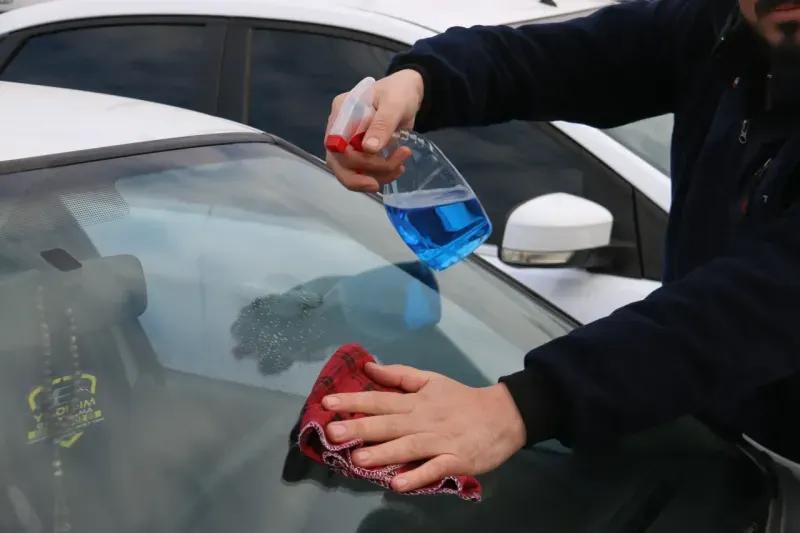
For best results, apply the treatment before an expected freeze rather than waiting until a thick layer of ice has already formed. Keep a separate plastic ice scraper in the vehicle as a backup. A properly selected treatment can make winter maintenance easier, particularly when overnight temperatures repeatedly fluctuate around the freezing point.
6. Keep Your Windshield Washer Reservoir Filled With Winter Fluid
Windshield washer fluid does not stop atmospheric frost from forming on the glass overnight, but choosing the correct winter formulation can make clearing the windshield considerably easier. This distinction is important because ordinary summer washer fluid may freeze inside the reservoir, hoses, or spray nozzles when temperatures drop.
Winter washer fluids contain ingredients formulated to remain usable at lower temperatures. Some also include de-icing properties that help loosen light frost and road grime. Their actual freezing protection depends on the formulation, so check the temperature rating printed on the container rather than assuming every winter product performs equally well.
Before winter begins, empty or flush out any remaining summer fluid according to the vehicle manufacturer’s instructions. Then refill the reservoir with a winter-rated product suitable for your expected temperatures.
Run the washers briefly to move the new fluid through the lines and nozzles. Otherwise, summer fluid may remain inside the system and freeze even when the reservoir contains winter fluid.
The National Highway Traffic Safety Administration specifically recommends filling the windshield washer reservoir with high-quality winter fluid containing de-icer before winter weather arrives. It also advises checking the wipers and defrosters to ensure they function properly.
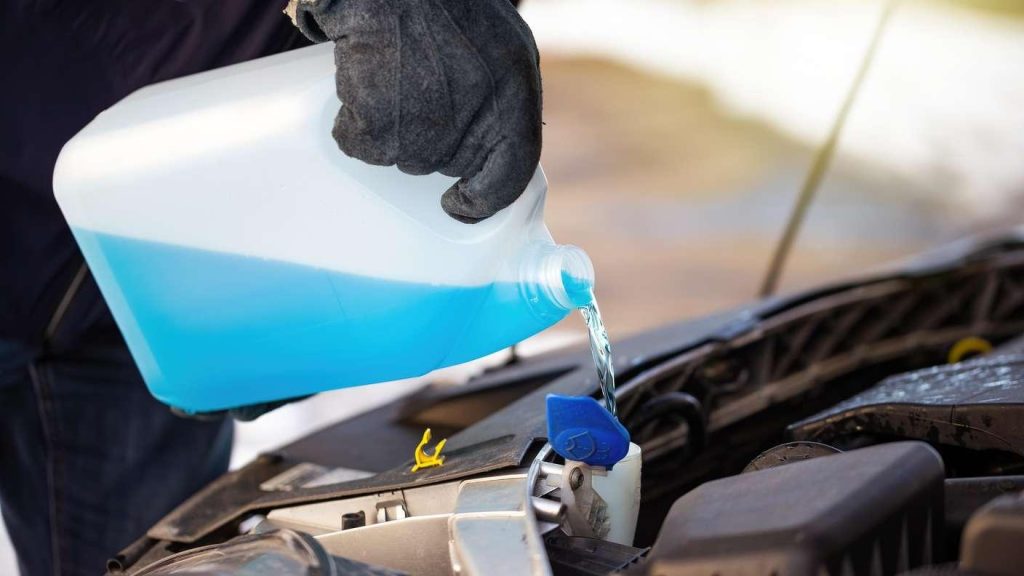
For drivers in northern states, a product rated for temperatures around minus 20 degrees Fahrenheit or lower may be useful, depending on local conditions. Always follow the vehicle and fluid manufacturer’s instructions.
Do not substitute plain water or household cleaning products. They may freeze, leave residue, or fail to provide the cleaning performance needed for safe driving. Winter washer fluid is not an overnight frost shield, but it is an important part of a reliable winter visibility system.
7. Keep the Inside of Your Vehicle Dry
Sometimes the problem is not limited to frost on the outside of the windshield. Drivers may discover ice or condensation forming on the inside surface of the glass, particularly after parking a vehicle with wet carpets, snow-covered footwear, or damp clothing inside.
This happens because moisture accumulates in the cabin. When temperatures fall overnight, humid interior air can come into contact with the cold windshield. Condensation may develop, and in sufficiently cold conditions, that moisture can freeze on the inside of the glass.
Start by checking the floor mats. During winter, shoes can carry considerable amounts of melted snow and water into the cabin. Remove wet mats when practical, allow them to dry thoroughly, and clean up standing water around the carpets.
Also inspect the trunk, door seals, sunroof drains, and weatherstripping if the interior repeatedly feels damp. Water entering through damaged seals or blocked drains can increase cabin humidity. A persistent damp or musty smell may indicate a moisture problem that deserves attention.
Avoid leaving wet towels, snow-covered equipment, or soaked clothing inside the vehicle overnight. If your car has a damp interior, address the source instead of simply wiping the windshield every morning.
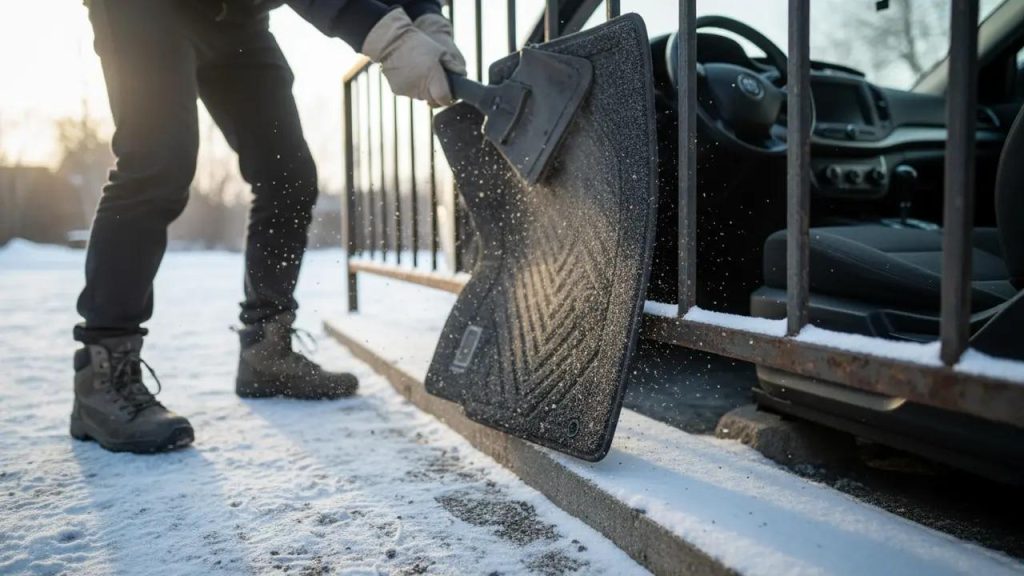
For occasional moisture, an automotive moisture absorber can help reduce humidity inside the parked vehicle. Choose a product designed for automotive use and secure it so it cannot slide around or interfere with driving.
This method will not prevent frost from forming on the outside of the glass, but it can reduce interior condensation and freezing. It is particularly useful for drivers who repeatedly find themselves wiping the inside of the windshield during winter mornings.
8. Choose a Parking Spot That Receives Early Morning Sunlight
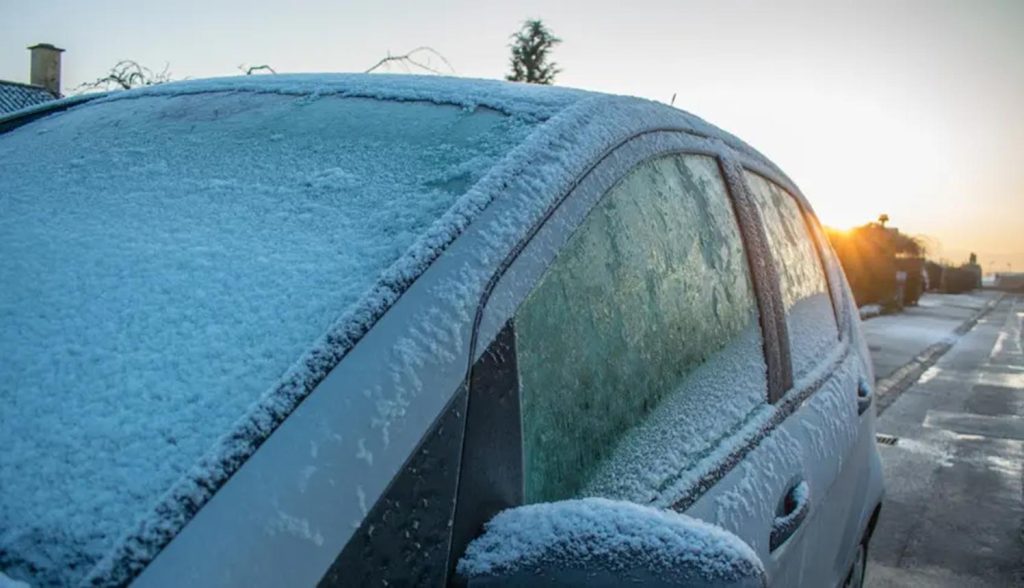
Where you park your vehicle can influence how quickly frost disappears in the morning. If you have several parking options, choosing a location that receives direct sunlight early in the day can help the windshield warm up and make existing frost easier to remove.
The science behind this is straightforward. Sunlight transfers energy to the vehicle’s exterior surfaces. As the windshield warms, frost can begin to melt or loosen, reducing the effort required to clear it. This can be particularly helpful when temperatures are close to freezing and the ice layer is relatively thin.
For example, a driveway facing east may receive morning sunlight earlier than a shaded parking area on the opposite side of the property. However, the actual result depends on the position of nearby buildings, trees, fences, and the direction of the sun throughout the season.
It is important to understand that sunlight does not stop frost from forming overnight. Instead, it helps warm the windshield after sunrise, allowing frost to melt. In severe freezing conditions, thick ice, freezing rain, or areas with limited sunlight, this method may offer little immediate relief.
Avoid choosing a parking position directly beneath trees simply because it offers partial shade. Branches can release moisture, and falling debris can leave the windshield dirty. A clear, open parking space with morning sun is generally a more practical choice.
You can combine this approach with a windshield cover for better results. Remove the cover once you are ready to use the vehicle, allowing sunlight to reach the glass.
Think of sunlight as a helpful additional advantage rather than a guaranteed frost-prevention method. It costs nothing, requires no chemicals, and can make a noticeable difference when winter temperatures are relatively mild.
9. Avoid Parking Near Sprinklers and Water Sources
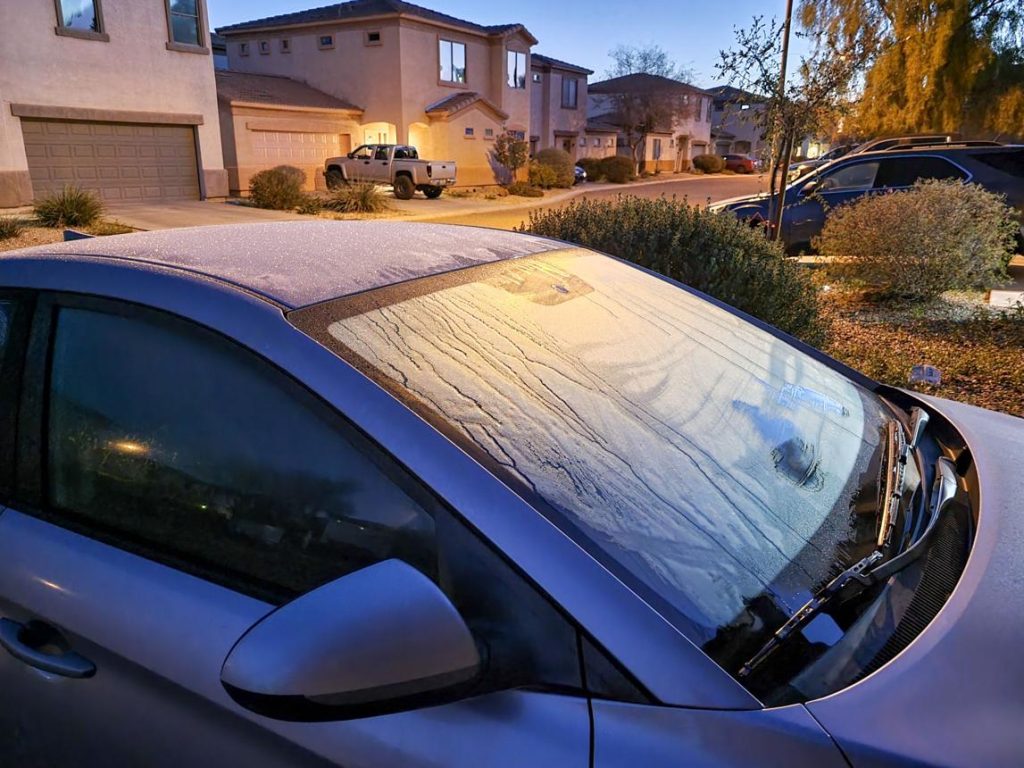
A vehicle can develop a thick layer of ice even when the weather forecast does not predict snowfall or freezing rain. One possible reason is exposure to nearby water sources, particularly automatic lawn sprinklers, dripping gutters, and leaking outdoor pipes.
When water lands on a windshield during freezing temperatures, it can freeze directly onto the glass. Unlike ordinary light frost, which develops from atmospheric moisture, this can create a heavier layer of ice that takes considerably longer to remove.
Automatic irrigation systems deserve particular attention. Some homeowners use sprinklers late in the evening or early in the morning without realizing that the spray can reach vehicles parked nearby. During freezing conditions, even relatively small amounts of water can create an unpleasant surprise by the time the driver returns to the car.
Gutters and roof edges can cause similar problems. Water dripping from a roof may land repeatedly on the same section of the windshield. If temperatures remain below freezing, the accumulated moisture can develop into a solid layer of ice.
Before parking overnight, look at the surrounding area. Avoid spaces directly beneath leaking gutters, near sprinkler heads, or beside outdoor taps that may drip. If the irrigation system has an automatic timer, consider adjusting its schedule during freezing weather.
This approach is especially useful for homeowners who park in open driveways or near landscaped areas. It is also worth checking whether water from a neighbor’s property regularly reaches your parking space.
The method is simple because it addresses the source of unnecessary moisture rather than treating the ice after it forms. Combined with a windshield cover, it can reduce the chances of waking up to a windshield covered in frozen water.
Just remember that avoiding artificial water sources will not eliminate natural frost caused by cold air and atmospheric moisture.
10. Use Your Vehicle’s Defroster Before Driving
Even with careful overnight preparation, some frost may still develop on the windshield. This is where the vehicle’s defroster becomes important. A properly functioning defrost system helps warm the glass and clear ice, condensation, and fog before you begin driving.
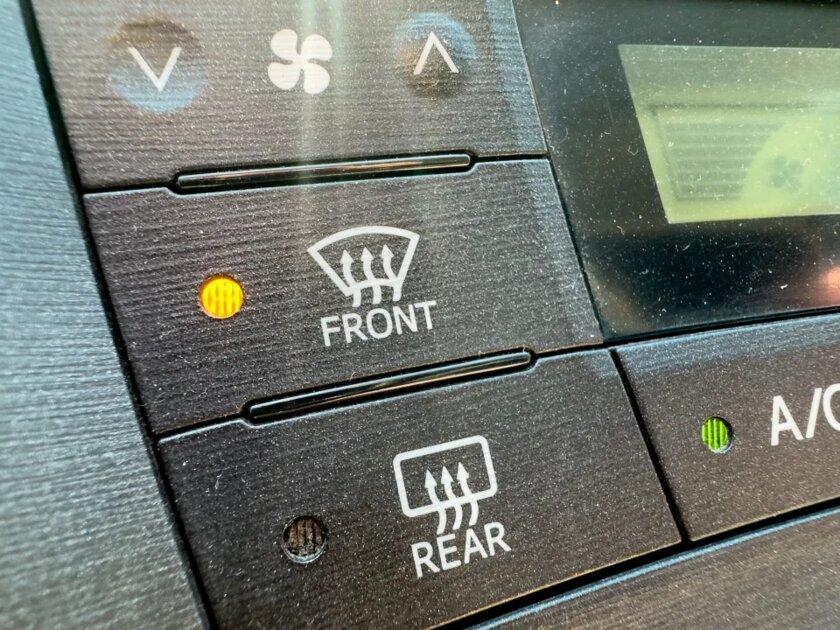
Most modern vehicles have a dedicated windshield defrost setting. It directs heated air toward the windshield, gradually raising the glass temperature and helping loosen accumulated frost. Depending on the vehicle, the system may also automatically adjust the air-conditioning compressor to remove moisture from the cabin air.
If your car has automatic climate control, select the dedicated front defrost setting and allow the system to operate. For manual systems, direct the airflow toward the windshield and select an appropriate temperature. Follow the owner’s manual because individual climate-control systems operate differently.
Drivers with remote-start systems can sometimes activate the climate-control system before entering the vehicle. However, this depends on the vehicle’s equipment and programming. Do not assume every remote-start system automatically operates the windshield defroster.
AAA recommends starting the vehicle, selecting the defrost setting, and allowing the ice to soften before removing it with a scraper.
Never pour hot water over frozen glass. The sudden temperature difference can create thermal stress and potentially crack the windshield. Avoid metal scrapers or forcing the wiper blades across solid ice.
Most importantly, never drive away with only a small section of the windshield cleared. Remove ice and snow from all windows, mirrors, lights, and other areas that affect visibility. A few additional minutes spent preparing the vehicle are far better than driving with an obstructed view.
