
Cold starts are a normal part of driving, but the first few seconds after turning the key can be particularly demanding on an engine. When a vehicle sits overnight, oil drains back into the sump, temperatures drop, and lubrication takes time to reach certain moving components.
Some engines are more sensitive to these conditions because of their timing systems, hydraulic lifters, fuel-injection characteristics, or known mechanical weaknesses.
In colder parts of the United States, repeated short journeys and extended idling can make these problems more noticeable. Here are 10 engines with documented cold-start-related concerns and what owners should understand before starting them every morning.
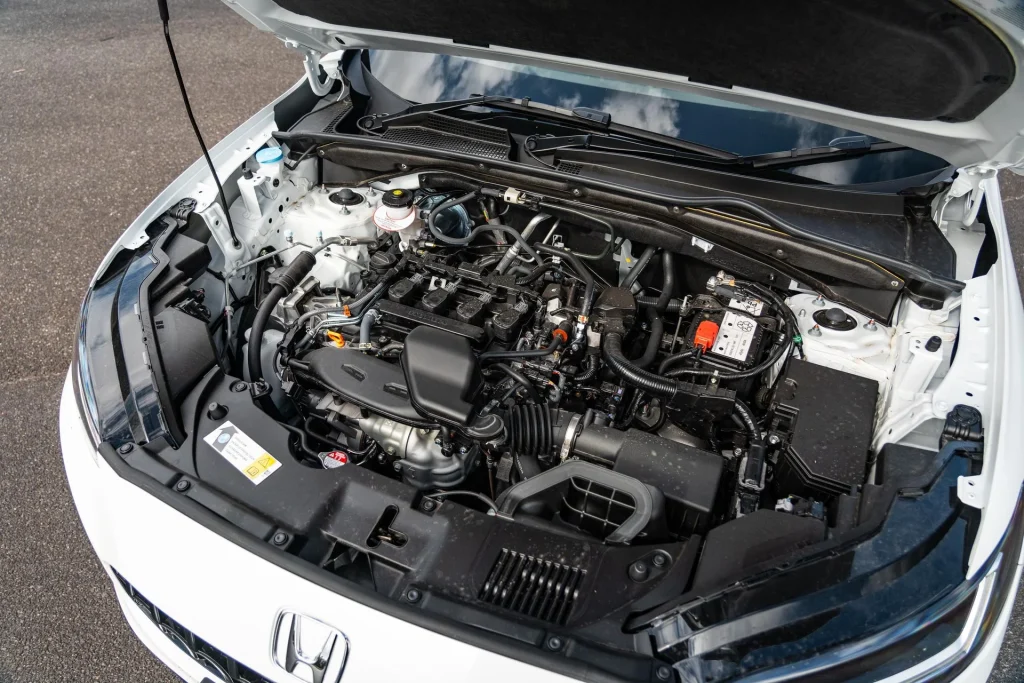
1. Honda 1.5L Turbocharged Four-Cylinder Engine
Found in: Certain 2017-2018 Honda CR-V and 2016-2018 Honda Civic models
Honda’s 1.5-liter turbocharged four-cylinder is a clear example of how cold-weather use can affect engine oil, not just starting behavior. The concern involved certain 2017-2018 CR-Vs and 2016-2018 Civics sold in the United States, rather than every vehicle using Honda’s 1.5-liter turbo.
During repeated short trips in very low temperatures, some injected gasoline could pass the cylinder walls and mix with the crankcase oil. The engine might be switched off before it stayed hot long enough to evaporate that fuel and moisture.
As dilution increased, the oil level could rise, and its lubricating properties could be compromised. Honda’s campaign documentation listed possible symptoms, including misfires, rich-running faults, a low-oil-pressure warning, and, in exceptional cases, abnormal camshaft noise associated with wear in rocker-arm roller bearings.
American Honda issued a product update covering certain vehicles sold in cold-weather states. In a December 2018 dealer communication, the company outlined software revisions designed to address oil dilution. The broader campaign also called for an oil change and, on selected vehicles, replacement of the air-conditioning control unit.
Eligibility depended on the vehicle identification number, so model year alone is not enough to establish whether a car was included.
The important distinction is that fuel dilution was linked to particular operating conditions and affected vehicles, not an inevitable defect in every 1.5-liter turbo. Owners should check the dipstick on level ground, follow the correct oil specification, and take an oil level that rises unexpectedly or smells strongly of gasoline seriously.
Repeated short winter trips deserve extra attention, and a dealer can check campaign completion by VIN. Do not try to solve a warning light simply by taking the engine on a hard drive.
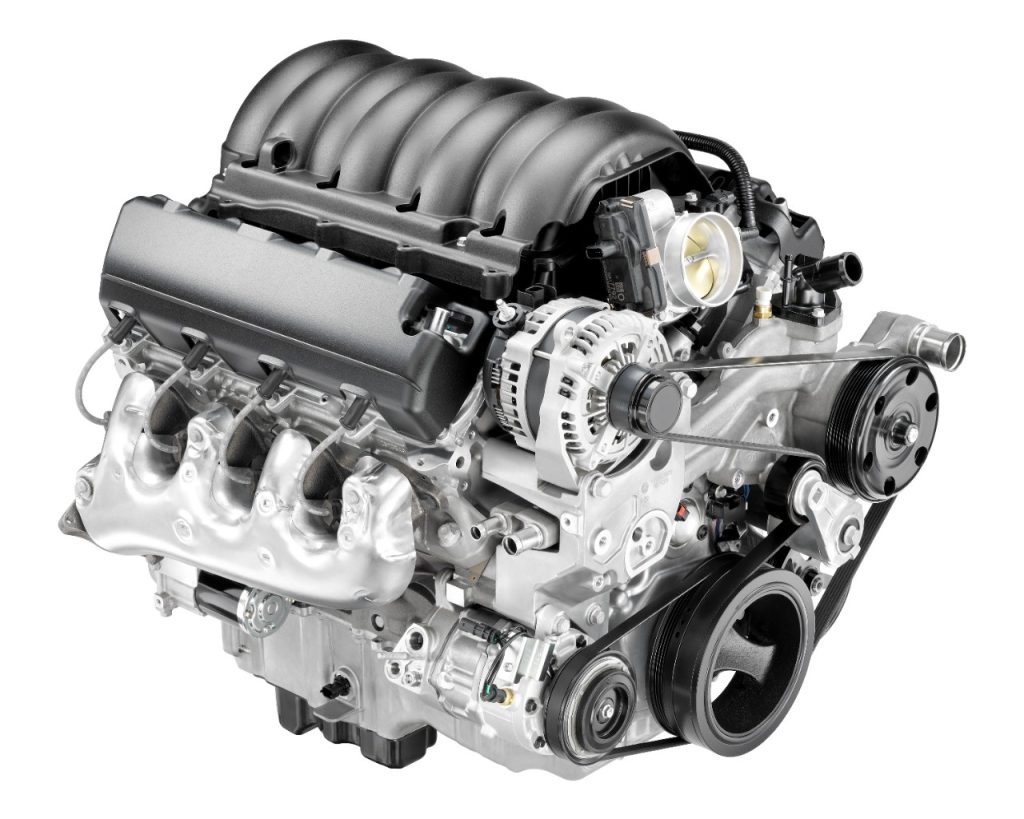
2. General Motors 5.3L V8 (L83)
Found in: Selected 2019-2022 Chevrolet Silverado, Tahoe, Suburban, GMC Sierra, and Yukon models
General Motors documented a cold-start lifter condition in selected vehicles fitted with its small-block V8 family. The 5.3-liter L83 is among the engines named in Service Bulletin 19-NA-218.
Coverage includes certain Silverado LD, Tahoe, and Suburban applications, plus selected Cadillac Escalade and GMC Yukon models. Exact model-year and engine coverage varies by vehicle.
According to the bulletin, the ticking noise is most likely to occur during the first start of the day after the vehicle has been parked overnight. GM points to a possible issue with the hydraulic valve lifter, which may not receive sufficient oil during a cold start and may fail to fully pressurize.
Hydraulic lifters rely on engine oil to maintain their working clearance. Until oil pressure fills the lifter, the valve train can make noise.
GM’s procedure does not call for replacing parts whenever a cold engine ticks. Technicians are told to let the vehicle sit overnight, start it, and listen. The bulletin says five to seven minutes may be needed to confirm whether the noise remains.
If the condition is present, technicians check for misfire fault codes and identify the affected cylinder. They may then inspect the pushrod for bending and the lifter for collapse. Any necessary replacements are determined by the inspection results.
A short-lived sound is not proof that the engine is being destroyed, and this bulletin is not a recall covering every 5.3-liter truck. Persistent ticking, a misfire, or a check engine light calls for diagnosis.
Maintain the oil at the recommended level, use the correct viscosity and specification for the specific truck, and follow the manufacturer’s service schedule. Avoid revving the engine while it is cold to eliminate the noise. If the ticking persists or keeps returning, have the engine inspected by a qualified technician.
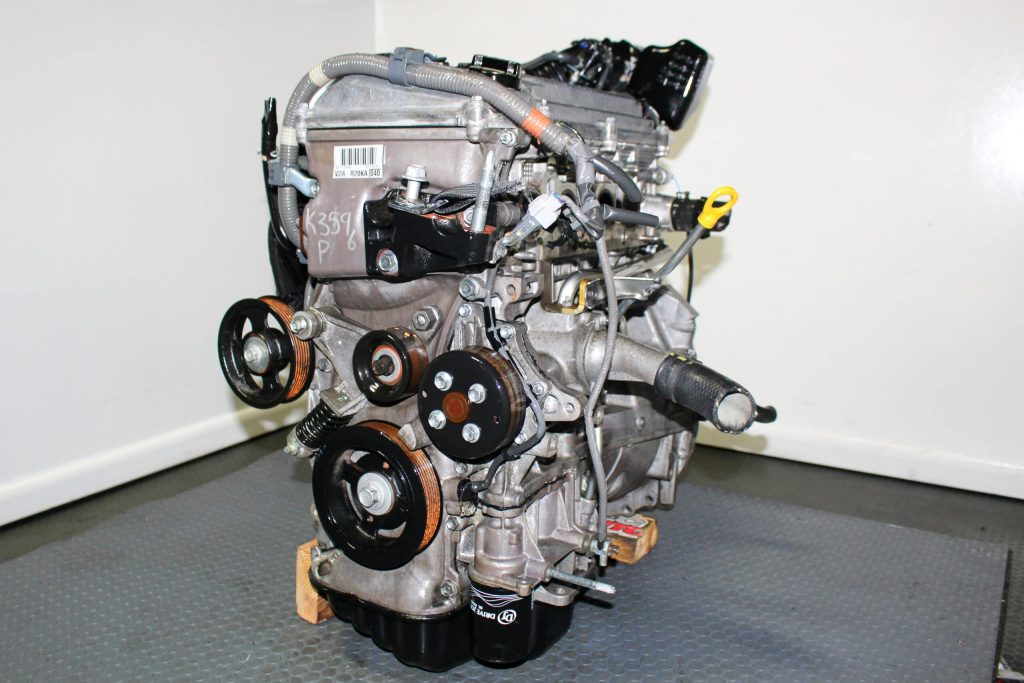
3. Toyota 2.4L Four-Cylinder Engine (2AZ-FE)
Found in: Selected 2009-2010 Toyota Corolla and Matrix models
Toyota’s 2AZ-FE engine is worth discussing because Toyota documented a specific knocking and rattling condition immediately after cold starts.
Unlike problems that develop gradually over thousands of miles, this issue could announce itself within approximately one second of starting the engine after it had been sitting for an extended period.
Toyota addressed the condition in Technical Service Bulletin T-SB-0087-09, titled Brief Engine Knock/Rattle Noise at Cold Startup. The bulletin covered certain 2009-2010 Corolla and Matrix vehicles equipped with applicable engines. Toyota identified the camshaft timing gear assembly as the component requiring attention when the specified noise was confirmed.
The timing gear is part of the variable valve timing system. It helps adjust camshaft positioning according to engine operating conditions.
When the engine is switched off, the mechanism must remain in an appropriate position and operate correctly when the engine starts again. A problem inside the assembly can produce a brief rattle before normal operation is established.
This is an important distinction for owners. Toyota did not state that every 2AZ-FE engine would suffer internal damage from an ordinary cold start.
The bulletin describes a particular noise condition and provides a repair procedure for affected vehicles. It also includes production-date and VIN-related applicability information, meaning not every Corolla or Matrix from those model years qualifies.
Owners should pay attention to repeated metallic rattling immediately after starting, particularly if it happens after the vehicle has remained parked overnight.
A mechanic should distinguish this noise from normal injector operation or other harmless sounds. Ignoring a confirmed timing-component fault is unwise because the camshaft timing system is essential to correct engine operation.
4. Ford 5.4L Triton V8 (Three-Valve)
Found in: Selected 2004-2008 Ford F-150, Expedition, and other Ford applications
Ford’s 5.4-liter three-valve Triton V8 has a well-documented history of timing-system noise, making it an interesting example when discussing engines that deserve attention during startup. The concern involves the camshaft phasers, timing chains, tensioners, and their dependence on proper lubrication.
The camshaft phasers use engine oil pressure to adjust valve timing. When an engine has been parked for several hours, oil pressure is absent until the next start. If a phaser or associated timing component has excessive wear, the first moments of operation can produce a noticeable metallic rattle or knocking sound.
Ford’s Technical Service Bulletin 06-19-8, published in September 2006, specifically addressed ticking, knocking, and startup rattling involving selected 4.6L and 5.4L three-valve engines. The listed applications included certain 2005 Mustang, F-150, Expedition, F-250, F-350, and Lincoln Navigator vehicles.
Ford also emphasized that some noises could be normal characteristics, while others required investigation.
Another Ford document, its August 2015 camshaft phaser installation guidance, identifies rattling, ticking, knocking, and rough running as possible symptoms of improperly installed or damaged phasers. This reinforces the importance of correct timing-component installation and retaining-bolt torque.
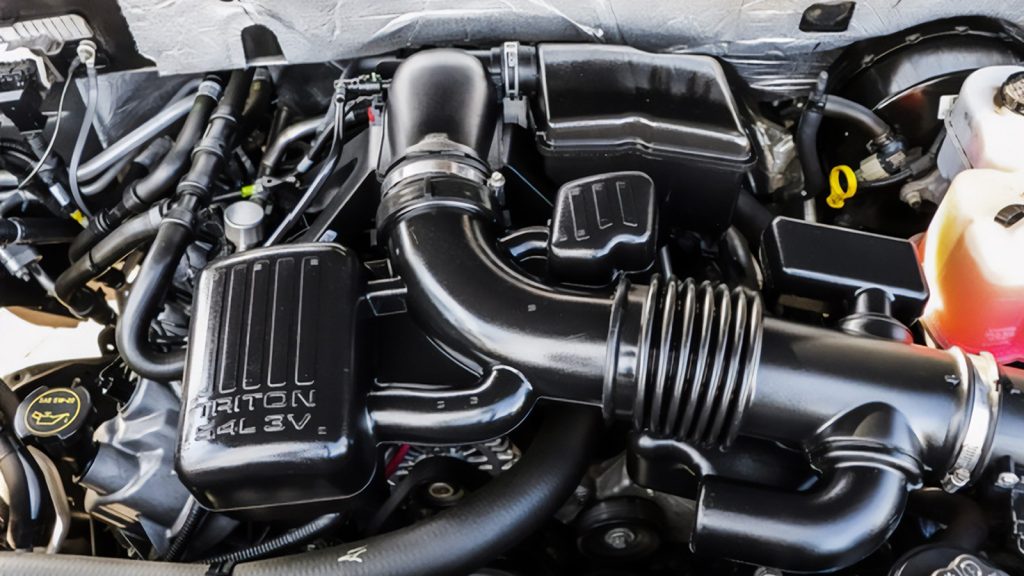
For owners, the warning sign is not simply a brief engine sound. It is a recurring metallic rattle, particularly when accompanied by rough running or a check engine light. Correct oil viscosity and regular servicing matter, but they cannot repair an already damaged phaser or worn timing component.
A proper inspection should establish whether the noise comes from the timing system before expensive parts are replaced unnecessarily.
5. Ford 6.0L Power Stroke V8 Diesel
Found in: 2003-2007 Ford Super Duty trucks, selected Excursion and E-Series models
The Ford 6.0L Power Stroke is particularly sensitive to cold-weather starting conditions because its fuel-injection system relies on high-pressure engine oil. Unlike a conventional gasoline engine, this diesel uses hydraulically actuated electronic unit injectors, meaning engine oil plays an essential role in controlling fuel injection.
When temperatures fall significantly, engine oil becomes thicker. If the wrong viscosity is being used, the high-pressure oil system can respond more slowly, affecting injector operation and making the engine harder to start. Drivers may experience extended cranking, white exhaust smoke, rough running, or a temporary loss of power.
Ford addressed this concern in Technical Service Bulletin 05-16-6, dated August 22, 2005. The document covered selected 2003-2006 6.0L-equipped Super Duty, Excursion, and E-Series vehicles experiencing misfires, reduced power, smoke, or slow cranking during cold-weather initial starts.
The bulletin specifically explained that high-viscosity multigrade oil could reduce cranking speed by more than 30% at minus 20 degrees Fahrenheit.
Slower cranking could also delay fuel-injection timing because the high-pressure oil control system depended on engine speed. Ford recommended selecting the appropriate oil viscosity according to its updated temperature chart.
Another issue associated with this engine is injector stiction, which occurs when the internal spool valves inside the fuel injectors begin to stick. This can cause rough running during cold starts, with engine operation often improving as temperatures rise.
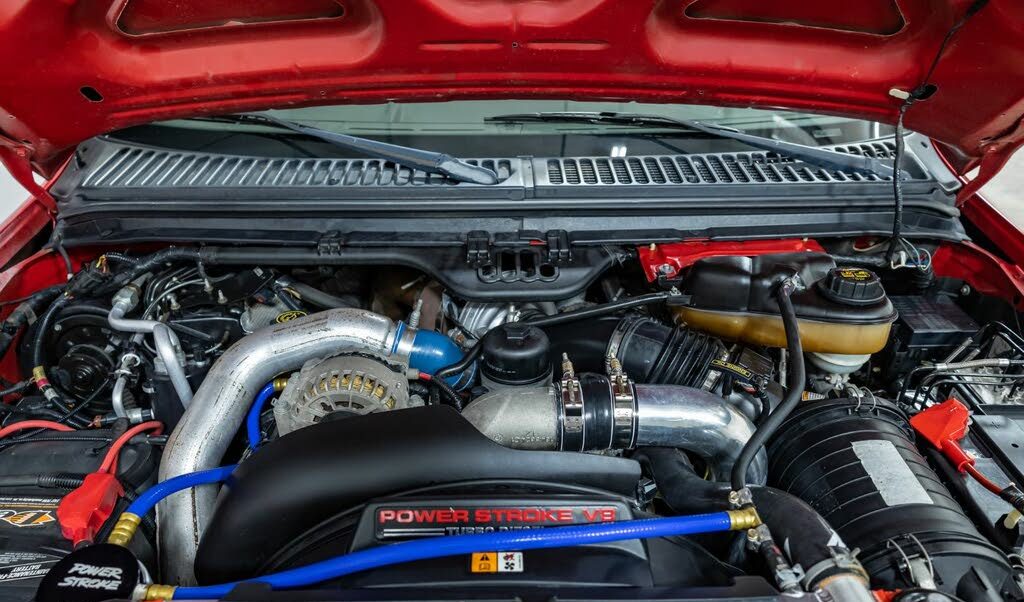
Owners should never assume that thicker oil provides better protection during winter. The correct viscosity must match Ford’s specifications and the expected operating temperatures.
In extremely cold regions, a properly functioning block heater can also make starting easier. Regular oil and filter maintenance is essential because dirty or unsuitable oil can contribute to injector-related operating problems.
6. General Motors 3.6L High-Feature V6
Found in: Selected Buick, Cadillac, Chevrolet, GMC, Pontiac and Saturn models
A ticking noise during cold starts in certain General Motors 3.6L V6 engines may have a relatively simple cause. The engine may not receive adequate oil flow immediately after startup, resulting in temporary noise until lubrication stabilizes.
GM documented this particular concern in technical information bulletin PIP5191C, published November 6, 2018. It covered several vehicles equipped with different versions of the 3.0L and 3.6L engine families, including selected Buick LaCrosse, Enclave, Cadillac CTS, and other applications.
The symptoms described are quite specific. After a vehicle has remained parked for more than six hours, the engine may initially start quietly before developing a ticking noise lasting approximately three to fifteen seconds. Some vehicles may also experience fluctuating oil pressure or related diagnostic trouble codes.
GM identified a potentially compressed seal between the oil-pump pickup tube and the engine block as the cause. When this seal no longer maintains proper contact, the oil pump can draw air during initial operation. Instead of immediately delivering a consistent supply of oil, the system may experience a temporary pressure problem.
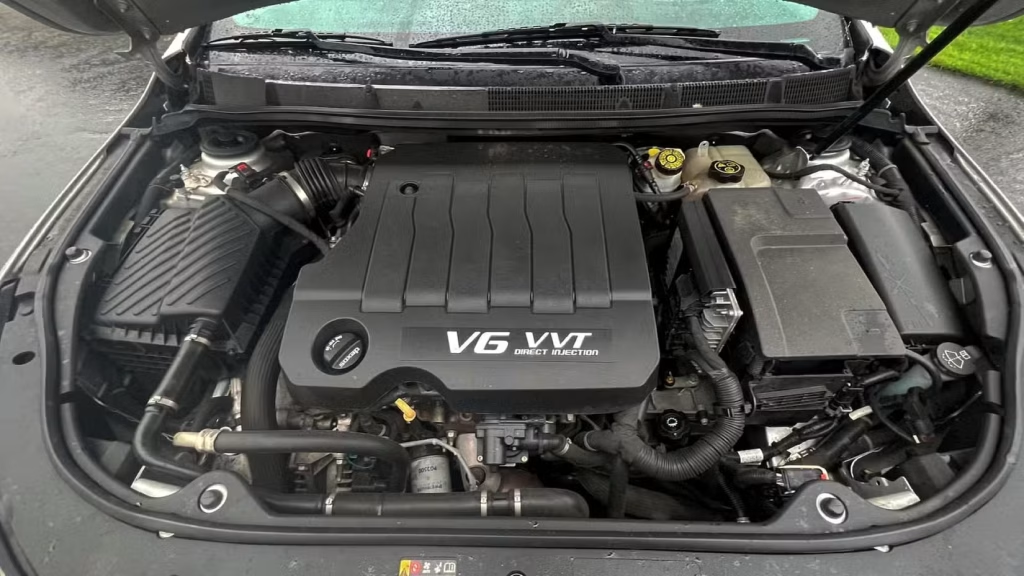
This matters because engine components depend on sufficient lubrication from the first moments of operation. If the condition continues, inadequate oil supply can increase friction and accelerate wear. However, the bulletin does not establish that every ticking engine has this particular fault.
Owners should pay attention to repeated ticking after overnight parking, particularly if the oil-pressure reading fluctuates. Continuing to drive with an oil-pressure warning is dangerous. Stop the engine safely and have the vehicle inspected.
A technician can examine the pickup-tube seal and oil-pressure system rather than replacing unrelated components based solely on the noise.
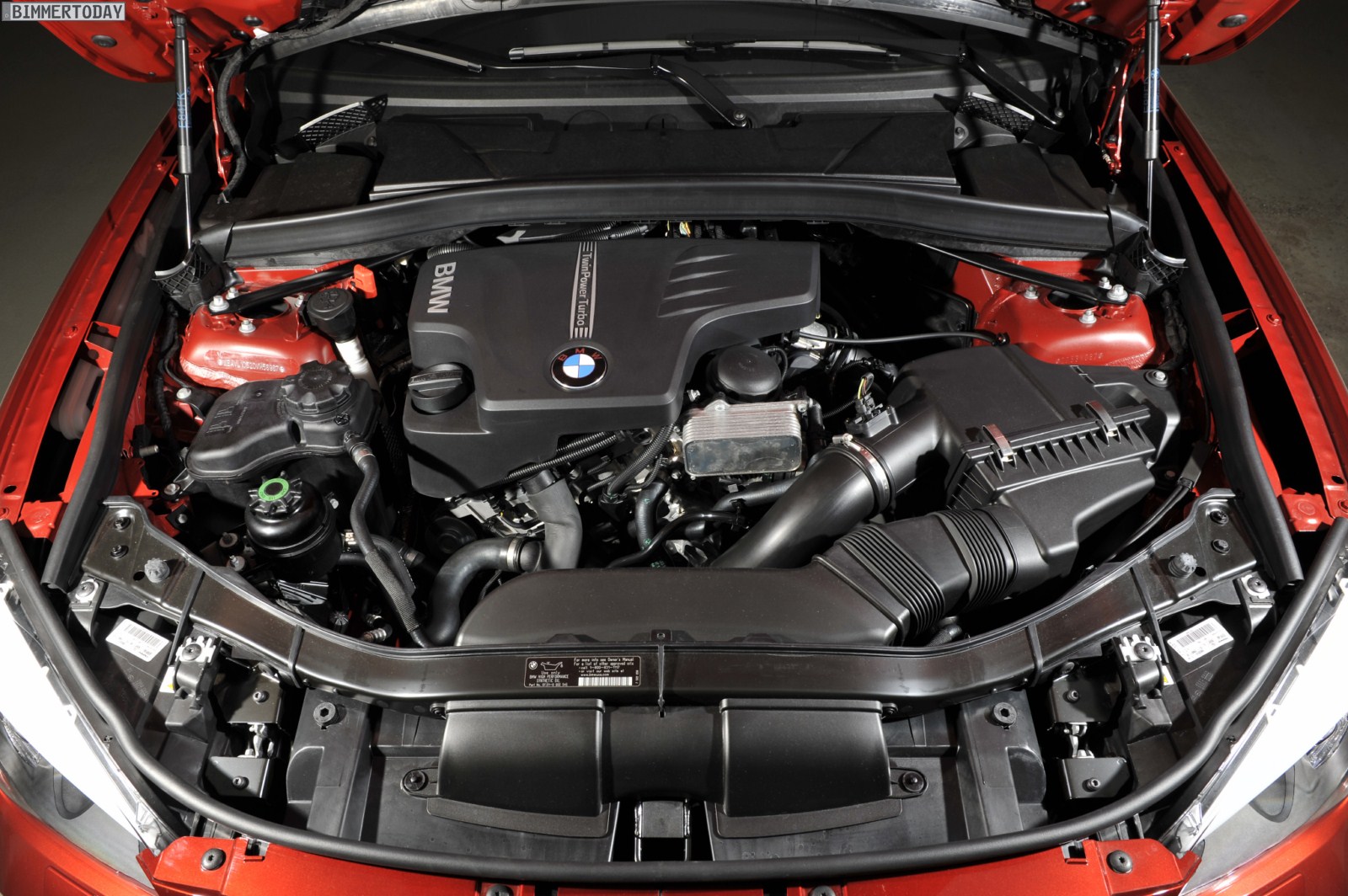
7. BMW 2.0L TwinPower Turbo Four-Cylinder (N20)
Found in: Selected 2012-2016 BMW 328i, 528i, X1, X3 and other applications
BMW’s N20 turbocharged four-cylinder deserves attention because of its timing-chain and oil-pump drive-chain problems. Although these issues are not exclusively caused by cold starts, repeated startup cycles can make existing chain wear and lubrication-related problems more noticeable.
The N20 uses a timing chain to synchronize crankshaft and camshaft operation. This is critical because even a relatively small timing error can affect engine performance. The chain system also includes guides and tensioning components that must maintain correct tension while the engine operates.
When the engine has been parked overnight, oil pressure must build again after startup. A worn chain guide or tensioner can produce unusual mechanical noise during this period. Owners may notice whining, rattling, or other sounds from the engine area. However, not every startup noise indicates timing-chain failure, and a proper diagnosis is necessary.
BMW of North America issued Service Information Bulletin 11 03 17, addressing timing-chain and oil-pump drive-chain wear in N20 and N26 engines.
The manufacturer described a whining noise from the lower engine area near the oil pump that increased in frequency with engine RPM. It also provided diagnostic procedures and information concerning warranty coverage for eligible vehicles.
The important point is that a cold start can reveal a problem that has developed over time, rather than necessarily creating the damage during those few seconds.
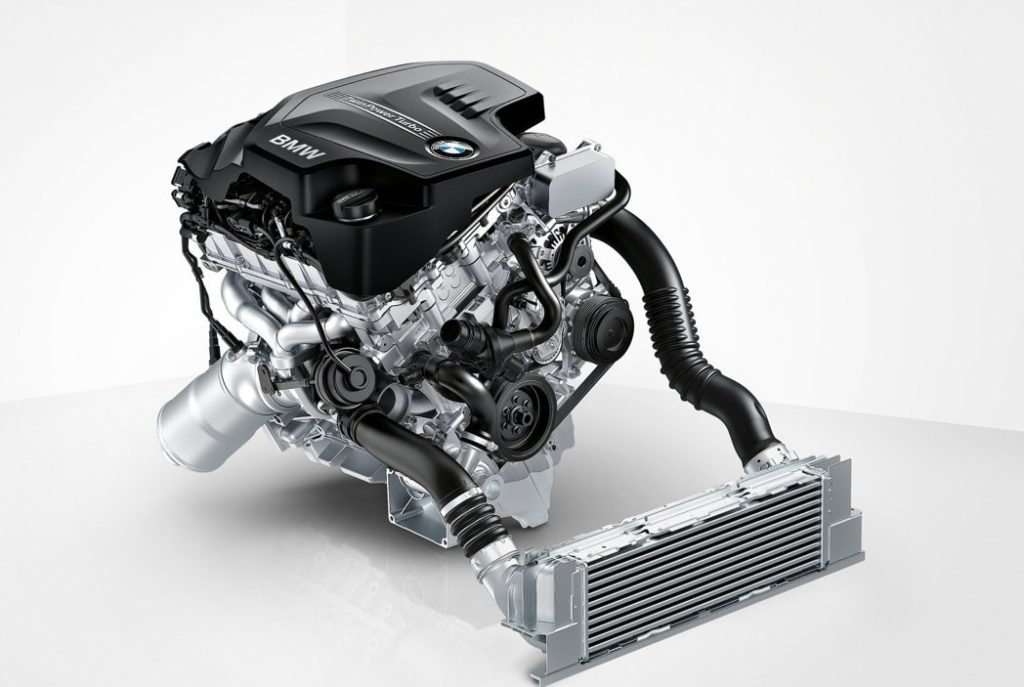
Owners should investigate persistent chain noise, especially when it changes with engine speed. Regular oil servicing using BMW-approved specifications is important, but it cannot reverse existing mechanical wear.
If the chain or guides are damaged, delaying repairs can lead to much more expensive engine problems. Checking the vehicle’s service history and applicable warranty coverage is particularly worthwhile when purchasing a used N20-powered BMW.
8. Toyota 2.5L Four-Cylinder Engine (2AR-FE)
Found in: Selected 2009-2013 Toyota Camry, RAV4, Highlander, Sienna and Venza models
Toyota’s 2AR-FE is another engine with a manufacturer-documented cold-start concern, this time involving the variable valve timing system. The issue is particularly interesting because the noise can appear almost immediately after starting an engine that has been sitting overnight.
Toyota published Technical Service Bulletin T-SB-0041-13 on March 15, 2013, addressing brief engine knocking or rattling following a cold soak startup. The bulletin covered certain 2009-2013 vehicles equipped with the 1AR-FE and 2AR-FE engines, including applicable Camry, Highlander, RAV4, Sienna and Venza models.
The noise typically lasts approximately one second. Toyota identified the camshaft timing gear assembly as the component requiring attention when the specified condition was confirmed. This assembly forms part of the variable valve timing system, which adjusts camshaft positioning to help the engine operate efficiently under different conditions.
The problem becomes relevant during cold starts because the timing gear mechanism relies on correct operation of its internal locking mechanism and oil supply. After an extended shutdown, a faulty mechanism may produce a brief metallic rattle before normal operation is established.
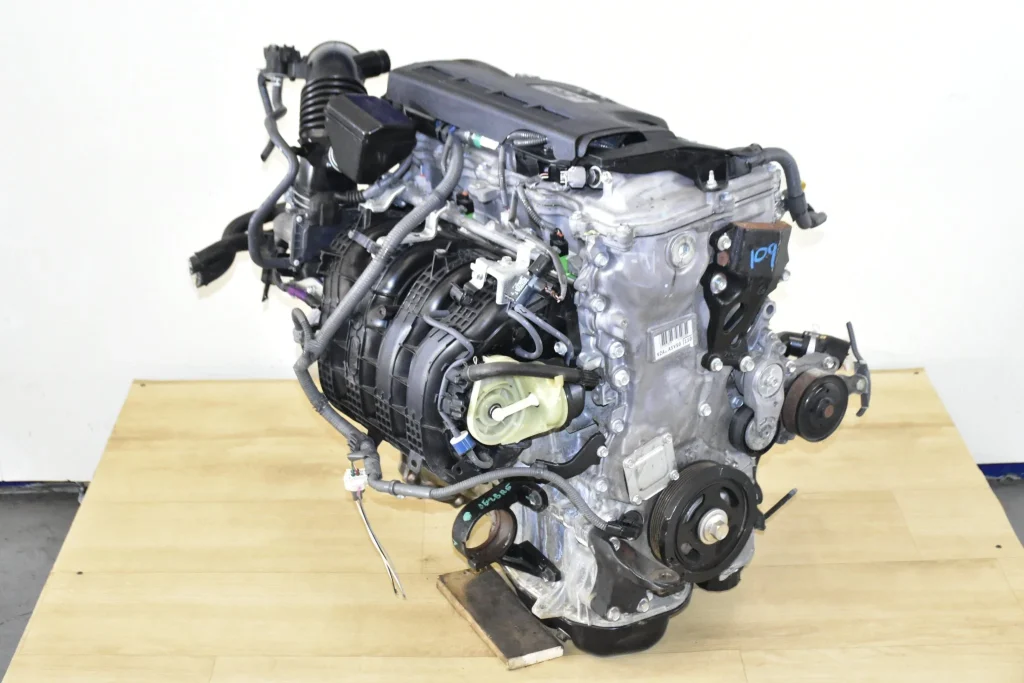
Toyota provided a specific inspection and replacement procedure rather than recommending that owners ignore the noise. The bulletin also includes different production and application details, so checking the vehicle identification number is important.
For owners, repeated startup rattling deserves attention even if it disappears after a second. A short noise does not automatically mean catastrophic engine damage, but a confirmed faulty timing gear should be repaired.
Regular oil maintenance and using the correct manufacturer-approved viscosity help maintain the lubrication system. When buying a used Camry or RAV4 with this engine, ask whether the timing gear has previously been inspected or replaced.
9. Subaru 2.5L Boxer Four-Cylinder (FB25)
Found in: Selected 2011-2014 Subaru Forester, 2013-2014 Legacy and Outback models
Subaru’s 2.5-liter FB25 boxer engine deserves attention for a different reason. Rather than having one universally recognized cold-start defect, certain examples were affected by excessive engine oil consumption.
This creates an important connection with startup lubrication because an engine that has gradually lost too much oil may have insufficient lubrication available when started.
Subaru acknowledged excessive oil consumption in selected vehicles through Service Bulletin 02-157-14R. The manufacturer introduced a warranty extension covering applicable 2013-2014 Legacy and Outback models with the 2.5L FB engine and 2011-2014 Forester models with the same engine family.
Eligible vehicles received extended powertrain coverage for this specific condition, subject to the bulletin’s requirements.
The warranty extension was eight years or 100,000 miles from the original warranty start date. Subaru required an inspection and, when necessary, an oil consumption test to establish whether a vehicle qualified.
Why should owners care during winter? Engine oil is essential for protecting crankshaft bearings, camshafts, cylinder walls and other internal components.
If consumption has reduced the oil level below the recommended range, the engine may struggle to maintain adequate lubrication under certain operating conditions. A cold start does not automatically cause this damage, but it can expose an existing maintenance problem.
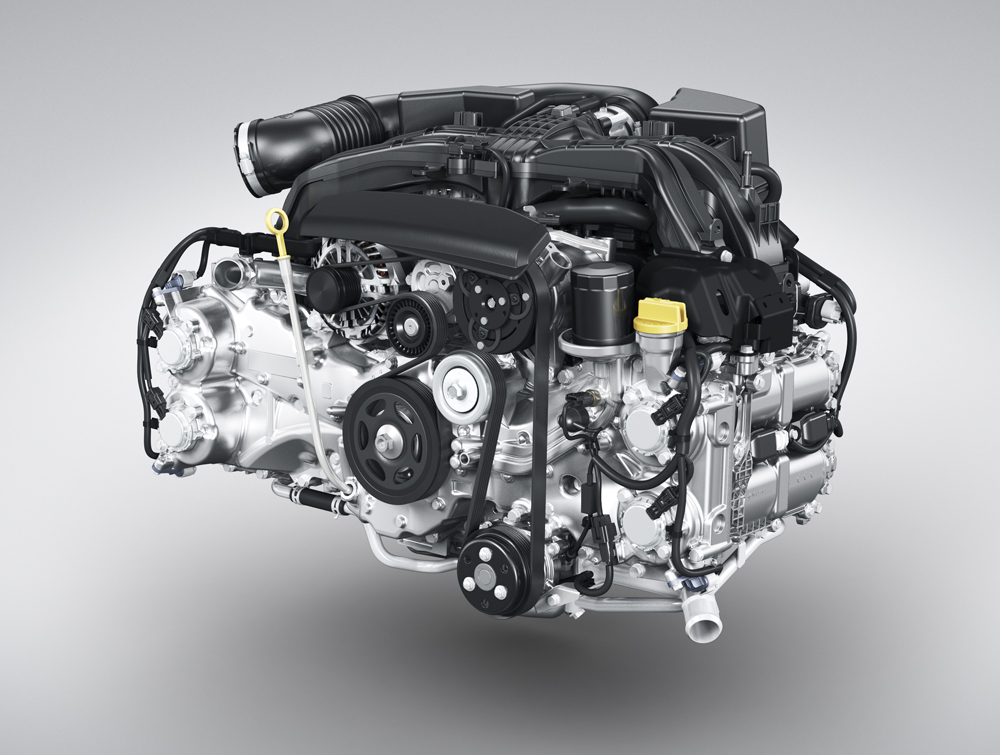
Owners should check their oil level regularly, especially between scheduled services. Waiting for an oil-pressure warning is not a sensible maintenance strategy. If the dipstick repeatedly shows a falling level, investigate the cause rather than simply adding oil indefinitely.
Used-car buyers should also request service records and ask whether an oil consumption test was previously performed. The engine’s history matters considerably more than its reputation alone.
10. Chrysler 3.5L V6 Engine
Found in: Selected Chrysler 300M, Concorde, Intrepid, LHS and Pacifica models
Chrysler’s 3.5-liter V6 provides a particularly direct example of a manufacturer addressing ticking immediately after a cold engine startup. The concern involved the exhaust rocker-arm assembly, specifically its swivel pads and retaining components.
Chrysler issued Technical Service Bulletin 09-002-04 on January 27, 2004. The document covered selected vehicles equipped with 3.2L and 3.5L engines, including certain 300M, Concorde, Intrepid, LHS, Pacifica and Prowler applications.
The symptom was a short-duration ticking sound following a cold start. According to the bulletin, the noise could last approximately two to three seconds. Chrysler’s recommended repair involved replacing the swivel pads and swivel-pad retainers on the exhaust rocker arms.
These components form part of the valve train, which controls the opening and closing of the engine’s valves. When their movement or contact surfaces become problematic, an audible ticking noise can develop. Because the valve train depends on proper lubrication and mechanical clearances, unusual sounds during initial operation deserve attention.
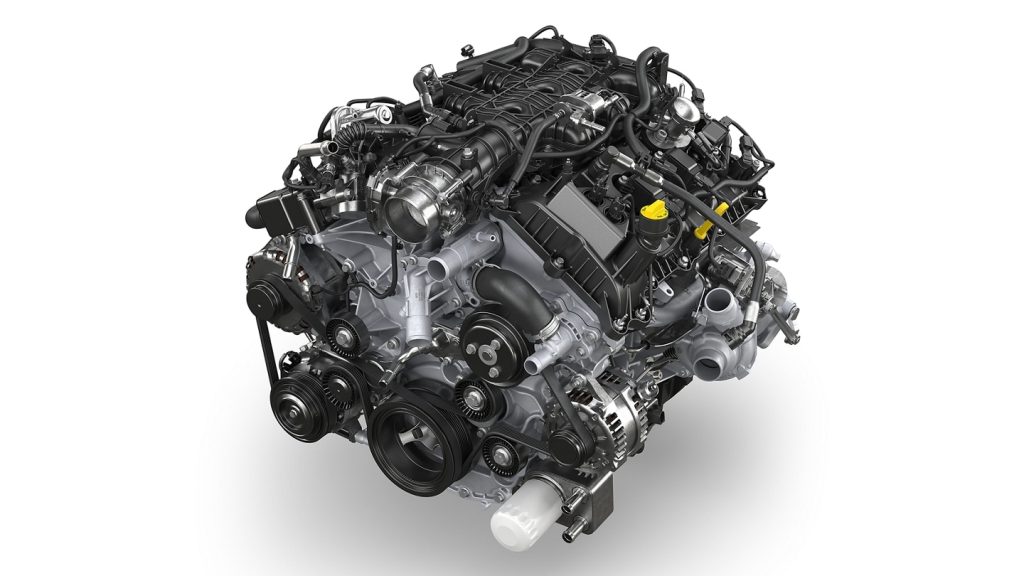
It is important not to confuse this documented condition with normal injector noise or the brief mechanical sounds that some engines produce during ordinary operation. Chrysler provided a specific repair procedure for vehicles exhibiting the identified symptom. It did not state that every 3.5L V6 engine would experience this problem.
Owners of older Chrysler vehicles should listen for repeated ticking after overnight parking. If the sound persists or becomes louder, have the rocker-arm assembly inspected. Correct oil levels and regular maintenance remain important, but they cannot repair worn swivel pads or damaged retaining components.
When purchasing an older Chrysler equipped with this engine, checking for previous valve-train repairs can help avoid unexpected maintenance expenses.
