
U.S. dealerships are entering the final weeks of 2026 with a significantly larger supply of new vehicles. Inventory increased by approximately 100,000 units as November began, reaching 3.1 million vehicles, according to figures reported by Automotive News and Autoblog.
The 3.5% monthly increase comes as automakers prepare for the year-end sales period, with more affordable models arriving at dealerships.
The additional stock could create opportunities for buyers seeking discounts, although inventory levels differ considerably by brand, vehicle type, and powertrain. Rising supply does not automatically mean every new car will become cheaper.
U.S. New-Vehicle Inventory Reaches 3.1 Million Units
According to the inventory figures reported by Autoblog on November 14, new-vehicle stock across the United States increased by approximately 100,000 units at the beginning of November. Total inventory reached 3.1 million vehicles, representing a 3.5% increase compared with the previous month.
The increase reflects automakers and dealerships preparing for the final sales push of 2026. Manufacturers typically adjust production and vehicle allocations around major sales periods, while dealers aim to maintain enough stock to attract customers looking to purchase before the end of the year.
Having more vehicles available can also give buyers additional choices in colors, equipment levels, and powertrain configurations.
The reported inventory increase is particularly notable because it includes a stronger supply of lower-priced vehicles. Automakers have been adding models priced below $35,000, including the Toyota Corolla and Nissan Sentra. These vehicles serve customers who may be priced out of more expensive SUVs and pickups.
The additional affordable inventory could help dealerships attract buyers who have delayed purchases because of high vehicle prices and financing costs. However, availability varies between models and regions. A larger national inventory does not guarantee that a particular dealership has the exact vehicle a customer wants.
The November figures also need to be distinguished from Cox Automotive’s October inventory report. Cox measured approximately 2.92 million available vehicles in October, a 4.2% increase from September, with 87 days of supply.
The November figure of 3.1 million and 84 days of supply comes from the separate inventory reporting cited by Autoblog. These figures use different reporting snapshots and data sources, so they should not be treated as a single continuous measurement.
The reported November days’ supply stood at 84 days, approximately unchanged from the previous month but 6% lower than a year earlier. Days’ supply estimates how long current inventory would last if vehicles continued selling at the prevailing rate and no additional stock arrived.
This measure is useful because it provides more context than the total number of vehicles sitting on dealership lots. A market can have millions of available cars but still experience shortages of particular popular models. Conversely, vehicles with slower sales can accumulate even when total market inventory appears relatively balanced.
The November increase therefore suggests that buyers have more choices, but the effect on pricing will depend on which vehicles are available and how quickly customers purchase them.
More Affordable Cars Arrive as Inventory Varies by Vehicle Type
One of the important details in the November inventory report is the increased availability of vehicles priced below $35,000. The Toyota Corolla and Nissan Sentra were specifically identified among the models receiving additional stock.
This matters because affordability remains a major concern for American car buyers. New-vehicle prices have remained elevated, and many customers are increasingly looking for smaller cars and compact SUVs instead of more expensive full-size vehicles.

Catalyst IQ data cited in the Autoblog report indicates that approximately 54% of active U.S. new-vehicle inventory was priced below $50,000. That means more than half of the available stock was within this price range, although it does not mean every vehicle in that category is affordable for every household.
The same data showed that midsize SUVs and crossovers represented the largest vehicle-size segment by inventory, with approximately 650,000 units available. Full-size pickups and full-size SUVs each had between 360,000 and 375,000 vehicles in stock.
These figures demonstrate how heavily the American market remains weighted toward larger utility vehicles.
Cox Automotive’s October figures provide another perspective on affordability. Its average new-vehicle listing price reached $50,498, increasing 1.7% from September and 2.7% year over year. This is an advertised listing-price measure, not the average amount buyers actually paid after negotiations and incentives.
Cox also found that vehicles priced at $50,000 or less accounted for approximately half of available inventory. Vehicles priced at $30,000 or below had 80 days of supply, while the $30,000 to $40,000 category had 74 days. The $40,000 to $50,000 range recorded 78 days. By comparison, vehicles priced above $80,000 had an estimated 110 days of supply.
These differences are important for shoppers. A vehicle with 110 days of supply may give buyers more room to negotiate than a popular model with only a few weeks of stock. However, the national figures cannot establish the discount available at an individual dealership.
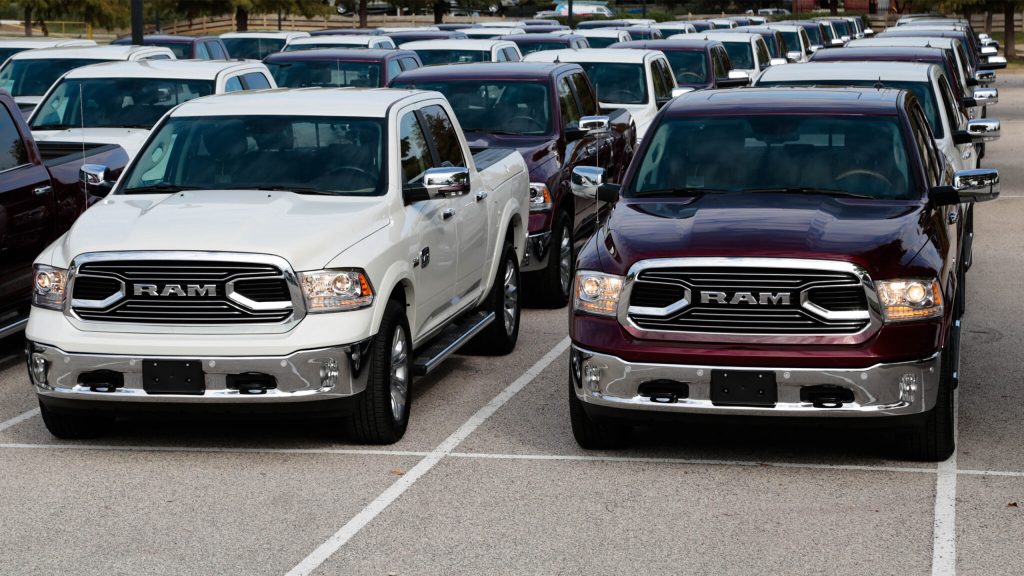
Inventory also differs significantly between manufacturers. Cox Automotive reported that Toyota had 39 days of supply in October, followed by Lexus at 45 days, Honda at 57 days, and Subaru at 62 days. Several other brands carried much larger inventories. The Jeep had 159 days, the Ram 148, the Dodge 147, and the Ford 112.
The figures show why buyers should compare specific models rather than assume every brand is offering the same level of discounts. A dealership with limited stock of a popular SUV may have little reason to reduce its price, while a store carrying numerous slower-selling vehicles could be more willing to negotiate.
Hybrid and Electric Vehicle Supply Could Influence Year-End Deals
Powertrain availability is another important part of the November inventory picture. The Autoblog report says hybrid vehicles had approximately 64 days of supply, the lowest figure among the powertrain categories discussed. This suggests that hybrid models continued to sell relatively quickly compared with the available stock.
Hybrids have remained popular among buyers seeking better fuel economy without depending entirely on public charging infrastructure.
Their combination of gasoline engines and electric motors can improve efficiency, particularly in city driving. Strong demand can therefore keep dealership inventory relatively tight even when total vehicle stock is increasing.
Electric vehicles presented a different situation. The November report placed EV inventory at approximately 82 days of supply, indicating a larger stock relative to the prevailing sales pace than hybrids.
This may create more opportunities for customers interested in electric models, although availability and incentives differ by manufacturer.
Cox Automotive’s October data also highlighted differences between individual brands and models. Toyota’s RAV4 had 24 days of supply, while the Honda CR-V recorded 43 days. By contrast, the Jeep Wrangler had 155 days, and the Grand Cherokee had 149 days. Such gaps can influence how much negotiating flexibility dealerships have.
Among automakers reporting to the Automotive News Research & Data Center, Mazda, Ford, and Honda recorded some of the largest inventory increases in the November figures. Each reportedly added approximately 10 days of supply. This indicates that their dealerships were receiving additional stock ahead of the year-end sales period.
The extra vehicles could encourage manufacturers and dealers to introduce stronger incentives, including promotional financing, cash rebates, or discounts on selected model-year vehicles.
However, inventory growth alone does not confirm that every automaker will announce larger offers. Incentives depend on individual sales targets, remaining stock, model demand, and manufacturer strategy.
Cox Automotive noted that the October inventory increase occurred while the daily sales pace remained relatively steady. This suggests that additional supply, rather than a sudden collapse in demand, was the main reason inventory and days of supply increased.
The company also warned that national figures hide considerable differences across brands, models, and price categories.
For buyers, the best approach is to compare multiple dealerships, check the actual selling price rather than relying on advertised discounts, and calculate the total cost after taxes and fees. Financing offers should also be compared with cash incentives because a lower interest rate is not necessarily the cheapest option for every buyer.
The November inventory increase gives shoppers more choices as 2026 approaches its final weeks. With 3.1 million vehicles reportedly available and additional affordable models reaching dealerships, year-end promotions could become more competitive.
However, buyers should focus on the specific vehicle they want, since popular hybrids and high-demand models may still have limited availability.