Every vehicle needs maintenance, but some models seem to appear at repair shops more frequently than others. High sales numbers, years of daily use, aging components, and recurring mechanical faults all contribute to the number of times mechanics encounter particular cars. This does not automatically mean these vehicles are poorly made. In many cases, their popularity and long service lives explain why repair shops see them so regularly.
Still, certain models have mechanical or electrical issues that owners should understand before scheduling their next service appointment. From cooling system leaks to transmission troubles, these eight popular cars are frequently associated with specific repair needs. Here is what mechanics commonly encounter and what owners should watch for.
1. Toyota Camry
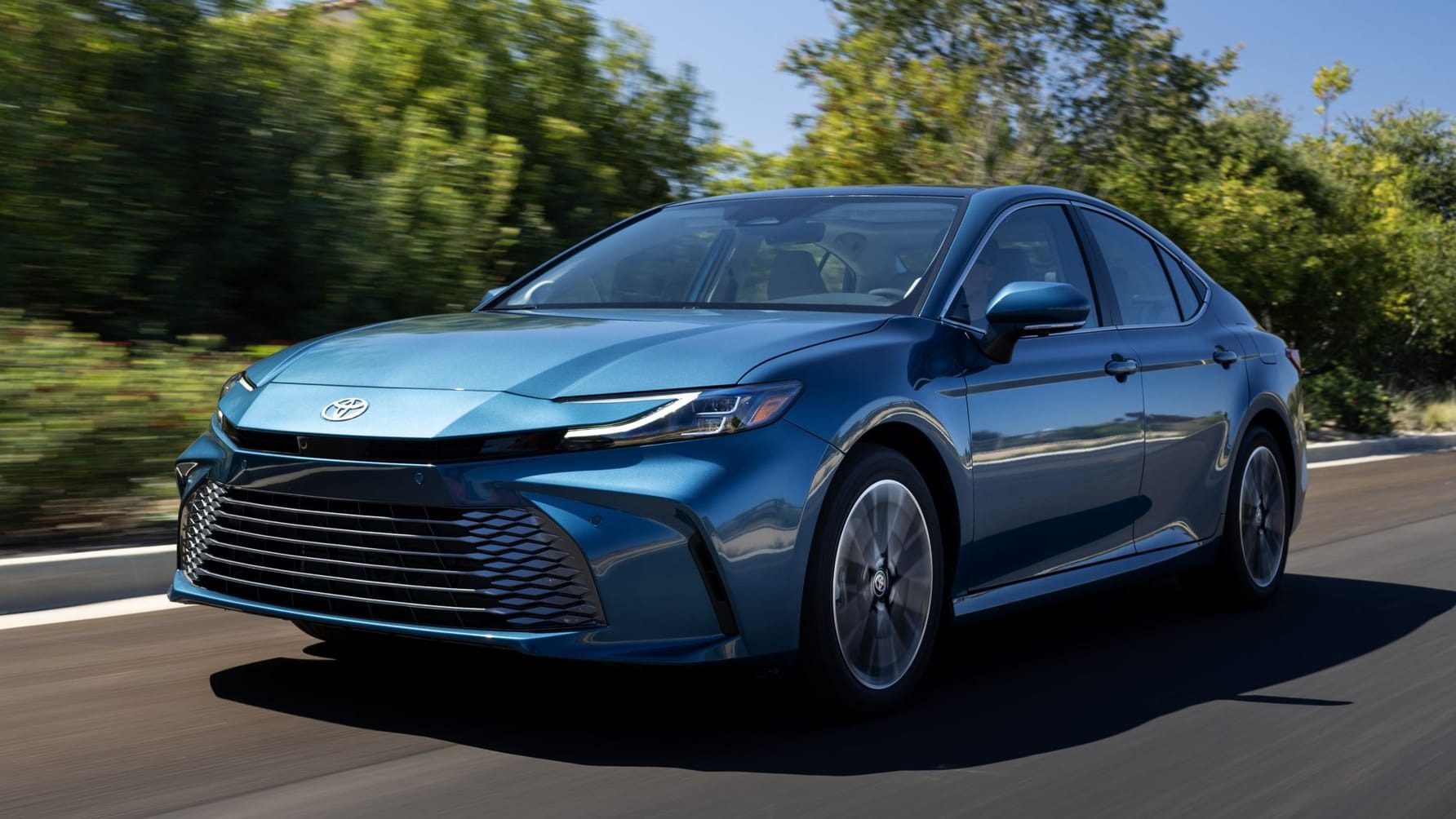
Sales volume tells half the story here. The Camry has sold in enormous numbers for decades, so a lot of them are on the road, and many of them are old. A car that lasts that long will eventually need the usual wear-and-tear fixes, which is exactly why mechanics see it so often.
Brakes top the list. Pads and rotors wear down on any car, and a Camry that has covered 150,000 miles has likely been through a few sets. Suspension bushings come next.
These small rubber pieces cushion the connection points under the car, and they crack and harden with age. When they go, you may notice clunking over bumps, a loose feel in the steering, or uneven tire wear.
Alternators also show up regularly. The alternator charges the battery while the engine runs, and a weak one can cause dim lights, a slow crank, or a battery warning on the dash.
Here’s the encouraging part. None of these are dramatic failures. They’re the normal price of owning a car that keeps running long after others have given up. A Camry in the shop is usually a sign of a long life, not a troubled one.
Keep up with inspections, listen for new noises, and replace worn parts before they damage something pricier. Treat it kindly, and it will likely keep earning its reputation for many more miles on the road.
2. Honda Civic
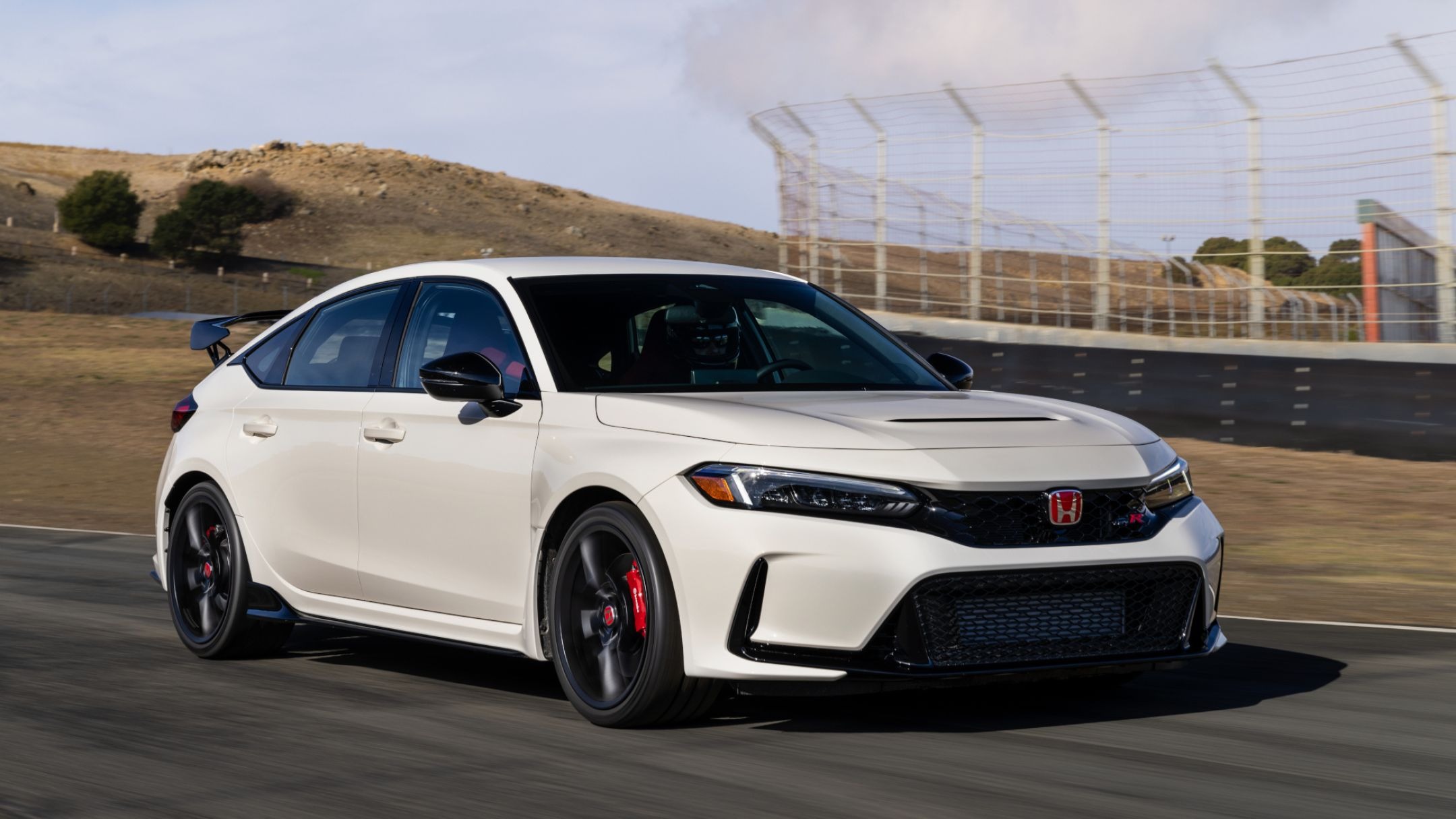
Daily commuters wear out cooling systems quietly. The Civic is a perfect example. It’s a go-to car for long drives to work, and on higher-mileage examples, mechanics keep finding the same cluster of problems.
Radiator seepage is one. Instead of a dramatic burst, coolant slowly weeps from the radiator, leaving crusty residue or a faint sweet smell.
Thermostat housing leaks come next, and they can be sneaky, since a small drip may only show up after the engine cools. Cooling system hoses round out the trio. Rubber hoses soften and crack with age, and a failing one can let coolant escape quickly.
Why does this matter? Coolant keeps the engine from overheating. Run low, and you risk damage that costs far more than a simple hose or housing.
Worn brake components also bring Civics in. Stop-and-go commuting chews through pads and rotors, so expect to replace them on a regular schedule.
Make it a habit to check the coolant level once a month with the engine completely cold. Also, look beneath your vehicle after it has been parked overnight for any signs of leaks or puddles. If the temperature gauge starts rising unusually, pull over somewhere safe and turn off the engine to prevent further damage.
None of this makes the Civic a bad car. It makes it a heavily used car, and heavy use always leaves a paper trail at the repair shop. Catch the small leaks early, and the bills stay small too.
3. Ford Focus
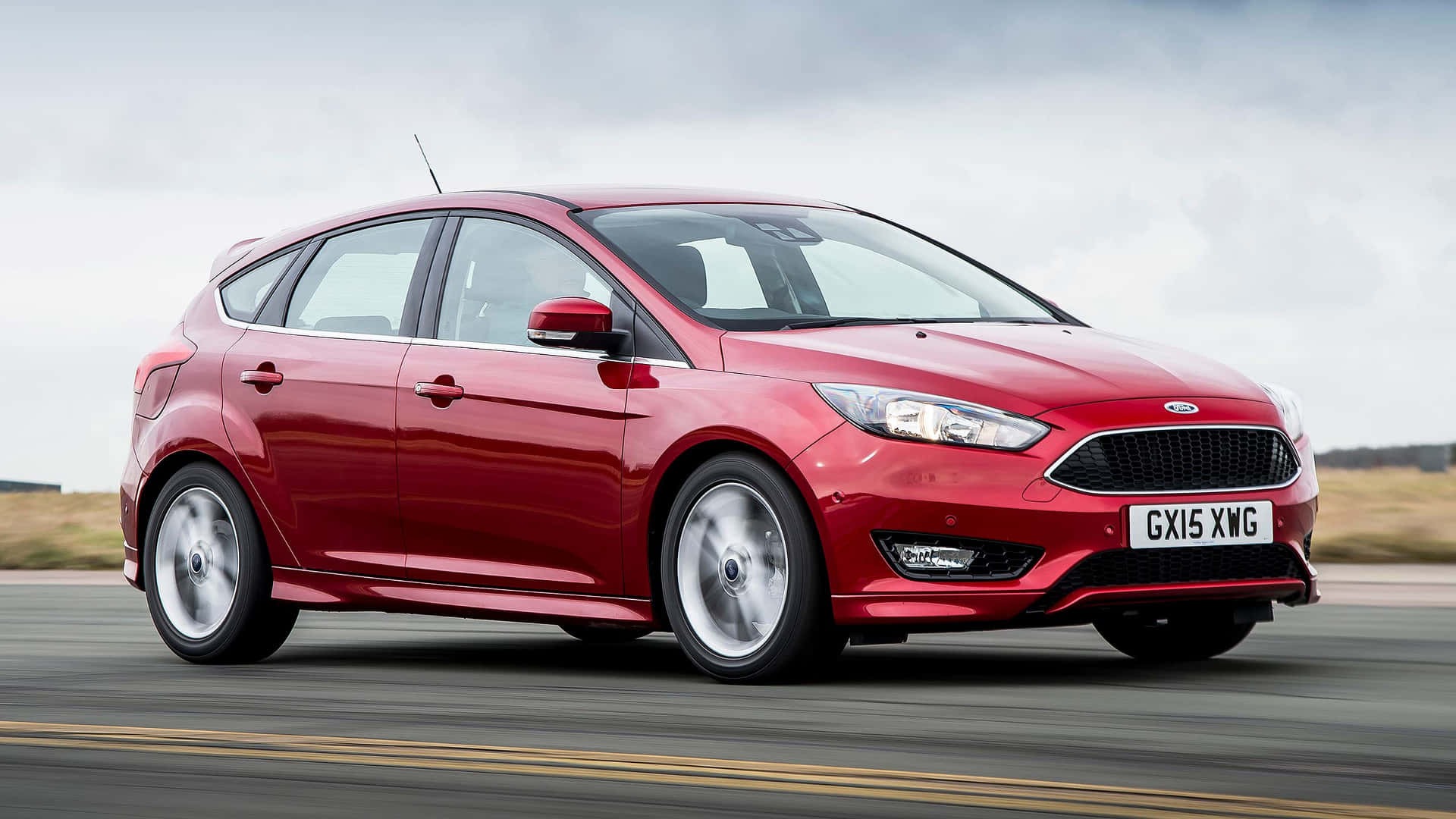
Not every shop visit comes from age. Sometimes it comes from design choices, and the Focus has a few that technicians remember well.
Alignment is the simple one. Suspension alignments are a common reason for a visit, since worn parts and rough roads pull the wheels out of line. Crooked alignment shows up as a drifting steering wheel or tires that wear on one edge.
Ignition system issues are next. Misfires, rough idling, and hesitation often trace back to spark plugs, coils, or related parts. They’re usually fixable, though they can be annoying.
Transmission problems are another concern worth noting. Certain model years came equipped with dual-clutch or conventional automatic transmissions that some owners report can feel jerky, respond slowly, or behave unpredictably.
A dual-clutch transmission works like two manual gearboxes sharing one housing, shifting automatically. When it behaves poorly, you may feel shuddering at low speeds or delayed engagement.
If you’re shopping used, research the exact model year before you commit. Ask for service records, and request a test drive that includes slow traffic, since that’s where transmission behavior shows most clearly. Pay attention to any lurching between gears.
A Focus can still be a fun, affordable car, and plenty of owners enjoy theirs. The trick is going in informed. Choose your year wisely, confirm the transmission has been serviced, and you’ll sidestep the headaches that fill so many repair orders.
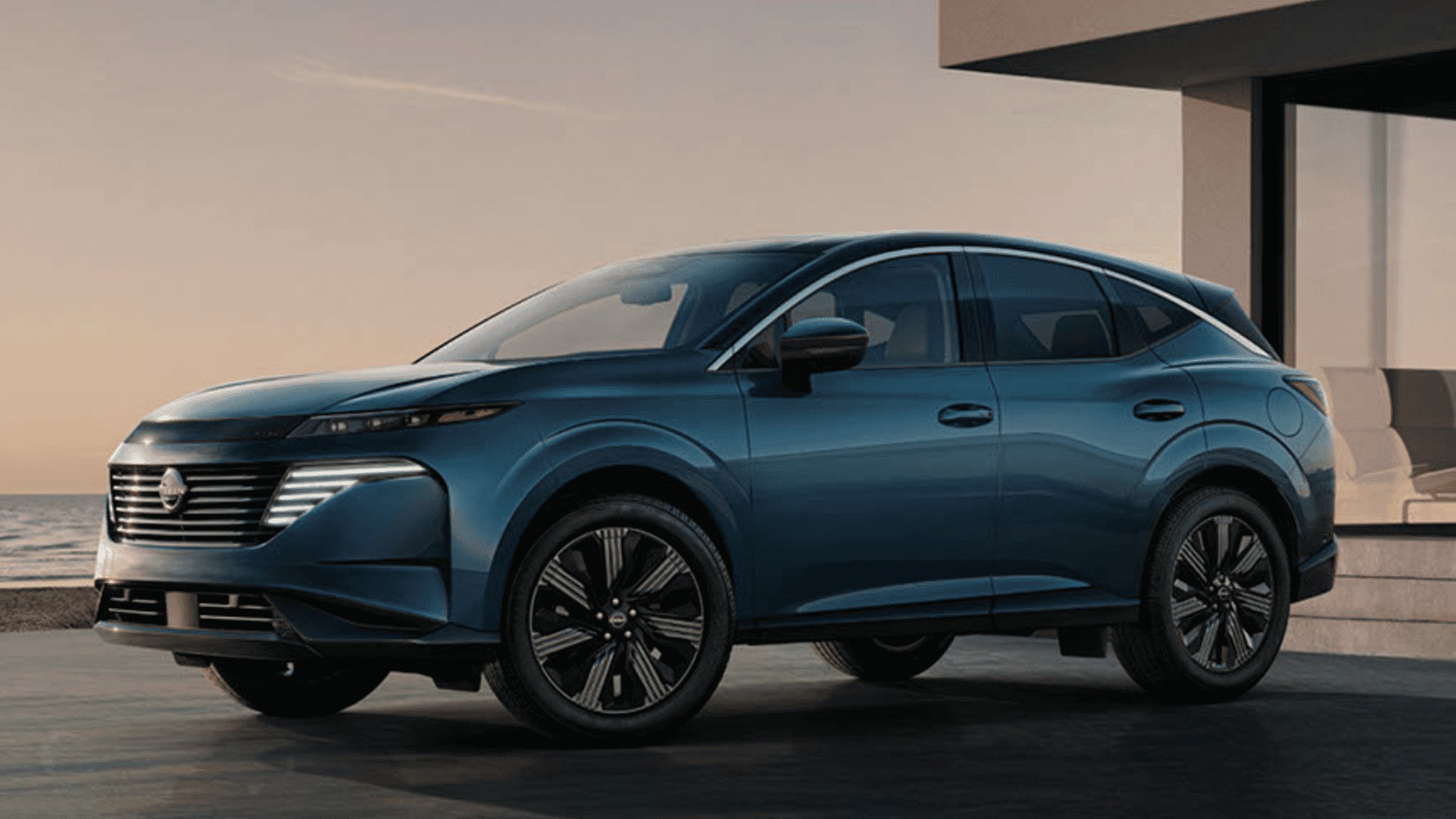
4. Nissan Altima / Murano
Nissan Altima sedans and Murano SUVs are frequently encountered by mechanics, particularly older examples equipped with continuously variable transmissions (CVTs).
These transmissions are designed to provide smooth acceleration and efficient engine operation, but certain units have experienced durability concerns.
Transmission complaints can include hesitation, slipping sensations, shuddering, unusual noises, and reduced acceleration. Depending on the underlying problem, repairs may involve electronic diagnosis, component replacement, or extensive transmission work.
CVT-related repairs can become expensive, especially when internal damage is present. That is why unusual driving behavior should never be ignored. Owners should have transmission warning lights, abnormal noises, and changes in acceleration checked promptly.
Electrical faults are another category of concern. Aging wiring, failing sensors, and deteriorating electrical connections can cause warning lights, intermittent system failures, or difficulty identifying the source of a problem.
The Altima and Murano are not identical mechanically, and repair patterns vary by model year and powertrain. Not every vehicle will experience transmission trouble.
For used-car shoppers, maintenance records are particularly valuable. Evidence of regular transmission servicing, documented repairs, and a professional pre-purchase inspection can help identify potential trouble before committing to either vehicle.

5. Volkswagen Passat / Jetta
Volkswagen Passat and Jetta models offer comfortable interiors, composed handling, and a range of engine options. However, as these vehicles accumulate mileage, mechanics may encounter cooling system leaks, timing component wear, and electrical sensor faults.
Cooling system problems deserve attention because coolant leaks can develop around aging hoses, water pumps, plastic fittings, and related components. A falling coolant level or rising engine temperature should prompt an inspection rather than repeated refilling.
Timing belt and timing chain concerns depend heavily on the engine version. Some engines require scheduled timing belt replacement, while others use chains with tensioners that may develop wear or noise.
Following the correct service schedule is essential because timing system failures can cause severe engine damage.
Electrical sensors can also become troublesome with age. Faulty readings may trigger dashboard warning lights, affect engine performance, or cause irregular operation of certain vehicle systems.
Volkswagen maintenance often requires attention to the exact engine and model year because service requirements differ across versions.
Owners who maintain these cars should keep accurate service records and address warning signs promptly.
For used-car buyers, checking the timing system service history and inspecting the cooling system are sensible steps before making a purchase.
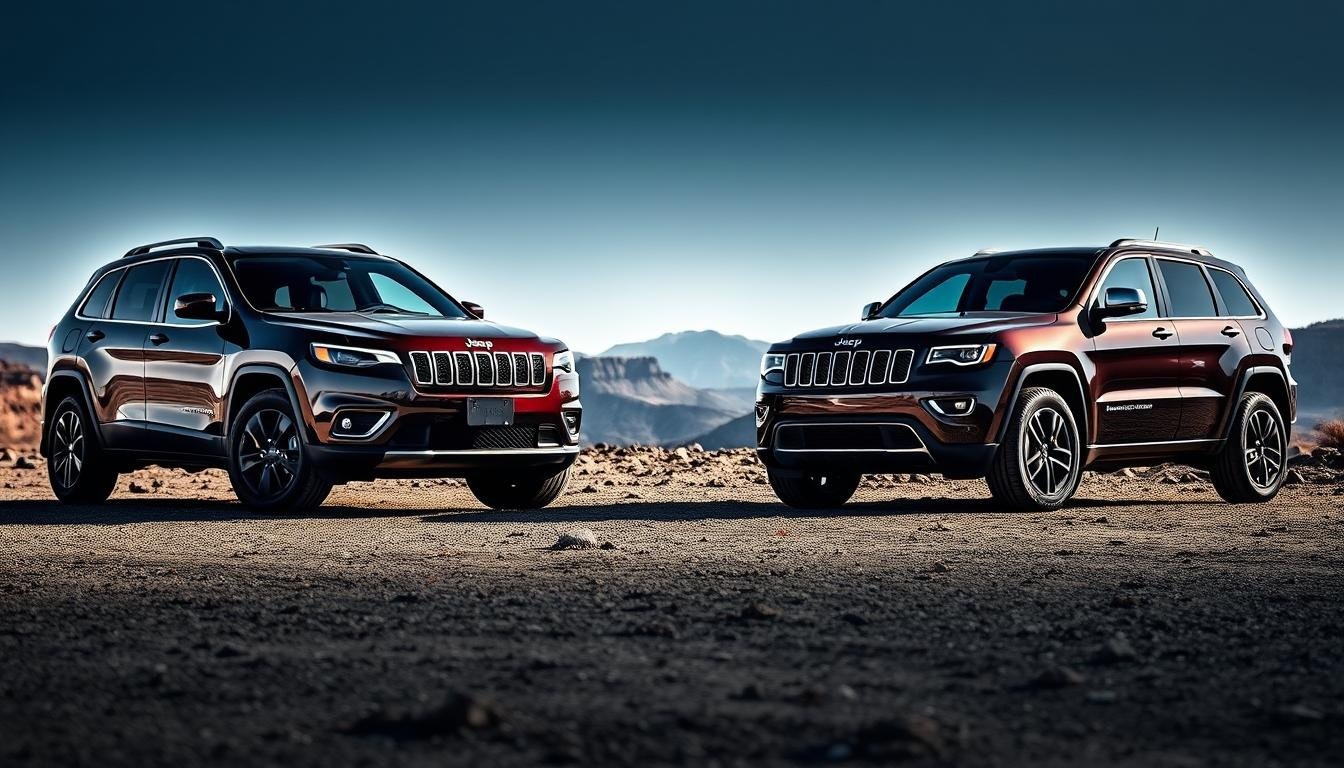
6. Jeep Grand Cherokee / Cherokee
Jeeps are built for adventure, and adventure leaves marks. Mechanics see the Grand Cherokee and Cherokee often, and the reasons are fairly consistent.
Suspension and ball joint wear lead the way. Ball joints are the pivot points that let your wheels move up and down while steering left and right.
When they wear, you may hear clunks, feel looseness, or notice uneven tire wear. Ignoring them can become dangerous, since a failed joint affects control of the vehicle.
Four-wheel-drive and all-wheel-drive actuator issues are another frequent visit. The actuator is the part that engages the system, and when it falters, you might see warning messages or lose the traction you paid extra for.
Electrical system problems and oil cooler leaks also appear regularly. An oil cooler leak can allow oil to escape or mix with other fluids, and that’s worth fixing quickly. Watch for oil spots under the car or a burning smell.
If you take your Jeep off pavement, inspect the suspension more often. Rocks, mud, and rough trails stress every moving part.
If you’re considering a used model, make sure to have it inspected by a qualified mechanic before buying. Ask them to examine the front suspension, test the four-wheel-drive system, and check for any signs of recent fluid leaks.
These vehicles can be great companions, though they reward owners who stay on top of the details.

7. BMW 3 Series
Few cars blend sporty handling and everyday comfort like the 3 Series. Few also come with the repair reputation that follows it once the warranty ends.
Mechanics often see these cars past warranty for three common problems. First, oil filter housing leaks. The housing holds the oil filter, and its gasket can degrade over the years, letting oil seep out. Left alone, that leak can stain components below and create a mess.
Second, water pump failures. The pump circulates coolant through the engine, so when it quits, temperatures can rise fast. Third, cooling system plastic component degradation. Plastic parts under the hood face constant heat cycles, and eventually they become brittle and crack.
Notice the pattern? Heat and age are the culprits, and the cooling system takes most of the punishment.
Owners who plan ahead tend to fare better. Set aside a repair fund, since parts and labor for this brand often cost more than for mainstream cars. Find an independent specialist who knows the model, because they can often charge less than a dealership while still doing quality work.
Watch your temperature gauge, check coolant levels regularly, and replace aging parts before they fail. That approach costs less than waiting for a roadside breakdown.
A well-maintained 3 Series remains rewarding to drive. Just treat maintenance as part of the ownership experience, not an unwelcome surprise.
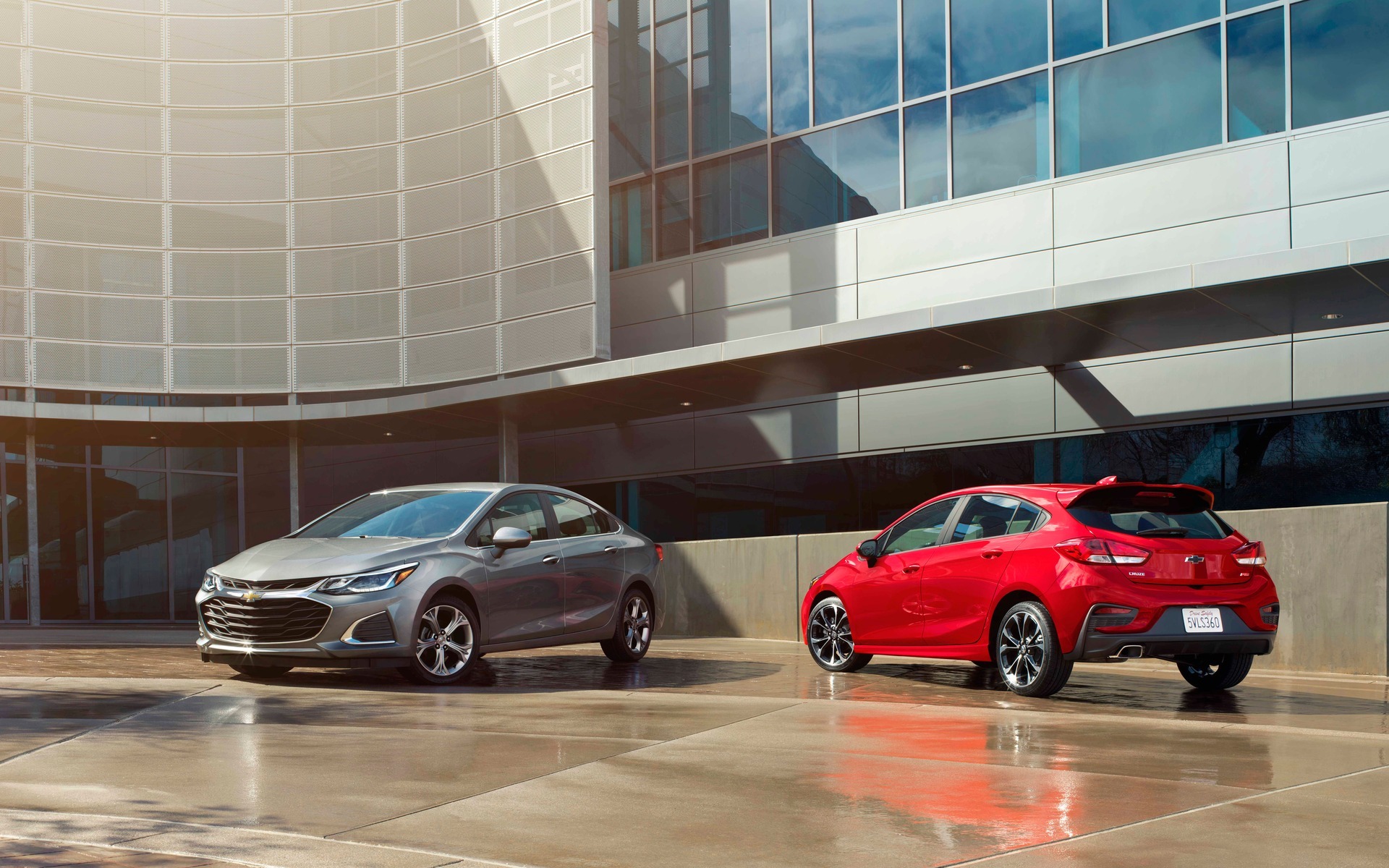
8. Chevrolet Equinox / Cruze
Chevrolet Equinox and Cruze models complete this list because mechanics commonly encounter certain examples with engine-related maintenance concerns.
Both vehicles have been popular choices for everyday transportation, but particular engine versions have developed recurring repair patterns.
Oil consumption is one issue reported on selected models and engines. When an engine consumes excessive oil, the level can fall between scheduled services, potentially increasing internal wear if the problem goes unnoticed.
Water pump leaks are another concern, particularly on certain Equinox and Cruze configurations. A failing pump can allow coolant to escape, making it harder for the engine to maintain its proper operating temperature.
Timing chain wear is also associated with some engine versions. Warning signs may include unusual rattling, rough operation, or engine performance problems. If timing components deteriorate severely, the resulting damage can be costly.
Ignition coil failures are another reason these vehicles may require workshop attention. A faulty coil can cause engine misfires, rough idling, reduced power, and an illuminated check-engine light.
Owners should monitor oil and coolant levels and investigate unfamiliar engine noises promptly. Repair requirements vary by engine and model year, so accurate identification is essential when ordering replacement parts.
For used-car buyers, checking oil consumption history, cooling system condition, and timing component maintenance can provide valuable insight into a vehicle’s condition.
Popular doesn’t always mean problem-free, but it does mean well-documented. Every car above has predictable weak spots, which makes them easier to plan for.
Before you buy, research the exact model year and ask for service records. Schedule a pre-purchase inspection with an independent mechanic, and keep a small repair fund so a surprise bill never throws you off.
Regular fluid changes, careful attention to leaks, and quick responses to new noises will extend the life of almost any vehicle. Mechanics see these cars often because people drive them often, and that’s useful knowledge for you.
Use it to choose wisely, maintain consistently, and keep more money in your pocket.