Found a used sedan that looks perfect, drives smoothly, and fits your budget? Hold on for one quick check. Millions of popular sedans from Toyota, Honda, Lexus, Acura, Subaru, and Mazda are still covered by active fuel-pump safety recalls. A failing pump can stall an engine while you’re moving, and nobody wants that on a highway.
The good news is that recalls never expire, and franchised dealers repair them free of charge. All you need is the 17-digit VIN and a couple of minutes. Here are ten used sedans to check before you hand over any money, along with what each recall covers and how to protect yourself.
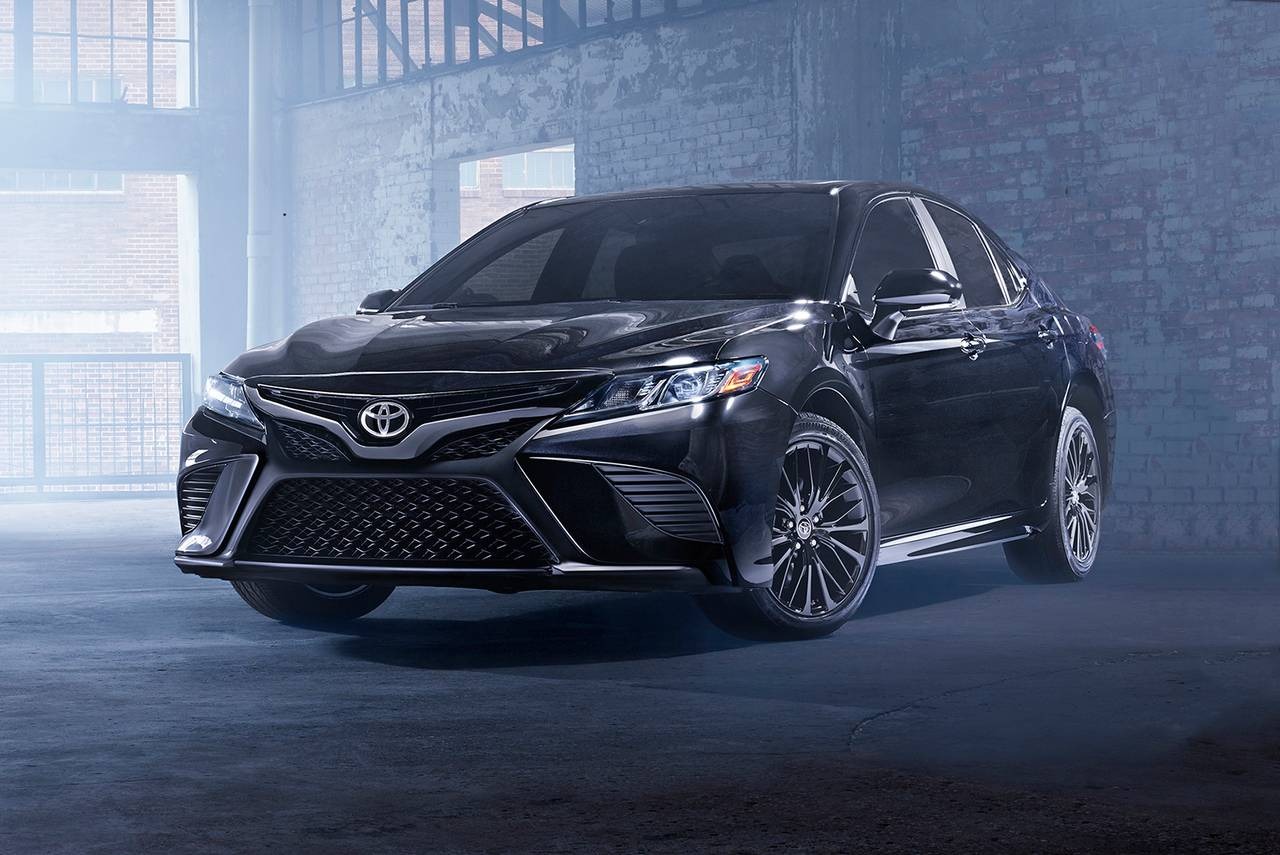
1. Toyota Camry (2018-2020)
Start with a car that’s practically a household name. The Camry from 2018 through 2020 was recalled under Toyota campaigns, including 20TA02, for a faulty Denso low-pressure fuel pump.
Inside that pump sits an impeller, a small spinning part that pushes fuel toward the engine. In affected cars, the impeller can deform, and that’s where trouble begins.
What does it look like in daily driving? Often the first sign is a check-engine warning. From there, the engine can stall suddenly, even at speed. Losing power on a busy road is frightening, since you also lose the help your steering and brakes get from a running engine.
Because the Camry sells in such large numbers, plenty of used examples are listed everywhere, and that makes this check even more useful. A clean-looking car with low miles can still carry an open recall.
Here’s the simple routine. Copy the VIN from the dashboard or the driver’s door jamb. Enter it on the official NHTSA recall lookup, then confirm the result with a Toyota dealer.
If the recall shows as open, ask the seller to complete the repair before you buy, or schedule it yourself right after the sale. The fix costs you nothing, and it removes a risk you should never accept in a family sedan.
Keep the repair paperwork with your records, since it will help when you sell the car later.
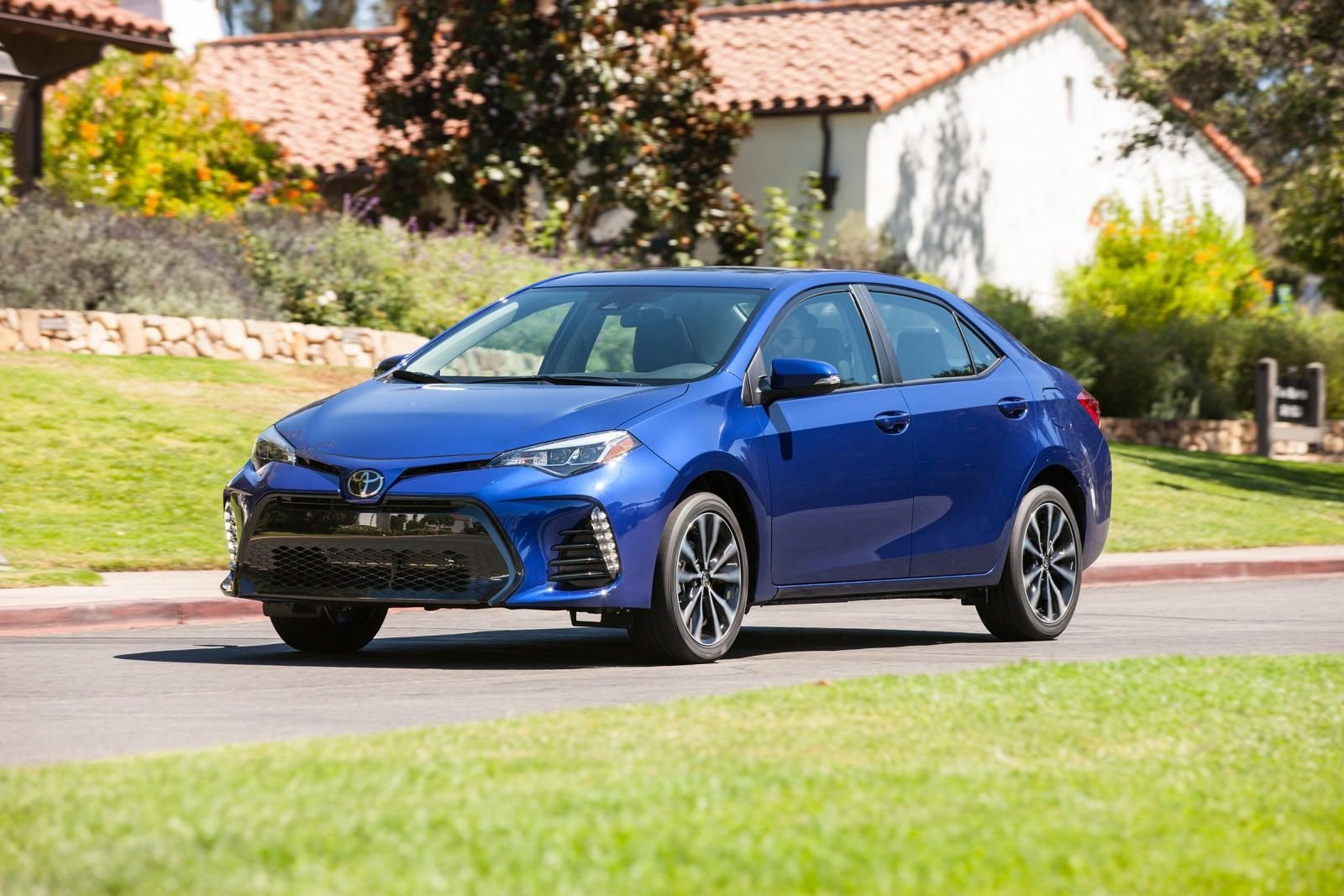
2. Toyota Corolla (2018-2020)
The Corolla remains a popular choice among first-time buyers and commuters thanks to its compact size, fuel efficiency, and widespread availability. However, it is also included in the large-scale Denso fuel pump recall, making a VIN check an essential step before purchasing.
Affected sedans can behave strangely before they fail. You might notice hesitation when you press the gas, a rough-running engine, or a stall that leaves you struggling to restart. Those symptoms tend to scare new drivers most, since they appear without much notice.
Why does a small part cause such a big problem? The pump’s impeller is supposed to hold its shape while it spins. When it swells or warps, it can rub, slow down, and starve the engine of fuel. No fuel means no power.
Budget shoppers sometimes skip the extra step because a Corolla’s reputation is so strong. That’s understandable, but reputation doesn’t equal recall status. A great brand can still have an open campaign on one specific car.
So what should you do? Run the VIN through the recall tool before your test drive, not after. If you’re buying from a private seller, ask for proof the repair was done, such as a dealer receipt.
If a dealership is selling it, ask them to show the completed recall in writing. A few minutes of homework keeps a bargain from becoming a roadside emergency. It’s the cheapest protection available to any used-car shopper.
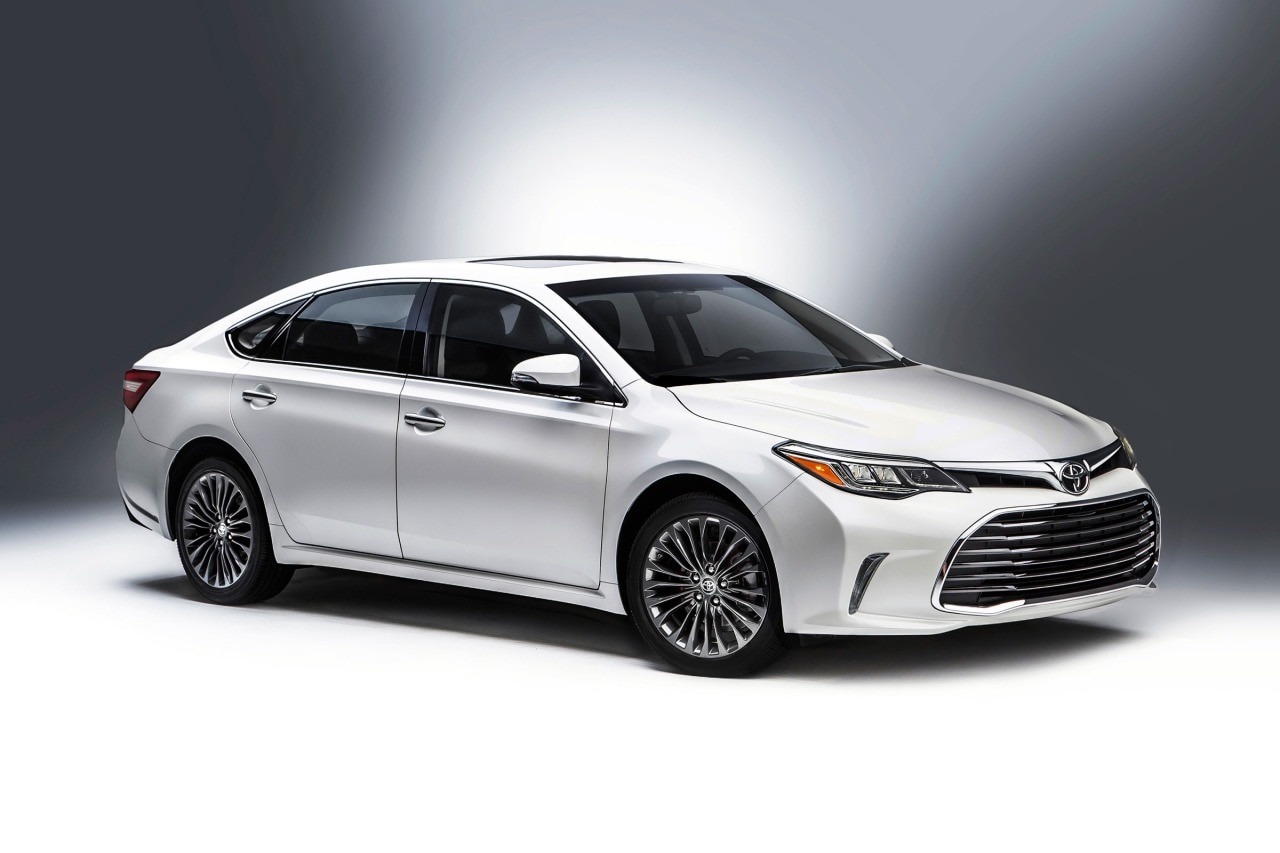
3. Toyota Avalon (2018-2020)
Big, quiet, and comfortable, the Avalon appeals to buyers who want a roomy highway cruiser. It’s covered under the same Denso low-pressure fuel pump defect campaigns as the Camry and Corolla, so the same caution applies.
Because Avalons often go to drivers who log long highway trips, a stall here carries real risk. Highway speeds leave little room for error, and losing engine power at 70 miles per hour is something you want to avoid entirely.
Here’s a helpful way to think about it. A recall is the manufacturer admitting a flaw and offering to fix it, at no cost to you. It’s not a rumor, and it’s not a sign the car is junk. It’s a repair waiting to be scheduled. Your job as a buyer is making sure someone already scheduled it.
Used Avalons tend to be well kept, and that can lull shoppers into relaxing. A spotless leather interior says nothing about what’s inside the fuel tank. Only the VIN lookup answers that question.
Before closing the deal, check the car on the official recall site and write down the date you looked. Ask the seller whether any dealer repairs have been done, and request records.
If the recall is open, negotiate for the repair to be completed first or plan a dealer visit right away. That’s an easy step with a big payoff in peace of mind.
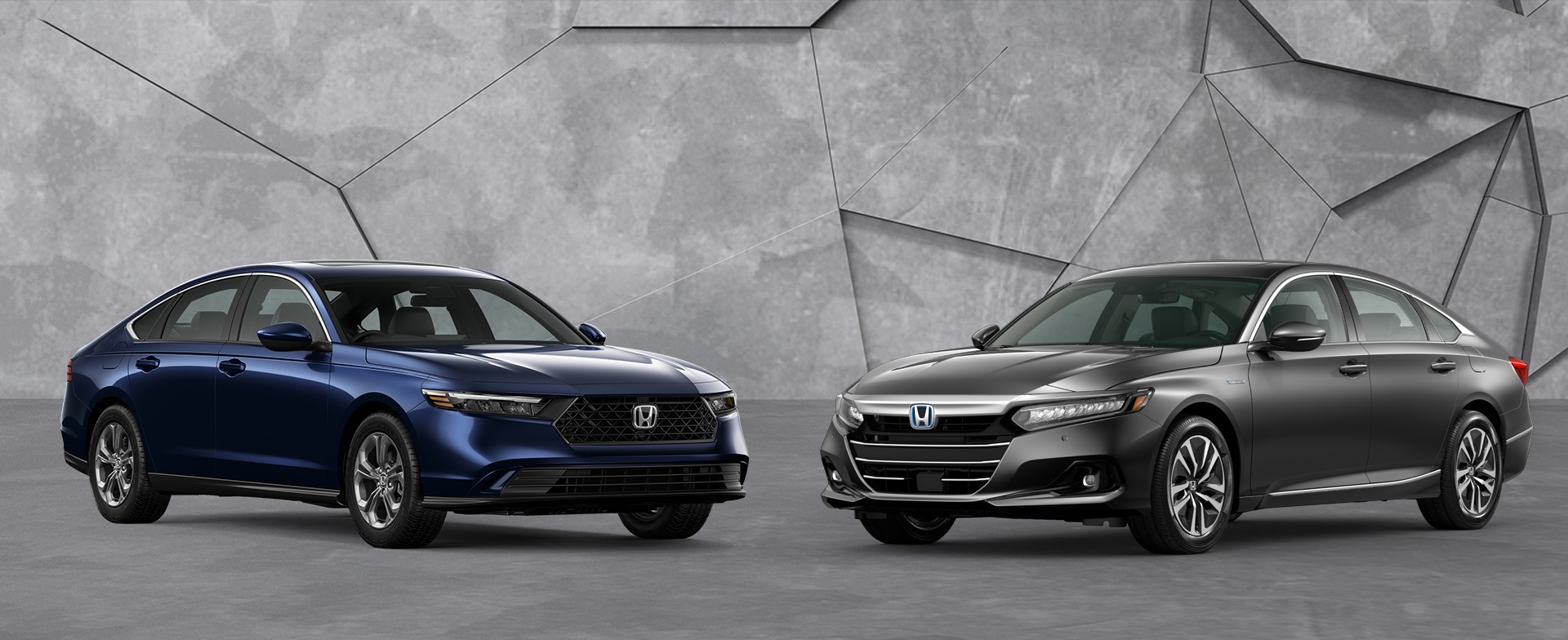
4. Honda Accord & Accord Hybrid (2018-2020 & 2023-2024)
Few sedans sell as steadily as the Accord, and few come with a recall story this layered. Two separate campaigns apply, so one clean result doesn’t tell the whole story.
The first is the large Denso impeller recall covering 2017 through 2020 models, tracked as NHTSA 20V-314 and 23V-858.
The second recall involves a separate issue affecting certain 2023 and 2024 models. Their high-pressure fuel pump cores may crack and leak fuel, creating a potential fire hazard. This makes the problem particularly serious, as the risk extends beyond an engine stall to possible fire damage.
Notice the difference. One recall involves a low-pressure pump that can seize. The other involves a high-pressure pump that can leak. Different parts, different dangers, same urgent advice.
If you’re eyeing an Accord, match the model year to the right campaign. A 2019 should be checked for the impeller recall. A 2024 should be checked for the leak recall. Hybrids deserve the same attention as the gas versions.
Smell matters too. A strong gasoline odor near the engine bay or in the cabin is a warning sign. Never ignore it, even on a newer car.
Run the VIN, review every open item, and ask the dealer for written confirmation of completed repairs. Accords hold their value well, and a clean recall record helps protect that value when you resell.
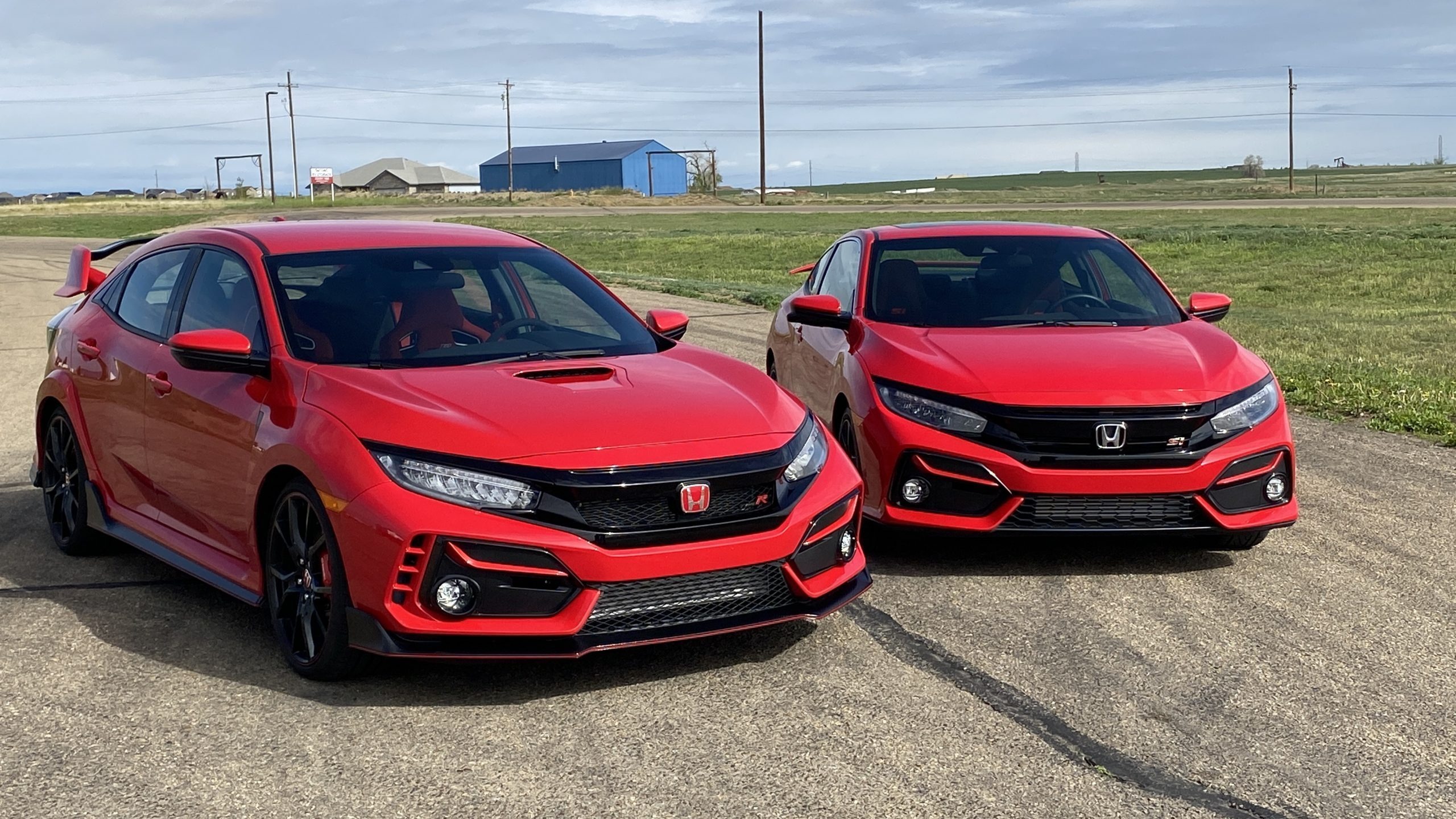
5. Honda Civic & Civic Si (2018-2020 & 2025)
Sporty, efficient, and loved by younger drivers, the Civic shows up on a lot of shopping lists. It also appears on two different recall lists, depending on the year.
The 2018 to 2020 cars, including the Civic Si, fall under the Denso impeller recall. The 2025 Civic Sedan and Civic Hybrid face the high-pressure fuel pump leak recall. That second group surprises people, because a car this new feels like it should be free of surprises.
It’s a good reminder that age doesn’t protect you. Recalls hit brand-new models as well as older ones, and a nearly new Civic can carry an open campaign just as easily as a seven-year-old one.
Think about who buys these cars. Students, commuters, and first-time owners often trust the badge and skip paperwork. Please don’t. A five-minute VIN search can reveal whether the pump issue affects the exact car in front of you.
Try this simple checklist in your head. Confirm the year. Match it to the right campaign. Search the VIN. Ask for proof of repair. Then schedule any outstanding work with a franchised Honda dealer, who performs it for free.
Also pay attention to how the car behaves on your test drive. Hesitation, rough idling, or any fuel smell deserves a pause and a question. Sellers should answer clearly. If they get vague or defensive, treat that as useful information about the deal itself.
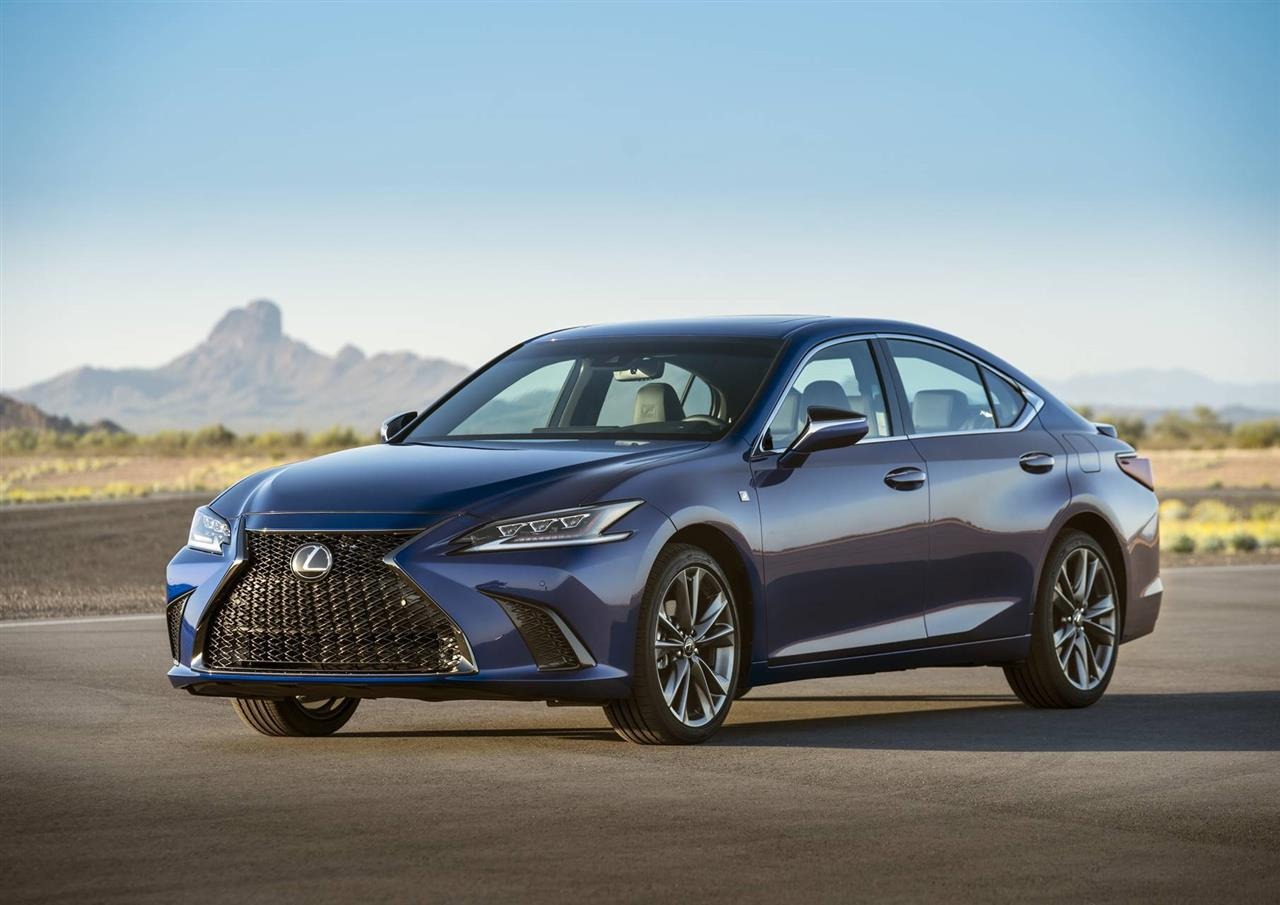
6. Lexus ES 350 (2018-2020)
Luxury buyers often assume premium badges mean fewer problems. The Lexus ES 350 proves that assumption needs a check. It was recalled under Lexus campaign 20LA01 for the same Denso low-pressure pump failure that affected Toyota’s mainstream sedans.
The result of that failure is a sudden loss of motive power at speed. In plain English, the car stops providing forward drive while you’re traveling, even though you didn’t touch anything. That’s a serious safety event, and it’s the reason regulators treat these recalls so firmly.
The ES 350 has a calm, softly cushioned ride, and that makes the risk feel unreal. A silent cabin can hide a lot. You might not hear a warning before the problem starts, so relying on instincts alone isn’t enough.
This is where paperwork beats gut feeling. A certified pre-owned program often includes recall checks, but it’s wise to confirm independently. Don’t assume a dealer did the work simply because a car sits in a polished showroom.
Ask for the campaign number, 20LA01, and request proof it was completed. If the seller can’t provide it, look the VIN up yourself. Lexus dealers can perform the repair without charge if it’s still open.
A luxury sedan should deliver comfort and confidence. A clear recall record gives you both. Take ten minutes now, and you’ll enjoy the car for years without a lingering worry in the back of your mind.
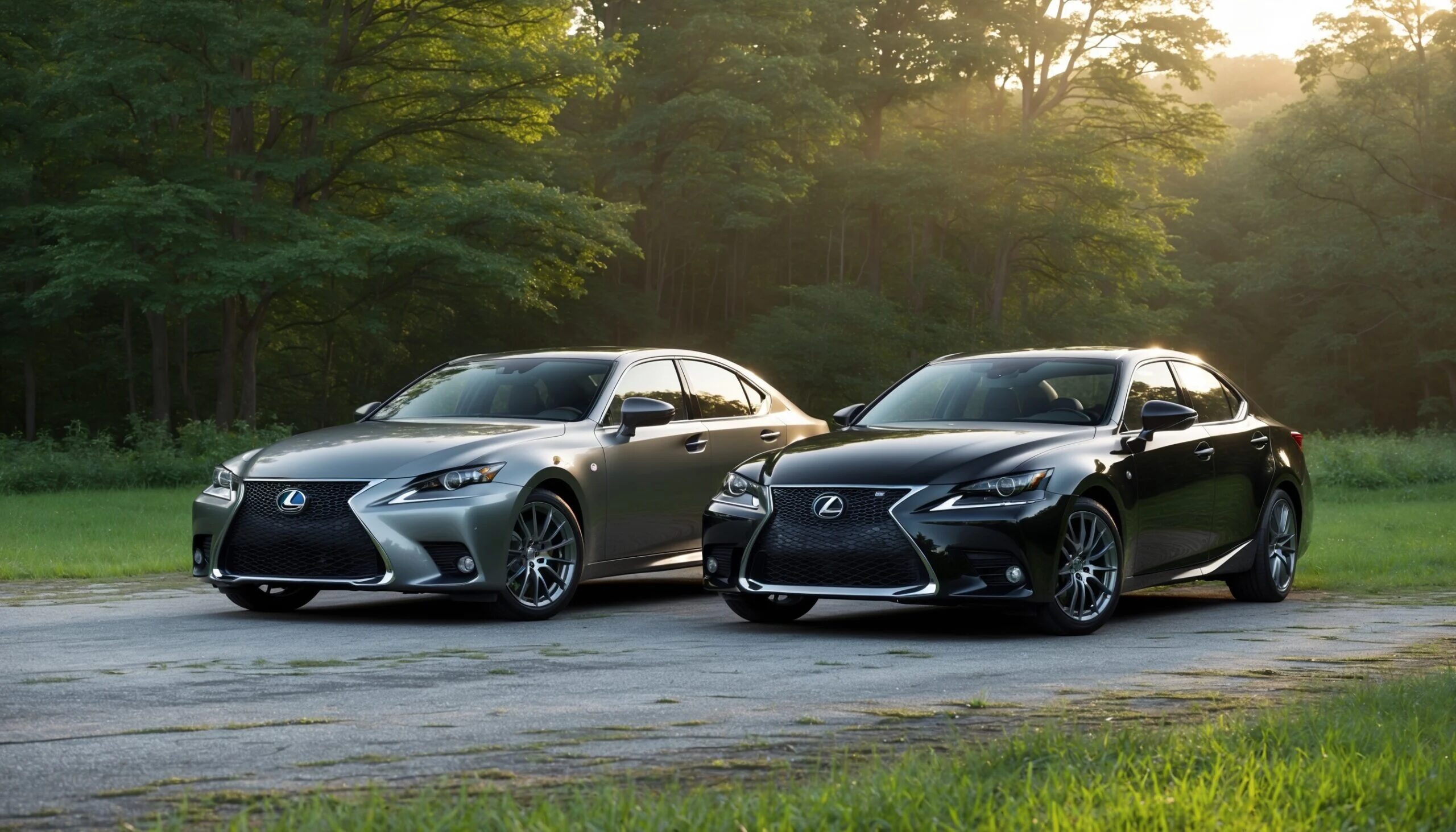
7. Lexus IS 300 & IS 350 (2014-2015, 2018-2019, 2022)
Few sedans have a recall history as spread out as the IS. Covered across multiple waves of the Denso recall, it includes model years from 2014 and 2015, 2018 and 2019, and 2022. Expansions through April 2026 added the 2022 IS variants, which tells you these campaigns keep growing.
That growth matters. A VIN you checked six months ago may not give the same answer today. Recall lists change as regulators and manufacturers find more affected vehicles, so an old result can go stale.
Imagine a buyer who checked a car last spring, felt satisfied, and then purchased it in autumn. In that gap, the campaign may have widened. A fresh search on the day you sign is the smart habit.
The IS is a sporty, rear-driven sedan that attracts enthusiasts. Many owners push these cars harder than average, and hard driving puts extra demand on every system. A fuel supply problem during spirited driving is something nobody wants.
Check your exact trim, either the IS 300 or the IS 350, and confirm which wave applies. Lexus dealers can look up the VIN and tell you right away whether work remains.
Keep screenshots or printouts of your recall results. If a dispute ever comes up with a seller, dated records help your case. Treat the lookup as part of the purchase, just like inspecting the tires or reading the title.
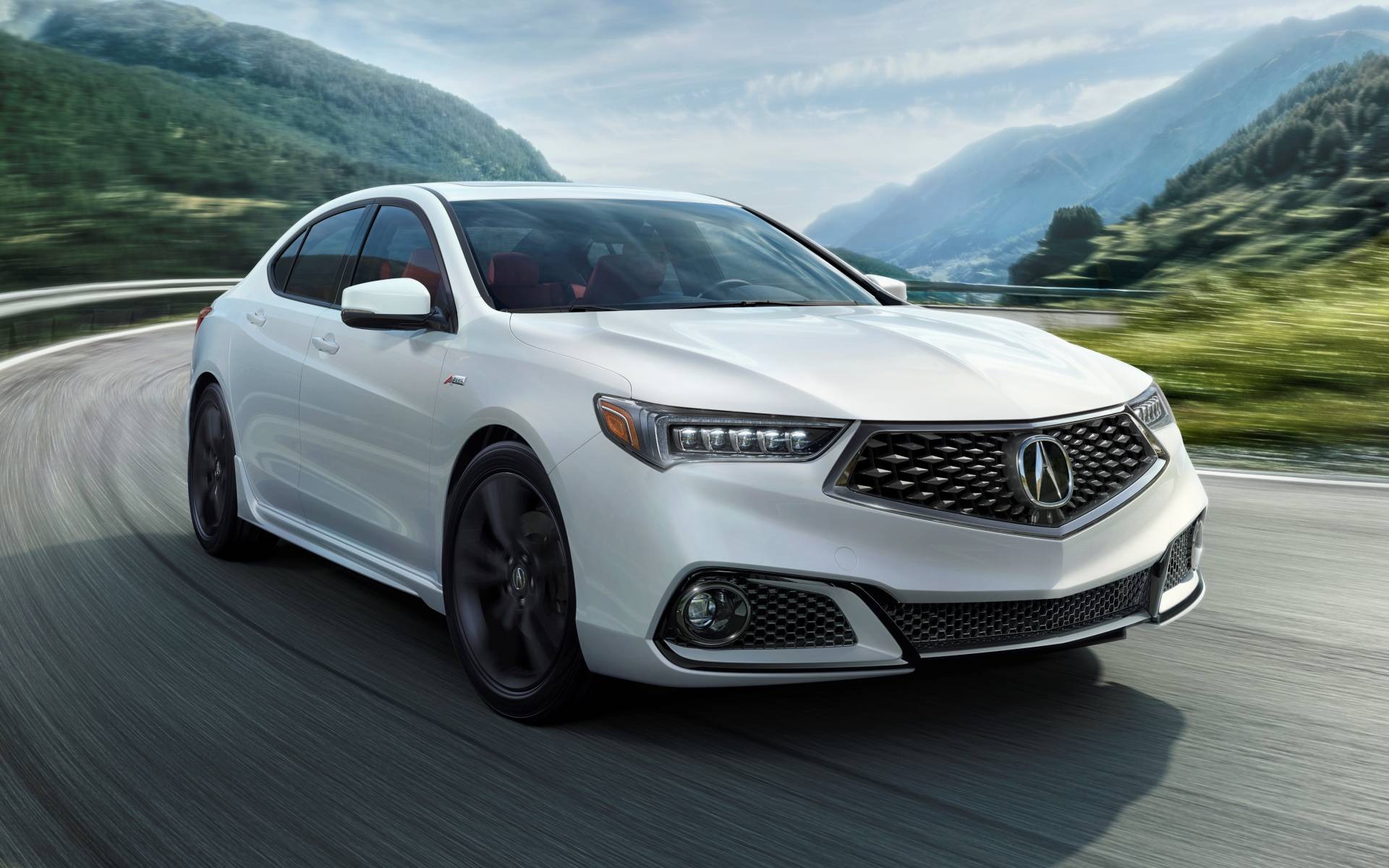
8. Acura TLX (2018-2020)
Acura blends Honda reliability with a more refined cabin, and the TLX has built a loyal following. It’s also covered by Honda and Acura’s Denso fuel pump campaign, tracked as NHTSA 23V-858.
The defect centers on low-density pump impellers that absorb fuel and seize. Picture a sponge that soaks up liquid and swells. A swollen impeller can no longer spin freely, and once it jams, the pump stops delivering fuel. The engine then has nothing to burn.
That sequence can happen with little warning, which is why a recall fix matters even if the car feels perfect today. Feeling fine now doesn’t guarantee feeling fine next month.
TLX shoppers tend to be careful researchers who compare trims, read reviews, and test drive several cars. Add the recall check to that list. It takes less time than comparing cup holders.
A good way to verify recall status is to enter the vehicle’s VIN on the NHTSA website and then contact an Acura dealership to confirm the results. Checking both sources provides added confidence. If the dealer confirms that the recall repair has been completed, request a printed copy of the service record for your records.
If it’s still open, schedule the free repair right away. Don’t wait for a convenient moment. Sedans like this often change hands quickly, and a documented clean recall history makes your car easier to sell down the road, too. That’s a small effort with a long-lasting benefit.
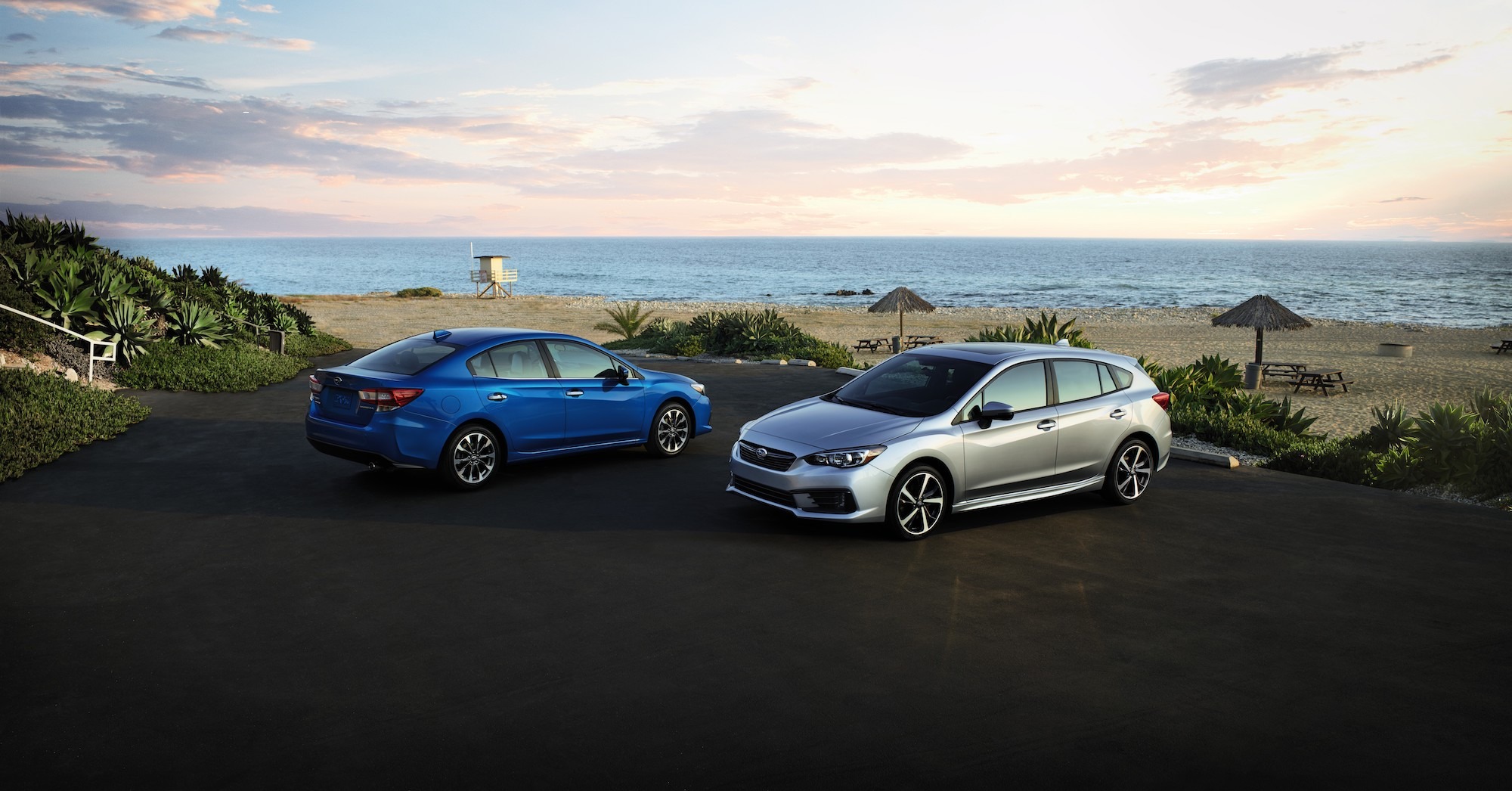
9. Subaru Legacy & Impreza (2018-2020)
Subaru owners love their cars for safety and all-weather confidence, so a fuel pump recall feels especially ironic. Still, both the Legacy and the Impreza from 2018 through 2020 were recalled for a defective Denso low-pressure fuel pump module.
The fix is simple and comes at no cost to the owner. An authorized dealer will replace the affected fuel pump free of charge, including both parts and labor. Owners only need to schedule an appointment to have the repair completed.
Why does this deserve a spot on your checklist? Because many Subaru buyers live where winters are harsh, and a stall on a cold, snowy road is far more dangerous than one on a sunny afternoon. Engine power matters most when conditions are worst.
Think of the recall check as part of winter preparation. You’d test the battery, inspect the tires, and check the wipers. Add the VIN lookup to that routine, and you’ll cover a risk that’s easy to overlook.
When you contact a Subaru dealer, ask whether the pump module has been replaced on that specific car. Don’t accept a vague yes. Ask to see a work order or a service history printout. Details protect you.
If you’re buying privately, you can still use the dealer network to verify. Recalls are tied to the VIN, not the owner, so the free repair stays available no matter who holds the title. That’s one of the best features of the recall system, and it’s worth using.
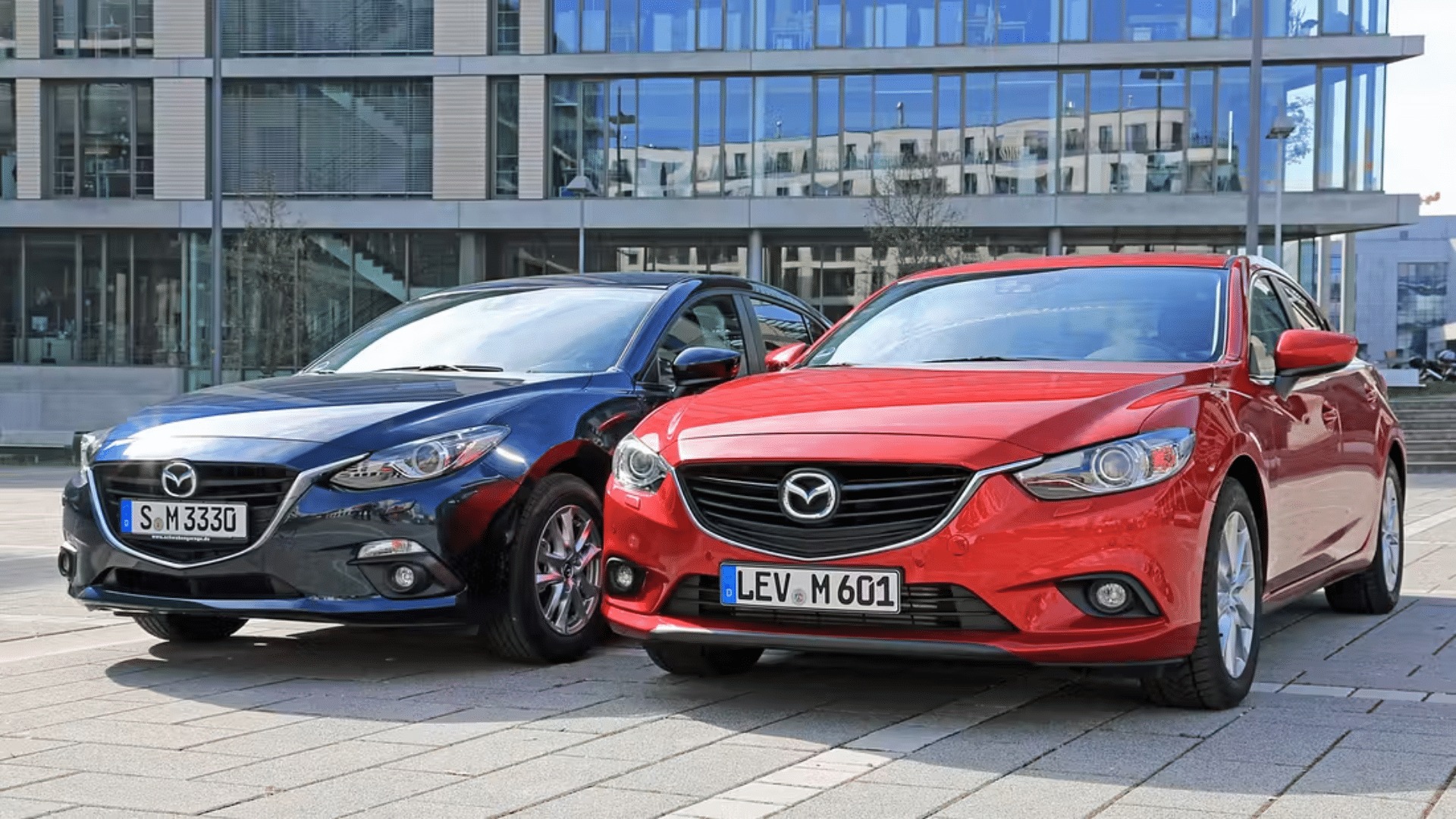
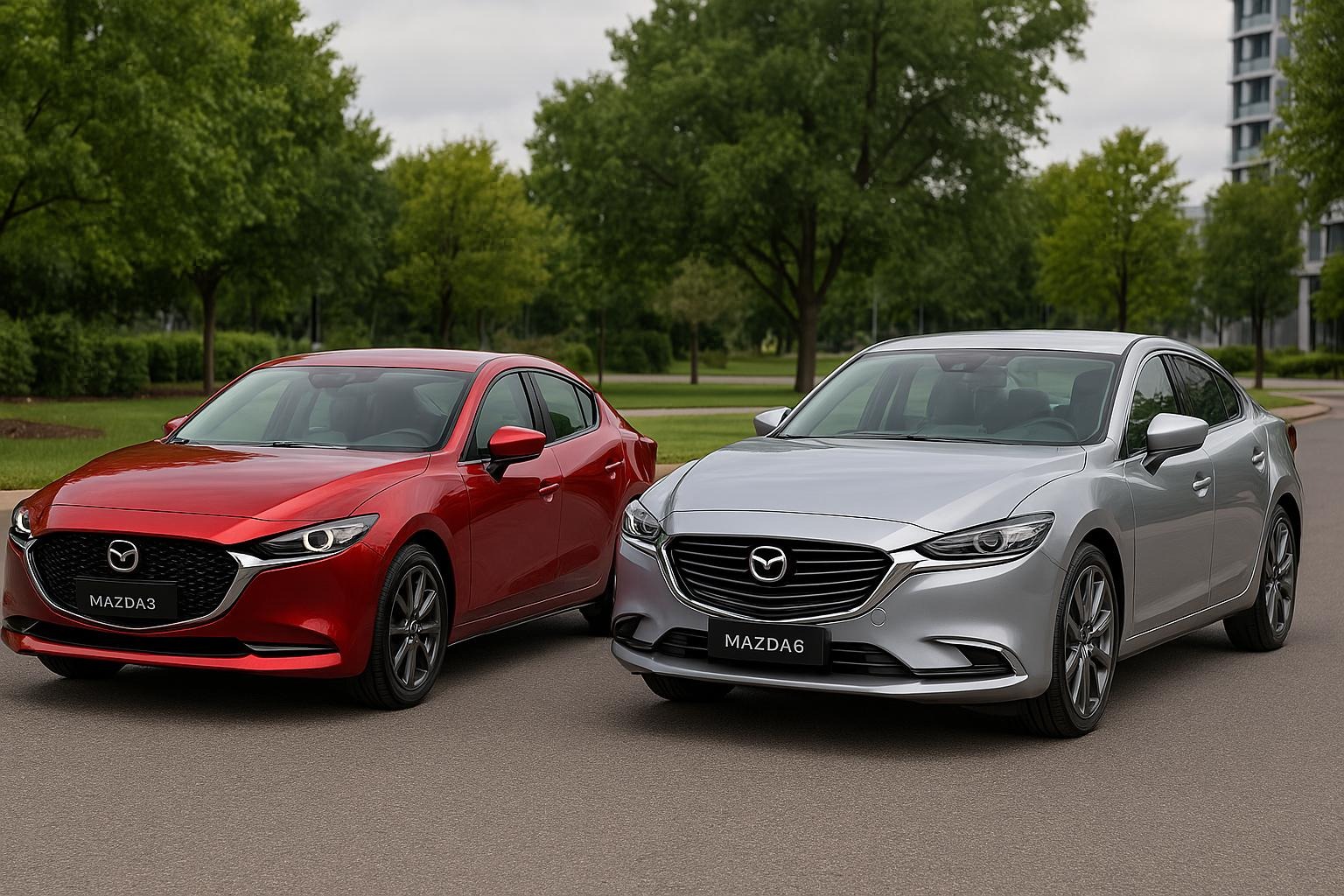
10. Mazda3 & Mazda6 (2018)
Last on the list, the 2018 Mazda3 and Mazda6 were recalled under Mazda campaign 5321K, tracked as NHTSA 21V-875. The cause is an improperly manufactured Denso fuel pump that can crack and fail without warning.
The key concern is that the problem can occur without any warning. Unlike many mechanical issues that produce unusual noises, vibrations, or dashboard alerts, this defect may show no obvious signs beforehand. That is why a vehicle’s condition alone cannot confirm whether it is affected, making a VIN check especially important.
Mazda drivers tend to love how engaged their cars feel on the road. A sudden loss of power spoils that experience fast and creates a safety issue for everyone nearby.
Here’s the takeaway for the whole list. Safety recalls never expire, and franchised dealers perform the repairs for free. Before buying any used sedan, copy the 17-digit VIN, run it through the official recall lookup, and confirm the result with a dealer. Ask for written proof of completed repairs. Check again on the day you sign, since campaigns can expand.
If the seller resists a simple recall check, walk away. Plenty of other cars are out there, and your safety is worth more than a quick deal. Make this habit part of every used-car purchase, and you’ll drive away with confidence instead of crossed fingers.