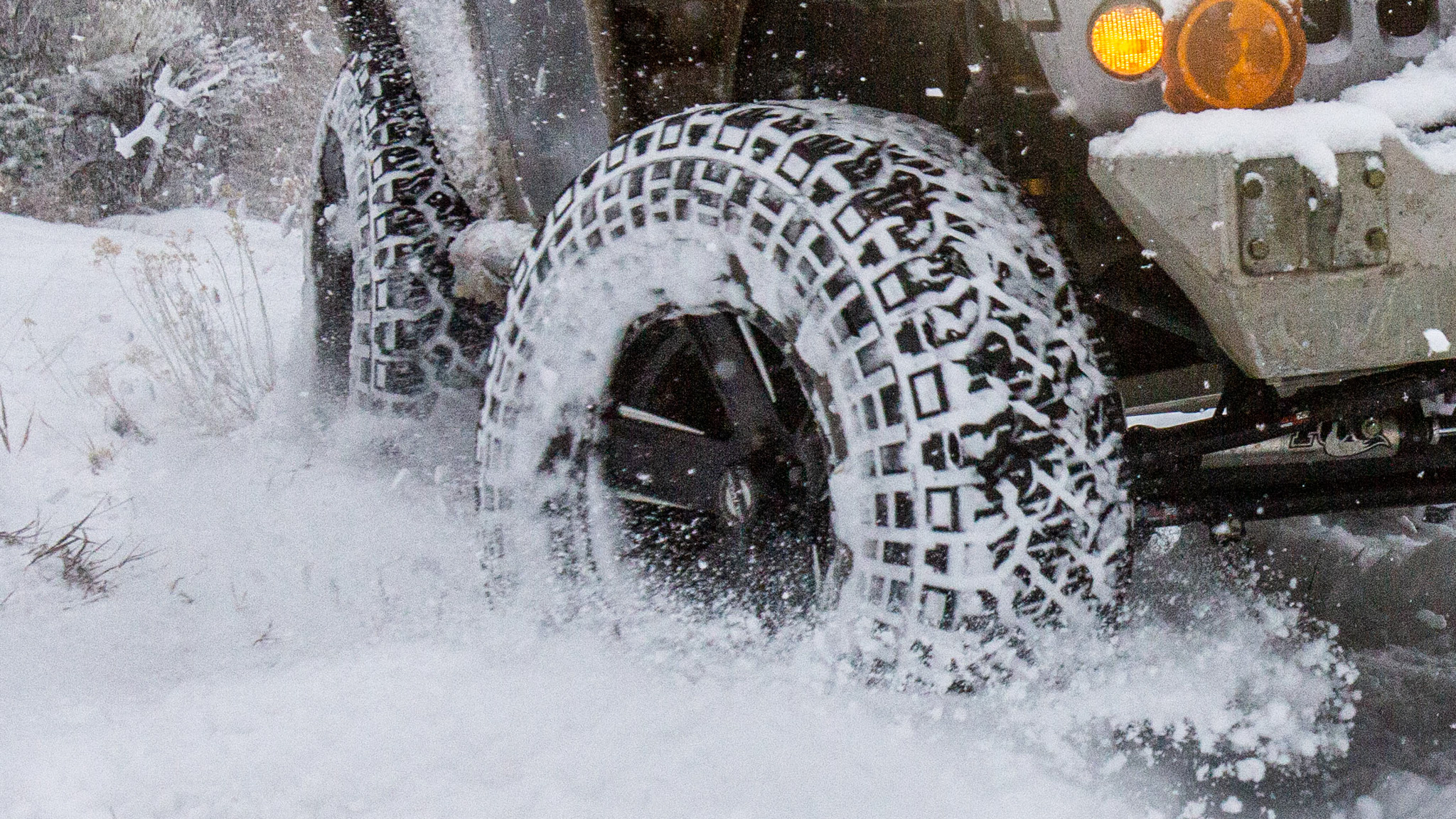
Winter driving puts trucks and SUVs through conditions that ordinary all-season tires are not designed to handle consistently. Snow-covered highways, icy intersections, frozen backroads, and slushy streets can all reduce traction, making the right set of winter tires an important investment.
Fortunately, several manufacturers offer dedicated snow tires engineered specifically for larger vehicles, combining specialized rubber compounds, aggressive tread patterns, and advanced siping technology.
From premium ice-gripping options to heavy-duty designs for pickup trucks, these are 10 snow tires worth considering for American drivers who want dependable winter performance.
1. Michelin X-Ice Snow SUV
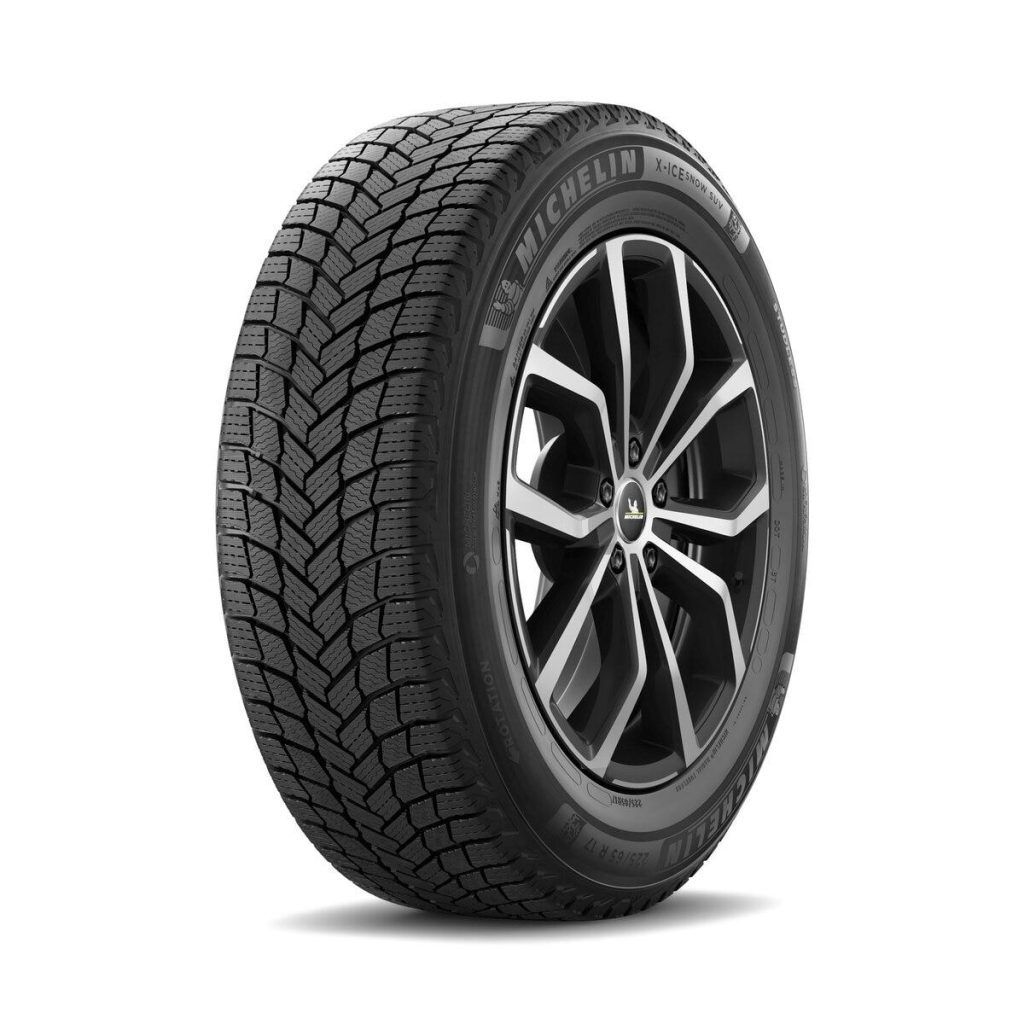
The Michelin X-Ice Snow SUV earns the top position because it combines impressive winter traction with the balanced road manners expected from a premium SUV tire.
Designed specifically for crossovers and sport utility vehicles, it uses Michelin’s Flex-Ice 2.0 rubber compound, which is engineered to remain flexible at low temperatures. This characteristic helps the tread maintain contact with slippery surfaces when conventional tire compounds become harder in freezing weather.
One of its most important features is the directional tread pattern. Its V-shaped grooves help channel away water and slush, while numerous biting edges provide additional grip when driving across packed snow.
Michelin also incorporates specialized sipes throughout the tread blocks. These narrow cuts improve traction by creating additional edges that can engage with snow and ice.
There is useful real-world evidence supporting its reputation. Tire Rack’s Light Truck/SUV Studless Ice and Snow customer ratings give the X-Ice Snow SUV a 9.5 out of 10 for light-snow traction, 9.3 for deep-snow traction, and 9.0 for ice traction.
Its 9.2 recommended rating places it at the top of the five products currently listed in that category. These are customer survey results, not controlled laboratory test scores.
The tire is particularly suitable for drivers who regularly encounter freezing temperatures, snowy highways, and icy residential roads. It also makes sense for SUV owners who want dedicated winter capability without choosing an extremely aggressive tread design.
Michelin’s emphasis on predictable handling and cold-weather flexibility makes this a compelling choice for vehicles used throughout the winter rather than only during occasional snowstorms. However, buyers should check the exact size and load rating before purchasing, especially when fitting larger or heavier SUVs.
2. Bridgestone Blizzak IcePeak
Bridgestone has built a strong reputation in the winter-tire market, and the Blizzak IcePeak represents an important development in its snow-tire lineup. Introduced for the 2026/2027 winter season, this studless winter tire replaces the previous Blizzak WS90 and DM-V2 models.
Its availability across several vehicle categories, including trucks and SUVs, makes it an interesting option for drivers seeking newer winter-tire technology.
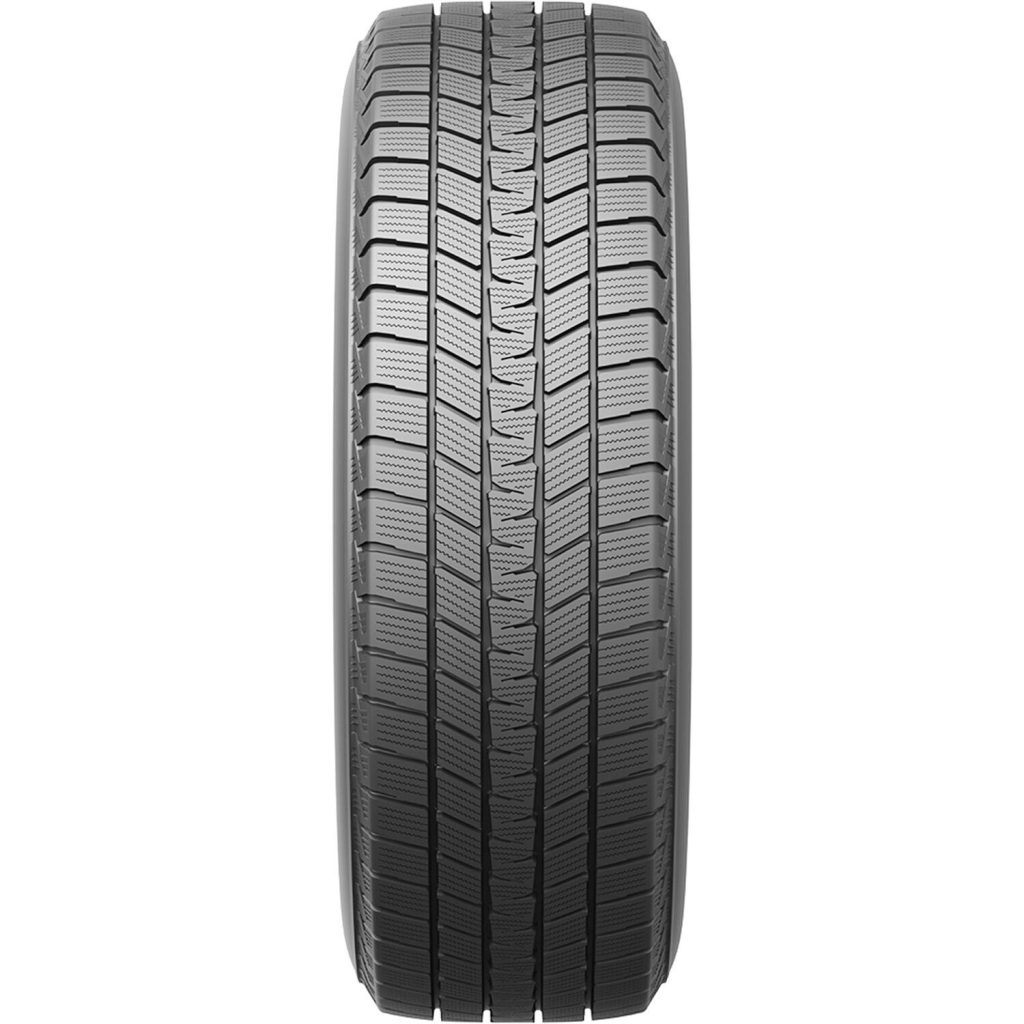
The standout feature is Bridgestone’s MultiCell technology. The specialized rubber compound incorporates microscopic pores designed to help remove the thin layer of water that can develop between a tire and an icy road.
Reducing this surface moisture helps the tread establish better contact with slippery pavement. The tire also features a directional tread pattern and full-depth 3D sipes that create additional biting edges.
Its early testing results are particularly encouraging. In Tire Rack’s October 2026 comparison against the Continental VikingContact 8 and Michelin X-Ice Snow+, the Blizzak IcePeak recorded a 51.9-foot stopping distance from 25 mph on snow. It also stopped from 12 mph on ice in 35.7 feet.
Both results were the shortest among the three tires tested. However, the comparison used a 2024 Toyota Camry with 215/55R17 tires, so these figures should not be treated as direct pickup or SUV test results.
For drivers in states such as Michigan, Minnesota, Wisconsin, and Colorado, its focus on snow and ice traction makes it worth considering. The design also targets improved durability while retaining the winter-grip technology associated with the Blizzak family.
One important consideration is fitment. Check Bridgestone’s current size catalog to confirm that the IcePeak is offered in the correct specification for your vehicle. Its impressive early test results are promising, but the correct load rating and tire dimensions remain essential for heavier SUVs and pickups.
3. Yokohama iceGUARD G075
The Yokohama iceGUARD G075 is a strong option for SUV and light-truck owners who want dependable winter traction without necessarily paying for the most expensive tire in the category.
Developed specifically for crossovers, SUVs, and light trucks, it focuses on maintaining grip across snow-covered roads, icy intersections, and wet winter pavement. Its combination of practical winter performance and road-friendly construction makes it particularly appealing to drivers who spend considerable time commuting during colder months.
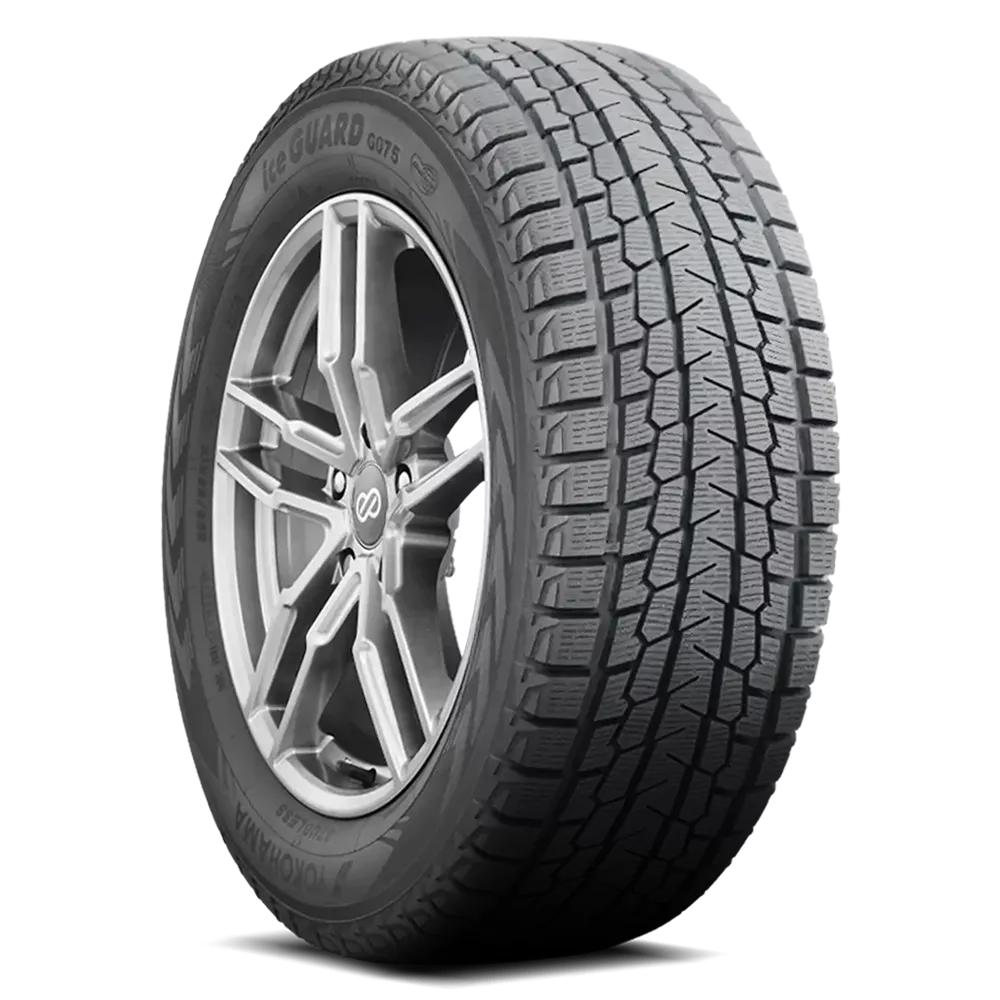
A major part of its design is Yokohama’s directional tread pattern. The arrangement increases the contact area and incorporates zigzag-shaped grooves that help create additional gripping edges.
Three-dimensional triple sipes and micro-diagonal grooves further improve the tread’s ability to engage with snow and slippery surfaces. The tire also uses a high-density rubber compound intended to support more consistent tread wear and stability.
Yokohama confirms that the G075 carries the Three-Peak Mountain Snowflake (3PMSF) symbol, meaning it meets the industry’s severe-snow traction performance requirements. Its construction is also designed to reduce rolling resistance, an advantage for SUV owners concerned about fuel consumption during winter driving.
There is additional support from Tire Rack’s customer survey. The G075 receives a 9.4 rating for light-snow traction, 9.0 for deep-snow traction, and 8.7 for ice traction. Its recommended rating is 8.3 out of 10. These figures represent customer feedback rather than controlled independent braking tests.
For drivers who regularly encounter moderate to heavy snowfall, the G075 deserves serious consideration. It is particularly suitable for SUVs and compatible light trucks, although buyers should verify the available size and load specifications before ordering.
4. Nokian Hakkapeliitta R5 SUV
Nokian has a long-standing reputation for developing tires specifically for demanding winter environments, and the Hakkapeliitta R5 SUV reflects that engineering experience.
This premium studless winter tire is designed for SUVs and crossovers that regularly encounter freezing temperatures, compacted snow, and icy roads. Rather than relying on metal studs, it uses specialized rubber technology and an intricate tread design to generate traction.
One of its distinguishing features is Nokian’s Double Block Grip design. The tread incorporates different block arrangements intended to provide stability and additional biting edges during acceleration, braking, and cornering.
Its Arctic Grip Crystals are microscopic particles incorporated into the rubber compound. As the tread wears, these particles are intended to contribute additional grip on slippery winter surfaces. The tire also uses a cold-weather compound designed to remain flexible when temperatures fall.
SUV owners should pay particular attention to its SilentDrive technology, available on selected sizes. This construction incorporates an acoustic foam layer inside the tire to help reduce cabin noise.
That can be a useful advantage in larger vehicles, where tire noise becomes noticeable during extended highway journeys.
The R5 SUV also carries the Three-Peak Mountain Snowflake designation, confirming that it meets the required severe-snow traction standard. Its SUV-specific construction is designed to accommodate the demands of heavier vehicles, although the correct load index must still match the manufacturer’s vehicle requirements.
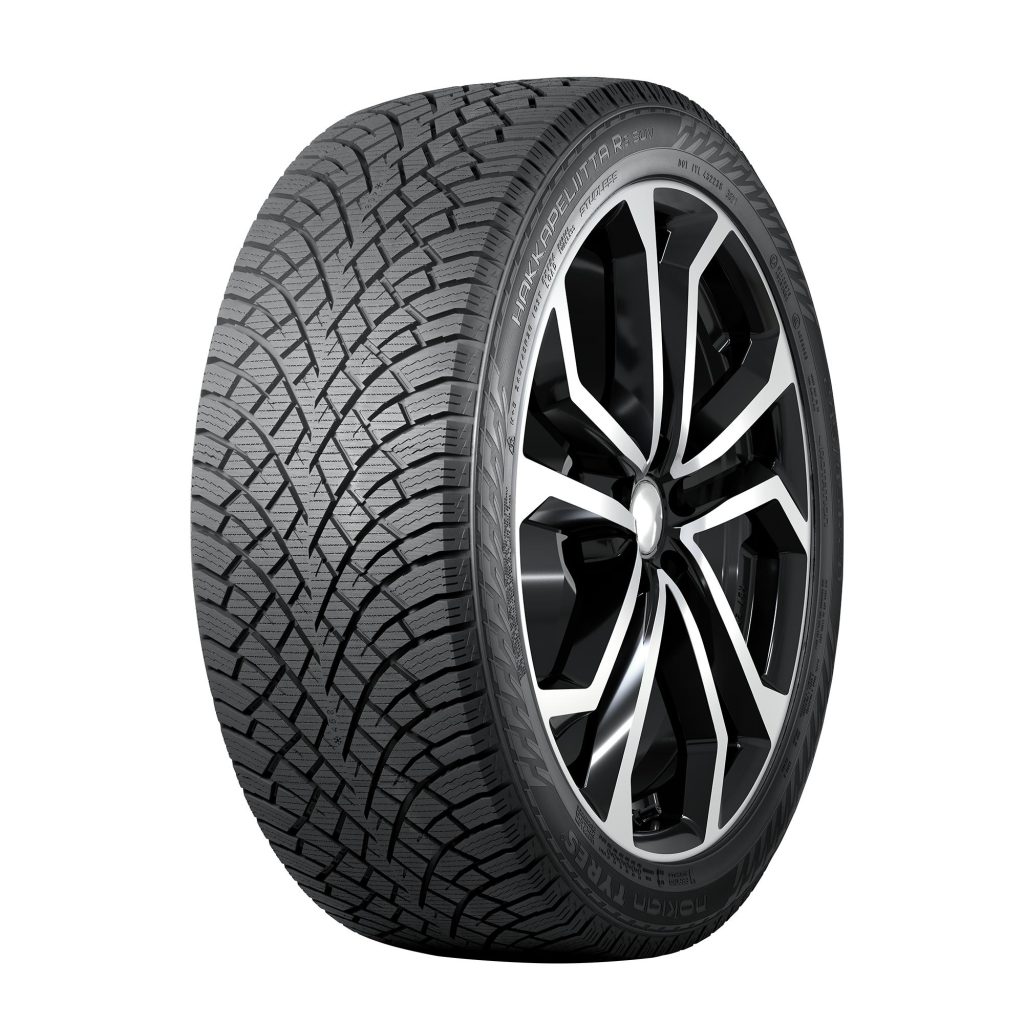
Tire Rack lists the Hakkapeliitta R5 SUV among its dedicated light-truck and SUV studless winter tire options. It is a particularly interesting choice for drivers who prioritize quiet operation and dependable winter grip rather than an aggressive, studded setup.
For SUVs regularly driven through northern winters, this Nokian deserves a place near the top of the shortlist. Its premium positioning, however, means buyers should compare local pricing and confirm fitment before purchasing.
5. Cooper Discoverer Snow Claw
When winter driving involves unplowed roads, deep snow, and occasional icy surfaces, the Cooper Discoverer Snow Claw deserves serious attention. Unlike several premium touring-oriented winter tires, this model takes a more aggressive approach to winter traction.
Cooper specifically identifies it as a winter tire for SUVs and trucks, making it a relevant option for American pickup and utility vehicle owners.
Its most recognizable feature is snow-groove technology. The tread incorporates specially designed grooves that hold and compact snow within the pattern. This can improve traction because snow can grip against snow more effectively than a smooth rubber surface.
Cooper also uses numerous sipes across the tread blocks, allowing them to flex and create additional biting edges when the vehicle travels across slippery roads.
Another advantage is its stud-ready construction. The Snow Claw is designed to accept optional winter studs in compatible sizes.
Drivers who regularly encounter severe icy conditions may appreciate this additional capability, although stud installation and road-use restrictions must be checked according to local regulations.
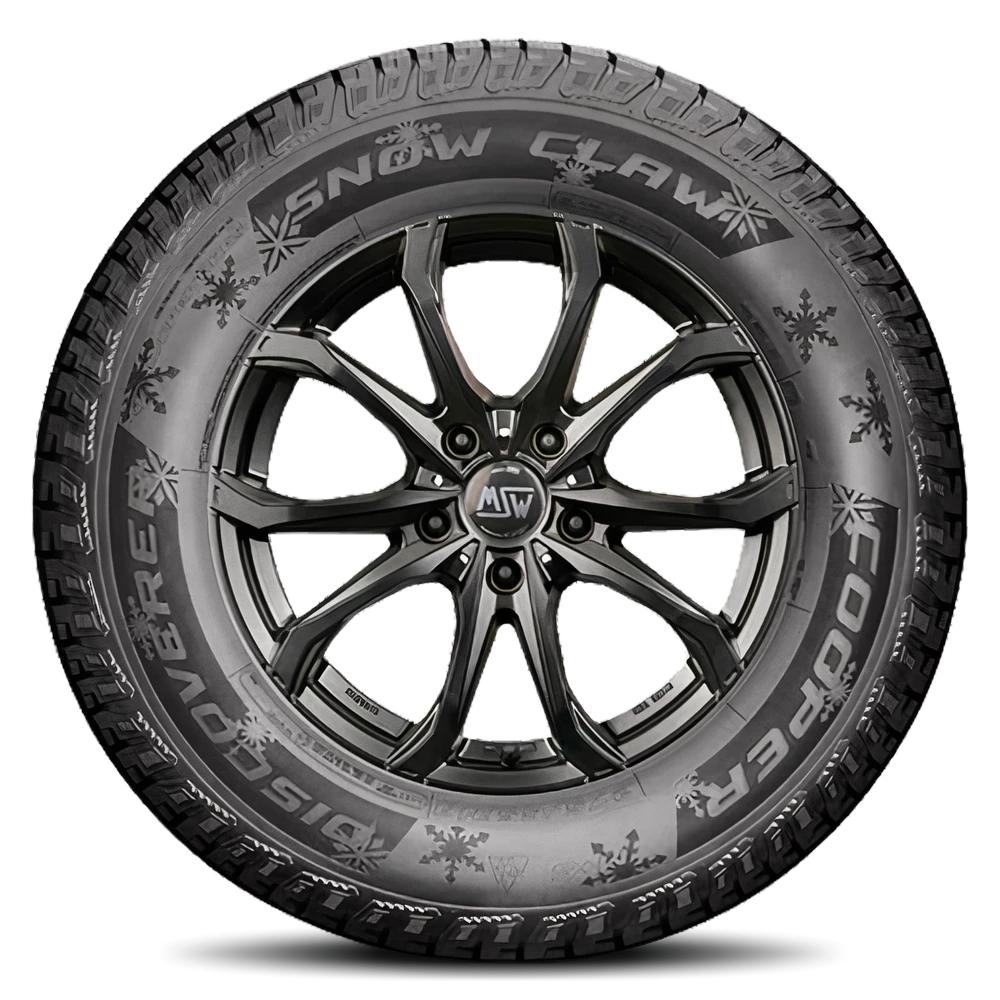
The manufacturer’s specifications also demonstrate its suitability for larger vehicles. For example, one listed 265/70R18 version has a maximum load capacity of 2,756 pounds per tire, a 32.64-inch outside diameter, and 13/32-inch tread depth. These figures apply to that particular size and should not be generalized to every version.
The Discoverer Snow Claw carries the Three-Peak Mountain Snowflake designation, confirming that it meets the industry’s severe-snow traction requirements.
It is particularly appealing to pickup owners who want an aggressive winter tire with the option of adding studs. Its more specialized tread design may be less appealing to drivers who prioritize a quiet, refined highway ride.
6. Firestone Winterforce 2 UV
Not every driver needs an expensive flagship winter tire. The Firestone Winterforce 2 UV takes a more practical approach, offering dedicated cold-weather capability for crossovers, SUVs, and compatible pickup trucks. It is designed for motorists who want a purpose-built winter tire without necessarily moving into the premium price category.
Firestone uses a special cold-weather rubber compound intended to maintain grip when temperatures drop. This matters because ordinary all-season compounds can become less flexible in freezing conditions, reducing their ability to maintain effective contact with the road.
The Winterforce 2 UV also features open shoulder slots and a winter-oriented tread pattern to help it maintain traction across snow-covered surfaces.
One particularly useful detail is its full-depth tread design. The tread features are intended to retain their winter-performance characteristics as the tire wears, rather than relying exclusively on shallow surface details.
Selected sizes are also pinned for optional number 11 winter studs, providing another possibility for drivers who face frequent icy conditions. Stud availability and installation should be confirmed with the tire dealer.
Firestone lists the Winterforce 2 UV with the Three-Peak Mountain Snowflake designation. Its official product page also displays a 4.4 out of 5 customer rating based on 221 reviews. That rating is manufacturer-hosted customer feedback, not an independent laboratory performance score.
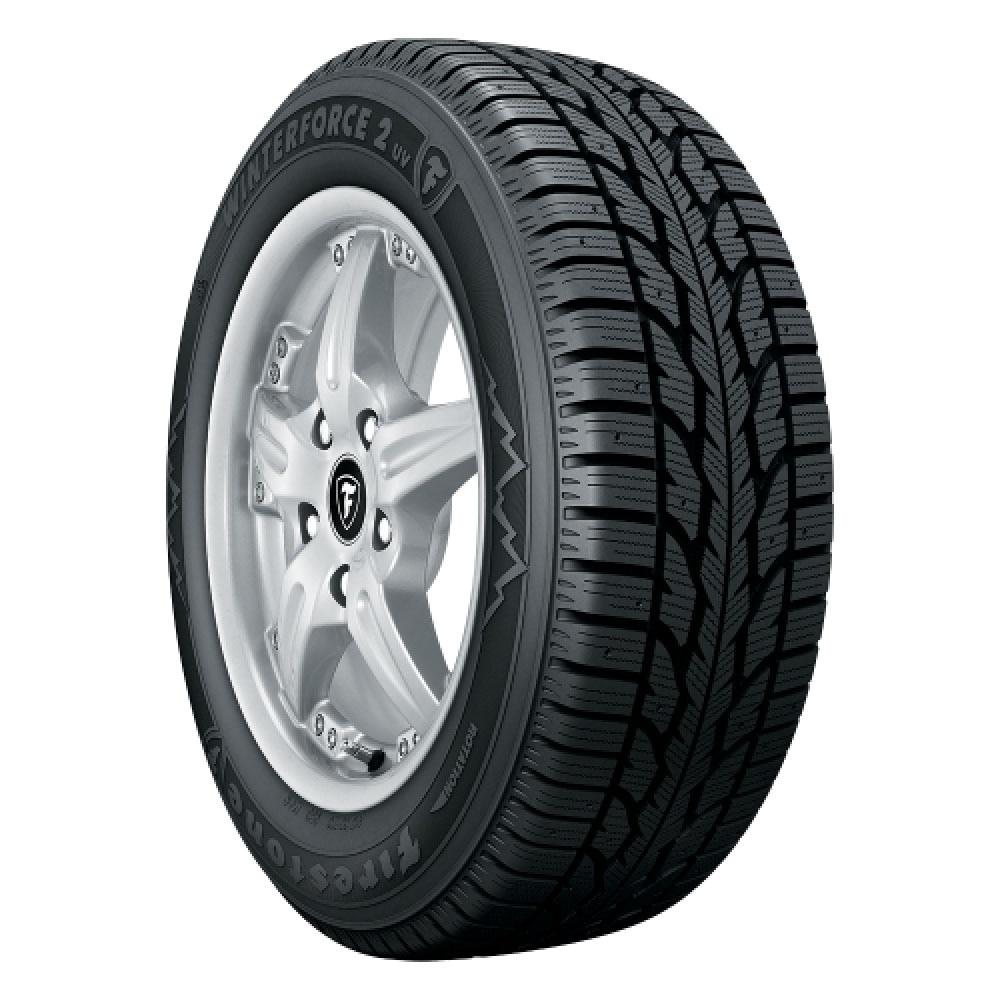
This tire makes the most sense for drivers who encounter regular winter weather but do not necessarily need the specialized features of a high-end studless ice tire. It offers a straightforward winter-focused design, making it a sensible candidate for family SUVs and compatible light trucks.
Before purchasing, check the vehicle’s required load index and the available tire dimensions. A lower price should never mean compromising the load-carrying requirements of a heavy SUV or pickup.
7. General Grabber Arctic
For pickup owners who regularly drive through harsh winter conditions, the General Grabber Arctic offers a more rugged alternative to conventional passenger-oriented snow tires.
Developed for light trucks and large SUVs, this studdable winter tire combines a durable construction with an aggressive tread pattern designed to handle snow, ice, and wet winter roads.
Its construction uses General’s Duragen Technology, which combines a cut-and-chip-resistant rubber compound with reinforced internal components.
The objective is to improve durability while maintaining stability under the demands of heavier vehicles. This is particularly relevant for pickup owners who occasionally carry equipment, travel on rough winter roads, or use their vehicles for work.
The directional tread design is another important characteristic. Its center stability rib helps maintain straight-line control, while the surrounding grooves assist with water and snow evacuation.
General also incorporates interlocking light-truck winter sipes alongside serrated sipes. These features create additional gripping edges that help the tire maintain traction when accelerating, braking, and cornering on slippery surfaces.
Drivers who regularly encounter icy roads may appreciate that the Grabber Arctic is pinned for optional winter studs. Studs can provide additional mechanical grip on ice, although they are not necessary for every winter-driving environment. State and local regulations governing studded tires should always be checked before installation.
General confirms that the Grabber Arctic carries the Three-Peak Mountain Snowflake symbol, indicating compliance with severe-snow traction requirements. Its official product information specifically identifies light trucks and SUVs as its intended vehicle categories.
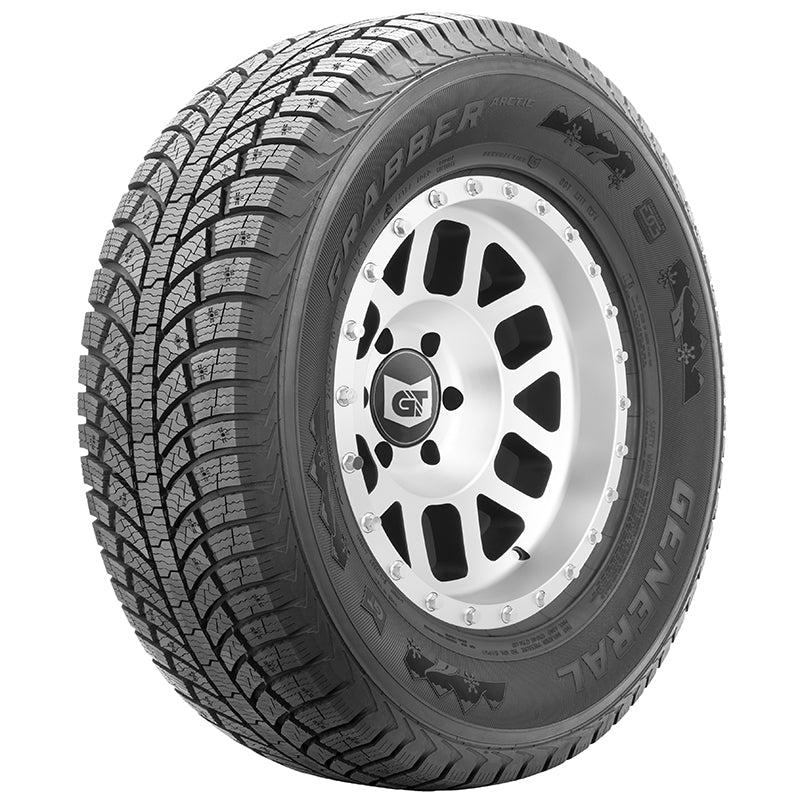
The Grabber Arctic is particularly worth considering for drivers in northern states where snowfall is frequent and winter roads can remain icy for extended periods. Its heavy-duty orientation makes it more appropriate for demanding pickup applications than a conventional passenger winter tire.
However, drivers should compare available sizes carefully and consider road noise and ride comfort before choosing this aggressive winter design.
8. Nokian Hakkapeliitta LT3
Some winter tires are developed primarily for everyday commuting, while others are designed with demanding pickup-truck use in mind. The Nokian Hakkapeliitta LT3 belongs firmly in the second category. It is engineered for light trucks and other heavy vehicles that regularly encounter snow-covered worksites, frozen roads, and challenging winter conditions.
One of its distinguishing features is its stainless-steel stud technology. Nokian introduced corrosion-resistant stainless-steel studs to help maintain durability on roads treated with salt during winter. This is particularly relevant in northern American states, where road maintenance frequently involves chemical de-icing treatments.
The tread design also deserves attention. Deep grooves help remove snow and slush from the contact area, while carefully positioned sipes provide additional biting edges. Nokian incorporates brake boosters on the shoulders of the tread blocks to improve braking grip in snowy conditions.
These features are intended to deliver more predictable control when a heavy pickup needs to slow down or change direction on slippery surfaces.
Durability is another major consideration. The Hakkapeliitta LT3 uses Arctic Grip Compound and Aramid Sidewall technology. The reinforced sidewall construction is designed to resist cuts and impacts, an advantage for trucks regularly driven on rough winter roads and worksite surfaces.
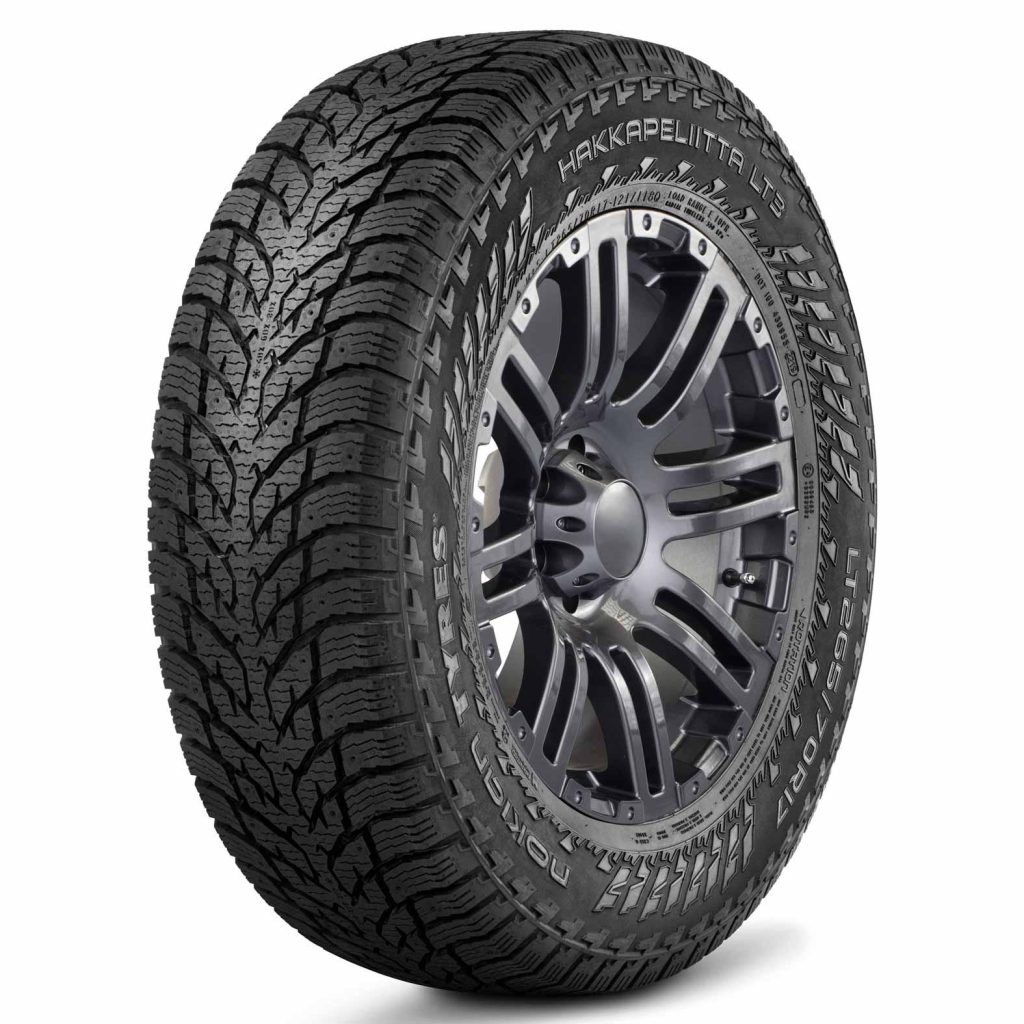
Nokian offers the tire in factory-studded and non-studded versions, depending on the selected size. Its US product information specifically identifies heavy-duty pickup applications, and the company’s customer page lists a 4.8 out of 5 rating based on 36 reviews.
This tire is particularly attractive for owners of heavy-duty pickups who prioritize winter durability and ice traction. Its specialized construction may be unnecessary for drivers who experience only occasional snowfall, but it deserves consideration in consistently severe winter environments.
9. Toyo Observe GSi-6
The Toyo Observe GSi-6 is an interesting choice for SUV and crossover owners who want a dedicated winter tire with a strong emphasis on snow and ice traction. Unlike more rugged pickup-oriented options, this model focuses on maintaining grip while preserving the road manners expected from a modern family SUV.
It is particularly relevant for drivers who encounter changing winter conditions, including freezing rain, slush, packed snow, and cold, wet pavement.
Toyo uses a high-grip silica tread compound designed to improve traction and braking in low temperatures. The compound works alongside an aggressive tread pattern and advanced siping technology to create additional gripping edges.
One distinctive feature is Microbit Technology, which incorporates ground walnut shells into the tread compound. These natural particles are intended to improve traction by providing additional biting action against snow and ice.
There is also an interesting approach to managing moisture on icy roads. Toyo incorporates Absorbent Carbonic Powder, derived from bamboo, which is designed to absorb the thin moisture film that can develop between the tire and an icy surface. This helps improve contact with the road when conditions become particularly slippery.
The tire carries the Three-Peak Mountain Snowflake designation, confirming that it meets the required severe-snow traction standard.
Toyo also offers several SUV-friendly sizes, including 255/70R17 and P285/70R17. The latter has a listed maximum load capacity of 2,833 pounds per tire, although the correct load specification must always match the vehicle.
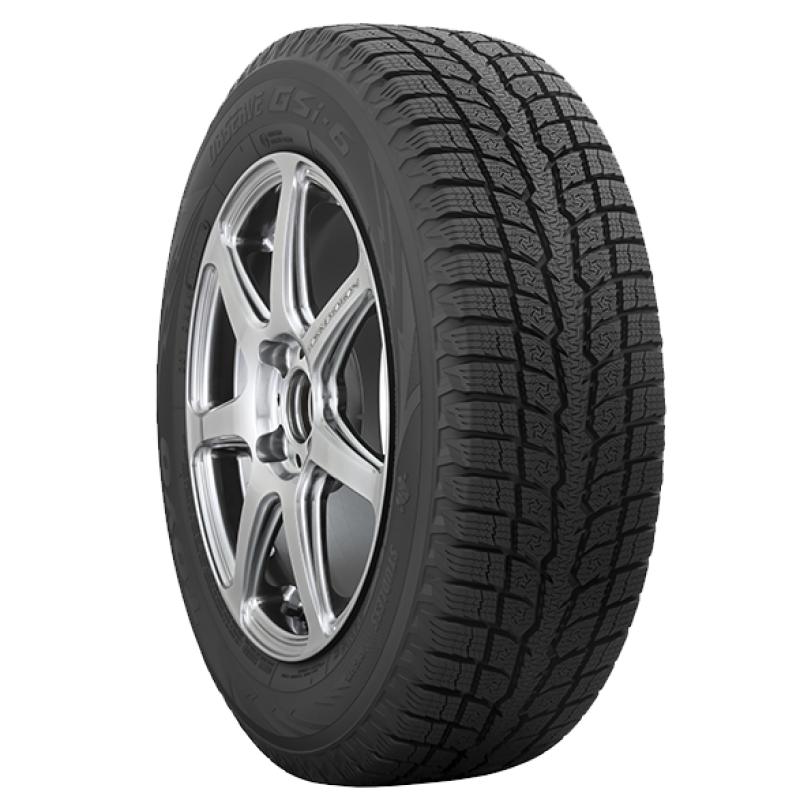
The Observe GSi-6 is best suited to crossover and SUV owners who prioritize winter-road control rather than off-road durability. Its technology makes it a compelling option for regions where icy roads are a regular concern.
One important consideration is that this tire is not specifically designed for heavy-duty pickup trucks. Owners of larger trucks should check the available sizes and load ratings to ensure compatibility rather than assuming that the SUV options will meet their vehicle’s requirements.
10. Pirelli Scorpion Winter 2
Finishing the list is the Pirelli Scorpion Winter 2, a premium winter tire developed for modern SUVs. It is particularly interesting for drivers who want dedicated winter traction without sacrificing the refined handling and road comfort expected from expensive sport utility vehicles.
Rather than adopting the extremely aggressive appearance of heavy-duty truck winter tires, Pirelli focuses on balancing snow performance, wet-road control, and everyday driving refinement.
The Scorpion Winter 2 features a directional tread pattern designed to help evacuate water and slush. This is important because winter roads frequently alternate between packed snow, standing water, and partially cleared pavement.
Its tread design also incorporates specialized sipes that create additional gripping edges, helping the tire maintain traction during acceleration and braking.
Another important element is its winter-focused rubber compound. The formulation is engineered to maintain flexibility in cold temperatures, allowing the tread to work effectively when ordinary summer-oriented compounds become harder.
Pirelli also emphasizes optimized tread geometry to support stability and handling in changing winter conditions.
Its American size catalog demonstrates that the tire is not restricted to smaller crossovers. Available sizes include 285/70R18 and 285/65R20, making it relevant to certain larger SUV applications.
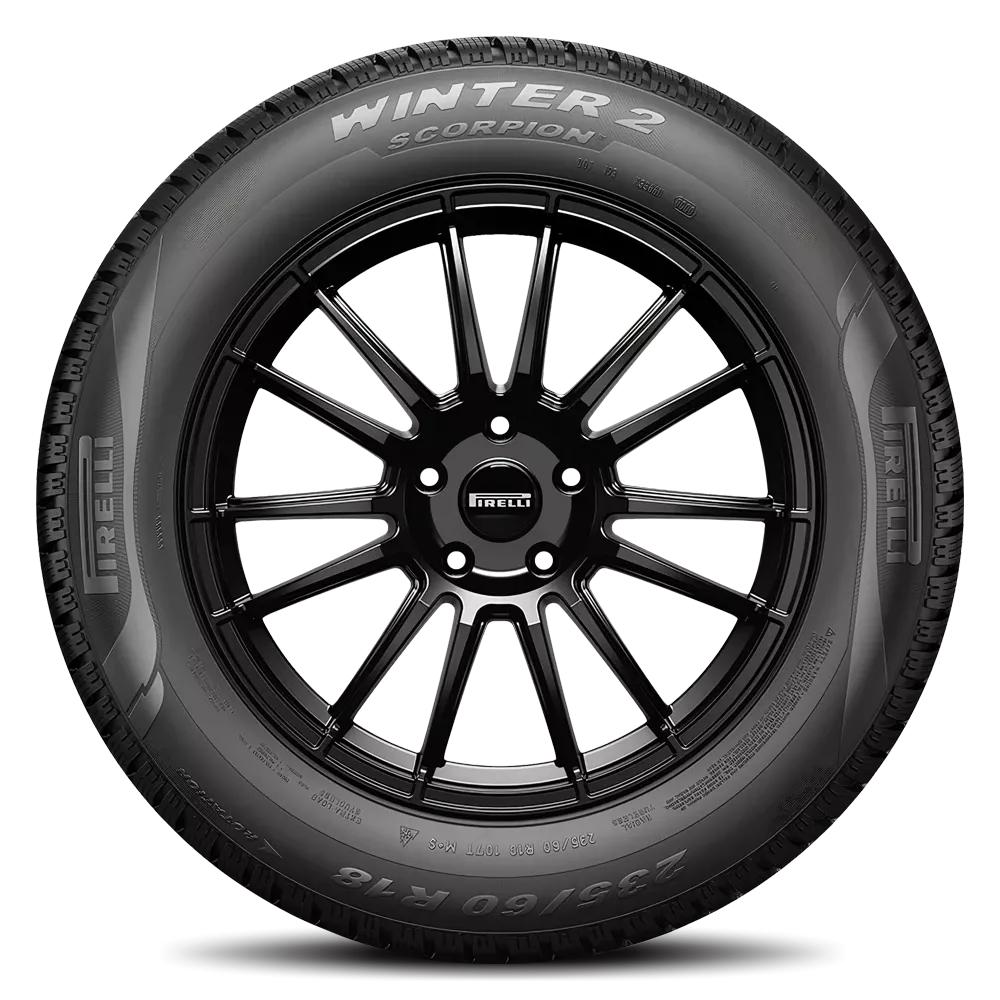
However, these dimensions alone do not establish compatibility with every pickup truck or full-size SUV. Buyers must confirm the load index and manufacturer-approved fitment.
The Scorpion Winter 2 is especially suitable for premium SUV owners who regularly travel on snowy highways and wet winter roads. It is less appropriate for drivers seeking a dedicated heavy-duty tire for loaded pickups or demanding off-road work.
Its premium positioning may also mean a higher purchase price than more basic winter alternatives. Nevertheless, for compatible SUVs where comfort, handling, and cold-weather traction all matter, Pirelli provides a compelling final entry in this ranking.