
A premium badge does not automatically mean an expensive ownership experience. While luxury vehicles often carry higher purchase prices, some models balance comfort, equipment, fuel consumption, depreciation, and routine running costs better than buyers might expect.
Kelley Blue Book’s five-year Cost to Own estimates offer a useful way to compare these expenses because they account for more than the original sticker price.
This list focuses on premium vehicles available in the United States that deliver a more manageable financial picture. The figures are estimates, not guarantees, and actual expenses will depend on mileage, location, insurance rates, and maintenance habits.
1. Acura Integra
2025 model | KBB five-year Cost to Own: $41,934
The Acura Integra makes a convincing case for choosing an entry-level luxury car without accepting the financial burden associated with larger or more powerful premium vehicles. Its appeal comes from a relatively accessible starting price, practical hatchback design, and a driving experience that feels more upscale than its dimensions suggest.
For buyers who want a premium badge but do not need a large luxury sedan, the Integra offers a sensible starting point.
Kelley Blue Book estimates the 2025 Integra’s five-year cost to own at $41,934, based on an original MSRP of $34,195. The estimate includes $24,768 in out-of-pocket expenses and $17,166 in depreciation.
KBB also places the model among the top 10% of entry-level luxury cars for its Cost to Own rating. These figures make it an interesting option for shoppers comparing premium compact cars rather than simply looking at purchase prices.
The standard powertrain is a 1.5-liter turbocharged four-cylinder engine producing 200 horsepower and 192 lb-ft of torque. Buyers can choose a continuously variable transmission or, on selected versions, a six-speed manual.
That combination gives the car a more engaging character than many ordinary compact sedans, while its smaller engine helps keep fuel requirements more reasonable than those of high-performance luxury models.
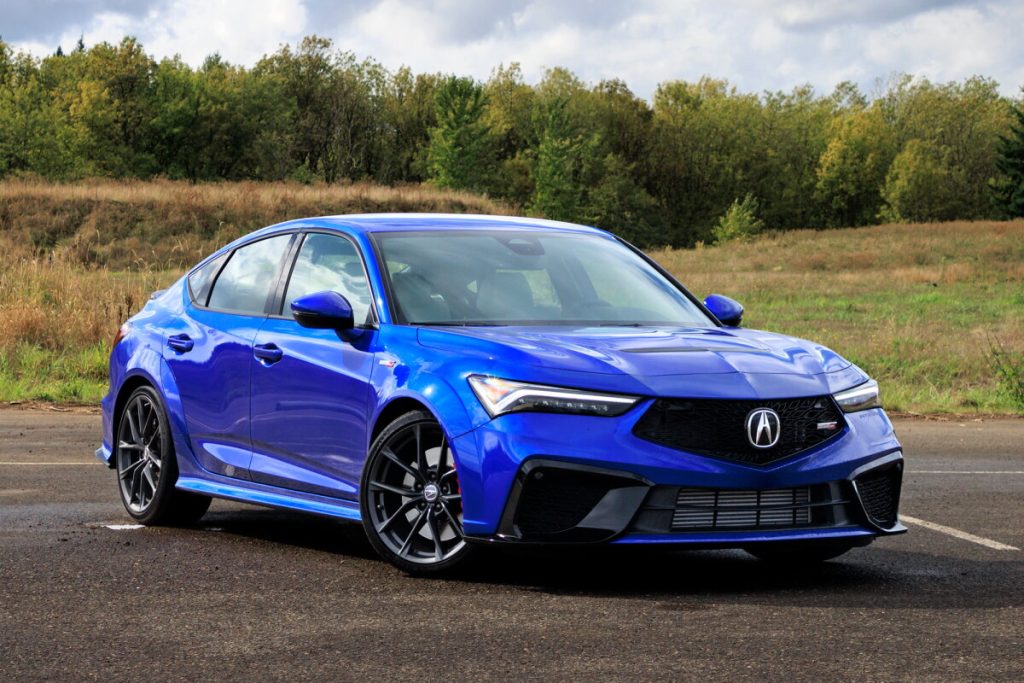
Practicality is another advantage. The liftback body provides a wide opening for luggage, groceries, and larger everyday items, making the Integra easier to use than its sporty appearance might suggest. It also avoids the running-cost expectations associated with a large luxury SUV.
The KBB estimate should still be treated as a comparison tool, not a guaranteed bill. Insurance premiums, local taxes, driving habits, and servicing choices can change the actual amount substantially. Nevertheless, the Integra demonstrates that entering the luxury-car market does not necessarily require an expensive five-year ownership commitment.
2. Lexus ES
2025 model | KBB five-year Cost to Own: $57,694
A comfortable luxury sedan can be expensive to purchase yet comparatively reasonable to keep for several years. The Lexus ES illustrates that distinction particularly well. Rather than prioritizing aggressive performance, it concentrates on quiet highway travel, a comfortable cabin, and a refined driving experience.
That approach makes it appealing to buyers who want everyday luxury without moving into a more complicated or performance-focused vehicle category.
Kelley Blue Book lists the 2025 Lexus ES with a five-year cost-to-own estimate of $57,694, against an MSRP of $43,190. Its calculation includes $33,221 in projected out-of-pocket expenses and $24,473 in depreciation.
KBB also places the ES in the top 10% of entry-level luxury cars for Cost to Own. This is a strong result for a midsize premium sedan, although the estimate should not be interpreted as a universal ownership cost for every driver.
The standard ES 350 uses a 3.5-liter V6 engine producing 302 horsepower and 267 lb-ft of torque, paired with an eight-speed automatic transmission.
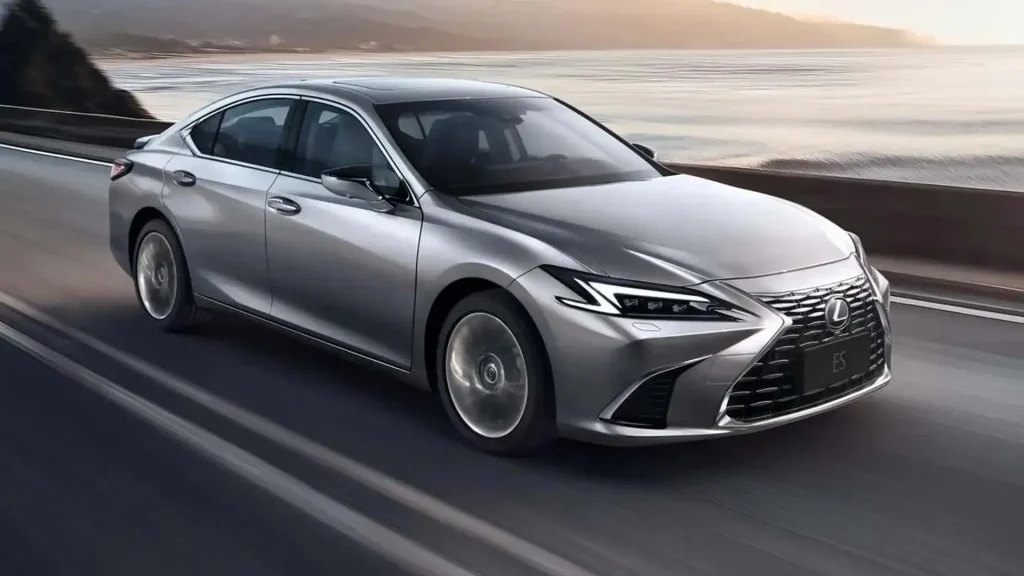
Buyers seeking lower fuel consumption can consider the ES 300h hybrid, which combines a 2.5-liter four-cylinder engine with electric-motor assistance. The hybrid configuration is particularly relevant to drivers who cover substantial distances and want to reduce fuel spending.
What makes the ES attractive is its restrained approach to luxury. It provides a quiet ride and a well-finished interior without relying on extreme engine output, oversized wheels, or track-focused hardware. Those priorities can make it easier to live with than a high-performance luxury sedan.
3. Genesis G80
2025 model | KBB five-year Cost to Own: $88,180
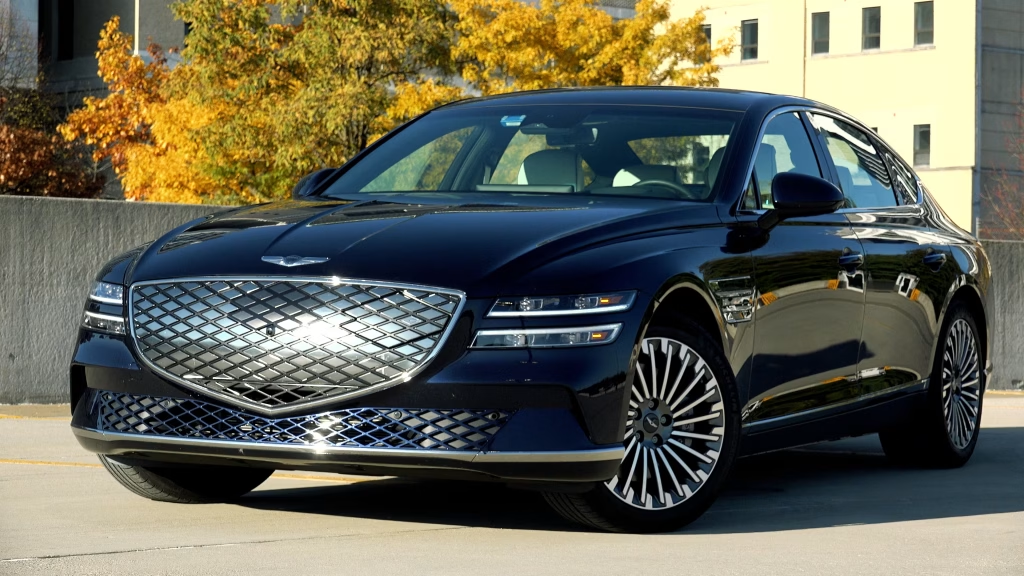
The Genesis G80 is worth considering for buyers who want the presence and comfort of a full-size luxury sedan without automatically stepping into the ownership costs associated with established German rivals.
Its cabin focuses on premium materials, generous passenger space, and modern technology, while its exterior has the proportions expected of a considerably more expensive executive car. The G80’s strongest financial argument is not that it is inexpensive but that its estimated five-year expenses compare favorably within the luxury-car category.
Kelley Blue Book estimates a five-year cost to own of $88,180 for the 2025 Genesis G80 2.5T. The projected figure includes $50,229 in out-of-pocket expenses and $37,951 in depreciation.
KBB places this particular configuration in the top 10% for Cost to Own among luxury cars. Its estimated maintenance expense is $7,674 over five years, while projected repairs account for $706.
Under the hood, the 2.5T uses a turbocharged 2.5-liter four-cylinder engine producing 300 horsepower and 311 lb-ft of torque. Power is delivered through an eight-speed automatic transmission, and all-wheel drive is available. This engine gives the G80 substantial acceleration without requiring the larger V6 powertrain offered in higher versions.
The ownership calculation also highlights why the purchase decision deserves more attention than the badge alone.
Depreciation represents a significant part of the projected five-year expense, so buyers planning to sell relatively soon should consider resale value carefully. Insurance costs are another important factor, with KBB estimating $19,260 over five years for this configuration.
The G80 is not a budget car, but its equipment, performance, and KBB cost ranking make it a compelling alternative for someone seeking traditional luxury-sedan comfort with a more measured ownership outlook.
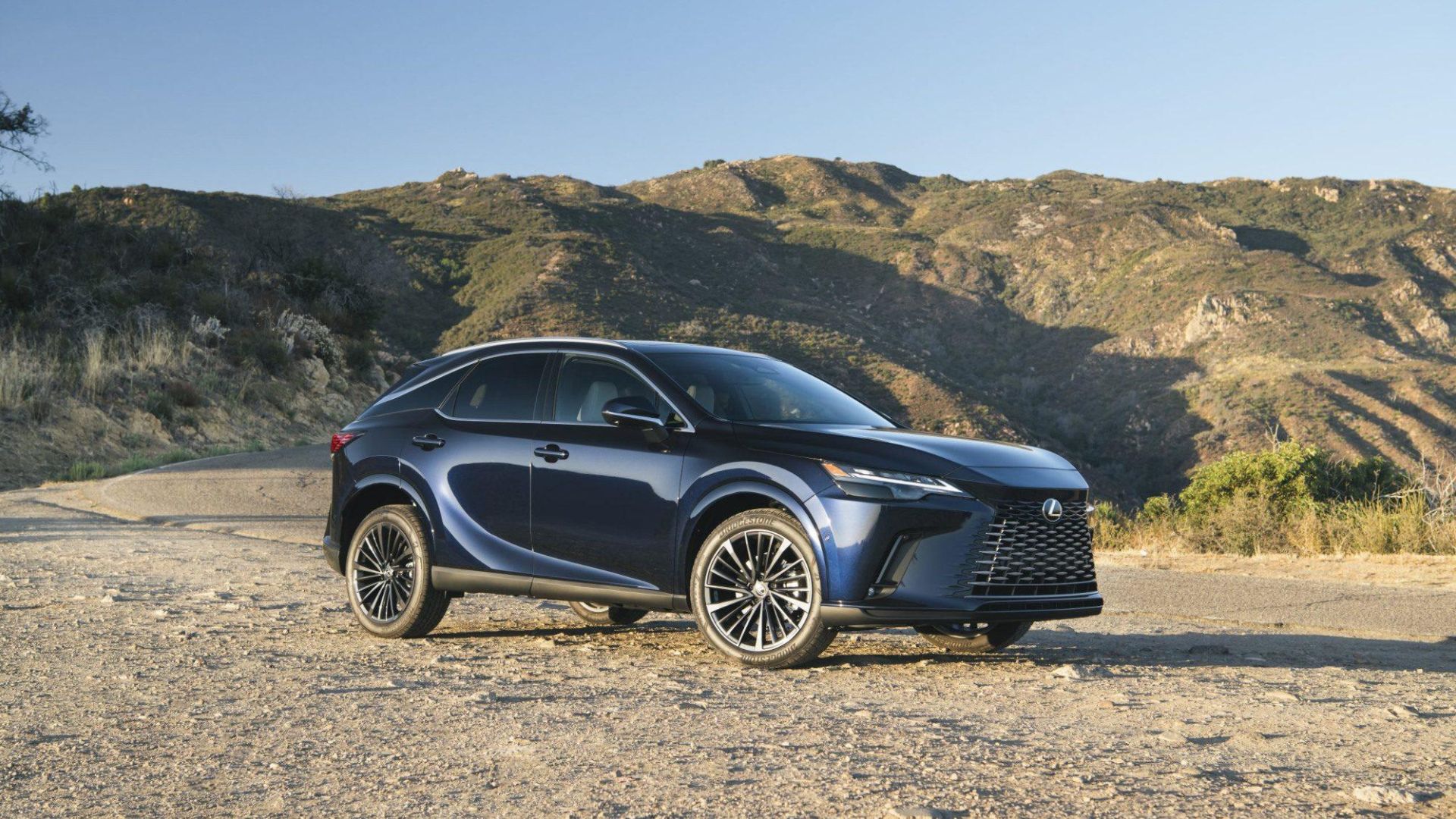
4. Lexus RX
2025 model | KBB five-year Cost to Own: $80,153
Luxury buyers who need an SUV often face a difficult choice between premium features and manageable running expenses. The Lexus RX makes that decision easier by combining a refined interior, comfortable ride, and a reputation for dependable everyday usability.
It is not the cheapest vehicle in its class, but its projected ownership costs make it a particularly interesting option for households that want a premium crossover without moving into a more expensive performance-oriented category.
For the 2025 RX 350, Kelley Blue Book lists a five-year cost-to-own estimate of $80,153. The calculation includes $52,843 in out-of-pocket expenses and $27,310 in depreciation.
KBB places this version in the top 11% to 25% for cost to own among luxury midsize SUVs. Its projected five-year maintenance expense is $8,166, while estimated repair costs are $1,107.
The standard RX 350 is powered by a 2.4-liter turbocharged four-cylinder engine producing 275 horsepower and 317 lb-ft of torque. An eight-speed automatic transmission sends power to the front wheels, with all-wheel drive available. This setup gives the SUV enough strength for highway merging and everyday family use without relying on a larger V6 engine.
Fuel economy also deserves attention. The front-wheel-drive RX 350 is rated at 22 MPG in city driving and 29 MPG on the highway, according to KBB’s model information. That is useful for drivers who regularly travel longer distances, although actual mileage will depend on traffic, weather, and driving style.
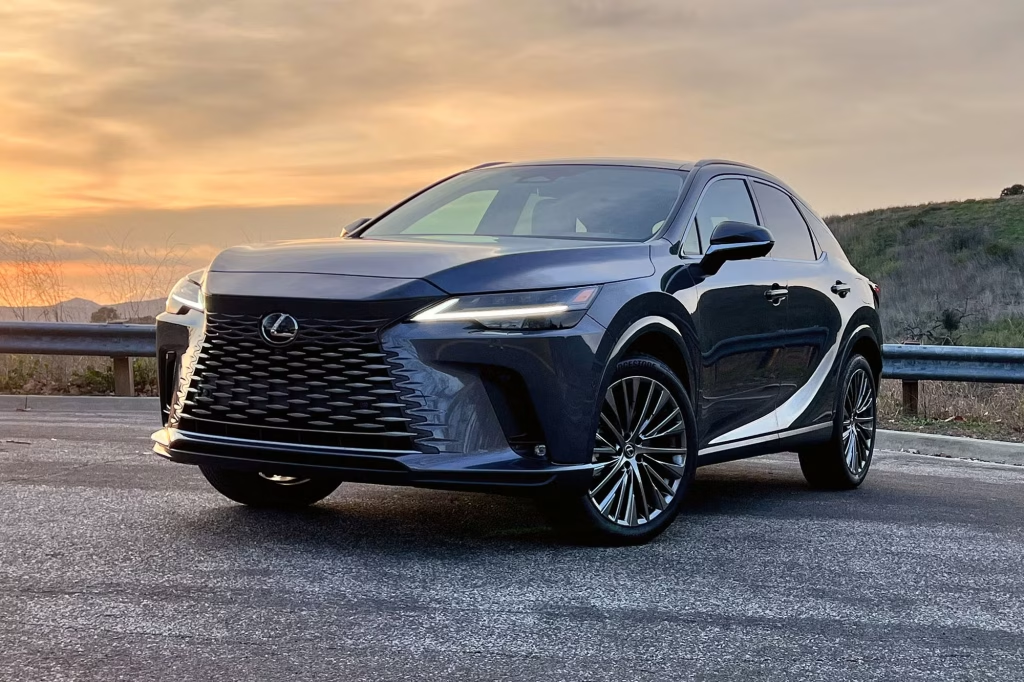
The RX’s appeal becomes clearer when depreciation is considered. KBB’s estimate places its five-year loss in value at $27,310, a meaningful part of the ownership calculation but not an unusually alarming figure for a premium SUV.
Buyers should still compare insurance quotes and local servicing costs before purchasing. For those wanting comfort, practicality, and a more controlled ownership budget, the RX deserves serious consideration.
5. Lexus NX
2025 model | KBB five-year Cost to Own: $56,926
The Lexus NX is a strong example of how a luxury SUV can offer premium comfort without carrying the ownership estimate of a much larger vehicle. Its compact dimensions make it easier to maneuver and park in crowded areas, while the cabin delivers the quiet atmosphere, quality materials, and technology expected from a luxury brand.
For buyers who want an upscale crossover for commuting and family use, the NX deserves attention for more than its styling.
Kelley Blue Book estimates the 2025 Lexus NX’s five-year cost to own at $56,926. The figure combines $35,299 in projected out-of-pocket expenses with $21,627 in depreciation. KBB places the model among the top 10% of luxury compact SUVs for cost to own.
Its estimated fuel expense is $6,425 over five years, while insurance is projected at $21,080. These are estimates based on KBB’s assumptions, not fixed prices that every owner will pay.
The standard NX 350 uses a 2.4-liter turbocharged four-cylinder engine producing 275 horsepower and 317 lb-ft of torque. An eight-speed automatic transmission manages power delivery, and the model is available with all-wheel drive.
Drivers who prioritize fuel efficiency can also consider the NX hybrid range, which offers a different balance between performance and fuel consumption.
One reason the NX makes financial sense is that buyers do not have to move into a large, high-powered SUV to obtain a premium experience. Its manageable footprint and range of powertrain choices make it suitable for different driving needs.
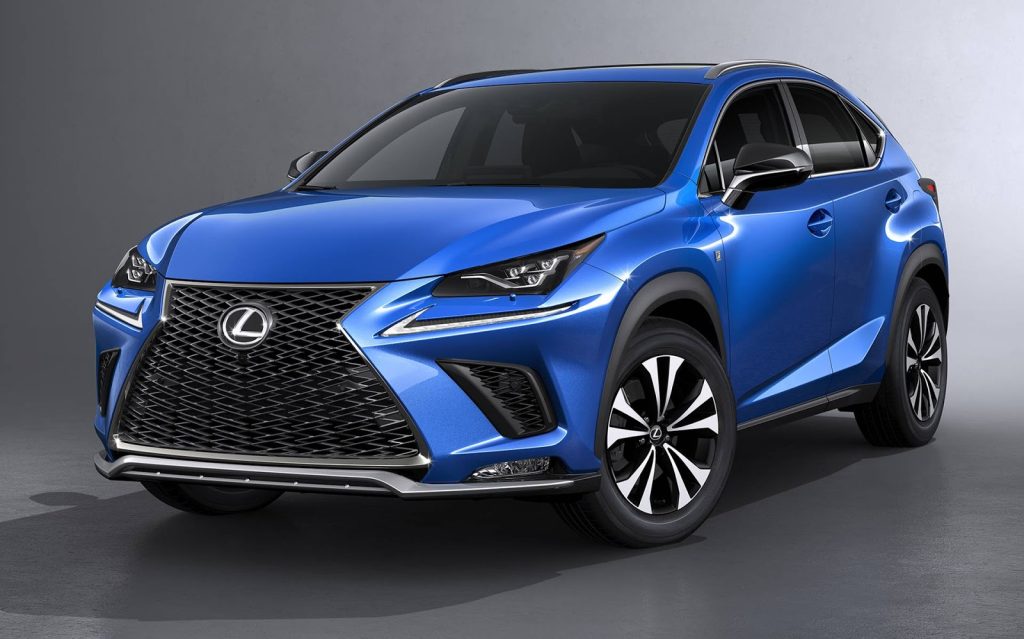
The five-year estimate also indicates that depreciation is a smaller expense than the combined operating costs, although insurance remains a substantial part of the calculation.
Before buying, obtain an insurance quote and compare the exact trim levels. The NX shows how a premium SUV can deliver comfort and useful technology while keeping its projected five-year ownership figure relatively restrained for its class.
6. Lexus UX
2025 model | KBB five-year Cost to Own: $56,336
Not every luxury buyer needs a large vehicle, a powerful engine, or an expansive rear seat. The Lexus UX is designed for people who prefer a smaller crossover that feels refined in everyday traffic.
Its compact footprint is particularly useful in urban environments, where tight parking spaces and congested roads can make larger luxury SUVs inconvenient. The UX also stands out because its hybrid powertrain puts fuel efficiency near the center of its ownership appeal.
Kelley Blue Book’s five-year Cost to Own estimate for the 2025 Lexus UX is $56,336, based on an MSRP of $37,690. The estimate includes $36,524 in out-of-pocket expenses and $19,812 in depreciation.
KBB places the UX in the top 11% to 25% for Cost to Own among luxury subcompact SUVs. Its projected five-year fuel expense is $4,373, while maintenance is estimated at $9,443.
Every 2025 UX model is a UX 300h hybrid. Its 2.0-liter four-cylinder hybrid system produces a combined 196 horsepower and comes with all-wheel drive. KBB lists a combined fuel economy rating of 42 MPG.
That efficiency can make a meaningful difference for drivers who spend substantial time commuting, although real-world results depend on traffic, weather, and driving habits.
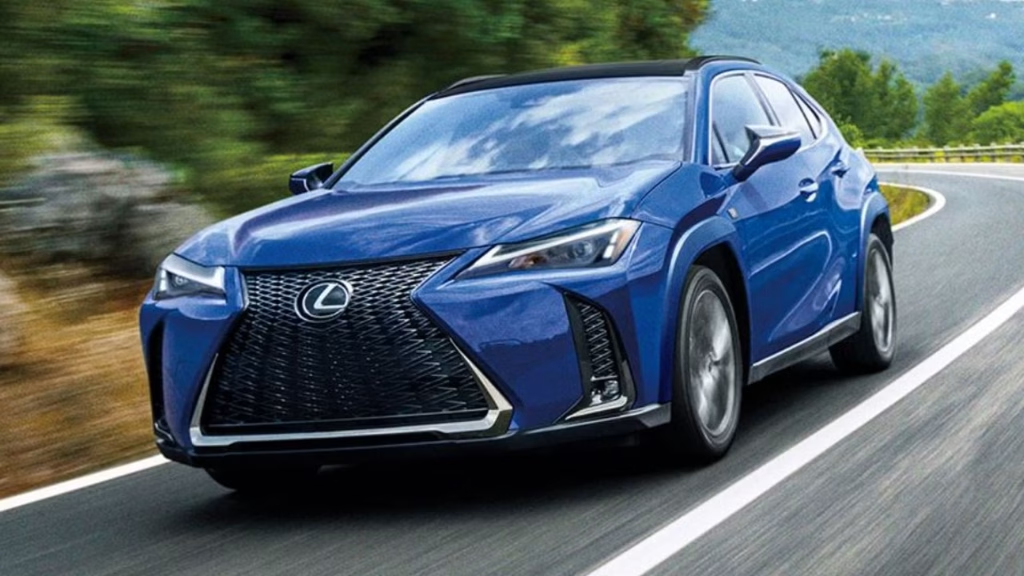
The UX does have compromises. Its smaller cabin and cargo area are less suitable for families who regularly carry several passengers or bulky luggage. The projected maintenance figure is also worth examining rather than assuming that hybrid efficiency automatically means inexpensive servicing.
Still, the numbers make the UX an appealing choice for a specific kind of luxury shopper. Someone who values a premium interior, easy maneuverability, and strong fuel economy may find it more practical than paying for a larger SUV they rarely need. Its relatively modest depreciation estimate adds another reason to put it on a shortlist.
7. Cadillac CT4
2025 model | KBB five-year Cost to Own: $59,496
The Cadillac CT4 brings American luxury-sedan character into a relatively compact package. It is aimed at drivers who want a premium cabin and engaging road manners without purchasing a large, expensive executive sedan.
Its traditional three-box design also gives it a different personality from the growing number of luxury crossovers. For someone who prefers sitting lower to the road, the CT4 offers a useful alternative.
Kelley Blue Book estimates the 2025 Cadillac CT4’s five-year Cost to Own at $59,496. That figure consists of $36,459 in projected out-of-pocket expenses and $23,037 in depreciation. KBB places the CT4 in the top 11% to 25% for Cost to Own among entry-level luxury cars. Its projected five-year maintenance expense is $4,466, while repairs are estimated at $1,279.
The standard CT4 is powered by a 2.0-liter turbocharged four-cylinder engine producing 237 horsepower and 258 lb-ft of torque. It is paired with an eight-speed automatic transmission, with rear-wheel drive as the standard configuration.
This setup provides sufficient performance for everyday driving without requiring the larger engines found in more expensive performance sedans.
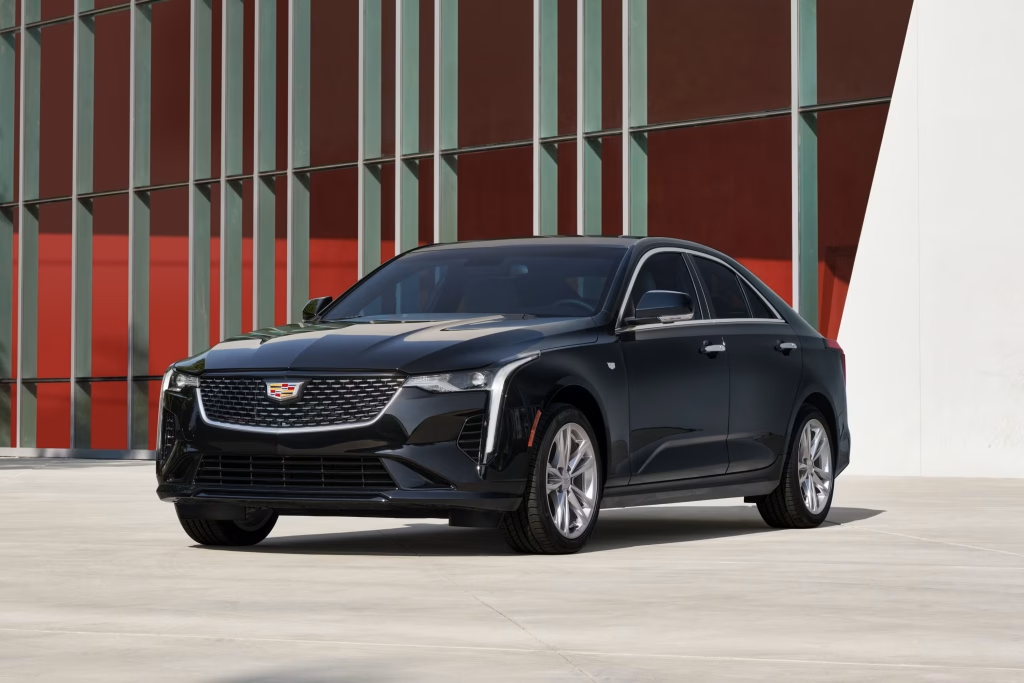
The ownership estimate is worth examining beyond its headline total. KBB projects $7,842 in fuel expenses and $16,215 in insurance over five years. Insurance alone represents a considerable share of the operating budget, so drivers should not assume that the CT4 will be inexpensive simply because its purchase price is lower than that of some competitors.
Its conventional gasoline powertrain also offers a practical advantage, as buyers avoid the added complexity of choosing a plug-in hybrid or full hybrid system. While the CT4 may not suit those who need the cargo capacity of an SUV, it provides a more accessible entry point into Cadillac ownership.
8. Acura TLX
2025 model | KBB five-year Cost to Own: $63,727
A midsize luxury sedan has to deliver more than an attractive dashboard to justify its price. It needs comfortable long-distance manners, useful technology, and enough performance to make everyday driving enjoyable.
The Acura TLX brings those qualities together, giving buyers an alternative to European sport sedans while retaining a distinctly Japanese approach to cabin refinement and equipment.
Kelley Blue Book’s five-year Cost to Own estimate for the 2025 Acura TLX is $63,727. Its calculation includes $37,698 in out-of-pocket expenses and $26,029 in depreciation. KBB places this version in the top 10% of entry-level luxury cars for Cost to Own. The projected fuel expense is $6,101, while insurance is estimated at $23,090 over five years.
The TLX’s standard 2.0-liter turbocharged four-cylinder engine produces 272 horsepower and 280 lb-ft of torque. It is paired with a 10-speed automatic transmission. Buyers can also choose the more powerful Type S, which uses a 3.0-liter turbocharged V6 producing 355 horsepower and 354 lb-ft of torque.
The higher-performance version brings stronger acceleration, but its additional equipment and performance focus make it a different ownership proposition.
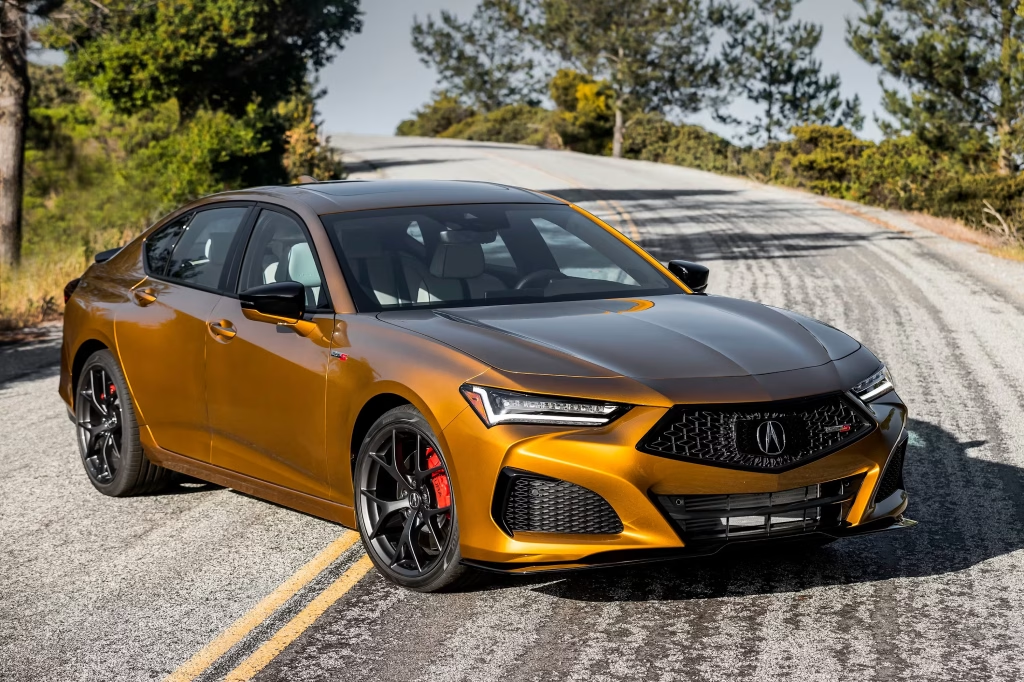
The standard engine is the more relevant choice for buyers prioritizing reasonable long-term expenses. It delivers substantial power without requiring the larger V6 configuration. The TLX also has a well-finished interior and a comfortable ride, making it suitable for daily commuting and longer highway journeys.
Its estimated insurance expense deserves particular attention. At more than $23,000 over five years in KBB’s calculation, it is not a negligible cost.
The headline figure is therefore best understood as a model-specific estimate rather than a promise of low bills. For shoppers comparing premium sedans, however, the TLX offers an interesting balance of performance, comfort, and projected ownership costs.
9. BMW 2 Series
2025 model | KBB five-year Cost to Own: $67,549
The BMW 2 Series is proof that a premium driving experience does not always require a large sedan or luxury SUV. Its compact proportions, rear-wheel-drive character on selected versions, and driver-focused cabin give it a personality that appeals to people who enjoy being behind the wheel.
It also provides an entry point into BMW ownership at a lower purchase price than many of the brand’s larger models.
Kelley Blue Book estimates the 2025 BMW 2 Series has a five-year Cost to Own of $67,549. The projected expenses include $39,427 in out-of-pocket costs and $28,122 in depreciation. KBB places it in the top 11% to 25% for Cost to Own among entry-level luxury cars. Its estimated five-year maintenance expense is $4,077, with another $2,012 allocated to repairs.
The 230i uses a 2.0-liter turbocharged four-cylinder engine producing 255 horsepower and 295 lb-ft of torque. An eight-speed automatic transmission sends power to the rear wheels, while BMW also offers all-wheel drive on selected configurations. This engine gives the coupe lively acceleration without requiring the more expensive six-cylinder M240i.
The ownership breakdown reveals both advantages and drawbacks. KBB estimates $9,620 for fuel and $16,205 for insurance over five years. Depreciation accounts for another $28,122, which means buyers should think carefully about how long they intend to keep the vehicle and what resale value they might receive.
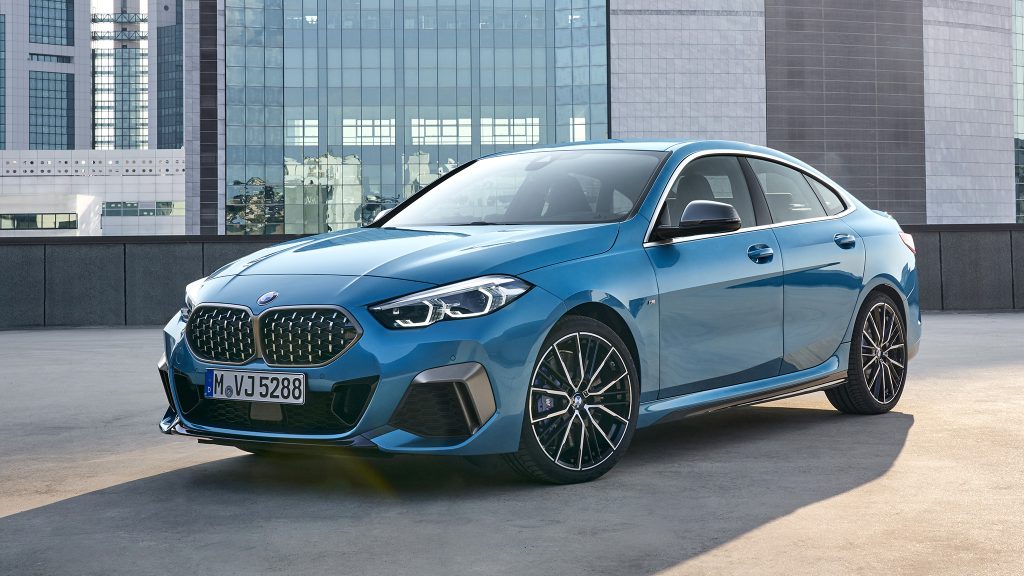
Its smaller rear seating area and limited practicality will not suit every household. However, drivers who prioritize handling, performance, and premium construction may appreciate the 2 Series more than a larger vehicle.
It is not the least expensive option here, but its KBB ranking suggests that it can be a relatively manageable way to own a BMW compared with some higher-end luxury models.
10. Acura RDX
2025 model | KBB five-year Cost to Own: $73,995
The Acura RDX closes this list with a practical combination of SUV space, premium equipment, and strong everyday performance.
It is designed for buyers who need more room than a compact luxury sedan can provide but do not want to move into a full-size SUV. Its five-seat layout, versatile cargo area, and comfortable cabin make it suitable for family duties as well as regular commuting.
Kelley Blue Book gives the 2025 Acura RDX a five-year Cost to Own estimate of $73,995. This includes $47,379 in projected out-of-pocket expenses and $26,616 in depreciation.
KBB places the RDX in the middle 26% to 75% of luxury compact SUVs for Cost to Own, meaning it is not among the category’s very cheapest models. Its projected five-year maintenance expense is $2,432, while repairs are estimated at $1,154.
The RDX uses a 2.0-liter turbocharged four-cylinder engine producing 272 horsepower and 280 lb-ft of torque. A 10-speed automatic transmission works with Acura’s Super Handling All-Wheel Drive system, which is standard on the 2025 model. This combination provides confident acceleration and traction in changing road conditions.
Fuel spending is one of the larger expenses in its KBB calculation, reaching an estimated $13,017 over five years. Insurance is projected at $20,560.
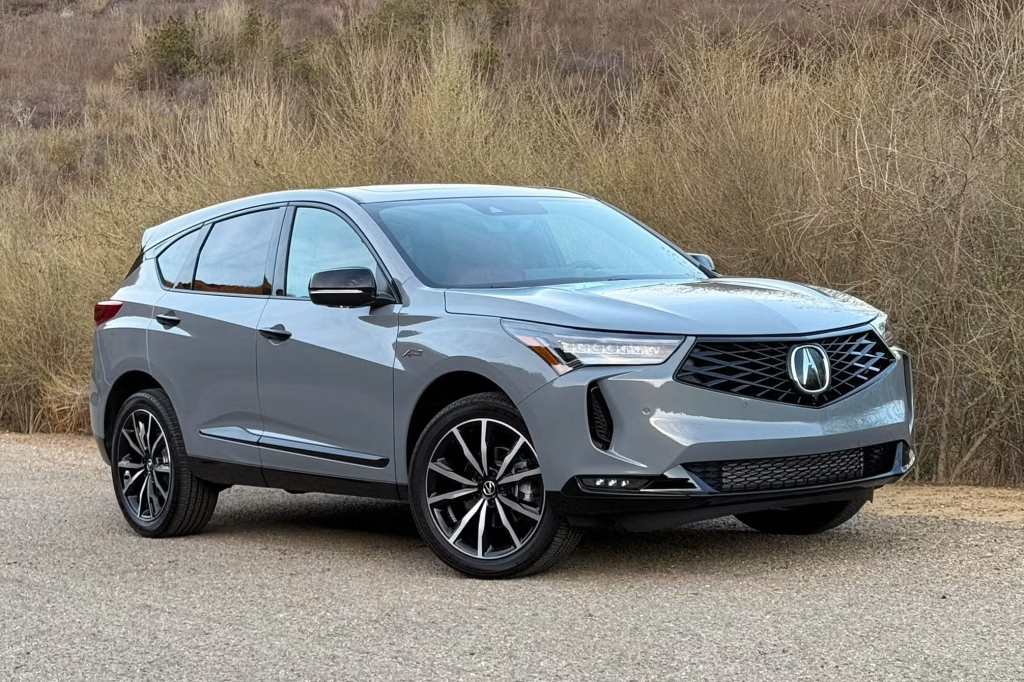
Those figures show why buyers should look beyond the maintenance estimate when assessing affordability. A vehicle can have relatively modest projected repair costs and still require a substantial ownership budget because of fuel, insurance, and depreciation.
The RDX earns its place because it offers the versatility many luxury-car buyers actually need. It is not the cheapest vehicle in this group, but it combines useful passenger and cargo space with a capable powertrain.
For households seeking an upscale SUV without moving into a larger and more expensive segment, it remains a worthwhile option.
