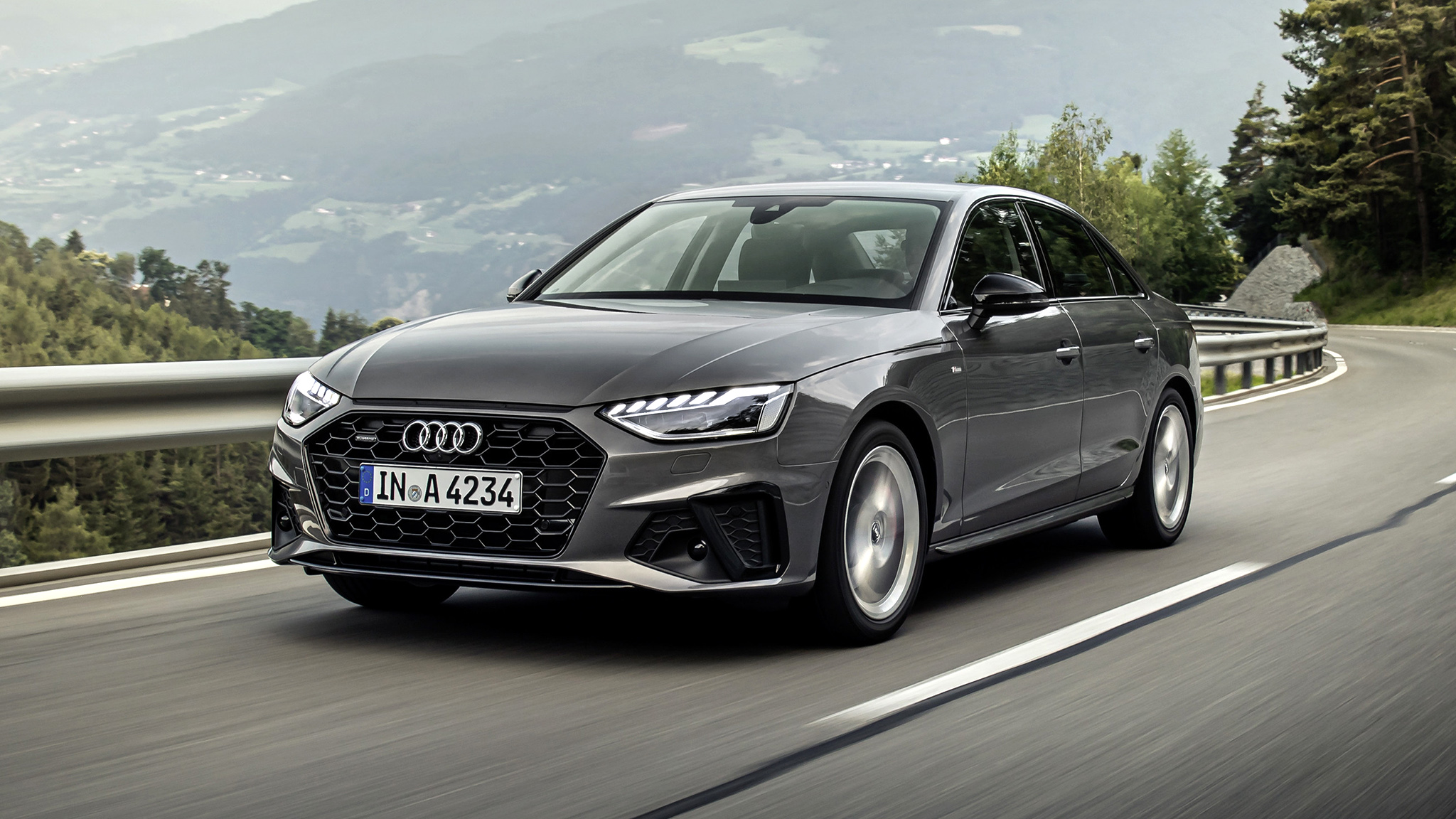
Audi’s planned electric A4 sedan has reportedly been pushed back to 2029, adding another delay to Volkswagen Group’s next-generation electric vehicle programme.
The model was originally expected to begin production at Audi’s Ingolstadt plant in 2028, but development setbacks involving the group’s Scalable Systems Platform (SSP), software architecture, and vehicle packaging have changed that timetable.
The delay is significant because the electric sedan is intended to compete with new premium offerings from BMW and Mercedes-Benz. Audi has not independently confirmed the revised production date, so the 2029 timing remains based on industry reporting rather than an official launch announcement.
Audi’s Electric A4 Faces a Later Production Target
According to Autocar, production of the electric A4, expected to carry the A4 e-tron name, is no longer planned to begin before 2029. The car had originally been scheduled to enter production in 2028 at Audi’s main factory in Ingolstadt, Germany.
The revised timeline would leave the brand waiting longer to enter the next generation of electric midsize executive sedans.
The model is expected to sit in a segment occupied by premium electric cars such as the BMW i3, Mercedes-Benz C-Class electric model, and Tesla Model 3. These vehicles target buyers looking for a combination of long-distance comfort, technology, performance, and everyday usability.
Delaying the Audi could make it harder for the company to compete for customers who are considering a new electric luxury sedan before the end of the decade.
The electric A4 is also important because of the nameplate’s historical role in Audi’s range. The combustion-powered A4 was one of the company’s central midsize models for many years.
Audi renamed its latest combustion-powered successor the A5 as part of a naming strategy that was intended to distinguish models with combustion engines from fully electric vehicles. The electric A4 was expected to restore the familiar name in a new form while giving Audi a direct rival in the premium electric sedan category.
The delay creates a gap in Audi’s electric portfolio. The company already sells electric SUVs and other battery-powered models, but it does not currently have a direct electric equivalent to the traditional A4-sized executive sedan.
Buyers seeking that format may have to consider an electric SUV, a larger luxury model, or a competitor’s sedan until the new car arrives.
It is important to distinguish the reported production timeline from an actual showroom launch. According to Autocar, production is not expected to begin before 2029, but this does not confirm when customer deliveries will start in different markets. Audi has yet to release final specifications, pricing, driving range estimates, or a detailed sales schedule for the vehicle.
The delay is also part of a wider challenge for Volkswagen Group. The SSP architecture was intended to become the foundation for a large number of future vehicles across the group’s brands. Its development has taken longer than originally planned, affecting the timing of several products that were expected to use it.
SSP Platform and Software Problems Add Engineering Work
The electric A4 is planned to use Volkswagen Group’s Scalable Systems Platform, known as SSP. The group introduced the architecture in 2021 as a future foundation for a broad range of electric vehicles. It was designed to support different vehicle sizes and brands while sharing key components, battery systems, and software.
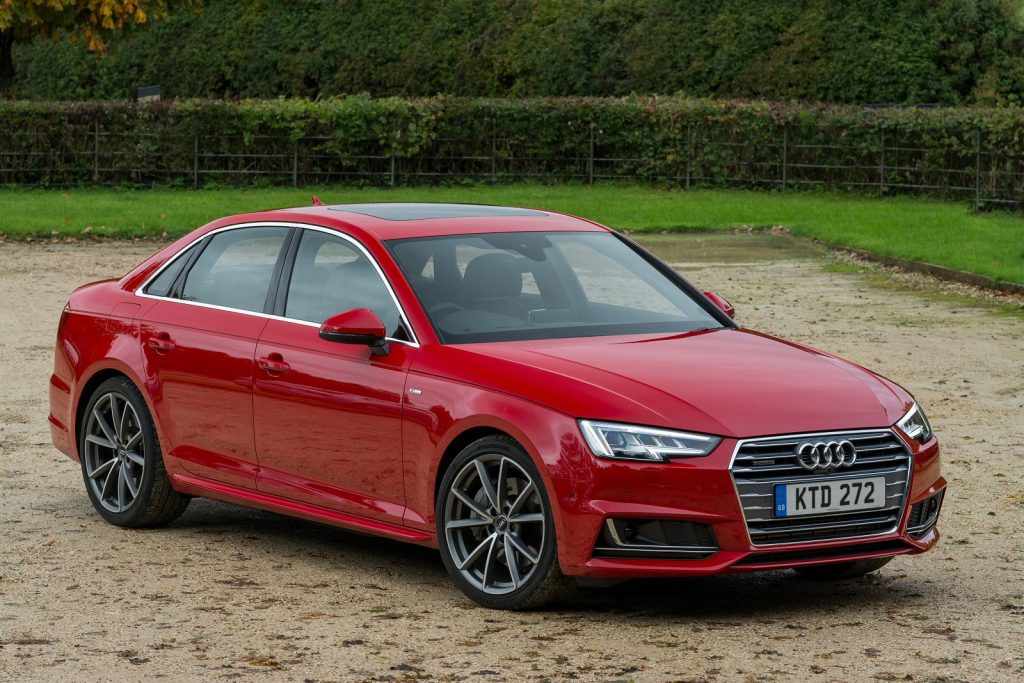
Software has been a major part of the problem. Volkswagen’s in-house software division, Cariad, was originally responsible for developing a unified operating system and electronic architecture for future SSP vehicles.
The software was expected to support functions such as over-the-air updates and advanced driver-assistance systems. However, repeated development difficulties forced the group to revise its plans.
Volkswagen subsequently entered a major partnership with U.S. electric-vehicle company Rivian to develop software and electronic architecture for future vehicles sold outside China.
The arrangement is intended to help the group improve its digital systems and reduce the delays associated with developing a common software platform internally. The transition also adds coordination work as engineers integrate new electronic systems into future vehicle programs.
The SSP delay is not limited to software. Volkswagen’s electric Golf program has also faced a setback, with development delays linked to cost constraints. That is significant because the Golf and the electric A4 were among the vehicles expected to demonstrate the flexibility of the new platform across different segments and brands.
For Volkswagen Group, the original attraction of SSP was its ability to reduce complexity through shared technology.
A common architecture could allow Audi, Volkswagen, Skoda, and other brands to develop distinct vehicles without engineering every major component separately. Delays and brand-specific changes risk weakening some of those economies of scale.
The group must now balance the benefits of common engineering with the individual requirements of its brands. Audi’s request for changes to the platform illustrates how difficult that balance can become.
The platform is designed to accommodate various vehicle types, from compact passenger cars to larger models, while sharing common electronic and battery technologies. However, developing a platform with such broad applications presents significant challenges. A design change that improves ergonomics in one vehicle could affect battery placement, crash structures, or component compatibility across other models.
The group must validate those interactions before production, rather than treating the A4 as an isolated engineering project.
For Audi, the timing matters because the premium electric sedan segment is becoming more crowded. BMW and Mercedes-Benz are preparing new-generation electric models aimed at customers who traditionally considered the 3 Series and C-Class.
Tesla’s Model 3 also competes for buyers seeking a premium-positioned electric sedan. Audi will need a convincing combination of range, charging performance, cabin quality, and software when its own model reaches the market.
Audi’s Packaging Changes Could Further Complicate Development
Autocar reports that the A4’s delay is not caused by software alone. Audi is understood to have requested significant changes to the SSP version intended for its electric sedan, particularly around passenger packaging and the layout beneath the cabin.
One reported change involves individual footwells for front- and rear-seat passengers. Many dedicated electric platforms use a relatively flat floor because the battery pack is positioned beneath the passenger compartment.
That layout can create more interior space, but Audi reportedly wants a seating position and cabin proportions closer to what customers expect from an A4.
Creating separate footwells requires engineers to reconsider how the battery and other high-voltage components are packaged beneath the floor. Changes in this area can affect the structure, floor height, seating position, and the way electrical hardware is arranged.
Because SSP is intended to support multiple models, adjustments for one vehicle can also complicate the effort to keep components common across the wider platform family.
Audi is also reportedly seeking a 48-volt electrical system for the A4 e-tron rather than the 12-volt arrangement originally planned.
A higher-voltage low-power electrical architecture can provide more capacity for computers and other electronic equipment, while potentially reducing current and wiring requirements. However, adopting it requires changes to electrical components and the vehicle’s electronic architecture.
These details help explain why the electric A4 is more than a straightforward adaptation of an existing combustion-powered sedan.
Audi is trying to preserve familiar interior proportions and brand-specific characteristics while using a platform designed to serve several different Volkswagen Group vehicles. That creates a tension between standardization and the individual needs of each model.
The delay could also affect Audi’s competitive position. BMW and Mercedes-Benz are moving forward with new electric models in the same broad market, while Tesla already sells the Model 3. If the A4 e-tron does not reach production until 2029, Audi may have to wait several years before it can offer a direct new-generation rival.
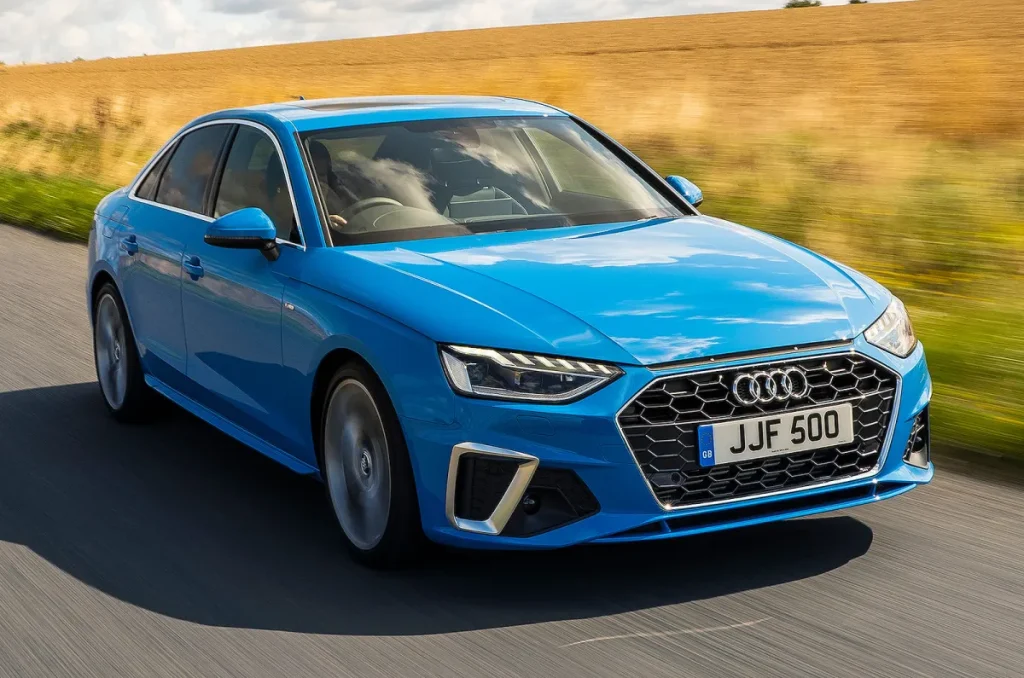
However, the revised timing could give Audi more opportunity to refine the car’s packaging, software, and electrical systems before production. A rushed launch would create its own risks, particularly for a vehicle expected to compete in the premium segment.
Audi has not confirmed the reported changes or issued a new official production schedule. The 2029 date should therefore be treated as a reported target, not a guaranteed customer-delivery date.
The next major milestones will be confirmation of the SSP rollout, details of the A4 e-tron’s final engineering, and an official production announcement from Audi.
For now, the electric A4 remains an important but delayed project. Its progress will be a test of whether Volkswagen Group can turn SSP into a scalable foundation for future vehicles while still allowing individual brands to deliver the cabin design, technology, and driving experience their customers expect.