
Leasing a car can be an attractive option for drivers who want a newer vehicle without committing to long-term ownership. It often offers lower monthly payments, flexible contract periods, and access to modern features.
However, a lease agreement includes financial obligations, mileage restrictions, maintenance requirements, and potential penalties that deserve careful attention. Before signing any paperwork, it is important to understand exactly what the agreement covers and what it expects from you.
Asking the right questions can help you avoid unexpected expenses, compare offers confidently, and choose a car lease that suits your driving habits and financial situation.

1. What Is the Total Cost of the Lease?
The monthly payment is usually the first figure shoppers notice when comparing car lease offers. However, this amount does not represent the complete cost of leasing a vehicle. A lease may include several additional charges that increase the amount you pay throughout the agreement.
Ask the dealership to provide a complete breakdown of the lease expenses. This should include the monthly payment, initial payment, acquisition fee, registration costs, documentation charges, and applicable taxes. Having these figures in writing makes it easier to understand the actual financial commitment.
You should also ask how much money is required at the beginning of the lease. Some agreements require a down payment, while others include the first month’s payment, security deposit, and administrative charges. These expenses can make an attractive monthly offer less affordable than expected.
Pay attention to the total amount payable throughout the lease term. For example, a vehicle with a lower monthly payment may require a larger upfront contribution. Comparing the complete financial commitment provides a clearer picture of which agreement offers better value.
Ask whether the quoted monthly payment includes applicable taxes and mandatory fees. In some locations, advertisements display payments before taxes or additional charges. This difference can affect your monthly budget, particularly when leasing an expensive vehicle.
It is also worth checking whether the dealership has included optional products in the quotation. Extended warranties, maintenance packages, vehicle protection plans, and insurance-related products can increase the cost. Ask which items are compulsory and which you can decline.
Before signing, request a written payment schedule showing the initial amount, recurring payments, and any expected final charges. A transparent cost breakdown helps prevent misunderstandings and allows you to plan your finances with greater confidence.
2. How Many Miles Can I Drive Each Year?
Mileage restrictions are an important part of most car lease agreements. Leasing companies generally establish an annual mileage allowance, which determines how far you can drive without paying additional charges. Exceeding this limit can make the agreement considerably more expensive.
Ask the leasing representative how many miles you are allowed to drive each year. Common lease allowances include 10,000, 12,000, and 15,000 miles annually, but the available options depend on the provider and agreement.
Consider your regular driving habits before choosing a mileage allowance. Your daily commute, weekend activities, family visits, and holiday travel all contribute to your annual mileage. Selecting a limit based only on your current routine may create problems if your driving needs change.
You should also ask how much the leasing company charges for every additional mile. These charges are usually specified in the contract and can add up quickly. Even a small per-mile fee becomes significant when you exceed the allowance by several thousand miles.
For example, imagine that your agreement allows 12,000 miles annually, but you drive 15,000 miles. The additional 3,000 miles could result in a substantial penalty when the vehicle is returned. Understanding the rate beforehand helps you estimate potential expenses.
Ask whether unused mileage can be transferred between years or credited when the vehicle is returned. Many leasing agreements do not offer this flexibility, but checking the policy can help you understand how the allowance works.
If you regularly drive long distances, consider negotiating a higher mileage allowance before signing. Paying slightly more each month for additional mileage may be cheaper than paying excess mileage charges at the end of the lease.

3. What Is Included in the Initial Payment?
The initial payment is the amount you must pay before taking possession of the leased vehicle. It may include several expenses, and understanding its composition is essential when comparing different lease offers.
Ask the dealership whether the advertised initial payment represents a down payment or includes other charges. The distinction matters because some offers combine the first monthly payment, taxes, registration, and administrative fees into a single amount.
You should also ask whether the initial payment is refundable. Certain agreements include a refundable security deposit, while other upfront payments are non-refundable. Knowing the difference helps you understand which amounts you may recover when the lease ends.
Another important question concerns the effect of a larger initial payment on monthly installments. Paying more upfront may reduce your recurring payments, but it also means committing more money immediately. Consider whether this arrangement suits your savings and financial priorities.
Ask what happens to the initial payment if the vehicle is stolen or declared a total loss following an accident. Depending on the contract and insurance arrangements, you may not recover all the money you contributed at the beginning.
You should also clarify whether any dealer incentives or manufacturer rebates are being applied to reduce the initial amount. These incentives can make a lease more affordable, but their eligibility requirements and conditions should be clearly explained.
Request a detailed receipt and written payment breakdown before transferring any money. This documentation gives you a record of the transaction and helps resolve potential disagreements about the amount paid at the beginning of the agreement.
4. What Happens If I Exceed the Mileage Limit?
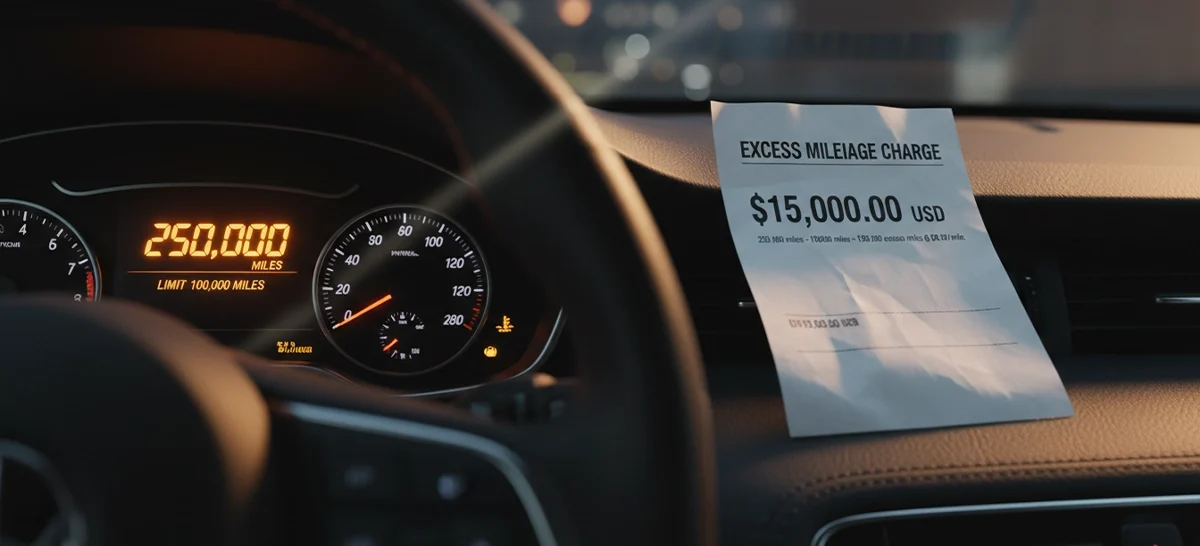
Understanding the annual mileage allowance is important, but you should also know what happens when your driving exceeds that limit. Mileage penalties can become a significant expense when a lease reaches its final stage.
Ask the leasing company how excess mileage is calculated. Some agreements charge a fixed amount for every additional mile, while others may use different rates depending on the vehicle or contract terms.
Check whether the mileage allowance is calculated annually or across the entire lease period. This distinction can influence how you manage your driving. An agreement based on total mileage may offer more flexibility than strict annual limits.
You should also ask whether there is an opportunity to increase the mileage allowance during the lease. Some providers permit contract adjustments, while others may require you to keep the original limit throughout the agreement.
If your driving requirements change because of a new job, relocation, or family responsibilities, your annual mileage could increase unexpectedly. Knowing the available options before signing helps you prepare for these circumstances.
Ask the dealership to provide an example showing the financial impact of exceeding the allowance by 1,000, 3,000, or 5,000 miles. Practical calculations can help you understand the potential penalties more clearly.
Finally, find out whether excess mileage charges can be reduced or waived under any specific circumstances. Never assume that a leasing company will overlook additional mileage. Your contract should clearly explain the applicable charges and payment requirements.

5. Who Is Responsible for Maintenance and Repairs?
A leased vehicle generally requires regular maintenance to remain in good working condition. However, the responsibility for servicing, repairs, and replacement parts depends on the terms of the agreement.
Ask whether routine maintenance is included in your monthly lease payment. Some leasing arrangements offer maintenance packages covering scheduled servicing, oil changes, and other manufacturer-recommended work. Others require drivers to pay these expenses separately.
You should also clarify who is responsible for repairs caused by mechanical problems. A manufacturer’s warranty may cover certain defects, but it does not necessarily cover every repair during the lease period.
Find out where the vehicle must be serviced. Some agreements require maintenance at authorized dealerships or approved service centres. Using an unauthorized workshop could affect warranty coverage or create disagreements when returning the vehicle.
Ask whether replacement tyres, brake components, batteries, and other common wear items are included. These parts may need attention during a longer lease, and their replacement costs can influence your budget.
It is equally important to understand how maintenance records must be maintained. Leasing companies may request service receipts and documentation showing that the vehicle received the required maintenance at appropriate intervals.
Ask what happens if a mechanical problem develops shortly before the lease ends. You should know whether the provider will arrange repairs, whether you must pay an inspection fee, and how unresolved issues could affect the final vehicle assessment.
A clear understanding of maintenance responsibilities helps you protect the vehicle and avoid unnecessary expenses. Read the service requirements carefully and keep copies of all maintenance records throughout the agreement.

6. What Are the Charges for Excessive Wear and Tear?
When returning a leased vehicle, the leasing company generally inspects its condition. Normal use is expected, but damage beyond the provider’s acceptable wear-and-tear standards may result in additional charges.
Ask the leasing company to explain its definition of normal wear and tear. Small scratches, minor interior marks, and ordinary signs of use may receive different treatment depending on the inspection guidelines and contract.
You should also request a written copy of the vehicle return standards. This document should explain how the provider evaluates paint damage, dents, cracked glass, upholstery stains, damaged wheels, and other visible problems.
Find out whether the company provides a pre-return inspection. Such an inspection can help identify problems before the vehicle is officially returned, giving you time to consider appropriate repairs.
Ask whether you are allowed to repair minor damage through an independent service provider. Some leasing companies accept approved third-party repairs, while others have specific requirements concerning repair quality and replacement parts.
It is important to distinguish between ordinary maintenance and damage that could lead to penalties. For example, worn tyres may be considered normal depending on their condition and usage, but tyres with insufficient tread or visible damage may result in additional charges.
You should also ask how the company determines the cost of repairing damaged components. Request information about its inspection process, repair estimates, and dispute procedures if you disagree with the assessment.
Keeping the vehicle clean, addressing small problems promptly, and maintaining service records can make the return process easier. A little preparation throughout the lease can reduce the likelihood of unexpected charges at the end.

7. Can I End the Lease Agreement Early?
Your financial circumstances and personal requirements may change during the lease period. You might relocate, experience a change in employment, or simply decide that the vehicle no longer meets your needs.
Ask whether the agreement allows early termination and what conditions apply. Many leasing contracts include early termination provisions, but ending the agreement before its scheduled date can involve substantial financial consequences.
You should specifically ask how the early termination amount is calculated. Depending on the agreement, it may include outstanding payments, depreciation adjustments, administrative charges, and other contractual expenses.
Find out whether you can transfer the lease to another eligible driver. Some leasing companies allow lease transfers after reviewing the new driver’s financial qualifications and obtaining the required approvals.
It is also worth asking whether the provider offers temporary payment assistance or other arrangements if you experience financial difficulties. Not every company provides these options, but knowing the available policies can help you respond to unexpected situations.
Ask whether returning the vehicle early automatically ends your payment responsibilities. In many cases, simply handing back the keys does not settle the remaining financial obligation. You may still owe a termination amount under the agreement.
You should also check whether the leasing company offers a vehicle buyout option. Purchasing the vehicle may be an alternative in certain situations, depending on the contract and applicable regulations.
Before signing, request a written explanation of the early termination process. Understanding these conditions gives you greater flexibility and helps you avoid entering an agreement that could become difficult to manage if your circumstances change.

8. Is Insurance Included in the Lease Agreement?
Insurance is an essential consideration when leasing a vehicle. Leasing companies usually require drivers to maintain specific insurance coverage throughout the contract period to protect the vehicle and meet legal requirements.
Ask whether insurance is included in the monthly lease payment or must be purchased separately. Most agreements require you to arrange your own insurance, but the exact requirements depend on the leasing provider and location.
You should also find out what level of coverage is required. Some companies require comprehensive or fully insured coverage, while others may specify minimum liability limits, collision protection, and other policy conditions.
Ask whether the insurance policy must list the leasing company as an additional insured party or loss payee. This requirement can affect how insurance payments are handled following theft, major damage, or an accident.
Another important point is the deductible or excess amount. This is the portion of an insured claim that you may have to pay yourself. A higher deductible can reduce premiums, but it increases your immediate financial responsibility when making a claim.
You should also ask about gap insurance. If a leased vehicle is stolen or declared a total loss, its insurance settlement may be lower than the amount owed under the lease. Gap coverage can help cover the difference when the policy and contract qualify.
Find out whether the leasing company offers insurance through an approved provider or allows you to choose your own insurer. Comparing available policies can help you find suitable coverage at a competitive price.
Before signing, review the insurance requirements and confirm that your chosen policy satisfies them. Proper coverage protects your finances and helps ensure that you remain compliant with the lease agreement.

9. What Are My Options When the Lease Ends?
A lease agreement eventually reaches its scheduled end date, and understanding your available options can help you plan ahead. Different leasing companies provide different arrangements depending on the contract structure.
Ask whether you can return the vehicle and walk away after completing all contractual obligations. This is a common arrangement with standard leases, but outstanding mileage charges, damage costs, and other unpaid amounts may still apply.
You should also ask whether purchasing the vehicle at the end of the lease is possible. Some agreements include a predetermined purchase option, often called the residual value or purchase option price.
Find out how the residual value is calculated. This amount represents the estimated value of the vehicle at the end of the lease and can influence the monthly payments throughout the agreement.
If you enjoy driving the vehicle and want to keep it, compare the purchase price with the current market value of similar vehicles. This comparison can help you decide whether buying the car is financially sensible.
Another option may be extending or renewing the lease. Ask whether the company allows extensions, how long they can last, and whether the monthly payment or other conditions will change.
You should also clarify when the vehicle must be returned and whether an appointment is required. Some providers have specific return procedures, including final inspections, document submissions, and outstanding payment settlements.
Planning for the end of the lease several months in advance can prevent unnecessary stress. It also gives you enough time to compare replacement vehicles, arrange financing, or prepare for purchasing the car you currently drive.

10. Are There Any Additional Fees or Hidden Charges?
Before signing a lease, ask the dealership to identify every possible fee that could apply during the agreement. A low monthly payment may appear attractive, but additional charges can increase the total cost considerably.
Start by asking about the acquisition fee, documentation fee, registration charges, and vehicle delivery expenses. These costs may be collected at the beginning of the lease or included in the monthly payment.
You should also ask whether the agreement includes a disposition fee. This charge may apply when you return the vehicle at the end of the lease, particularly if you do not purchase it or enter another agreement with the provider.
Check whether late payment fees apply and how they are calculated. Understanding the payment deadline, accepted payment methods, and consequences of missed installments can help you avoid unnecessary penalties.
Ask whether there are charges for changing your vehicle registration details, modifying the agreement, or transferring the lease to another person. Administrative fees can vary considerably between providers.
You should also clarify whether the leasing company charges for exceeding maintenance requirements or failing to complete scheduled servicing. These obligations should be clearly documented rather than explained only through verbal assurances.
Request a copy of the complete fee schedule and read the contract carefully before agreeing to anything. If a charge is unclear, ask the representative to explain when it applies and whether it can be avoided.
Finally, ask the dealership to confirm in writing that no additional mandatory charges have been excluded from the quotation. A transparent agreement makes it easier to budget accurately and reduces the possibility of unpleasant surprises.