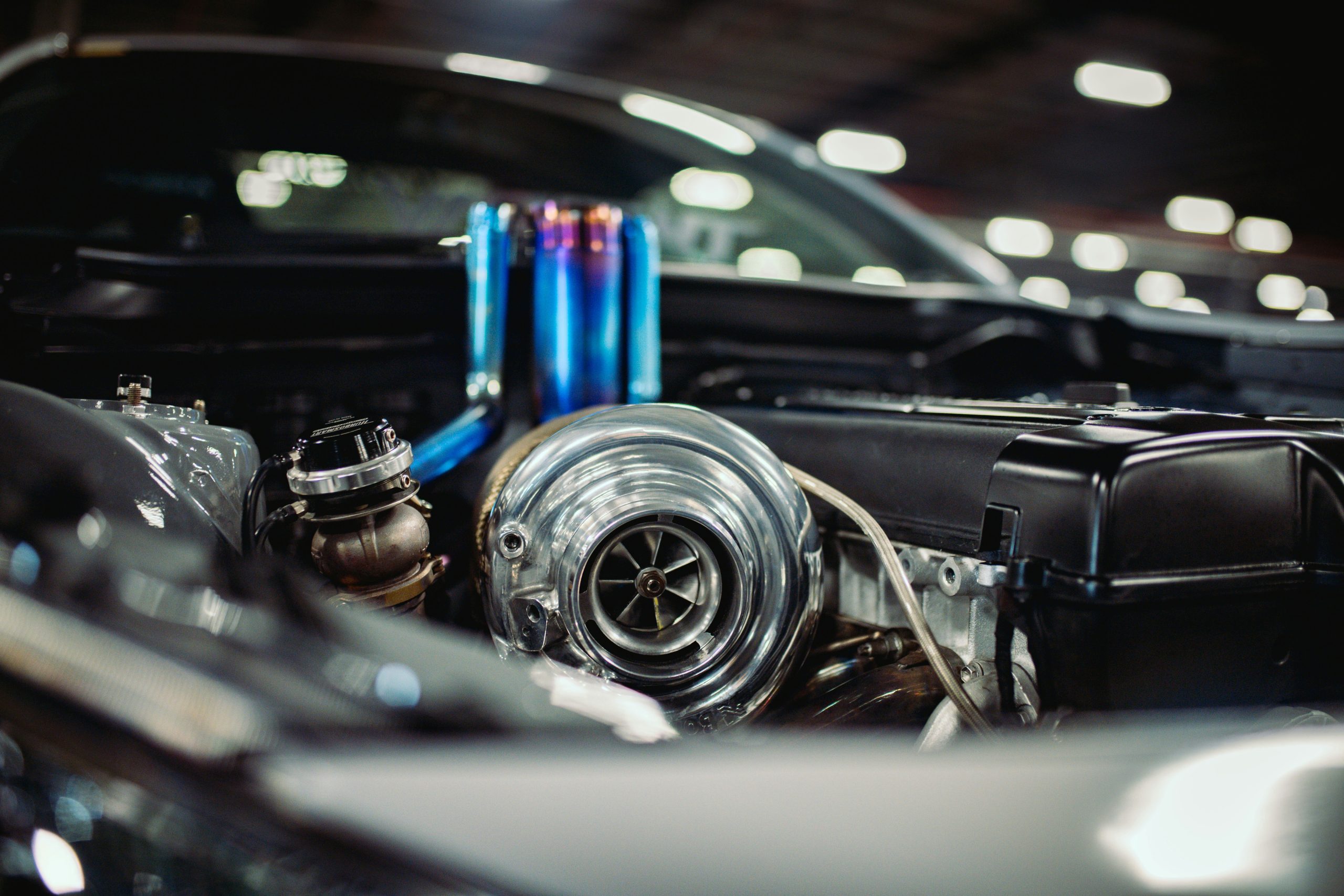
Vehicle repairs can become expensive when major components fail and require replacement. However, many automotive parts are designed in ways that allow skilled technicians to rebuild, restore, or recondition them instead of installing brand-new units. Choosing rebuilt auto parts can reduce repair costs, limit material waste, and extend the useful life of a vehicle.
From engines and transmissions to alternators and brake calipers, several components can return to reliable working condition through proper repair procedures. Understanding which auto parts can be rebuilt helps vehicle owners make informed maintenance decisions, manage repair budgets, and maintain dependable vehicle performance.

1. Engine
The engine is among the most expensive components of a vehicle, but a damaged or worn engine does not always need complete replacement.
Engine rebuilding involves dismantling the unit, inspecting internal components, cleaning reusable parts, and replacing damaged or excessively worn items. This process can restore engine performance without purchasing an entirely new engine.
Common engine problems include worn piston rings, damaged bearings, leaking seals, worn cylinder walls, and faulty valves. Many of these issues can be corrected through machining, component replacement, and careful reassembly. The exact work depends on the engine’s condition and the manufacturer’s specifications.
During an engine rebuild, technicians usually inspect the cylinder head, crankshaft, pistons, connecting rods, camshaft, and oil passages. Components that remain within acceptable wear limits can often be reused. Parts that fail inspection must be replaced to ensure reliable operation.
Cylinder boring and honing are common machining procedures used during engine restoration. Boring corrects excessive cylinder wear by enlarging the cylinder to a specified dimension. Honing creates the appropriate surface finish for piston rings to seal correctly against the cylinder walls.
A rebuilt engine can offer dependable performance when technicians follow proper machining tolerances, lubrication requirements, and assembly procedures. Quality replacement components also play an important role in determining how long the engine will last after rebuilding.
Engine rebuilding is particularly useful for vehicles with valuable engines, older models with limited replacement options, and commercial vehicles that need continued service. However, severe block damage, extensive overheating, or major structural cracks may make rebuilding impractical.
Before approving an engine rebuild, vehicle owners should request a detailed inspection report and an itemised estimate. Comparing rebuilding costs with the price of a tested replacement engine can help determine the most sensible option.
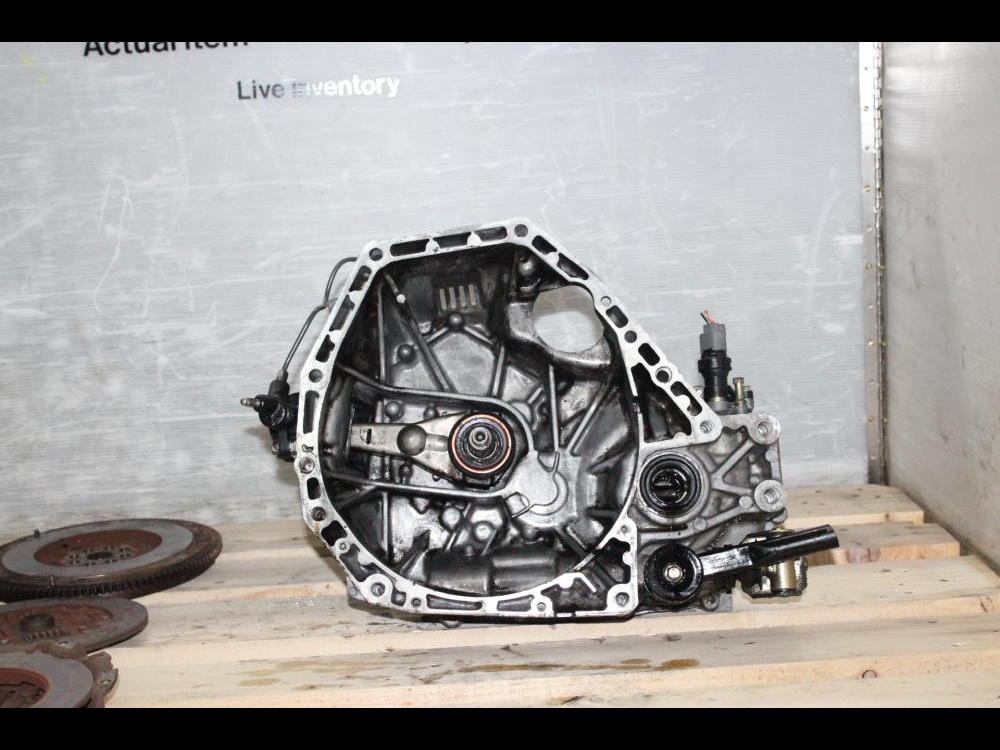
2. Automatic and Manual Transmissions
A transmission transfers engine power to the wheels and allows a vehicle to operate at different speeds. Since transmissions contain numerous moving components, they can develop problems through regular wear, poor maintenance, overheating, or fluid contamination.
A faulty transmission does not always require complete replacement. Transmission rebuilding involves disassembling the unit, examining internal parts, replacing worn components, and restoring the assembly according to manufacturer specifications.
In automatic transmissions, common rebuild components include clutch packs, friction plates, seals, gaskets, bushings, and bearings. Technicians also inspect the valve body, oil pump, torque converter, and internal hydraulic passages to identify potential problems.
Manual transmissions can also be rebuilt. Common repairs involve replacing synchroniser rings, bearings, seals, and worn gears. Proper adjustment and inspection help ensure smooth gear engagement and prevent unwanted noise during operation.
One important advantage of rebuilding a transmission is that technicians can address several internal problems during the same repair. This can prevent recurring faults caused by worn seals, damaged friction materials, or contaminated transmission fluid.
However, transmission rebuilding requires specialised tools, technical knowledge, and accurate measurements. Incorrect assembly or improper adjustment can cause slipping, shifting delays, overheating, and premature component failure.
Vehicle owners should choose a transmission specialist with experience in the specific transmission type. A proper diagnosis, written warranty, and clear explanation of replaced components are important when evaluating a rebuilding service.
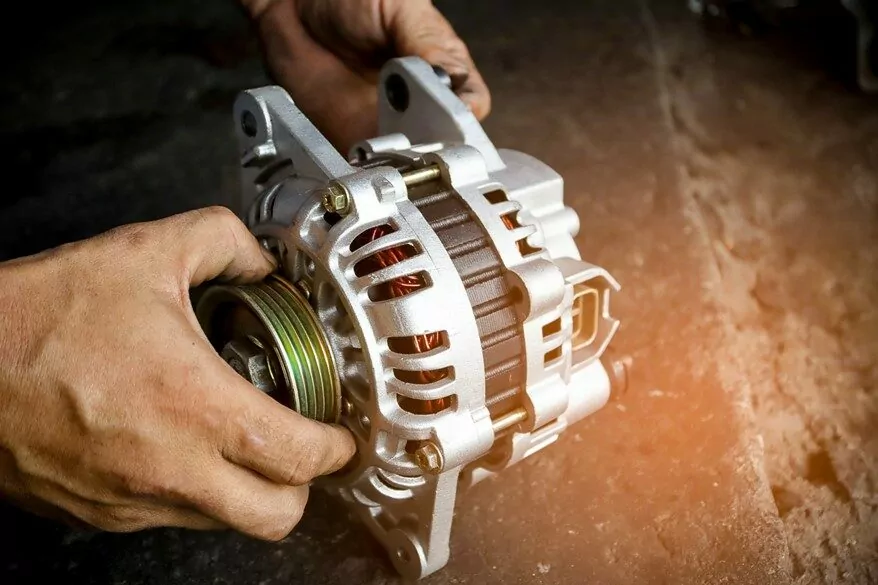
3. Alternator
The alternator supplies electrical power to a vehicle while the engine is running. It also helps maintain the battery’s charge and supports electrical systems such as headlights, dashboard electronics, air conditioning controls, and infotainment equipment.
When an alternator stops working correctly, the vehicle may experience dim headlights, battery warning lights, electrical failures, or difficulty starting. These symptoms do not necessarily mean the entire alternator needs replacement.
Alternators contain several components that can be repaired or replaced individually. Common rebuild parts include voltage regulators, rectifier diodes, brushes, bearings, slip rings, and internal electrical connections.
During rebuilding, technicians inspect the alternator housing, rotor, stator, pulley, and electrical windings. Damaged bearings can be replaced to reduce noise, while worn brushes and faulty regulators can be changed to restore proper electrical output.
The rectifier is another important component because it converts the alternator’s alternating current into direct current suitable for the vehicle’s electrical system. Faulty diodes can cause charging problems and unwanted battery drain.
A professionally rebuilt alternator can provide reliable charging performance at a lower cost than purchasing a new unit. It can also be a practical choice for older vehicles where compatible replacement parts are difficult to find.
Before rebuilding, technicians should test the alternator’s output, charging voltage, and electrical condition. If the housing, rotor, or stator has severe damage, replacing the complete assembly may be more economical and dependable.
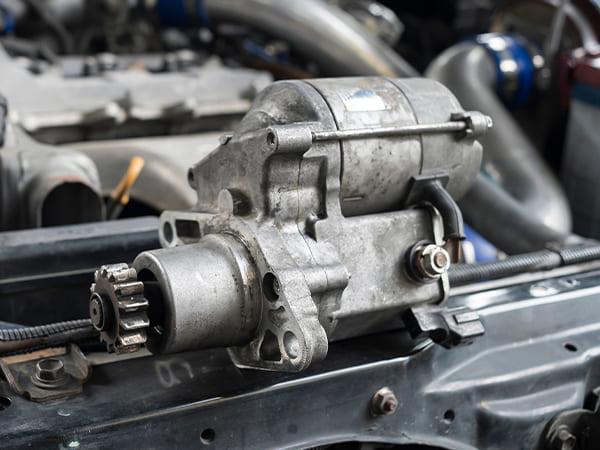
4. Starter Motor
The starter motor is responsible for turning the engine during the starting process. When the driver turns the ignition key or presses the start button, the starter engages with the engine’s flywheel or flexplate to initiate combustion.
A failing starter can produce clicking sounds, slow engine cranking, intermittent starting problems, or complete starting failure. However, these symptoms can also result from a weak battery, poor electrical connections, or a faulty starter relay.
Many starter motor problems can be corrected through rebuilding. Common replacement components include brushes, bushings, bearings, solenoids, electrical contacts, and damaged drive gears.
The solenoid plays an important role because it activates the starter motor and moves the drive gear into engagement with the flywheel. Worn solenoid contacts can prevent the starter from receiving sufficient electrical power.
During rebuilding, technicians disassemble the starter, inspect the armature and field windings, clean internal surfaces, and replace defective components. The unit is then reassembled and tested to confirm proper operation.
Rebuilding a starter motor can be particularly useful for older vehicles, commercial fleets, and models where original equipment components remain available. It can also reduce unnecessary disposal of otherwise serviceable metal components.
However, an armature with severe electrical damage or a badly deteriorated housing may not be suitable for rebuilding. Proper electrical testing is essential before returning the starter to service.
5. Brake Calipers
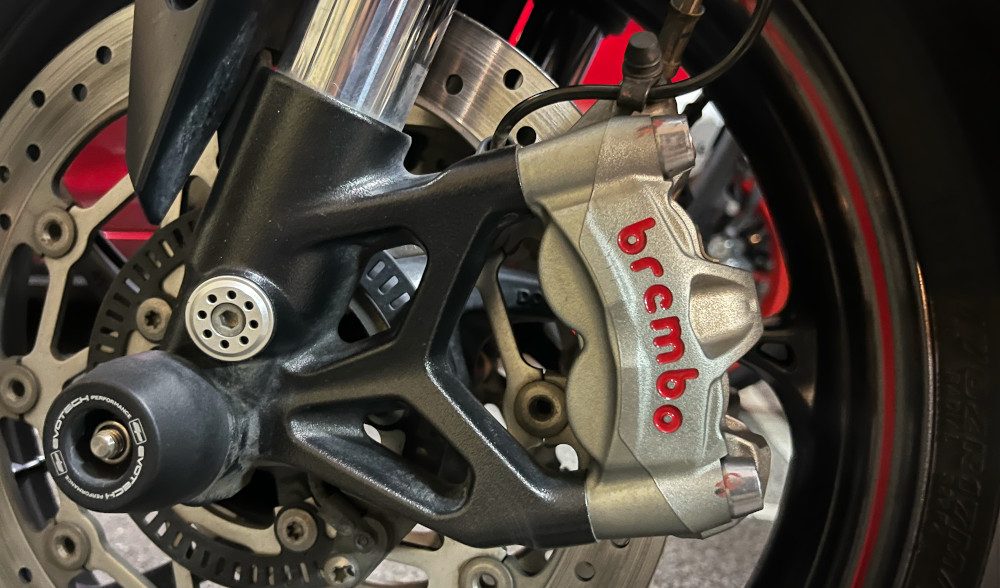
Brake calipers are essential components of disc braking systems. They hold the brake pads and use hydraulic pressure to press the pads against the rotating brake disc, helping the vehicle slow down or stop.
Over time, brake calipers can develop problems due to corrosion, damaged rubber seals, contaminated brake fluid, worn guide pins, or seized pistons. These issues can cause uneven braking, excessive pad wear, or reduced braking performance.
In many cases, brake calipers can be rebuilt instead of replaced. The process generally involves removing the caliper, dismantling it, cleaning the housing, inspecting the piston, and installing suitable replacement seals and dust boots.
Caliper pistons must be examined carefully for corrosion, scoring, and surface damage. Minor contamination may be addressed through approved cleaning procedures, but deeply pitted or damaged pistons should be replaced.
Technicians also inspect slide pins, mounting points, and hydraulic connections. Proper lubrication with brake-compatible products helps ensure smooth caliper movement and prevents problems caused by seized sliding components.
Rebuilding brake calipers can reduce repair costs while allowing the original caliper housing to remain in service. This can be particularly useful for vehicles with expensive or difficult-to-source brake assemblies.
Brake system repairs require strict attention to safety. Rebuilt calipers must meet manufacturer specifications, and the braking system should be properly bled and tested before the vehicle returns to normal use. Severely corroded or cracked calipers should be replaced rather than rebuilt.

6. Power Steering Pump
A power steering pump helps provide hydraulic assistance in vehicles equipped with hydraulic power steering systems. It circulates pressurised steering fluid through the system, reducing the physical effort required to turn the steering wheel.
When the pump begins to fail, drivers may notice whining noises, heavy steering, fluid leaks, or inconsistent steering assistance. These problems can result from worn internal components, damaged seals, low fluid levels, or contaminated steering fluid.
Power steering pumps can often be rebuilt using replacement seals, O-rings, bearings, vanes, and other internal components. The exact parts required depend on the pump’s design and the extent of the damage.
During rebuilding, technicians inspect the pump housing, shaft, pulley, pressure control valve, and internal pumping surfaces. Worn seals can be replaced to correct leaks, while damaged bearings may be changed to restore smooth operation.
The pressure control valve is particularly important because it regulates hydraulic pressure within the system. A faulty valve can cause poor steering assistance or inconsistent performance.
A rebuilt power steering pump can provide a cost-effective solution when the original housing and major internal surfaces remain in suitable condition. It may also help maintain compatibility with the vehicle’s existing steering system.
However, rebuilding is not always possible. Deep internal scoring, cracked housings, or extensive mechanical damage may make replacement the better choice. Technicians should also inspect the steering hoses and fluid condition to prevent repeated pump failure.
7. Fuel Injectors
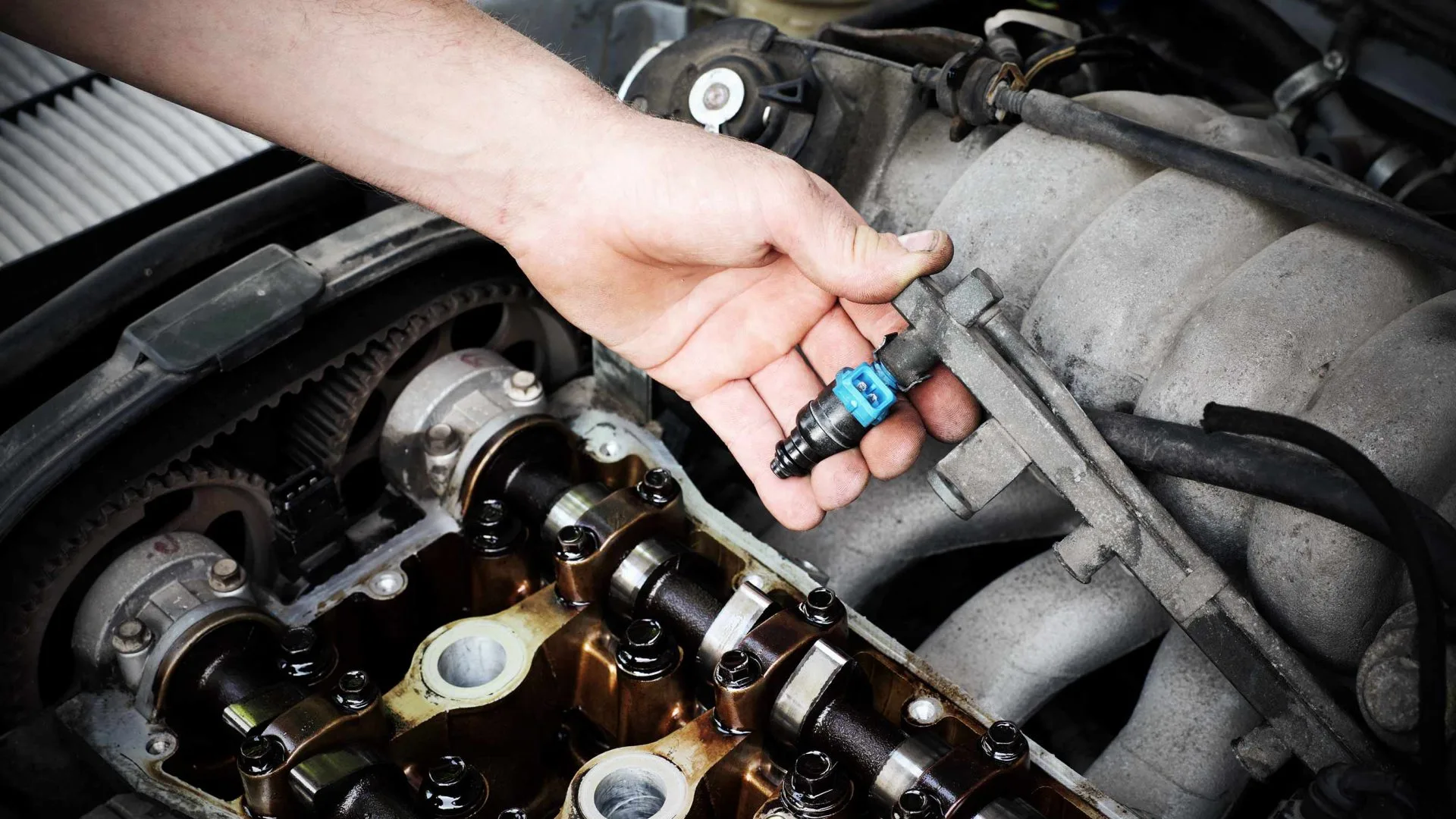
Fuel injectors deliver fuel into the engine in controlled quantities. Their operation affects combustion quality, fuel efficiency, engine performance, and emissions. Over time, deposits and mechanical wear can interfere with proper fuel delivery.
Dirty fuel injectors may cause rough idling, poor acceleration, increased fuel consumption, engine misfires, or difficulty starting. These symptoms can sometimes be corrected through professional cleaning and testing.
Fuel injector restoration generally begins with removing the injectors and checking their electrical operation, spray pattern, and fuel delivery rate. Specialised cleaning equipment can remove deposits that interfere with fuel atomisation.
Technicians may also replace internal filters, O-rings, seals, and other serviceable components. These parts help maintain proper fuel pressure and prevent leakage around the injector assembly.
After cleaning, injectors should be tested to confirm that they deliver fuel consistently. Differences in flow rate between injectors can affect engine balance, so accurate testing is important.
Some fuel injectors can be professionally reconditioned, providing a lower-cost alternative to purchasing new units. This option is particularly useful when original injectors are expensive or difficult to obtain.
However, cleaning cannot repair every injector problem. Damaged electrical coils, cracked bodies, severe internal wear, or defective mechanical components may require complete replacement. Direct injection systems may also require specialised equipment and manufacturer-specific procedures.
8. Turbocharger
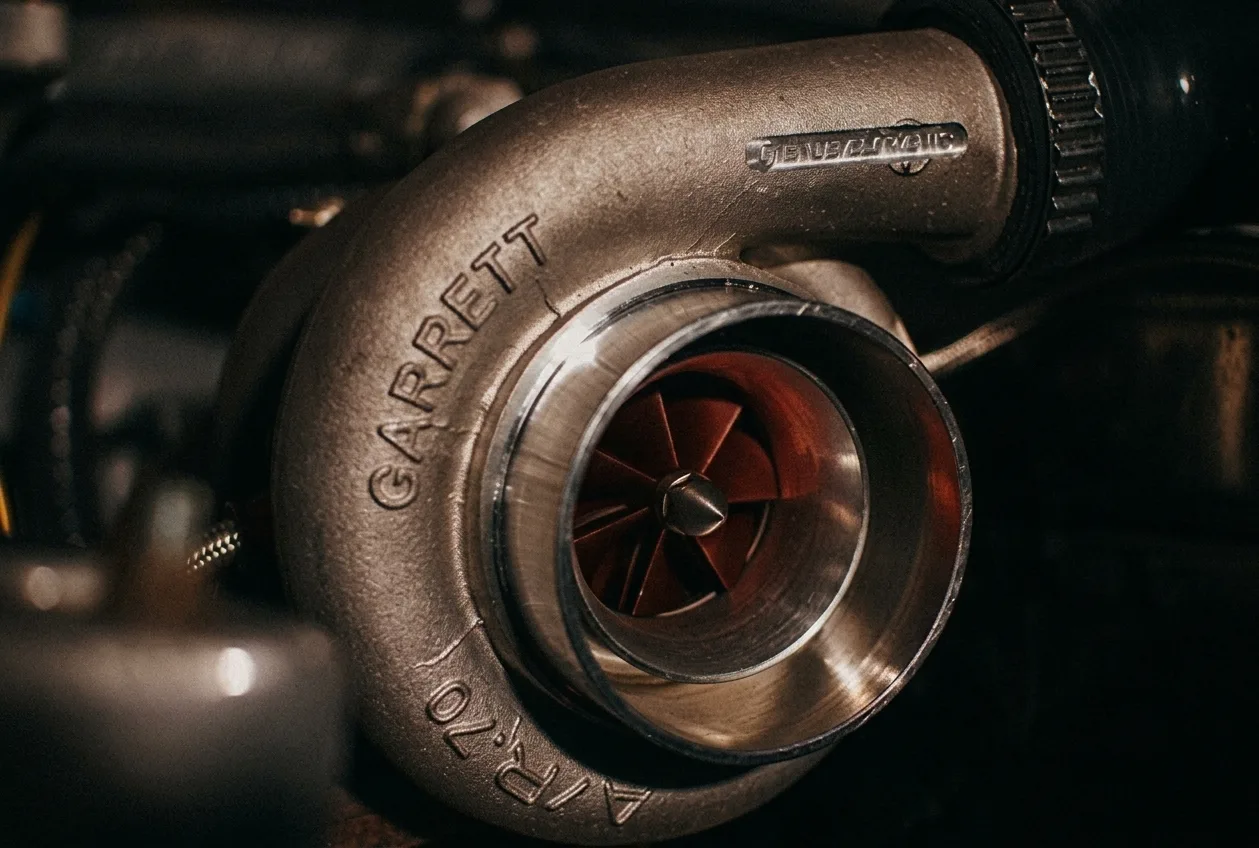
A turbocharger increases the amount of air entering an engine by using exhaust gases to drive a turbine. This allows the engine to produce greater power and torque without requiring a proportionate increase in engine size.
Turbochargers operate at high temperatures and rotational speeds, making them sensitive to lubrication problems, contaminated oil, excessive heat, and foreign object damage. Common warning signs include unusual whining sounds, reduced engine power, excessive smoke, and increased oil consumption.
Many turbochargers can be rebuilt when their main housings remain in good condition. The rebuilding process may involve replacing bearings, seals, thrust components, and other worn internal parts.
The rotating assembly requires careful inspection because even small imbalances can affect turbocharger performance. Specialist equipment is used to measure clearances and balance rotating components according to the required specifications.
Technicians also inspect the turbine housing, compressor housing, wastegate mechanism, and variable geometry components where applicable. Damaged blades, cracks, or severe housing deterioration may require additional repairs or complete replacement.
A professionally rebuilt turbocharger can restore boost performance and provide a more affordable repair option. However, the quality of the work depends heavily on accurate measurements, suitable replacement parts, and proper balancing.
It is also important to identify the original cause of turbocharger failure. Blocked oil feed lines, contaminated lubrication, restricted air filters, and engine problems can damage a rebuilt turbocharger if they are not corrected before installation.
9. Air Conditioning Compressor
The air conditioning compressor circulates refrigerant through the vehicle’s cooling system. It compresses low-pressure refrigerant gas and helps maintain the pressure differences required for the air conditioning system to produce cool air.
A failing compressor may cause weak cooling, unusual noises, refrigerant circulation problems, or a complete loss of air conditioning performance. However, these symptoms can also be associated with refrigerant leaks, electrical faults, or other system components.
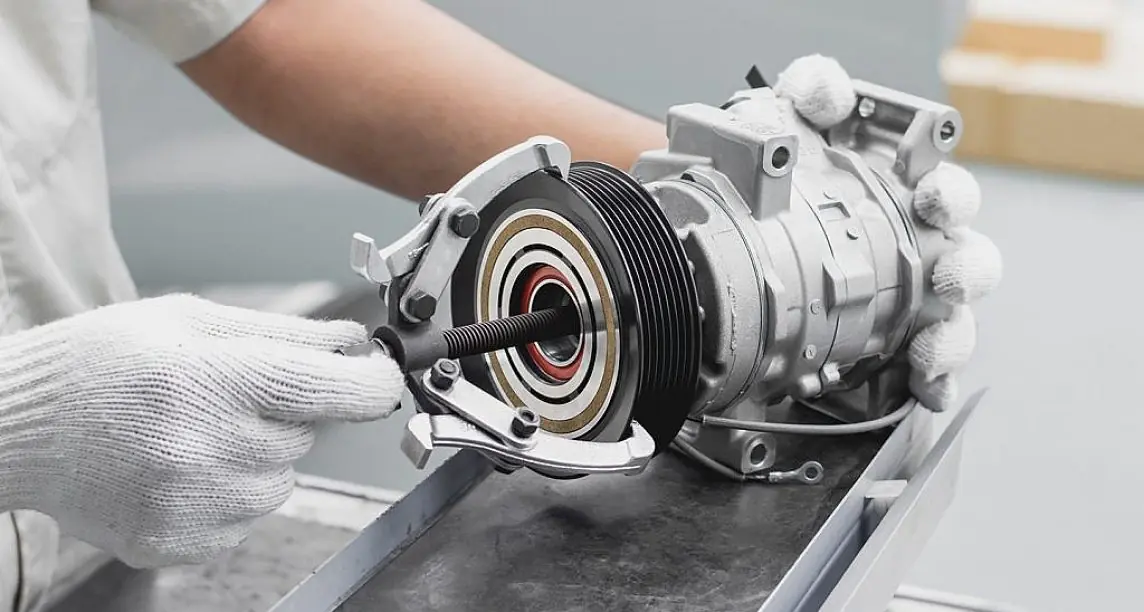
Some air conditioning compressors can be rebuilt using replacement bearings, seals, valves, clutch components, and other serviceable internal parts. The available repair options depend on the compressor design and the extent of internal damage.
During inspection, technicians examine the compressor shaft, pulley, clutch assembly, housing, and internal pumping mechanism. Damaged seals can cause refrigerant or oil leaks, while worn bearings may produce grinding or rattling noises.
A compressor clutch may also be repaired separately on suitable designs. This can restore engagement without requiring replacement of the complete compressor assembly.
Rebuilding can be a practical option when the compressor body and major internal components remain serviceable. It may also help reduce repair costs for older vehicles with costly original equipment compressors.
However, severe internal damage or metal contamination can spread debris throughout the air conditioning system. In such situations, replacing the compressor and properly cleaning or servicing the affected system components may be necessary.
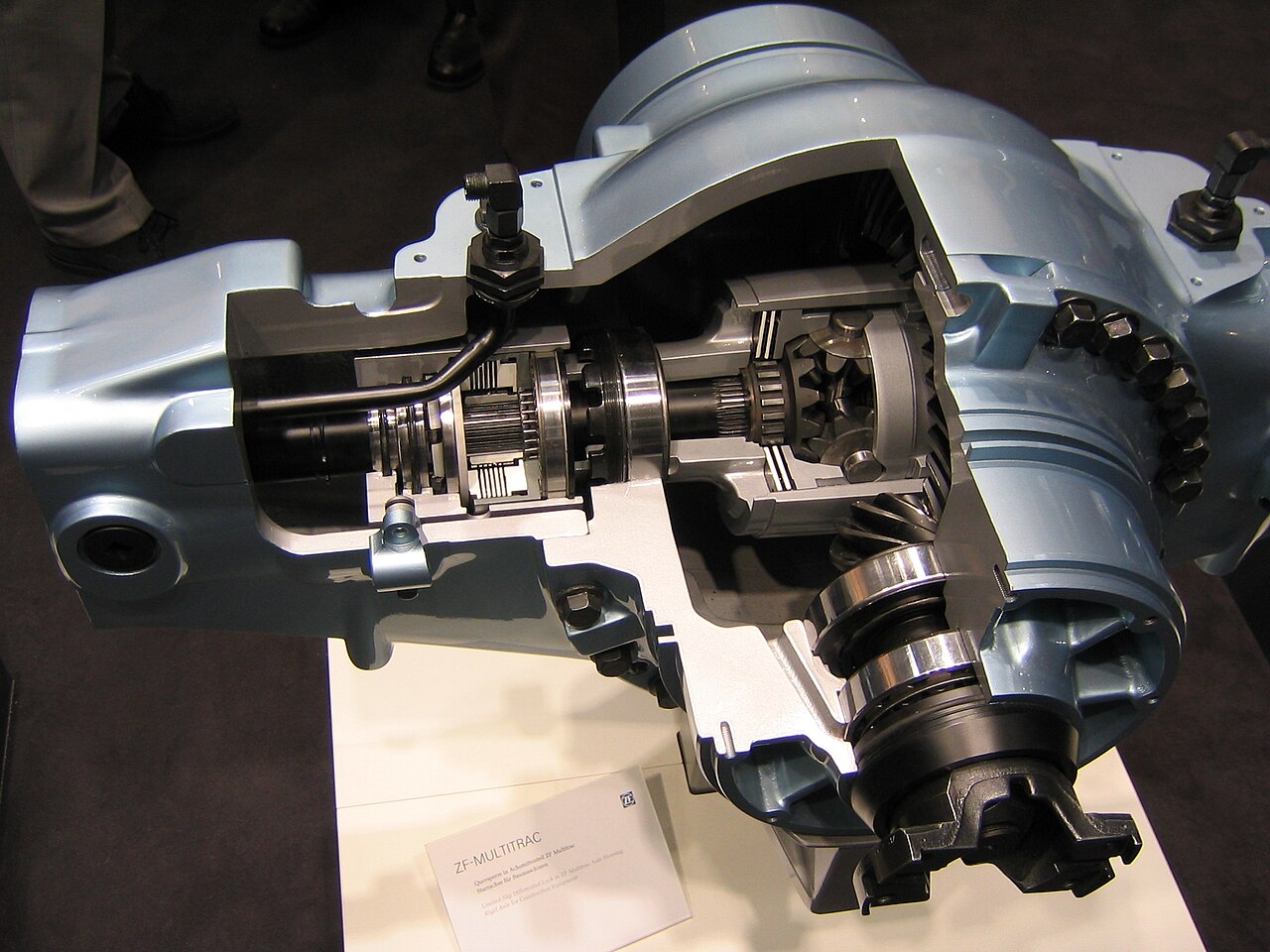
10. Differential
The differential is a drivetrain component that allows the vehicle’s drive wheels to rotate at different speeds while transferring engine power to them. This is particularly important when turning, as the outside wheel travels a greater distance than the inside wheel.
Differentials contain gears, bearings, seals, and other precision components that experience continuous mechanical stress. Poor lubrication, excessive loads, worn bearings, and incorrect gear adjustments can lead to noise, vibration, and reduced drivetrain performance.
A damaged differential does not always need complete replacement. Technicians can often rebuild the existing assembly by replacing worn gears, bearings, seals, and other defective components.
The rebuilding process involves removing the differential, dismantling the housing, and inspecting the ring gear, pinion gear, side gears, and internal components. Any damaged parts must be replaced before reassembly.
Gear backlash and bearing preload require accurate adjustment during rebuilding. Incorrect settings can create excessive noise, overheating, premature wear, and poor power transfer.
A properly rebuilt differential can restore smooth drivetrain operation while preserving the original housing. This can be especially valuable for four-wheel-drive vehicles, performance cars, and commercial vehicles with specialised differential assemblies.
Before choosing a rebuild, technicians should inspect the housing for cracks, check the condition of the gears, and identify the cause of the original failure. Severe structural damage or extensive gear deterioration may make a replacement assembly the more reliable option.