
Car insurance costs can take a significant portion of a household budget, especially when premiums increase at renewal. Many drivers focus on comparing insurance providers or changing coverage to save money, yet they may overlook discounts already available through their existing insurer.
Some savings are applied automatically, while others require policyholders to ask questions, provide documents, or update personal information. Understanding these opportunities can help drivers reduce insurance expenses without sacrificing essential protection.
From low-mileage savings to professional affiliations, several discounts may be available to eligible customers. Knowing what to request can make a meaningful difference when reviewing a policy.
1. Low-Mileage Driver Discount
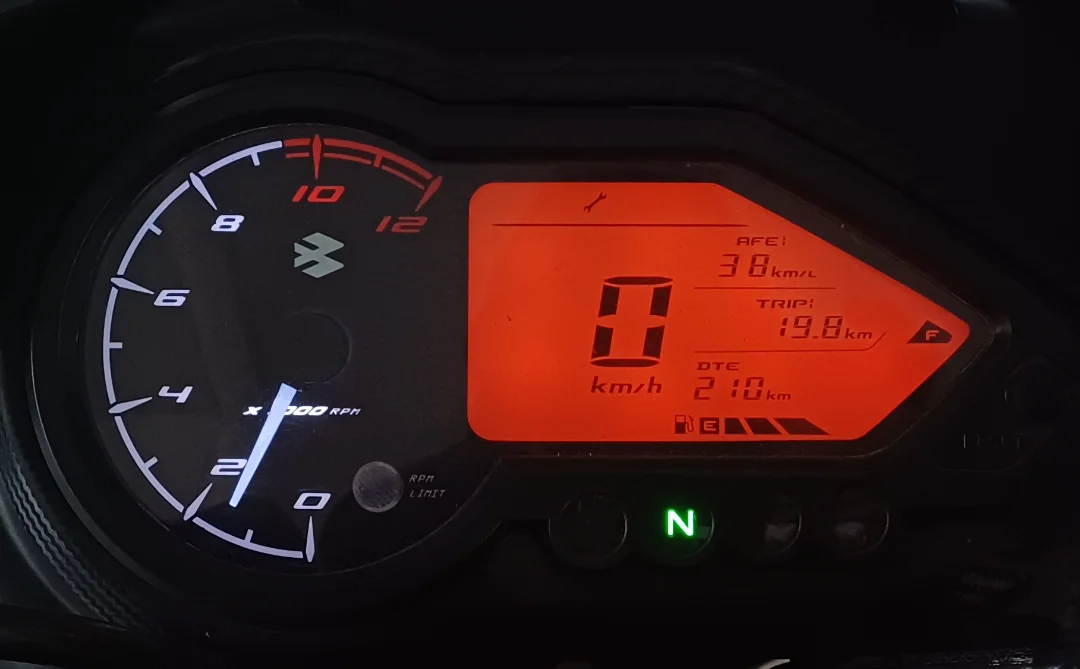
Drivers who spend less time on the road may qualify for a low-mileage car insurance discount. Insurance companies often consider annual mileage when calculating premiums because vehicles used less frequently generally have fewer opportunities to be involved in accidents.
However, some insurers do not automatically adjust coverage costs when a customer’s driving habits change.
People who work remotely, use public transportation, or have retired may be particularly good candidates for this discount. If a driver previously commuted every day but now travels only occasionally, their annual mileage could be significantly lower.
Insurance providers may offer different mileage limits for eligibility. Some companies consider drivers covering fewer than 7,500 miles annually, while others use different thresholds. The requirements depend on the insurer and the type of policy.
Policyholders should contact their insurance company and ask whether their current annual mileage qualifies for a lower rate. Providing an accurate estimate can help the insurer determine eligibility.
Some insurers may request an odometer reading, vehicle inspection, or mileage declaration. Keeping accurate records makes the application process easier and helps avoid discrepancies during policy reviews.
Drivers should also ask whether the discount requires participation in a mileage-tracking program. Certain policies use mobile applications or connected devices to monitor driving distances and calculate potential savings.
A low-mileage discount can be particularly useful for households with multiple vehicles. For example, a family may have a primary vehicle for daily transportation and a second car used mainly for occasional trips.
Before accepting a mileage-based policy, drivers should understand its conditions. Some programs charge additional fees or adjust premiums if annual mileage exceeds the agreed limit. Choosing a realistic mileage estimate is essential.
2. Safe Driver Discount
A clean driving record can help policyholders qualify for lower car insurance premiums. Insurance companies generally consider previous accidents, traffic violations, and claims when evaluating risk. Drivers with fewer incidents may receive better rates than those with a history of frequent claims.
However, maintaining a good driving record does not always mean the insurer automatically applies every available safe driver discount. Some companies require customers to request a policy review or provide additional information.
Drivers who have gone several years without an at-fault accident should ask their insurance provider about accident-free savings. Eligibility periods vary, with some insurers considering three years of safe driving and others requiring longer periods.
Traffic violations may also affect eligibility. Speeding tickets, reckless driving incidents, and other serious violations can influence insurance costs. Customers should check their driving records to ensure the information held by their insurer is accurate.
Some insurance companies offer additional savings for completing approved defensive driving courses. These programs teach drivers how to recognize hazards, maintain safe distances, and respond appropriately to difficult road conditions.
The discount may depend on the driver’s age, location, course provider, and insurance policy. Certain insurers offer specific programs for young drivers or senior motorists who complete approved training.
Policyholders should ask whether their insurer accepts online defensive driving courses or requires classroom instruction. They should also confirm how long the discount remains active before needing renewal.
Maintaining a clean driving record can provide financial benefits beyond insurance discounts. Responsible driving habits reduce accident risks, help protect passengers, and may prevent unexpected repair expenses.

3. Bundling Home and Auto Insurance Discount
Customers who purchase multiple insurance policies from the same company may qualify for a multi-policy discount. This arrangement is commonly known as insurance bundling. Many providers offer lower premiums when customers combine auto insurance with homeowners, renters, or other eligible coverage.
Drivers sometimes purchase these policies separately without realizing that their insurer offers bundled pricing. Asking about available combinations can reveal opportunities for savings.
Homeowners may benefit from combining their home and auto insurance policies. Renters can also qualify through certain companies that provide discounts for combining renters insurance with vehicle coverage.
The amount saved varies by insurance provider, location, policy type, and individual risk factors. Some companies offer substantial discounts, while others provide smaller reductions or additional account benefits.
Drivers should request a combined quote before making any changes. Comparing the total cost of separate policies with a bundled package helps determine whether the arrangement provides genuine savings.
It is important to examine coverage limits, deductibles, exclusions, and policy conditions. A lower combined premium does not necessarily mean better protection if important coverage has been reduced.
Customers should also ask whether the discount continues when one policy changes or expires. Some insurers require both policies to remain active to maintain the bundled rate.
Bundling can simplify insurance management by placing multiple policies under the same provider. Customers may find it easier to manage renewal dates, billing arrangements, and policy documents through a single account.

4. Good Student Discount
Young drivers often face higher insurance premiums because insurers generally consider inexperienced motorists to present greater driving risks. Students who maintain strong academic performance may qualify for a good student discount.
This discount recognizes that certain academic achievements may indicate responsible behavior and consistent decision-making. However, eligibility requirements differ between insurance companies.
Many providers require students to maintain a minimum grade point average. Others accept students who appear on the honor roll, qualify for academic awards, or achieve specific standardized test results.
The discount may be available to high school and college students within a particular age range. Some insurers extend eligibility to full-time students who attend recognized educational institutions.
Parents should not assume that their child’s academic performance is already reflected in the insurance premium. They may need to contact the provider and submit supporting documents.
Acceptable proof may include a recent report card, school transcript, official academic certificate, or letter from the educational institution. Insurance companies usually explain which documents they accept.
Students should also ask how frequently academic performance must be verified. Some insurers require updated records every six or twelve months to maintain the discount.
This opportunity can be especially valuable for families insuring teenage drivers. Since adding a young motorist can increase household insurance costs, every eligible reduction may help manage the additional expense.

5. Vehicle Safety Features Discount
Modern vehicles often include safety technologies designed to reduce accident risks and protect occupants. Features such as anti-lock braking systems, airbags, electronic stability control, and anti-theft devices may qualify drivers for insurance discounts.
Many policyholders assume that their insurer already knows about every safety feature installed in their vehicle. However, insurance databases may not always contain complete or updated information.
Drivers should review their vehicle specifications and ask their insurance company which features qualify for savings. Even factory-installed equipment may need to be confirmed during a policy update.
Anti-lock brakes help prevent wheels from locking during hard braking, allowing drivers to maintain better steering control. Airbags provide additional protection during certain collisions and may also influence insurance pricing.
Electronic stability control helps drivers maintain vehicle control during certain situations involving skidding or loss of traction. Some insurers recognize this technology when determining eligibility for safety-related discounts.
Anti-theft equipment may qualify for separate savings. Approved alarms, immobilizers, tracking systems, and other security devices can reduce the risk of vehicle theft, depending on the insurer’s requirements.
Customers should ask whether discounts apply to individual safety features or require a specific combination. Some providers offer separate reductions for different technologies, while others use broader safety categories.
Before requesting a discount, drivers should gather vehicle identification details and documentation about installed equipment. The manufacturer’s specifications or vehicle handbook may help confirm the available features.
6. Defensive Driving Course Discount
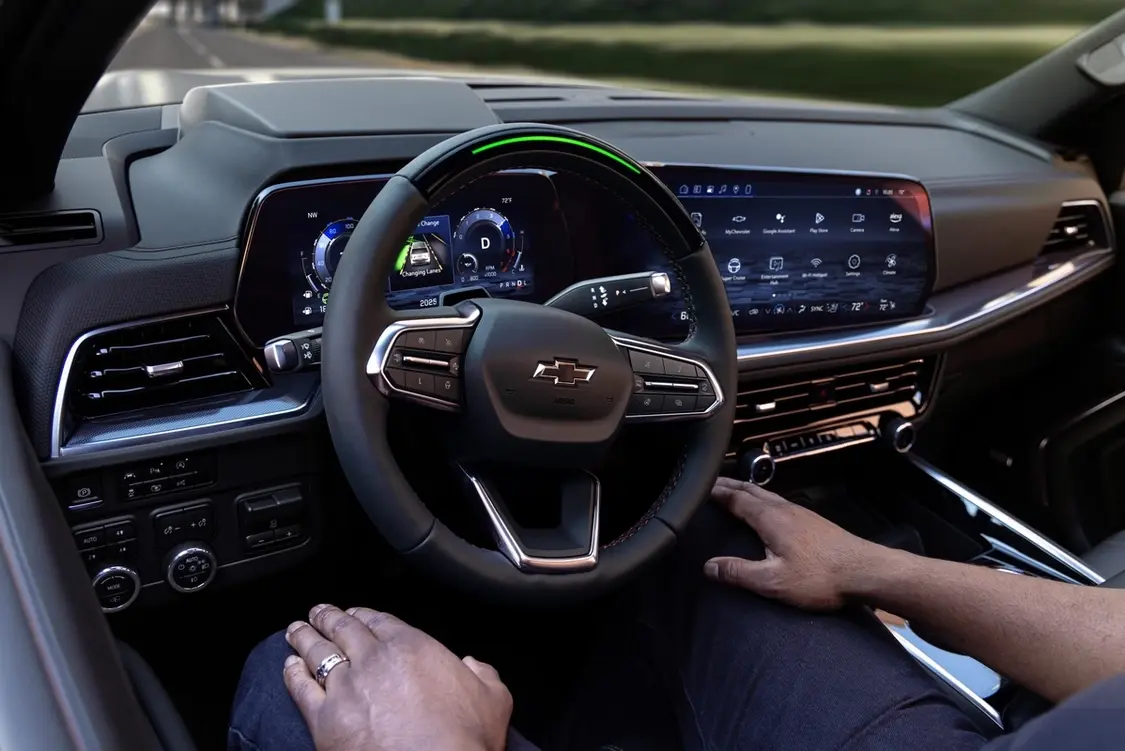
Completing an approved defensive driving course can help some motorists qualify for reduced car insurance premiums. These courses focus on accident prevention, traffic awareness, safe driving techniques, and responsible road behavior.
Insurance companies may reward customers who complete recognized training programs because improved driving knowledge can contribute to safer road use. However, not every course qualifies for an insurance discount.
Drivers should contact their insurer before enrolling in a program. This step helps confirm whether the course is approved and whether the policyholder meets the eligibility requirements.
Some providers offer discounts to younger drivers who complete recognized training. Others provide opportunities for experienced motorists or older adults who wish to refresh their driving skills.
Course content may include hazard recognition, emergency braking, maintaining safe following distances, and understanding road conditions. Participants may also learn how distractions and fatigue affect driving performance.
Training formats differ between providers. Some courses are conducted in classrooms, while others are available online. Certain programs combine theoretical lessons with practical driving exercises.
After completing the course, drivers should obtain a certificate or official confirmation of participation. They may need to submit this document to their insurance provider before the discount can be applied.
It is also important to check how long the savings remain valid. Some insurers require drivers to complete another approved course after a specified period to continue receiving the discount.

7. Automatic Payment and Paperless Billing Discount
Insurance companies sometimes offer discounts to customers who choose automatic payments or electronic billing. These options can reduce administrative work, lower paperwork expenses, and help providers collect premiums more efficiently.
Many policyholders activate automatic payments when purchasing coverage but never ask whether additional savings are available. Others continue receiving printed statements without realizing that paperless billing may qualify for a small reduction.
Automatic payment arrangements allow insurers to collect premiums directly from a bank account or approved payment method. This can reduce the chances of missing payment deadlines and facing late fees.
Paperless billing replaces printed statements with electronic documents delivered through email or an online account. Customers can review policy information, payment schedules, and renewal notices digitally.
The discount amount depends on the provider. Some insurers offer separate reductions for automatic payments and paperless communication, while others combine both options into a single billing incentive.
Drivers should contact their insurance company to confirm whether these arrangements qualify for savings. They should also ask whether the discount applies to the entire premium or only certain policy components.
Automatic payments require careful monitoring. Customers should maintain sufficient funds in their accounts and review transaction records to identify unexpected charges or billing errors.
Electronic billing can also make insurance documents easier to access. Policyholders should keep their account information secure and download important documents when necessary.

8. Multi-Car Insurance Discount
Households that insure multiple vehicles with the same company may qualify for a multi-car discount. Insurance providers often reward customers who maintain several vehicle policies under one account or qualifying household arrangement.
Families sometimes insure their vehicles separately without checking whether combining coverage could lower their total expenses. Requesting a multi-car quote can help identify potential savings.
The discount may apply to cars owned by spouses, parents, children, or other eligible household members. However, insurers usually have specific rules about vehicle ownership, residential addresses, and listed drivers.
Some companies allow multiple vehicles to appear on a single policy. Others offer discounts when separate policies are maintained under the same insurance account.
The amount of savings depends on the number of vehicles, coverage selections, driver histories, and insurer requirements. Adding another vehicle does not automatically guarantee a lower total premium.
Customers should compare the combined cost with the amount they currently pay for each vehicle. Reviewing individual coverage limits and deductibles is important before changing existing arrangements.
Drivers should also ask whether all vehicles must be registered at the same address. Certain providers restrict multi-car discounts to members of the same household, while others have broader eligibility rules.
A multi-car discount can make insurance management more convenient. Families may benefit from coordinated renewal dates, simplified billing, and a single point of contact for policy questions.

9. Professional and Membership Affiliation Discount
Some insurance companies provide special rates to customers who belong to particular professional organizations, alumni associations, employers, or membership groups. These discounts may not be widely advertised, so drivers often need to ask whether their affiliations qualify.
Eligible groups vary by insurer and location. Some providers work with professional associations, universities, government organizations, military communities, or selected employers.
Drivers should review their memberships before contacting their insurance company. Even an association they joined several years ago may have a partnership that provides insurance-related benefits.
Professional groups can sometimes negotiate special insurance arrangements for their members. These agreements may provide discounted premiums, preferred customer service, or access to specific policy options.
Customers should not assume that every membership automatically qualifies. Insurance providers maintain their own lists of participating organizations and may apply different eligibility requirements.
When requesting information, drivers should provide the name of their employer, association, or membership organization. The insurer can then confirm whether a partnership exists.
Some discounts may require proof of active membership. Acceptable documents can include a membership card, employment verification letter, or official account confirmation.
It is worth checking these opportunities whenever a policy is renewed or a driver’s employment situation changes. A newly acquired professional membership could create an opportunity for additional savings.

10. Early Renewal and Loyalty Discounts
Insurance companies may offer incentives to customers who renew their policies before the expiration date. These early renewal discounts can encourage policyholders to maintain continuous coverage and complete administrative requirements on time.
Drivers often wait until the last few days before renewal to review their policies. However, contacting the insurer earlier may help them identify available savings and avoid unnecessary delays.
Some providers offer renewal incentives to customers who maintain coverage for several consecutive years. These programs may be described as loyalty discounts or long-term customer benefits.
The eligibility requirements differ considerably. Certain insurers reward customers after a specified period, while others consider claim history, payment records, and the number of policies held.
Policyholders should ask whether their insurer provides a discount for renewing early. They should also check whether the savings are available to existing customers or limited to specific policy types.
Loyalty discounts should be evaluated carefully. A long relationship with an insurance provider does not necessarily guarantee the lowest available premium.
Comparing renewal offers from different companies can help drivers determine whether staying with their current insurer makes financial sense. Coverage quality, customer service, deductibles, and exclusions should remain part of the decision.
Customers should request a complete renewal breakdown before accepting the new premium. This document can help identify changes in coverage, applicable discounts, and additional charges.