
Vehicle recalls are issued to protect drivers, passengers, pedestrians, and other road users from serious safety hazards. Some defects require immediate attention because they can cause fires, sudden loss of power, brake failure, or other dangerous situations.
In the United States, automakers and federal safety authorities sometimes issue urgent warnings advising owners to stop driving affected vehicles and park them outside, away from buildings and other vehicles.
Understanding these warnings can help owners recognize potential dangers, check their vehicle identification numbers, and arrange necessary repairs before a mechanical or electrical problem leads to injuries, property damage, or costly consequences.
1. High-Voltage Battery Fire Risk in Electric Vehicles
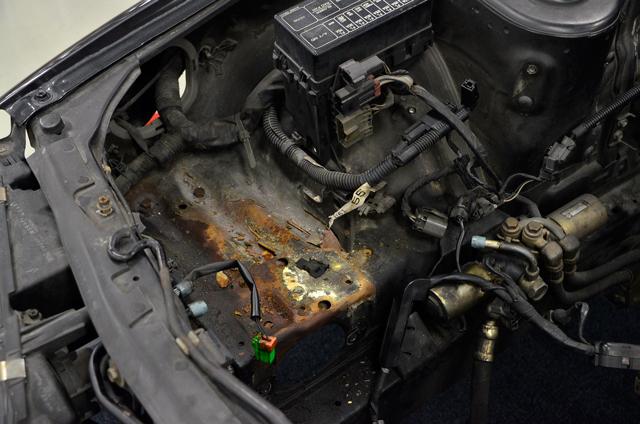
Electric vehicles use large lithium-ion battery packs that store substantial amounts of energy. A defect inside a battery cell can cause overheating, internal short circuits, or thermal runaway. When this happens, the battery may produce intense heat and flames that are difficult to extinguish. Affected vehicles can pose a fire hazard even when parked and switched off.
The National Highway Traffic Safety Administration (NHTSA) treats battery-related fire defects seriously because a fire can spread rapidly. Some manufacturers issue immediate parking instructions while they investigate the problem or prepare a permanent repair. Owners may be told to keep their vehicles outdoors and away from houses, garages, and other parked cars.
A relevant example involves certain 2023 and 2024 Volkswagen ID.4 electric vehicles. A January 2026 recall identified potentially misaligned battery electrodes that could contribute to a battery fire. Volkswagen advised affected owners to park outdoors after charging and avoid leaving vehicles charging indoors overnight until the repair was completed.
Battery defects do not always produce obvious symptoms before a dangerous event occurs. A vehicle may start normally, display no warning light, and appear mechanically sound. This makes official recall notifications particularly important. Owners should not assume that a vehicle is safe simply because it has not experienced unusual heat, smoke, or charging problems.
When a manufacturer issues a battery-related park-outside warning, owners should follow the specific instructions in the recall notice. Some campaigns also restrict charging, including the use of certain fast chargers or charging beyond a specified battery percentage. These restrictions are temporary safety measures, not general recommendations for every electric vehicle.
2. Electrical Wiring Defects That Can Cause Fires
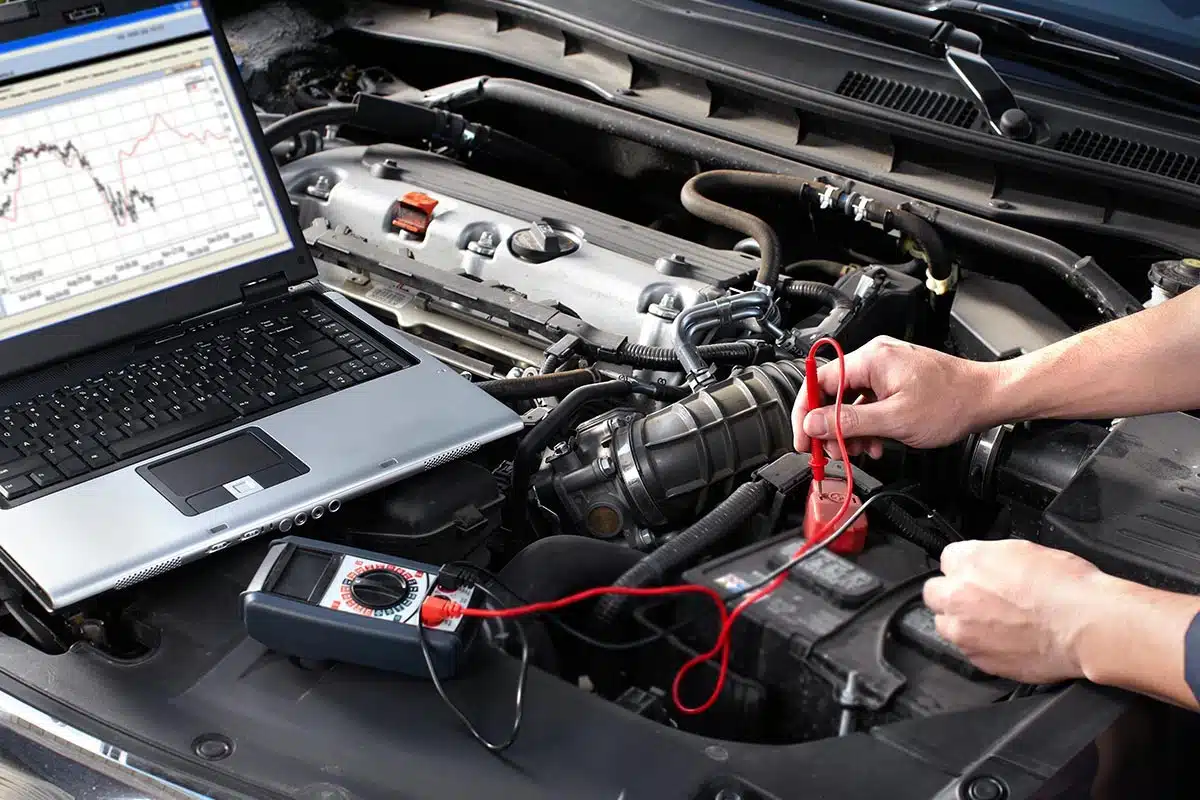
Electrical wiring problems are another major reason automakers issue urgent parking warnings. Modern vehicles contain extensive electrical networks that control lighting, power steering, infotainment systems, engine functions, safety equipment, and other essential components. A damaged connector or improperly sealed electrical connection can create a serious hazard.
Moisture entering an electrical connector can cause corrosion, short circuits, and overheating. In some cases, electrical components may continue receiving power after the engine has been switched off. This creates the possibility of a fire developing while the vehicle sits unattended in a driveway or parking area.
BMW provides a significant example from November 2026. A recall affecting approximately 720,796 vehicles involved an electrical connector associated with the water pump. An improperly sealed connector could allow moisture to enter, potentially creating a short circuit and fire risk. NHTSA advised affected owners to park outside and away from buildings and other vehicles until repairs were completed.
The affected vehicles included several BMW models from the 2012 through 2018 model years. The recall covered selected examples of the 2 Series, 3 Series, 4 Series, 5 Series, X1, X3, X4, X5, and Z4. Not every vehicle from those model years is necessarily affected, so owners must verify their individual vehicle identification numbers.
A particularly important detail is that some vehicles had already received repairs under an earlier recall involving the same general problem. The newer campaign indicated that the previous repair might not have adequately eliminated the danger. Owners who previously visited a dealership should therefore check whether their vehicle is included in the latest campaign.

3. Power Seat Motor Overheating and Fire Hazards
Power seats provide convenient adjustments through electric motors and control switches. These systems allow drivers and passengers to change seat positions without manual effort. However, a defective switch, damaged wiring connection, or malfunctioning motor can cause continuous electrical operation and excessive heat.
A motor that continues running after a switch becomes stuck or damaged may overheat. The surrounding seat materials can increase the seriousness of the problem because upholstery and other interior components may be combustible. A fire can develop while the vehicle is moving or while it remains parked.
The 2026 Kia Telluride recall illustrates this concern. Kia recalled 462,869 vehicles from the 2020 through 2024 model years because front power seat motors could overheat and potentially catch fire. NHTSA issued an urgent park-outside warning for affected vehicles until the required repair was completed.
The defect involved the front power seat slide cover or adjustment knob. If the switch was struck, displaced, or damaged, it could become misaligned and cause the motor to operate continuously. An earlier repair procedure could also contribute to the problem if it had not been completed correctly.
This recall is particularly important because owners may not connect a seat adjustment problem with a potential vehicle fire. A seat that moves unexpectedly, makes unusual noises, or continues operating after the control is released deserves attention. Such symptoms should be reported to a dealership rather than ignored.
Until the approved repair is completed, affected owners should follow NHTSA’s instructions to park away from buildings and other vehicles. Keeping the vehicle outside reduces the possibility that a fire will spread directly into a house, garage, or neighboring car. It does not eliminate the underlying mechanical or electrical hazard.
4. Plug-In Hybrid Battery Defects
Plug-in hybrid vehicles combine a conventional engine with an electric motor and rechargeable battery. Their battery systems allow drivers to travel using electric power before relying on the gasoline engine or a combination of both systems. These vehicles offer flexibility, but battery defects can create serious safety concerns.
A damaged battery cell may overheat and trigger a chain reaction inside the battery pack. This condition is known as thermal runaway. Once it begins, temperatures can rise rapidly, potentially causing smoke, flames, and damage to nearby components.
In November 2025, Chrysler expanded a recall involving certain Jeep Wrangler and Grand Cherokee plug-in hybrid vehicles. The campaign covered 2020 through 2025 Wrangler 4xe models and 2022 through 2026 Grand Cherokee 4xe models.
Owners were instructed to park outside, away from buildings and other vehicles, and avoid charging until the necessary repair was completed.
The reported concern involved battery cells with potential separator damage. A separator is an important internal battery component that keeps the positive and negative electrodes from making direct contact. Damage can create conditions that lead to an internal short circuit and eventually a fire.
The recall was especially significant because some vehicles had already undergone an earlier repair. Further reports indicated that fires could still occur after the previous remedy. This demonstrates why vehicle owners should never assume that an old recall repair automatically satisfies the requirements of a newer safety campaign.
Charging restrictions are particularly important for plug-in hybrids because their battery packs can retain substantial electrical energy even when the gasoline engine is not running. Owners should not ignore instructions to stop charging or keep the vehicle away from enclosed spaces. The manufacturer’s specific guidance should determine how the vehicle is handled.

5. Fire Risks in Plug-In Hybrid Minivans
Minivans are commonly used by families, making their safety particularly important. Many modern models include electric doors, power seats, advanced infotainment systems, and hybrid powertrains. A defect involving any major electrical component can create risks for occupants and surrounding property.
Chrysler issued a park-outside warning in February 2022 for certain 2017 and 2018 Pacifica plug-in hybrid minivans. The concern involved a possible fire risk that could exist even when the vehicle was turned off. Owners were advised to park outside, away from buildings and other vehicles, and refrain from charging until a remedy became available.
The recall affected more than 16,700 vehicles. The warning was significant because it demonstrated that a vehicle does not need to be running to present a potential fire hazard. A parked vehicle connected to a charging system or sitting in an enclosed garage can create additional concerns when a battery defect is present.
Owners of affected Pacifica models should check whether their specific vehicle identification number appears in the recall database. Model year alone is not enough to establish that a particular minivan is affected. Production dates, equipment, and other vehicle details can determine recall eligibility.
The instruction not to charge the vehicle is especially important for plug-in hybrid owners. Normal charging habits should be suspended whenever an official recall notice requires it. Owners should also avoid connecting the vehicle to an indoor charging outlet while waiting for further instructions.
A recall repair may require inspection of the battery system, replacement of defective components, or other manufacturer-approved work. The dealership should explain whether the repair is available and whether additional precautions are necessary before transporting the vehicle.
6. Electric Power Steering Wiring Problems
Electric power steering systems help drivers control their vehicles with less physical effort. These systems rely on electrical connections, motors, sensors, and control units to provide steering assistance. A defect in the wiring can create more than a handling problem when overheating or electrical short circuits become possible.
A particularly serious example appeared in June 2026, when FCA US announced a recall affecting more than one million Jeep Wrangler and Gladiator vehicles. The affected models covered the 2021 through 2025 model years. The problem involved an electrical connection associated with the electric hydraulic power steering pump.
The wiring issue could cause combustible materials to overheat and potentially catch fire. NHTSA reported 51 fires and one injury believed to be associated with the defect. These reports prompted an urgent warning for affected owners to keep their vehicles outside and away from buildings and other vehicles until the repair was completed.
This type of defect deserves attention because power steering components operate through electrical systems that may remain relevant even after the engine has been switched off. An electrical short can create heat without producing an obvious warning during normal driving. Owners should not rely solely on dashboard alerts to identify the problem.
Drivers may notice changes in steering assistance, unusual electrical smells, warning messages, or unexpected behavior from the steering system. These symptoms should be reported promptly. However, a vehicle can still appear to function normally while having an unresolved recall defect.
Owners of affected Jeep Wrangler and Gladiator models should check their VIN through the official recall database. They should also contact an authorized Jeep dealership to confirm the repair status. If the vehicle is included in the campaign, the park-outside instruction should remain in effect until the manufacturer confirms that the necessary work has been completed.
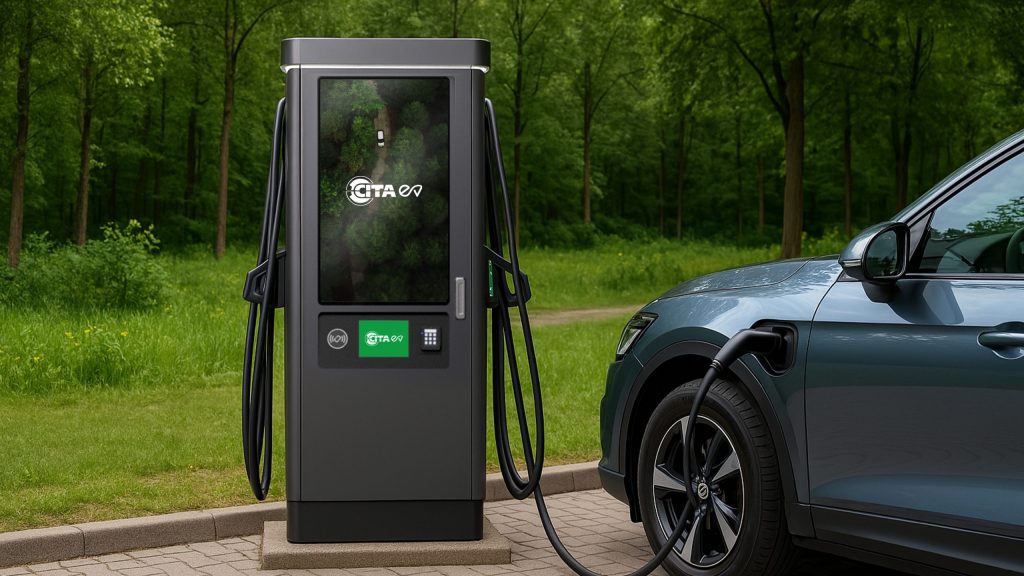
7. Battery Charging Defects and Charging Restrictions
Battery charging systems are essential to electric and plug-in hybrid vehicles. They regulate the flow of electrical energy into the battery and help maintain safe operating temperatures. Problems with battery cells, charging controls, or electrical connections can increase the risk of overheating.
When an automaker identifies a charging-related fire risk, the recall notice may include specific instructions about where and how owners can charge their vehicles. Some campaigns restrict charging completely, while others limit charging to a particular battery percentage. These instructions depend on the defect and should never be treated as interchangeable.
Certain 2023 and 2024 Volkswagen ID.4 vehicles were included in a 2026 battery recall. The identified issue involved potentially misaligned battery electrodes, which could increase the risk of a fire. Volkswagen instructed affected owners to avoid indoor overnight charging and follow additional charging restrictions until the remedy was completed.
Charging restrictions can be confusing because electric vehicle owners are accustomed to plugging in their vehicles at home. However, a temporary suspension of normal charging routines may be necessary when a battery defect creates a fire risk. Owners should read the recall instructions carefully rather than relying on general advice found online.
A charging cable or wall connector should not be assumed to be the cause simply because the warning mentions charging. The underlying problem may exist inside the battery pack or its control system. Replacing a home charger without addressing the recalled vehicle component will not resolve a manufacturer-identified battery defect.
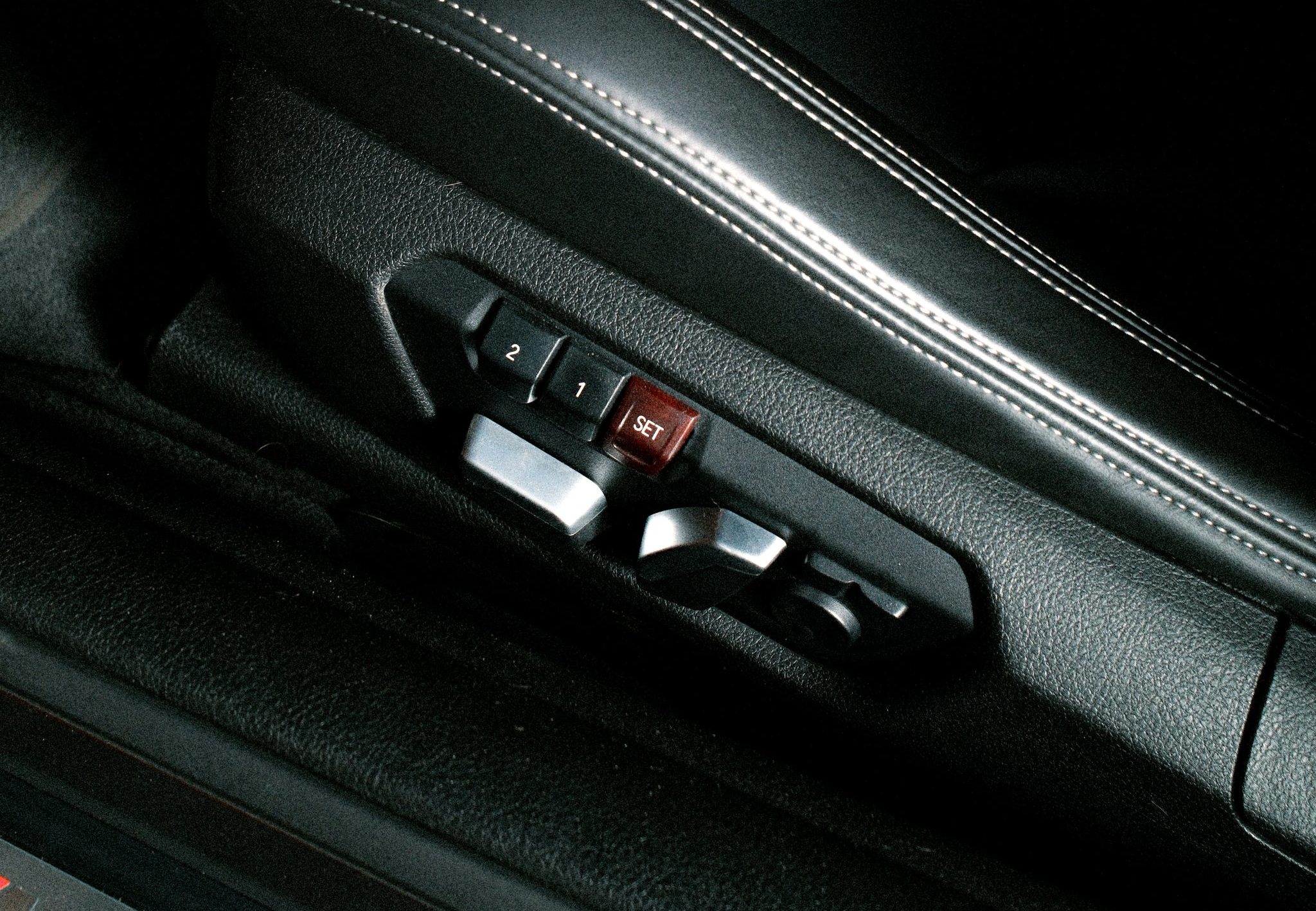
8. Power Seat Electrical Defects in Luxury Vehicles
Luxury vehicles often include advanced comfort features such as heated seats, powered lumbar adjustments, memory settings, and electronically controlled seat positioning. These features improve convenience but also increase the number of electrical components installed inside the cabin.
A defective seat motor, wiring harness, or electrical control module can overheat and create a fire hazard. Since seat assemblies contain upholstery, foam, and other materials, an electrical problem in this area can have serious consequences. A fire may develop even when the vehicle is not being driven.
Genesis G80 and Hyundai Genesis sedan models have also appeared in park-outside recall reporting. A campaign reported in October 2026 involved selected 2017 through 2020 Genesis G80 vehicles and 2015 through 2016 Hyundai Genesis sedans. The concern involved front power seat assemblies and a possible fire risk.
Owners should pay attention to unusual seat behavior, including motors that continue running, controls that become unresponsive, or adjustment switches that feel damaged. A burning smell near the seat area should be treated as an urgent warning. Drivers should stop using the affected feature and follow the manufacturer’s safety instructions.
However, a normal-looking seat does not guarantee that its electrical components are safe. Internal wiring problems may remain hidden beneath upholstery or inside the seat mechanism. This is why owners should check official recall records instead of relying only on visible damage or unusual sounds.
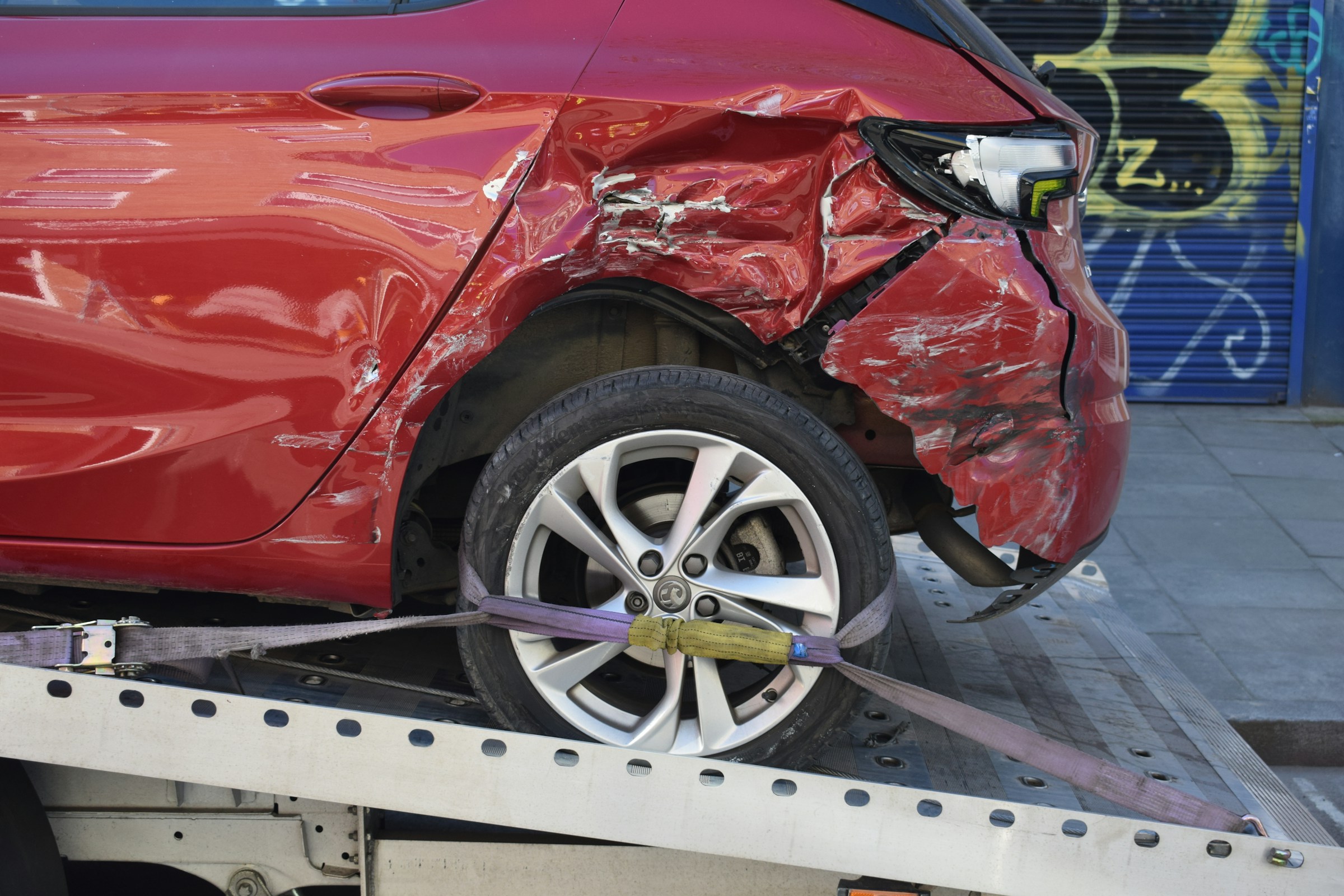
9. Repeated Recalls After an Earlier Repair
A vehicle receiving a recall repair does not always mean that every related safety concern has been permanently resolved. In some situations, additional testing or incident reports reveal that the original remedy was insufficient. Automakers may then issue a new recall covering vehicles that were previously repaired.
This situation is particularly important for fire-related defects. Owners may believe that their vehicles are safe because they already visited a dealership and received replacement parts or software updates. A later recall can change that situation and introduce new safety instructions.
The Jeep Wrangler and Grand Cherokee plug-in hybrid recall announced in November 2025 provides an example. Chrysler expanded the campaign after determining that the earlier repair did not adequately address every battery condition that could lead to a fire. Certain vehicles repaired under the previous campaign were included again.
The BMW recall announced in November 2026 also highlights the importance of checking updated safety information. The newer campaign addressed a water-pump electrical connector problem involving vehicles that had been subject to an earlier recall. A previous repair did not necessarily remove the need for further action.
Vehicle owners should keep copies of all recall repair documents. These records make it easier to establish which work has been completed and whether a newer campaign applies. They can also help dealership staff identify earlier repairs that may need additional attention.
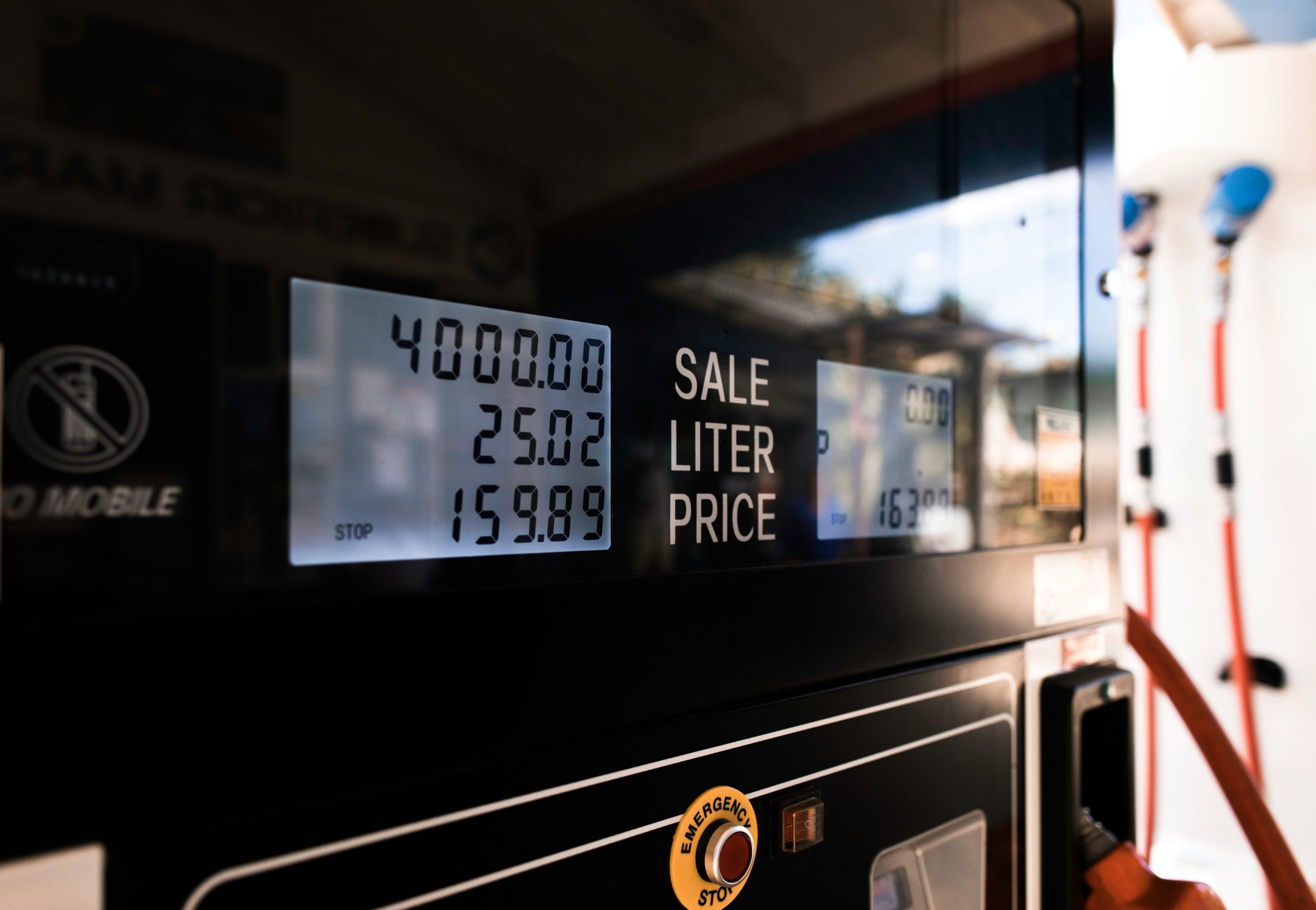
10. Fuel System and Other Components That Create Fire Hazards
Fuel system defects can create serious fire risks because gasoline and other automotive fuels are highly combustible. A damaged fuel line, leaking connection, defective injector, or faulty fuel tank component can allow fuel to escape from its intended pathway.
When fuel comes into contact with a hot engine component or an ignition source, a fire may occur.
Not every fuel system recall automatically requires owners to park outside. The required precautions depend on the specific defect, the possibility of ignition, and the manufacturer’s assessment. However, when a recall notice explicitly instructs owners to park outdoors because of a fire hazard, that warning should be treated seriously.
Engine compartment wiring and electrical accessories can also create fire risks. A short circuit, overheated connector, or damaged insulation may produce enough heat to ignite nearby materials. These problems can occur in conventional vehicles, hybrids, and electric vehicles, making recall checks important across all vehicle categories.
Drivers should watch for warning signs such as fuel odors, smoke, visible fluid leaks, unusual electrical smells, or repeated overheating.
If these symptoms appear, the vehicle should not be treated as safe simply because it continues to operate. Drivers should stop in a safe location when possible, move away from the vehicle, and contact emergency services if there is smoke or fire.