Buying a used car can reduce the purchase price, but insurance is another expense worth checking before making a decision. Some older vehicles are particularly affordable to insure because their replacement values are lower, parts are relatively accessible, and repair costs are manageable.
However, age alone does not guarantee a cheap policy. Insure.com compared insurance premiums across used vehicles from different model years and identified several models with notably low annual costs.
This list uses its U.S. insurance estimates, alongside vehicle specifications, to highlight used cars that may help owners keep insurance spending under control.
1. Smart Fortwo
Average annual insurance premium: $1,696
A small city car might not be the obvious choice for every American driver, but the 2015 Smart Fortwo has a financial advantage that deserves attention. Insure.com’s used-car insurance comparison places it first among the least expensive models to insure, with an estimated annual premium of $1,696.
That is approximately $800 below the publication’s reported average annual full-coverage cost of $2,496 for used vehicles. The figure is a national estimate, not a guaranteed quote for every owner.
The Fortwo’s tiny dimensions are central to its character. At just 106.1 inches long, it is designed for tight urban streets and compact parking spaces. The U.S. 2015 gasoline model uses a rear-mounted 1.0-liter three-cylinder engine producing 70 horsepower and 68 lb-ft of torque.
A five-speed automated-manual transmission sends power to the rear wheels. Its modest output is intended for city transportation rather than fast highway driving.
Fuel economy is another attraction. The EPA estimates 34 MPG in city driving and 38 MPG on the highway, giving the gasoline Fortwo a combined rating of 36 MPG. One detail buyers should remember is that it requires premium gasoline, which can reduce some of the savings at the pump.
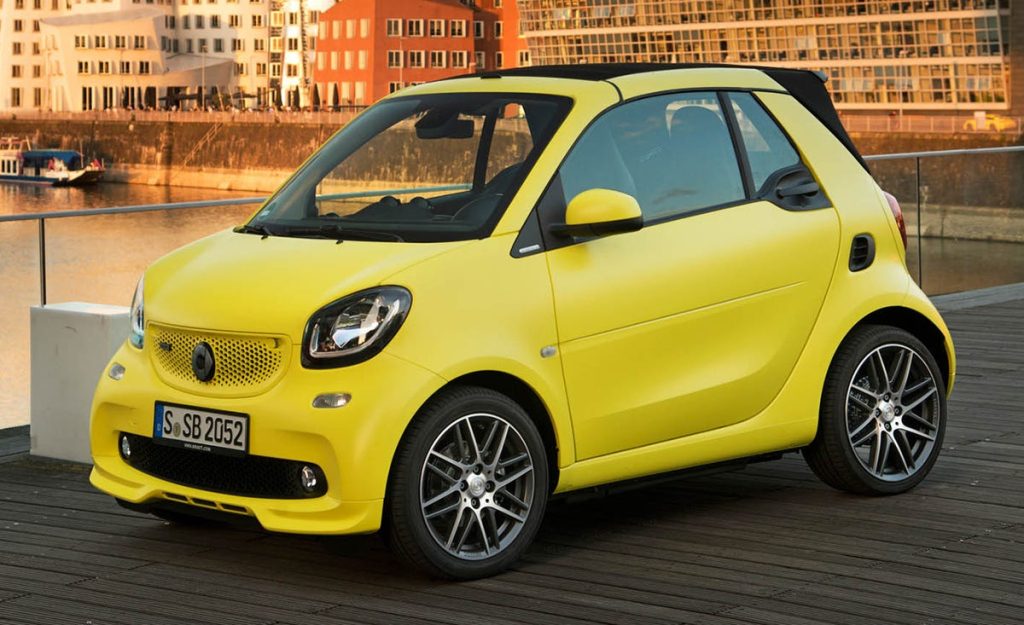
The biggest compromise is practicality. There are only two seats and 7.8 cubic feet of cargo capacity. Its limited space makes it unsuitable for many families or drivers who regularly travel with luggage.
For someone needing a second car for short urban journeys, however, the Fortwo’s low insurance estimate and compact footprint make it worth considering.
2. Mazda MX-5 Miata
Average annual insurance premium: $1,745
Sports cars are often associated with expensive insurance, but the 2015 Mazda MX-5 Miata challenges that assumption. Insure.com’s used-car comparison places it second among the least expensive vehicles to insure, with an estimated annual premium of $1,745.
That is notably lower than the publication’s $2,496 average annual full-coverage cost for used vehicles. Its relatively modest engine output and lightweight construction help distinguish it from more powerful performance cars.
The Miata is a two-seat roadster built around driving enjoyment rather than outright speed. Its 2.0-liter four-cylinder engine produces 167 horsepower and 140 lb-ft of torque with a manual transmission. Automatic versions produce 158 horsepower.
Buyers could choose a five-speed manual, six-speed manual, or six-speed automatic, depending on trim. Rear-wheel drive is standard across the range.
Fuel economy is respectable for a sports car of its age. EPA estimates for manual versions range from 21 to 22 MPG in the city and 28 MPG on the highway, depending on transmission and trim. The automatic version is rated at 21 MPG in the city and 28 MPG on the highway.
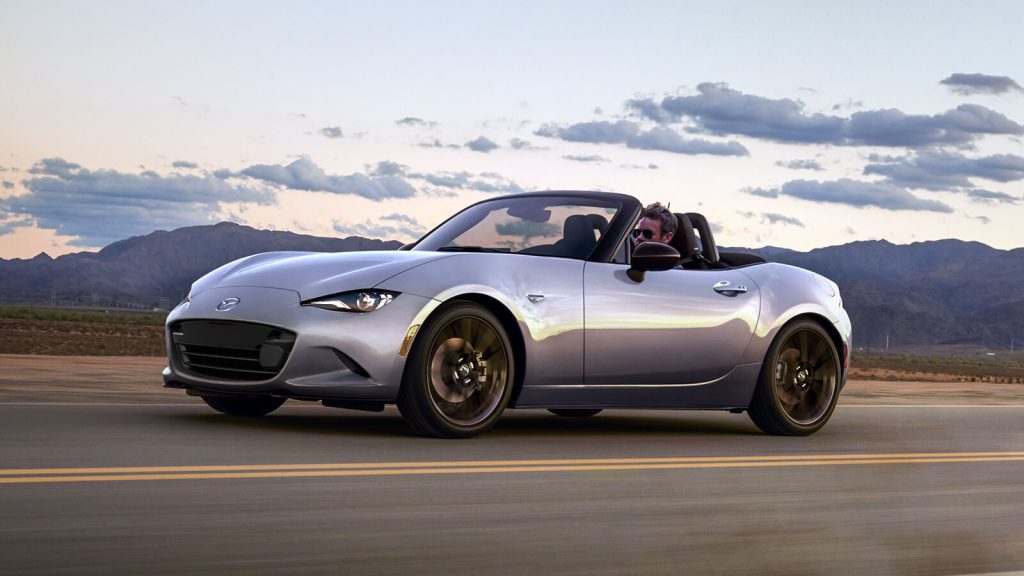
Its small size and limited practicality are important considerations. The cabin accommodates only two occupants, and the trunk provides approximately 5.3 cubic feet of cargo space. It is not a sensible choice for someone needing family transportation or substantial luggage capacity.
However, drivers who want an enjoyable weekend car without the insurance expense associated with high-powered sports models may find the Miata appealing.
Its relatively low estimated premium makes it an unusual but interesting choice in this comparison. Before purchasing, request an individual insurance quote and inspect the convertible roof, tires, suspension, and service records.
3. Fiat 500
Average annual insurance premium: $1,752
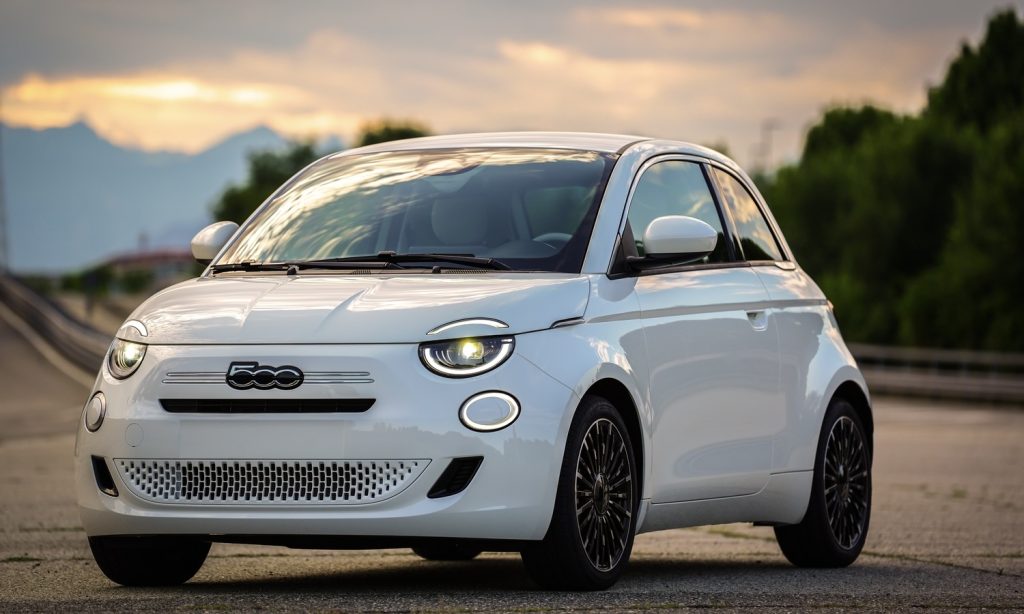
The Fiat 500 is a small hatchback that makes sense for drivers who spend most of their time navigating city streets. Its compact dimensions, modest engine, and relatively low vehicle value help explain why it appears near the top of Insure.com’s affordable used-car insurance rankings.
The publication estimates an average annual full-coverage premium of $1,752 for the 2015 model, making it the third-cheapest entry in its comparison. This is approximately $744 below the study’s $2,496 average for used vehicles.
The American-market 2015 Fiat 500 uses a 1.4-liter four-cylinder engine producing 101 horsepower and 98 lb-ft of torque. Buyers could choose a five-speed manual or six-speed automatic transmission, with front-wheel drive standard. Its modest output is suited to urban commuting rather than rapid highway acceleration.
Fuel economy is another reason the car attracts budget-conscious shoppers. Depending on transmission and trim, EPA estimates reach approximately 31 MPG in the city and 40 MPG on the highway. Its small footprint also makes parking in crowded areas considerably easier than with a midsize sedan or SUV.
Practicality is where compromises become apparent. The standard 500 is a two-door hatchback with limited rear-seat access and cargo space. It is better suited to individuals, couples, or households that already have a larger vehicle.
The insurance figure should not be treated as a guaranteed quote. Driver age, location, driving history, credit-based insurance score where permitted, and coverage choices all influence premiums. Before buying, compare quotes using the exact VIN and check the condition of the transmission, suspension, and electrical equipment.
4. Subaru Outback
Average annual insurance premium: $1,764
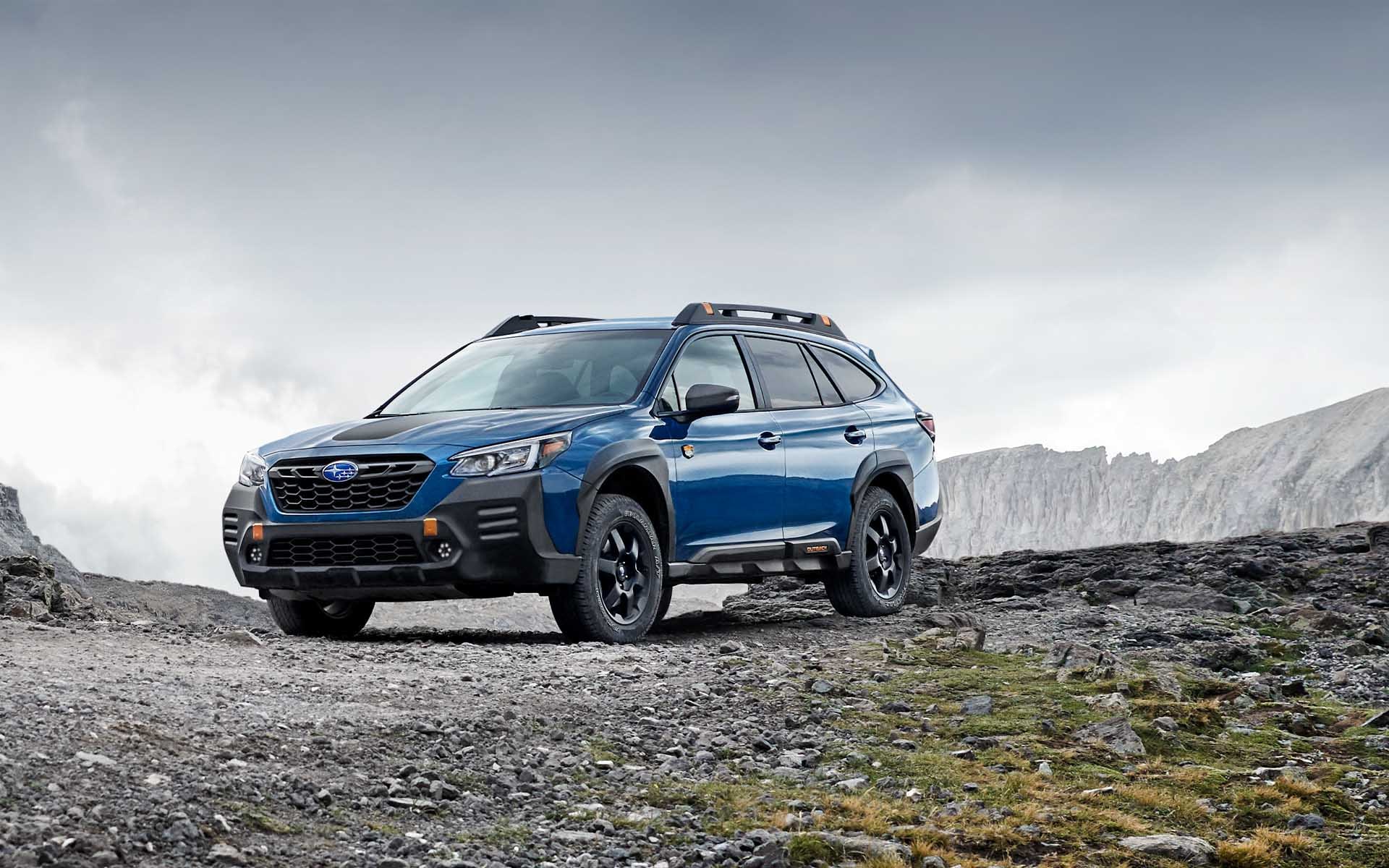
The Subaru Outback offers a different kind of value from the small cars near the top of this list. It combines wagon practicality with SUV-like ground clearance and standard all-wheel drive, making it attractive to drivers who regularly travel in rain, snow, or on rougher roads.
Despite its larger size and broader capabilities, Insure.com estimates its 2015 model’s average annual full-coverage premium at $1,764, placing it fourth among the least expensive used-car entries in its comparison.
The standard 2015 Outback uses a 2.5-liter horizontally opposed four-cylinder engine producing 175 horsepower and 174 lb-ft of torque. A continuously variable transmission works with Subaru’s Symmetrical All-Wheel Drive system.
Drivers wanting stronger performance could select the available 3.6-liter six-cylinder engine, which produces 256 horsepower and 247 lb-ft of torque and pairs with a high-torque continuously variable transmission.
For the four-cylinder model with the CVT, EPA fuel-economy estimates are 25 MPG city and 33 MPG highway. That is useful for a vehicle offering standard all-wheel drive and a spacious cargo area. Its wagon body provides room for luggage, groceries, outdoor equipment, and family travel without requiring a full-size SUV.
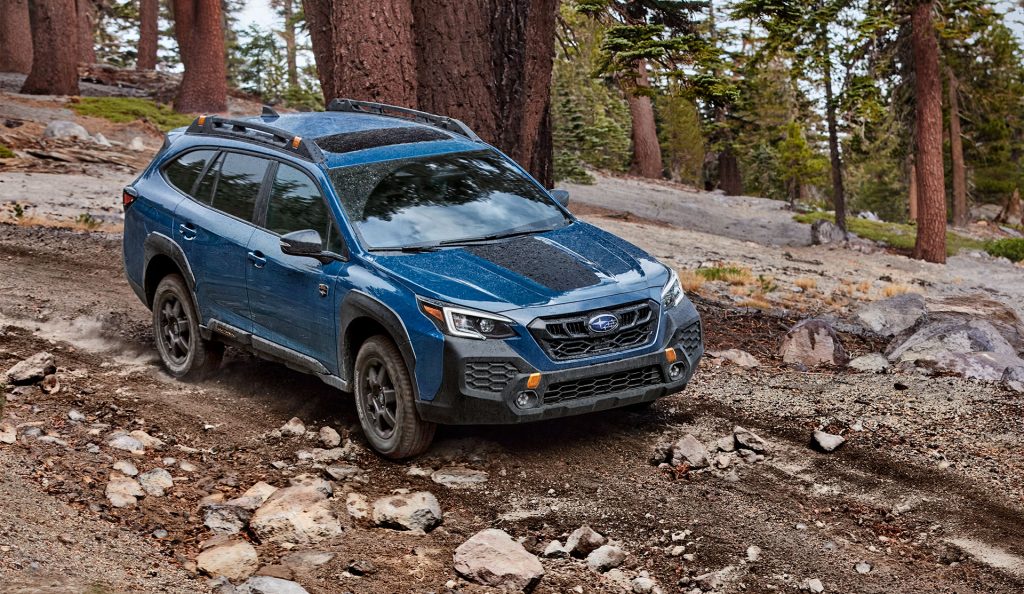
The Outback’s practical design is particularly appealing to households that need one vehicle for several purposes. However, all-wheel-drive components, suspension parts, and aging electronics should be checked carefully when buying an older example.
Its insurance estimate is a useful starting point, not a promise of an identical premium. Obtain personalized quotes before purchase, and review the vehicle’s maintenance records, accident history, tire condition, and drivetrain operation.
5. Subaru Forester
Average annual insurance premium: $1,862
The Subaru Forester is worth considering for drivers who need SUV practicality but do not want the insurance expense associated with larger, more expensive vehicles. Its upright body, spacious cabin, and standard all-wheel-drive system make it particularly useful for families living in regions with challenging weather.
Insure.com’s used-car insurance data lists the 2016 Forester at an estimated $1,862 per year for full coverage, making it one of the more affordable older SUVs to insure.
The standard engine is a 2.5-liter four-cylinder BOXER producing 170 horsepower and 174 lb-ft of torque. It is paired with either a six-speed manual transmission or Subaru’s Lineartronic continuously variable transmission, depending on trim. All-wheel drive is standard, giving the Forester an advantage for drivers who regularly encounter slippery roads.
EPA-estimated fuel economy for the automatic version is approximately 24 MPG city and 32 MPG highway. While it is not as economical as a small front-wheel-drive hatchback, the Forester offers considerably more passenger and cargo space. Its rear seats fold down to create additional room for luggage, bicycles, and larger household items.
The Forester’s practical design makes it suitable for commuting, family transportation, and outdoor activities. Its elevated seating position also provides a useful view of surrounding traffic. However, older examples should be inspected for oil leaks, suspension wear, transmission behavior, and signs of neglected servicing.
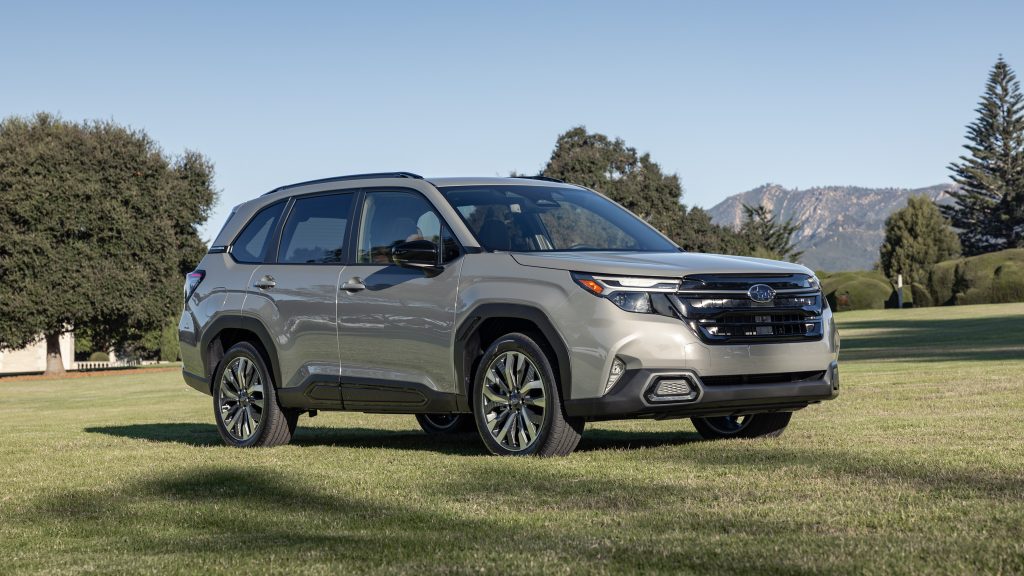
The insurance figure comes from Insure.com’s national estimate for a ten-year-old vehicle category. It is not a personalized quotation.
Drivers should compare policies using their location, driving history, and preferred coverage limits before purchasing. A well-maintained Forester can be an appealing combination of utility and relatively affordable insurance.
6. Subaru Crosstrek
Average annual insurance premium: $1,843
The 2016 Subaru Crosstrek provides a useful alternative for buyers who want some of the versatility of an SUV without choosing a larger vehicle.
Its compact exterior makes it easier to maneuver in crowded parking areas, while its elevated ride height and standard all-wheel drive give it additional flexibility for uneven roads and changing weather. Insure.com’s ten-year-old vehicle insurance data estimates an average annual full-coverage premium of $1,843 for this model.
Power comes from a 2.0-liter four-cylinder BOXER engine producing 148 horsepower and 145 lb-ft of torque. Buyers could choose a five-speed manual transmission or a continuously variable automatic transmission.
Subaru’s Symmetrical All-Wheel Drive system is standard, which distinguishes the Crosstrek from many similarly sized front-wheel-drive competitors.
Fuel economy depends on transmission choice. The CVT-equipped version is EPA-rated at approximately 26 MPG in city driving and 34 MPG on the highway.
Its modest engine output means it is better suited to steady commuting than aggressive acceleration, but the combination of manageable dimensions and all-weather traction makes it practical for everyday use.
Inside, the Crosstrek offers five seats and a flexible rear cargo area. Folding the back seats creates additional space for luggage and outdoor equipment. Its relatively compact dimensions also make it less intimidating than a traditional midsize SUV.
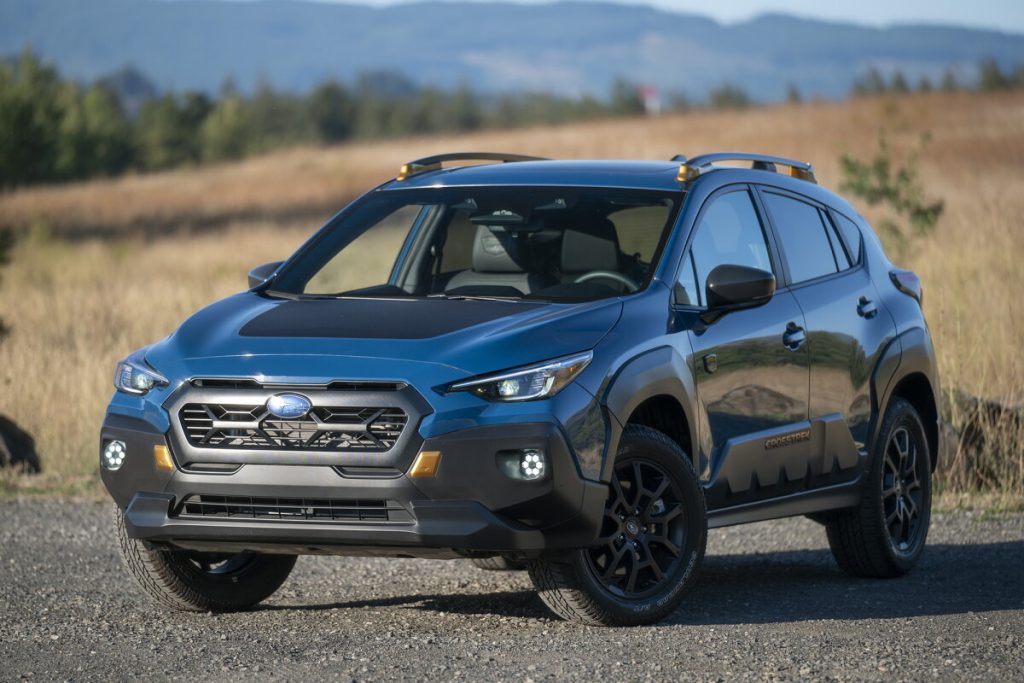
When considering an older example, inspect the CVT carefully and check the service history. Uneven tire wear, suspension noises, and underbody corrosion deserve attention, particularly if the vehicle has frequently been driven on rough roads.
The $1,843 insurance estimate is a national reference rather than a guaranteed price. Nevertheless, it makes the Crosstrek an interesting option for drivers seeking an affordable used crossover with standard all-wheel drive.
7. Nissan Frontier
Average annual insurance premium: $1,957
Pickup buyers do not necessarily have to accept expensive insurance premiums. The 2016 Nissan Frontier is a midsize truck that offers traditional pickup capability in a smaller package than full-size alternatives.
Its relatively straightforward mechanical design and lower market value compared with many newer trucks can make it an interesting choice for buyers looking to control ownership expenses. Insure.com’s ten-year-old vehicle data lists its average annual full-coverage premium at $1,957.
The Frontier offered two gasoline engines. The base 2.5-liter four-cylinder produces 152 horsepower and 171 lb-ft of torque, while the available 4.0-liter V6 generates 261 horsepower and 281 lb-ft of torque.
Depending on configuration, buyers could select a five-speed automatic, five-speed manual, or six-speed manual transmission. Rear-wheel drive and four-wheel drive were available.
The V6 is the more capable choice for drivers who need stronger acceleration or towing performance. Properly equipped, the 2016 Frontier can tow up to 6,500 pounds, although the exact rating depends on cab, drivetrain, and equipment. Its bed also makes it useful for transporting tools, home-improvement supplies, and recreational equipment.
There are trade-offs. The Frontier’s interior is less modern than many newer pickups, and its fuel economy is not particularly impressive by current standards. Four-cylinder models are more economical, while V6 versions provide greater capability.
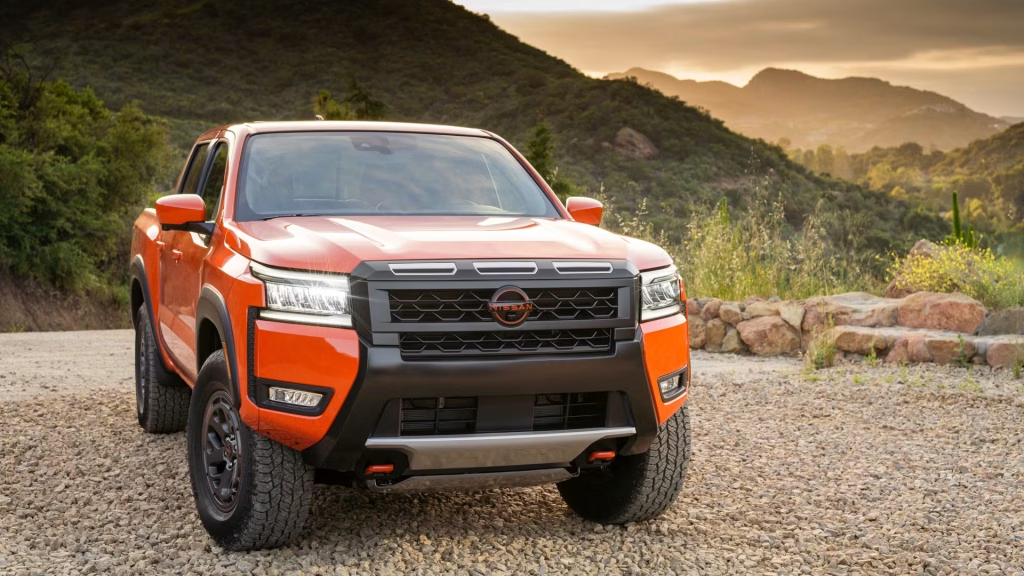
Before buying, inspect the frame for corrosion, examine the suspension and steering components, and check the transmission for smooth operation. Trucks previously used for heavy towing or commercial work deserve especially careful inspections.
Its insurance estimate makes the Frontier worth considering, but individual premiums can vary substantially depending on coverage and driver details.
8. Toyota RAV4
Average annual insurance premium: $1,981
The Toyota RAV4 is a popular choice among used-car buyers because it combines the convenience of a compact SUV with the driving characteristics of an everyday family vehicle.
Its manageable size, useful cargo space, and comfortable seating arrangement make it suitable for commuting, shopping, and longer journeys. Insure.com’s data for ten-year-old vehicles places the 2016 RAV4 at an estimated $1,981 per year for full coverage.
The standard gasoline model uses a 2.5-liter four-cylinder engine producing 176 horsepower and 172 lb-ft of torque. It is paired with a six-speed automatic transmission. Front-wheel drive is standard, while all-wheel drive is available. The EPA estimates fuel economy of approximately 23 MPG city and 30 MPG highway for front-wheel-drive versions.
Toyota also offered a RAV4 Hybrid for 2016. It combines a 2.5-liter four-cylinder engine with electric motors to produce 194 combined horsepower. Its EPA-estimated fuel economy reaches 34 MPG city and 31 MPG highway. This makes the hybrid particularly attractive to drivers who spend considerable time in stop-and-go traffic.
The RAV4’s cabin provides seating for five, and its rear cargo area is useful for groceries, luggage, and everyday household items. Its straightforward controls and relatively comfortable ride also make it suitable for drivers who prefer a conventional compact SUV rather than a more complicated luxury vehicle.
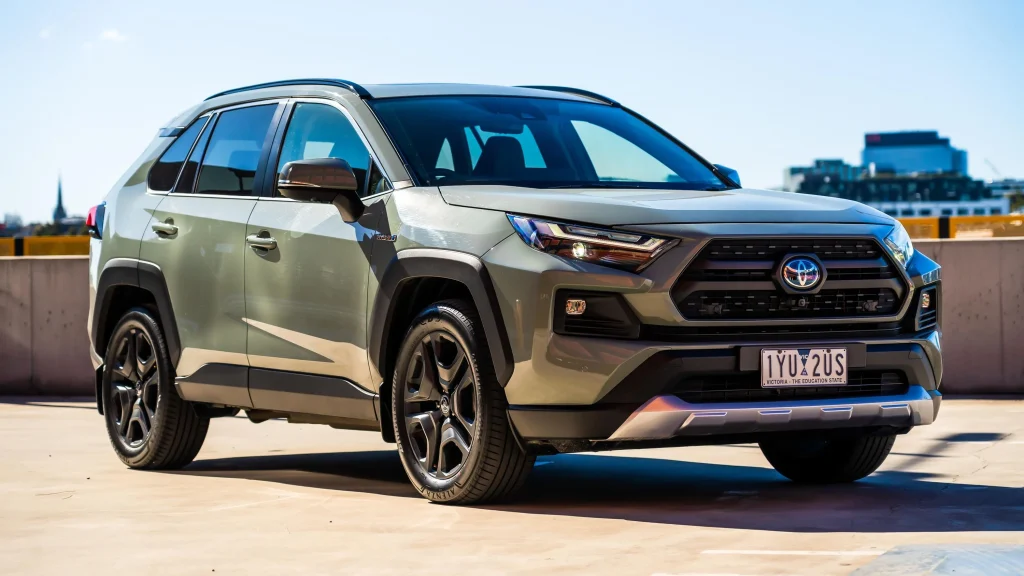
When shopping, check the automatic transmission, suspension, brakes, and air-conditioning system. Hybrid buyers should also request a professional inspection of the hybrid battery and related components.
The $1,981 figure is a national insurance estimate, not a fixed rate. Still, the RAV4’s combination of practicality, available hybrid efficiency, and relatively affordable projected insurance makes it a sensible used-car candidate.
9. Toyota 4Runner
Average annual insurance premium: $1,978
A rugged SUV may not seem like an obvious choice for someone looking to reduce insurance expenses, but the 2016 Toyota 4Runner appears among Insure.com’s more affordable ten-year-old vehicles to insure.
Its estimated annual full-coverage premium is $1,978, according to the publication’s used-car insurance data. That figure is notable given the 4Runner’s body-on-frame construction and off-road capability.
Unlike many modern crossovers, the 4Runner is built around a traditional truck-based platform. It uses a 4.0-liter naturally aspirated V6 engine producing 270 horsepower and 278 lb-ft of torque.
A five-speed automatic transmission sends power to the rear wheels or an available four-wheel-drive system. This engine and transmission combination became familiar to American buyers seeking a straightforward SUV for long-distance travel and recreational use.
The 4Runner’s capability is one of its biggest attractions. Properly equipped, the 2016 model can tow up to 5,000 pounds. Available off-road features, including specialized four-wheel-drive equipment on selected trims, make it useful for drivers who regularly travel beyond paved roads.
However, its traditional construction has disadvantages. Fuel economy is relatively modest, with EPA estimates of approximately 17 MPG city and 22 MPG highway for rear-wheel-drive models. Its larger dimensions can also make urban parking more difficult than with a compact crossover.
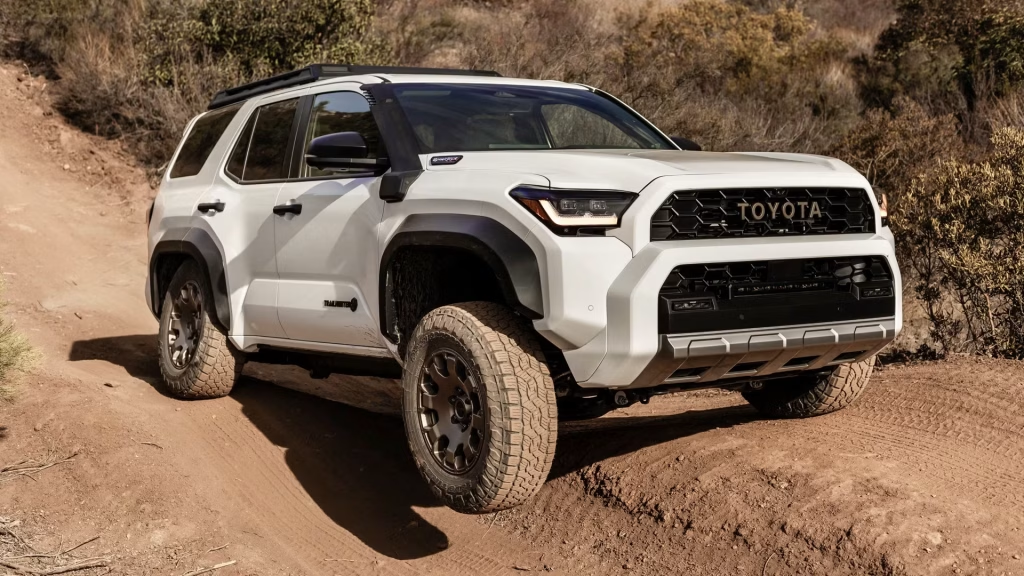
A used 4Runner should be inspected carefully for frame corrosion, worn suspension components, drivetrain leaks, and evidence of extensive off-road use. The insurance estimate is encouraging, but actual premiums depend on the owner and coverage selected.
For buyers who want a rugged SUV and are comfortable with its fuel requirements, the 4Runner offers an interesting combination of capability and relatively affordable estimated insurance.
10. Honda CR-V
Average annual insurance premium: $1,791
The 2015 Honda CR-V is a strong choice for used-car buyers who want dependable everyday transportation without taking on unnecessarily high insurance costs.
According to Insure.com’s used-car insurance comparison, the CR-V has an estimated average annual full-coverage premium of $1,791, placing it among the more affordable vehicles to insure. This is approximately $705 below the publication’s reported average of $2,496 for used vehicles.
Under the hood, the American-market 2015 CR-V features a 2.4-liter four-cylinder engine producing 185 horsepower and 181 lb-ft of torque. It is paired with a continuously variable transmission (CVT), while buyers could choose between front-wheel drive and available all-wheel drive.
The combination provides sufficient performance for everyday commuting, highway journeys, and family transportation.
Fuel efficiency is another advantage. Front-wheel-drive versions achieve an EPA-estimated 27 MPG in the city and 34 MPG on the highway, while all-wheel-drive models return 26 MPG in the city and 33 MPG on the highway.
The cabin accommodates five passengers, and the rear cargo area provides 35.2 cubic feet of storage, expanding to 70.9 cubic feet when the rear seats are folded.
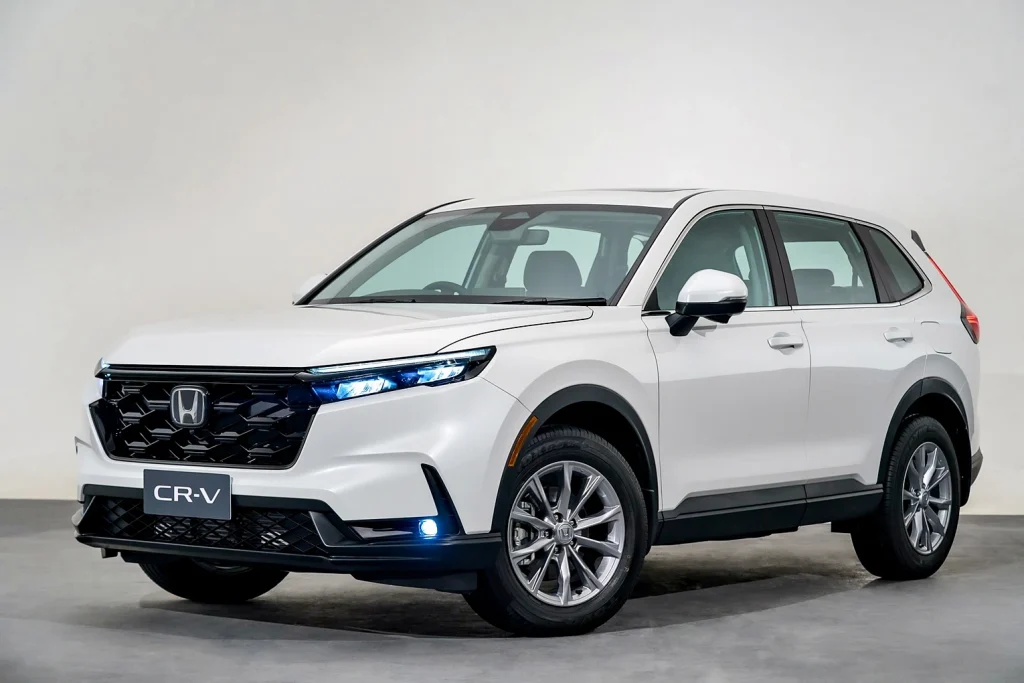
The CR-V’s practical layout makes it suitable for families, daily commuters, and drivers who regularly travel longer distances. However, buyers should inspect the CVT, suspension, brakes, air-conditioning system, and service history before purchasing an older example.
The $1,791 insurance estimate is a national average rather than a guaranteed quotation. Actual premiums depend on the driver’s age, location, driving record, insurer, and selected coverage. Nevertheless, the 2015 Honda CR-V offers a convincing combination of practicality, fuel efficiency, passenger comfort, and relatively affordable insurance.