
Replacing all four tires can become a significant ownership expense, especially when an SUV uses large wheels or expensive specialty tires. Fortunately, some popular crossovers use common tire sizes that offer plenty of affordable replacement options.
The following ranking uses U.S. tire-price data published in October 2026, comparing the estimated installed cost of four value-tier tires for specific base trims. Prices include installation, sales tax, and tire disposal fees.
Actual quotes vary by location, brand, load rating, and wheel size, but these figures provide a useful way to compare tire expenses before choosing a used or new SUV.
1. Honda HR-V
The Honda HR-V takes the top position in this list because its base LX configuration uses a relatively modest 17-inch tire size. The October 2026 Tires Easy Tire Price Index lists the original-equipment fitment as 215/60R17 96H and estimates that replacing all four tires with value-tier options costs $467.73 installed.
The premium-tier equivalent is $781.51. These estimates include the tires, installation, sales tax, and tire recycling or disposal fees.
That price makes the HR-V one of the more affordable SUVs in the 20-vehicle comparison. Its tire size is widely used in the passenger car and compact crossover markets, giving buyers a reasonable selection of standard all-season replacement options.
A larger wheel package or different trim can change the required tire size, so the LX figure should not be applied to every HR-V automatically.
The 96H specification also matters. The replacement tire must meet the vehicle manufacturer’s required load index and speed rating. Choosing a cheaper tire with an unsuitable specification is not a sensible way to reduce ownership costs. Drivers should check the door-jamb tire placard or owner’s manual before ordering.

For buyers considering a used compact SUV, the HR-V has a practical advantage because its standard tire sizes do not require the larger and often more expensive tires found on some higher-end trims. However, comparing different tire brands and requesting all-inclusive quotes from local shops can help buyers find the best value.
The October estimate is a market snapshot rather than a guaranteed price. Even so, it gives shoppers a concrete reason to include the HR-V when affordable replacement tires are an important part of their ownership budget.
2. Chevrolet Trax
The Chevrolet Trax earns second place with an estimated four-tire replacement bill of $498.34 for value-tier tires in the October 2026 U.S. price comparison.
The premium-tier estimate rises to $886.07. The benchmark is based on the Trax LS with steel wheels, using 225/60R17 99H tires. The figures include installation, sales tax, and tire recycling or disposal charges.
One reason this small crossover is worth considering is that its standard 17-inch fitment avoids the higher prices that can accompany larger 18- or 19-inch wheel packages.
The 225/60R17 size also has a substantial selection of touring and all-season tires, giving owners room to compare brands and price levels instead of being restricted to a small number of specialty products.
The price difference between the value and premium options is approximately $388 for a complete set of tires. However, the cheaper option is not necessarily the better choice, as buyers should also consider tire quality, performance, and durability.
Tread life, wet braking, ride comfort, noise, and the manufacturer’s warranty should all be considered. A low initial price can become poor value if the tire wears quickly or performs badly in wet weather.

The LS fitment is the specific configuration behind the published estimate. Trax models with different wheels or equipment may require another size, and their replacement costs can be different. Always confirm the size printed on the vehicle’s tire placard before shopping.
For drivers seeking a small SUV with manageable tire expenses, the Trax deserves attention. Its relatively affordable standard fitment and broad replacement choices can help keep routine ownership spending under control, provided buyers select properly rated tires rather than choosing on price alone.
3. Toyota RAV4
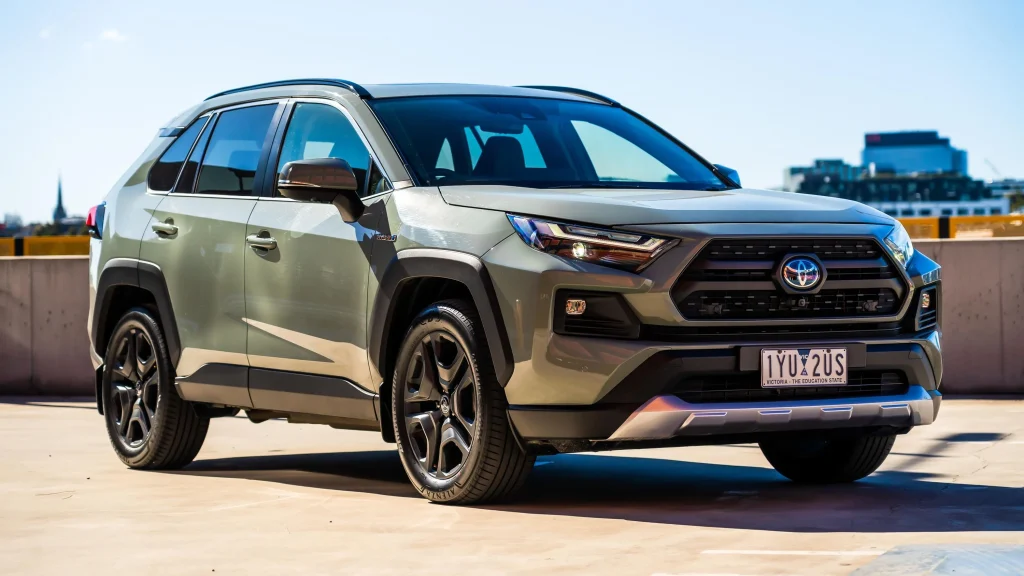
The Toyota RAV4 offers a useful balance of everyday practicality and manageable tire replacement expenses. In the October 2026 Tires Easy U.S. Tire Price Index, the base LE front-wheel-drive configuration uses 225/65R17 102H tires.
Replacing all four with value-tier options is estimated at $563.15 installed, while the premium-tier estimate is $899.04. These figures include tire prices, installation, sales tax, and tire disposal fees.
The 17-inch factory fitment is an important part of the cost calculation. Larger wheels can increase replacement expenses, particularly when a vehicle requires wider tires or specialized performance specifications. The RAV4’s standard size has a broad selection of all-season and touring replacements, giving owners several price levels to compare.
There is a $335.89 difference between the value and premium estimates for a complete set. That does not automatically make the value option the right choice. Drivers should compare wet braking, treadwear warranties, road noise, and ride comfort before deciding. A tire that costs less initially but wears out significantly sooner may not offer the best long-term value.
The published figure applies specifically to the 2024 RAV4 LE FWD reference fitment used in the index. Other trims, all-wheel-drive configurations, and larger wheel packages may require different specifications. Always check the driver’s door-jamb placard before ordering tires.
For households planning to keep a RAV4 for several years, replacement costs are worth including in the ownership budget. The model’s common tire size provides flexibility, but prices still vary by brand and retailer.
Request an installed quote rather than comparing tire prices alone, since mounting, balancing, disposal, and local taxes can change the final bill considerably.
4. Chevrolet Equinox
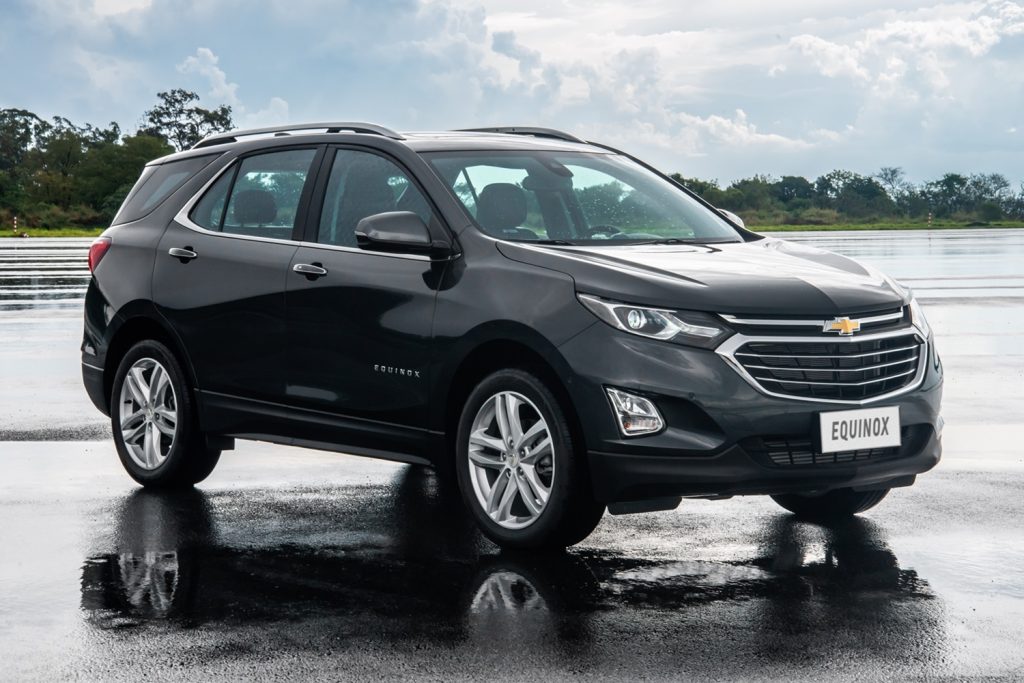
The Chevrolet Equinox shares a relatively affordable tire fitment with several other compact SUVs in the October 2026 price comparison. Its base LS reference configuration uses 225/65R17 102H tires.
The estimated cost of replacing all four with value-tier tires is $563.15 installed, while the premium-tier set is estimated at $899.04. Both figures include installation, sales tax, and tire recycling or disposal charges.
A useful detail is that this is the same tire size, load index, and speed rating used for the reference Toyota RAV4 and Hyundai Tucson configurations in the index. That is why the value and premium replacement estimates are identical.
It does not mean the vehicles have identical suspension setups or that every replacement tire will be suitable for all three. Vehicle-specific fitment and manufacturer recommendations still matter.
For Equinox owners, the standard 17-inch size provides access to a broad range of touring and all-season tires. These categories are generally suitable for everyday commuting and highway driving, although buyers in areas with severe winters may need a dedicated winter tire or an appropriate all-weather option.
The difference between value and premium tires is $335.89 for four tires in this estimate. Before paying extra, consider the driving conditions you regularly encounter. Strong wet braking, predictable handling, treadwear coverage, and noise levels may be more valuable than a premium label alone.
The price applies to the 2024 LS reference fitment, not every Equinox trim or model year. Some versions use different wheel sizes, which can change the replacement bill. Check the tire placard and compare complete installed quotes from local shops.
For buyers seeking a compact SUV with a relatively accessible standard tire size, the Equinox is worth including in the comparison.
5. Honda CR-V
The Honda CR-V is a popular compact SUV, and its standard tire fitment helps keep replacement choices relatively accessible. The October 2026 Tires Easy comparison uses the 2024 LX configuration with 235/65R17 104H tires.
Its estimated four-tire replacement cost is $586.79 for value-tier options, including installation, taxes, and disposal fees. Choosing premium-tier tires raises the estimated installed total to $923.96.
The CR-V’s 17-inch reference wheels are useful from a cost perspective because this size is available across a wide selection of touring and all-season tire ranges. Drivers can compare different manufacturers instead of being limited to a small group of expensive specialty products.
The 104H rating is an important specification, as replacement tires must meet the vehicle’s required load capacity and speed rating, not just match the original tire diameter.
The difference between the two price tiers is $337.17 for a complete set. Spending more may make sense for drivers who prioritize stronger wet-weather performance, a longer treadwear warranty, or a quieter highway ride.
On the other hand, a properly rated value tire may suit an owner whose main priorities are commuting and keeping replacement expenses under control.
The estimate is specifically for the LX reference fitment. Other CR-V trims may use larger wheels, and hybrid versions or different model years can have different tire requirements. Owners should confirm the correct size from the vehicle’s placard before ordering.

All-wheel-drive CR-V owners should also pay close attention to Honda’s tire replacement recommendations. Differences in tire circumference and tread depth can affect the drivetrain, making it important to maintain consistent tire specifications. Replacing just one tire with a significantly different tread depth may not be suitable.
For drivers comparing compact SUVs, the CR-V offers a reasonably accessible standard fitment, but getting the correct specification is just as important as finding a low price.
6. Nissan Rogue
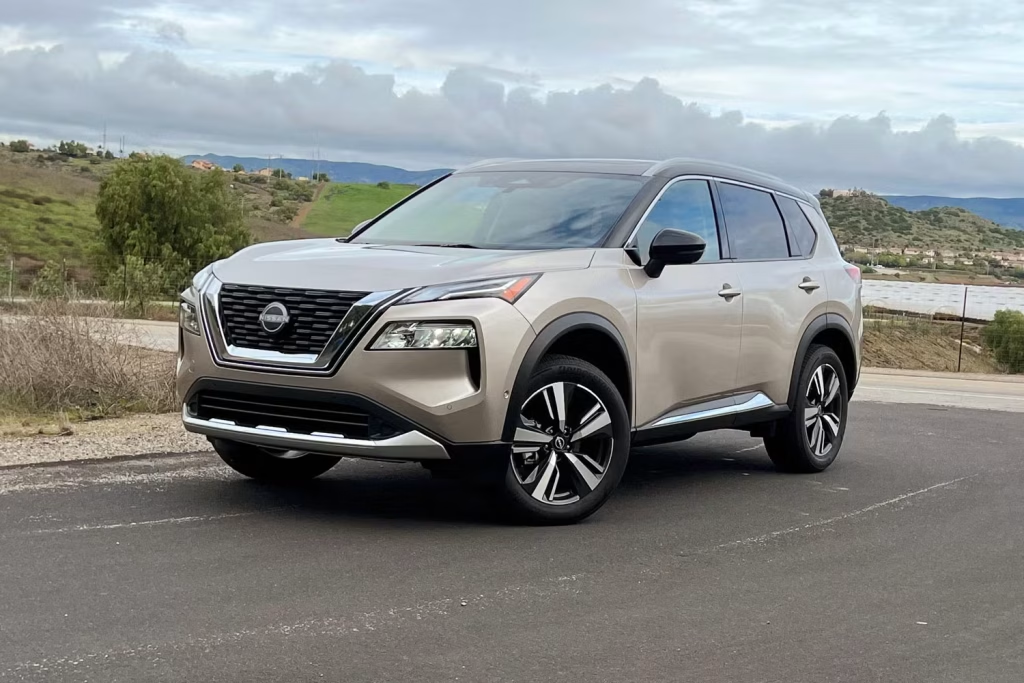
The Nissan Rogue uses a common compact-SUV tire size in its base S reference configuration, helping owners access a broad selection of replacement options. The October 2026 U.S. tire comparison lists its original-equipment fitment as 235/65R17 104H.
A complete set of value-tier tires is estimated at $586.79 installed, while the premium-tier estimate reaches $923.96. The figures include four tires, installation, sales tax, and recycling or disposal fees.
The Rogue’s estimated cost matches the Honda CR-V and Hyundai Tucson in the same index because all three reference vehicles use the same size, load index, and speed rating.
This is useful for shoppers comparing similar SUVs, although the figures should not be interpreted as proof that every tire model is interchangeable without checking vehicle-specific requirements.
A 17-inch tire size offers several choices in the touring and all-season categories. Drivers can look at value-oriented products for routine commuting or consider premium alternatives with different tread designs, warranties, and wet-weather characteristics.
The $337.17 difference between the two price tiers gives buyers a clear reason to compare performance rather than automatically selecting the cheapest available set.
The reference price applies to the 2024 Rogue S. Higher trims can use larger wheels, and those fitments may cost more to replace. Always confirm the required size and ratings using the door-jamb placard or owner’s manual.
Rogue owners should also pay attention to tread depth when replacing tires, particularly on all-wheel-drive models. Significant differences in rolling circumference can create drivetrain concerns. If only one tire is damaged, ask a qualified tire shop whether replacement, matching, or other service is appropriate.
For buyers looking to manage routine expenses, the Rogue’s standard fitment provides a useful starting point for comparing installed tire prices across retailers.
7. Hyundai Tucson
The Hyundai Tucson makes this list because its standard SE reference fitment uses a widely available 17-inch tire size. The October 2026 Tires Easy index identifies the 2024 Tucson SE with 235/65R17 104H tires.
Its estimated cost for four value-tier replacements is $586.79 installed. Premium-tier alternatives bring the estimated total to $923.96, with installation, sales tax, and disposal fees included in both figures.
This is the same reference fitment used for the Nissan Rogue and Honda CR-V in the index. As a result, all three receive the same estimated replacement costs.
The pricing method compares tires based on matching size, load index, and speed rating. However, this does not mean every tire is approved for use on every vehicle or that all three SUVs offer the same driving characteristics.
For Tucson owners, the 235/65R17 size offers access to a range of touring and all-season products. These can suit daily commuting, family travel, and highway use. Drivers who regularly encounter heavy rain should compare independent wet-braking results, while those in areas with significant snowfall may need to consider winter-specific performance.
The $337.17 gap between value and premium tires is large enough to justify checking the warranty and expected tread life before purchasing. A lower-priced tire can be a sensible choice, but only if it meets the vehicle’s required load and speed ratings and provides suitable performance.
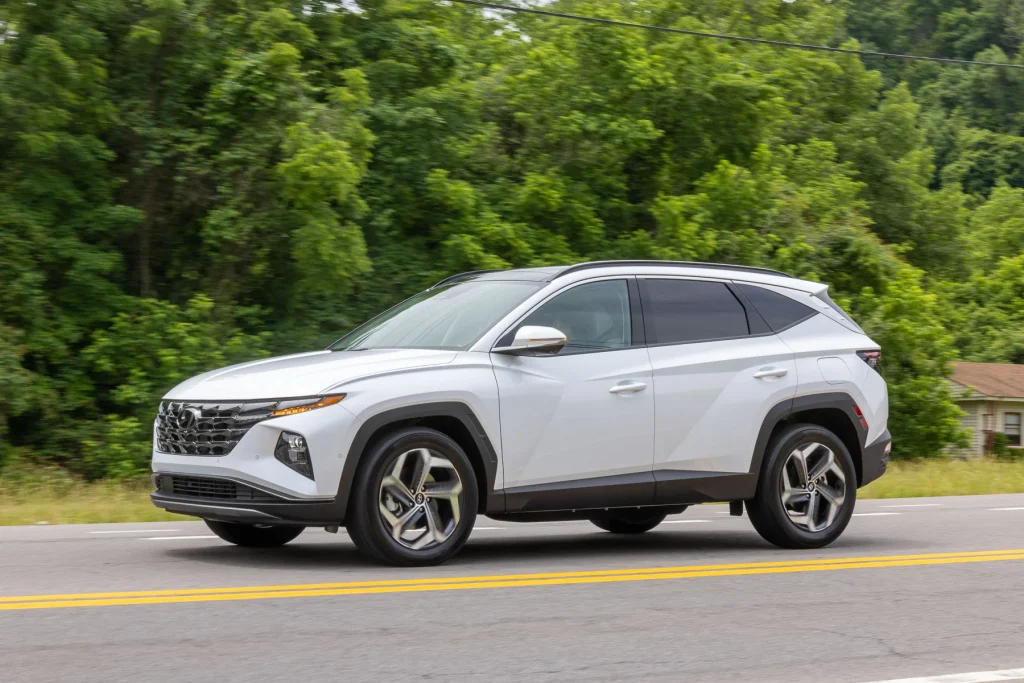
The published amount is tied to the 2024 SE reference configuration. Tucson trims with larger wheels may require more expensive replacements. Check the tire placard before ordering and request a complete installed quote from the retailer.
For cost-conscious SUV buyers, the Tucson’s standard tire size makes comparison shopping relatively straightforward. The final decision should balance price with safety, durability, and the conditions in which the vehicle is driven.
8. Jeep Grand Cherokee
The Jeep Grand Cherokee finishes this list with a higher replacement estimate than the smaller crossovers, but its standard reference fitment is still worth considering. The October 2026 price index uses the 2024 Laredo configuration with 245/70R17 108T tires.
A set of four value-tier replacements is estimated at $705.25 installed, while premium-tier options cost an estimated $857.62. These totals include installation, taxes, and tire disposal charges.
The Grand Cherokee’s larger tire dimensions reflect its position as a more substantial SUV. Its 17-inch reference wheels use a taller tire than those fitted to many compact crossovers. That can be useful for drivers who want a comfortable ride and a vehicle suited to a broader range of road conditions, but the larger tire size generally means a higher replacement bill.
Interestingly, the difference between the value and premium estimates is just $152.37, considerably smaller than the gap seen on several compact SUVs in this comparison. This makes it especially worthwhile to compare the specific products available rather than assuming that the premium option will always cost dramatically more.
The 108T specification must also be respected. Buyers should select a replacement with the correct load capacity and speed rating, and should not choose a tire solely because its dimensions appear similar.
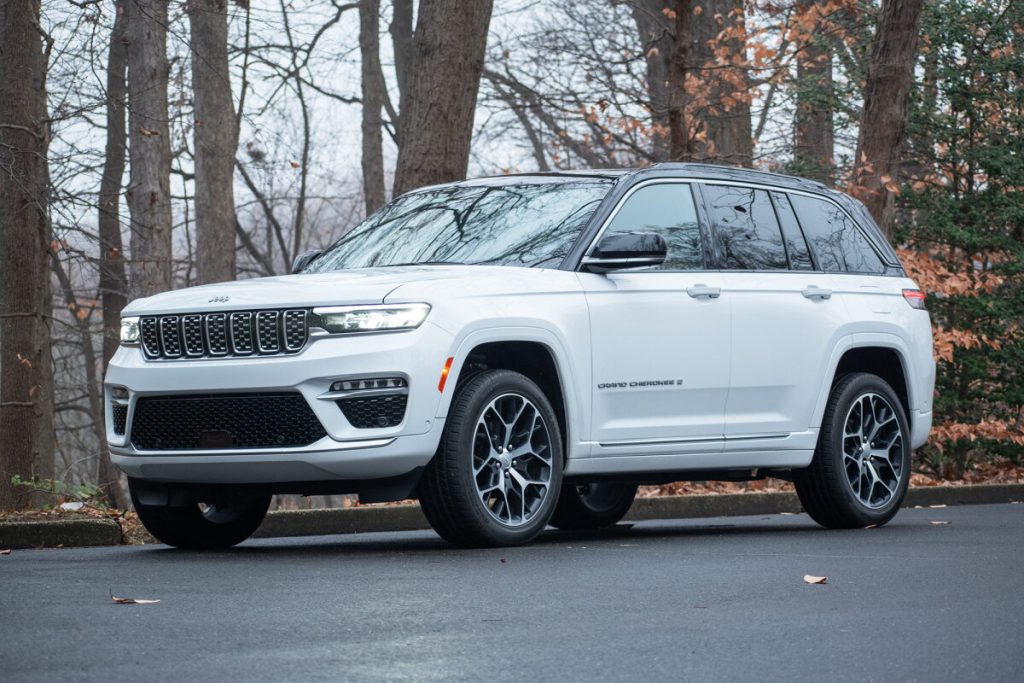
Drivers who regularly travel on unpaved roads may also want to compare highway all-season and all-terrain products, although all-terrain tires can carry a different price premium.
The published estimate applies to the 2024 Laredo reference configuration. Other Grand Cherokee trims and wheel packages can require different sizes, so the figure should not be used as a universal cost for the entire lineup.
For owners planning to keep a Grand Cherokee long-term, tire replacement is a recurring expense worth budgeting for. Compare full installed prices, warranty coverage, and tire performance before choosing a set.
