Brake recalls deserve serious attention because even a problem that appears minor can affect a vehicle’s ability to stop safely. Defects involving brake boosters, hydraulic systems, anti-lock braking components, electronic controls, and parking brakes have led to major U.S. safety campaigns over the years.
However, there is no single official NHTSA ranking that reliably identifies the ten models with the most brake recalls across every model year.
This article therefore focuses on vehicles with notable documented brake-related recall histories, rather than presenting an unsupported numerical ranking. Individual recall eligibility always depends on the vehicle’s VIN.
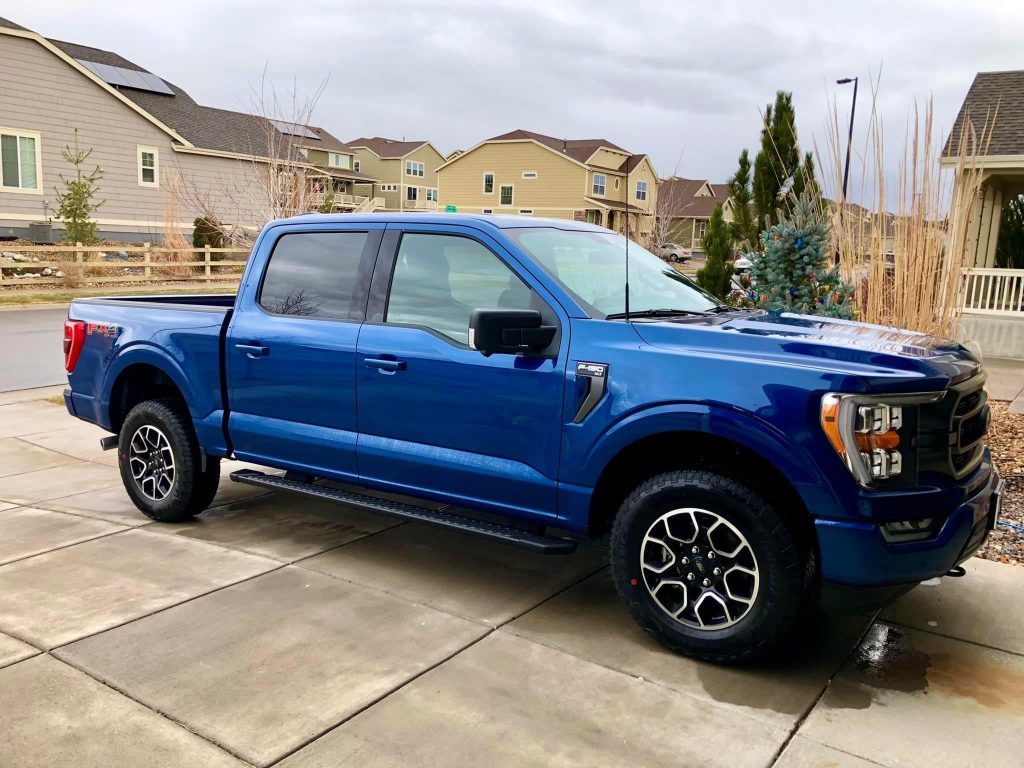
1. Ford F-150
Notable brake recall: 292,311 trucks affected in 2020
The Ford F-150 has been involved in a major brake-related recall that deserves attention from used-truck buyers. In June 2020, Ford recalled certain 2014 to 2017 F-150 pickups equipped with the 3.5-liter EcoBoost engine under NHTSA campaign 20V-332.
The campaign covered approximately 292,311 trucks in the United States. The defect involved the brake master cylinder, which could leak brake fluid into the brake booster.
The consequences were more serious than an ordinary fluid leak. Affected drivers could experience a change in brake-pedal travel and feel increased pedal effort and reduced front braking function.
In some situations, stopping could require greater effort and distance, increasing crash risk. Ford’s remedy was to replace the brake master cylinder and inspect the brake booster, replacing it when necessary. The repair was provided free of charge to eligible owners.
This recall is particularly relevant because the F-150 is frequently used for towing, carrying equipment, and travelling long distances. A reduction in braking performance can become especially concerning when a pickup is carrying a heavy load. Drivers should not ignore a soft pedal, unusual pedal movement, or a brake-fluid warning.
Not every 2014 to 2017 F-150 is affected. The recall applies to specified trucks with the 3.5-liter EcoBoost engine, and individual eligibility must be confirmed by VIN.
Buyers should request documentation showing that the repair was completed rather than relying on the model year alone. A truck with an unresolved brake recall should receive attention before being driven regularly.
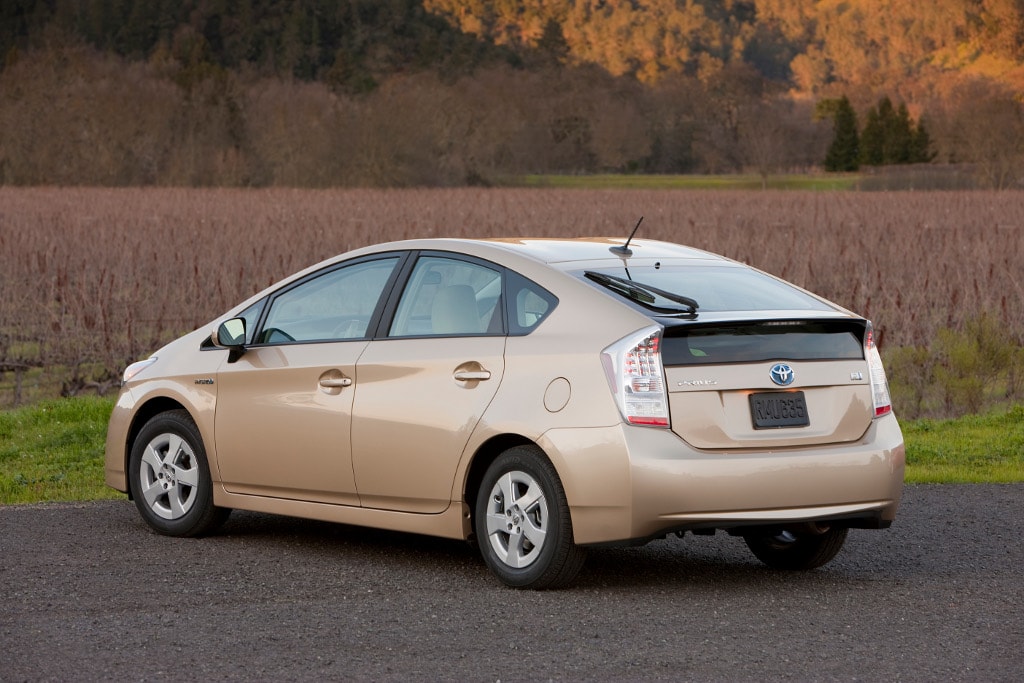
2. Toyota Prius
Notable brake recalls: 82,000 vehicles in 2013, plus a separate 2019 campaign.
The Toyota Prius has experienced more than one notable brake-related safety campaign, making it an important model to examine in this category. One significant recall, NHTSA campaign 13V-235, covered approximately 82,000 certain 2010 Prius vehicles in the United States.
Toyota identified a potential fatigue crack in the brake pressure accumulator. If the internal bellows developed a crack, nitrogen gas could enter the brake fluid, gradually increasing brake-pedal travel and reducing hydraulic pressure.
The issue could result in longer stopping distances, increasing the risk of a crash. Toyota’s recall targeted the affected brake booster pump assembly, as the accumulator is a critical component responsible for maintaining brake pressure. This made the issue more than a routine maintenance concern, as it directly involved the vehicle’s braking system.
A separate campaign, NHTSA 19V-544, involved certain 2019 Prius vehicles and selected other Toyota and Lexus models. In that case, the brake booster pump could fail, potentially deactivating the Vehicle Stability Control system or reducing braking assistance. Toyota instructed dealers to inspect the pump and replace it when necessary, free of charge.
These campaigns involved different model years and distinct defects, so they should not be treated as one continuous recall. A Prius owner should check the VIN for both applicable campaign history and outstanding repairs.
Warning lights, an unusually long pedal stroke, or changes in braking assistance deserve prompt professional attention. Because the Prius uses a sophisticated electronically controlled braking system, diagnosis by a technician familiar with hybrid vehicles is advisable.
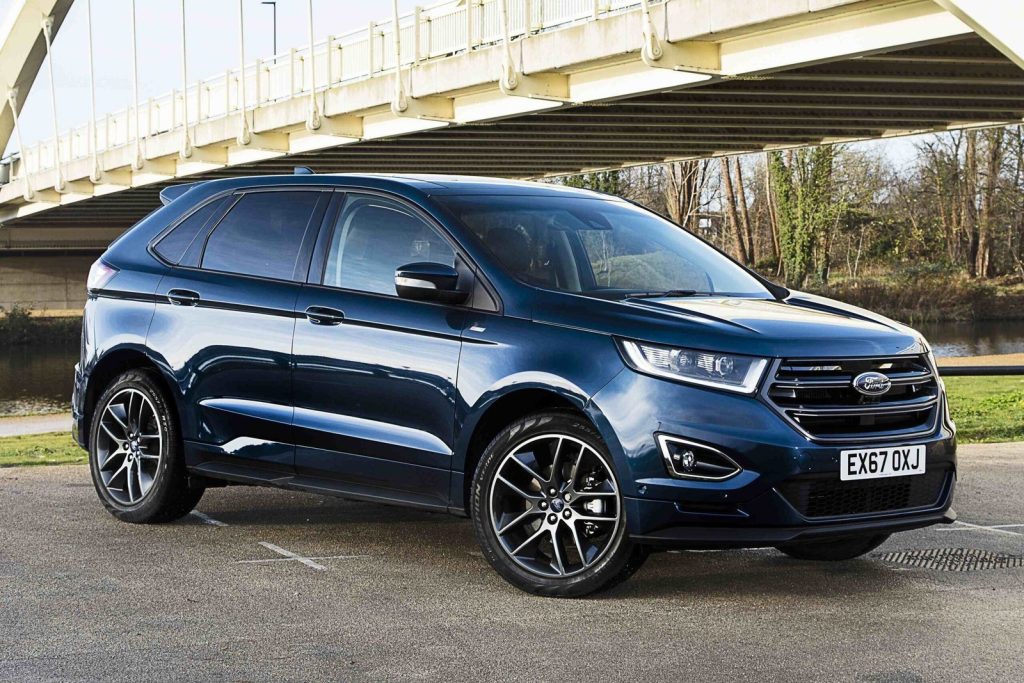
3. Ford Edge
Brake recall: 414,717 Ford Edge vehicles affected in 2025
The Ford Edge has one of the largest recent brake-hose recall populations among the vehicles covered in this article.
In August 2025, Ford reported a safety defect involving the rear brake jounce hoses on certain 2015 to 2018 models. NHTSA campaign 25V-544 covered 499,129 vehicles across two model lines, including 414,717 Edge SUVs and certain Lincoln MKX vehicles.
The concern was premature deterioration of the rear brake hoses. If a hose ruptures, brake fluid can gradually escape from the hydraulic system. Drivers may experience increased brake-pedal travel and longer stopping distances.
A brake-fluid warning light may also illuminate when the reservoir level becomes sufficiently low. These symptoms are particularly important because a hydraulic leak can progressively reduce braking performance.
Ford’s investigation found that the hose construction had been improved in December 2017 by changing the materials used in its inner and outer reinforcement. The company identified a significantly reduced repair rate after that production improvement. However, vehicles manufactured earlier within the affected period remained subject to the recall.
The remedy involves inspecting the rear brake jounce hoses and replacing damaged hoses. Ford also specified adjustment of hoses that show no damage, with the work performed free of charge for eligible owners.
For used-car buyers, this campaign deserves attention because the affected vehicles are now several years old. Ask for the recall completion record and inspect the brake-fluid level and pedal behavior.
A normal-feeling pedal during a short test drive does not establish that the recall has been completed. Confirm eligibility using the VIN before purchasing.
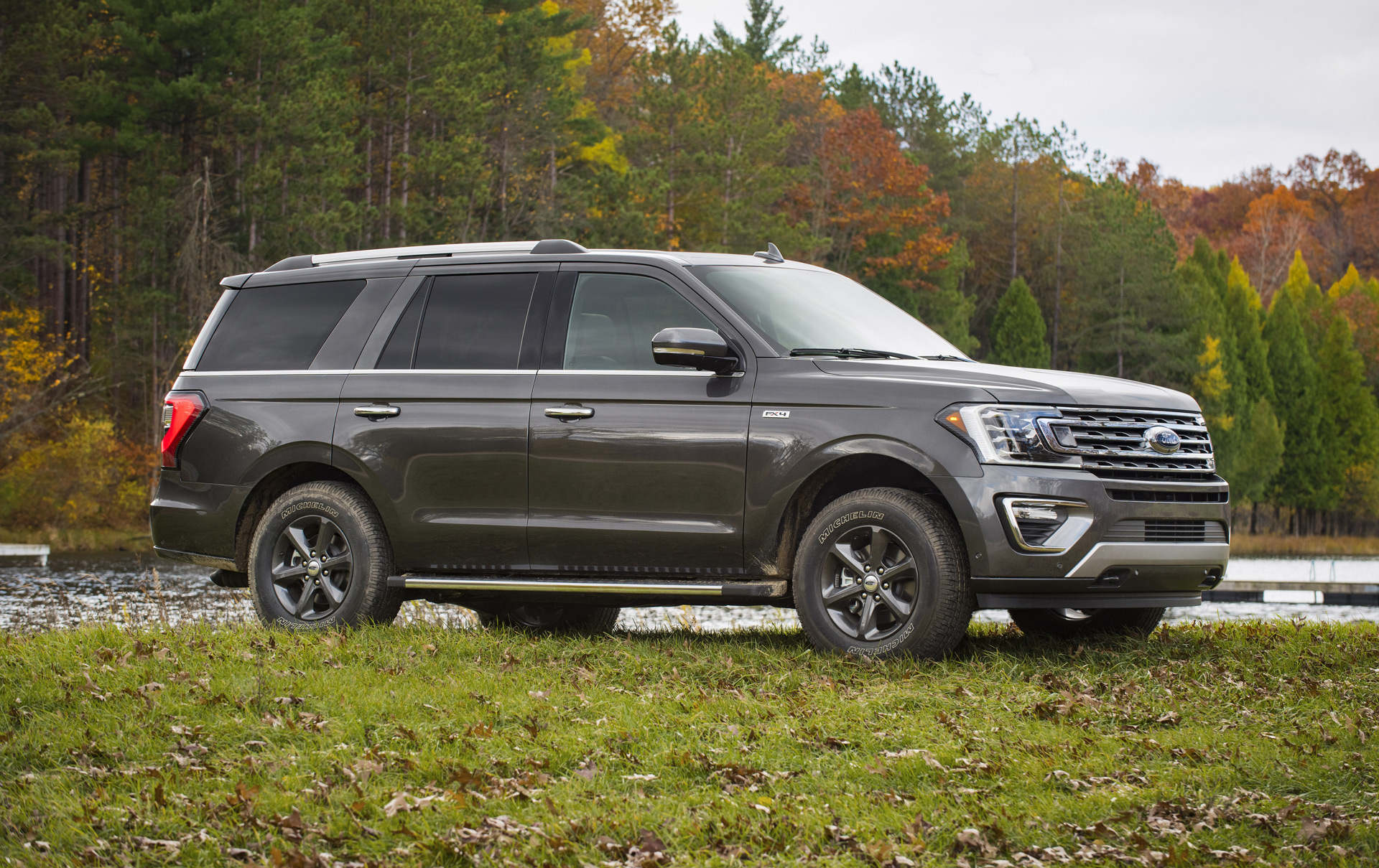
4. Ford Expedition
Brake recall: 223,315 vehicles affected in 2025
A brake-line problem on a large family SUV is especially concerning because these vehicles can carry several passengers and substantial luggage. Certain 2022 to 2024 Ford Expedition models were included in NHTSA campaign 25V-314, announced in May 2025.
The recall formed part of a larger campaign involving 273,789 Ford and Lincoln vehicles in the United States, including 223,315 Expeditions.
Ford identified a possible installation problem involving the front brake lines. During engine installation, a radiator hose could catch the right front brake line and bend it. The affected line could then be incorrectly positioned and rub against the engine air-cleaner outlet pipe. Continued contact could damage the line and eventually cause a brake-fluid leak.
The consequences can extend beyond a warning light. A leaking front brake line can increase brake-pedal travel, reduce braking performance, and potentially cause a loss of front brake function. This creates a serious safety concern, particularly when the SUV is travelling at highway speeds or carrying a full load.
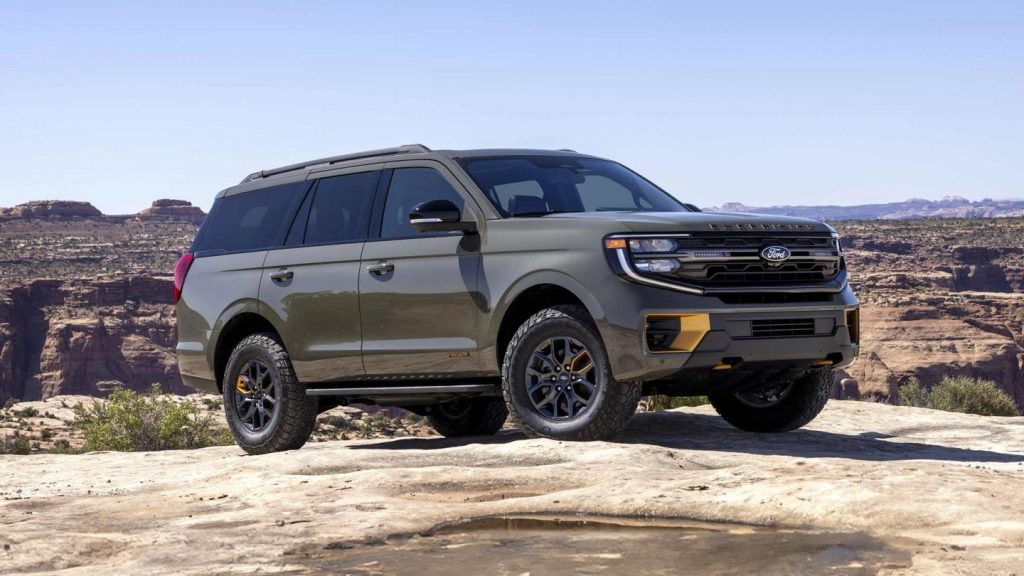
Ford’s prescribed remedy is to inspect the front brake line and replace the line or the air-cleaner outlet pipe when necessary. The repair is free for vehicles covered by the recall. Ford’s investigation identified warranty reports involving brake-line leaks, although it reported no related crashes or injuries in its recall filing.
Owners should watch for a change in brake-pedal feel, a brake-fluid warning, or visible fluid leakage. Do not continue driving if braking performance is reduced. Used-car shoppers should request proof of the completed 25S47 recall repair and have the braking system inspected independently if there are signs of fluid loss.
5. Lincoln Navigator
Brake recall: 50,474 vehicles affected in 2025
The Lincoln Navigator shares an important brake-related recall with its Ford counterpart, but its inclusion is worth examining separately because it is a premium full-size SUV with substantial passenger and towing capability.
Certain 2022 to 2024 examples were included in NHTSA campaign 25V-314. The campaign covered 50,474 Navigators, alongside 223,315 Ford Expeditions, bringing the combined U.S. recall population to 273,789 vehicles.
The defect involved the front brake lines. During vehicle assembly, a radiator hose could catch and bend a brake line. This could leave the line incorrectly positioned, allowing it to contact the engine air-cleaner outlet pipe. Over time, rubbing could damage the brake line and cause brake fluid to leak.
A hydraulic leak is not something an owner should treat as a minor maintenance issue. The brake pedal may travel farther than usual, braking performance can deteriorate, and the vehicle could experience a loss of front braking function. The risk becomes particularly serious when the SUV is carrying passengers or travelling at speed.
Ford’s recall remedy requires dealers to inspect the affected brake line and replace the line or air-cleaner outlet pipe as necessary. Owners are not charged for the prescribed recall repair. Ford’s investigation traced the concern to an engine-installation process used at its Kentucky Truck Plant before a manufacturing change made in November 2024.
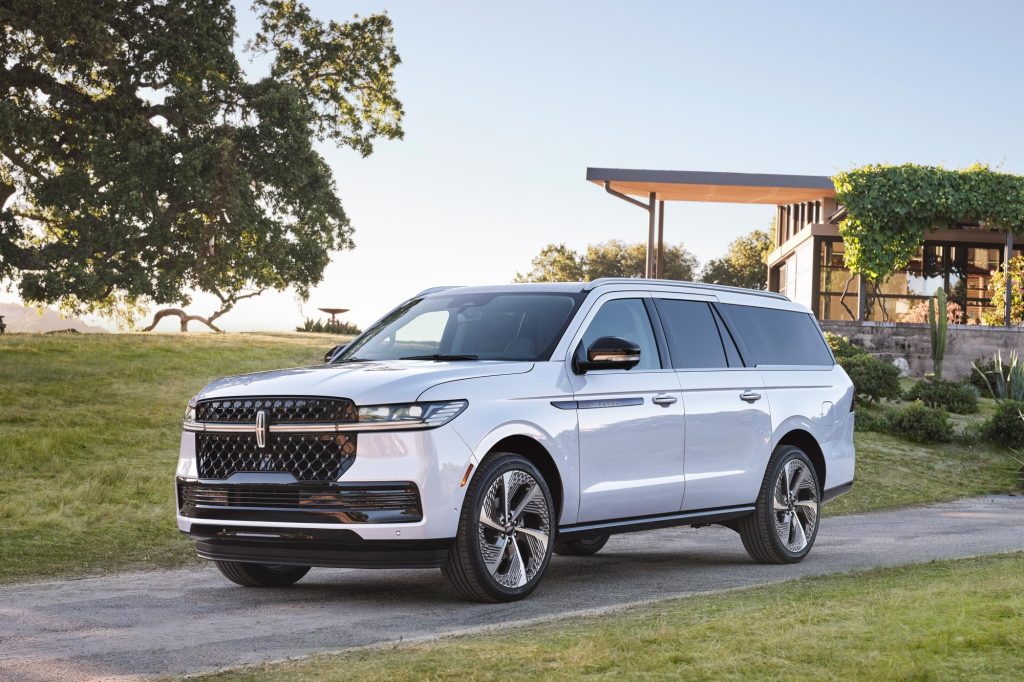
Anyone considering a used Navigator should check its VIN for campaign 25S47. Do not rely on the dealership’s statement that the vehicle has been inspected.
Request the actual repair order showing whether the brake line was checked and whether replacement was necessary. If the pedal feels unusually soft or the brake fluid level has dropped, arrange a professional inspection before driving.
6. Toyota Tacoma
Brake recall: 106,061 vehicles potentially involved in 2025
The Toyota Tacoma’s reputation as a durable pickup does not make it immune to brake-system defects. In February 2025, Toyota filed NHTSA campaign 25V-058 covering 106,061 certain 2024 and 2025 trucks.
The recall applied only to a specific vehicle configuration, namely four-wheel-drive models equipped with 16-inch brakes and Toyota 17-inch wheels. Vehicles with different brake and wheel combinations were not automatically covered by the recall.
The issue involved the rear brake hoses positioned close to the inside of the wheels. Under certain off-road conditions, mud and dirt could accumulate inside the rear wheels and contact the hoses.
Repeated contact could wear through the hose material, eventually causing brake fluid to leak. A hydraulic leak can reduce braking performance and increase stopping distance.
This is a particularly relevant defect for a pickup marketed toward outdoor use. Drivers who regularly travel on muddy trails may encounter the operating conditions described in Toyota’s recall filing.
However, the recall does not mean that every affected truck will develop a leak. Toyota reported that the actual percentage likely to experience the condition was unknown.
Toyota’s remedy involves replacing both rear brake hoses with upgraded components at no cost to eligible owners. The company scheduled owner notifications to be sent between March 24 and April 7, 2025.
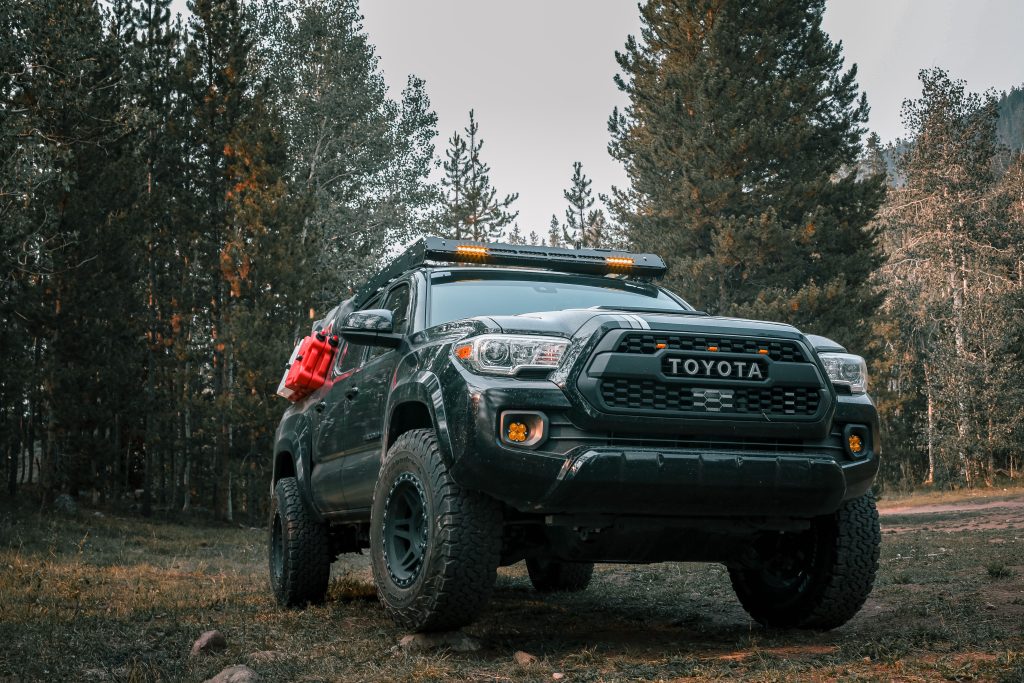
For buyers, checking the wheel and brake configuration is essential. Two Tacomas from the same model year may have different equipment and recall eligibility.
Request a VIN-specific recall check, and inspect the rear brake hoses for visible damage or fluid leakage. If the brake pedal changes feel or stopping distance increases, stop driving and have the vehicle inspected.
7. Dodge Hornet
Brake recall: 17,047 vehicles affected in 2024
A problem with the brake pedal itself can be more alarming than a conventional brake-component defect. That was the concern behind NHTSA campaign 24V-752, which covered certain 2024 and 2025 Dodge Hornet SUVs.
Chrysler’s recall report identified 17,047 Hornets within a combined campaign population of 21,069 vehicles, which also included the Alfa Romeo Tonale.
The defect involved the brake pedal assembly. Certain vehicles may have been manufactured with a pedal arm that could collapse while the driver was braking. If the pedal collapsed, the driver could lose the ability to activate the service brakes through the normal pedal.
The manufacturer warned that this could happen without prior warning, creating a serious crash risk.
The investigation began after Stellantis received warranty cases involving brake-pedal assemblies collapsing during normal driving. Its review identified a suspect production period beginning July 20, 2023, and ending September 26, 2024.
The company reported 12 potentially related field reports globally, one accident and no injuries or fatalities at the time of its filing.
Chrysler’s corrective action was to reinforce the brake-pedal arm by adding a bolt and nut. Dealers were instructed to perform the work free of charge for eligible vehicles.
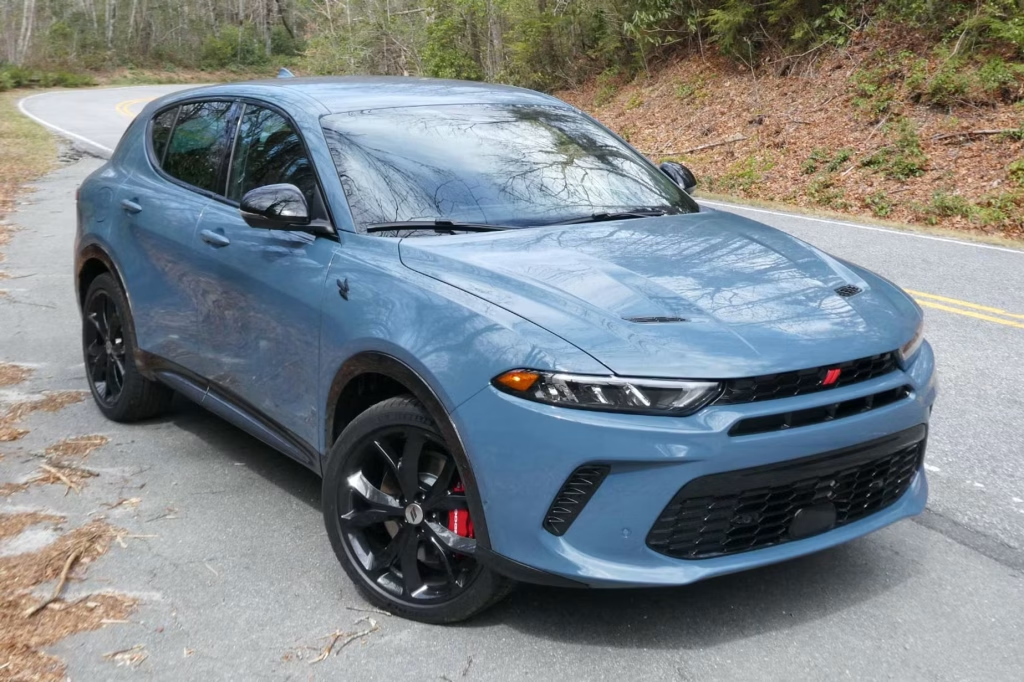
Unlike a brake-fluid leak, this defect may not necessarily provide a gradual warning before failure. That makes checking the recall history especially important.
Anyone purchasing a used Hornet should confirm that campaign B7B has been completed and obtain the repair documentation. A short test drive cannot establish that the pedal assembly has received the required reinforcement.
8. Alfa Romeo Tonale
Brake recall: 4,022 vehicles affected in 2024
The Alfa Romeo Tonale was included in the same brake-pedal safety campaign as the Dodge Hornet, but its own affected population was considerably smaller. NHTSA campaign 24V-752 covered 4,022 certain 2024 and 2025 Tonale SUVs in the United States. The combined recall involved 21,069 vehicles, including 17,047 Hornets.
The concern was not related to worn brake pads or a conventional hydraulic leak. Instead, the brake pedal assembly could collapse while the vehicle was being driven.
A collapsed pedal could prevent the driver from activating the service brakes, potentially leaving the vehicle without normal pedal-operated braking. The manufacturer warned that the problem could occur without advance notice.
Stellantis identified the issue after reviewing warranty cases involving brake-pedal assemblies collapsing during normal driving. The suspect Tonale production period ran from July 20, 2023, through September 30, 2024.
Its recall filing described a shared brake-pedal component, identified by part number 68607352AA, and explained that the pedal arm required reinforcement.
The repair involves adding a bolt and nut to reinforce the brake-pedal arm. This work is performed free of charge by an authorized dealer for vehicles covered by the campaign. The remedy is important because the issue concerns the physical integrity of a component the driver must rely on to slow and stop the vehicle.
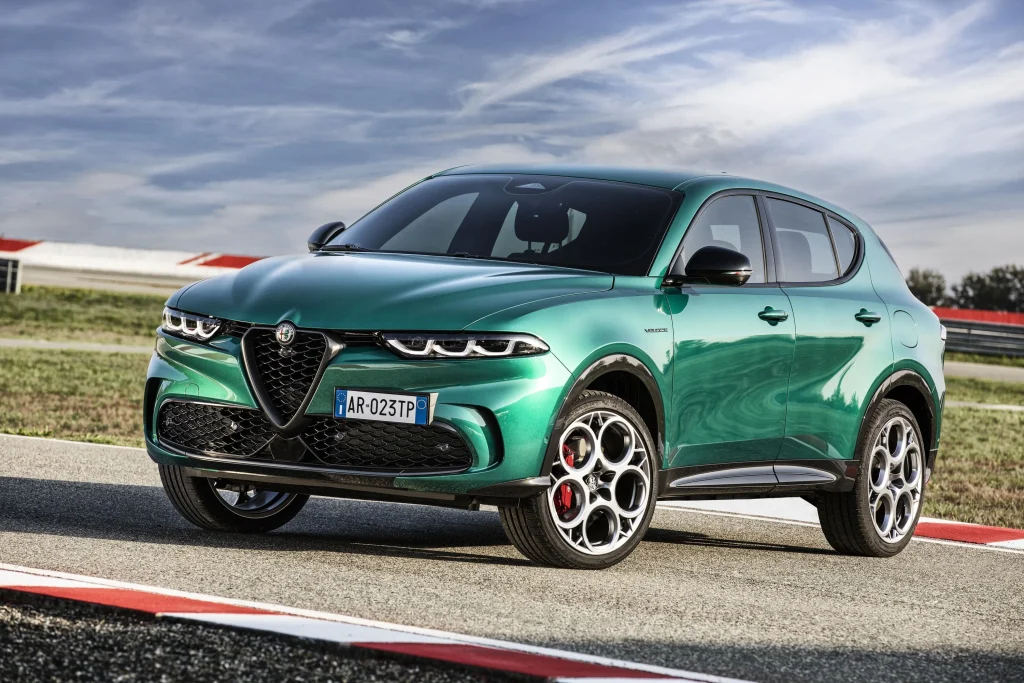
A used Tonale buyer should check campaign B7B by VIN and ask for the dealer’s completed repair record. Do not assume that a vehicle is unaffected simply because its brake pedal feels normal.
The manufacturer’s recall specifically warns that the failure may occur without prior indication. Confirmation of the repair is therefore more reliable than a brief inspection or test drive.
9. Volkswagen Atlas
Brake recall: 912 vehicles affected in 2024
The Volkswagen Atlas is a three-row SUV, and a defect involving its brake master cylinder can have consequences for every occupant. Certain 2024 Atlas models were included in NHTSA campaign 24V-723, announced in September 2024.
Volkswagen identified a manufacturing issue in which an incorrect secondary piston spring retainer could be installed inside the brake master cylinder.
The retainer was shorter than the specified component. This could prevent the piston from returning to its correct resting position and potentially block the brake-fluid port. If the port became obstructed, brake performance could be reduced or lost, increasing the risk of a crash.
Drivers might notice a soft or spongy brake pedal, an unusual brake smell or reduced stopping ability, although the condition was not guaranteed to produce a warning light.
Volkswagen’s U.S. recall filing identified 912 Atlas vehicles as potentially affected. This figure is part of a combined 1,467-vehicle campaign that also included the Atlas Cross Sport. The manufacturer specified different affected populations for the two models.
The prescribed remedy was replacement of the brake master cylinder at no charge for eligible owners. This is a more substantial repair than a routine brake-fluid service because it involves replacing the hydraulic component responsible for distributing brake pressure.
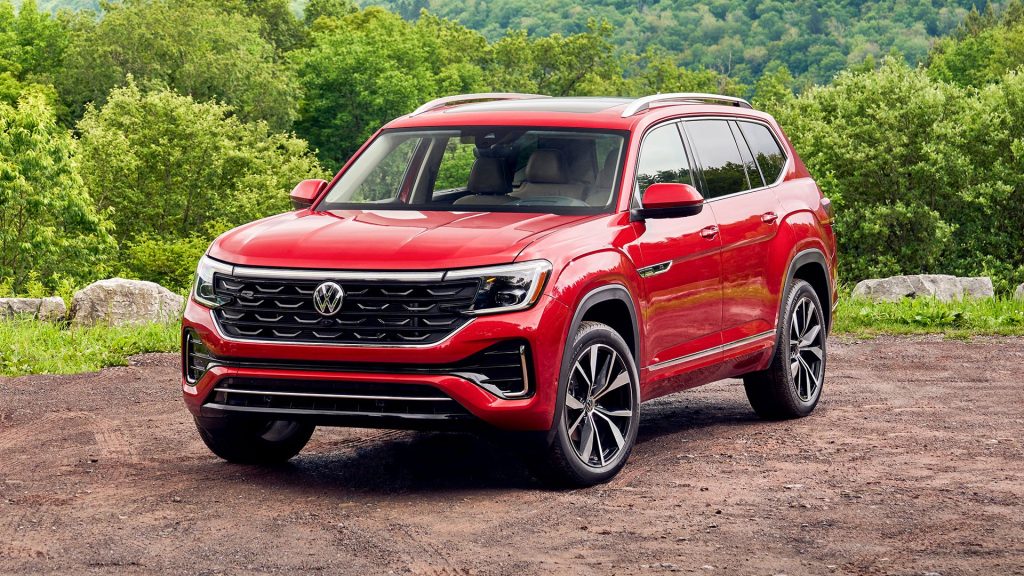
Anyone considering a used 2024 Atlas should check whether campaign 471F has been completed. Ask the dealer for the service record showing master-cylinder replacement.
If the brake pedal feels soft, the vehicle smells of overheated brakes or stopping performance changes, arrange an immediate professional inspection rather than continuing to drive. A completed recall is an important part of the vehicle’s safety history.
10. Volkswagen Atlas Cross Sport
Brake recall: 555 vehicles affected in 2024
The Volkswagen Atlas Cross Sport shares much of its engineering with the standard Atlas, but it also appeared separately in the 2024 brake master-cylinder recall. NHTSA campaign 24V-723 covered 555 Cross Sport vehicles, alongside 912 standard Atlas SUVs. Together, the two models accounted for 1,467 potentially affected vehicles in the United States.
The problem involved an incorrectly assembled brake master cylinder. A shorter-than-specified secondary piston spring retainer could prevent the piston from returning to its normal resting position.
This could obstruct the brake-fluid port and interfere with hydraulic operation. Reduced braking performance or a loss of brake function could result, raising the possibility of a crash.
Volkswagen’s recall documentation identified the affected model year as 2024. The company instructed dealers to replace the brake master cylinder in vehicles included in the campaign. The work was to be completed without charge to owners.
Volkswagen also advised drivers to contact a dealer promptly if they experienced a soft or spongy brake pedal, a brake smell or reduced braking performance.
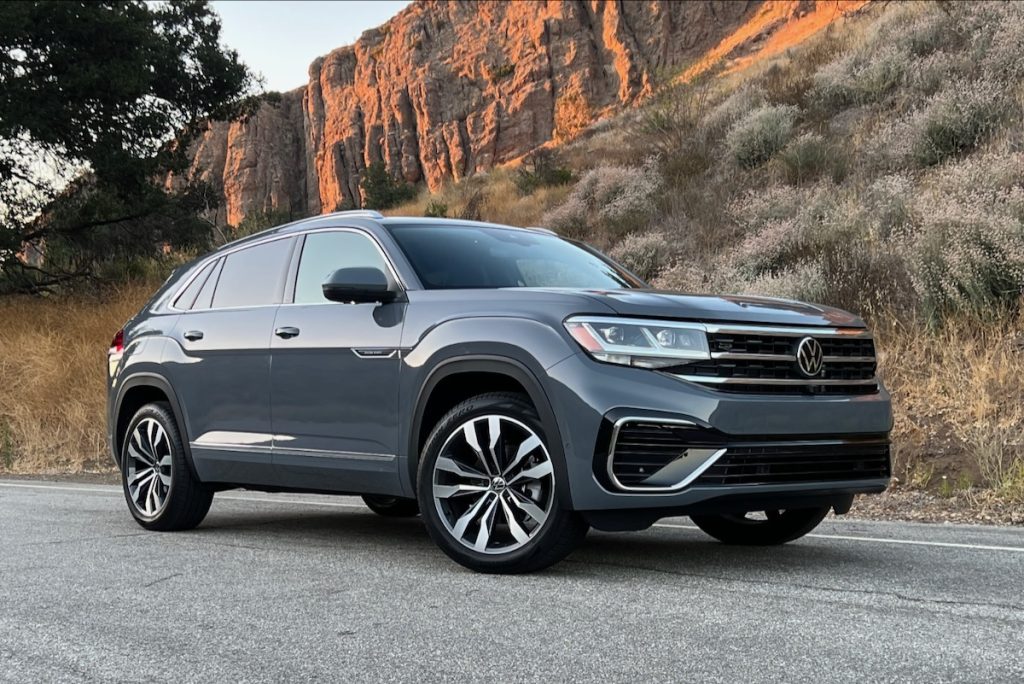
The Cross Sport’s inclusion is a reminder that closely related vehicles can have separate recall populations. Buyers should not assume that a recall check performed on a standard Atlas also confirms the status of a Cross Sport. Each vehicle’s VIN must be checked individually.
Before purchasing a used example, request evidence that campaign 471F has been completed. If the seller cannot provide a repair record, contact a Volkswagen dealer and ask for the current recall status.
A brake master-cylinder issue should never be treated as a cosmetic or minor maintenance concern. Confirming the repair is an essential part of assessing the vehicle’s safety.