Vehicle safety recalls became a major concern for American drivers in 2026, with millions of vehicles affected by defects involving braking systems, transmissions, steering components, electrical systems, and essential safety equipment.
Several major automakers faced extensive recall campaigns after investigations identified problems that could increase the risk of crashes, injuries, or loss of vehicle control. Some campaigns involved older, widely sold models, while others covered relatively new vehicles.
This ranking examines the ten largest U.S. vehicle safety recalls announced in 2026, using the number of potentially affected vehicles and documented safety concerns to establish their significance.
1. Ford F-150, Expedition, Maverick, Ranger, Super Duty, and Lincoln Navigator: 4.38 Million Vehicles Recalled
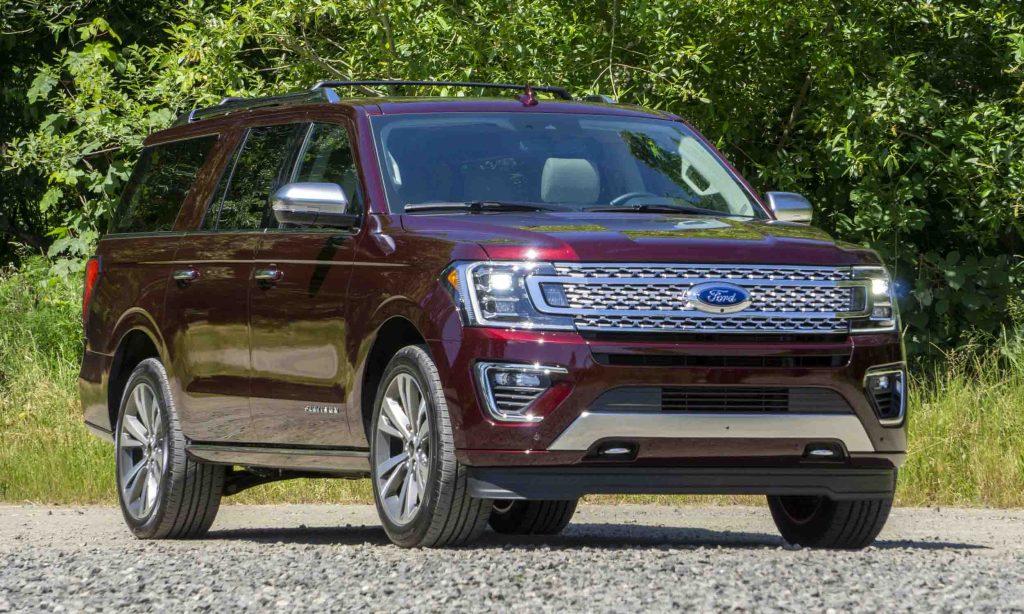
Ford’s largest safety recall of 2026 involved approximately 4,381,878 vehicles, making it one of the year’s most significant automotive safety campaigns in the United States.
Announced in February under NHTSA campaign number 26V104, the recall covered several popular Ford and Lincoln models, including 2021-2026 F-150 pickups, 2022-2026 F-250 through F-600 Super Duty trucks, 2022-2026 Expedition and Lincoln Navigator SUVs, 2022-2026 Maverick pickups, 2024-2026 Ranger pickups, and 2026 E-Transit vans.
The problem centered on the Integrated Trailer Module (ITRM), an electronic component responsible for communicating with the vehicle’s towing systems. Under certain conditions, the module could lose communication with the vehicle, potentially causing trailer brake lights, turn signals, or braking functions to stop working.
This becomes particularly dangerous when towing a loaded trailer at highway speeds, where unexpected braking problems or missing warning lights can make it harder for surrounding drivers to respond appropriately.
Ford’s recall documentation identified a potential compliance issue involving Federal Motor Vehicle Safety Standard 108, which governs vehicle lighting equipment. The manufacturer estimated that approximately 1% of the recalled population might contain the defect.
Ford also reported 407 incidents potentially related to the problem, although it stated that it was unaware of any crashes caused by the issue when the recall was announced.
Rather than requiring every affected vehicle to visit a dealership, Ford planned an over-the-air software update to address the communication problem. Owners needing assistance could also contact authorized dealerships. The repair was provided free of charge.
The campaign demonstrated how a relatively small electronic component could create a widespread safety concern across multiple vehicle categories.
2. Ford F-150: 1.39 Million Vehicles Recalled Over Unexpected Downshifting
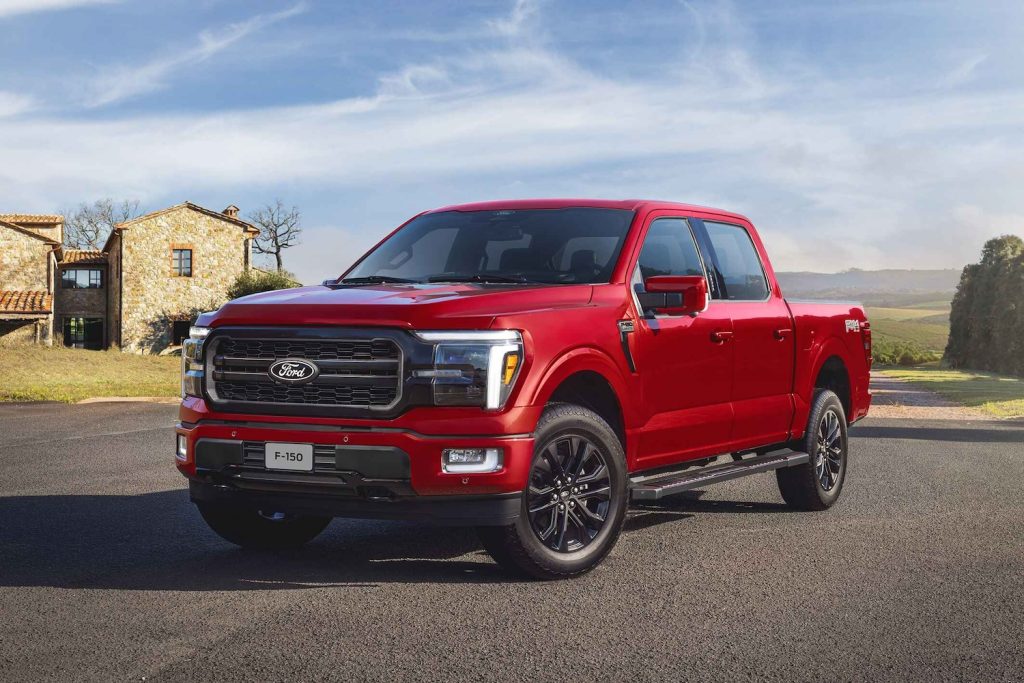
Ford faced another major safety challenge in April 2026 when it announced a recall involving 1,392,935 F-150 pickups from the 2015, 2016, and 2017 model years. Registered under NHTSA campaign number 26V237, the campaign focused on trucks equipped with a six-speed automatic transmission.
Unlike the previous recall, which involved trailer communication, this problem directly affected the vehicle’s transmission behavior and could cause an unexpected reduction in speed.
The defect involved an intermittent loss of communication between the transmission range sensor (TRS) and the powertrain control module (PCM). The sensor helps the vehicle identify the transmission’s selected gear.
If its signal becomes unreliable, the control module may receive incorrect information and command an unintended downshift into second gear. At highway speeds, such an abrupt change can significantly affect vehicle stability and potentially cause the rear wheels to lose traction.
The safety implications were serious enough to attract federal regulatory attention. The National Highway Traffic Safety Administration had investigated reports involving unexpected downshifting before Ford issued the recall.
Reuters reported that the agency’s investigation identified two potentially related injuries and one accident. These figures highlight why transmission-related defects cannot be dismissed as ordinary mechanical inconveniences.
Ford’s proposed solution involved updating the powertrain control module software. Dealers would perform the repair without charging owners. Ford also provided additional coverage for certain transmission lead-frame replacements when qualifying diagnostic trouble codes were present.
For owners, the important detail was that this recall covered nearly 1.4 million older pickups, not every F-150 produced during those years. Vehicle identification numbers were necessary to establish eligibility.
The campaign was particularly significant because an unexpected gear change can turn a familiar highway drive into a potentially dangerous situation within seconds.
3. Ram 1500: 1.27 Million Vehicles Recalled Over Rear Seat Belt Anchorage Defect
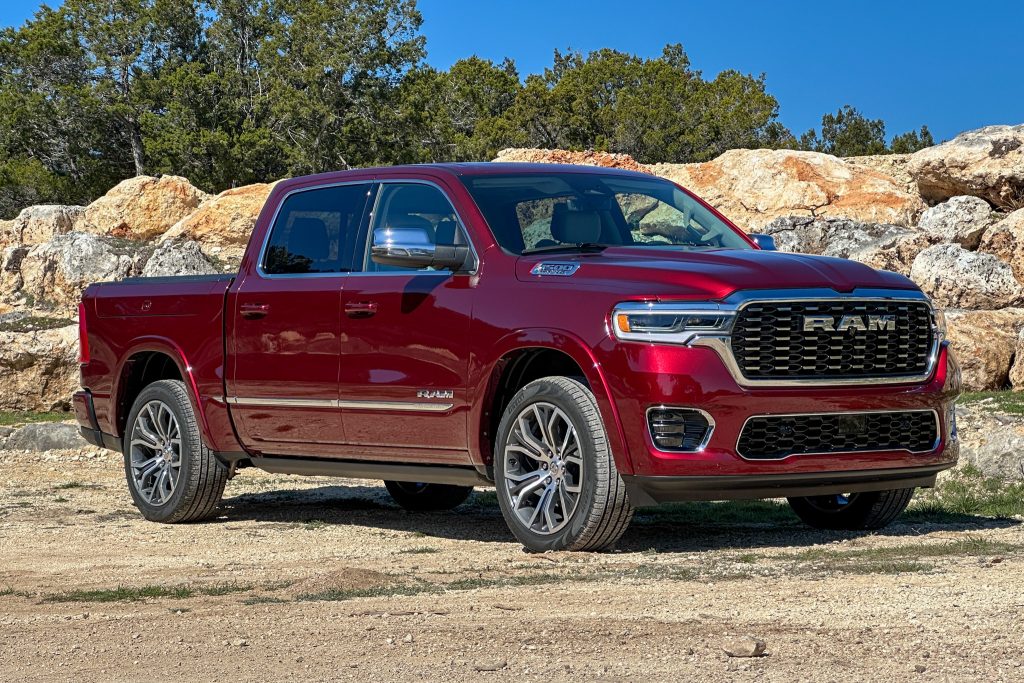
The Ram 1500 became part of one of the largest safety campaigns of 2026 when Chrysler announced a recall involving approximately 1,271,294 pickup trucks in July.
The campaign, registered under NHTSA recall number 26V495, covered certain 2019-2026 Ram 1500 models. The defect involved the second-row center and left-side seat belt buckle anchorages, which may not have been installed correctly during vehicle production.
Although seat belts are among the most basic safety features in any vehicle, their effectiveness depends on properly secured mounting points.
In this case, an incorrectly installed buckle anchorage could fail to restrain an occupant as intended during a collision. That creates an increased risk of injury, particularly for passengers sitting in the rear seats.
The problem also raised concerns about compliance with Federal Motor Vehicle Safety Standard 210, which establishes requirements for seat belt assembly anchorages.
Importantly, the recall population represents vehicles that could contain the manufacturing problem. It does not mean every truck included in the campaign necessarily has an incorrectly installed component.
Chrysler instructed owners to have their vehicles inspected by authorized dealerships. Technicians would examine the affected seat belt buckle anchorages and secure them to the vehicle’s body structure where necessary. The repair would be completed without charge.
Owner notification letters were scheduled to begin on August 18, 2026. Drivers could also check their vehicle identification numbers through NHTSA’s recall database to establish whether their particular pickup was included.
The campaign underscored an important safety concern for pickup owners. Even vehicles equipped with modern driver-assistance systems and advanced crash protection can pose serious risks when something as seemingly minor as a seat belt is installed incorrectly.
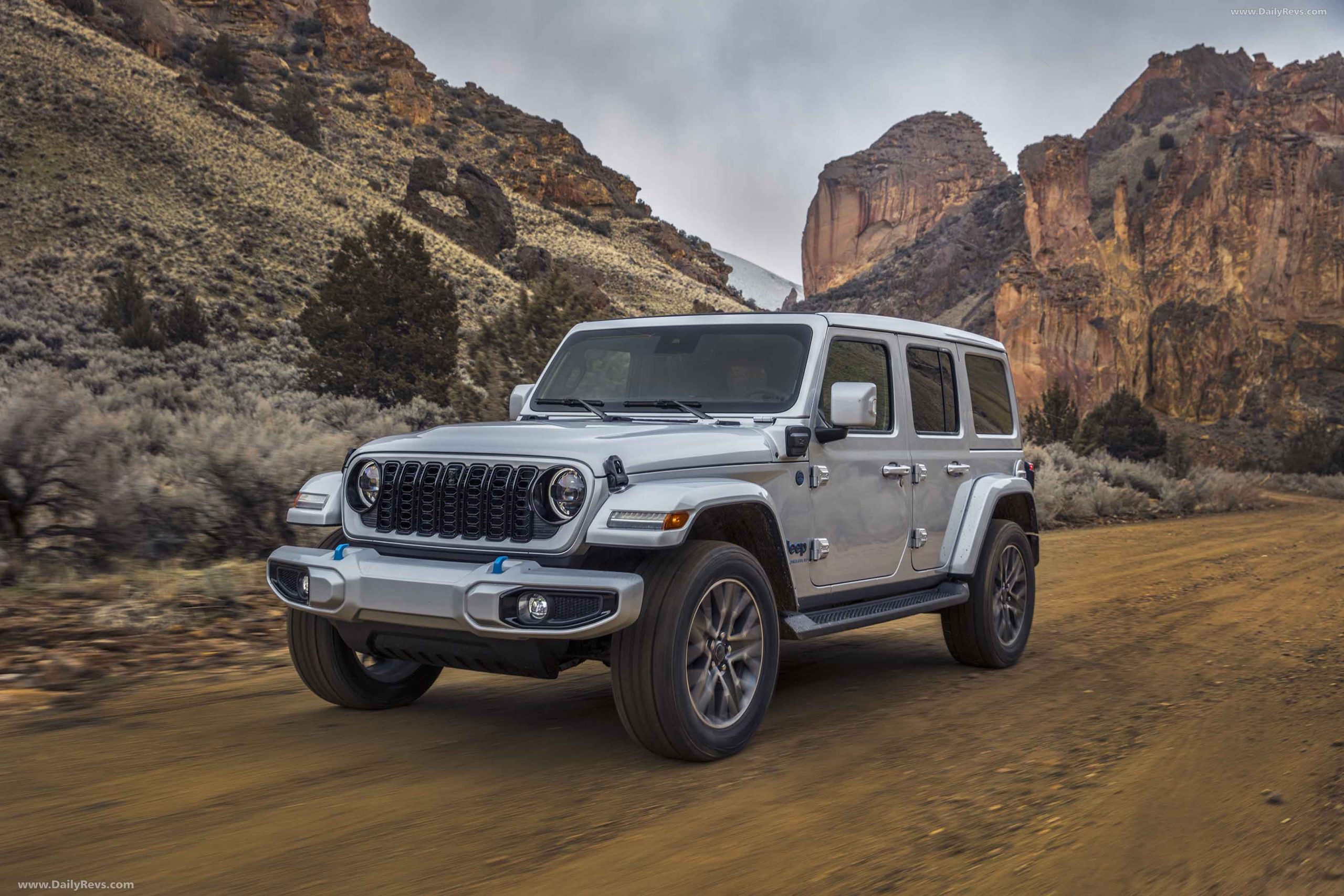
4. Jeep Wrangler and Gladiator: 1.07 Million Vehicles Recalled Over Fire Risk
Chrysler issued a particularly serious recall in June 2026 involving 1,076,999 Jeep Wrangler and Gladiator vehicles from the 2021-2025 model years. Unlike recalls involving software updates or minor compliance issues, this campaign involved a potential fire hazard that could develop even when a vehicle was switched off.
The problem was traced to an electrical connection in the electric hydraulic power steering pump wiring. Under certain conditions, the connection could develop excessive electrical resistance, generating heat around the wiring and surrounding components. If temperatures became sufficiently high, combustible materials could ignite, creating a fire risk.
The National Highway Traffic Safety Administration identified the issue under campaign number 26V363. According to the agency’s June 9 consumer alert, investigators were aware of 51 fires and one injury potentially associated with the defect when the warning was issued.
These reports made the campaign particularly concerning because owners could face a fire risk while their vehicles were parked.
NHTSA advised affected owners to park their vehicles outside and away from buildings or other vehicles until the necessary repair was completed. This was an important precaution because simply turning off the ignition would not necessarily eliminate the electrical hazard.
The remedy involved inspecting the affected wiring and electric hydraulic power steering pump, with replacement of components where necessary. Authorized Jeep dealerships would perform the work free of charge.
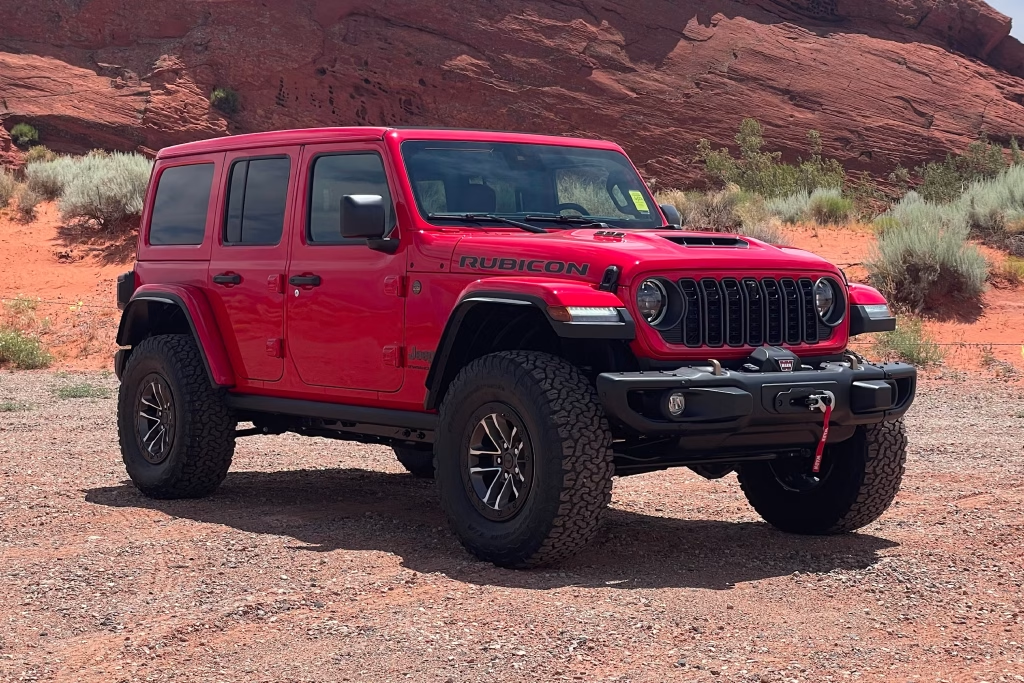
The recall covered gas-powered, diesel, and plug-in hybrid versions of the affected Wrangler and Gladiator models. Owners were advised to check their VINs rather than assume every vehicle from the listed model years was included.
For Jeep, this was a significant safety campaign because the potential consequences extended beyond vehicle damage to the possibility of fires involving nearby property and people.
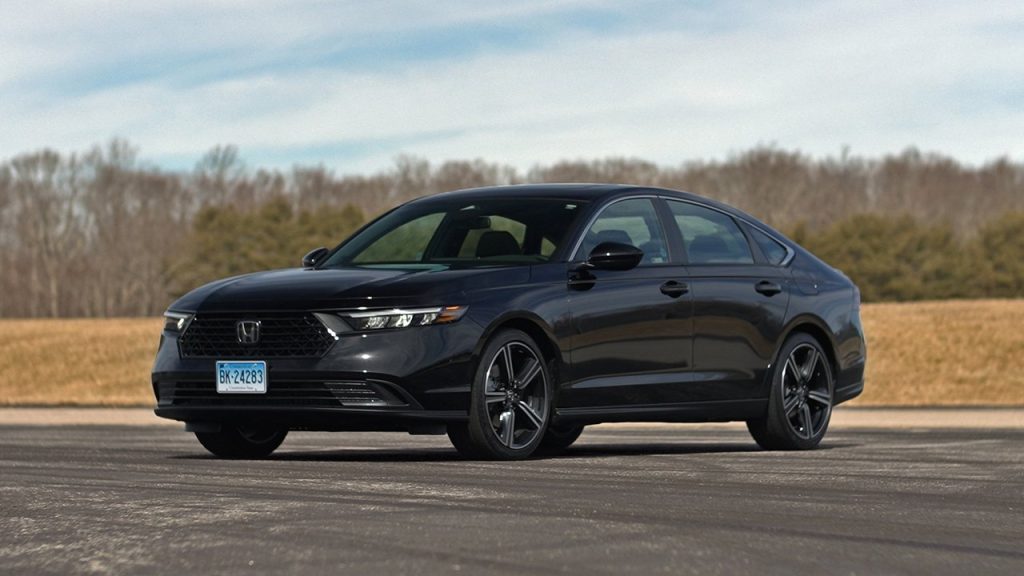
5. Honda Accord Hybrid and CR-V Hybrid: More Than 1 Million Vehicles Recalled Over Tire Repair Kit Defect
Honda announced a recall in June 2026 involving approximately 1,048,613 vehicles equipped with a particular tire repair kit. The campaign, identified by NHTSA as 26V366, affected certain 2023-2026 Honda Accord Hybrid and CR-V Hybrid models, along with the 2025-2026 CR-V Fuel Cell EV.
The issue was not related to the tires themselves but to the sealant bottle supplied with the emergency tire repair equipment.
The problem involved pressure building up inside the sealant bottle during use. Under certain conditions, the increased pressure could cause the bottle cap to detach unexpectedly. If that happened while someone was operating the repair equipment, the cap could become a projectile and strike the user or another person standing nearby.
This defect was particularly relevant because tire repair kits are intended to provide drivers with a convenient temporary solution when a puncture occurs away from home. Owners may use the equipment alongside a roadside vehicle or in an unfamiliar location, making unexpected component failure an additional safety concern.
Honda’s recall documentation identified the possibility of injury from a detached cap. The company planned to replace the affected tire repair kit nozzle or sealant bottle through authorized dealerships at no cost to owners.
Honda also issued interim notifications explaining the potential hazard while the final repair arrangements were being completed. The campaign was unusual because it involved emergency equipment supplied with vehicles rather than a conventional engine, transmission, or suspension component.
Owners should not assume that a functioning vehicle is free from recall-related concerns simply because the defect affects equipment stored in the vehicle. Emergency repair accessories are also part of the ownership experience and can create safety problems when they fail.
Affected owners were encouraged to check their VINs and follow Honda’s instructions before using the equipment.
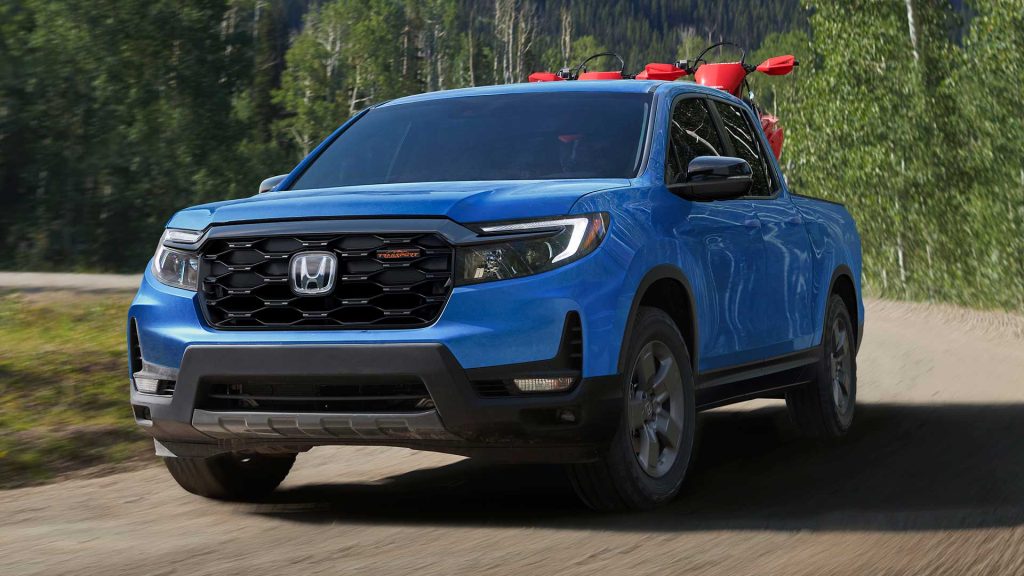
6. Honda Pilot, Passport, Ridgeline and Acura MDX: 965,561 Vehicles Recalled Over Rear Subframe Corrosion
American Honda announced another substantial recall in June 2026, this time involving 965,561 Honda and Acura vehicles. The campaign covered certain 2016-2022 Honda Pilot, 2017-2023 Honda Ridgeline, 2019-2023 Honda Passport, and 2014-2020 Acura MDX models.
Registered under NHTSA campaign number 26V365, the recall addressed a corrosion problem affecting the rear subframe.
The defect was associated with inadequate protective coating specifications during manufacturing.
In regions where road salt and chemical de-icing agents are regularly used during winter, moisture and corrosive materials can accelerate deterioration of exposed metal components. The affected rear subframe mounting points could therefore experience corrosion over time.
This was not simply a cosmetic rust concern. The rear subframe supports important suspension components, and excessive corrosion around its mounting points could eventually cause structural damage.
If the mounting areas fractured, components such as the rear control arms could become compromised, potentially affecting handling and increasing the risk of a crash.
The geographical distribution of the affected vehicles was particularly important. The recall focused on vehicles sold in 24 U.S. states and the District of Columbia, including areas where winter road treatments are commonly used. A vehicle’s model year alone was not sufficient to determine eligibility because its sales history and identification number also mattered.
Honda and Acura dealerships were instructed to inspect the rear subframe, install a reinforcement kit, and repair or replace damaged components when necessary. These repairs would be performed free of charge.
The campaign demonstrated why corrosion protection is an important part of vehicle engineering, particularly in areas exposed to harsh winter conditions. A structural component can deteriorate gradually without providing drivers with an obvious warning before the damage becomes serious.
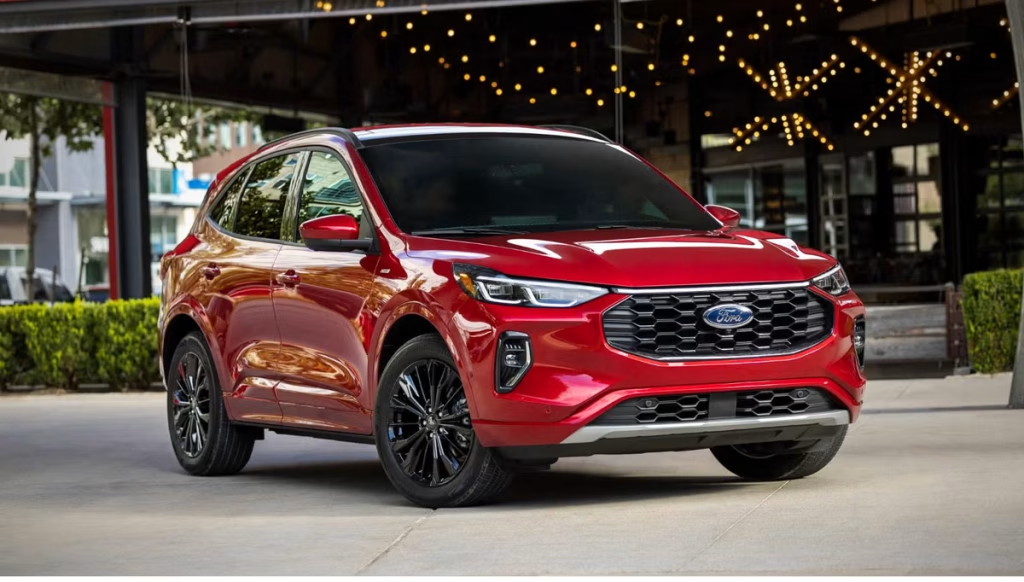
7. Ford Escape, Explorer, Lincoln Corsair and Aviator: 889,950 Vehicles Recalled Over Rearview Camera Display
Ford announced another major recall in March 2026, involving approximately 889,950 vehicles across several popular Ford and Lincoln models. The campaign, identified under NHTSA number 26V123, covered certain 2020-2022 Ford Escape, 2020-2024 Ford Explorer, 2020-2024 Lincoln Aviator, and 2020-2022 Lincoln Corsair vehicles.
The problem involved the rearview camera system, which could display an inverted or incorrectly oriented image when the driver selected reverse. This defect could make it difficult to judge the position of obstacles, pedestrians, and other vehicles behind the car.
Drivers relying on the camera while reversing could therefore misinterpret the surrounding environment and potentially cause a collision.
Modern rearview camera systems are particularly important in larger SUVs because their body dimensions and rear visibility limitations can make reversing more challenging.
Although conventional mirrors remain available, an incorrectly displayed camera image can create confusion, especially when drivers have become accustomed to relying on electronic assistance.
Ford identified the issue as a potential violation of Federal Motor Vehicle Safety Standard 111, which establishes requirements for rear visibility systems. The recall covered vehicles potentially equipped with the affected camera configuration, rather than every vehicle produced under the listed model names.
The manufacturer planned a software-based remedy to correct the camera display problem. However, the repair arrangements and availability differed between individual recall campaigns, so owners were instructed to follow the notification applicable to their vehicle.
The recall attracted attention because it demonstrated how electronic safety equipment can introduce risks when its software does not function correctly. A camera system designed to improve visibility can become a safety concern when it provides drivers with misleading information.
Owners were advised to check their VINs through NHTSA or Ford’s official recall service and arrange the necessary repair without charge.
8. Ford Bronco and Edge: 849,310 Vehicles Recalled Over Rearview Camera Failure
Ford’s second major rearview camera recall in March 2026 affected approximately 849,310 vehicles, including certain 2021-2026 Ford Bronco and 2021-2024 Ford Edge models. Although it was announced alongside another large camera-related campaign, this recall involved a different technical problem and a separate NHTSA identification number, 26V124.
The defect centered on the Accessory Protocol Interface Module (APIM), an electronic component responsible for managing certain infotainment and vehicle display functions. Under certain conditions, the module could overheat and shut down.
When this happened, the rearview camera image might fail to appear on the vehicle’s media screen after the driver selected reverse.
Losing the camera display can be particularly problematic when parking in crowded areas, reversing out of driveways, or maneuvering around pedestrians and obstacles. Drivers may have limited visibility directly behind their vehicles, and the absence of the expected camera image can increase the likelihood of a collision.
The problem also raised concerns about compliance with Federal Motor Vehicle Safety Standard 111, which governs rear visibility requirements for passenger vehicles.
Ford’s proposed remedy involved updating the APIM software. Depending on the vehicle’s configuration, the update could be completed through an authorized dealership or delivered through an over-the-air software update. Owners would not have to pay for the recall repair.
The company estimated that the affected vehicles in this campaign contained the defect, making the recall particularly significant despite the fact that no related crashes or injuries had been reported at the time of the announcement.
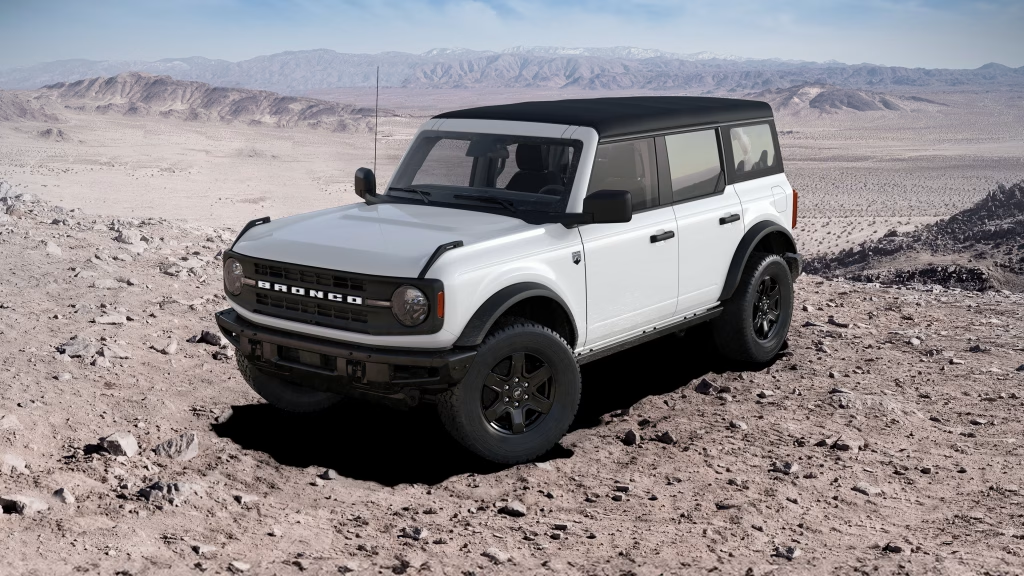
For Bronco and Edge owners, the campaign was a reminder that electronic components deserve the same attention as traditional mechanical systems. A vehicle can have perfectly functioning brakes and steering but still present a safety concern when an essential visibility feature stops working.
9. Jeep Wrangler, Grand Cherokee, Ram 1500 and Other Stellantis Models: 844,028 Vehicles Recalled Over Backup Camera Failure
Chrysler announced another extensive safety campaign in August 2026, affecting approximately 844,028 vehicles across several brands under the Stellantis group.
The recall, registered as NHTSA campaign 26V531, covered certain 2026 Jeep, Ram, Chrysler, and Dodge vehicles, including the Wrangler, Gladiator, Compass, Grand Cherokee, Grand Wagoneer, Ram 1500, Ram 2500, ProMaster, Pacifica, Voyager, and Dodge Charger.
The issue involved the rearview camera system, which could fail to display an image when the driver shifted into reverse. This reduced the driver’s view behind the vehicle and increased the possibility of hitting pedestrians, objects, or other vehicles during reversing maneuvers.
The defect also created a federal compliance concern because affected vehicles could fail to meet Federal Motor Vehicle Safety Standard 111, which establishes requirements for rear visibility. Backup cameras have become an essential safety feature in modern vehicles, particularly larger SUVs, pickups, and vans with substantial blind areas behind them.
Chrysler identified a software-related problem affecting the radio system responsible for displaying the rearview image. Depending on the vehicle, the failure could occur without warning, meaning drivers might not know the camera had stopped functioning until they selected reverse.
The manufacturer planned to provide a software update to correct the problem. According to the manufacturer’s recall information, an over-the-air update was expected to become available in September 2026. Owners who could not successfully install the update were advised to seek assistance from an authorized dealership.
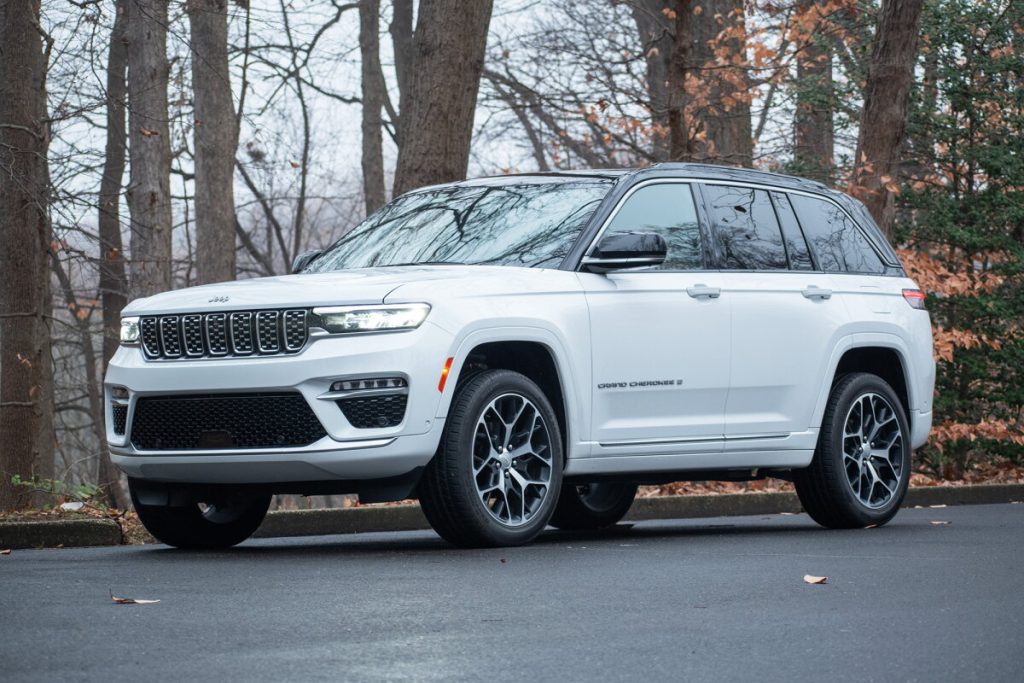
The campaign was notable because it affected several vehicle categories rather than a single model. It also demonstrated how manufacturers increasingly depend on shared electronic platforms across multiple brands, meaning one software-related defect can affect a substantial number of vehicles.
Affected owners should verify their vehicle identification numbers and confirm that the required update has been successfully installed.
10. Ford Expedition, Explorer, Lincoln Navigator, Aviator and F-150: 741,195 Vehicles Recalled Over Transmission Park System Defect
Ford rounded out this list with a June 2026 recall involving approximately 741,195 vehicles. The campaign, registered under NHTSA number 26V402, affected certain 2018-2021 Lincoln Navigator and Ford Expedition models, 2020-2021 Ford Explorer and Lincoln Aviator vehicles, and 2021 Ford F-150 pickups.
The defect involved the transmission park system. Under certain conditions, the transmission park pawl could engage while the vehicle was moving.
The park pawl is a mechanical component designed to prevent the transmission from rotating when the driver selects Park. If it engages unexpectedly while the vehicle is in motion, it can cause damage to the parking mechanism and create a potential vehicle rollaway hazard.
This problem is particularly concerning because drivers generally expect the Park position to secure their vehicles once they have stopped. However, damage to the parking system could compromise its ability to hold the vehicle properly, potentially allowing unintended movement and increasing the risk of a crash.
Ford identified the problem as a transmission-related safety defect and developed a repair involving a powertrain control module software update. Dealership technicians would also inspect the affected transmission components and replace damaged parts when necessary.
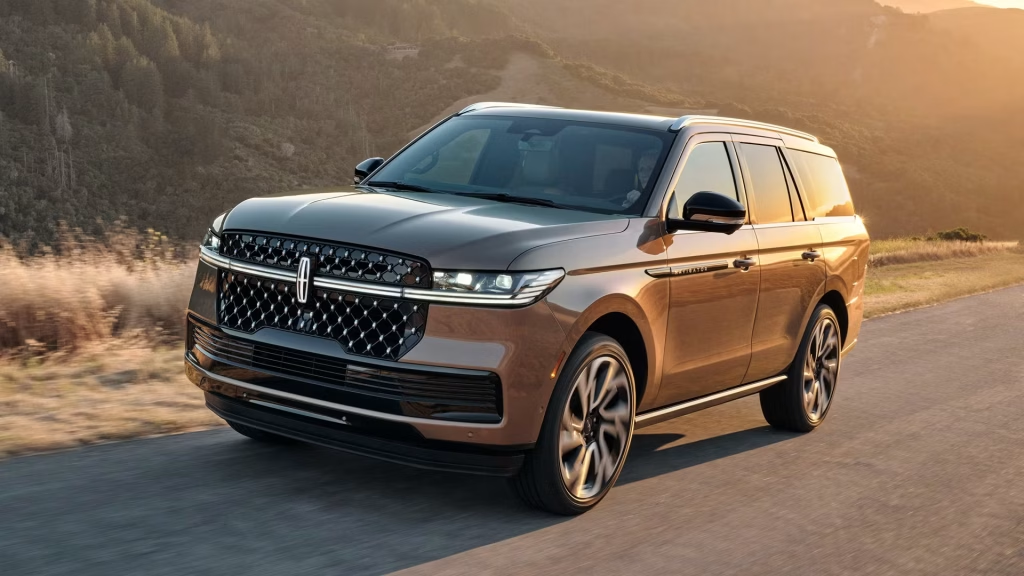
The recall was unusual because the risk involved the vehicle’s ability to remain securely parked, rather than a conventional problem with acceleration, braking, or steering. It also covered several large Ford and Lincoln vehicles, including pickups and full-size SUVs.
Ford initially planned to send interim notification letters beginning August 3, 2026. However, the final remedy was expected to require additional development, with further notifications anticipated in April 2027.
Owners should follow the instructions provided in their recall notices and check their VINs for the latest repair information. The campaign also highlights that transmission safety goes beyond smooth gear changes, as the parking mechanism plays a critical role in preventing unintended vehicle movement.