

Buying a used car can save thousands of dollars, but the purchase price is only part of the financial commitment. Repair bills, replacement parts, labor charges, and unexpected mechanical problems can quickly turn an affordable vehicle into an expensive ownership experience.
Fortunately, several used cars have established reputations for dependable engineering and relatively inexpensive repairs in the United States.
Models with widely available parts, straightforward mechanical designs, and strong reliability records are particularly attractive to budget-conscious buyers. Here are eight used cars worth considering, supported by American repair-cost data and reliability ratings.
1. Toyota Yaris
The Toyota Yaris deserves the first position because its repair expenses are among the lowest reported for any mainstream used car. According to RepairPal, the Yaris has an average annual repair and maintenance cost of approximately $333, compared with $652 across all vehicle models.
Its reliability rating is 4.5 out of 5, placing it first among 21 subcompact cars in RepairPal’s assessment. The combination makes it an appealing option for drivers who want affordable transportation without committing to expensive repairs.
One reason the Yaris makes financial sense is its relatively straightforward mechanical package. Depending on the model year, American-market examples feature compact four-cylinder engines and conventional automatic or manual transmissions.
These configurations are familiar to independent repair shops, while replacement components are generally easier to source than specialized parts for luxury vehicles. The car’s smaller dimensions also make it suitable for urban commuting and everyday parking.
Used buyers should pay particular attention to the vehicle’s service history. Older examples can develop problems involving suspension components, engine mounts, air-conditioning equipment, and electrical accessories.
RepairPal lists certain individual repairs, such as alternator replacement, with estimated costs that can reach several hundred dollars. A low average annual figure does not mean every repair will be inexpensive.
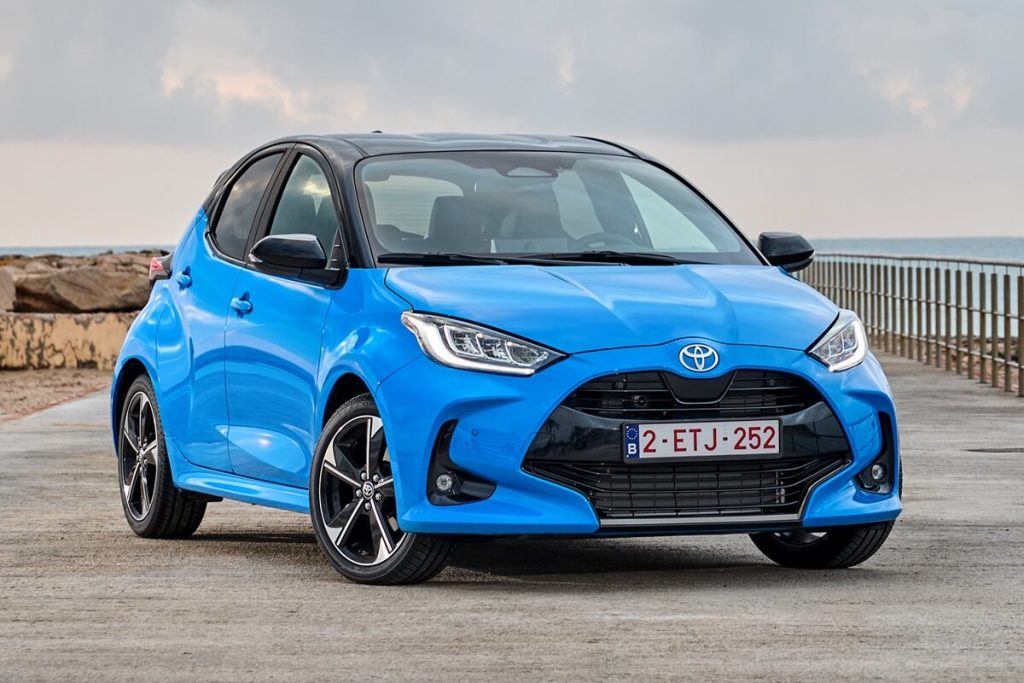
The Yaris was discontinued in the American market after the 2020 model year, so buyers will be shopping for an older vehicle. That makes condition, mileage, accident history, and maintenance documentation especially important.
For someone prioritizing inexpensive ownership over a spacious interior or powerful performance, the Yaris remains a sensible used-car candidate.
2. Toyota Corolla
Few compact cars have built the same reputation for affordable ownership as the Toyota Corolla. RepairPal reports an average annual repair and maintenance expense of approximately $362, substantially below its $652 average across all vehicle models.
Its reliability rating stands at 4.5 out of 5, ranking it first among 36 compact cars. These figures make the Corolla an especially strong choice for people searching for a used vehicle that will not regularly strain their maintenance budget.
The Corolla’s popularity in the United States provides another practical advantage. Because Toyota has sold large numbers of these cars, independent mechanics are generally familiar with their engines, transmissions, suspension systems, and common maintenance requirements.
Replacement parts are widely available, giving owners alternatives to dealership servicing when the vehicle is outside its warranty period.
Buyers can find several generations on the used market, including examples equipped with naturally aspirated four-cylinder engines.
Depending on the year and trim, transmission choices include conventional automatic, manual, and continuously variable transmissions. The simpler naturally aspirated configurations can be attractive to buyers who prefer to avoid the additional complexity of turbocharged engines.
However, a Corolla should never be purchased solely because of its reputation. Certain older examples may have oil-consumption concerns, worn suspension components, neglected transmission fluid, or cooling-system problems. RepairPal also lists individual repairs that can become expensive, including cylinder-head and radiator replacements.
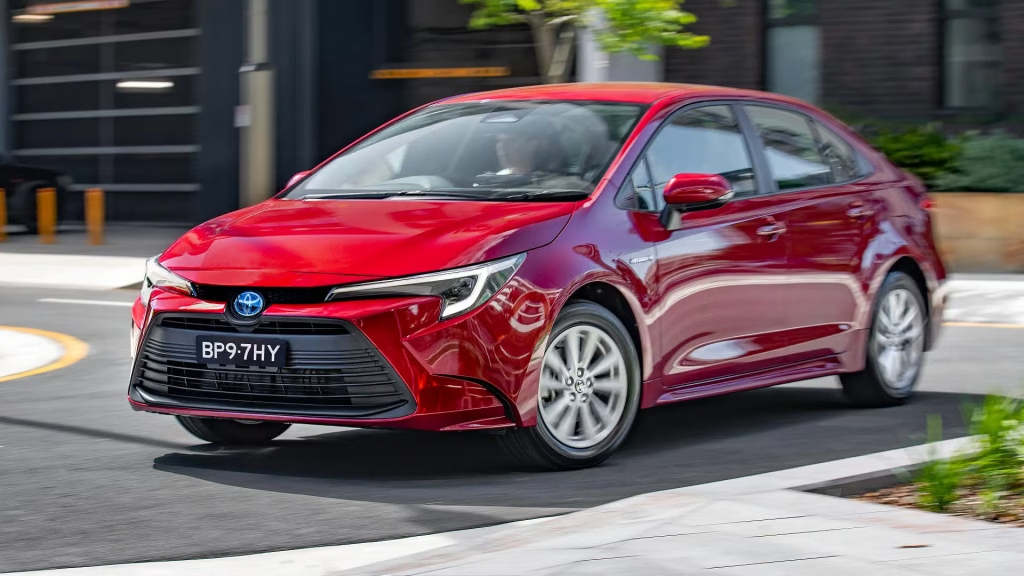
A sensible shopping strategy is to prioritize documented oil changes, consistent maintenance, and a clean vehicle history rather than paying extra for an unusually low odometer reading.
The Corolla’s combination of inexpensive average repairs, widespread parts availability, and strong reliability data makes it one of the most convincing choices for budget-conscious used-car buyers.
3. Honda Civic
The Honda Civic is a particularly attractive used-car purchase for drivers who want dependable transportation without sacrificing driving enjoyment. RepairPal estimates its average annual repair and maintenance cost at approximately $368, compared with $652 for vehicles across all categories.
Its reliability rating is 4.5 out of 5, ranking third among 36 compact cars. Those figures make the Civic one of the strongest options for buyers trying to keep unexpected workshop expenses under control.
Part of the Civic’s appeal comes from its long production history and extensive availability throughout the American used-car market. Buyers can choose from multiple generations, including models with naturally aspirated four-cylinder engines and conventional automatic or continuously variable transmissions.
This gives shoppers plenty of opportunities to find a configuration that suits their budget and driving requirements.
Another advantage is the availability of replacement components. Routine service items such as brake pads, filters, spark plugs, and suspension components are widely available. Independent mechanics also have considerable experience working on the Civic, which can help owners avoid paying dealership labor rates for routine repairs.
Nevertheless, not every generation deserves an automatic recommendation. Certain older models have experienced issues involving air-conditioning systems, premature transmission wear, and engine-related problems. Some newer examples also require careful examination of their maintenance history and any outstanding recalls.
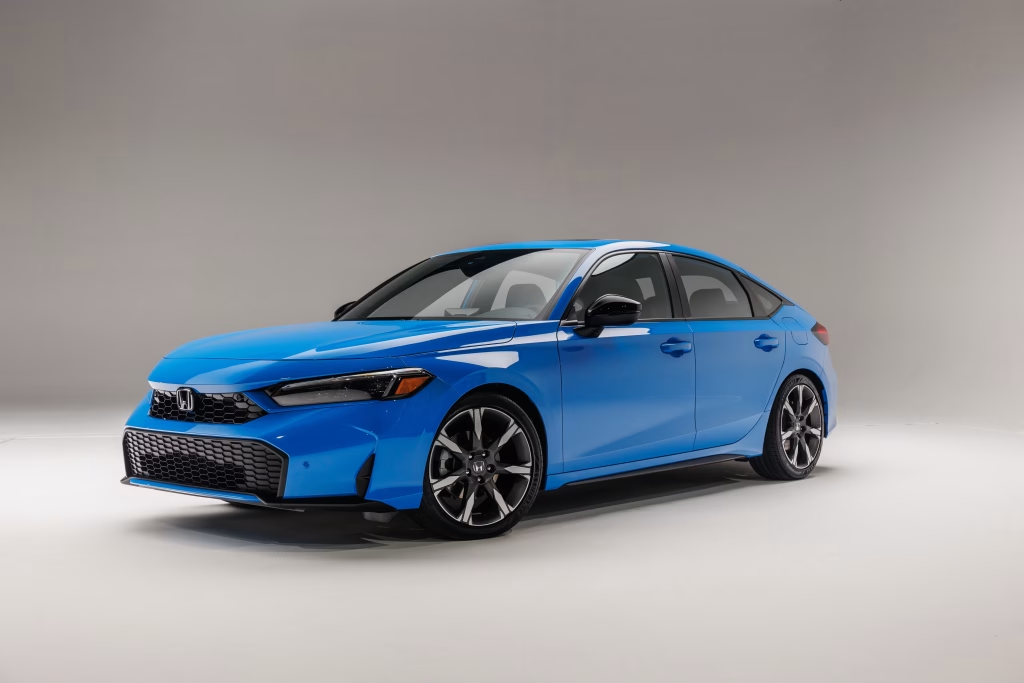
Before purchasing, arrange an independent inspection and check for oil leaks, unusual engine noises, worn suspension bushings, and transmission hesitation. Buyers considering turbocharged versions should also confirm that oil changes were performed according to the manufacturer’s schedule.
The Civic offers a useful balance of affordable repairs, everyday practicality, and engaging road manners. For someone who wants more than basic transportation but still values a manageable ownership budget, it is a convincing choice.
4. Toyota Camry
A larger sedan does not necessarily have to come with expensive repair bills, and the Toyota Camry is a good example. RepairPal estimates its average annual repair and maintenance cost at approximately $388, considerably below the $652 average across all vehicle models.
Its established reliability record makes it particularly appealing to families and commuters who need additional passenger space without moving into luxury-car ownership expenses.
The Camry has been sold in the United States for decades, giving used buyers access to a wide selection of model years and configurations.
Older examples commonly feature naturally aspirated four-cylinder or V6 engines, while newer generations have also offered hybrid powertrains. This variety allows shoppers to prioritize purchase price, fuel economy, or performance according to their needs.
One of the Camry’s strongest financial advantages is its widespread parts and service network. Independent repair facilities regularly work on Toyota sedans, and commonly replaced components are generally easy to obtain.
Routine maintenance involving brakes, filters, tires, fluids, and suspension parts is also familiar territory for most American workshops.
However, the Camry is not immune to age-related mechanical problems. Some older generations have documented engine oil-consumption concerns, while high-mileage vehicles may need suspension repairs, water pumps, alternators, or air-conditioning work.
Hybrid versions require additional attention to the condition of their battery systems and associated electrical components.
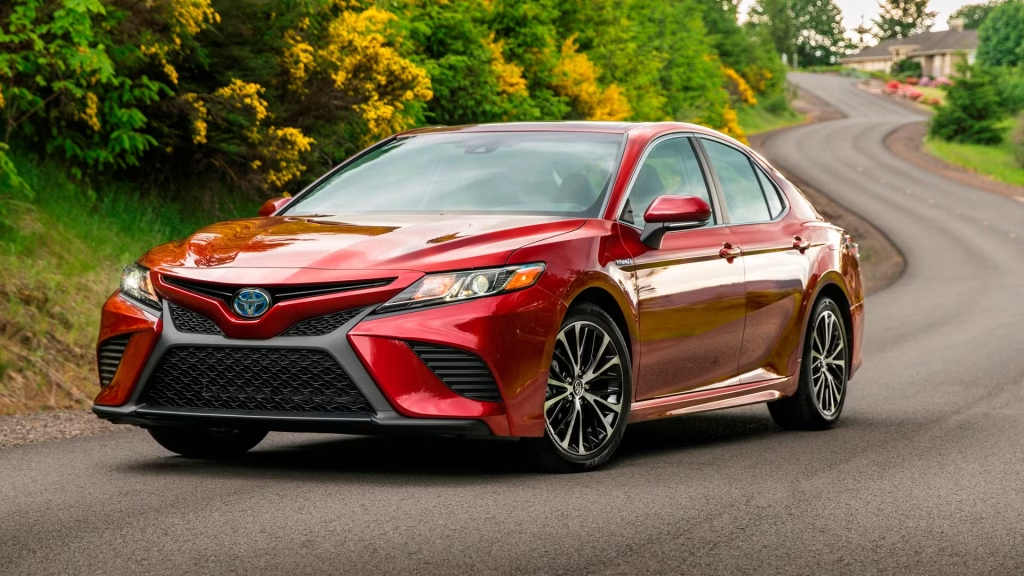
A pre-purchase inspection should include a cooling-system check, transmission assessment, examination of the suspension, and a scan for stored diagnostic trouble codes. Buyers should also verify whether any outstanding recalls apply.
The Camry is particularly suitable for people who regularly cover long highway distances. It provides comfortable seating, useful cabin space, and a reputation for relatively inexpensive repairs, making it a strong candidate for long-term used ownership.
5. Honda Fit
Small dimensions can bring substantial ownership advantages, and the Honda Fit demonstrates this particularly well. RepairPal reports an average annual repair and maintenance cost of approximately $390, while its reliability rating stands at 4.5 out of 5.
It ranks fourth among 21 subcompact cars in RepairPal’s reliability assessment. These figures put it comfortably below the average annual repair expense of $652 across all vehicle models.
The Fit’s biggest practical advantage is its clever interior packaging. Despite its compact exterior, the hatchback offers a surprisingly versatile cabin with Honda’s Magic Seat arrangement on applicable model years.
The rear seats can fold in different configurations, making it easier to transport groceries, luggage, and larger everyday items.
Under the hood, American-market models generally use a naturally aspirated four-cylinder engine. Depending on the generation, buyers can find manual and automatic transmission options. The absence of a turbocharger in these configurations means fewer forced-induction components to maintain, although it does not eliminate the possibility of mechanical failures.
RepairPal identifies several common Fit problems, including HVAC blower fan resistor failures and drivability complaints involving certain vehicles. Its repair estimates also show that some individual jobs can become expensive. For example, an air-conditioning expansion valve replacement is estimated at approximately $497 to $722, depending on the circumstances.
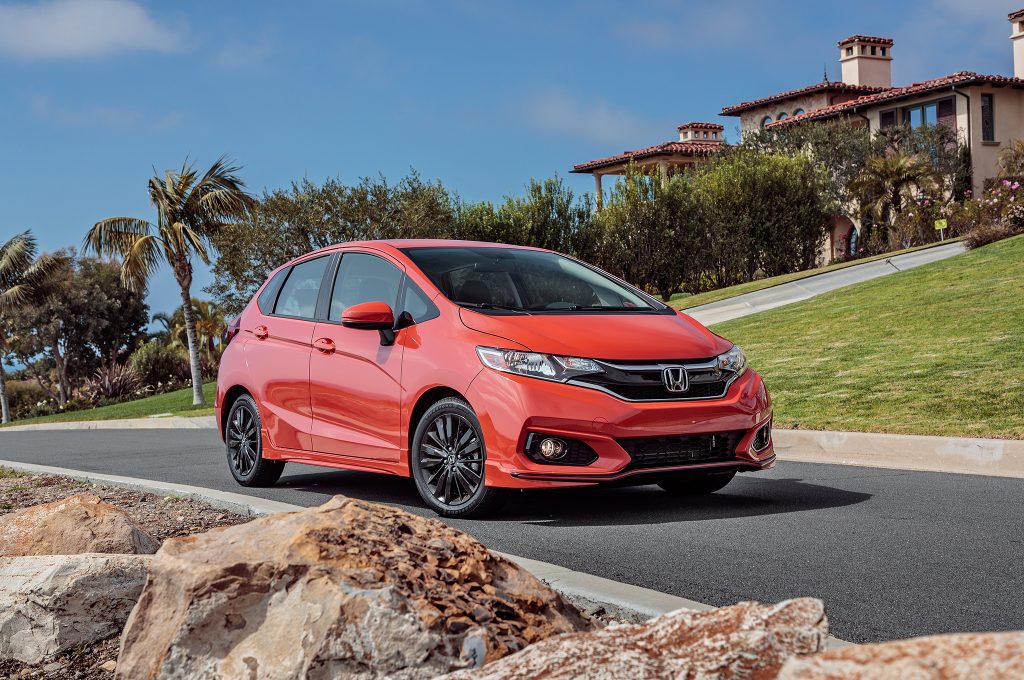
Since Honda discontinued the Fit in the American market after 2020, buyers should focus on maintenance documentation and vehicle condition. Pay particular attention to transmission operation, air-conditioning performance, suspension noises, and signs of previous accident damage.
For city drivers, students, and small households, the Fit delivers an appealing combination of practical storage, economical operation, and manageable repair expenses.
6. Hyundai Elantra
The Hyundai Elantra deserves consideration from buyers who want a relatively modern compact sedan without paying premium prices for maintenance.
RepairPal places its average annual repair and maintenance cost at approximately $452, compared with $652 across all vehicle models. Its reliability rating is 4.5 out of 5, ranking eighth among 36 compact cars.
The Elantra’s appeal extends beyond its repair-cost figures. American-market examples are available with a variety of naturally aspirated four-cylinder engines, while certain generations also offer turbocharged options. Buyers can therefore choose between straightforward everyday transportation and versions with stronger performance.
Parts availability is another advantage. Hyundai has a substantial presence in the American automotive market, and common service components are generally accessible through dealerships and independent parts suppliers. This helps keep routine maintenance manageable, particularly for popular model years.
Nevertheless, choosing the correct engine and model year matters. Certain Hyundai vehicles have been affected by serious engine-related problems and theft concerns. Some naturally aspirated engines have also been involved in manufacturer recalls or warranty-extension programs.
Buyers should check the VIN for outstanding campaigns and investigate whether the vehicle has received all applicable repairs.
A detailed inspection is especially important for used examples with incomplete service records. Look for abnormal engine noises, oil leaks, warning lights, transmission hesitation, and evidence of neglected oil changes.
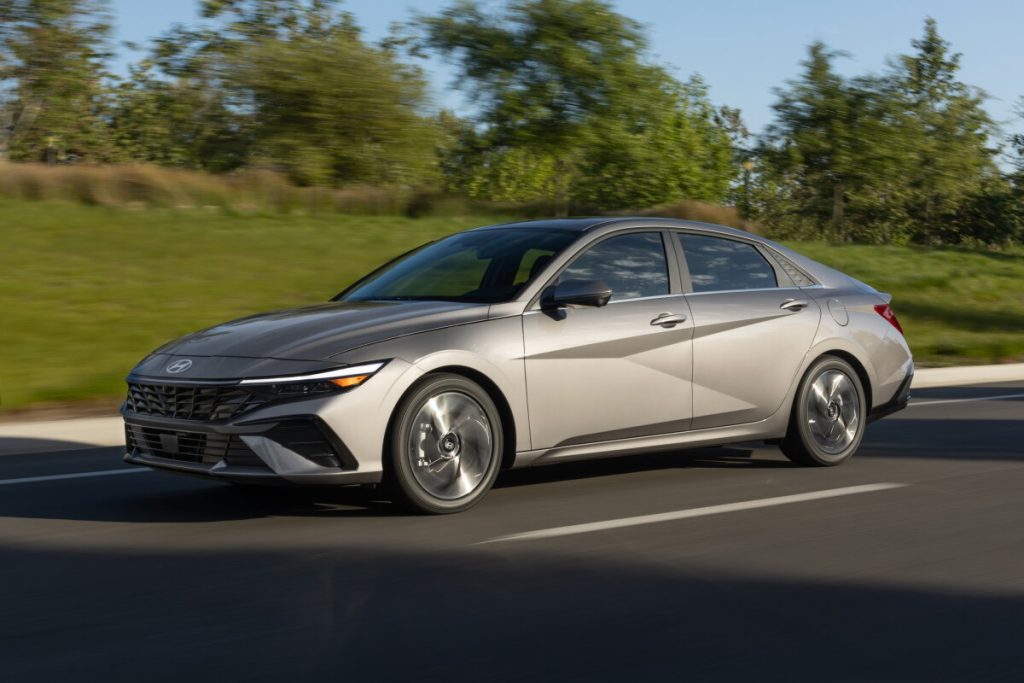
Turbocharged models deserve additional attention because their engine and intake systems have more components than naturally aspirated alternatives.
The Elantra makes sense for commuters seeking a comfortable cabin, useful technology, and relatively affordable maintenance. However, its low average repair figure should never replace an inspection of the specific vehicle being considered.
7. Kia Rio
The Kia Rio is an appealing alternative for used-car buyers who want a small, economical vehicle with relatively inexpensive repair requirements. RepairPal estimates its average annual repair and maintenance cost at approximately $434, while its reliability rating is 4.5 out of 5. It ranks sixth among 21 subcompact cars in the company’s reliability assessment.
Its mechanical simplicity is one of its main attractions. American-market examples generally use naturally aspirated four-cylinder engines, with transmission choices varying by model year and trim. This straightforward approach makes the Rio suitable for drivers who do not need high performance or complicated mechanical equipment.
The vehicle’s relatively compact dimensions also make it convenient for city driving. Parking is easier than with larger sedans, and routine replacement components such as brake pads, filters, and suspension parts are generally available through American automotive parts retailers.
However, shoppers should not overlook the Rio’s known problem areas. Certain model years have experienced engine-related complaints, electrical issues, and transmission concerns. Some vehicles equipped with key-operated ignition systems have also been affected by theft-related security problems involving inadequate engine immobilizer protection.
Buyers should verify the specific vehicle’s security equipment and check whether applicable software updates or manufacturer remedies have been completed.

Maintenance history should be a major part of the purchasing decision. Check for regular oil changes, inspect the cooling system, and test the transmission under different driving conditions. A professional inspection can also identify suspension wear and previous collision repairs.
Kia discontinued the Rio in the United States after the 2023 model year, meaning buyers will need to shop among used examples. Its low average repair costs make it attractive, but purchasing a well-maintained vehicle is far more important than finding the cheapest listing.
8. Toyota Prius
For drivers who cover substantial distances every year, the Toyota Prius offers a combination of fuel efficiency and comparatively manageable repair expenses.
RepairPal estimates its average annual repair and maintenance cost at approximately $408, well below the $652 average across all vehicle models. Its reliability rating is 4.0 out of 5, placing it tenth among 24 midsize cars in the company’s assessment.
The Prius uses a hybrid powertrain combining a gasoline engine with electric motors and a high-voltage battery. Unlike a conventional gasoline vehicle, it can recover energy during braking and use that electricity to assist propulsion. This arrangement helps reduce fuel consumption, particularly in stop-and-go traffic.
Another advantage is the absence of a conventional belt-driven starter motor and traditional alternator in many Prius generations.
Its hybrid system also uses an electronically controlled continuously variable transmission rather than a conventional stepped automatic. However, the hybrid architecture introduces components that require specialist knowledge when repairs become necessary.
Potential expenses include high-voltage battery replacement, inverter-related repairs, cooling-system work, and hybrid-system diagnostics.
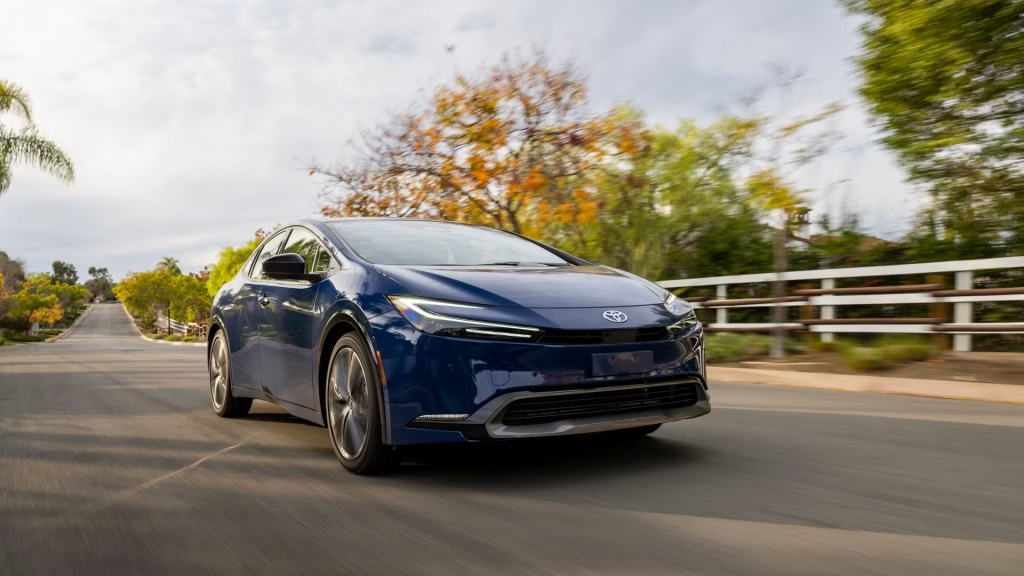
Older examples may also experience head-gasket problems, particularly in certain third-generation vehicles. RepairPal’s average annual figure should therefore not be interpreted as a guarantee that every Prius will be inexpensive to fix.
Before purchasing one, request a hybrid battery health assessment and inspect the cooling system. A diagnostic scan should also check for stored hybrid-system fault codes. Verify that maintenance records are available and that the vehicle has not suffered flood or collision damage.
The Prius is particularly suitable for commuters, rideshare drivers, and households that want to reduce fuel expenses. Its repair-cost record is encouraging, but the condition of the hybrid battery and the vehicle’s service history should determine whether a particular used example is worth buying.
