Paint damage can make an otherwise well-maintained vehicle look considerably older, but peeling and bubbling are not always caused by poor maintenance or environmental exposure.
In some cases, manufacturing-related paint problems have prompted automakers to provide additional repair coverage beyond their original factory warranties. Several manufacturers have introduced special programs covering specific models, paint colors, production years, and affected body panels.
These arrangements can save owners substantial repainting expenses, particularly when the defect involves factory-applied paint. Here are eight vehicles with documented U.S. paint coverage extensions, including important eligibility conditions and limitations buyers should understand.
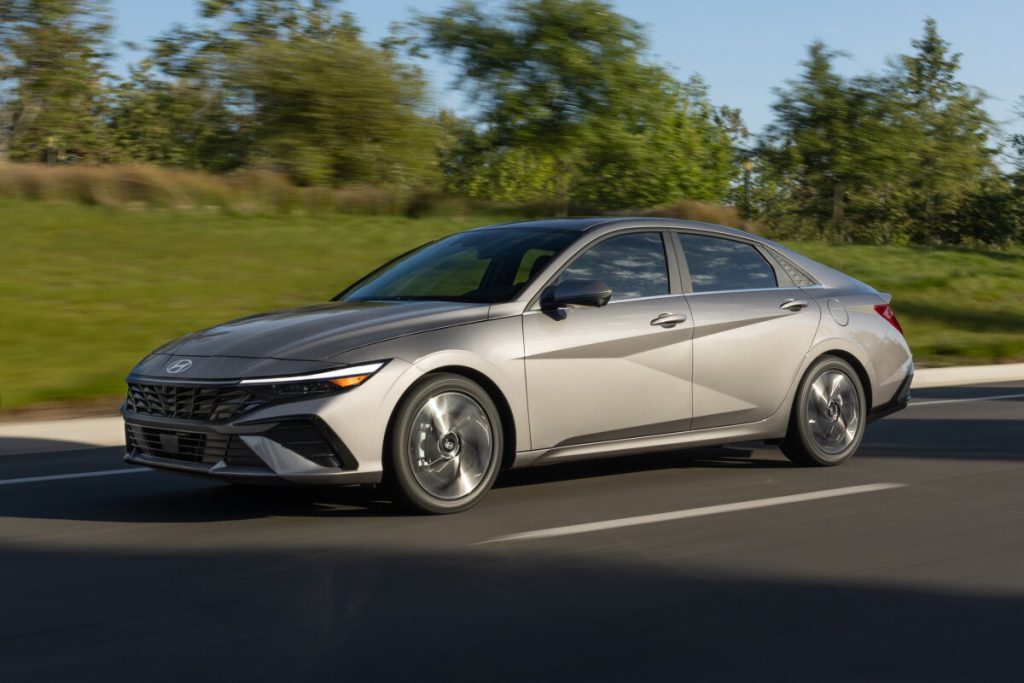
1. Hyundai Elantra: 10-Year Unlimited-Mileage White Paint Coverage
The Hyundai Elantra is among the vehicles included in Hyundai Motor America’s special white paint warranty extension, identified as Z05. The program addresses reports of excessive peeling and bubbling affecting certain factory-painted metal body panels.
Rather than treating every paint problem as ordinary wear, Hyundai introduced additional coverage for qualifying vehicles experiencing the specific manufacturing-related condition.
The extension covers certain 2015-2016 and 2017-2018 model-year examples, depending on their production factory and paint code. Eligible vehicles must have Quartz White Pearl paint, identified by codes W8 or WW8. The program applies to specified hood, fender, roof, door, quarter-panel, and trunk areas where the qualifying defect appears.
Hyundai extended the applicable paint coverage from the original three-year or 36,000-mile warranty to 10 years with unlimited mileage, calculated from the original retail delivery date or date of first use. The extension is transferable to subsequent owners, which is particularly valuable for people purchasing an eligible used vehicle.
There are important restrictions, however. The program covers factory-applied paint defects, not scratches, stone chips, collision damage, or ordinary external deterioration. Plastic components, including bumpers and exterior trim, are also excluded. Vehicles with salvage or branded titles are ineligible.
The April 2026 technical service bulletin, 26-BD-002H, provides updated repair instructions and eligibility information. Owners should have an authorized dealership verify the VIN and inspect the affected panels before arranging repairs.
For used-car shoppers, this program is worth checking because a qualifying paint repair could prevent a substantial out-of-pocket body-shop expense.
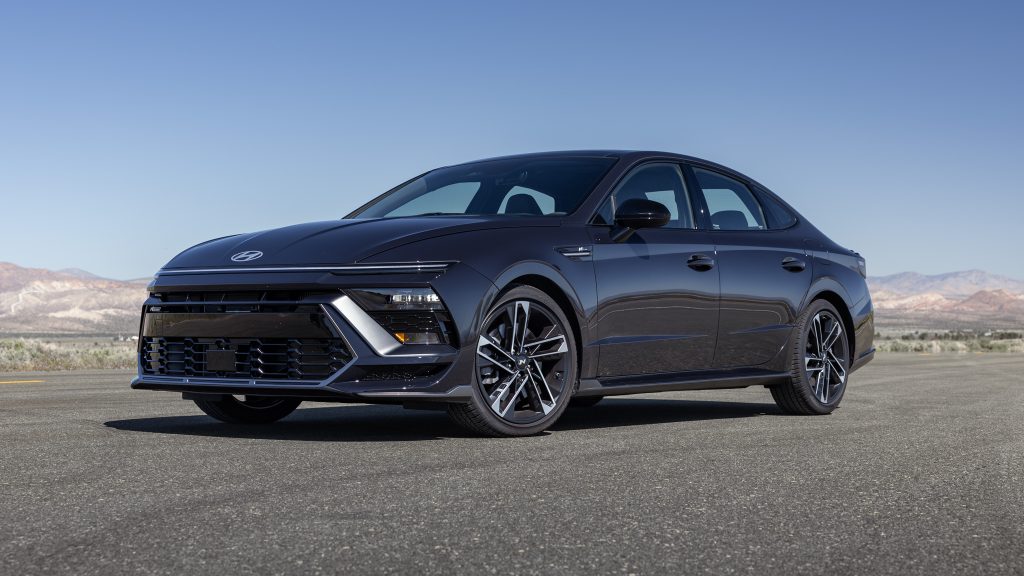
2. Hyundai Sonata: Extended Coverage for Quartz White Pearl Paint
The Hyundai Sonata is another midsize sedan covered by Hyundai’s Z05 white paint warranty extension. Certain vehicles from the 2015-2019 model years were included after reports of paint peeling and bubbling on exterior metal panels. The issue was associated with the factory paint system rather than ordinary scratches or damage caused by road debris.
The specific qualifying finish is Quartz White Pearl, identified by paint codes W8 or WW8. Coverage can apply to affected areas such as the hood, fenders, roof, doors, quarter panels, and trunk. This distinction matters because the program does not provide a general repainting allowance for every panel or every type of cosmetic defect.
Hyundai extended the applicable coverage to 10 years with unlimited mileage from the original retail delivery date or date of first use. Unlike a benefit restricted to the first purchaser, the extension also applies to subsequent owners, subject to the program’s eligibility conditions.
The technical explanation is important for understanding the problem. Automotive paint generally consists of several layers, including clear coat, base paint, primer, and an electrodeposition coating.
Hyundai’s April 2026 service bulletin explains that ultraviolet exposure can contribute to the primer losing adhesion to the underlying coating, resulting in peeling or flaking.
Owners should not confuse this condition with isolated paint chips. Hyundai specifically excludes damage caused by external influences, including scratches, rock impacts, and physical damage. Plastic body panels are also excluded from the extension.
The 2026 bulletin requires dealerships to document the affected areas and follow the manufacturer’s repair authorization procedures. Vehicles with salvage or branded titles are not eligible.
Anyone considering a used example should ask a Hyundai dealer to confirm Z05 eligibility using its VIN. The 10 years is calculated from the vehicle’s original delivery date, so coverage may already have expired on some older examples.
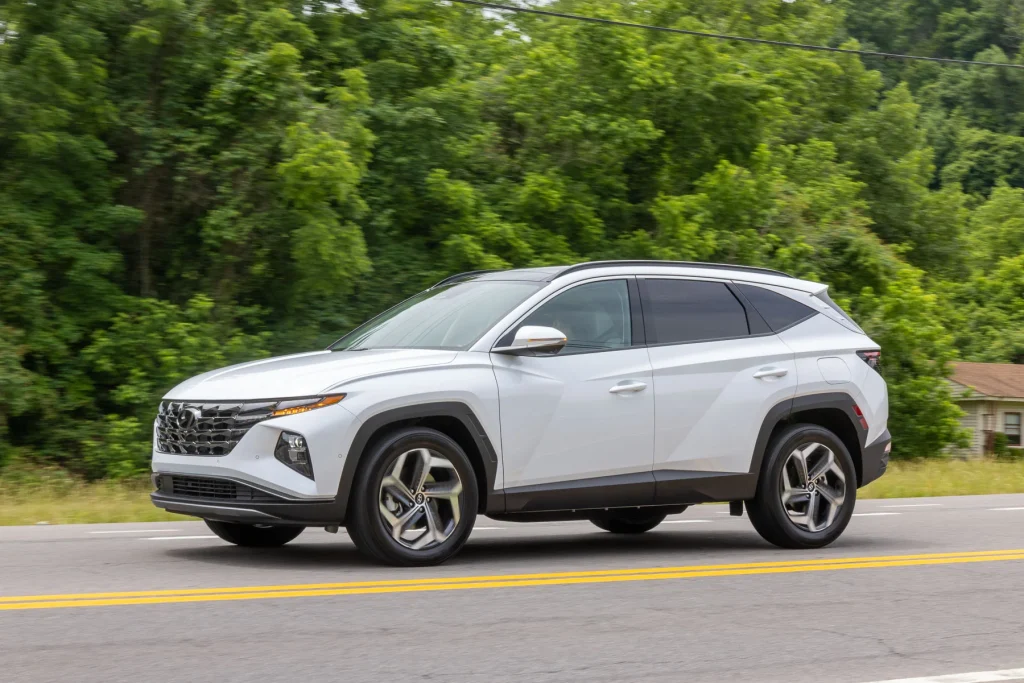
3. Hyundai Tucson: White Paint Peeling Coverage for 2017-2021 Models
The Hyundai Tucson received special attention under the Z05 paint warranty extension, with certain 2017-2021 model-year vehicles included in the program. The coverage addresses excessive peeling or bubbling involving specific factory-applied white paint finishes.
For owners experiencing this problem, the extension provides an opportunity to have qualifying exterior panels repaired without paying the full cost of a professional repaint.
Unlike some other vehicles covered by the same program, the applicable Tucson paint colors are Dazzling White, identified by code PDW, and Cream White, identified by code WW2. The affected production vehicles were manufactured by Hyundai Motor Company, and the manufacturer uses VIN information to establish eligibility.
The extended coverage provides up to 10 years with unlimited mileage from the original retail delivery date or date of first use. It also applies to subsequent owners, meaning purchasing a used vehicle does not automatically eliminate the benefit. However, the actual expiration date depends on when the individual vehicle was originally delivered.
The program focuses on metal exterior panels, including the hood, fenders, doors, roof, quarter panels, and tailgate. Hyundai’s April 2026 technical service bulletin explains that ultraviolet exposure can contribute to paint-layer separation, eventually producing visible bubbling, flaking, or peeling.
There are exclusions worth understanding before requesting repairs. Stone chips, scratches, collision damage, and other external paint damage are not covered. Plastic components such as bumpers, mirror housings, and exterior moldings are also outside the program.
For prospective used-car buyers, the Tucson’s coverage is worth checking before negotiating a purchase. A dealership can verify the VIN and determine whether the paint condition meets the manufacturer’s requirements. The program is particularly relevant when the vehicle has substantial peeling rather than isolated cosmetic imperfections.
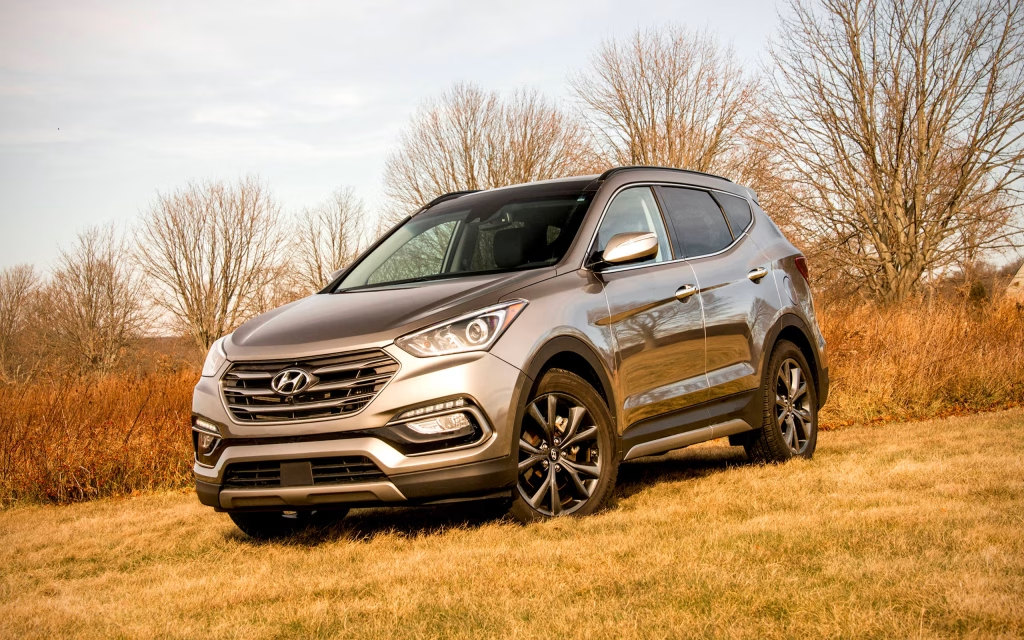
4. Hyundai Santa Fe Sport: Special Frost White Pearl Paint Protection
Certain 2017-2018 Hyundai Santa Fe Sport vehicles are included in Hyundai’s extended white paint warranty program. The affected SUVs were manufactured in Alabama and were identified as potentially experiencing excessive paint peeling or bubbling on exterior metal body panels.
The program was introduced to address a specific factory paint concern rather than ordinary deterioration caused by everyday driving.
The qualifying finish is Frost White Pearl, identified by paint code SWP. This is an important detail because the extension does not apply automatically to every Santa Fe Sport painted white. The manufacturing information and vehicle identification number must match Hyundai’s eligibility records.
Under the Z05 program, qualifying paint coverage was extended to 10 years with unlimited mileage from the original retail delivery date or date of first use. Subsequent owners can also benefit, provided the vehicle satisfies the applicable conditions. This can be particularly useful when purchasing an older SUV whose original factory paint warranty has already expired.
The affected areas include the hood, roof, doors, fenders, quarter panels, and rear body panels. The manufacturer requires inspection and documentation before approving repairs. Plastic components are not included, and Hyundai does not cover scratches, rock chips, collision-related damage, or unrelated paint deterioration through this extension.
Another important limitation concerns vehicle titles. Examples of previously declared total losses, sold for salvage, or carrying branded titles are excluded. Owners should therefore verify both the paint condition and the vehicle’s ownership history before assuming a repair will be covered.
Hyundai’s April 2026 bulletin, numbered 26-BD-002H, superseded its earlier paint guidance and clarified several repair procedures. For owners of eligible examples, checking with an authorized dealership is worthwhile because a properly approved repair can eliminate a potentially expensive repainting bill.
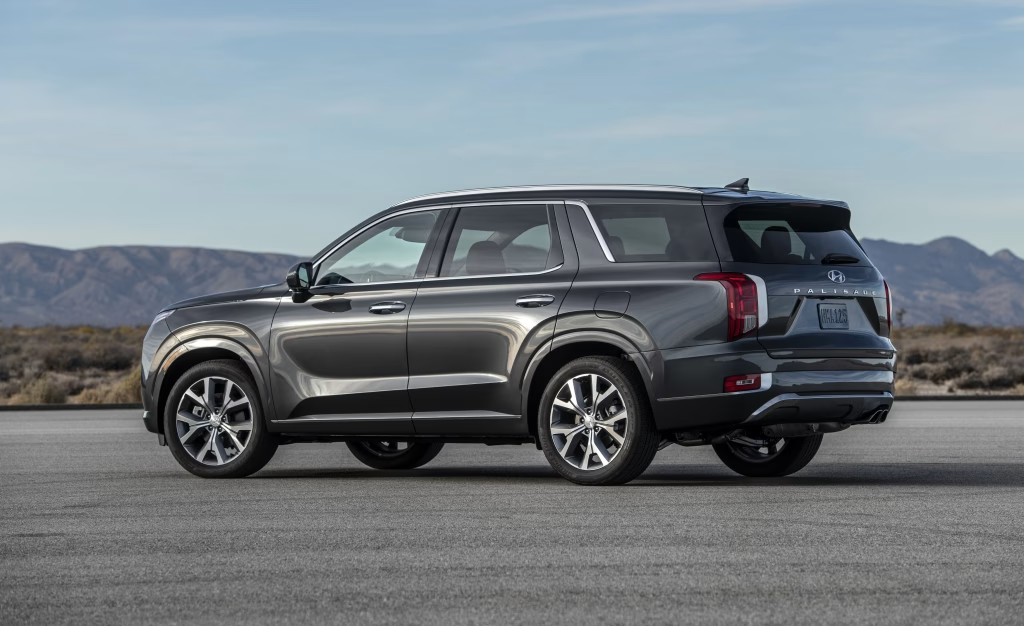
5. Hyundai Palisade: Extended Coverage for Hyper White Paint
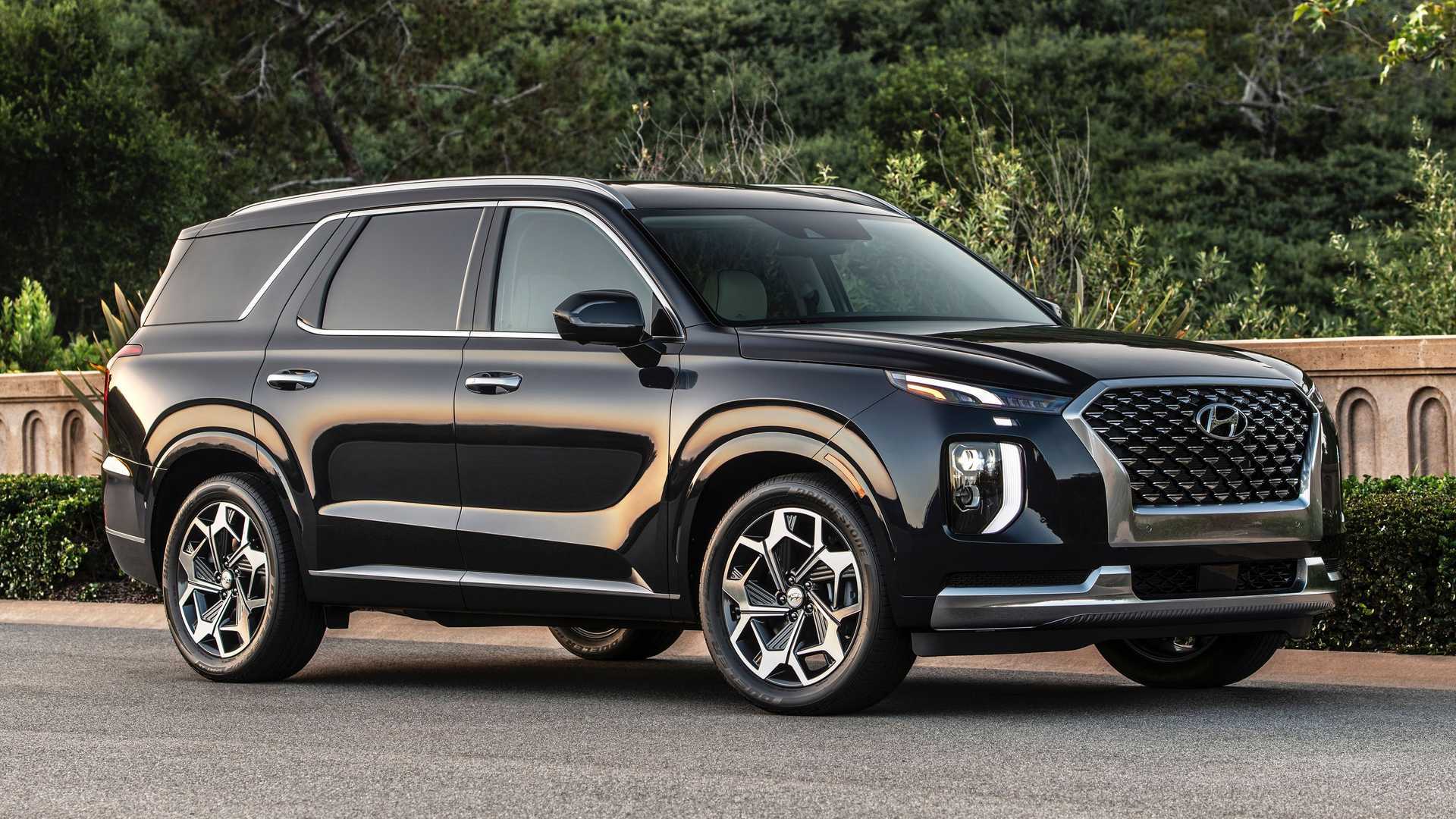
The Hyundai Palisade is a more recent addition to the group of vehicles covered by Hyundai’s white paint warranty extension. Certain 2020-2023 model-year examples finished in Hyper White, identified by paint code WC9, are included in the Z05 program.
This is particularly noteworthy because the coverage extends to a relatively large three-row SUV rather than being limited to smaller passenger cars.
The reported concern involves excessive peeling or bubbling of factory-applied paint on metal body panels. Depending on the affected area, the problem can become noticeable across the hood, doors, roof, fenders, quarter panels, or tailgate.
Because these surfaces are prominent on a large SUV, paint deterioration can significantly affect the vehicle’s appearance and resale presentation.
Hyundai extended the applicable paint warranty to 10 years with unlimited mileage, calculated from the original retail delivery date or date of first use. The benefit is transferable to subsequent owners, subject to the program’s conditions. Therefore, a second-hand Palisade may qualify even if its original purchaser no longer owns it.
However, buyers should understand that the extension is not a blanket cosmetic warranty. It applies to the specified white paint defect on qualifying metal panels.
Scratches, stone damage, collision repairs, and paint deterioration caused by external influences are excluded. Plastic bumpers and other plastic exterior pieces are also not eligible for repainting under this program.
The April 2026 Hyundai service bulletin provides the updated technical requirements for dealerships handling these claims. Vehicles with salvage or branded titles are excluded, and inspection is required before repair approval.
For owners of qualifying examples, the extension offers meaningful protection against a potentially costly bodywork expense. VIN verification is essential because the paint code, production details, and original delivery date all influence eligibility.
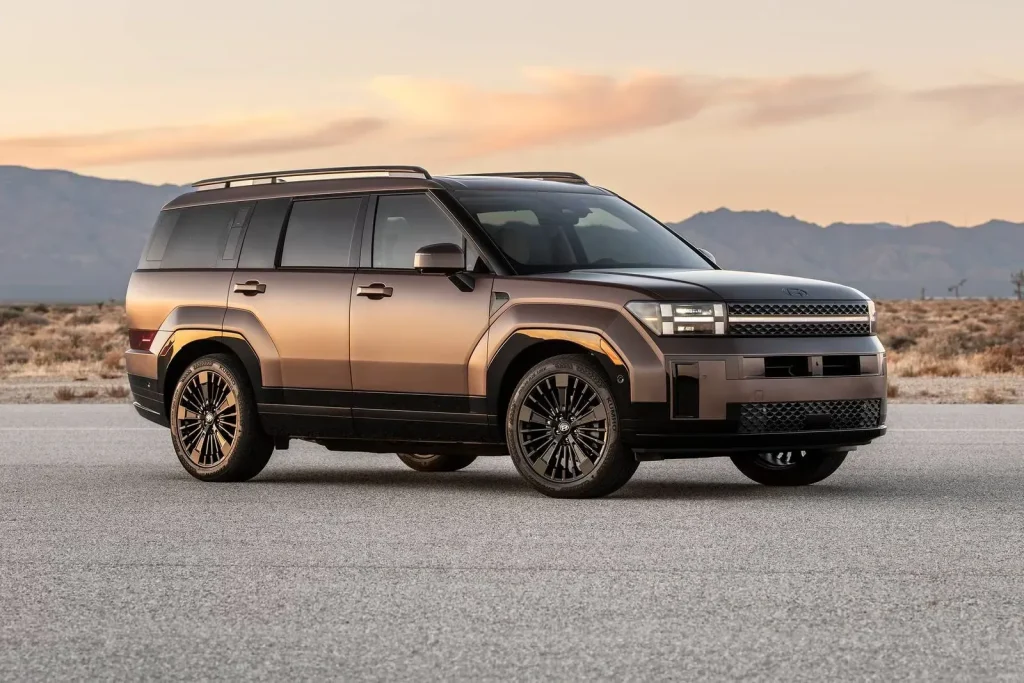
6. Hyundai Santa Fe Hybrid: 10-Year Coverage for Cream White Paint
The Hyundai Santa Fe Hybrid is another vehicle included in the manufacturer’s extended white paint coverage. Certain 2021-2023 model-year examples finished in Cream White, identified by paint code WW2, qualify for the Z05 program.
The inclusion of hybrid SUVs demonstrates that the paint extension is not restricted to conventional gasoline-powered vehicles.
The concern addressed by the program is excessive peeling or bubbling affecting factory-applied paint on metal body panels. Hyundai’s technical documentation identifies the hood, fenders, doors, roof, quarter panels, and tailgate as potential locations for the condition.
The problem involves separation between layers of the paint system, which can eventually expose the underlying coating.
For eligible vehicles, Hyundai extended paint coverage to 10 years with unlimited mileage from the original retail delivery date or date of first use. The protection also extends to subsequent owners, making it relevant to buyers considering a used hybrid SUV.
There are several conditions to remember. The extension is specific to the designated paint color and qualifying factory production details. It does not cover normal stone chips, scratches, accident damage, or deterioration resulting from external influences. Plastic body components are specifically excluded from repainting under the updated service instructions.
Hyundai also requires the dealership to inspect and document the affected panels before proceeding with repairs. A vehicle with a branded or salvage title is not eligible. Importantly, the 10-year period does not restart when ownership changes.
The April 2026 technical service bulletin, 26-BD-002H, provides the current manufacturer guidance for this program. Anyone purchasing a used example should request a VIN-based eligibility check rather than relying solely on the model year or exterior color.
For owners who qualify, this coverage can provide considerable financial relief when factory paint begins peeling prematurely.
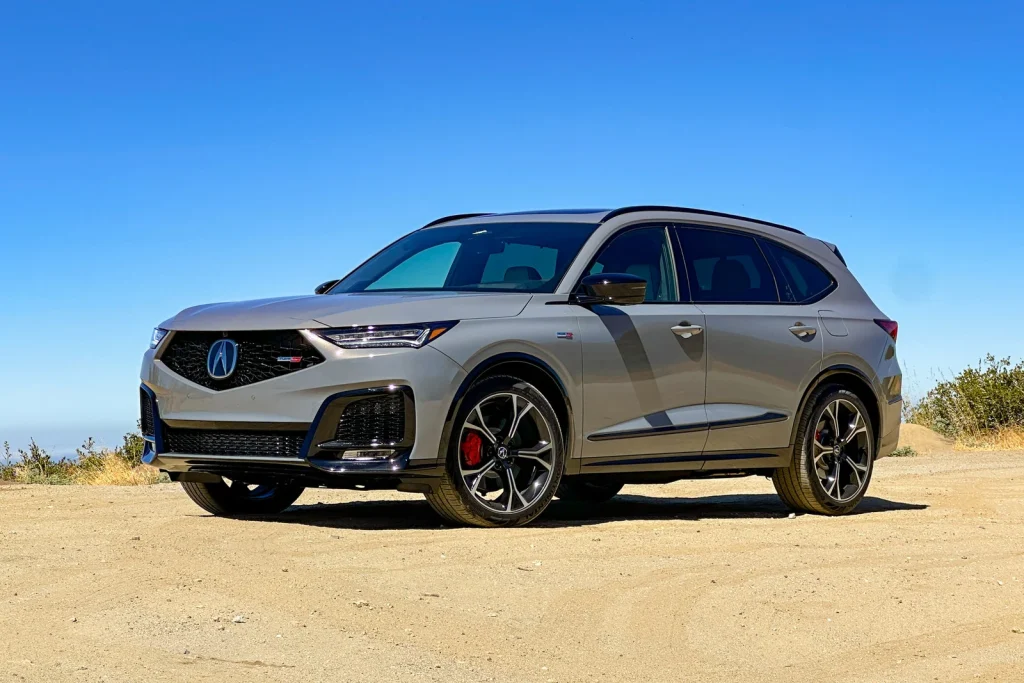
7. Acura MDX: Eight-Year White Diamond Pearl Paint Warranty Extension
The Acura MDX received a dedicated paint warranty extension from American Honda Motor Co. in August 2019. The campaign, identified as 6R4 and Service Bulletin 19-029, addressed certain 2014-2016 model-year vehicles finished in White Diamond Pearl.
Owners had reported peeling paint on the roof and tailgate, prompting Acura to provide additional coverage beyond the original factory warranty.
Under the program, Acura extended paint coverage on the specified areas to eight years from the vehicle’s original purchase date. Importantly, the benefit applied to both original and subsequent owners. This meant that qualifying used vehicles could also receive assistance, provided the condition met the manufacturer’s requirements.
The repair arrangement was relatively straightforward. Owners experiencing peeling were instructed to contact an authorized Acura dealership for an inspection.
If the dealership determined that the problem resulted from the factory paint application process rather than external damage, the affected roof or tailgate would be repainted without charge.
Acura also established a reimbursement process for certain owners who had already paid for qualifying paint repairs before receiving the notification. Applicants needed to provide documentation, including the VIN, repair invoice, itemized costs, and proof of payment.
However, the extension had important limitations. It did not cover paint damage caused by bird droppings, tree sap, accidents, or other external influences. Vehicles previously declared total losses or carrying salvage or branded titles were also excluded.
Used-car buyers in 2026 should keep an important timing detail in mind, as the original eight-year coverage period has already expired for many eligible vehicles. This was a time-limited manufacturer extension, not a guarantee of continued free repairs. Buyers should contact Acura directly to confirm whether their vehicle still qualifies for any repair coverage or reimbursement.
The campaign remains a useful example of an automaker recognizing a specific factory paint problem and providing additional assistance to affected customers.
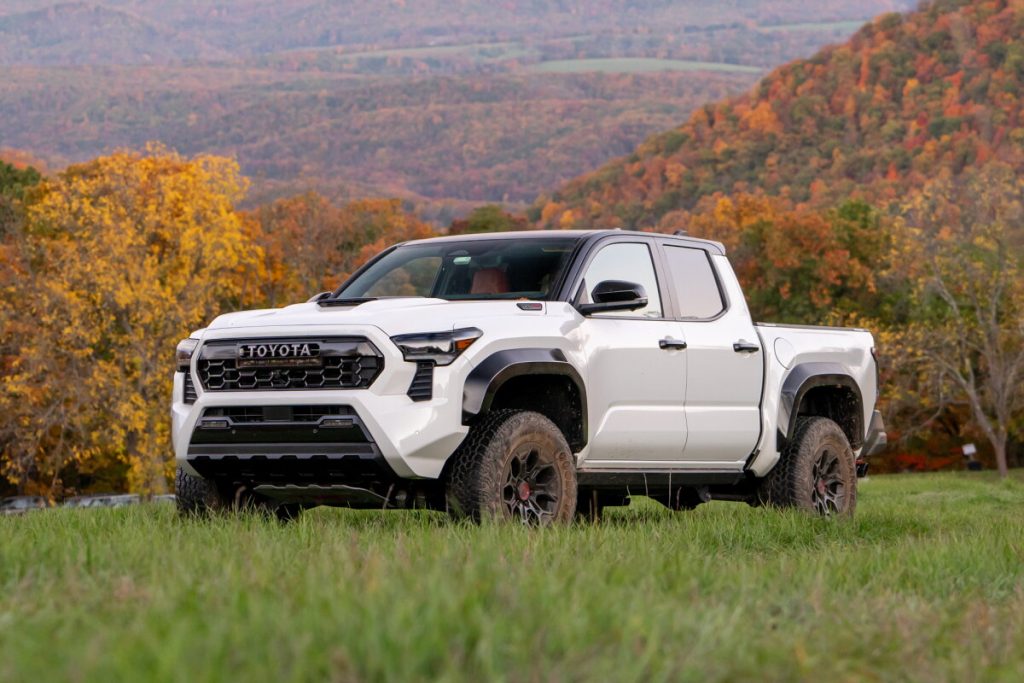
8. Toyota Tacoma: Ten-Year Paint Peeling Support Program
Toyota introduced Customer Support Program 23TE08 for certain 2016-2022 Tacoma pickups after receiving reports of peeling paint around exterior door window frames and front inner fenders. The program was announced in September 2024 and covered approximately 142,460 vehicles in the United States.
The problem specifically involved trucks finished in 040 Super White paint. Toyota’s documentation identified peeling around the edges of the front and rear door window frames, along with the front inner fender areas visible beneath the hood.
This was not a general repainting allowance for every white Tacoma. Only the specified locations and qualifying paint condition were eligible.
Toyota offered coverage for 10 years from the date of first use, regardless of mileage. This distinction is important because the program does not impose a separate mileage ceiling like many conventional vehicle warranties. It also provides a longer period of protection than the original three-year or 36,000-mile new-vehicle paint warranty.
Repairs required an inspection at an authorized Toyota dealership or Toyota Certified Collision Center. Once peeling was confirmed through the manufacturer’s inspection process, Toyota would cover refinishing of the affected areas according to its repair guidelines.
There were exclusions. Collision damage, dents, deep scratches, and substantial rock chips could prevent the affected area from qualifying for the repair. Vehicles with salvage, total-loss, or similar branded titles were also ineligible.
For someone shopping for a used pickup, this program is worth checking before purchasing an older white example. However, the 10 years is calculated from first use, not the date of resale, so some trucks will have less remaining coverage than others.
Toyota’s 23TE08 documentation provides the specific eligibility requirements, making VIN verification essential before expecting a complimentary paint repair.