Modern cars watch the road for you. Radar, cameras, and ultrasonic sensors run your emergency braking and adaptive cruise. They also run lane assist and parking alerts.
These sensors work well in clear weather. Winter is a different story. Snow, slush, and ice can cover them in minutes. Consumer Reports notes that many of these sensors sit in the grille, the emblem, or the bumper. When they can’t read the road, they shut down, and a warning light comes on. That means the system is off when you may need it most.
The problem is not new, and it is not hidden. Every automaker lists it in the owner’s manual. Few buyers read that page. There is a real safety angle too. One technical review described a low-speed rear-end crash. Ice and snow had built up on the camera housing, and the car failed to slow. From the driver’s seat, it just looked like the system failed.
This article covers seven popular models and brands. Each entry is based on owner’s manuals, service bulletins, and owner reports. I focused on where the sensor sits, what blocks it, and what you will see on the dash.
1. Tesla Model 3
Tesla chose cameras over radar. That choice has a clear winter cost. A camera needs a clear view, and snow takes that away. The owner’s manual lists mud, ice, and snow as things that can leave a camera or sensor obstructed. The same page warns about wraps, stickers, and paint too. Snow is just the most common winter cause.
When a camera is blocked, the touchscreen shows a message. Autopilot features may then be unavailable. The car does not guess. It simply hands control back to you.
Fogging is a second problem. Some owners reported moisture trapped between the front camera and the windshield in cold weather. Tesla then makes Autopilot and Full Self-Driving unavailable until the camera clears. Defrost and pre-conditioning did not always fix it.
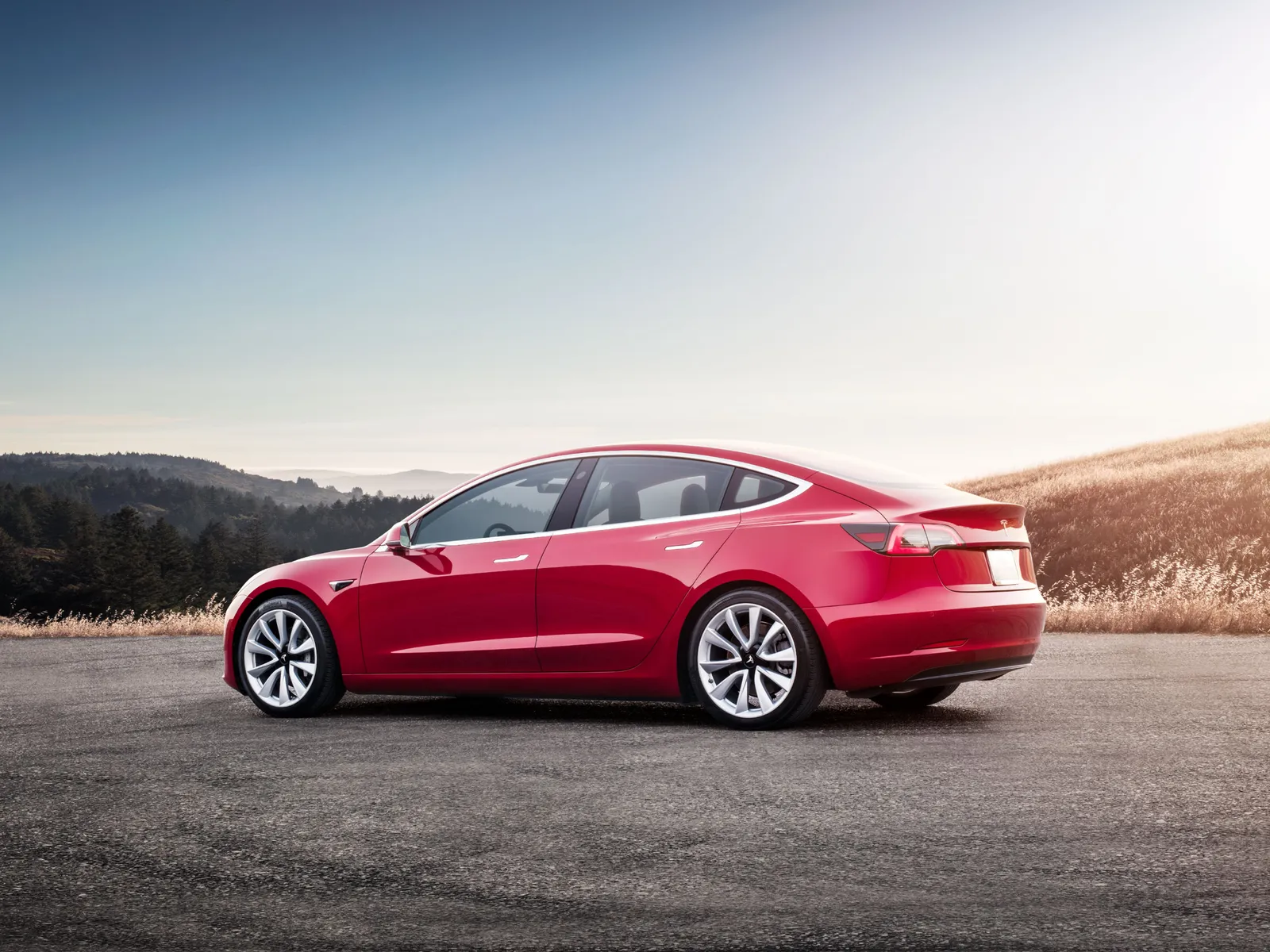
Older Model 3 cars also carried radar and ultrasonic sensors. Owners reported trouble with those as well. One Tesla Motors Club user wrote that ice or dirt blocked the radar twice in a winter. Washing the front end was the only cure.
Tesla later moved to a vision-only approach. That removed the radar problem. It did not remove the camera problem. The side and rear cameras matter too. Snow can pile up on the back of the car. The pillar cameras can fog over. Blind-spot views and lane changes then lose input.
The manual is blunt about this. Its cold-weather advice says to keep sensors free of snow, ice, mud, and dirt for best Autopilot results. It also says to check that all cameras are clean before each drive.
Auto Lane Change gets a stronger warning. Tesla says not to use it in heavy snow or on icy roads. That is the maker advising against its own feature in winter.
In a Quebec test, an owner drove Autopilot through a snowstorm. Vision was impaired in some stretches. In others, the system coped even with snow-covered lane lines.
The takeaway is simple. The windshield cameras can be cleared by wipers and defrost. The exterior cameras cannot. Walk around the car before you leave. A quick wipe of each lens takes under a minute. It can save you a surprise on the highway. Do it every cold morning.
2. Toyota RAV4 and Camry
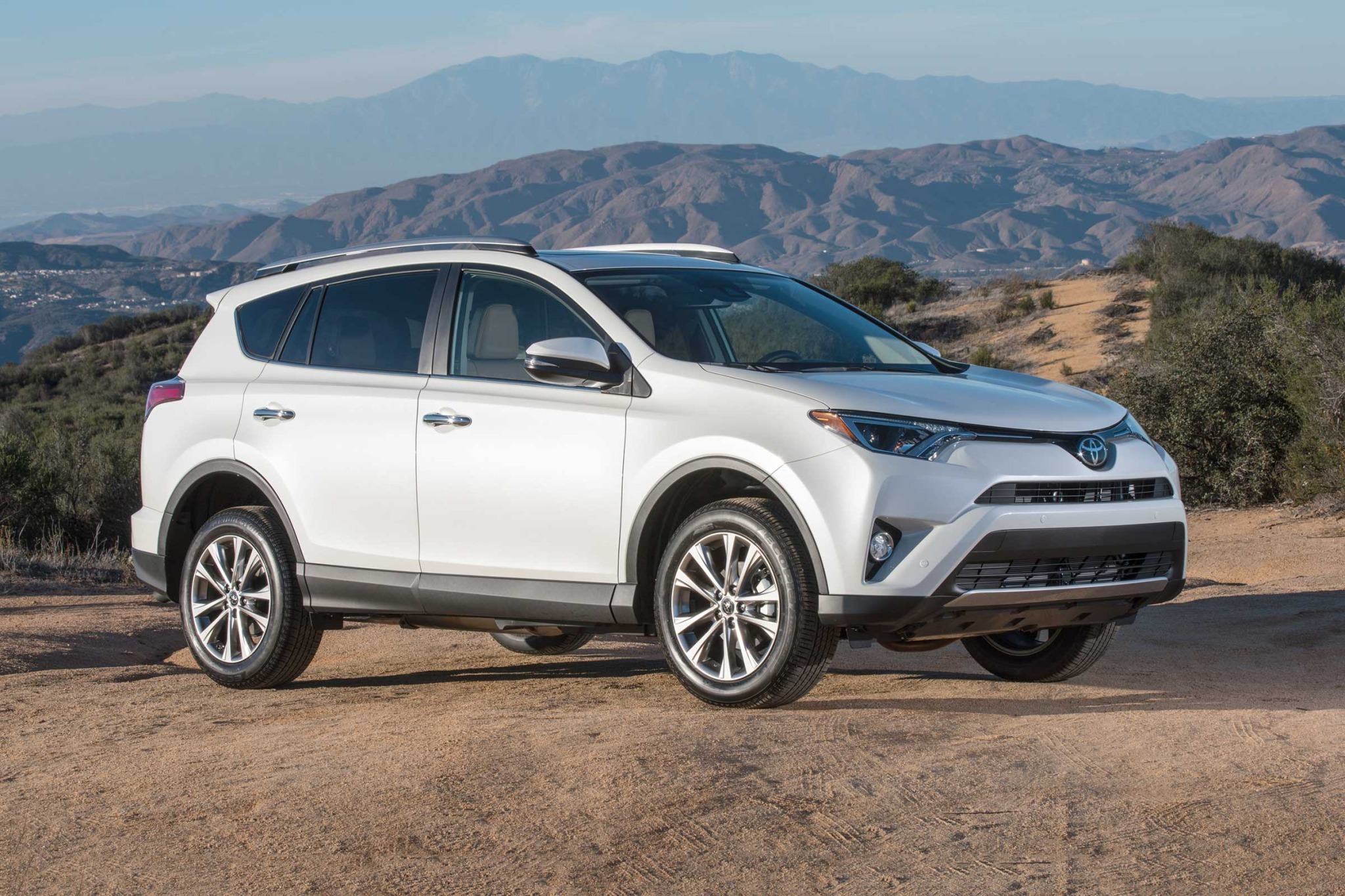
Toyota Safety Sense uses a radar and a camera. The radar usually sits behind the front grille emblem. That flat badge collects wet snow easily. The Tundra manual lists a radar sensor or grille emblem covered with snow as a limiting condition. The same logic applies across the lineup. Camry and RAV4 owners see the same behavior.
In the Camry manual, one warning says the radar sensor is dirty or covered with ice. A buzzer sounds, and the fix is to clean the sensor. It is a short, plain instruction.
Toyota’s own precaution sheet is broad. It says rain, snow, ice, or stickers over the camera, radar, or laser may affect the Pre-Collision System. Note that “may affect” can mean partly degraded, not fully off.
Radar cruise reacts in a specific way. In the Prius manual, dynamic radar cruise control cancels if dirt is detected. Constant speed mode can still be used. So you keep a basic cruise, but lose the following distance feature.
There is a catch. Toyota notes the dirt-detection function has limits. Snow, ice, and plastic objects may not be caught by the obstruction sensor. That means the system can be impaired without telling you.
Parking sensors suffer as well. The RAV4 manual says a sensor may be covered with ice or snow. It can also be frozen, and the system returns once the ice melts. A frozen sensor may need warmth, not wiping.
The C-HR manual adds a cold-temperature note. It says a warning may appear at particularly low temperatures because the sensor freezes. The sensor may then miss parked vehicles.
Real-world reports match the manuals. A 2024 Tacoma owner described a front radar blocked message after driving in whiteout snow. The dash simply told him the radar was blocked.
Not every owner has trouble. One Prius owner on a forum said he drove through dust, mud, and snow without cleaning the radar. Results vary with model, bumper design, and weather.
If you drive a Toyota in snow country, wipe the emblem often. Keep a soft cloth in the door pocket. Do not scrape it with a hard ice tool. A scratched emblem can distort radar signals. Warm water and a cloth work best. Treat that badge as a sensor, not decoration.
3. Subaru Forester and Crosstrek
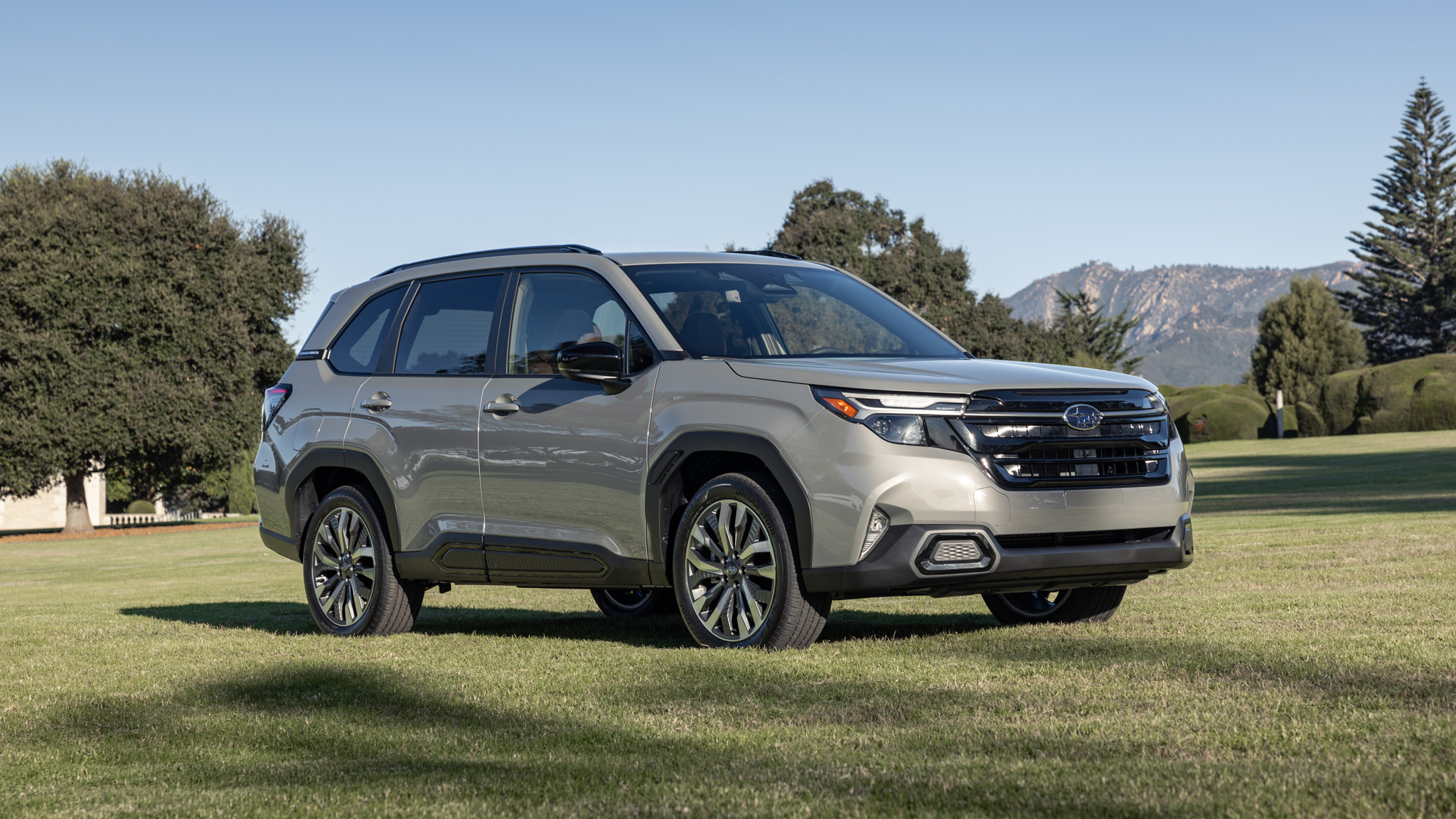
Subaru took a different path. EyeSight uses two cameras inside the cabin, at the top of the windshield. That protects them from bumper damage and road spray.
It also helps in winter. The cameras sit behind glass you already clear. Your defroster and wipers do the job. But the camera still needs a clean view. The Crosstrek manual lists snow, dirt, dust, or frost on the windshield as conditions that reduce the cameras’ field of view. The Forester manual says much the same.
One Subaru dealer explains that EyeSight sees optically, like your eyes, instead of using radio waves. So fog, frost, and heavy condensation hurt it. Radar does not have that weakness, but it has others.
The shutdown message is familiar to owners. The cluster can display “EyeSight Disabled Check Manual.” It often appears after a cold start with a frosty windshield.
Dealer guidance says frost directly in front of the cameras distorts the stereo image enough that the system cannot judge distance. The fix is patience. A properly defrosted windshield usually brings it back.
Subaru allows extra time here. A dealer blog suggests three to four extra minutes of defrosting. Focus on the upper center of the glass. Subaru dealers also say the system may disable itself in extreme weather. That includes heavy snow, ice-covered glass, or thick fog. They call it normal and designed for safety.
Snow-covered roads bring another limit. A Subaru manual lists a uniform surface, such as a road completely covered in snow, as hard for the cameras. Lane keeping needs visible markings.
Headlights matter too. The older EyeSight manual warns about snow or ice on the headlights. Objects are then poorly lit and harder to detect at night.
Windshield work has its own trap. A replacement or chip repair near the camera bracket needs recalibration. Many EyeSight complaints start right after glass work.
Ice scraping can also do harm. Aggressive scraping near the camera area can damage it. Use a soft tool there. Subaru’s design is easier to maintain in winter. Clear glass solves most problems. That is a real advantage over a bumper radar.
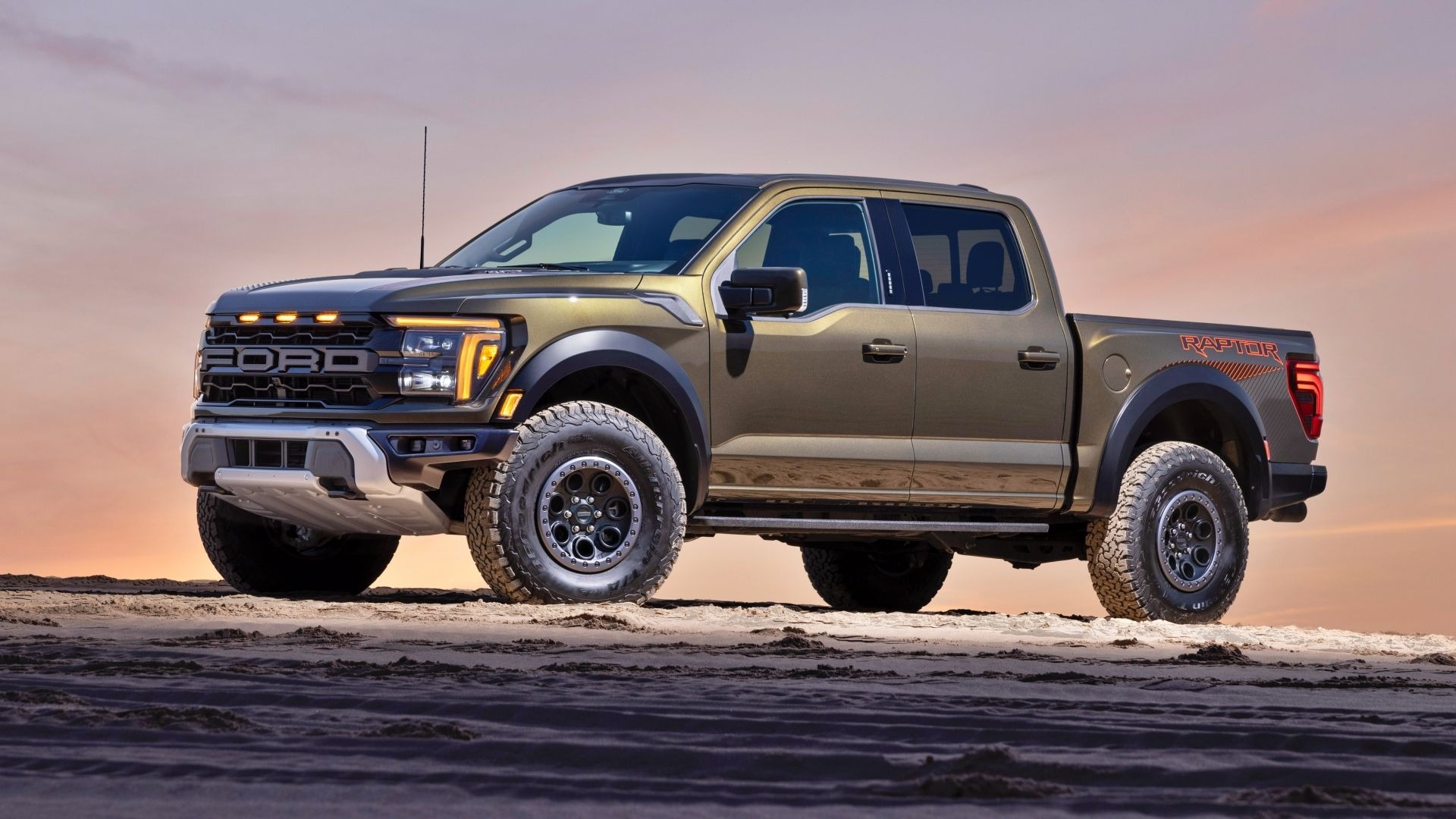
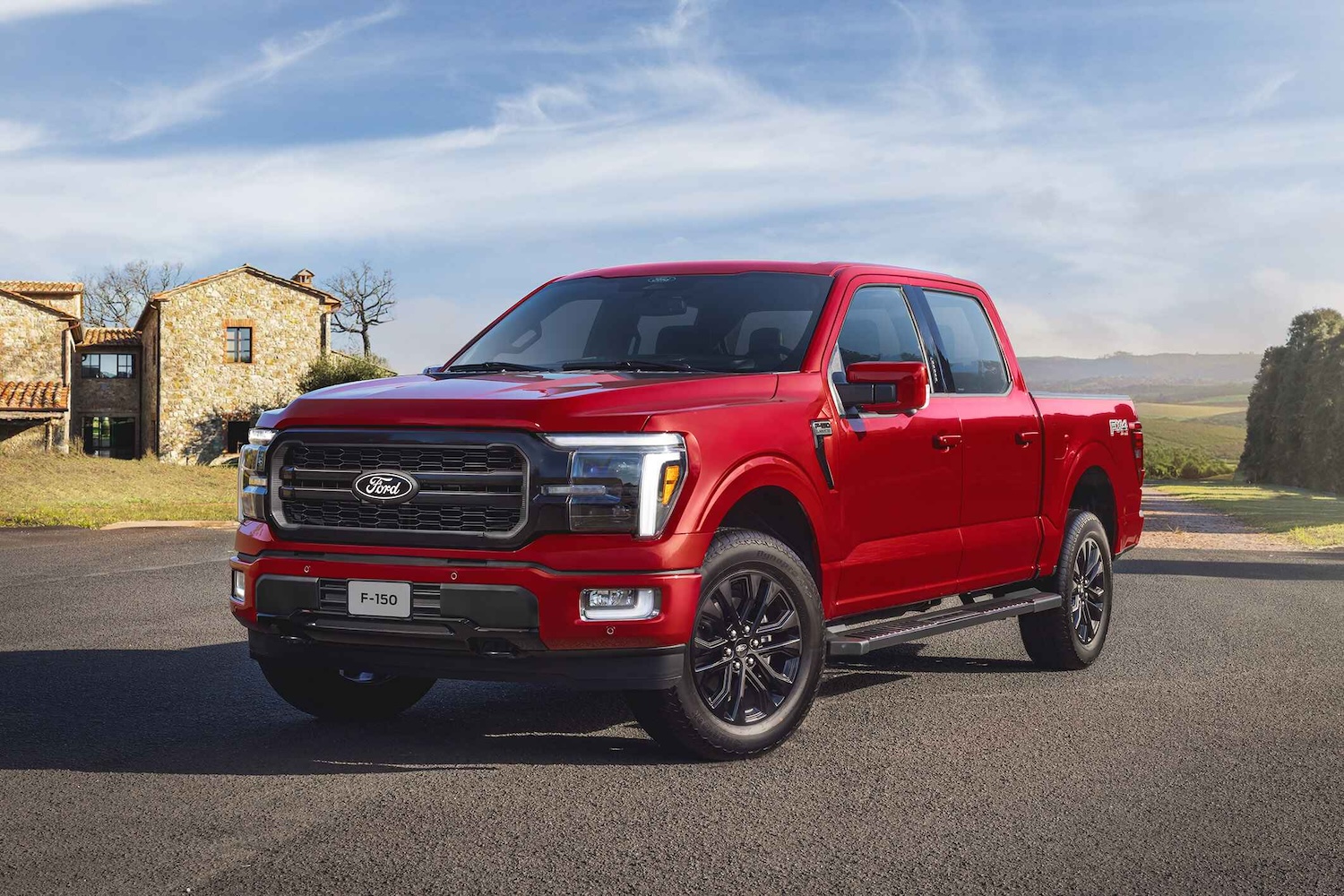
4. Ford F-150 and Explorer
Ford places its forward radar low in the grille. The Edge manual says the sensors sit behind a fascia cover near the driver’s side of the lower grille. When they are obstructed, a vehicle ahead cannot be detected, and the collision warning system does not work. That is a clear statement.
It is a low, exposed spot. Slush from the road sprays right at it. Trucks sit higher, but the grille still collects ice. Ford’s manuals list the causes. A dirty or obstructed cover is one. Heavy rain, spray, snow, or fog in the air is another, as is swirling water or snow on the road. Weather can block the radar even when the cover is clean.
The system then switches itself off. Ford says collision warning is temporarily disabled and should reactivate shortly after conditions improve. The manual also says the radar may need several minutes to reset after you clear it.
That delay surprises many drivers. You wipe the grille, but the message stays. Give it a few minutes of driving. Owners describe the same pattern. One F-150 owner said adaptive cruise shut down during winter when ice or slush covered the radar. He got messages saying the camera and radar were blocked.
He added a useful point. Wiping the Ford logo and nearby bumper areas fixed it. He called it a pain, but it worked. Blind-spot radar is a second weak point. Ford’s manual says not to let mud, snow, or bumper stickers block the side radars behind the bumper fascia. Blocked radars can degrade the system.
A Ford service bulletin goes further. For 2022 to 2024 Expeditions, it covers false “Sensor Blocked” messages for blind spot and cross traffic alerts. It names mud, snow, or ice buildup between the radar and the rear bumper cover as a possible cause. Ford also lists damage and corrosion as causes.
Electric trucks show it too. F-150 Lightning owners report a “Front Parking Sensor is not available. Sensor blocked” message, mostly in winter. They blame salt, ice, and grime.
The manual also warns against using the system in poor visibility. Fog, heavy rain, spray, and snow are all named. It is one of the more direct warnings in the industry. For Ford owners, the rule is easy. Clear the lower grille and rear bumper corners. Then wait a few minutes before judging the system.
5. Honda CR-V and Accord
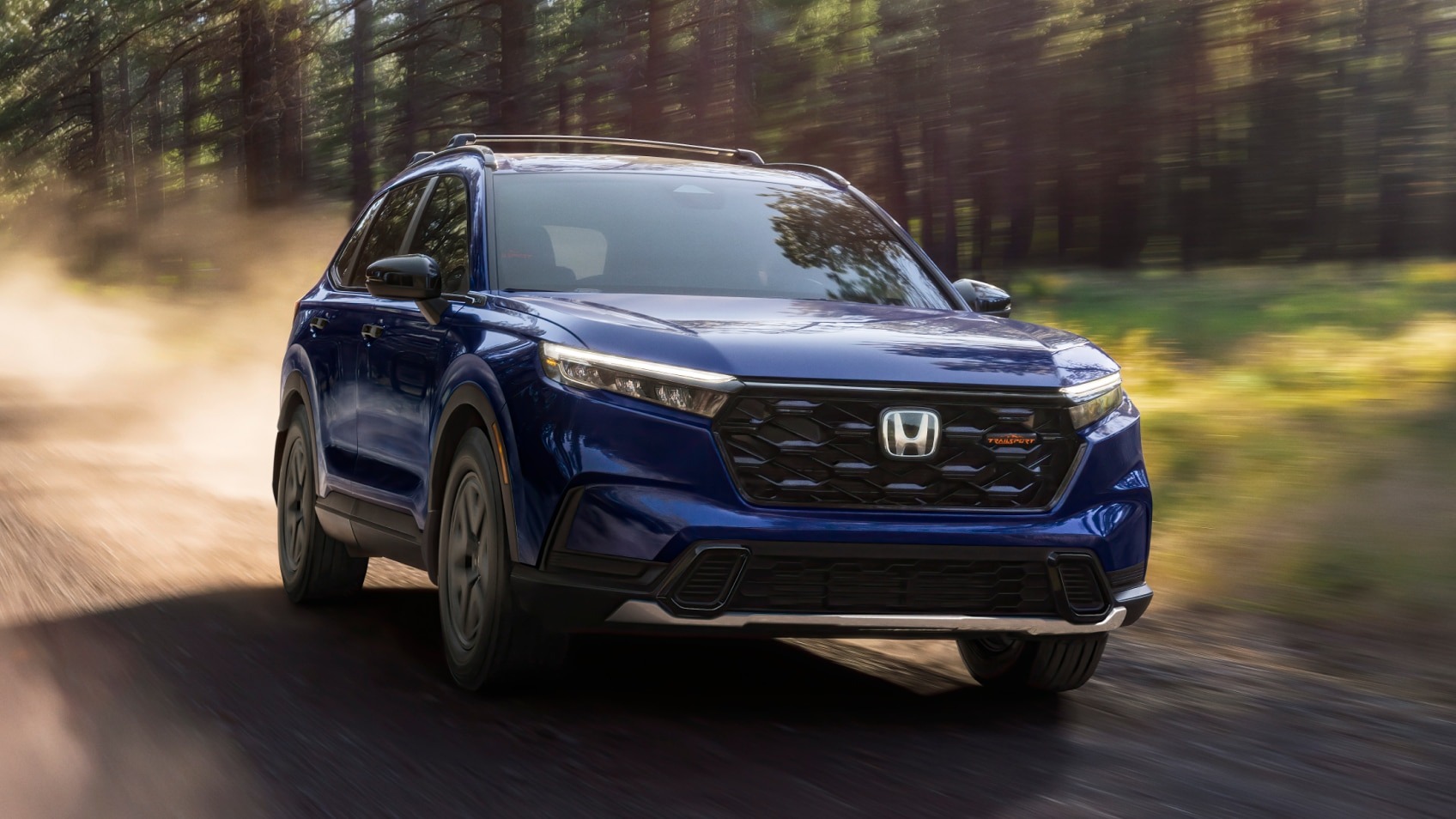
Honda Sensing pairs a front camera with a radar. The camera is behind the mirror. The radar location changes by model. A Honda dealer lists the radar spot by model. Civic, Accord, and Insight use the lower bumper. HR-V and CR-V use the grille. Pilot, Passport, Ridgeline, and Odyssey place it behind the emblem. Knowing your car’s spot saves time.
Honda’s own manual covers the warning. Honda Sensing deactivates when anything covers the radar cover or the area around the camera. It can also appear in bad weather such as rain, snow, or fog. So even clean sensors can trigger it in a storm.
Owner stories are specific. One Ohio owner said the front emblem ices over in slushy weather. The radar then stops working, and warning lights come on. It clears once he wipes the emblem. That matches the design.
He tried a ceramic coating. It did not stop the ice. Another owner suggested a rain repellent made for plastic. Results are anecdotal. Another forum user had a warning appear only about five minutes into a drive. The radar had iced over without notice. He had not seen it on an older Pilot.
Honda dealers describe the dash message too. One calls it “Some driver-assist systems cannot operate.” The dealer says it usually means salt, snow, or ice has blocked the sensors. Clean them, and the message should go.
Consumer Reports shows how common this is. It used a photo of an icy grille on a 2023 Accord Hybrid to make the point. The car was a mainstream sedan, not a rare model.
Note that newer Civics may differ. Owner discussions suggest some recent models rely mainly on the windshield camera. Check your own manual before assuming a radar exists.
Parking sensors can also trip the Honda Sensing light. One Civic owner reported a brief red light after snow covered the bumper. Treat that as a hint, not proof.
Honda says you can still drive normally. You just lose the assist features. Do not count on them in a blizzard. Wipe the emblem, grille, and lower bumper before each trip. Clear the top of the windshield too. It takes a minute and avoids most warnings.
6. Hyundai and Kia Models
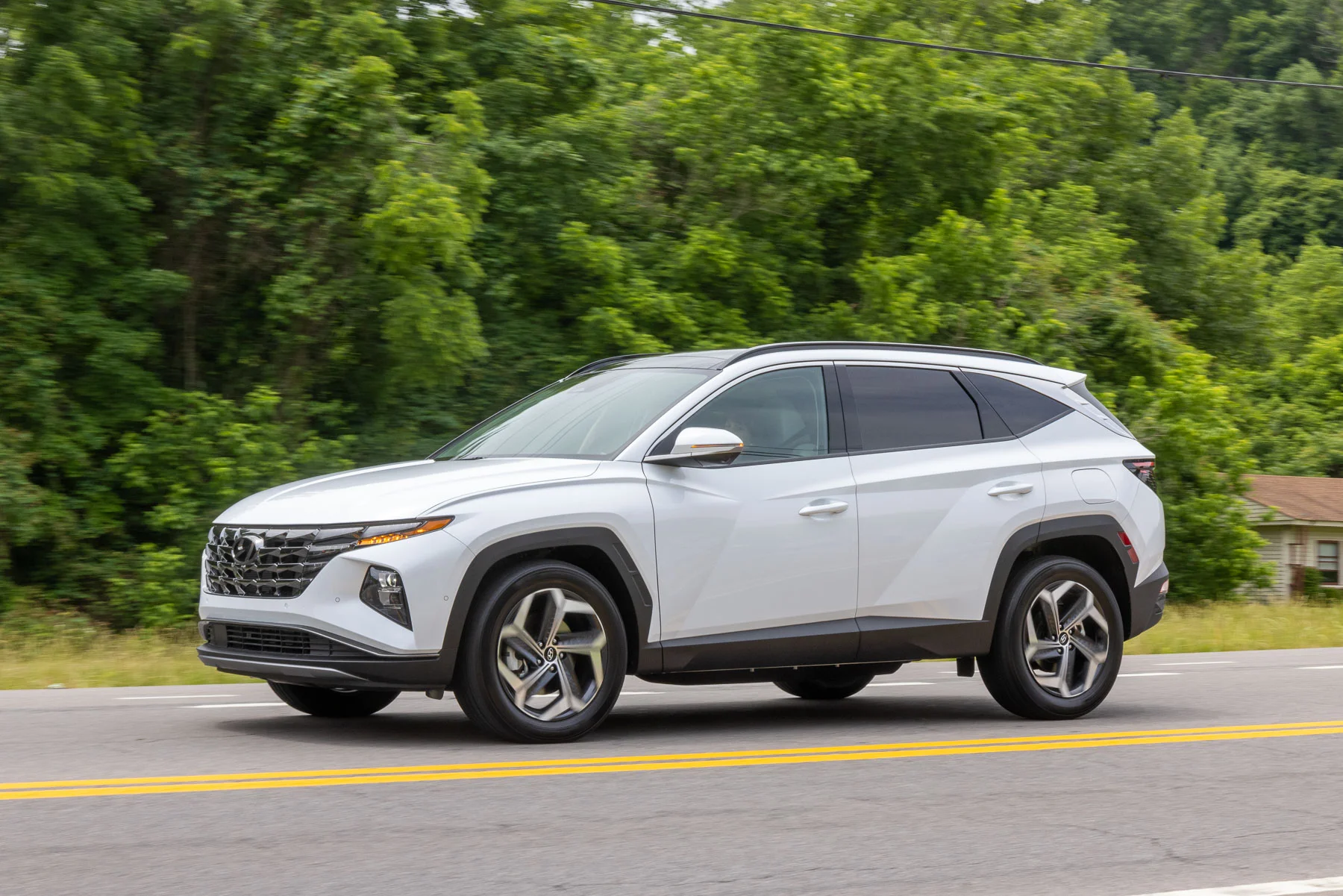
Hyundai and Kia share a similar system, called Forward Collision-Avoidance Assist. It uses a front camera and a front radar. Newer cars add corner radars.
Both brands name snow as a limit. Hyundai says snow or rain on the windshield, radar cover, or sensor can reduce detection and temporarily limit or disable the system. The language is consistent across model years.
The dash messages are specific. You may see “Forward Safety system disabled. Camera obscured” or “Radar blocked,” with warning lights. Kia uses nearly identical wording.
Restarting is not a cure. Kia says that if the system is blocked, turning the engine off and on may not resolve it. Another Kia manual says the function keeps its last setting.
The cleaning step comes first. Kia says the system should work properly once snow, rain, or foreign material is removed. If it does not, see a dealer.
There is a hidden risk. Hyundai warns the system may not work well even with no warning on the cluster. A silent failure is the worst kind. Another startup note matters. Both makers say the system may misbehave if the sensor is blocked right after you turn the car on. Clear the area before you start.
Corner radars add exposure. Kia lists front or rear corner radar covered with snow, rain, or dirt as a limiting condition. Rear bumper corners collect road spray in slush.
Even snow on other cars matters. Hyundai says a vehicle in front that is covered with snow can affect detection. Snow coats the target as well as your sensor.
Lane detection suffers too. The same manual lists lanes as hard to see from rain, snow, dust, or puddles. Lane assist needs visible paint. Hyundai also warns about accessories. Bumper stickers, guards, and bike racks near the corner radar can interfere. In winter, those add to the problem.
Temperature is on the list as well. Hyundai names high or low temperatures around the radar as a limit. Extreme cold can degrade performance on its own. The advice is the same as the rest. Clear the radar cover, the windshield, and the rear corners. Then check the cluster before relying on any assist.
7. Mazda CX-5 and Mazda6
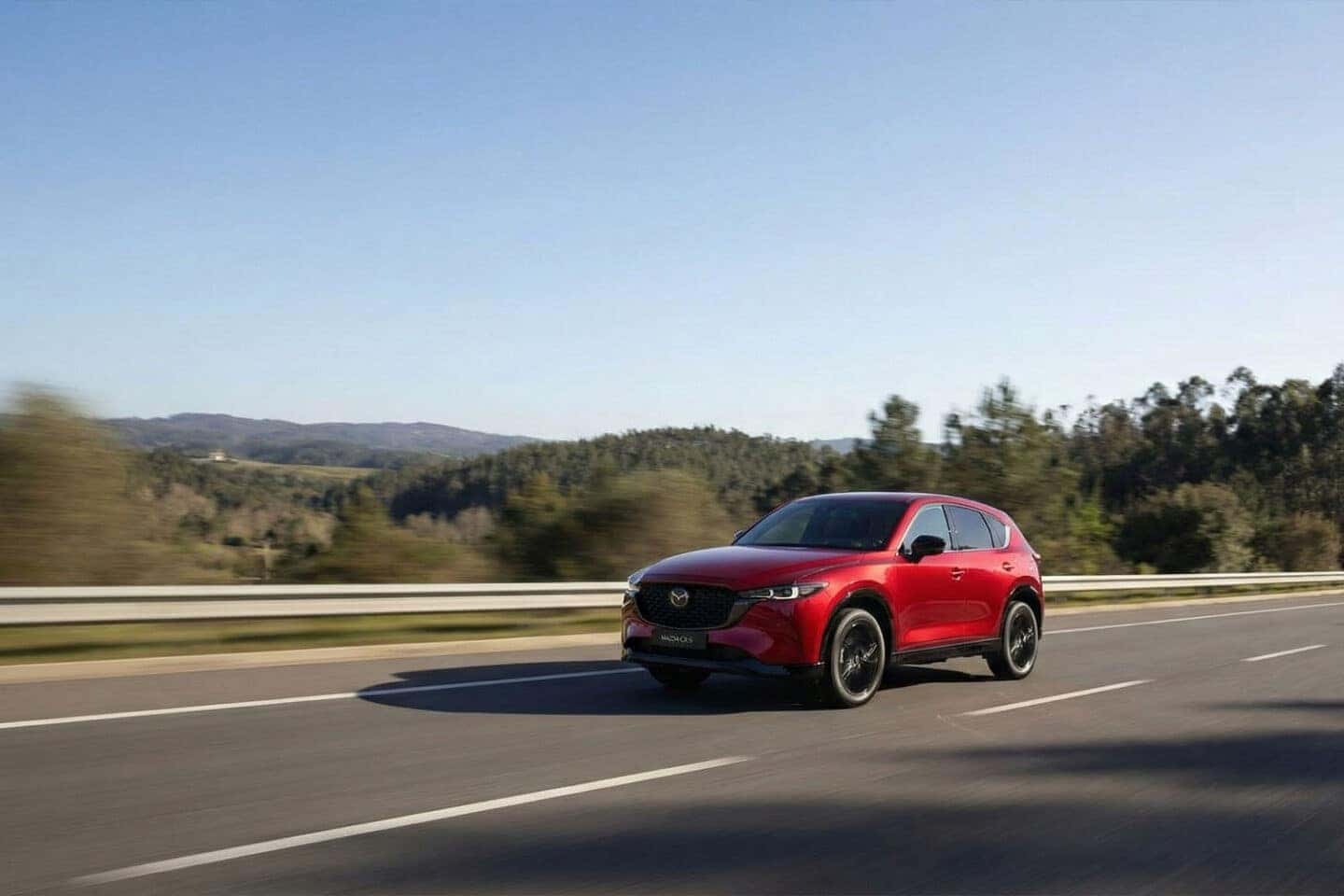
Mazda’s i-Activsense uses a front radar. On the CX-5 manual, the radar sits behind the front emblem. That puts it in the same exposed spot as Toyota and Honda.
Mazda is careful in its warnings. The manual says the radar can detect a dirty surface but may not catch plastic bags, ice, or snow. It then says to keep the radar clean. That is an honest admission of a blind spot.
It lists winter conditions directly. Ice, snow, or soiling on the front surface of the emblem is named. So is inclement weather such as rain or snow. Wet snow clings to that flat badge.
The dash message is clear. Mazda says to clean the area around the front radar if “Front Radar Sensor Blocked” appears. It is a quick fix when ice is the cause.
Mazda adds a useful nuance. On empty roads, the message may show briefly with nothing wrong. The radar sees nothing to track and can flag itself. That is not an ice problem.
So not every warning means snow. Check the emblem first. If it is clean and the road is empty, wait. Accessories can cause trouble too. Mazda says not to put stickers, even transparent ones, on the grille or emblem near the radar. Do not swap the emblem for a non-genuine part.
The grille matters also. Mazda says not to install a grille guard. A guard can block radar waves or trap snow. Features tied to the radar include Smart Brake Support and Mazda Radar Cruise Control. Both lose their input when blocked. The car still drives normally.
The Mazda radar relies on radio waves. Radio waves pass through thin, dry snow fairly well. Wet, packed snow is the real blocker. That is why a frozen layer on the emblem is worse than falling flakes. Compacted slush forms a solid sheet. It can reflect or absorb the signal.
Mazda owners in snowy regions should treat the badge like a lens. Wipe it with a soft cloth. Avoid harsh scrapers. Keep the front plate area clear too. A thick plate frame or accessory can trap snow near the sensor. Simple habits prevent most shutdowns.