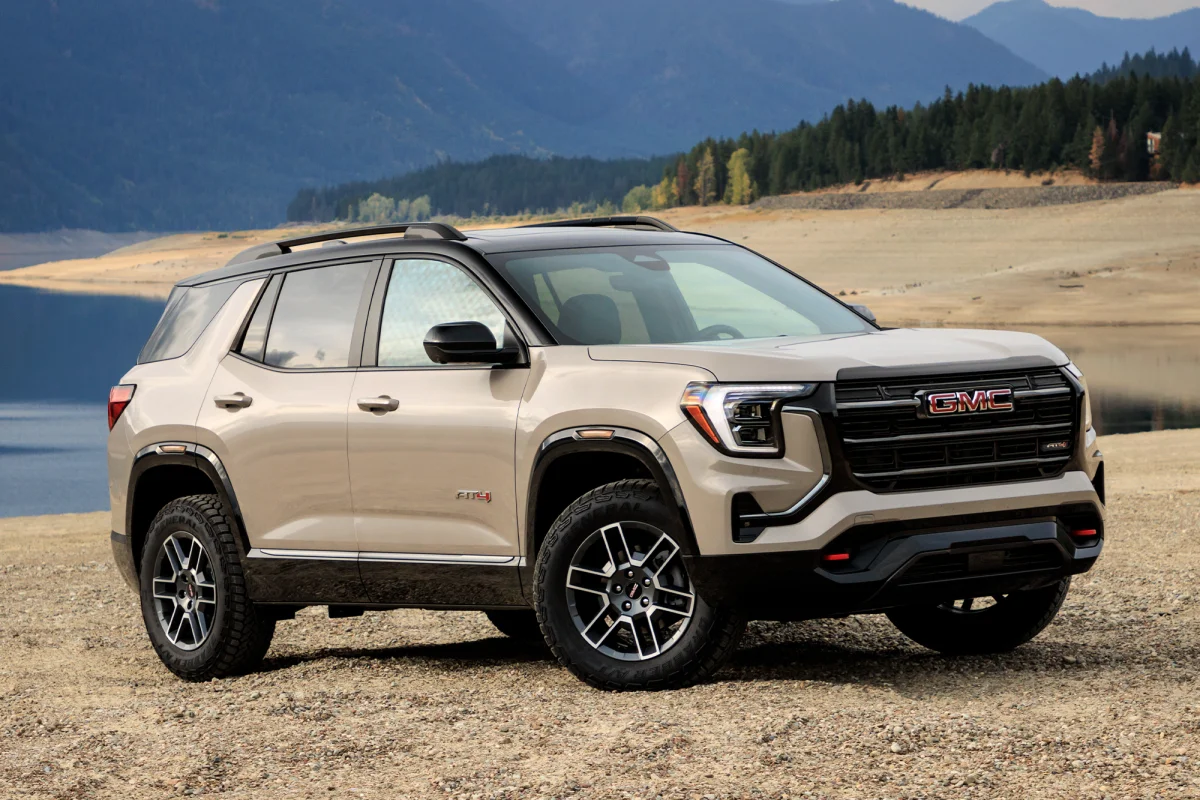
Rear visibility is the part of an SUV that buyers check last. It is also the part they regret most. A tall body and a sloping roof leave very little glass at the back.
Consumer Reports rates how well different-sized drivers can see out of a vehicle. It has named worst-in-class SUVs for years. Its testers say SUVs generally offer worse visibility than sedans.
The trend is getting worse. A 2025 study by US Department of Transportation researchers used an IIHS method to map driver vision. It found front blind zones grew by as much as 58 percent in three popular SUVs over 25 years. That study covered the front view, not the rear. Still, it shows how design choices have shrunk what drivers can see.
Rear cameras help, but they are not a full fix. A camera shows one narrow patch behind you. It does not help with shoulder checks or lane changes.
Poor rear visibility is not only an annoyance. It raises the risk of low-speed collisions in parking lots and driveways. Small children and pets are hardest to spot behind a tall vehicle. That is why this topic deserves a closer look before you buy.
Here is a quick fact-check note first. The rankings below come from Consumer Reports class lists, Cars.com grades, and other reviews. They span different model years. I have flagged older tests and discontinued models. Always check the current generation yourself before buying.
1. Nissan Murano
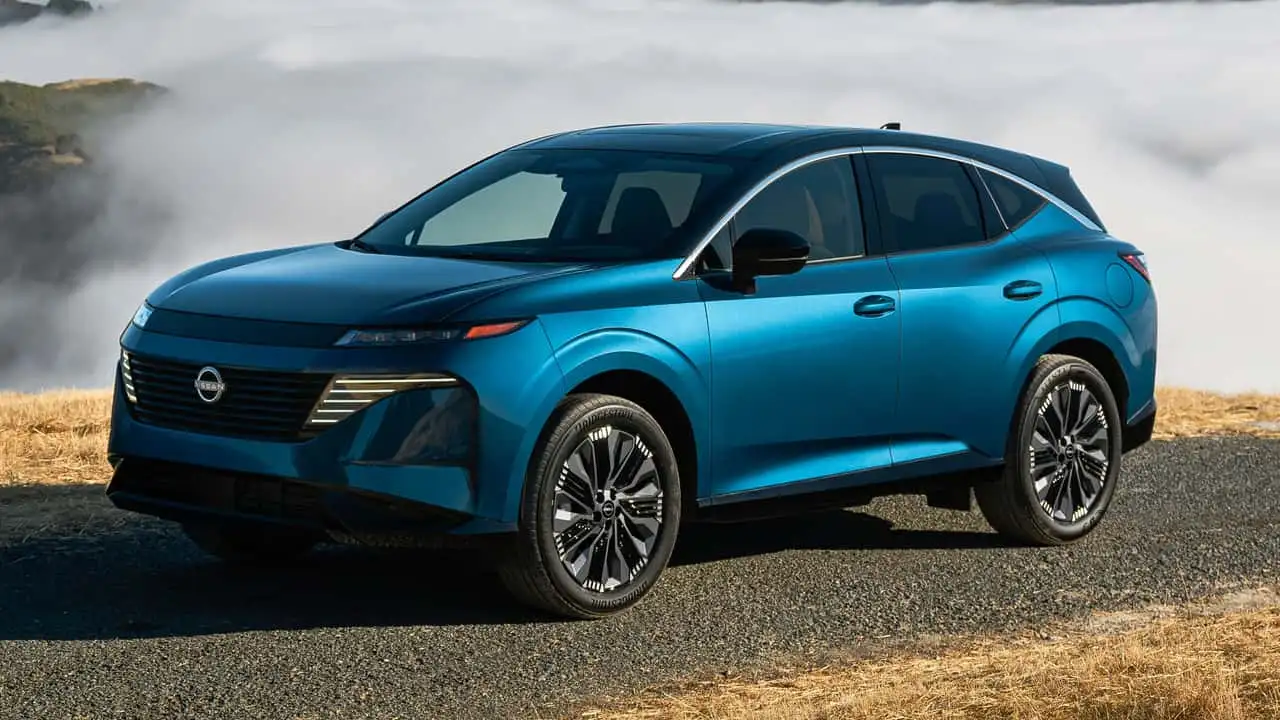
Consumer Reports named the Murano the worst midsize two-row SUV for visibility. That ranking came from an older generation. The complaint has followed the model for years.
Consumer Reports’ 2026 model page still says the swoopy styling hampers rear and side visibility. Cars.com reviewed the 2025 redesign and called the rear visibility unimpressive. It blamed a very narrow rear window.
Nissan did add an available Invisible Hood View camera feature. That helps with what sits in front of the car. It does not widen the rear glass. The Murano is comfortable and stylish. Those looks cost it some sightlines. The 2026 model has standard all-wheel drive and a turbocharged four-cylinder engine.
Buyers should test the Murano in a tight car park before signing. Reverse into a bay and judge the view yourself. Check a lane change over your shoulder as well.
The rear camera and sensors matter more here than on most rivals. Make sure your trim has them. A good camera cannot replace good glass, but it softens the blow.
Ask the dealer to let you drive it for a full hour. A short loop around the block hides the problem. A real errand, with parking and merging, shows it clearly. Bring the person who will drive it most.
2. Nissan Pathfinder
Consumer Reports picked the Pathfinder as the worst midsize three-row SUV for visibility. The ranking appeared in an older list. Honda’s Pilot won the best spot in that same list.
The main complaint was a small rear window. That makes it hard to see what sits directly behind you. A three-row body adds to the problem. A long cabin pushes the rear glass far from the driver. Everything behind the car looks smaller and more distant. Reversing in a crowded lot then takes extra care.
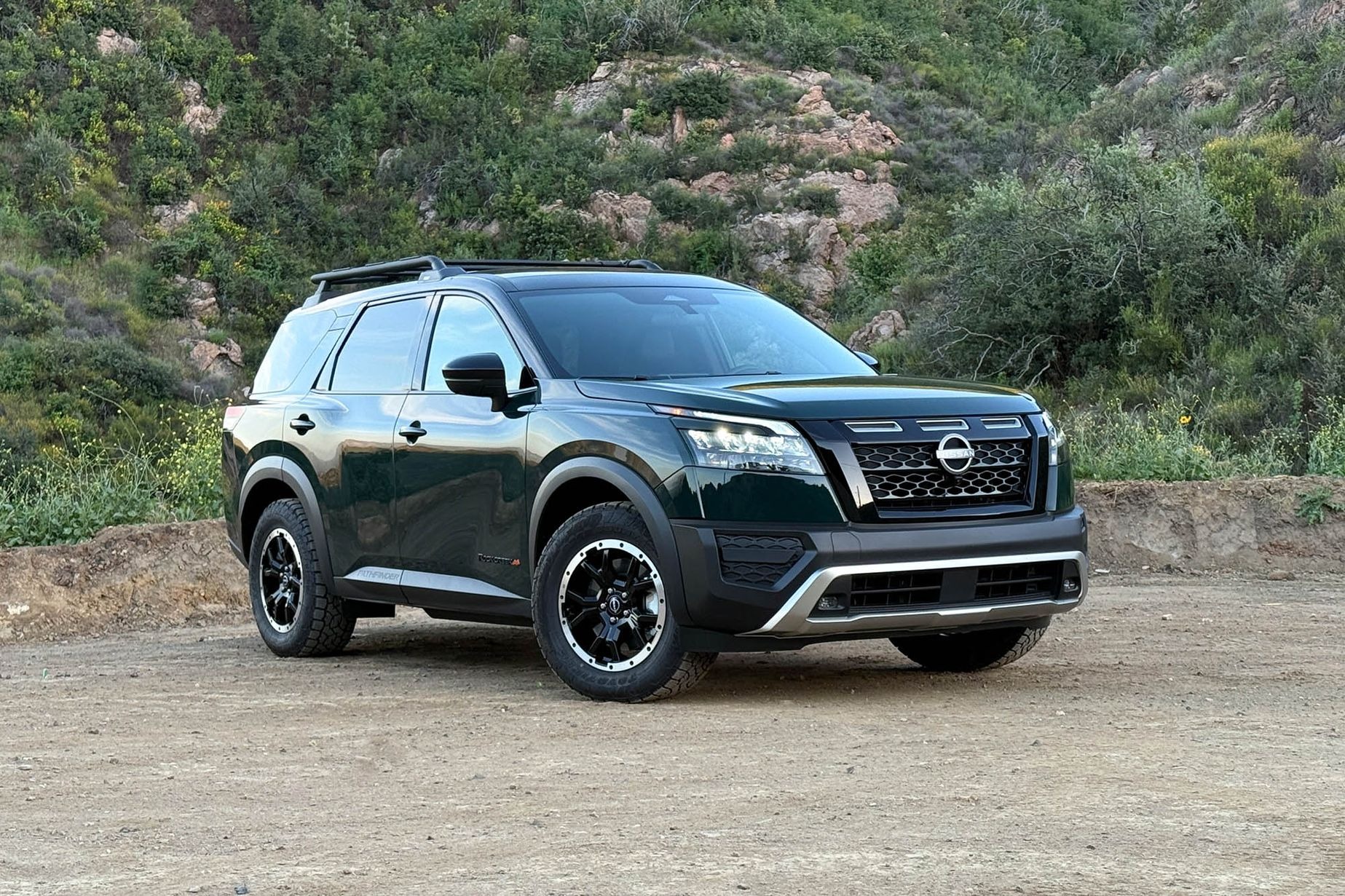
Third-row headrests can block the mirror further. Fold them down when no one sits there. It is a simple habit that helps a lot. The Pathfinder has been redesigned since that ranking. I did not find a fresh visibility test of the new model. Do not assume the old verdict still applies.
Family buyers still need to check. A big SUV often carries children and cargo. That makes a clear rear view more important, not less. Test it with the third row up and then folded. Note how much the view changes. The difference can be large.
Also check how the mirror looks with a full load of passengers. Heads and headrests fill the glass quickly. Nothing is more telling than a loaded test. Try it on a busy road, not an empty one.
3. GMC Terrain
Consumer Reports named the Terrain the worst compact SUV in its older visibility list. The Subaru Forester won the opposite spot. The gap between them was wide.
I could not find the detailed reasoning for the Terrain verdict. So treat it as a class result rather than a measured fault. The Terrain shares its basic design with the Chevrolet Equinox.
Cars.com tested a 2018 Equinox in 2017. It said the remaining glass sits between column-like rear pillars. It called the Equinox an arch nemesis of visibility.
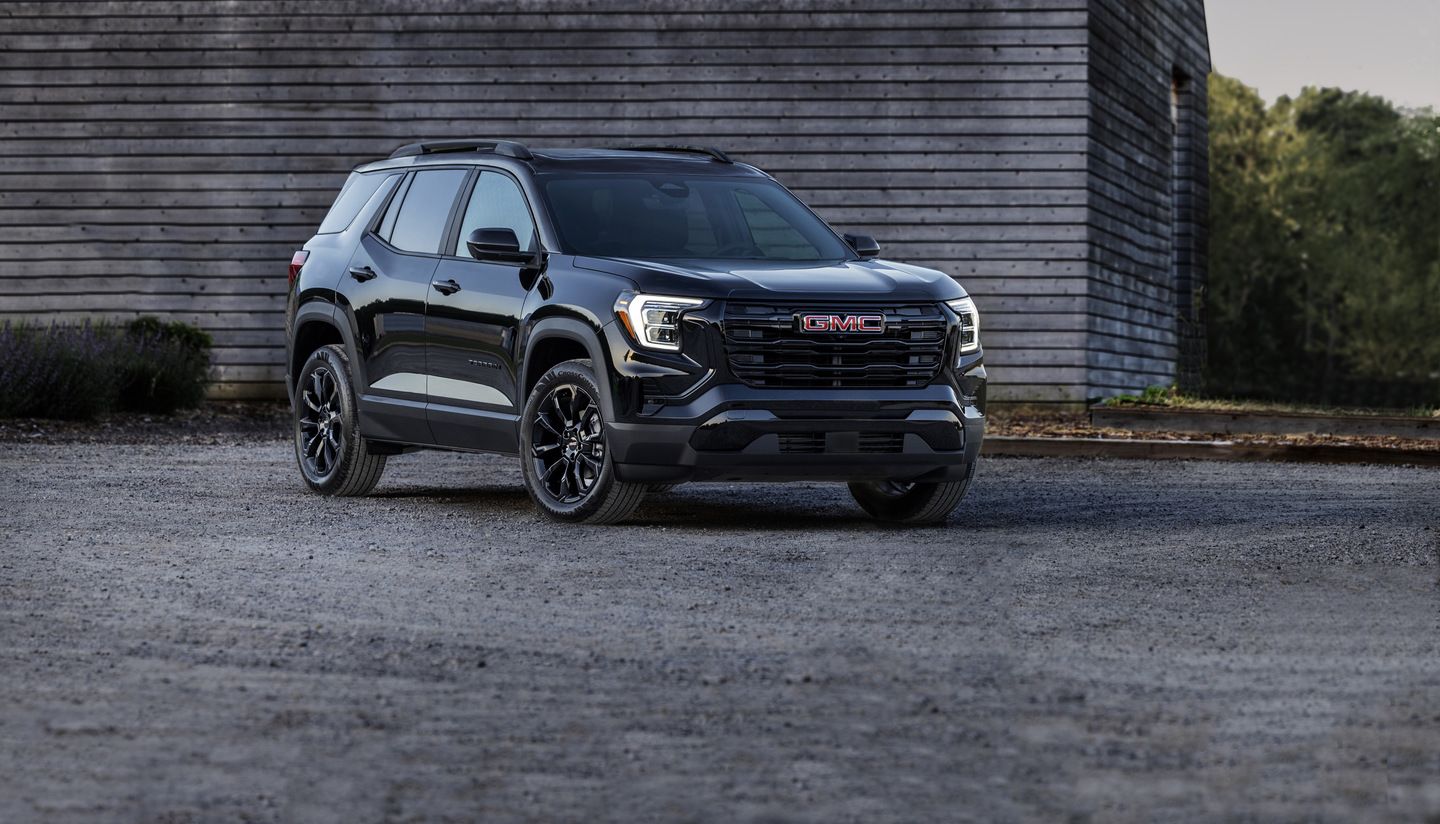
That gives useful context for the Terrain’s low rank. The two vehicles are close relatives. Their sightlines share the same roots. The Terrain has been through changes since those tests. A newer generation may differ. I would not call the old finding current.
Compact SUVs are often bought for city use. City driving is where blind spots hurt most. Parking, merging, and tight turns all demand a clear view.
Drive one before you decide. Sit in the driver’s seat and turn your head. See what the pillars hide. A useful trick is to compare it against a rival in the same lot. Sit in each car and turn your head the same way. Notice how much sky and road you see. The difference is often obvious within seconds.
4. Mazda CX-30
Consumer Reports tied the CX-30 for worst visibility among compact SUVs. The Ford EcoSport shared that spot. It is an odd pairing for a stylish Mazda.
Jalopnik’s driver complaints point to squinty rear windows. It also points to chunky C-pillars. Those two traits combine badly when you look over your shoulder.
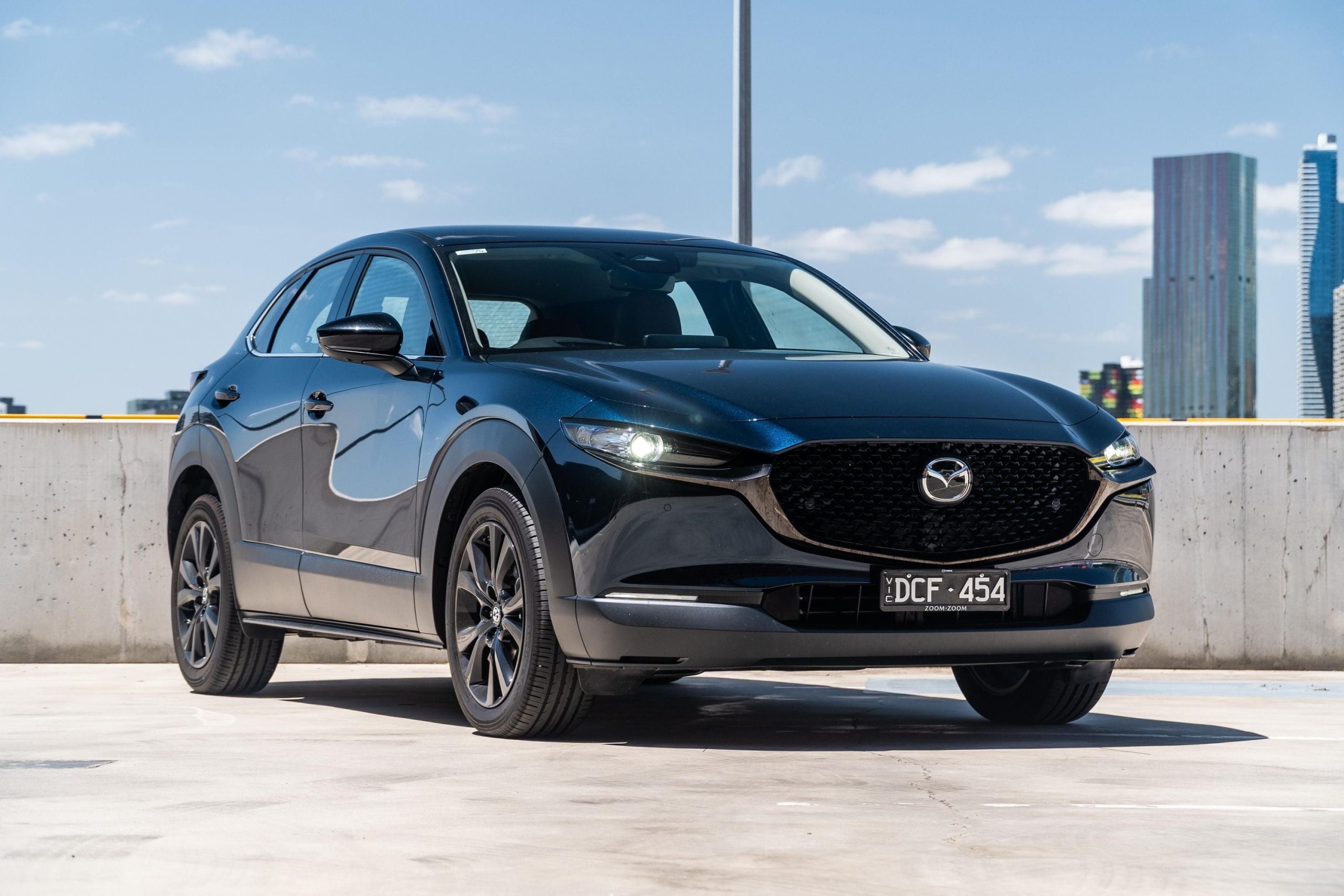
Mazda chose a sleek shape over open glass. Many owners accept that trade. Lane changes need extra care, though. The complaint is a design result, not a defect. The roofline falls toward the tail and squeezes the back window. The pillars then eat most of what remains.
The CX-30 is still on sale. That makes it one of the more relevant entries here. A buyer today can still walk into a showroom and test it. Blind spot monitoring helps a lot. So does a rear camera. Neither replaces a proper shoulder check.
Sit in the car and look behind you. Note where the pillars sit. Then decide if you can live with it. Also look at the mirror when the car is full. A small rear window plus rear headrests can leave a thin strip of view. Adjust the mirror properly before judging. A good setup recovers some of the lost vision.
5. Ford EcoSport
The EcoSport tied the CX-30 in the same Consumer Reports class. The testing was blunt. Reviewers said the thick front pillars felt like driving with blinders on a horse.
The rear was no better. CR cited thick rear pillars and a very small back window. It also called the third side window useless. Side visibility was decent. Big front windows and narrow side pillars helped there. The real weakness was behind the car.
The EcoSport is a small SUV with a tall, short body. You might expect that to give a good view. In practice, the pillars and the small glass spoiled it.
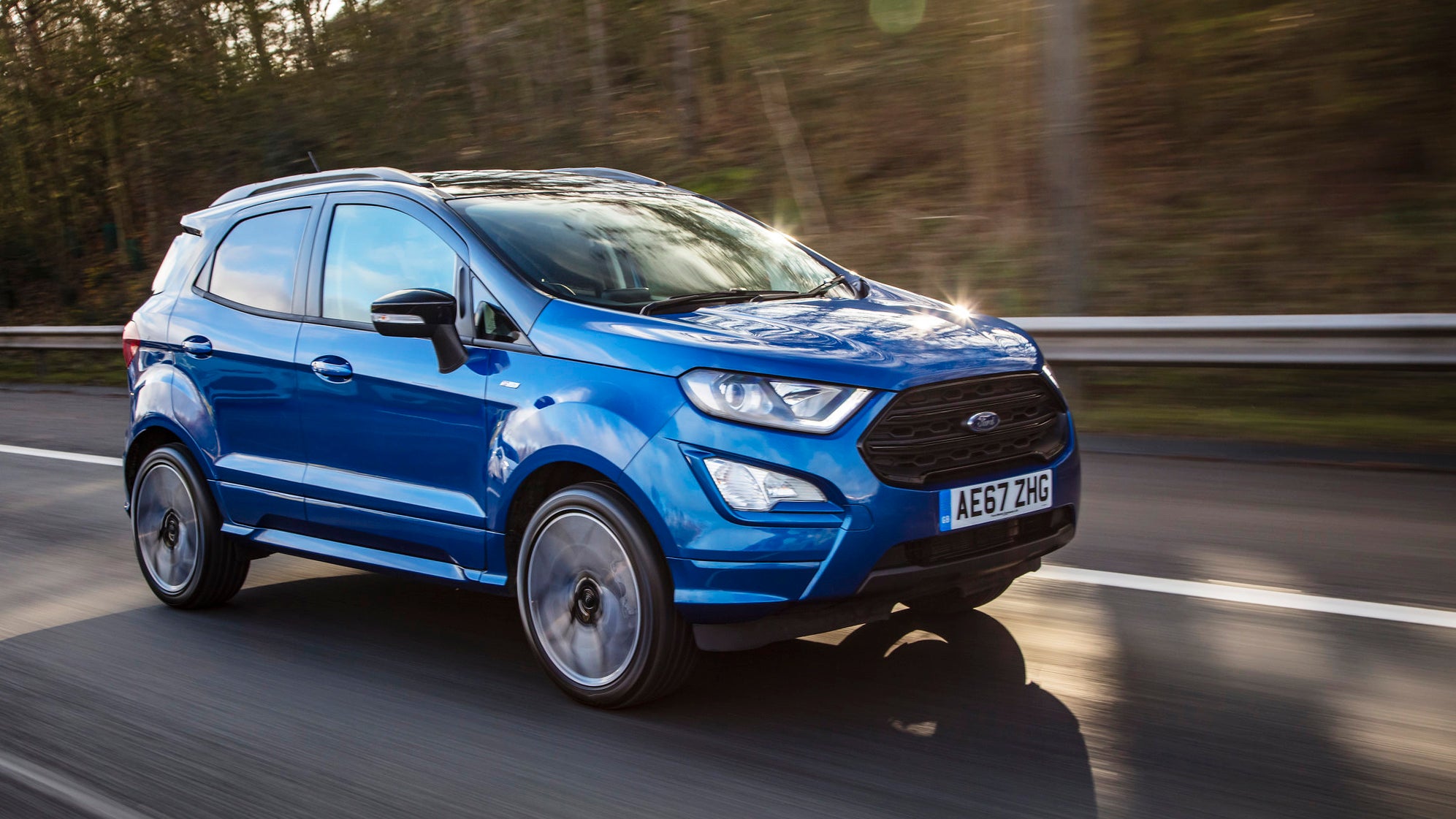
Ford closed its Indian factory that built the EcoSport for the US. The model was dropped soon after. Many remain on the road in different markets.
Used buyers should keep this in mind. A cheap used SUV is attractive. A poor rear view is a hidden cost. Check the camera, the sensors and the mirrors. Make sure they all work. Treat them as essential kit, not extras.
Also remember that this model has a tall tailgate with a spare wheel on some versions. That can add another obstacle. Check the version you are looking at. Not every car has the same rear layout.
6. Mazda CX-9
Consumer Reports singled out the CX-9 for the worst blind spots among midsize three-row SUVs. This came from another of its visibility lists. The Honda Pilot is the usual winner in that class.
The CX-9 had a handsome, sloping profile. Handsome profiles often hide poor sightlines. This one was no exception. Mazda ended the CX-9 and replaced it with the larger CX-90. The 2023 model was the last, according to Edmunds reporting. I have not found a visibility test of the CX-90.
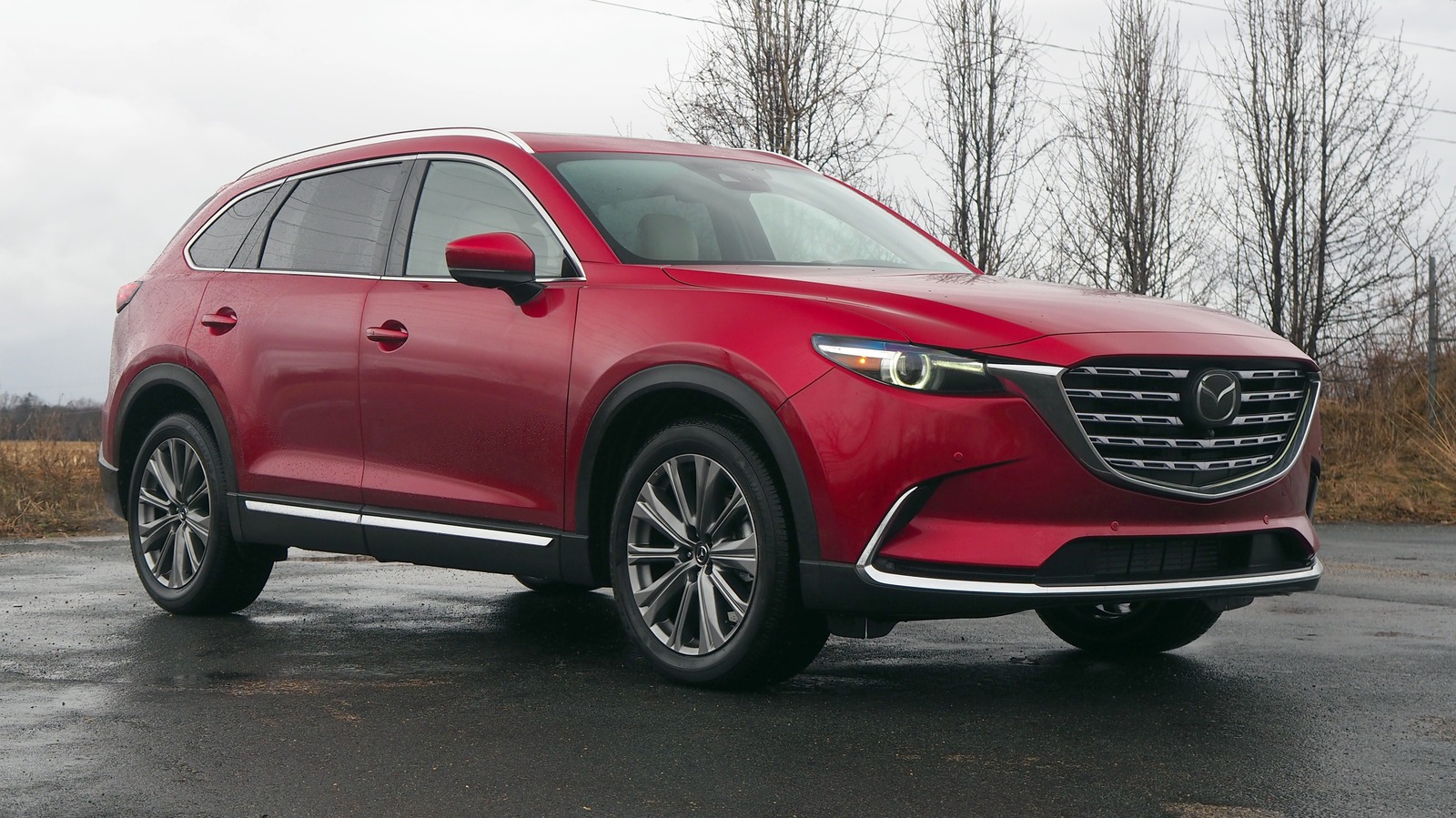
So this entry is about used buyers. The CX-9 has a loyal following. Its looks and driving feel win many fans. That is exactly why the issue matters. People buy on style and feel. They discover the rear view later.
Used CX-9 buyers should be aware of the problem. A trial drive will show it quickly. Check the third-row headrests too. Parking sensors help. A 360-degree camera helps more, if the car has one. Confirm which features that particular trim offers.
Insurance and resale are worth a thought as well. A car that scrapes easily costs more over time. A clear view saves money in small ways. Keep that in mind when you compare prices.
7. Tesla Model X
Consumer Reports named the Model X the worst luxury midsize SUV for visibility. Its road test says rear visibility is tight. It adds that big roof pillars block the view at every corner.
Its 2026 comparison page still lists hampered visibility as a weakness. Owners on Tesla forums talk about the headrests in the seven-seat layout. Folding them down improves the mirror view.
The Model X also had a rear-camera issue. Tesla recalled some 2023 to 2025 Model X cars over a rearview image that could fail. The fix was a free software update.
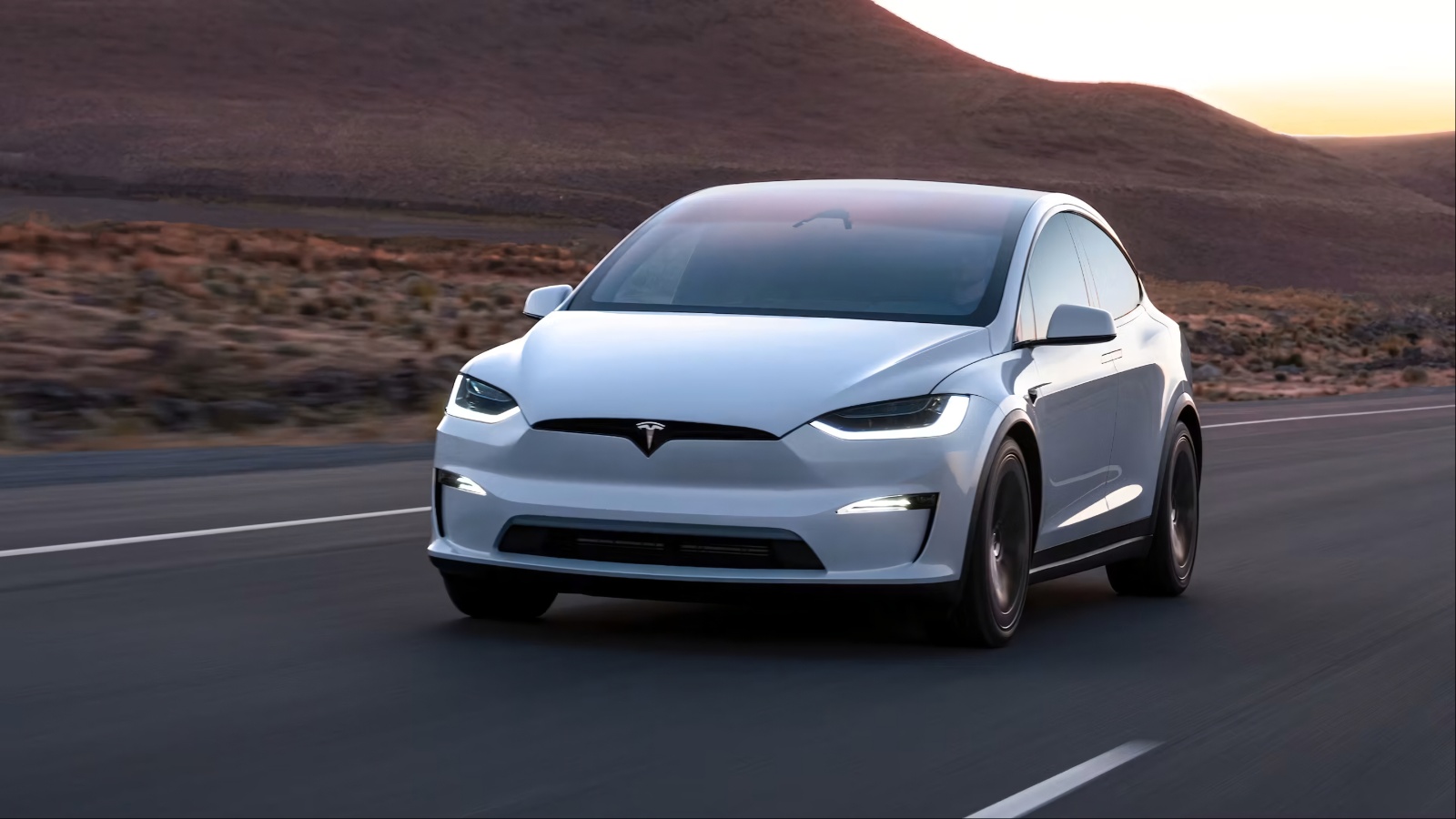
The recall matters because the camera carries extra weight on this car. When it fails, the mirror is a weak backup. The large windscreen gets the praise, but the back glass does not.
The Model X is a heavy, expensive SUV. That adds risk when you misjudge a reverse. A scrape can be costly. Buyers should test the camera in daylight and at night. Check how clear the image is. Also check how the mirror looks with the rear seats occupied.
Do not assume software will always save you. A camera can fail, and a screen can glare in strong sun. Learn to use the mirrors and shoulder checks too. Good habits cover the gaps that technology leaves.
8. Jaguar I-Pace
Consumer Reports named the I-Pace the worst luxury compact SUV for visibility. That came from its older list. The Audi Q5 won the best spot. The I-Pace has a low, sleek shape. The rear glass is small as a result. That helps range and looks but hurts sightlines.
Jaguar ended production in December 2024. That makes it a used-car question now. It was also sold in India early on, according to 91wheels. The company’s CEO said the I-Pace was mainly sold in the UK and Europe. That tells you where most used examples will be.
Parts and service availability may vary by region. A used buyer should check the rear camera and sensors. They matter more here than in most SUVs. Do not skip that test.
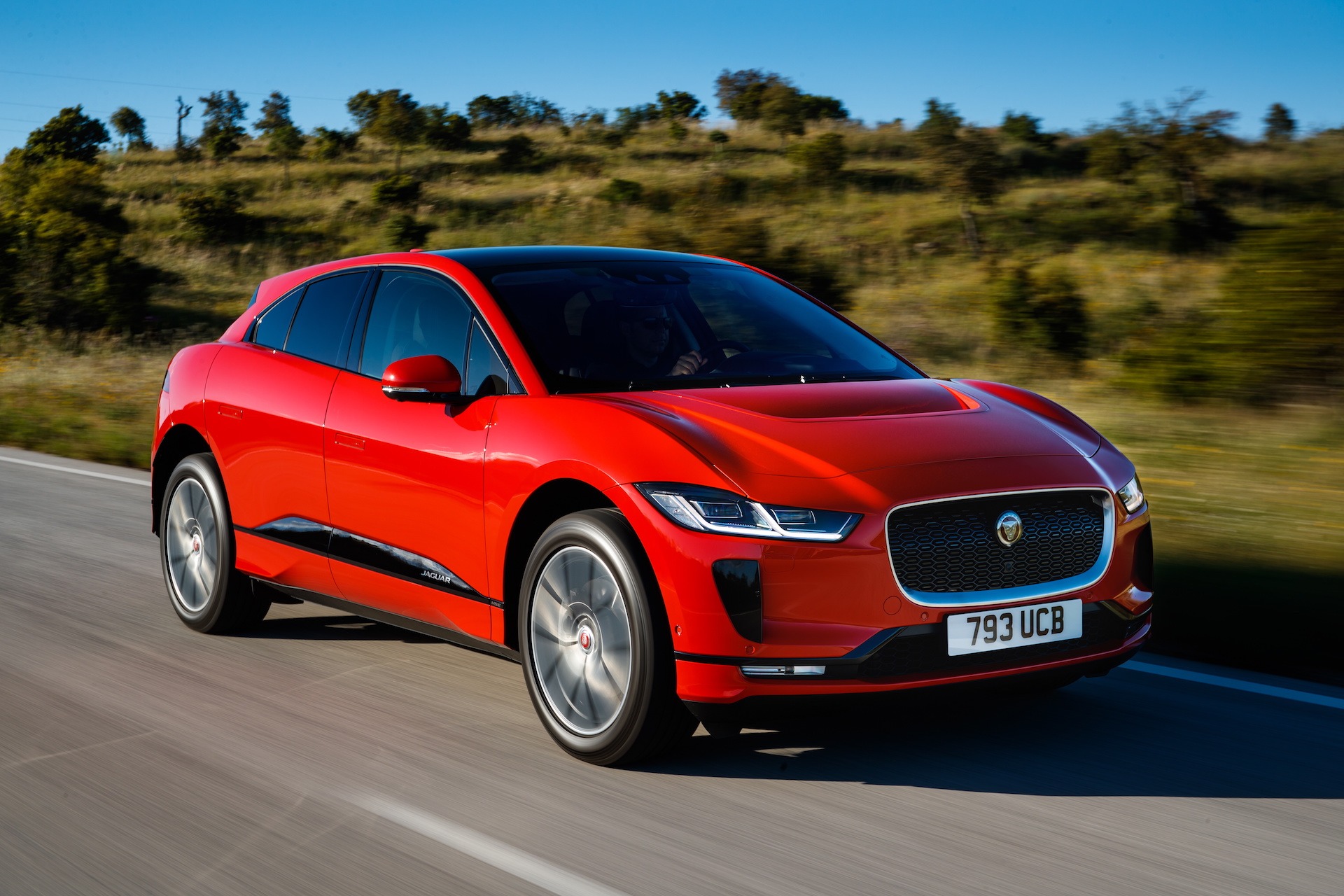
Look at the mirror view with all headrests up. Then look at it with them folded. Know what you are working with. The I-Pace is a striking car. Many people love it. Just know the view out the back is part of the bargain.
Because the car is no longer built, ask the seller about service history for the camera system. Electronics age, and replacement parts can be hard to find. A clean history gives peace of mind. A missing one should make you cautious.
9. Buick Encore
The Encore appears on a Consumer Reports-based list of worst visibility vehicles. Review coverage describes thick pillars and a small rear window. That combination limits the view behind.
The Encore was one of Buick’s most popular models when that list appeared. Its small size does not remove the problem. Compact bodies can still have chunky rear pillars.
Small SUVs invite a false sense of ease. You expect a short car to be easy to see out of. The Encore shows that is not guaranteed. Rear parking sensors and a camera are helpful here. They cover what the mirror cannot. A shoulder check remains the best tool.
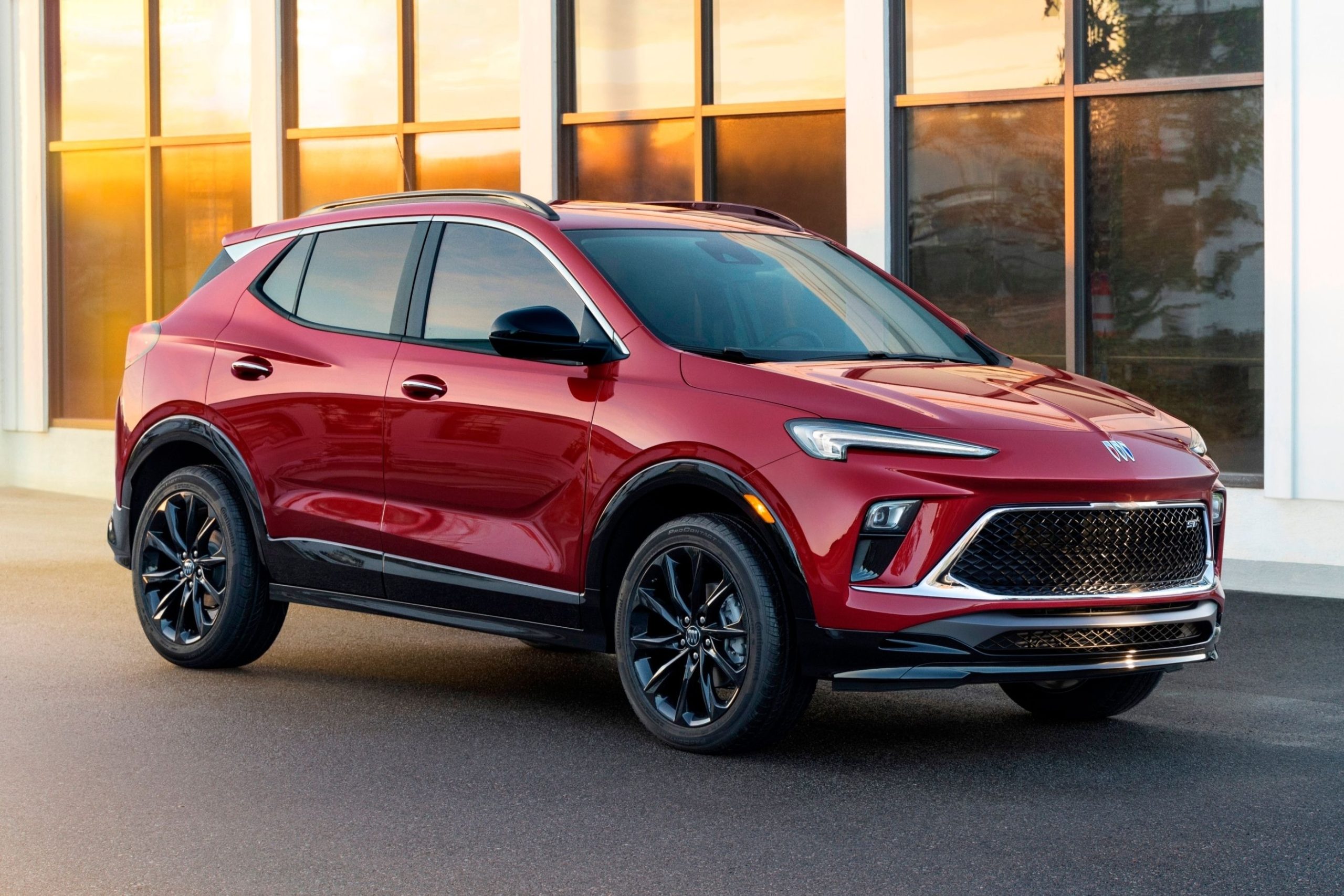
I could not confirm the current status of the nameplate. Check what Buick sells today. Rear visibility may differ on newer models. That list also included older cars, so it reflects a past generation. Use it as a warning rather than a final score. Test the exact car in front of you.
Sit in the driver’s seat and look behind. Count how many pillars interrupt the view. Then look at the mirror. It helps to ask a friend to stand behind the car during a test. See how many of them you can spot in the mirror. Then repeat with a child-height object. The result can surprise you.
10. Toyota RAV4
The RAV4 is one of the best-selling SUVs on the market. Cars.com graded the 2017 version C+ for visibility. That test is old, so treat it as a guide only.
The rear window was small. It also said the rear-quarter windows taper at the base. That is where you want to see more, not less. An earlier Cars.com test of the 2014 model noted a swept-forward D-pillar that hides a lot. Folding head restraints did little for shoulder views. The RAV4 has been redesigned since.
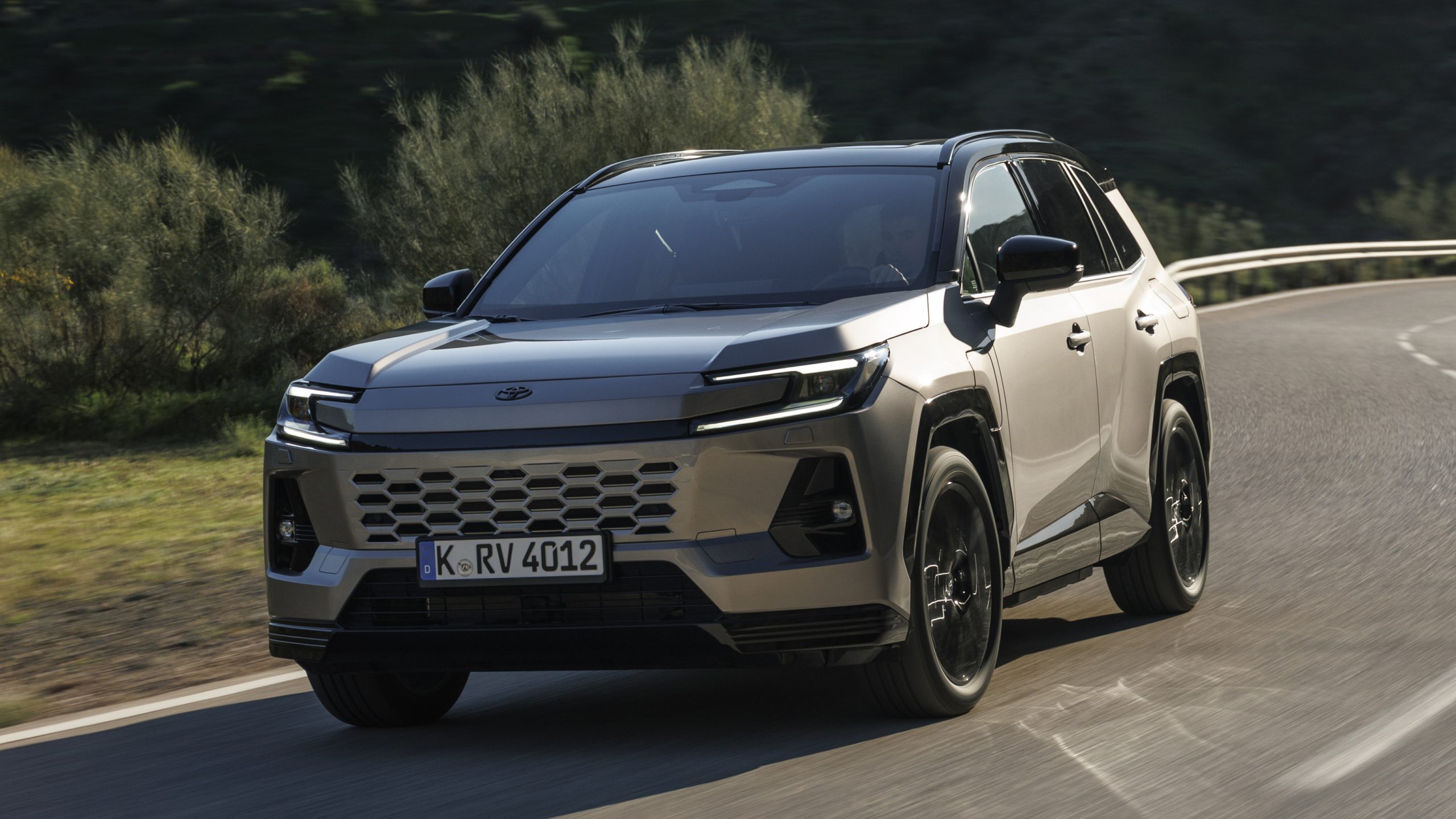
The RAV4 is not the worst on this list. It earns a place because it is so common. A lot of drivers live with this view. The same test praised the thin C-pillars on the older model. That shows the picture is mixed. Good and bad points sit side by side.
Because so many people drive one, small flaws add up. Thousands of daily reversing moves happen in RAV4s. Good camera and monitoring tech matter a great deal.
Check the current generation yourself. Do not rely on a decade-old grade. Judge the view with your own eyes.
Many RAV4 buyers pick it for reliability and resale value. That is a sound reason. Just add a visibility check to the list. It takes five minutes and can save real trouble later.
11. Nissan Rogue
Cars.com graded the 2017 Rogue a C for visibility. Its test is a decade old. The current Rogue is a different design. The tester noted upright C-pillars. A tall sail panel still kept them thick. The Rogue was also long at 184.5 inches, which put the rear window far away.
The 2014 test described the older Rogue’s sightlines as bunker-like. The redesign improved that, but a rear side panel problem remained. The pillar fanned out near its base, and its thick frame hid part of the rear-quarter window.
Those are older findings, so verify today’s model. A new generation can change the picture. Still, the habit of thick pillars on this nameplate is worth noting.
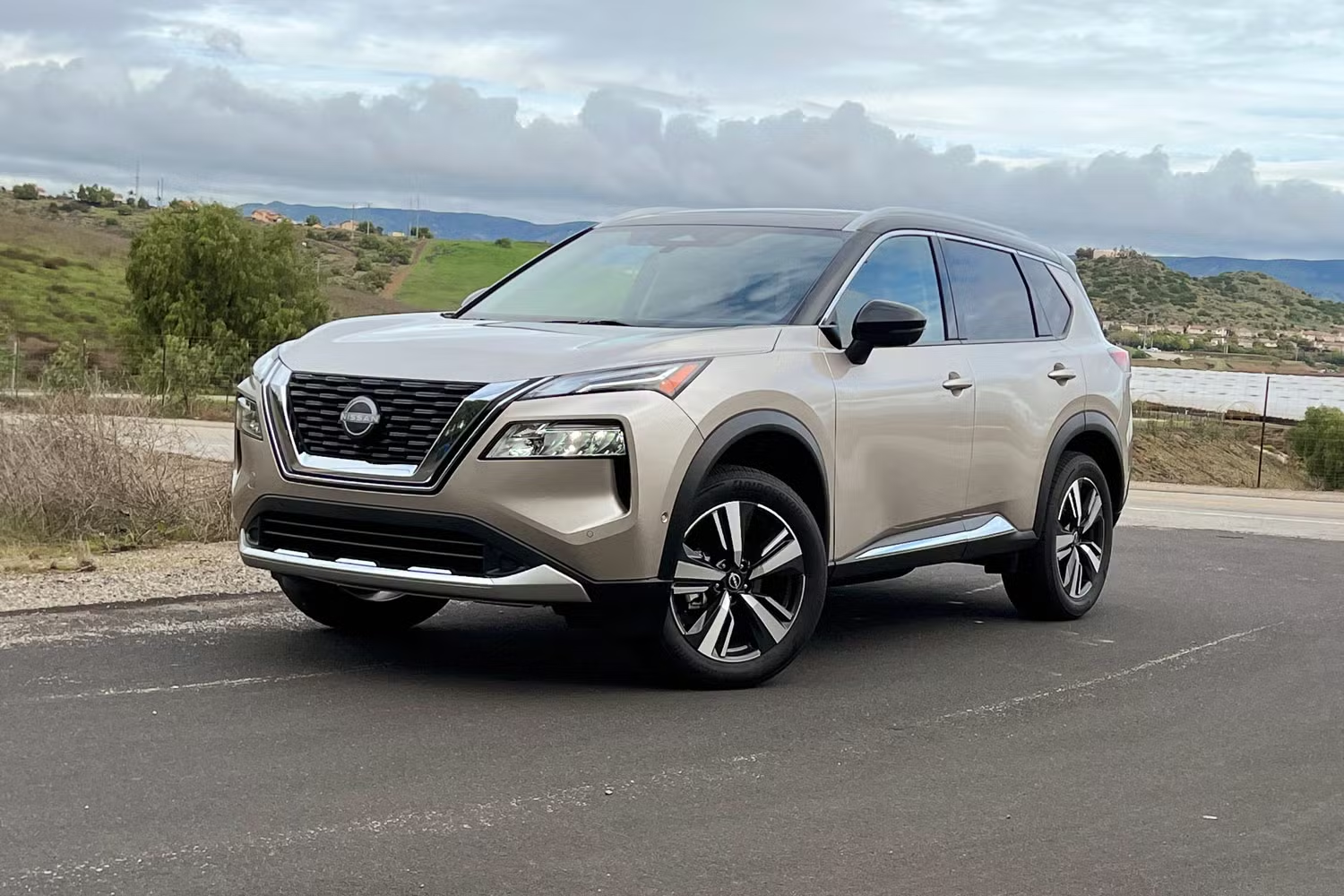
The Rogue sells in huge numbers. Even small flaws affect many drivers. That raises the stakes for any sightline problem. A good camera and blind spot monitoring matter here. They are standard or optional depending on trim. Check which one you are getting.
Take a long test drive. Back into a space and look at the mirror. Then decide. Long cars make the problem worse because the rear window sits farther from your eyes. Everything behind looks smaller. Judge distance carefully when backing up. Slow, small movements work best.
12. Dacia Duster
The Duster is sold under Dacia in Europe and has been sold as the Renault Duster in India. The consumer group Which? flagged its thick rear pillars. It said they risk hiding hazards when reversing.
Which? singled out reversing around a corner as especially tricky. It tested the 2018 generation. The Duster was the cheapest new SUV in that market, which explains the trade-off.
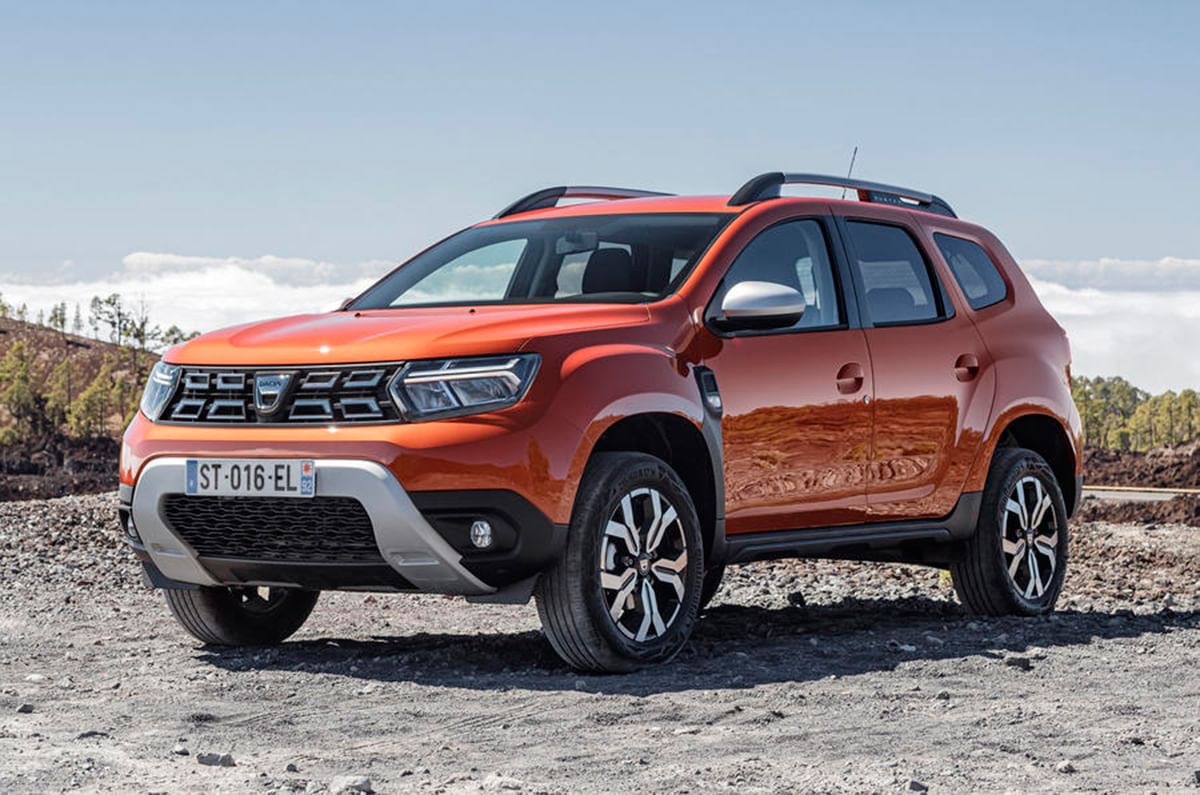
Price pressure often cuts glass and adds metal. That is a fair choice for a budget car. Buyers still need to know about it. The Duster is a boxy SUV, which usually helps visibility. The thick rear pillars undo some of that. It is a reminder that shape alone does not decide the view.
The Duster has been updated since the 2018 test. I did not find a fresh visibility review of the latest model. Check the current version in person. Rear sensors and a camera are worth having. Check which trim includes them. Not every version has both.
It is also worth comparing similar budget SUVs from other brands. Some offer a better rear view at the same price. A side-by-side drive tells you more than a spec sheet. Take your time with that choice.