Rear air vents seem like a small detail. They are not. On a hot July afternoon, they decide who rides in comfort and who sulks in the back. Most new SUVs now include them. One major shopping guide notes that the vast majority offer at least a basic second-row vent. That makes the exceptions stand out.
This list covers seven popular US-market SUVs where rear vents are missing, limited, or locked behind an option. Some are budget subcompacts. One is a rugged icon that takes a very different approach to rear airflow.
Each entry was checked against professional reviews, pricing pages, and automaker updates from 2026. Where the answer changes by trim or model year, the text says so.
Rear vents matter most for kids in car seats, pets, and tall adults. They also help the back seat heat up and cool down faster. If passengers sit behind you often, this list can save you a regretful purchase. Here are the seven SUVs to know before you sign.
1. Chevrolet Trax
The Chevrolet Trax is one of the cheapest new SUVs on sale. Pricing for 2026 starts near $23,000. That low number comes with a few missing pieces.
Reviewers agree on the back seat. It is roomy, but it has no air vents, no center armrest, and no cupholders. Test teams in comparison drives flagged this more than once.
The space itself is a real strength. Rear legroom is generous for the class. Adults fit without complaint. The Trax is also longer than its rivals. It measures about 178.6 inches. That length is where the extra room comes from.
Under the hood sits a turbocharged 1.2-liter three-cylinder engine. It makes 137 horsepower and 162 pound-feet of torque. That is modest, but it suits city driving.
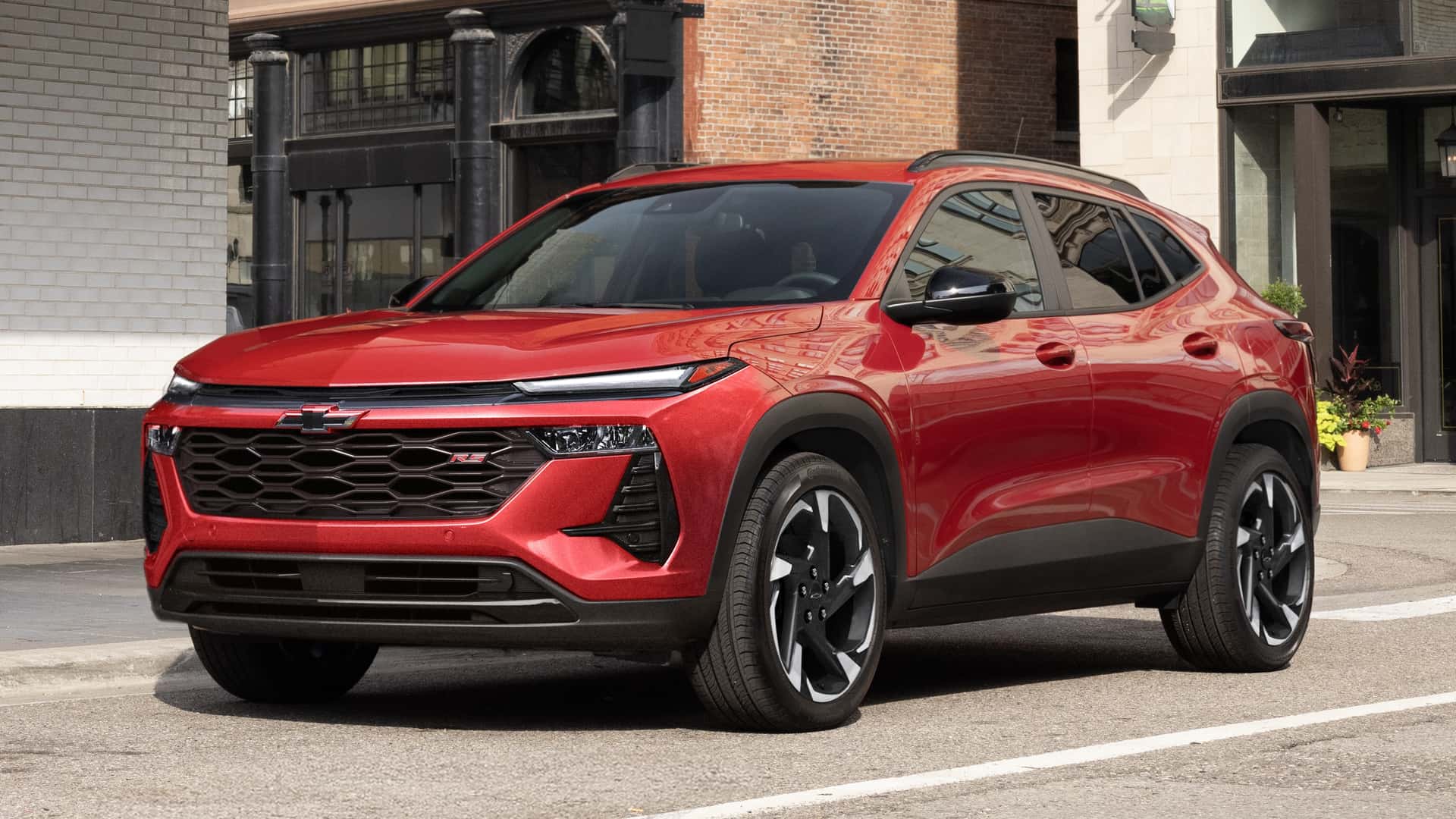
The Trax is front-wheel drive only. There is no all-wheel-drive option. Shoppers in snowy states often move up to the Trailblazer. Fuel economy is a bright spot. The EPA rates it around 29 mpg combined. Running costs stay low.
Inside, the front half feels more expensive than the price. Large round vents and bright trim add style. Physical climate controls are a welcome touch.
None of that airflow reaches the back, though. Rear passengers depend on the front vents. On a sunny day, that can mean a stuffy second row. There is good news on the horizon. Chevrolet confirmed changes for 2027. The refreshed Trax gets new hexagonal front vents and, finally, rear vents. Dealers should see it by spring.
So the timing matters. A 2026 Trax has no rear vents. A 2027 model should. If you buy a 2026 now, a few habits help. Aim the center dash vents upward and slightly back. Use sunshades on the rear windows.
Pre-cool the cabin before loading kids. The Trax remains a strong value. It just asks the back seat to sacrifice. Families in hot states should weigh that carefully, or wait for the update.
2. Chevrolet Trailblazer
The Trailblazer is the Trax’s slightly pricier sibling. It starts around $25,000 for 2026. Many buyers choose it for the all-wheel-drive option. Its back seat is spacious for a subcompact. Rear legroom measures about 39.4 inches. Cargo space behind the rear seats is 25.3 cubic feet.
Both rear seats and the front passenger seat fold flat. That helps with long loads. It is a practical layout. Climate comfort is where it slips. Reviewers have long noted the missing rear air vents. Some owners cite it as a top complaint.
The Trailblazer’s mileage is decent. The EPA rates the front-drive version around 27 mpg combined. Buyers who pick AWD should expect a small drop.
Power is adequate rather than exciting. Chevrolet offers turbocharged engines across the range. They get the job done around town. A few caveats are worth knowing. Dealer listing sheets sometimes show vague “rear vents” fields. Those fields are often auto-filled and unreliable. Trust the car, not the spreadsheet.

The 2027 update changes the story. Chevrolet redesigned the center console. It now adds rear-seat climate vents. Reports also mention a new column-mounted shifter.
That means the 2026 Trailblazer is the last year without them. It is also the model most likely to be discounted. Dealers need room for the new stock.
Safety deserves a mention too. The 2026 model drew poor marks in one updated crash test. That is worth reading before you buy. For rear comfort, the best fix is patience. A 2027 model solves the vent problem. A discounted 2026 solves the price problem.
If you take the 2026, test it on a warm day. Sit in the back for ten minutes. Check how long the cabin takes to cool. The Trailblazer is a likable small SUV. It is roomy, affordable, and available with AWD. It simply leaves the back row a little hot.
3. Buick Envista
The Buick Envista looks like a coupe wearing SUV clothes. It costs about the same as the Trax. It also shares the same basic platform. Buick packs plenty into the front. The cabin feels upscale for the price. A big digital display anchors the dash.
The back seat is surprisingly comfortable. Rear legroom is about 38.7 inches. That beats some larger rivals. Airflow is the gap. Reviewers across several model years report no rear vents. A 2026 test noted charging ports on the back of the console, but no face-level vents.
One 2026 review called out the omission directly. The writer said he wanted more transmission gears and rear air-conditioning vents. He added that neither was a deal killer.
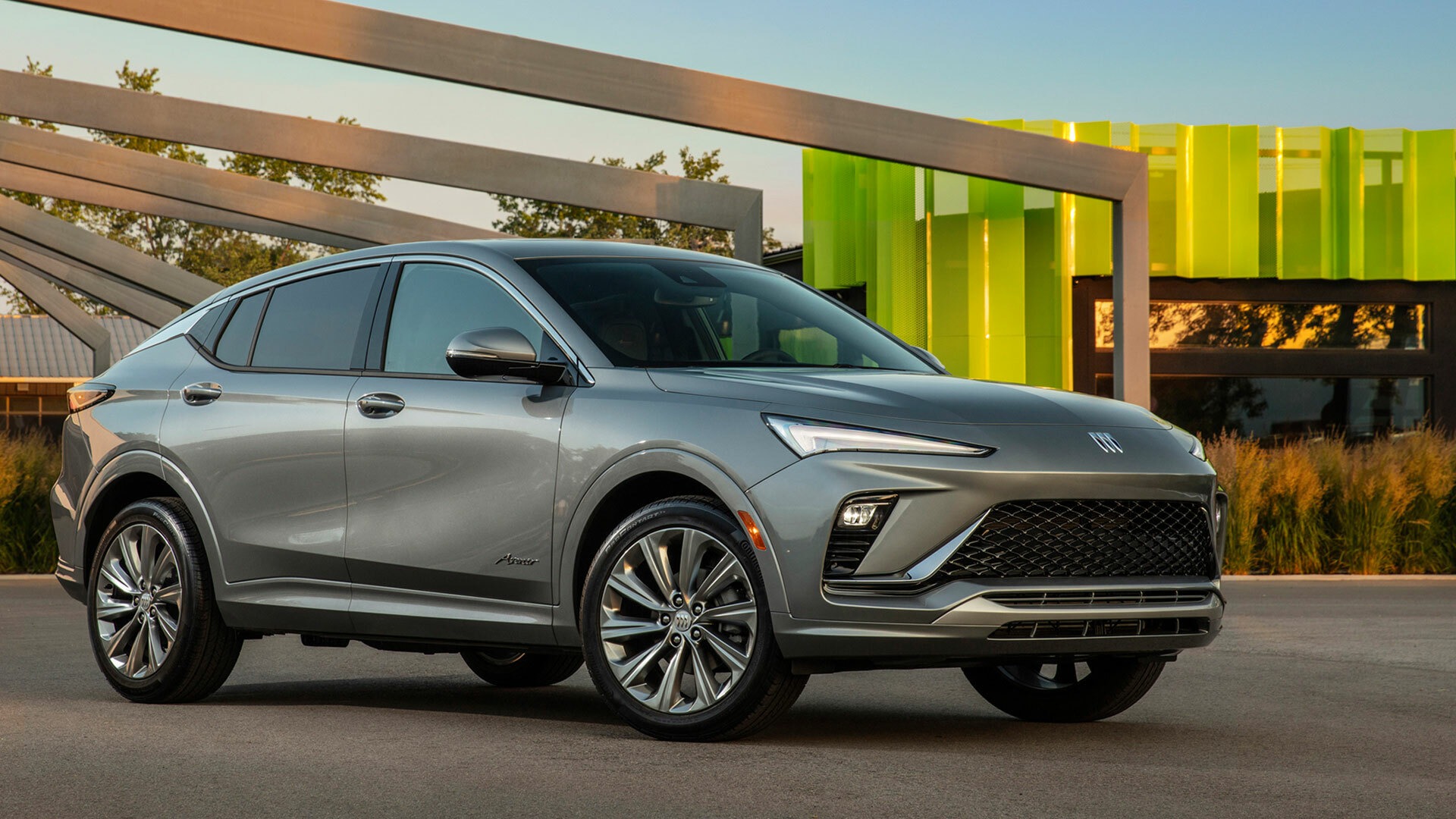
Power comes from a 1.2-liter turbo three-cylinder. It makes 137 horsepower. A six-speed automatic handles shifting. Fuel economy is solid. The EPA rates it around 28 city and 32 highway. Combined, that is about 30 mpg.
Cargo space is modest. You get 20.7 cubic feet behind the rear seats. Folding them opens about 42 cubic feet. The Envista has no rear wiper. The sloped roofline also limits rear visibility. Dust builds up quickly on the back glass.
Front-seat comfort is strong. Heated seats and a heated steering wheel are available. They warm up quickly in cold weather. One point of confusion deserves clearing up. A few listings and older reviews suggest rear vents exist. Dealer sheets are often wrong. Professional tests are far more consistent.
For hot climates, this matters. The front climate system is praised for cooling well. Yet that cold air has no direct path to the back. The Envista suits couples and small families.
It does not suit anyone hauling kids in car seats through Arizona summers. If style is your priority, it is a smart pick. If rear comfort is, look elsewhere or plan around the limits.
4. Honda HR-V
The Honda HR-V is a well-known name. It has a reputation for reliability. For 2026, it gets a larger touchscreen and wireless smartphone features. Its back seat is a mixed story. Honda’s clever “Magic Seat” adds real cargo flexibility. Yet the rear comfort list is short.
Reviewers flag missing rear air vents. One 2026 review also notes missing USB ports. Another comparison test pointed out the same vent gap years earlier.
This is a long-running pattern. The HR-V has gone without rear vents for generations. Honda has not changed course. That matters because the HR-V is not the cheapest in its class. It costs more than the Trax. Buyers may expect a fuller back seat for the money.
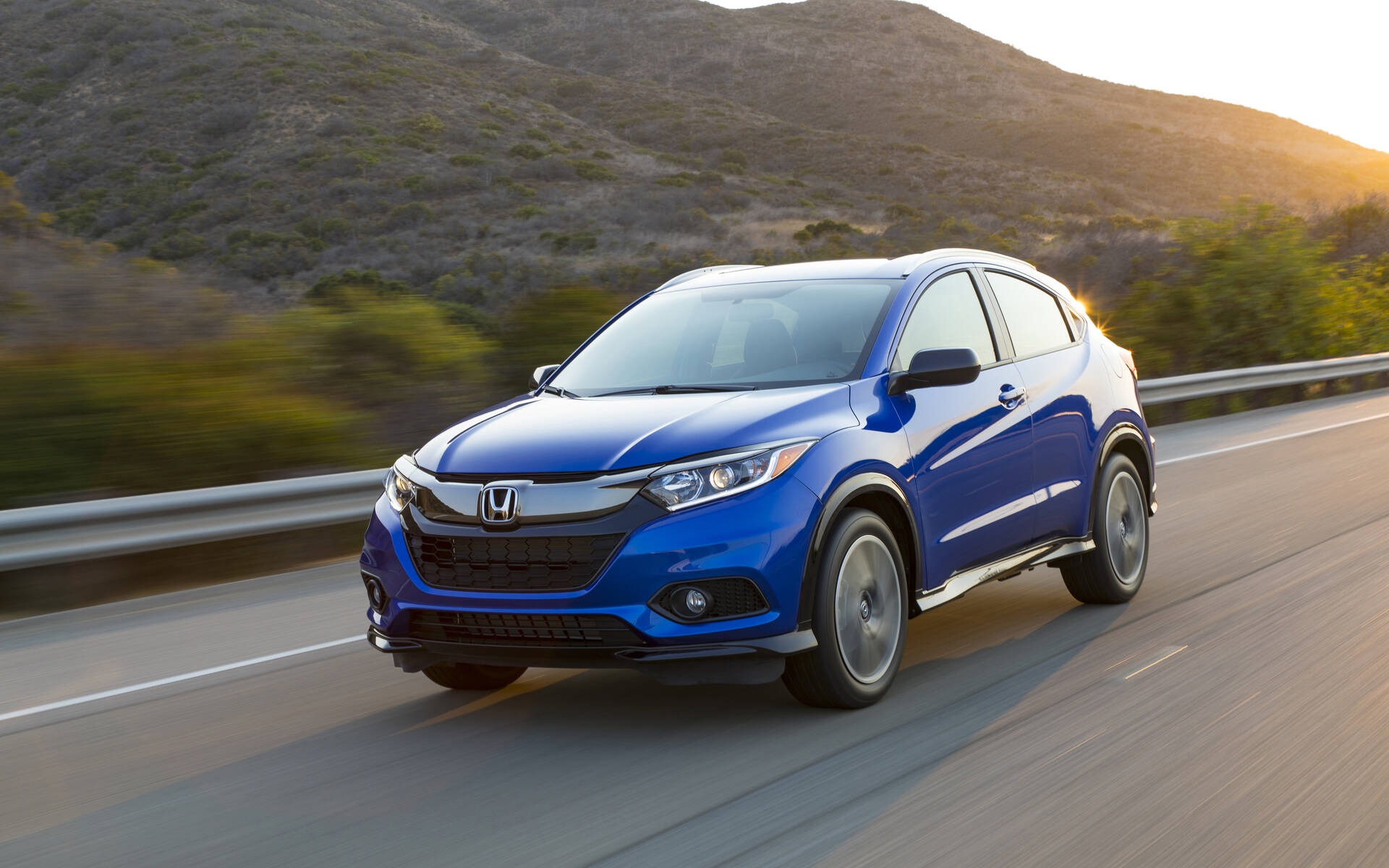
Fuel economy helps its case. The EPA rates it near 28 mpg combined. Optional all-wheel drive is available. Interior design is a high point. A honeycomb-style panel hides the front vents. It looks sleek and modern.
Yet that attractive dash does little for rear riders. They rely on spillover from the front. Tall passengers may feel the heat most. Honda’s larger CR-V sits right above it. Reviewers often recommend moving up for more space. The CR-V is a better fit for families that need rear comfort.
One review called the 2026 HR-V “not one of the best” subcompact SUVs. That is a harsh verdict. Missing amenities were part of the reason. The HR-V still has fans. It drives smoothly. Its cargo space is flexible, and its resale value tends to hold.
If you choose one, plan your cooling strategy. Use window shades. Park in shade when possible. Aim the center dash vents toward the back. Check the exact trim you test. Honda’s feature lists vary slightly by year.
Always confirm on the vehicle itself. For solo drivers and couples, the HR-V is a fine choice. For families with small children, it deserves a long test sit in the back.
5. Ford Bronco
The Ford Bronco is not a typical case. It has air ducts in the back. They just are not where you expect them. Ford chose to skip center-console vents. Instead, four-door models place small ducts under the front seats. They blow at the rear footwell.
The two-door Bronco has no rear passenger vents at all. That surprised many early buyers. Ford later explained the design choice in public statements.
Owners have mixed views. Some say the system works well enough. Others report weak airflow from the floor ducts. The ducts mostly work in floor mode. In other modes, little air reaches the rear. Owner forums are full of tips about this.
Rubber floor mats can also block the outlets. Some owners have repositioned ducts for better flow. A few installed aftermarket adapters. This is a very different setup from the Bronco Sport. The Sport has rear console vents. The two names look similar, but the cabins are not.
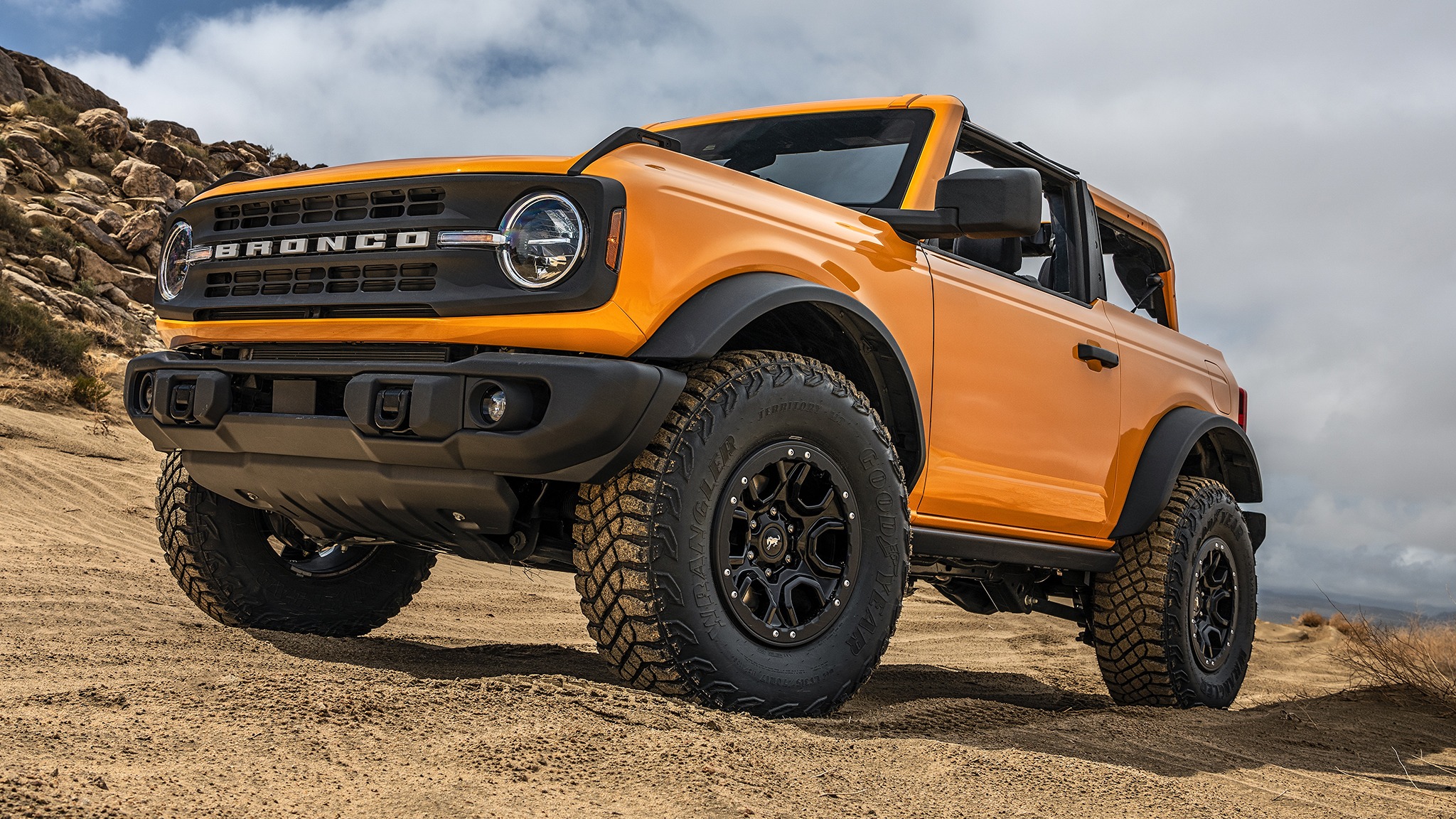
The Bronco’s character explains some of this. It is built for removable roofs and doors. Open-air driving changes how people think about cabin cooling.
Still, a lot of buyers use the Bronco as a daily family vehicle. For them, the lack of face-level vents is a real gap. Kids and dogs feel it first. Practical workarounds exist. Point the center dash vents toward the rear. Use the floor setting on cold days. Keep the footwells clear.
Do not expect miracles in extreme weather. In heat, the back seat can lag behind the front. In winter, it can stay cool for a long time. The Bronco’s appeal lies elsewhere. It offers serious off-road ability and strong styling. Its modular design is a big part of the fun.
For many owners, that trade is worth it. For others, it is a dealbreaker. The honest answer depends on who rides in the back. If rear riders matter, bring them to the test drive. Ask them to rate the comfort. Their opinion is the one that counts.
6. Nissan Kicks
The Nissan Kicks is a small, stylish crossover. It starts near $24,000 for 2026. Most reviewers praise its value. The back seat is the weak spot. Rear vents are not part of the standard package. Buyers who want them must add an option.
On the 2026 Kicks, rear-seat ducts come in the optional Weather package. That bundle also adds heated front seats and heated mirrors. It is a bundle, not a stand-alone choice.
So the story is nuanced. A base Kicks S or a basic SV has no rear vents. A well-optioned car can have them. This is why the Kicks makes the list. Many cars sit on dealer lots without the package. Buyers often learn about it too late.
One owner on a consumer review site complained about missing rear heater vents. That aligns with the package structure. Not every trim includes them by default.
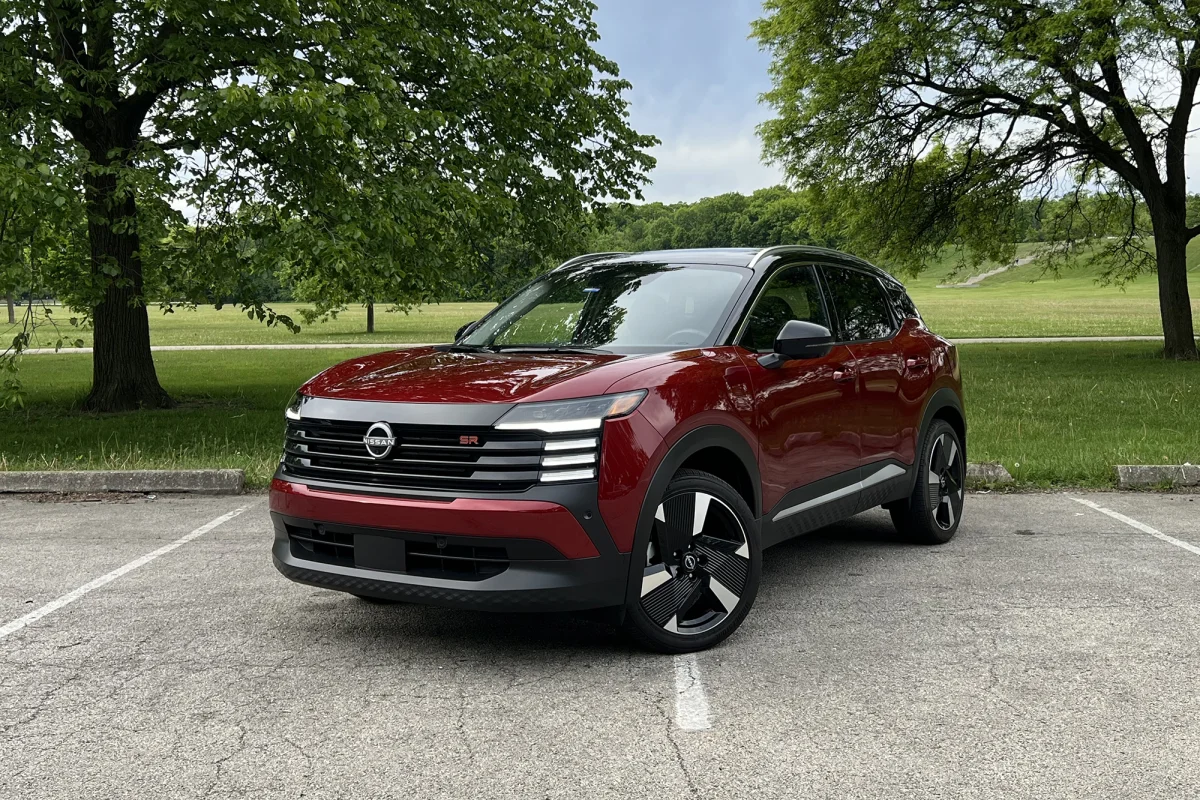
The Kicks is available in three trim levels, namely the S, SV, and SR, with both front-wheel drive and all-wheel drive offered across the lineup. Having both drivetrain options at this price point is an uncommon advantage. However, performance is fairly modest, with its engine producing 141 horsepower and delivering an estimated combined fuel economy of 30 to 31 mpg.
Cargo space is decent but varies. It ranges from about 24 to 30 cubic feet, depending on configuration. AWD trims give up some room. Nissan’s design stands out. The cabin is clean and modern. An available premium audio system puts speakers in the front headrests.
The rear seat is a bit tighter than in the Trax. Entry is narrower, and knee room is snug. Adults can fit, but not luxuriously. If you want rear vents, read the window sticker. Check that the Weather package is listed. Do not assume.
One helpful tip is to ask the dealer to locate a Kicks equipped with the package you want. These versions are available, although finding one may require a few phone calls. The Kicks remains a good value overall, but buyers should take the time to check the available features and confirm exactly what is included before signing the purchase agreement.
7. Hyundai Venue
The Hyundai Venue is one of the smallest and cheapest SUVs on sale. It is tall, boxy, and easy to park. Pricing sits near the bottom of the market. That low price shapes everything inside. The cabin uses a lot of hard plastic. Reviewers note cost-cutting in places like the cargo floor.
The back seat is basic. There is no fold-down armrest. SEL models add a pair of USB-C ports for charging. Rear air vents are a question mark. International reviews of the Venue report no rear vents. One test even said the back can get stuffy.
US-market details can differ by trim and year. Hyundai’s online spec lists do not make the answer obvious. That is why a hands-on check matters. For 2026, the lineup is simple. It includes the SE and SEL trims. The old Limited trim was dropped.

Power is modest. A 1.6-liter four-cylinder makes 121 horsepower. The Venue is front-wheel drive only. Fuel economy is excellent for the class. The EPA rates it around 31 mpg combined. Many owners enjoy low running costs.
Cargo space measures about 31.9 cubic feet. That is limited for the segment. It works for daily errands. Rear legroom is tight. Tall adults will struggle. The Venue works best for small families and city drivers.
The SEL adds heated front seats and wireless charging. Those upgrades make it feel nicer. Yet they do not change the rear airflow story. Because the Venue is so small, the cabin heats quickly. Front vents can reach the back more easily than in bigger SUVs. That softens the impact somewhat.
Still, rear riders get no dedicated airflow, based on available reviews. That is worth testing yourself. Sit in the back with the air on high. Check the vehicle in person before buying. Look at the back of the center console. Look under the front seats too. The Venue is a practical choice for tight budgets. It is simple and efficient. Just do not expect many back-seat comforts.