Installing a child seat should not feel like solving a puzzle. Yet many parents struggle with it every day. The trouble often starts with anchors they cannot find or reach.
LATCH stands for Lower Anchors and Tethers for Children. It was meant to make installation simple. In practice, the hardware is often buried in the seat cushions.
The Insurance Institute for Highway Safety, or IIHS, rates how easy this hardware is to use. Its first ratings came out in June 2015. Of 102 models, only three earned “Good.” Forty-four were “Acceptable,” 45 were “Marginal,” and 10 were “Poor.”
IIHS found the most common flaw was lower anchors sitting too deep in the seat crease. Its criteria check anchor depth, the angle needed to reach the anchor, and the force needed to attach a seat. Anchors should be under 2 cm deep, with a clearance angle above 54 degrees and an attachment force under 178 newtons.
One point matters most. A correct installation in a “Poor” vehicle is just as safe as one in a “Good” vehicle. It is simply harder to get right. The eight vehicles below all come from IIHS’s original “Poor” list. I checked each against published IIHS material and press coverage. Later model years often improved, so always confirm your exact year.
1. Toyota Sienna
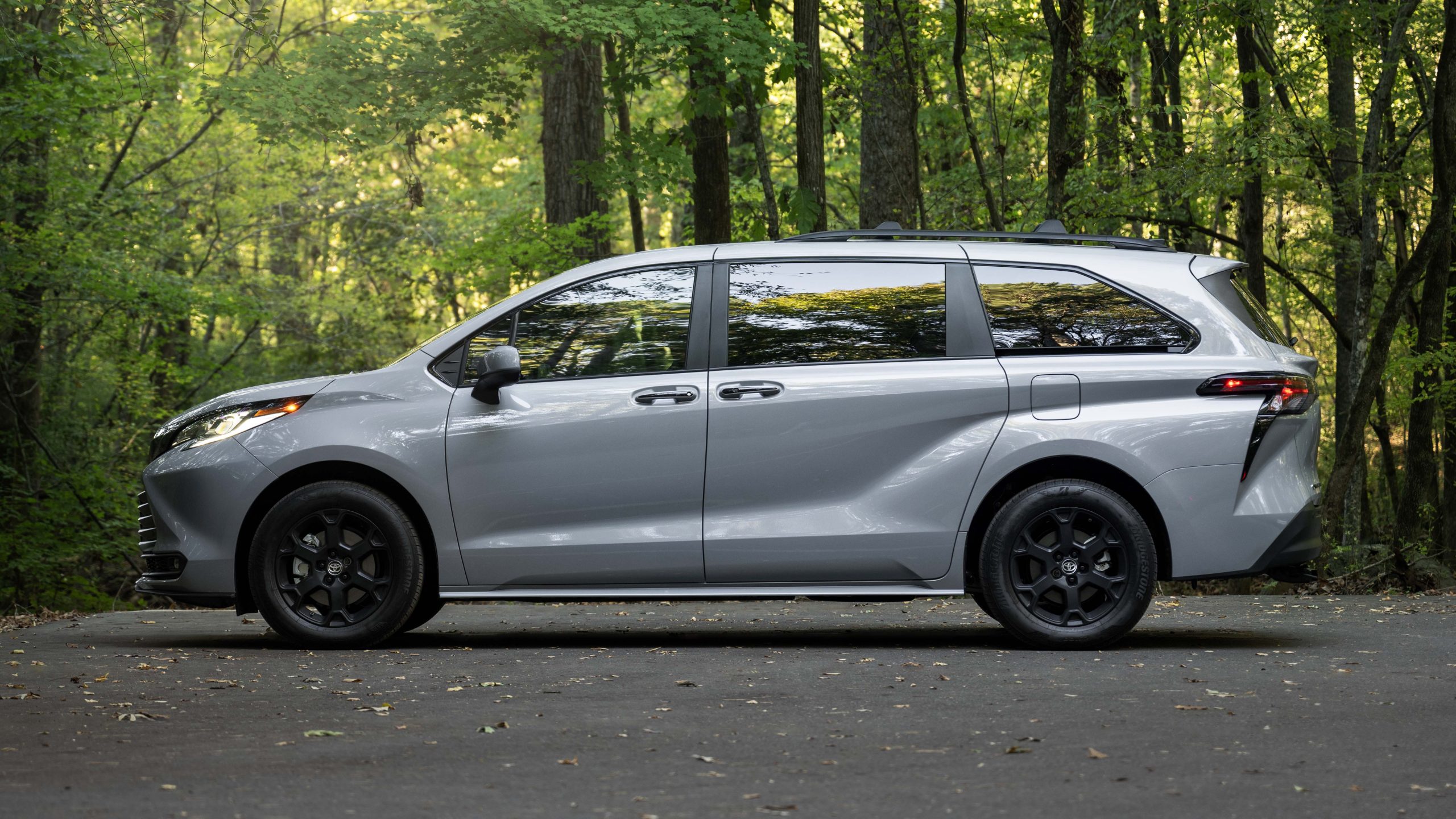
IIHS singled out the Sienna by name in 2015. It called the result “most glaring” because a minivan is commonly bought to carry children. That wording makes this the headline case.
IIHS also noted that three of the four LATCH positions in the Sienna had lower anchors set too deep. Deep anchors are hard to see. They are also hard to reach with a child seat connector.
Minivans have a special problem. Parents often need several seats at once, so poor anchors multiply the frustration. One bad position can mean a long wait at the curb.
The story did not end in 2015. A later IIHS list included Sienna models built after March 2016, which points to a fix in later production. Anchor access appears to have been reworked.
Sienna is a good example of why model year matters. A 2015 buyer and a 2017 buyer may face very different installs. Check the build date on the door sticker.
The Sienna still shows up in IIHS data. In 2026 evaluations, it scored “Poor” in the rear passenger restraints test. That is a different test from LATCH, so do not mix the two.
If you own an older Sienna, use patience and light. Use a flashlight to find each anchor bar. Press the seat cushion down to open the crease. Consider the seat belt method when anchors fight you. Every forward-facing seat still needs the top tether. That rule holds even when you install with the seat belt.
A certified child passenger safety technician can check your work. Many fire stations and hospitals host free checks. It takes about thirty minutes. The Sienna reminds us that popularity is no proof of good design. Family-focused marketing did not guarantee family-friendly anchors. Always test an install before you buy.
2. Chevrolet Silverado 1500
The Silverado 1500 earned a “Poor” LATCH rating in the 2015 round. It was one of the best-selling vehicles on the list. That gave the result real reach.
Pickups often have tight rear benches. The seat cushions can be firm and steep. Those traits make lower anchors harder to reach. A 2016 IIHS update still listed the Silverado 1500 crew cab as “Poor.” So the problem was not a one-year fluke. It lasted across more than one rating cycle.
Recent data shows some progress. A 2026 Silverado 1500 carries a “Marginal” rating for LATCH ease of use. That is better than “Poor,” but still short of “Acceptable.”
The Silverado has other rear-seat questions too. In IIHS’s updated moderate overlap front test, the 2023 crew cab scored “Poor.” That test looks at back-seat safety. It is separate from LATCH.
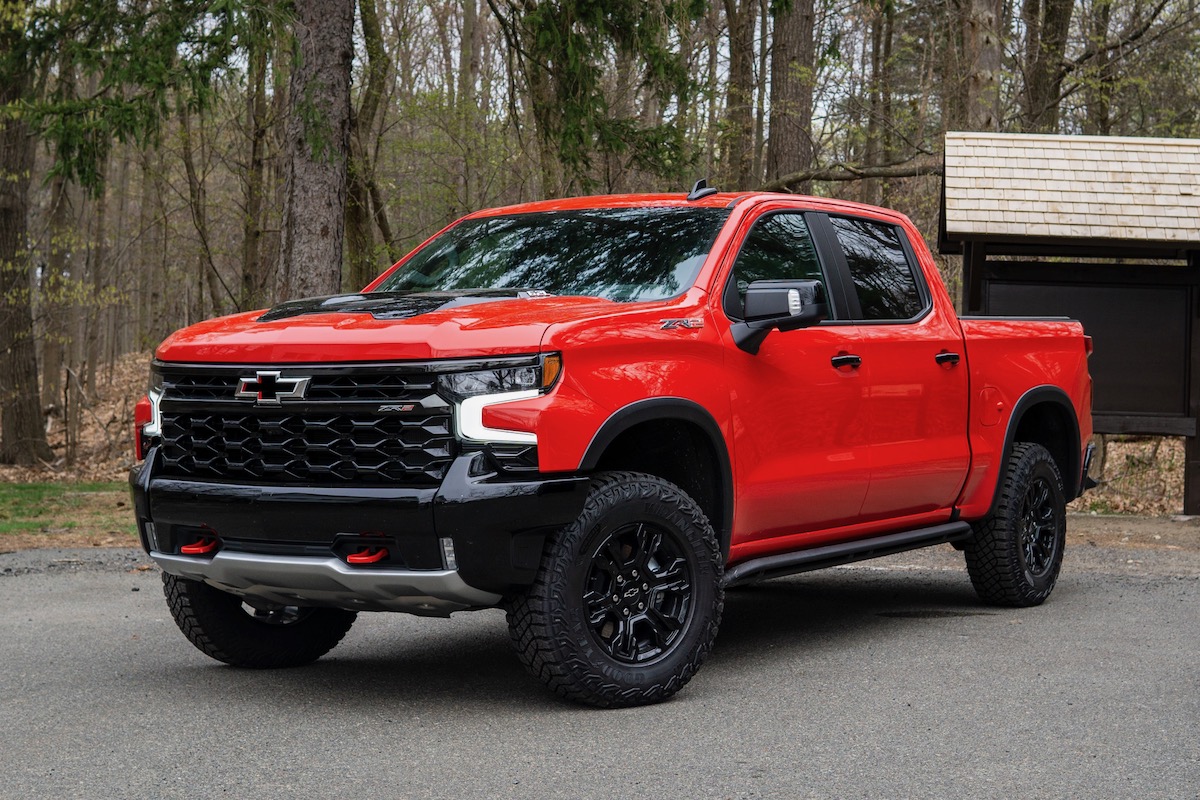
Crew cab trucks are now family vehicles for many buyers. Parents use them for school runs and weekend trips. Anchor design should match that use.
If you own one, take time before the first install. Locate the anchors with your fingers. Then place the seat and feel for resistance. Check the owner’s manual for tether anchor spots.
In trucks, tether anchors are often on the cab wall or seat back. A missed tether is a common mistake. Weight limits matter too. Lower anchors have a combined weight limit for the child and seat.
Your seat manual and vehicle manual both state it. Remember the key IIHS message. A tight, correct install is a safe install. The Silverado just asks more effort to reach it.
3. GMC Sierra 1500
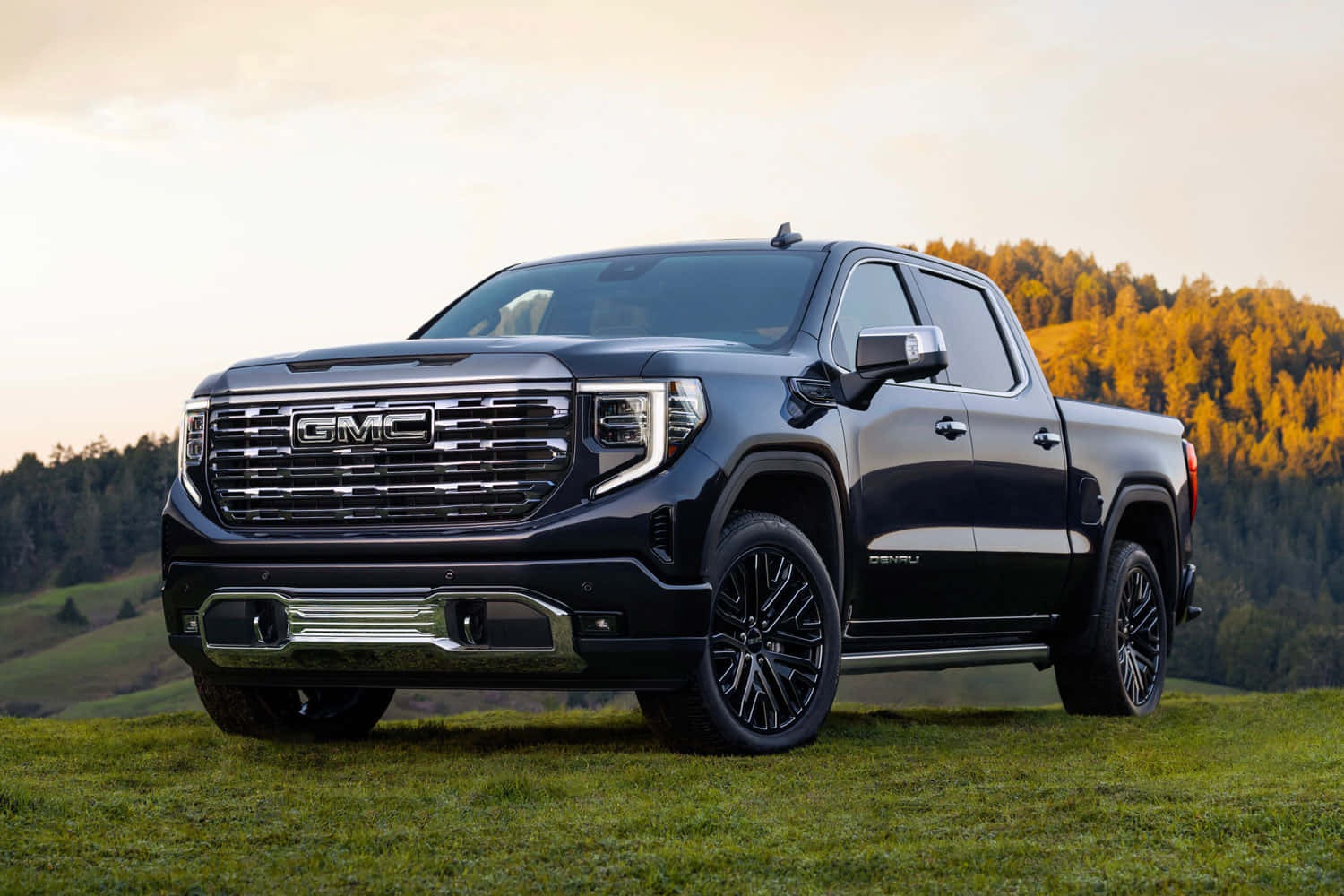
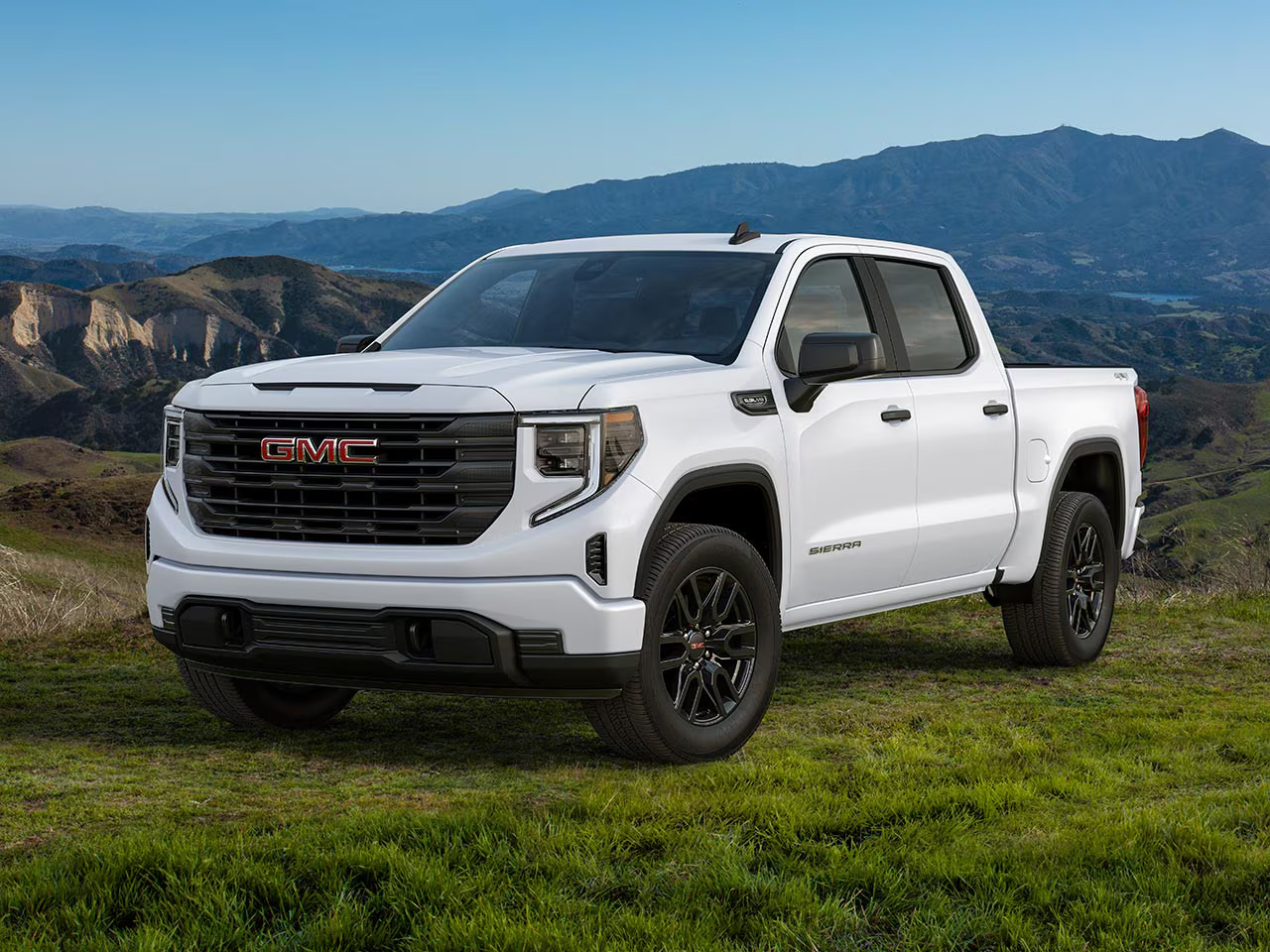
The GMC Sierra 1500 shares much with the Silverado. They are close mechanical twins. Their LATCH results were similar too. The Sierra 1500 appeared on the 2015 “Poor” list. A 2016 IIHS update listed the Sierra 1500 crew cab as “Poor” again. That repeat result suggests a stubborn design issue.
It helps to know how IIHS scores a position. A full LATCH position needs lower anchors and a tether. A “Good” rating needs two full positions that meet every criterion.
Trucks struggle to pass that bar. The rear bench is often upright and firm. Anchors can sit low in the crease. IIHS also looks at the tether. The tether anchor should be easy to find. It should also be easy to reach once the seat is in place.
Many parents miss the tether. They finish the lower anchor step and stop there. That leaves the seat less secure in a crash. IIHS says tethers matter because they limit head movement. A forward-facing seat with a tether reduces head excursion. That lowers injury risk for a child.
For a Sierra owner, the practical advice is simple. Try both install methods. Pick the one that gives you a tight, repeatable fit. Check the seat for movement at the belt path. It should shift less than one inch. Use firm pressure when you test it.
Ask a technician to review the result. Bring your child seat and the vehicle manual. Both help the check go faster. The Sierra proves that a similar truck can mean a similar struggle. If you shop for one, bring your own seat to the dealer. A ten-minute trial can save many frustrating mornings.
4. Toyota Tundra
The Toyota Tundra was the only other full-size truck, beyond the GM pair, named “Poor” in 2015. Coverage noted that the Ford F-150 and Ram 1500 landed one step above, at “Marginal.” So the Tundra sat at the bottom of its class.
Full-size trucks are big, but their rear benches are not always roomy for seats. Large rear-facing seats make this worse. Space and access go hand in hand.
A later IIHS list included Tundra crew cab models built after April 2016. It also included extended cab models built after February 2016. That points to improvement in later builds.
This pattern shows how model years matter. IIHS tests a vehicle in a set configuration. A mid-year change can alter the rating. Cab style matters too. Crew cab and extended cab layouts differ. Their LATCH results can differ as well.
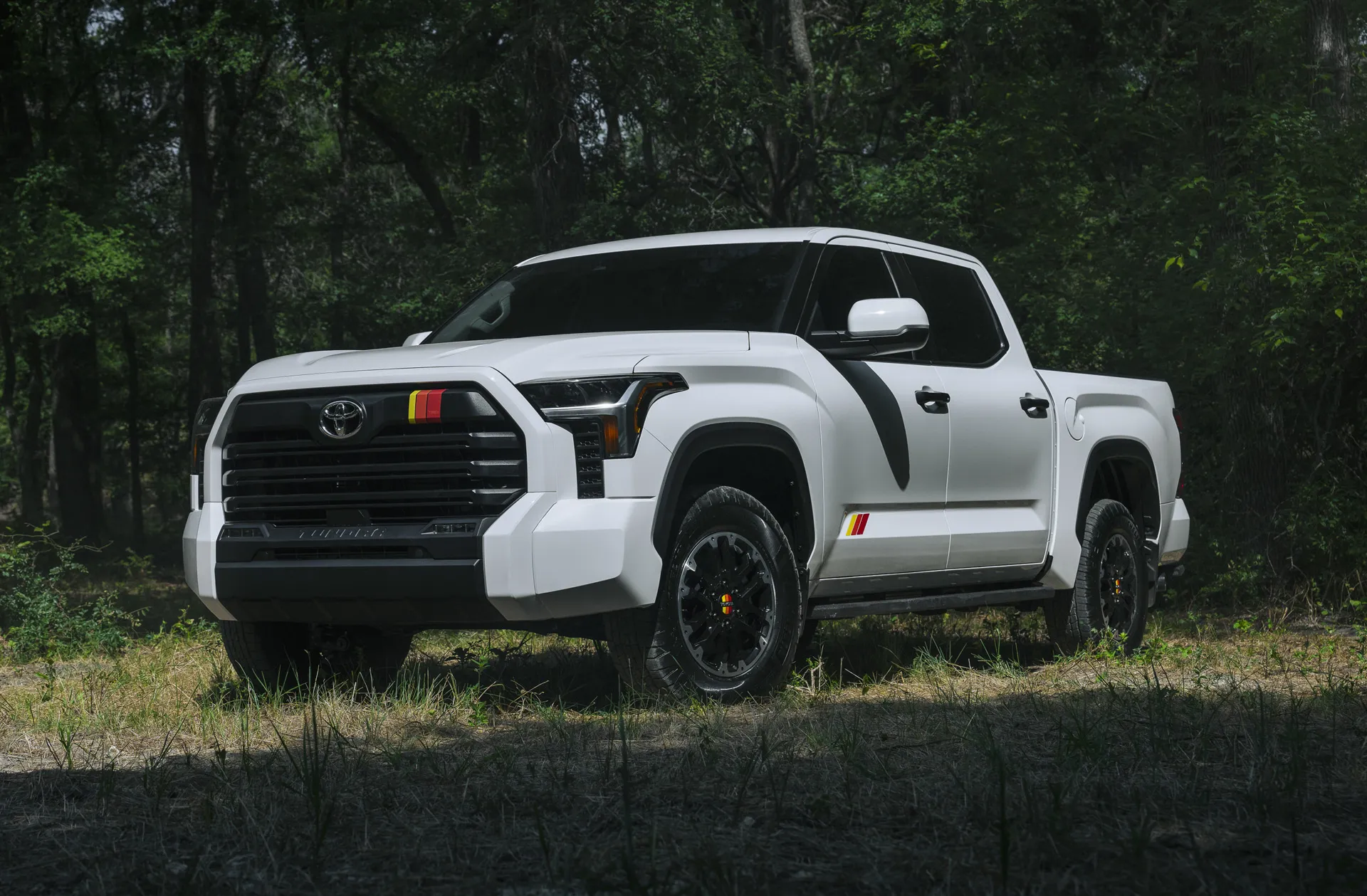
The Tundra’s crash data has its own story. In the 2023 updated moderate overlap test, the crew cab earned a “Marginal” rating. It was the best of the four big trucks tested that year. Again, that is not a LATCH result.
Parents who drive a Tundra should check their cab style first. Then check the build date. Those two facts tell you which rating applies. Use the manual to locate the anchor symbols. They often sit on small plastic tags. Those tags are easy to miss.
Run your hand along the seat crease. Feel for the metal bar. Press the cushion back if it blocks you. Then connect one side at a time. Do not rush the second side. Tighten slowly while pressing the seat down. The Tundra shows a hopeful side of this story. Poor results can improve with redesign. That is why checking your exact year pays off.
5. Mazda6
The Mazda6 joined the 2015 “Poor” list as a midsize sedan. Midsize sedans are common family cars. That makes the rating matter to many buyers.
Mazda responded publicly. The company noted that the study measured ease of use only. It repeated the IIHS point that a correct install in a “Poor” car is just as safe.
That statement is accurate. It is also incomplete. A hard install raises the odds of a wrong install. Research supports this link. A study by IIHS and the University of Michigan Transportation Research Institute tested 98 vehicles. Only 21 passed all three ease-of-use criteria.
Volunteers in that study were 19 times more likely to install a seat correctly in the vehicles that passed all three. That figure comes from the study’s own results. It explains why IIHS built a rating system.
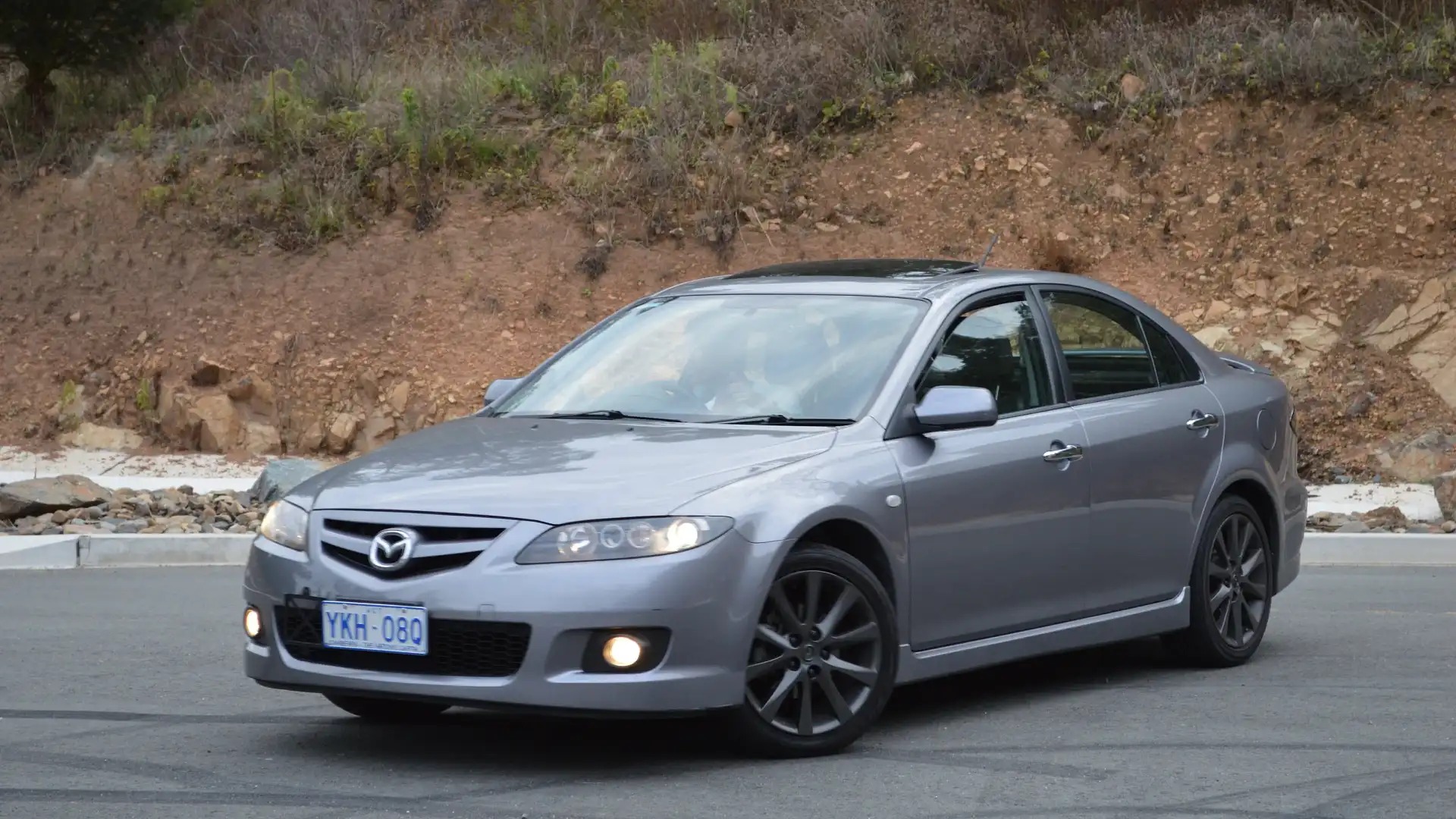
Sedans bring their own challenges. Low rooflines make it hard to bend and lean. Sloped seat backs can hide the anchors. With a Mazda6, give yourself room before you start. Move the front seats forward. Then recline the rear seatback slightly if the car allows it.
Use your flashlight to see the anchors. Anchor markers should help you find them. Run a finger along the crease to confirm. Check the tether route as well. In sedans, tether anchors often sit on the rear shelf. Route the strap under the head restraint if the manual says so.
Look for a snug fit after you finish. The seat should not wobble at the base. A technician can confirm that for you. The Mazda6 shows that a good car can still have a weak LATCH design. Driving quality and install quality are different things. Test both before you buy.
6. Nissan Altima
The Nissan Altima landed in the “Poor” group in 2015. Coverage called out how popular the car is. High sales meant many families were affected. The Altima is a midsize sedan. Its rear seat feels roomy at first glance. The anchors tell a different story.
Remember the three IIHS measures. Anchors should be shallow, easy to approach, and easy to latch. A car that misses these will feel stiff and awkward.
IIHS also found that deep anchors were the leading issue across all vehicles. Nearly three-quarters of LATCH positions had this flaw. The Altima was part of that wider trend.
Deep anchors cause real problems. Connectors can slip off the bar. Parents may think they clicked when they did not. Always listen for the click. Then tug on each strap. A loose connector will pop free.
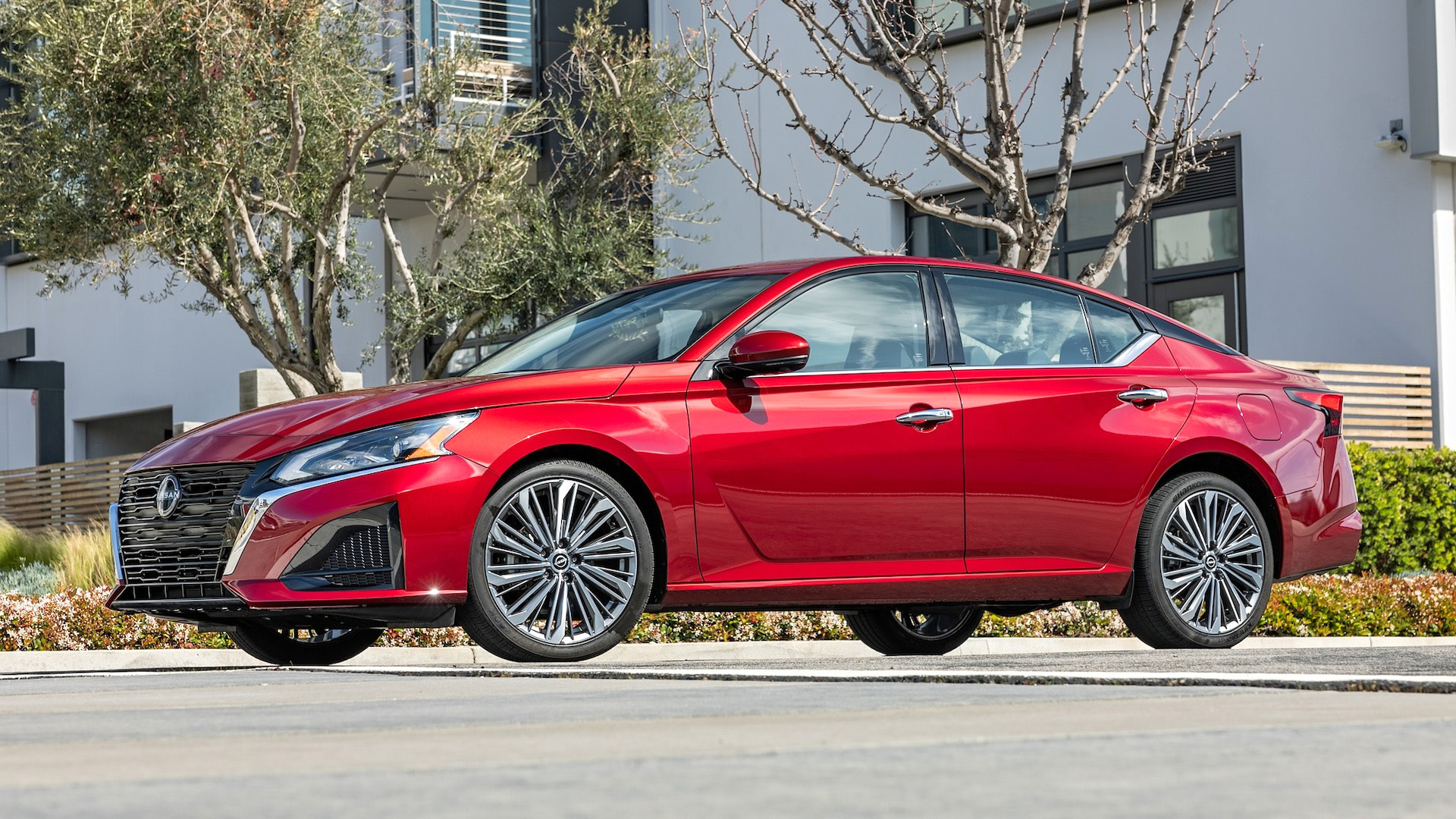
Check the level indicator on your child seat. Many seats have a built-in guide. Use it for the rear-facing angle. Every forward-facing install should end with the tether. Pull it snug. Then confirm the hook sits fully on the anchor.
If the lower anchors keep fighting you, switch methods. Lock the seat belt as your manual describes. Then press down on the seat while you tighten.
Never use both lower anchors and the seat belt together unless the seat maker allows it. Most do not. Read the manual to be sure. The Altima is a reminder to test before buying. Many dealers will let you try your own seat. That small step saves stress later.
7. Lexus ES
The Lexus ES surprised some readers in 2015. It is a luxury sedan, and people expect polish. Yet the ES landed on the “Poor” list. That result shows price does not guarantee good LATCH design. The BMW 5 Series, another luxury sedan, earned “Good.” The ES sat at the opposite end.
The comparison is useful. Both cars serve similar buyers. Their anchor design led to very different results. Later production changed things. IIHS’s 2016 list included the Lexus ES 350 built after August 2015. That points to a mid-cycle fix for newer cars.
That detail matters for used car shoppers. A 2015 ES may differ from a later one. The build date on the door sticker will tell you which you have. Luxury cars bring their own install traps. Leather seats can be slick. Thick bolsters can hide the anchors.
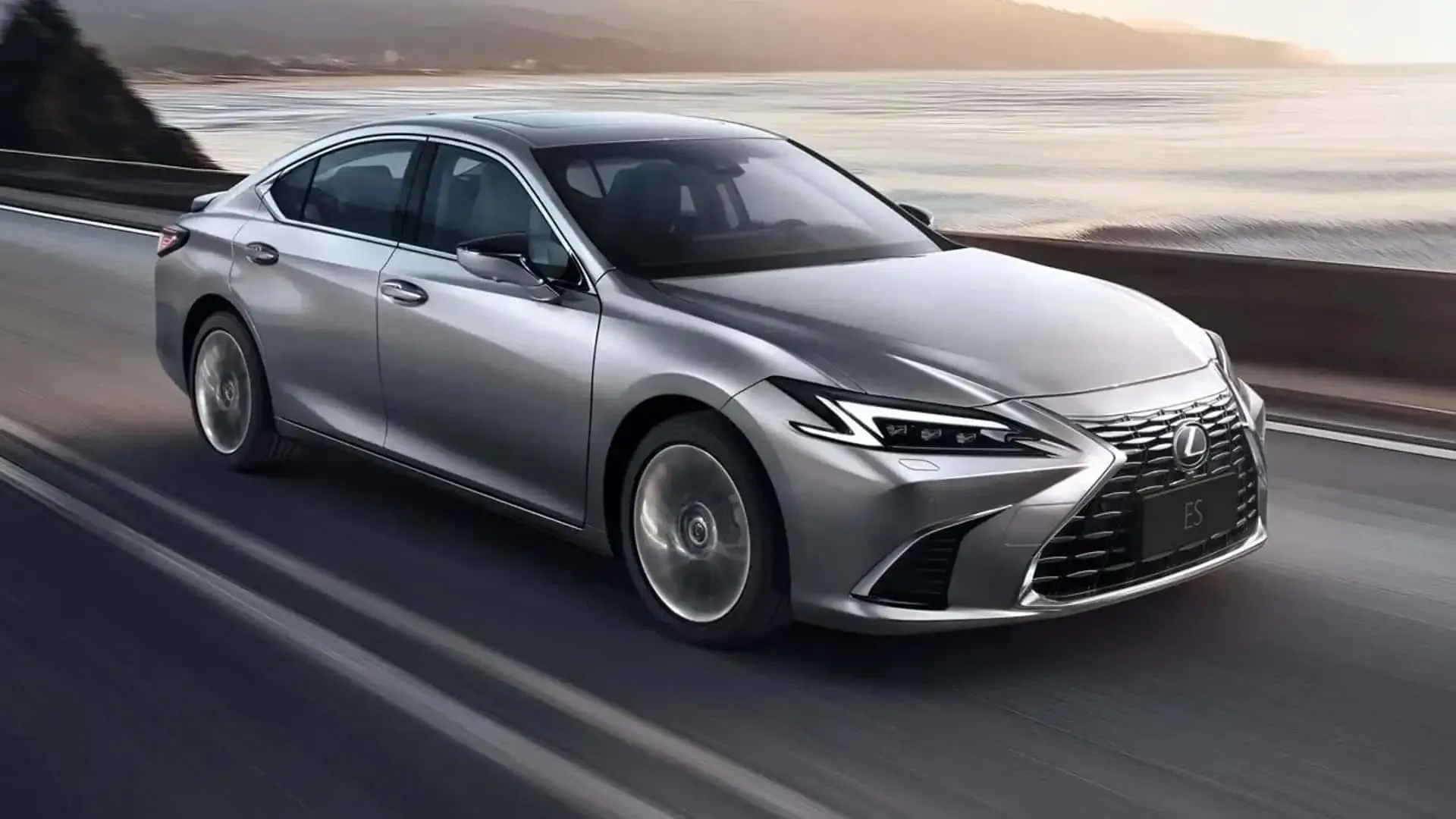
Rear seats in some sedans are also sculpted. That shape can tilt a child seat. A tilted seat may need a rolled towel if the manual allows. Be careful with add-ons. Do not use aftermarket seat protectors unless the seat maker approves them. Thick mats can loosen an install.
Take your time with each strap. Tighten with your knee on the seat. Pull the strap straight, not sideways. Test the install by shaking the seat at the belt path.
Movement should be under an inch. If it moves more, start again. The ES teaches an honest lesson. A fine badge does not equal easy anchors. Judge the car on how it works with your seat.
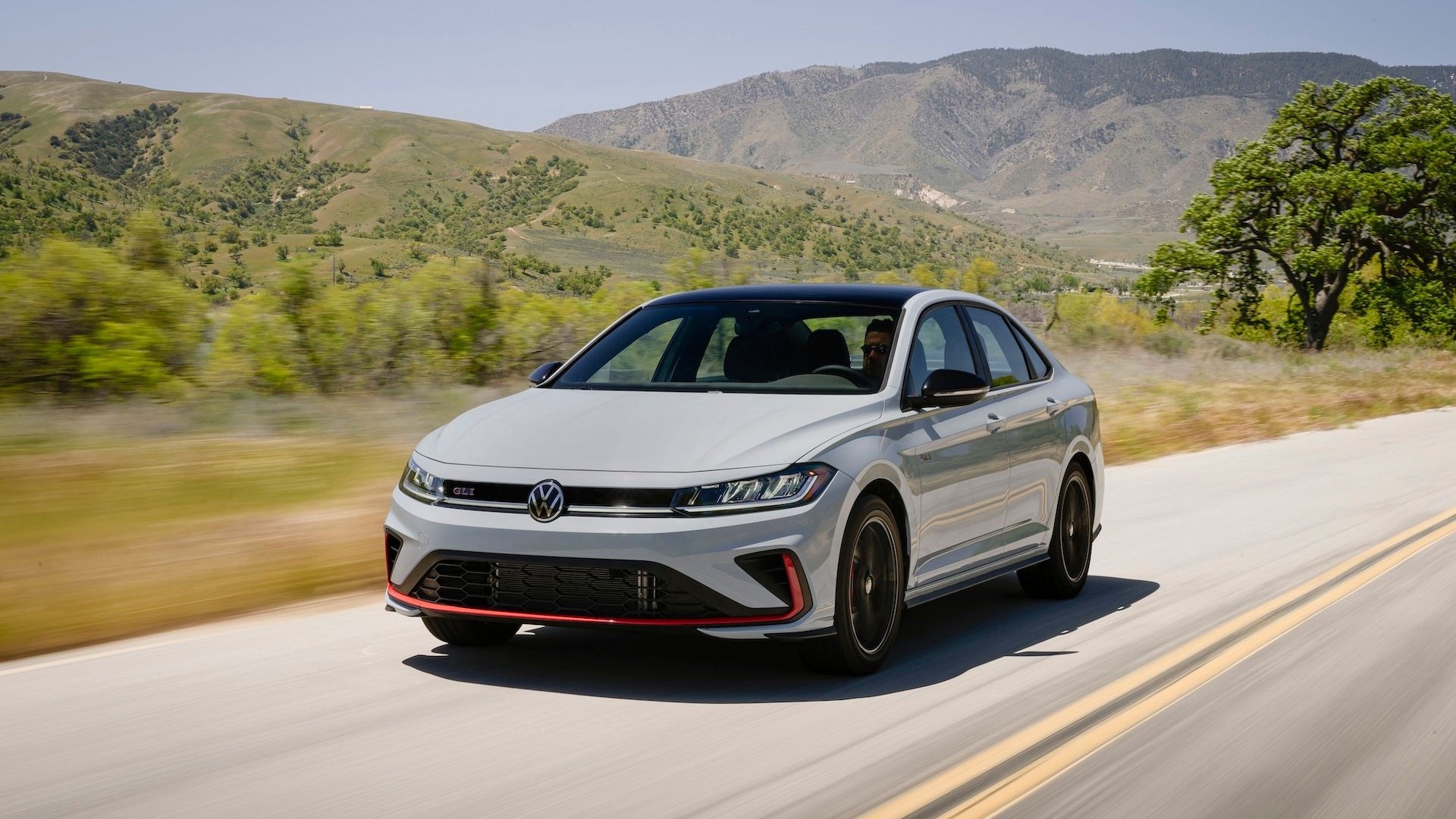
8. Volkswagen Jetta
The Volkswagen Jetta rounds out the “Poor” list. It appeared among the 10 vehicles with the lowest rating in 2015. Coverage named it alongside the Altima and the Sienna.
The Jetta makes a sharp contrast. VW’s midsize Passat earned a “Good” rating in the same round. It was one of only three vehicles to do so. Same brand, very different results. That tells us LATCH quality comes from specific design choices. It is not a brand trait.
The Jetta is a compact sedan with a tight rear cabin. Small cabins leave less room to work. That can make shallow anchors even more important. Anchor depth is the key point. IIHS wants lower anchors under 2 cm deep. Anything deeper makes connectors harder to attach.
Anchor angle matters too. You need a clear path to the bar. Seat cushions and trim can block it. Small cars also limit seat choices. Large convertible seats can crowd the front passenger. Measure before you buy the seat.
A narrow rear bench can limit how many seats you can fit. Check the center position as well. Many cars lack dedicated center anchors. In that case, you may borrow the inner anchors if your manual allows it. Some vehicles forbid this. Read both manuals carefully.
When in doubt, get help. A certified technician can show you the best method for your car. Many offer free appointments. The Jetta’s story is the perfect close. Ratings change by model, year, and design. Always check your exact vehicle, then test a real install.