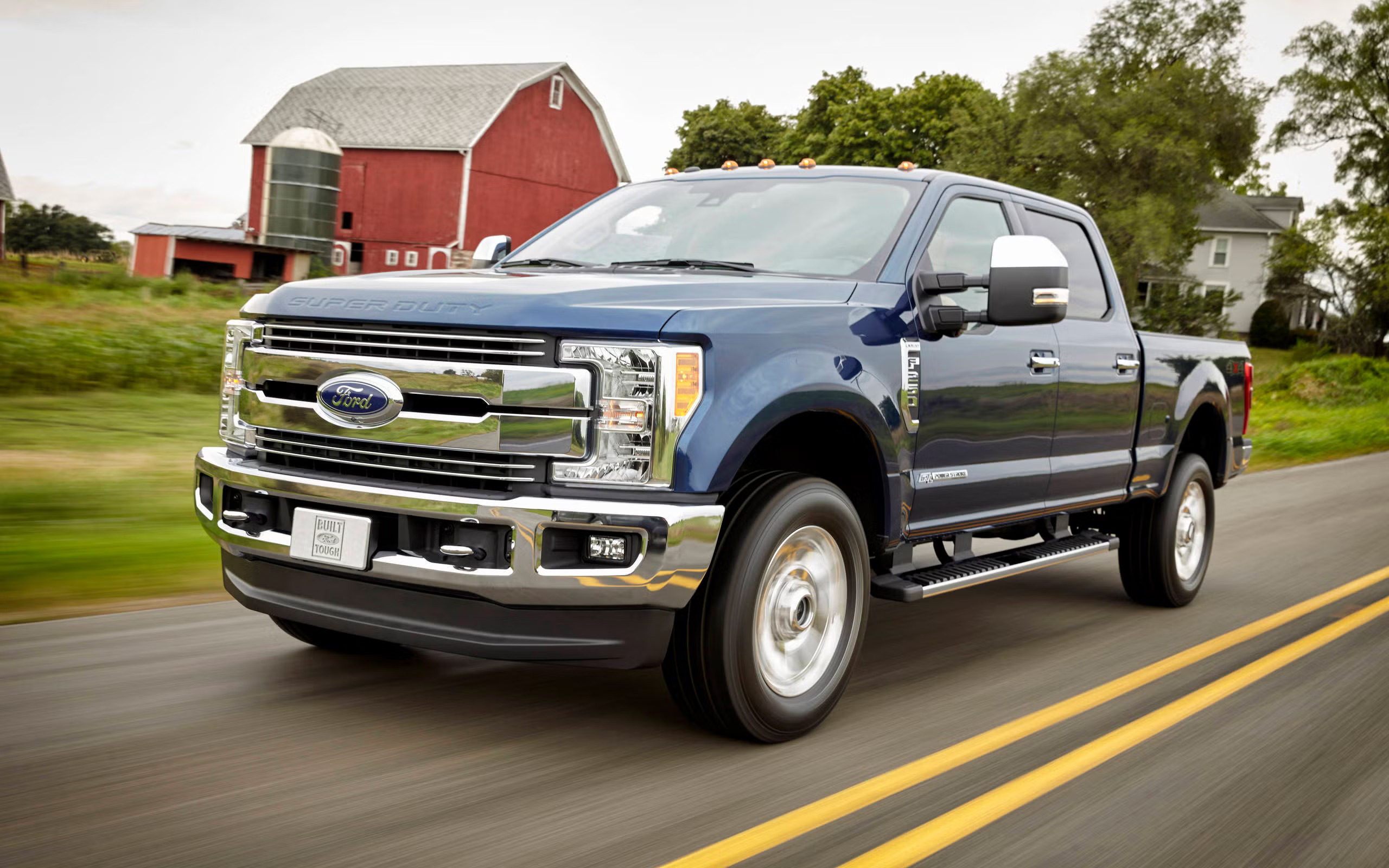
A pickup is a long-term bet. You expect it to tow, haul, and keep going. A bad transmission breaks that promise fast. The repair bills hurt. A remanufactured unit often costs several thousand dollars before labor. Some owners of newer heavy-duty Fords report dealer quotes above $8,000.
This list covers seven US-market pickups with well-documented transmission trouble. Each entry rests on service bulletins, lawsuits, recalls, or repeated owner reports. I checked transmission names and legal status wherever I could.
One caution matters. A lawsuit is an allegation, not a verdict. Automakers have disputed many of these claims, and I flag that where it applies. Another caution applies. Many trucks on this list run fine for years. The problem is a pattern, not a certainty.
Maintenance, towing habits, and software updates all change the odds. Treat this as a buyer’s checklist. Check the exact generation, ask for service records, and confirm updates were done. Then decide if the risk fits your budget.
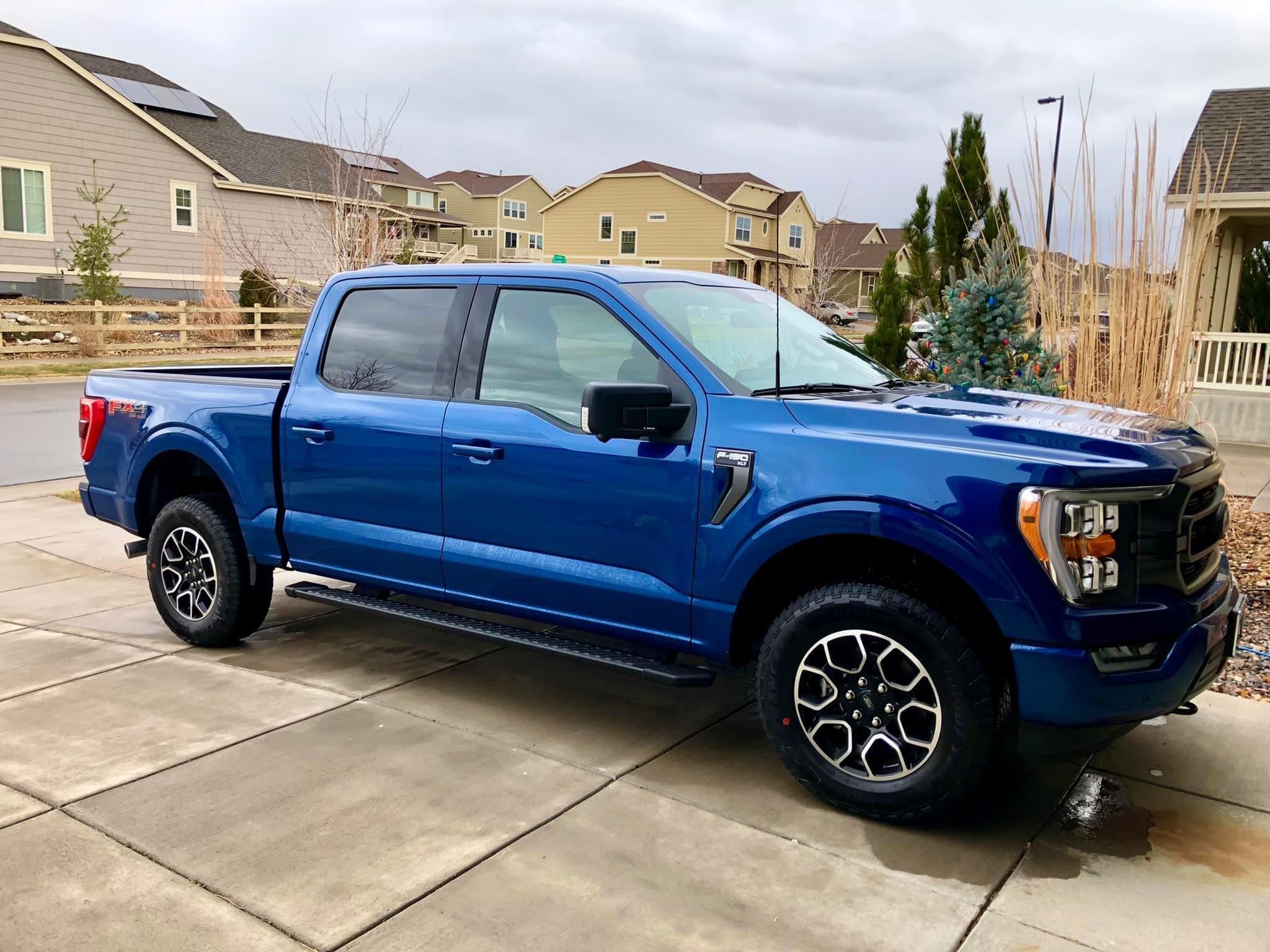
1. Ford F-150 (10R80 10-Speed Automatic)
Ford introduced the 10R80 in the F-150 as a new 10-speed automatic. Ford and GM jointly developed the underlying 10-speed architecture, though Ford’s 10R80 and GM’s 10L80 use distinct internal parts, separate manufacturing plants, and different software tuning. Complaints began almost at once.
Owners reported harsh shifting, lunging from park to drive, hesitation, clunking and sudden power loss. Some described the clunk as loud enough to feel like a collision.
Ford’s own paperwork backs up part of this. An early service bulletin covered harsh or delayed shifts in trucks built before a certain cutoff. Later bulletins covered trucks with the 2.7L, 3.5L and 5.0L engines built before mid-production dates, addressing both software calibration and internal hydraulic issues such as CDF clutch cylinder sleeve movement.
Early fixes usually involved software. Dealers reprogrammed the powertrain control module, though many owners say it did not cure the problem and later repairs sometimes required internal hardware replacement.
The legal fight has been substantial. A federal court in Illinois initially allowed the O’Connor-proposed class action covering F-150s from the first four years of the 10-speed to move past Ford’s motion to dismiss.
However, the court subsequently denied class certification in that case, leaving individual claims and parallel suits in other states to proceed separately.
Ford’s position matters here. Plaintiffs say Ford told customers the harsh shifting was normal. Ford has not accepted the defect claims. Other suits exist. A Pennsylvania suit alleged whiplash from hard, erratic shifts. A Florida suit includes a recent F-150 and a Ranger. A Canadian action also targets the 10-speed across several Ford and Lincoln models.
Real owner stories show the pattern. One plaintiff reported a loud clunk on a leased XLT after only five months and 6,000 miles. That is a drivability complaint, not a failed gearbox.
Here is the honest cost picture. I found no verified average repair bill for the 10R80. Many cases involve repeated dealer visits rather than one big invoice.
The expensive scenario is a full replacement outside warranty. That can reach thousands of dollars. Always ask for the repair order history. If you shop for one, favor later trucks. Confirm every software update was applied. Test drive from cold, in stop-and-go traffic.
Listen for clunks when shifting from park. Feel for slipping at low speed. Walk away if the truck hesitates or lunges. The 10R80 is not doomed. Plenty of owners report no trouble. But the documented bulletins and lawsuits make it a smart-shopper truck.
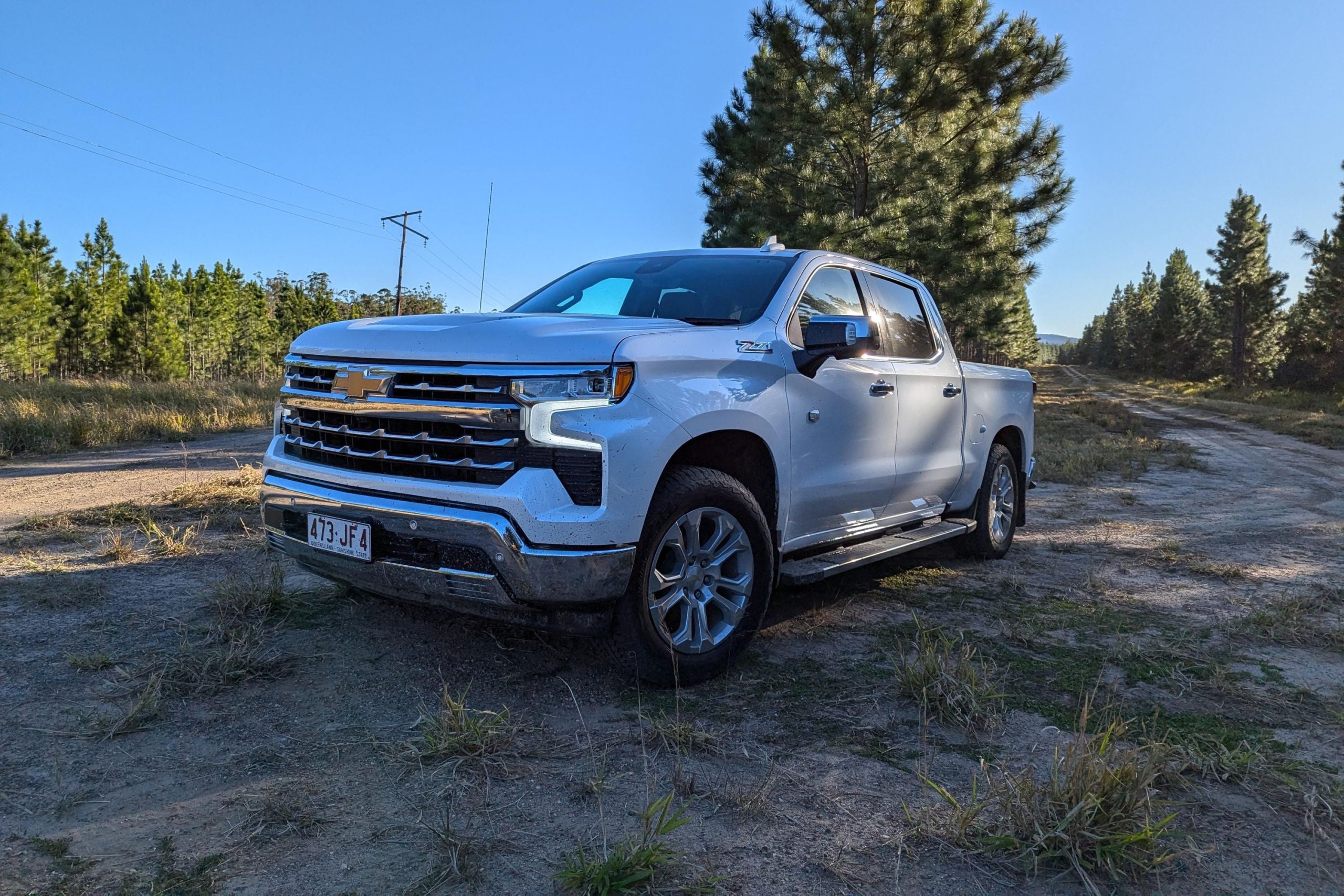
2. Chevrolet Silverado 1500 and GMC Sierra 1500 (8L90 8-Speed Automatic)
GM’s 8L90 is the center of a long dispute. It was used in Silverado and Sierra 1500s with the 5.3L or 6.2L V8. The Sierra shares the same hardware. The main complaint is a shudder. GM describes it as a shake during light-throttle driving between 25 and 80 mph. Owners compare it to driving over rumble strips.
GM knew early. An internal bulletin in the first year of production described that rumble-strip feeling. It blamed an internal torque converter issue and promised a revised part.
The later fix was a fluid swap. A GM bulletin calls for a full exchange with Mobil 1 Synthetic LV ATF HP. Trucks built after the early part of the last production run left the factory with that fluid.
Critics say the fluid fix was incomplete. One bulletin told techs not to replace the torque converter, because engineers found it gave no long-term fix. That line fueled the lawsuits.
The lawsuit allegations are serious. Plaintiffs blame internal problems in the transmission or torque converter. They say metal shavings circulate and force costly repairs, such as new converters or valve bodies.
The courtroom story changed over time. A federal district court initially granted class certification covering these trucks, among other GM models. However, in August 2024, the U.S. Court of Appeals for the Sixth Circuit vacated that class certification order, sending the litigation back for further proceedings.
Later trucks are also named. A newer proposed class action covers certain trucks built after the redesign was approved. It claims GM hid the defect.
GM’s 8-speed has drawn more than 60 service bulletins. That is a lot of paperwork for one gearbox. Costs vary. One commenter reported a replacement bill over $7,000. That is an owner claim, not an audited figure.
Not every truck suffers. No NHTSA safety recall covers the 8L90 shudder. Many trucks run well after the fluid exchange. Here is how to shop smart. Ask if the fluid exchange was done. Request the dealer’s shudder test results.
Drive between 25 and 80 mph at light throttle. Feel for vibration through the seat. If you feel it, negotiate hard or skip the truck. Look for any warranty remaining. Powertrain coverage can save thousands. Check the terms before you sign.
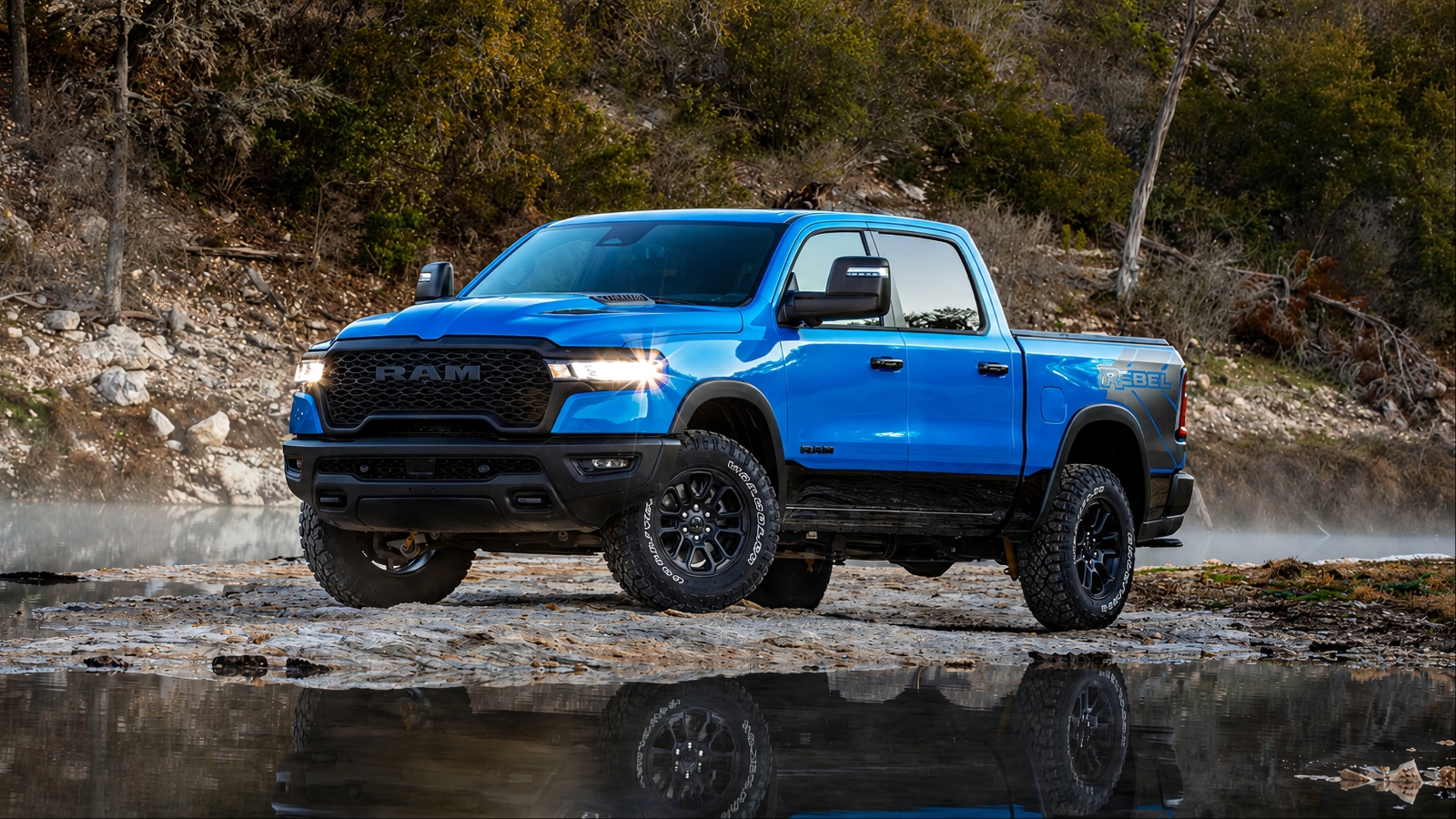
3. Ram 1500 (ZF-Based 8-Speed and Shifter Issues)
Ram’s trouble is a mix of shifter safety and gearbox concerns. The two get blurred together online. I will separate them. First, the gearbox. The ZF 8HP-based 850RE sits behind the 3.6L Pentastar V6 in the Ram 1500 (while earlier fourth-gen models used the 8HP45). The mainstream 5.7L HEMI V8 uses the ZF 8HP75 (or 8HP70 on earlier models), and the 6.2L TRX uses the stronger 8HP95.
Early eight-speed trucks drew complaints. One owner guide lists shifting problems across several early years of the generation. That guide is a parts retailer, so treat it as directional.
There was a formal recall early. A small NHTSA campaign covered about 4,200 Rams, Chargers and Chryslers over an automatic transmission issue. It was limited in scale.
The shifter story is bigger. FCA recalled about 1.48 million Rams spanning nine model years over a shifter issue. The recall covered column-mounted shifters, not rotary dials or floor shifters.
Rotary-dial trucks have their own complaints. One owner reported a seized rotary dial at about 140,000 miles. Another reported loud clicking from the dial.
Federal data shows the pattern. Owner complaints center on sudden loss of drive, such as stalling, dropping into neutral or jumping into park. One model year in the newer generation has the most complaints.
Recalls continued. While Ram Heavy Duty (2500/3500) trucks with the 68RFE transmission faced recalls for valve-body and fluid-leak issues, newer Ram 1500 recalls have focused primarily on powertrain and transmission control software updates to address stalling and loss of drive. The numbers need context. Owners filed about 1,700 transmission complaints across the Ram 1500’s full history. That is roughly 13 percent of all complaints for the model.
That is a modest share. It is not a disaster rate. One data site even labels the problem as some, but not unusually many. Cost is hard to pin down. Recall repairs are free at a dealer. Out-of-warranty gearbox work can still run into the thousands.
Why does Ram make this list? The risk is the type of failure. A truck that loses drive or rolls in park is a safety problem, not just a repair bill. Check recalls by VIN before you buy. Make sure each one was completed. Pay special attention to transmission control software and shifter campaigns.
Test the shifter, too. Cycle through every gear several times. Confirm park holds on a slope. Ram’s 8-speed is common and usually decent. But the recall load is heavy. Verify the paperwork before trusting the truck.
4. Toyota Tacoma (Six-Speed and Newer Eight-Speed)
Toyota’s reputation makes this entry surprising. The Tacoma’s transmission trouble is real, though on third-generation trucks it is mostly about shift feel rather than breakdowns. The third generation (2016–2023) arrived with a 3.5-liter 2GR-FKS V6 and the AC60 six-speed automatic. Toyota issued several technical service bulletins for early trucks covering delayed engagement from park to drive, gear hunting, and harsh first-to-second shifts.
Toyota addressed these complaints through updated calibration software. A law firm later claimed the early update did not solve the problem for many owners, though that is a plaintiff-side allegation. Owners described hesitation, gear hunting, and slow upshifts, including delayed upshifts while on cruise control. Forums are filled with similar reports.
One owner described rollback on inclines, alleging the truck rolled back before chattering and engaging harshly, though the dealer could not reproduce the issue. That is one anecdote, not proof.
The story resurfaced with the redesigned fourth-generation Tacoma (2024 and newer) and its AL80 eight-speed automatic. A proposed class action alleged that the transmission was defective and claimed Toyota knew about the issues and concealed them.
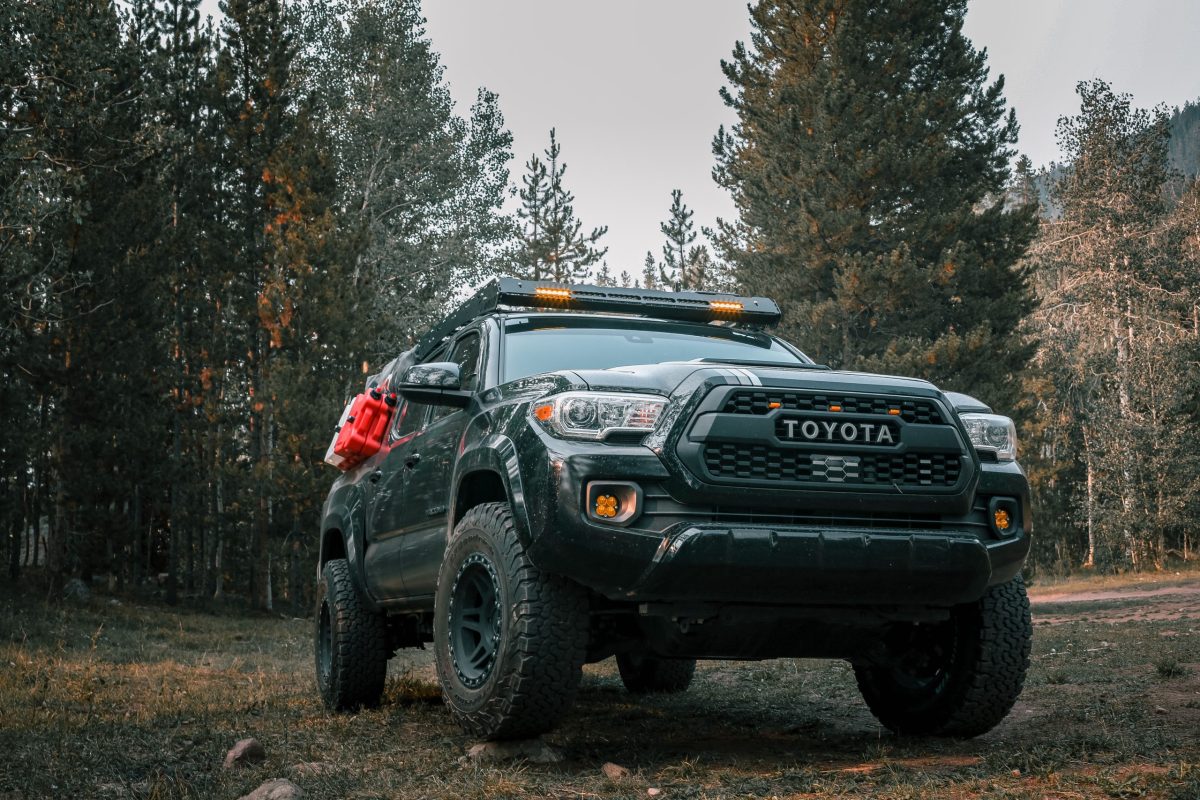
Toyota had previously released Technical Service Bulletin T-SB-0065-24, which addressed actuator and clutch-debris problems affecting certain early 2024 models within specific serial-number ranges. These issues could potentially require a complete transmission replacement. However, the bulletin did not prevent the lawsuit from moving forward.
The plaintiff’s allegations also have certain limitations. The lawsuit sought more than $5 million to meet federal class-action jurisdiction requirements, but it did not claim that a dealer or independent mechanic had inspected the plaintiff’s truck.
Owners themselves disagree. Some forum members dismissed the suit as meritless, while others reported real shifting complaints or failures on early new-generation trucks. Why list the Tacoma for expensive problems? For third-generation models, the cost risk is mostly indirect, repeated dealer visits and resale concerns, whereas early fourth-generation trucks outside warranty coverage face potentially steep replacement costs if affected by the known hardware bulletin.
On a test drive, shift from Park to Drive several times and note any delay or clunk. Check low-speed upshifts and highway cruise behavior. Ask if the transmission control software is current, and on a 2024 model, verify whether the truck falls within the serial-number range of Toyota’s eight-speed service bulletin. Toyota’s reliability record is strong, but these model years deserve attention.
5. Nissan Frontier (RE5R05A and the Radiator Flaw)
This is the clearest design flaw on the list. The problem isn’t the RE5R05A transmission itself, but the factory radiator’s built-in transmission oil cooler. On 2005–2010 automatic Frontiers along with the Pathfinder and Xterra internal cooler corrosion allows coolant and transmission fluid to mix.
Mechanics call the resulting pink, milky fluid the “strawberry milkshake of death,” which quickly destroys internal clutches. Damage typically appears as slipping or shuddering around 80,000 to 100,000+ miles, often before overheating occurs. Replacing both the transmission and radiator easily exceeds $4,000.
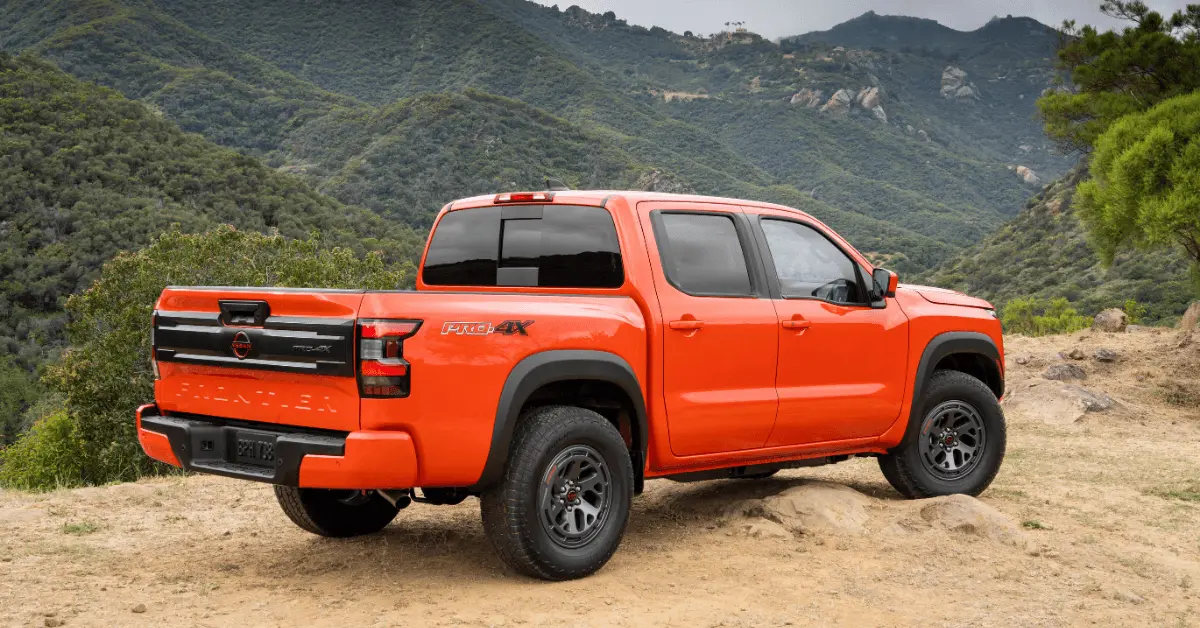
Nissan initially extended warranty coverage to 8 years or 80,000 miles, later expanding it via a class-action settlement to a tiered 10-year/100,000-mile plan with customer copays after 80,000 miles.
However, NHTSA closed its investigation petition without ordering a recall, leaving many high-mileage owners paying out of pocket. Fortunately, this flaw is preventable. Installing an updated radiator or an external cooler bypass costs far less than a gearbox.
Before buying a 2005–2010 automatic Frontier, inspect the dipstick and overflow tank for milky fluid, and verify that the radiator was replaced or bypassed. Without documented prevention, treat it as a gamble.
6. Chevrolet Colorado and GMC Canyon (8L45 8-Speed Automatic)
The midsize twins share their bigger brother’s headache. Used in 2017–2022 Colorado and Canyon V6 models, the 8L45 is a smaller sibling of GM’s 8L90 and was named alongside it in major class-action litigation.
Owners and legal complaints describe recurring transmission problems, including shuddering, shaking, jerking, and rough shifts from first to second gear. These symptoms have been linked to alleged internal transmission and torque converter defects.
Plaintiffs also claim that dealers frequently dismissed their complaints as normal vehicle behavior. Meanwhile, GM service bulletins reportedly instructed technicians to avoid replacing the torque converter or entire transmission assembly and instead perform an updated transmission fluid exchange.
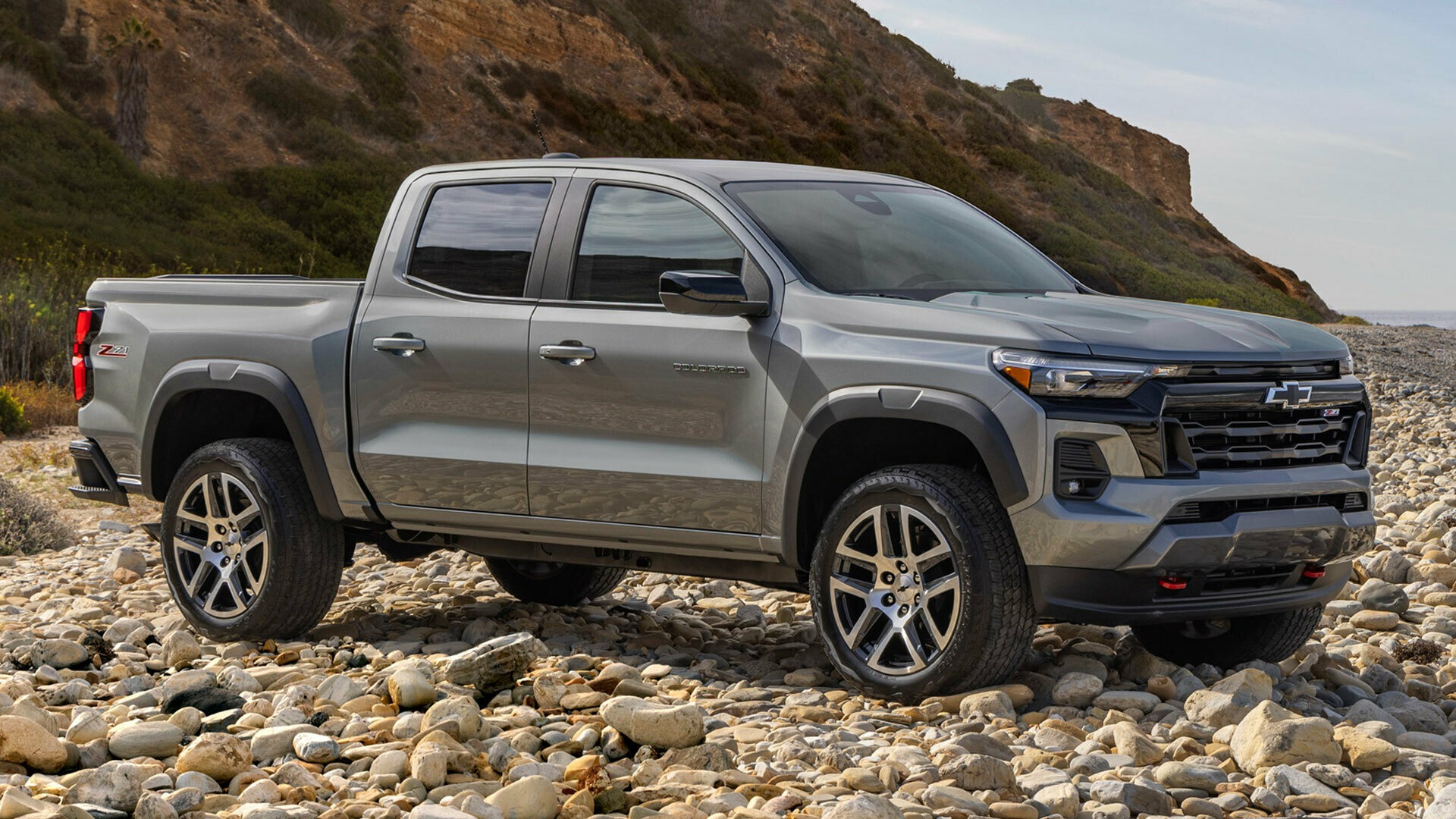
A second lawsuit later targeted newer models built past the original case’s cutoff, claiming GM concealed an unfixed defect. In the earlier litigation, a federal court initially granted class certification covering both the 8L45 and 8L90, though the U.S. Court of Appeals for the Sixth Circuit vacated that certification in August 2024.
While catastrophic failure is less common than persistent shuddering, out-of-warranty replacements can still reach thousands of dollars. Before buying, confirm the updated fluid flush was performed, check service records for repeated transmission complaints, test-drive for highway vibration and rough low-gear shifts, and verify remaining powertrain warranty coverage.
7. Ford F-250 Super Duty (6R140 and 10R140)
Heavy-duty trucks put the highest stress on a gearbox, making failures here the costliest on the list. Ford’s 6R140 six-speed served roughly a decade and earned a sturdy reputation, though high-mileage or tuned units can suffer intermediate shaft failures and valve-body wear.
The newer 10-speed 10R140, introduced for 2020, has drawn sharper complaints. On early 2020–2022 trucks, trouble code P0729 (incorrect sixth-gear ratio) often points to internal CDF drum sleeve movement, a flaw Ford addressed with an updated drum featuring a machined retaining lip.
Ford also issued formal NHTSA recalls for select 2020–2022 10R140 Super Duty trucks covering main control valve-body defects (risking loss of drive or wheel lockup) and park-pawl assembly issues.
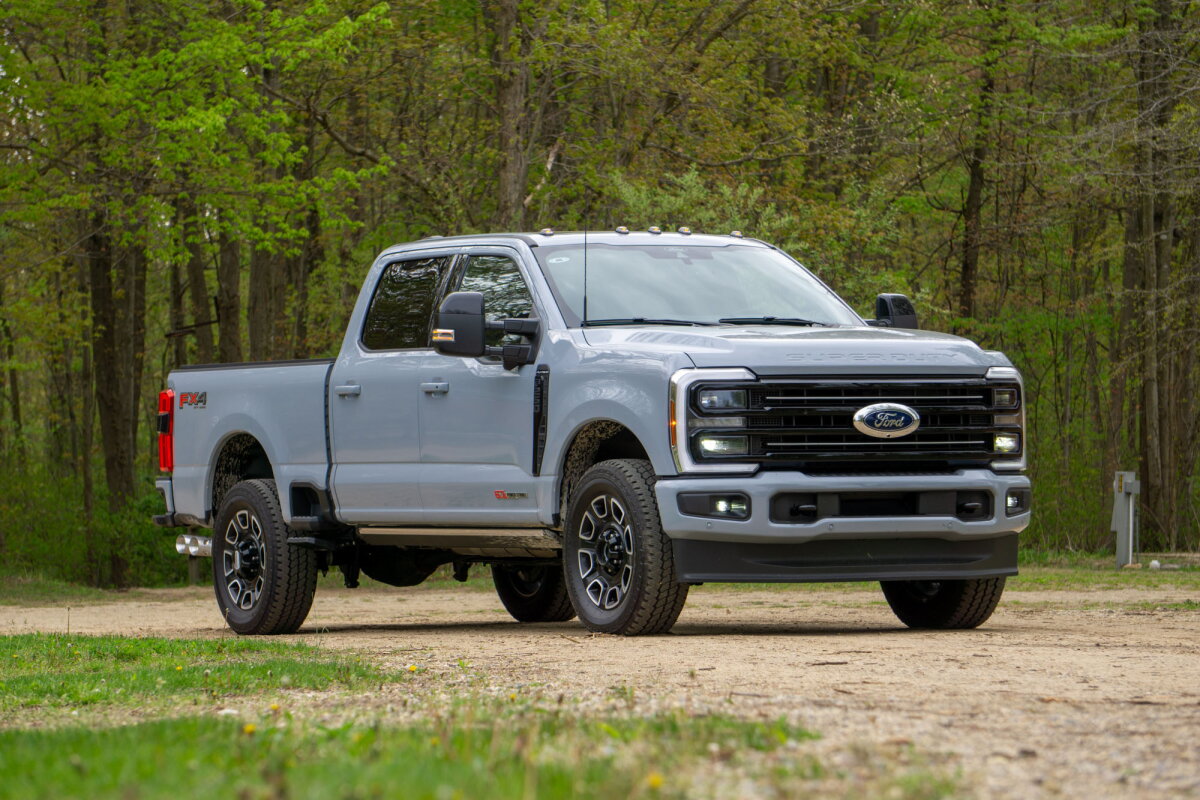
Repair bills are steep. Remanufactured 6R140 units alone cost around $5,000 before installation, while full dealer replacements for the 10R140 frequently exceed $8,000, with extreme quotes reaching $13,000.
Towing heat, diesel torque, fleet mileage, and skipped fluid changes accelerate wear. Before buying, check recall completion by VIN, scan for stored codes, confirm fluid service intervals, and avoid heavily tuned trucks. A stock, well-maintained Super Duty is your safest bet.