A pickup is a long-term bet. You expect it to tow, haul and keep going. A bad transmission breaks that promise fast. The repair bills hurt. A remanufactured unit often costs several thousand dollars before labor. Some owners of newer heavy-duty Fords report dealer quotes above $8,000.
This list covers seven US-market pickups with well-documented transmission trouble. Each entry rests on service bulletins, lawsuits, recalls, or repeated owner reports. I checked model years, transmission names and legal status wherever I could.
One caution matters. A lawsuit is an allegation, not a verdict. Automakers have disputed many of these claims, and I flag that where it applies. Another caution applies. Many trucks on this list run fine for years. The problem is a pattern, not a certainty.
Maintenance, towing habits and software updates all change the odds. Treat this as a buyer’s checklist. Search the exact model year, ask for service records and check for completed updates. Then decide if the risk fits your budget.
1. Ford F-150 (2017–2020, 10R80 10-Speed)
Ford introduced the 10R80 in the 2017 F-150, and it was co-developed with GM. The complaints began almost at once. Owners reported harsh shifting, lunging from park to drive, hesitation, clunking and sudden power loss.
Ford’s own paperwork backs up part of this. TSB 18-2079 from March 2018 covered harsh or delayed shifts in early 2017 trucks. A second bulletin in September 2018 covered 2018 trucks built on or before mid-May 2018.
The fix was usually software. Those bulletins had dealers reprogram the powertrain control module. Many owners say it did not cure the problem.
The legal fight is large. An Illinois federal judge let the O’Connor class action move forward. It covers 2017 to 2020 F-150s with the 10-speed. One report says a judge denied Ford’s motion to dismiss as of February 2026.

The same report says the case is heading toward class certification. I could only confirm that status in one source, so check the docket for updates.
Ford’s position matters here. Plaintiffs say Ford told customers the harsh shifting was normal. Ford has not accepted the defect claims. Other suits exist. A Pennsylvania suit alleged whiplash from hard, erratic shifts. A Florida suit includes a 2023 F-150 and a 2020 Ranger. A Canadian action covers 2017/2018 model years onward.
Real owner stories show the pattern. One plaintiff reported a loud clunk on a leased 2018 F-150 after five months and 6,000 miles. That is a drivability complaint, not a failed gearbox.
Here is the honest cost picture. I found no verified average repair bill for the 10R80. Many cases involve repeated dealer visits rather than one big invoice.
The expensive scenario is a full replacement outside warranty. That can reach thousands of dollars. Always ask for the repair order history. If you shop for one, favor later 2020 or newer trucks. Confirm every software update was applied. Test drive from cold, in stop-and-go traffic.
Listen for clunks when shifting from park. Feel for slipping at low speed. Walk away if the truck hesitates or lunges. The 10R80 is not doomed. Plenty of owners report no trouble. But the documented bulletins and lawsuits make it a smart-shopper truck.
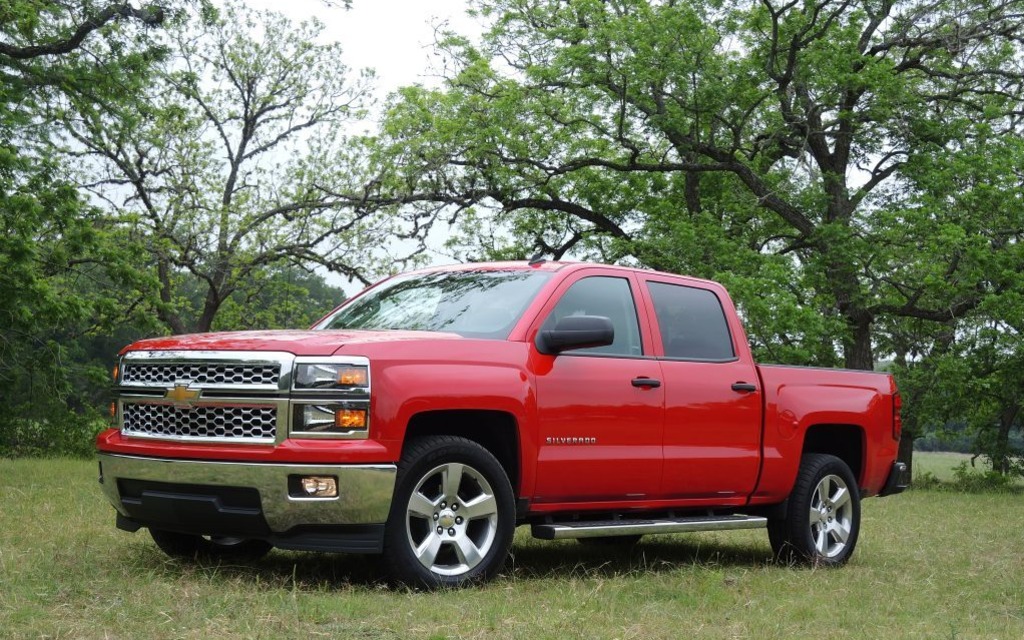
2. Chevrolet Silverado 1500 and GMC Sierra 1500 (2015–2019, 8L90 8-Speed)
GM’s 8L90 is the center of a long dispute. The 8L90 went into 2015 to 2018 Silverado and Sierra 1500s with the 5.3L or 6.2L engines. The Sierra shares the same hardware.
The main complaint is a shudder. GM describes it as a shake during light-throttle driving between 25 and 80 mph. Owners compare it to driving over rumble strips.
GM knew early. A bulletin issued in October 2015 described that rumble-strip feeling and blamed an internal torque converter issue. It said a revised converter was coming.
The later fix was a fluid swap. Bulletin 18-NA-355 calls for a full exchange with Mobil 1 Synthetic LV ATF HP. Trucks built after early 2019 left the factory with that fluid.
Critics say the fluid fix was incomplete. One bulletin told techs not to replace the torque converter because engineers found it gave no long-term fix. That line fueled the lawsuits.
The lawsuit allegations are serious. Plaintiffs blame internal problems in the transmission or torque converter. They say metal shavings circulate and force costly repairs, such as new converters or valve bodies.
The courtroom story changed over time. A court granted class certification, covering 2015 to 2019 Silverados among other models. One source reports the Sixth Circuit decertified that class in 2025. I could not verify the final ruling from a primary court document.
Newer trucks are also named. A later proposed class action covers certain 2019 Silverado, Sierra, Colorado and Canyon trucks. It claims GM hid the defect even after approving a redesign.
By January 2022, more than 60 technical service bulletins touched GM’s 8-speed. That is a lot of paperwork for one gearbox. Costs vary. One commenter reported a replacement bill over $7,000 on a 2017 Silverado. That is an owner claim, not an audited figure.
Not every truck suffers. No NHTSA safety recall covers the 8L90 shudder. Many trucks run well after the fluid exchange. Here is how to shop smart. Ask if the fluid exchange was done. Request the dealer’s shudder test results.
Drive between 25 and 80 mph at light throttle. Feel for vibration through the seat. If you feel it, negotiate hard or skip the truck. Look for any warranty remaining. Powertrain coverage can save thousands. Check it before you sign.
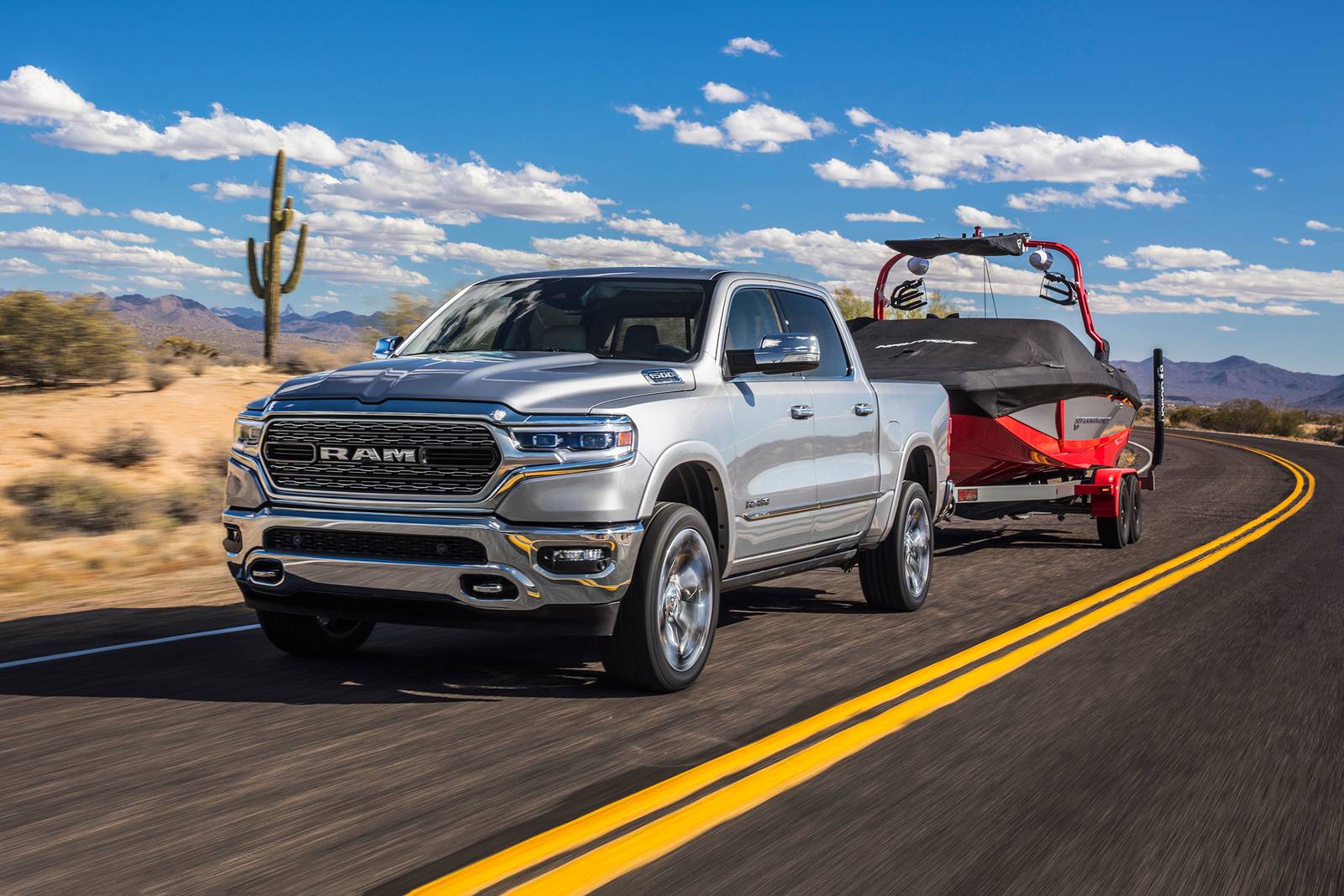
3. Ram 1500 (2013–2019+, ZF-Based 8-Speed and Shifter Issues)
Ram’s trouble is a mix of shifter safety and gearbox concerns. The two get blurred together online. I will separate them. First, the gearbox. The ZF 8HP-based 850RE is used behind the 3.6L Pentastar V6 in the Ram 1500. The 6.2L TRX uses the stronger 8HP95.
Early eight-speed trucks drew complaints. One owner guide lists shifting problems from 2012 to 2017. That guide is a parts retailer, so treat it as directional.
There was a formal recall early. NHTSA campaign 13V610000 covered 4,194 2013 Rams. It was an automatic transmission campaign, and it was small.
The shifter story is bigger. In 2017, FCA recalled about 1.48 million Rams across nine model years over a shifter issue. The recall covered column-mounted shifters, not rotary dials or floor shifters.
Rotary-dial trucks have their own complaints. One owner reported a seized rotary dial on a 2017 Ram 1500. Another reported loud clicking from the dial.
Federal data shows the pattern. Owner complaints center on sudden loss of drive, such as stalling, dropping into neutral, or jumping into park. The 2019 model year had the most complaints.
Recalls continued. Recall 24V-413 calls for replacing the transmission valve body. It applies to certain 2023 Ram 1500s. The numbers need context. Owners filed about 1,700 transmission complaints for 2009 to 2025 Rams. That is roughly 13 percent of all complaints for the model.
That is a modest share. It is not a disaster rate. The same data labels the problem “some, but not unusually many.” Cost is hard to pin down. Recall repairs are free at a dealer. Out-of-warranty gearbox work can still run into the thousands.
Why does Ram make this list? The risk is the type of failure. A truck that loses drive or rolls in park is a safety problem, not just a repair bill. Check recalls by VIN before you buy. Make sure each one was completed. Pay special attention to transmission control software and shifter campaigns.
Test the shifter, too. Cycle through every gear several times. Confirm park holds on a slope. Ram’s 8-speed is common and usually decent. But the recall load is heavy. Verify the paperwork before trusting the truck.
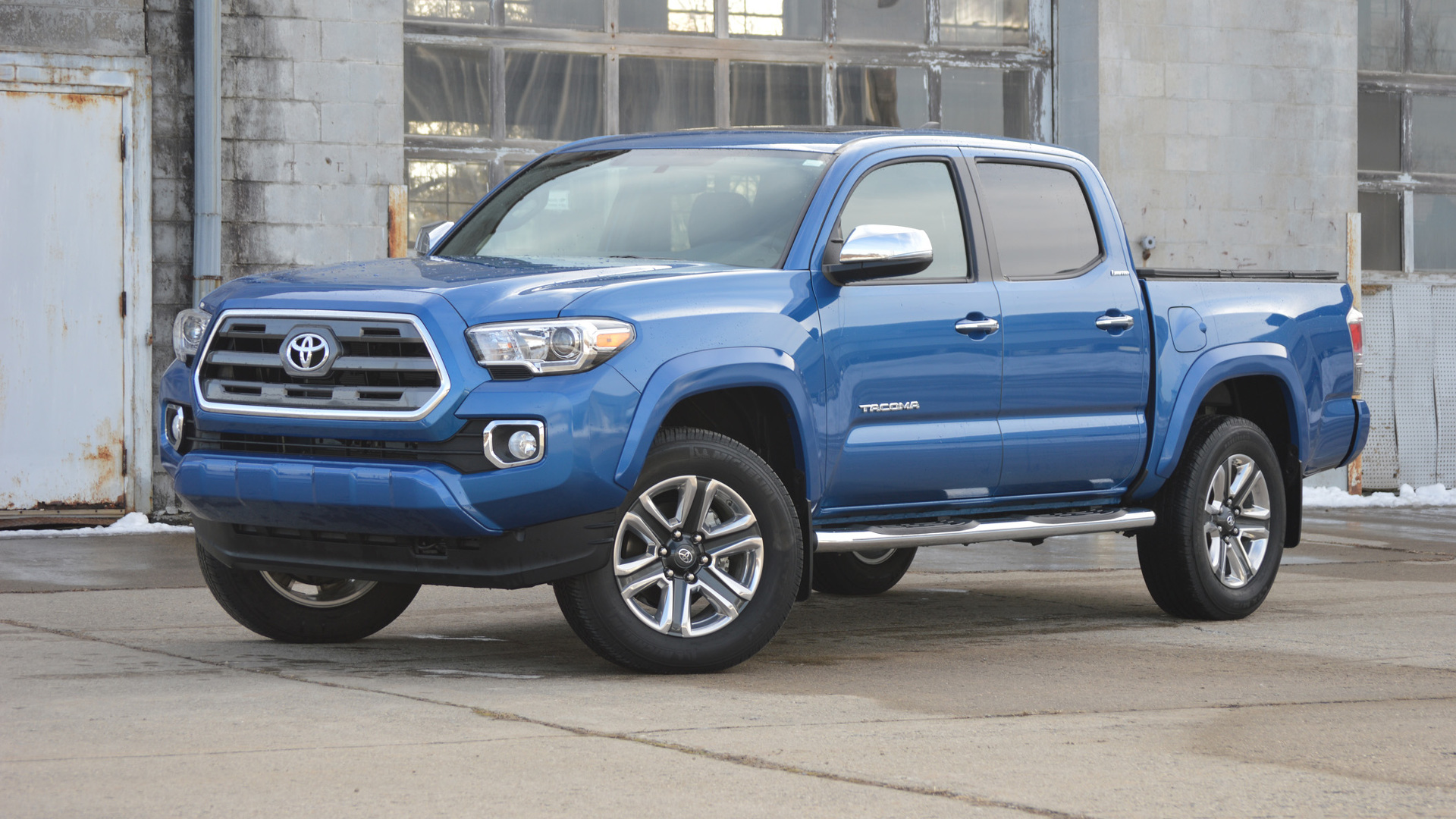
4. Toyota Tacoma (2016–2017 6-Speed, Plus 2024 8-Speed Allegations)
Toyota’s reputation makes this entry surprising. The Tacoma’s transmission trouble is real, but it is mostly about feel, not breakdowns. The third generation arrived for 2016. Toyota issued a bulletin for 2016 Tacomas with the 2GR V6 and AC60 six-speed. It listed delayed engagement from park to drive and harsh first-to-second shifts.
Toyota tried a software fix. A law firm says an early 2016 update did not solve the problem for many 2016 and 2017 owners. That is a plaintiff-side claim.
Owners described hesitation and slow upshifts. Complaints included delayed upshifts while on cruise control. Forums are filled with similar reports. One owner described rollback on inclines.
The truck allegedly rolled back, then chattered and engaged harshly. The dealer said it could not reproduce the issue. That is one anecdote, not proof.
The story resurfaced in 2024. A class action alleged the 2024 Tacoma’s transmission was defective. It claimed Toyota knew about transmission problems and concealed them.
Toyota had already pushed a fix. One report said the 2024 transmission fix did not stop the lawsuit. Details of that fix are thin in what I found. The plaintiff’s claims have limits. The suit sought over $5 million. It also did not allege that a dealer or mechanic inspected the truck.
Owners themselves disagree. Some forum members dismissed the suit as meritless. Others reported real shifting complaints on new trucks. Why list it for expensive problems? The cost risk is indirect. A harsh-shifting transmission can lead to repeated dealer visits, resale hits and, rarely, replacement.
I found no solid repair-cost figure for Tacoma transmissions. Be skeptical of any site that claims one. One database I found admitted it had no Tacoma-specific complaint data for this issue.
That fits the larger picture. This is more a quality-feel problem than a mass-failure problem. Many Tacoma owners never see it. The risk is still worth knowing. Used 2016 and 2017 six-speed trucks deserve a careful drive. Later software may help.
On a test drive, shift from Park to Drive several times. Note any delay or clunk. Check low-speed upshifts. Ask if the transmission control software is current. Confirm any bulletin work. Toyota’s reliability record is strong, but this one deserves attention.
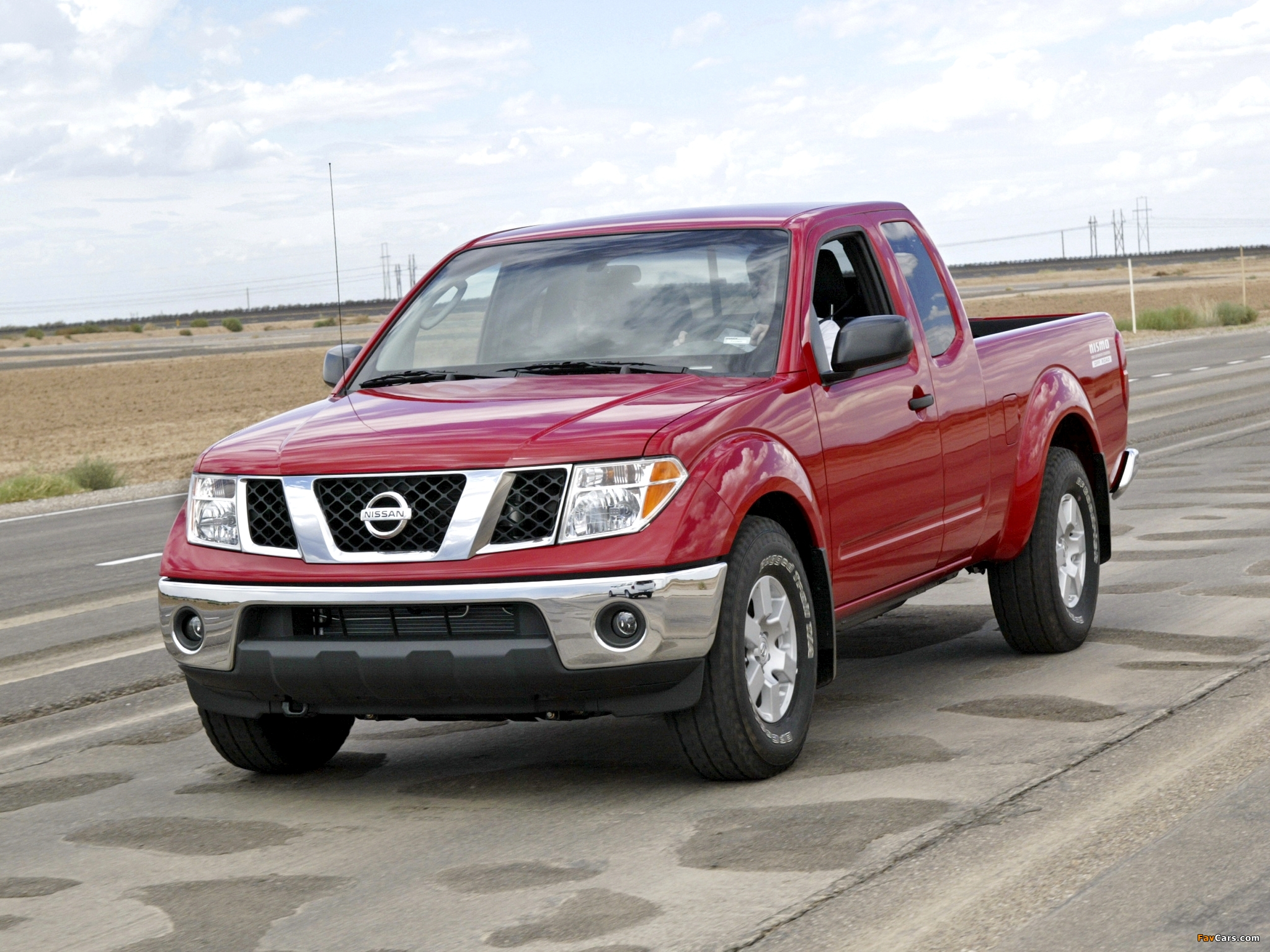
5. Nissan Frontier (2005–2010, RE5R05A and the Radiator Flaw)
This is the clearest design flaw on the list. It is not the transmission itself. It is the radiator cooler built into it. The factory radiator contains the transmission oil cooler. When that internal cooler fails, coolant and transmission fluid mix.
Mechanics call it the “strawberry milkshake of death.” The nickname describes pink, milky fluid. The mix destroys clutches fast. The scope is well documented. A petition asked NHTSA to investigate 2005 to 2010 Pathfinder, Frontier and Xterra models for failed transmission coolers. Those three share the design.
The damage often shows up as slipping. Owners often notice slipping or shuddering before any overheating. By then, harm may be done. Real owner reports match. One owner reported a 2005 Frontier where coolant spilled into the transmission at 85,000 miles. Another reported slipping at about 84,000 miles.
Here is the cost. One repair source says replacing the transmission exceeds $4,000. The radiator must also be replaced. Prices have likely risen since that article.
Nissan did respond, partly. The company extended radiator warranty coverage to eight years or 80,000 miles for these models. One owner cited a ten-year extension, so details may vary by case.
The trouble is timing. Many failures happen after 100,000 miles, when the warranty has expired. Owners then pay out of pocket. Regulators did not step in. NHTSA closed the petition, leaving owners on their own. There was no mass recall for this flaw.
Some later trucks may be exposed. A parts source says 2011 trucks with original radiators may be vulnerable, especially with leftover 2010 stock. That claim is less certain.
This issue is preventable. Many suggest an aftermarket radiator or an external bypass cooler. Preventive work costs far less than a gearbox. If you own one, check the fluid. Milky or cloudy fluid on the dipstick signals coolant contamination. Check the radiator overflow tank for oil, too.
If you are buying, ask if the radiator was replaced. Ask if a bypass was installed. A documented fix is worth real money. Without that fix, treat a 2005 to 2010 automatic Frontier as a gamble. The truck is tough in other ways. This one weak part can wreck the whole drivetrain.
6. Chevrolet Colorado and GMC Canyon (2017–2022, 8L45 8-Speed)
The midsize twins share their bigger brother’s headache. The 8L45 is a smaller sibling of the 8L90. The class action named both the 8L90 and 8L45. It covered 2017 to 2019 Colorados and Canyons.
The complaint is familiar. The suit describes shuddering, shaking, jerking and hesitation. Plaintiffs trace it to internal transmission or torque converter problems.
Owner stories sound alike. One 2018 Canyon owner reported shaking every time the truck shifted from first to second gear. That is a single complaint, but it matches the wider pattern.
A second lawsuit targets newer trucks. It covers 2019 to 2022 Colorado and Canyon models. Named plaintiffs include owners of 2020 and 2021 Canyons.

That suit makes sharp claims. It says GM cannot fix the problem and that only a planned 2023 redesign will help. GM has not accepted these claims.
A bulletin is central to the case. An August 2020 bulletin told techs that replacing parts or whole assemblies would not improve harsh first shifts. That wording hurts GM’s defense.
Plaintiffs also say dealers brush off complaints. They allege customers hear the transmission is working normally. Owners on forums echo that frustration.
The same bulletin history applies. GM’s shudder bulletins pointed to fluid draining back into the pan. Those bulletins told techs not to swap the converter.
The legal outcome is mixed. The earlier GM case reached class certification for the 8L90 and 8L45. One source says the class was later decertified. I could not confirm that final step independently.
Repair costs are hard to pin down. I found no clean average for the Colorado and Canyon. Owner anecdotes of full replacements exist, but they are unverified.
The risk profile is similar to the Silverado. Shudder and harsh shifts are the main problems. Catastrophic failure is less commonly documented. Midsize buyers often keep trucks long. That makes the risk worse. A shudder that starts at 40,000 miles can grow.
Check the fluid history before buying. Ask about any exchange using the updated fluid. Look for repeated dealer visits for the same complaint. Take a long test drive. Pay attention to first-to-second shifts.
Feel for vibration at steady highway speeds. Warranty coverage is your best protection. Powertrain plans can offset a big bill. Verify the plan terms and mileage limits.
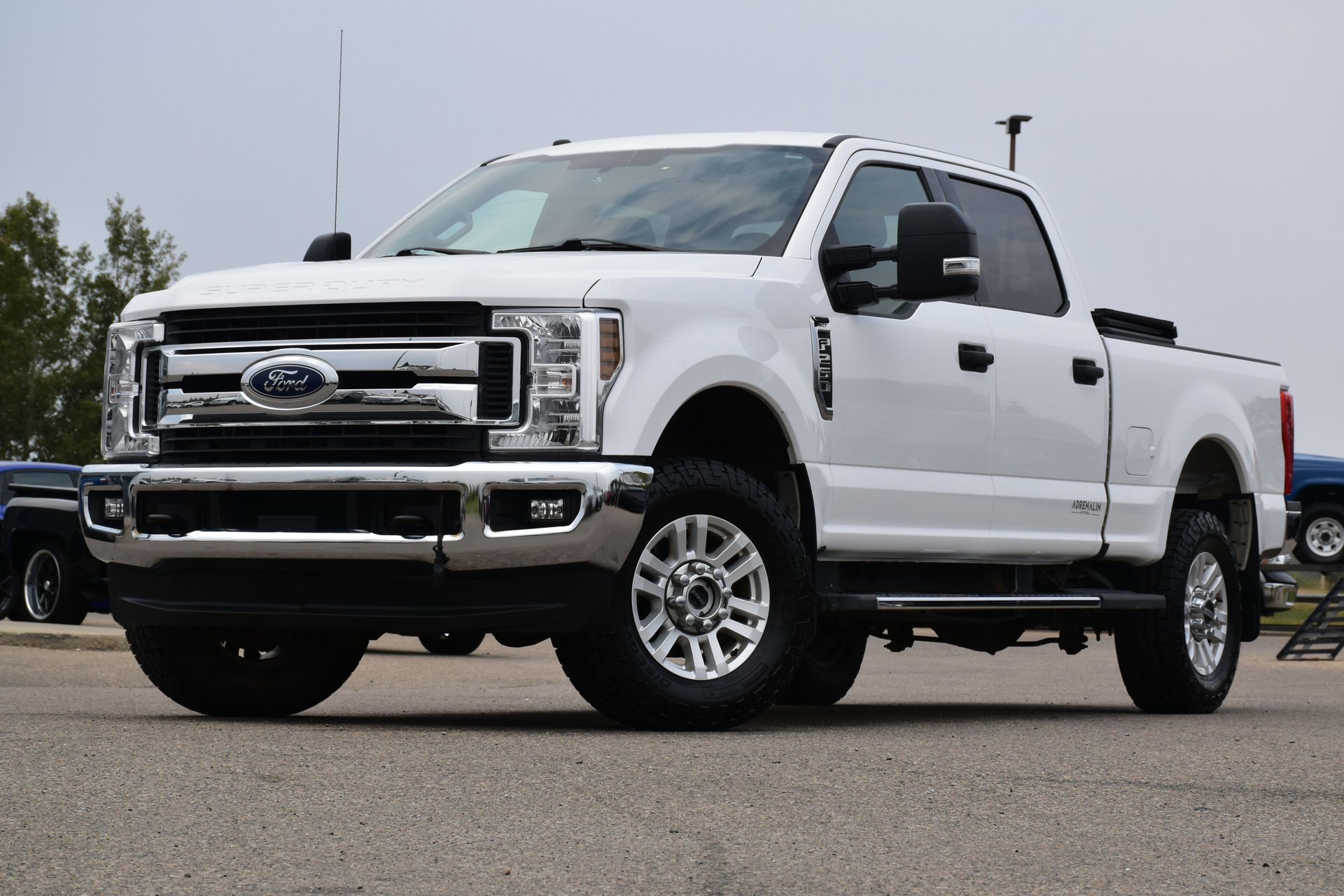
7. Ford F-250 Super Duty (2011–2019 6R140 and 2020+ 10R140)
Heavy-duty trucks put the most stress on a gearbox. That makes failures here the costliest on the list. Ford’s 6R140 began service in the 2011 model year. It was built for towing and replaced the older 5R110. Ford moved to the 10R140 in 2020.
The 6R140 has a decent reputation. Even a supportive aftermarket guide calls it capable but imperfect. It lists intermediate shaft failure and valve-body leaks among problems. Aftermarket sellers profit from repairs, so read them with care.
The newer 10R140 draws sharper complaints. On a 2020 to 2022 F-250, code P0729 almost always means serious internal failure. That code signals an incorrect sixth-gear ratio.
One failure area is specific. An updated Ford part adds a machined lip to stop a sleeve from walking out. Aftermarket builders list the drum assembly as a known issue.
Owners report shifting trouble. One owner reported a 2021 F-250 7.3L in the shop again for incorrect shifting. That is one forum post, not a confirmed trend.
Now the money. Some owners report dealer quotes over $8,000 for full replacement. That aligns with the high end of heavy-duty repair costs. Remanufactured units cost less. One seller lists a remanufactured 6R140 at about $4,999. A forum member said units can be found near $5,000.
Dealer prices can swing wildly. One owner was quoted $13,000, which a responder called far out of line. Always get a second quote. Labor adds to the bill. A heavy-duty gearbox is big and complicated. Many shops charge several thousand dollars for installation.
I could not confirm a formal recall for the 10R140. Forum chatter mentions one, but I could not verify it. Check Ford’s recall lookup by VIN. Why do Super Duty owners suffer more? Towing generates heat. Diesel torque stresses clutches.
A commercial truck may also rack up miles fast. Fleet duty accelerates wear. Skipped fluid changes make it worse. Some specialists suggest checking fluid every 30,000 to 40,000 miles under heavy-duty use. That is a cheap habit. Do it.
If you buy one, ask for towing history. Confirm fluid service intervals. Scan for stored transmission codes. Beware of any truck that was heavily modified. Tuned engines add torque the gearbox may not handle. A stock, serviced truck is the safest bet.