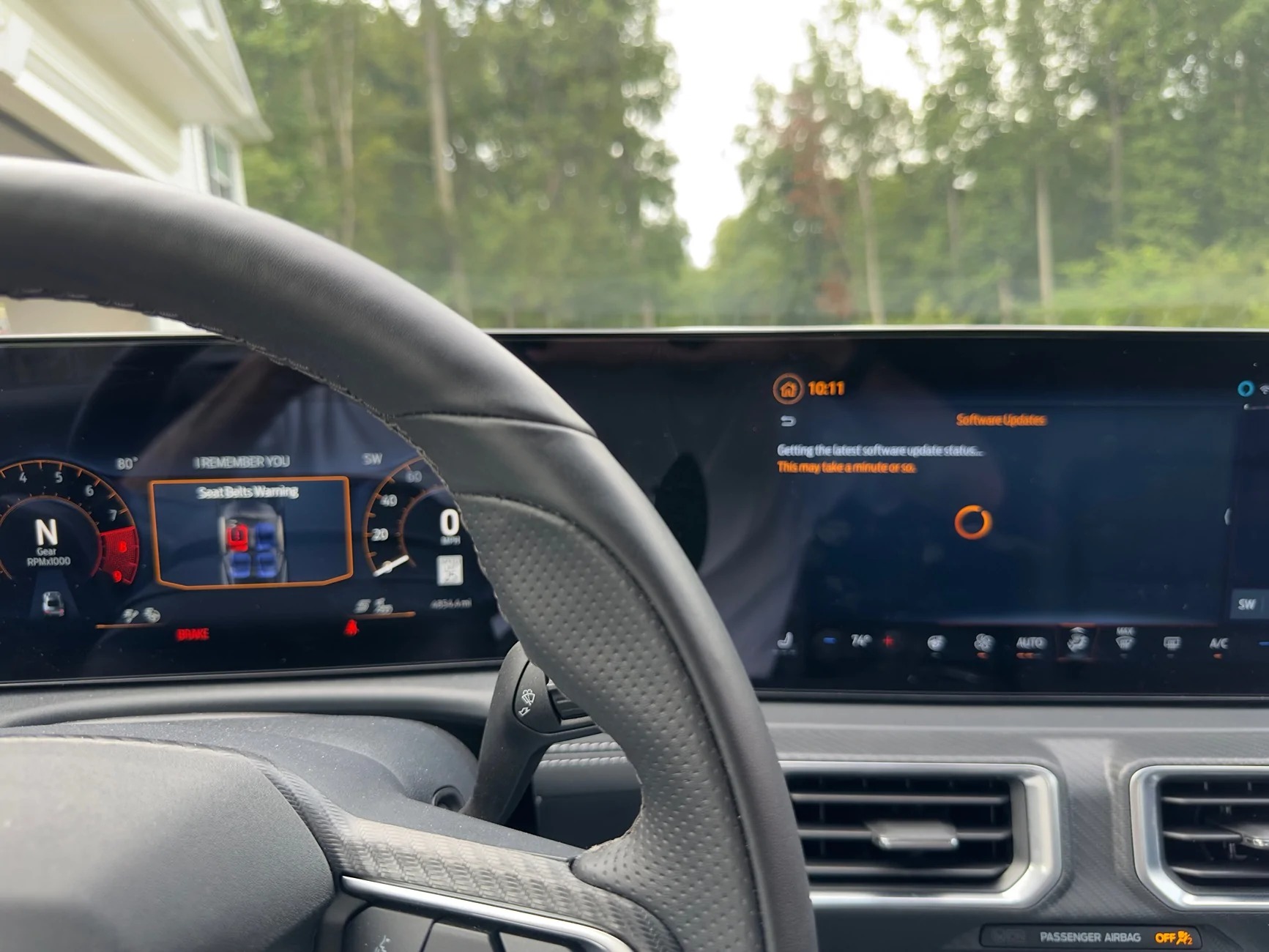
Modern vehicles offer plenty of conveniences, from remote engine starting to emergency assistance and real-time navigation. Yet many drivers discovered that these features could disappear without any mechanical problem affecting their cars. The reason? Major cellular carriers shut down their 3G networks throughout 2022, leaving millions of vehicles with outdated communication hardware unable to connect.
Several automakers offered replacement equipment, while others provided software updates or no practical solution at all. For owners, the loss meant more than a few missing smartphone features. Some vehicles also lost emergency calling and automatic crash notifications. Here are 12 cars and SUVs that felt the effects of the 3G shutdown, along with the connected features their owners could no longer rely on.
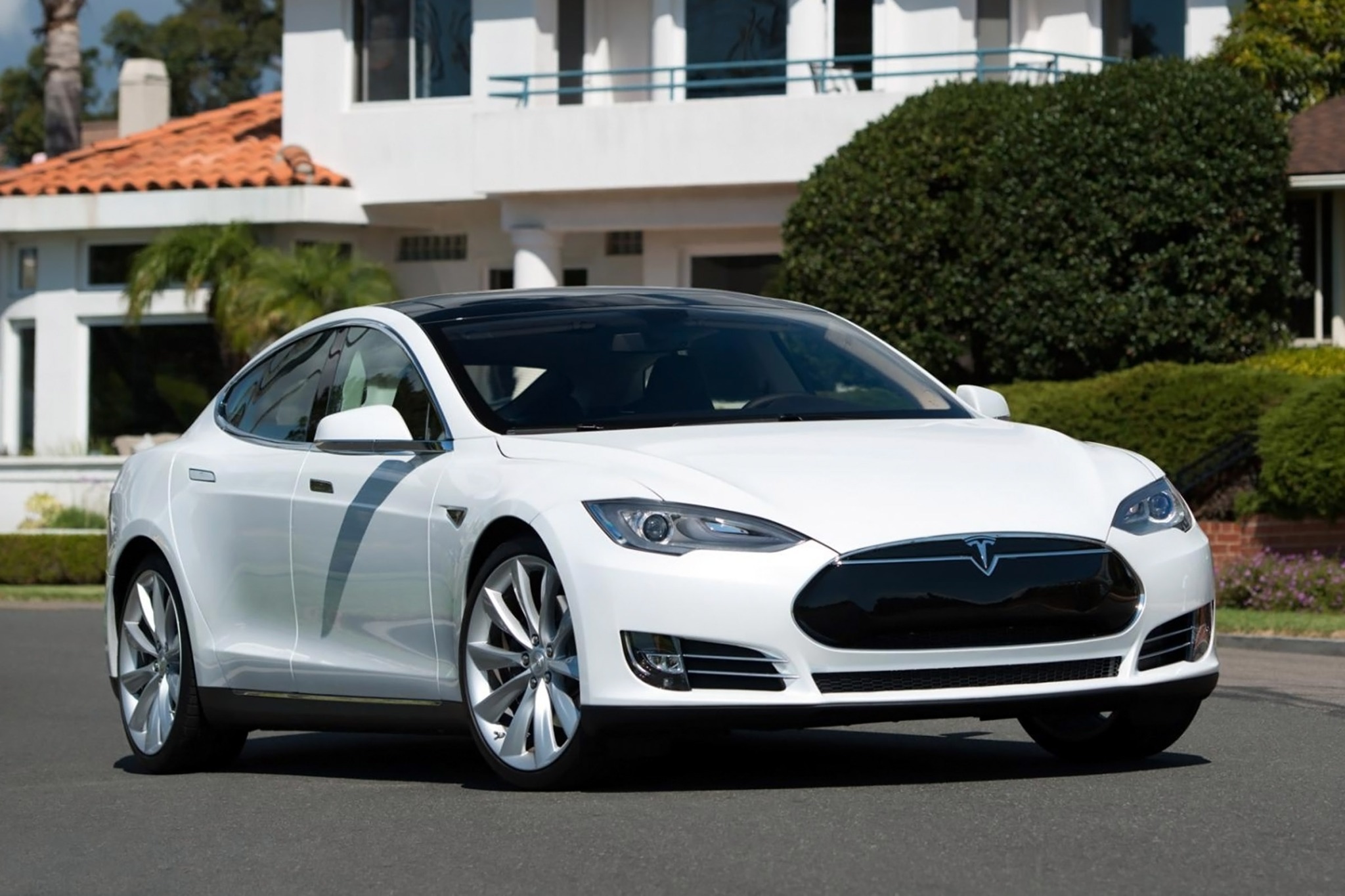
1. Tesla Model S (2012-June 2015)
Tesla built its early Model S vehicles around technology that allowed drivers to interact with their cars even when they were away from the driver’s seat.
Unfortunately, some models produced between 2012 and June 2015 depended on 3G cellular modems to maintain those connections. When carriers retired their 3G networks, these vehicles lost access to several connected services.
For owners accustomed to checking their vehicles through a smartphone, the change was frustrating. Remote app controls, live traffic information, and certain over-the-air software update capabilities depended on an active cellular connection.
Without compatible network hardware, these services could no longer function as intended. Tesla provided a relatively straightforward solution compared with some other manufacturers.
Owners could purchase an LTE modem upgrade for approximately $200, allowing compatible early Model S vehicles to reconnect through newer cellular networks. The replacement restored access to supported connected features without requiring drivers to purchase another vehicle.
Still, the experience highlighted an important issue with connected electric cars. A vehicle can remain mechanically sound and fully capable of driving while losing some of the digital services that helped define its ownership experience.
Early Model S owners learned that a car’s technology package can have a lifespan separate from its battery, motor, and other physical components.
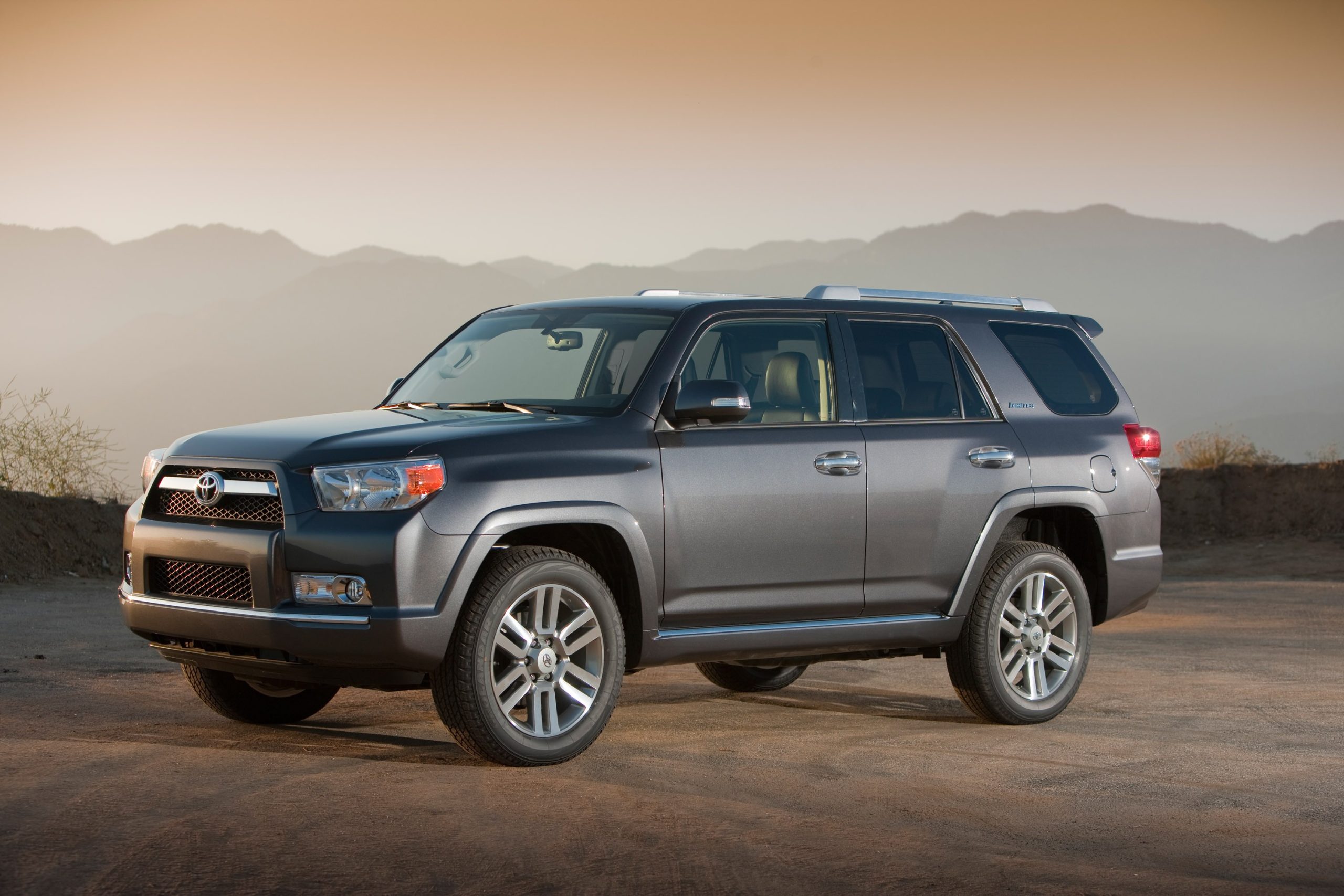
2. Toyota 4Runner (2010-2019)
Reliability has long been one of the reasons drivers choose the Toyota 4Runner. Its reputation for durability makes it a popular choice among people who want an SUV capable of handling daily commuting, family trips, and demanding outdoor adventures.
However, mechanical toughness could not protect certain models from the retirement of cellular technology. The 3G shutdown affected Toyota Safety Connect services in eligible 4Runner models produced between 2010 and 2019.
Starting in late 2022, affected vehicles lost access to connected functions that relied on the older cellular network. These included emergency assistance and stolen vehicle location services.
For someone who had become accustomed to having emergency support available through the vehicle, losing that connection was an unwelcome surprise.
The Safety Connect system was designed to provide additional assistance when drivers needed help, particularly following an accident or when a vehicle was stolen.
The stolen vehicle locator also offered reassurance to owners who valued the ability to request help locating their SUVs. Once the cellular connection disappeared, that convenience was no longer available through the affected system.
It is important to understand that the 3G shutdown did not affect the 4Runner’s driving safety or its core mechanical systems, including the engine, transmission, suspension, and four-wheel-drive equipment. Its conventional driving capabilities remained unchanged.
The problem was limited to connected services that depended on outdated network hardware. Owners considering a used 4Runner should therefore check which telematics features remain operational rather than assuming that every factory-installed service still works.
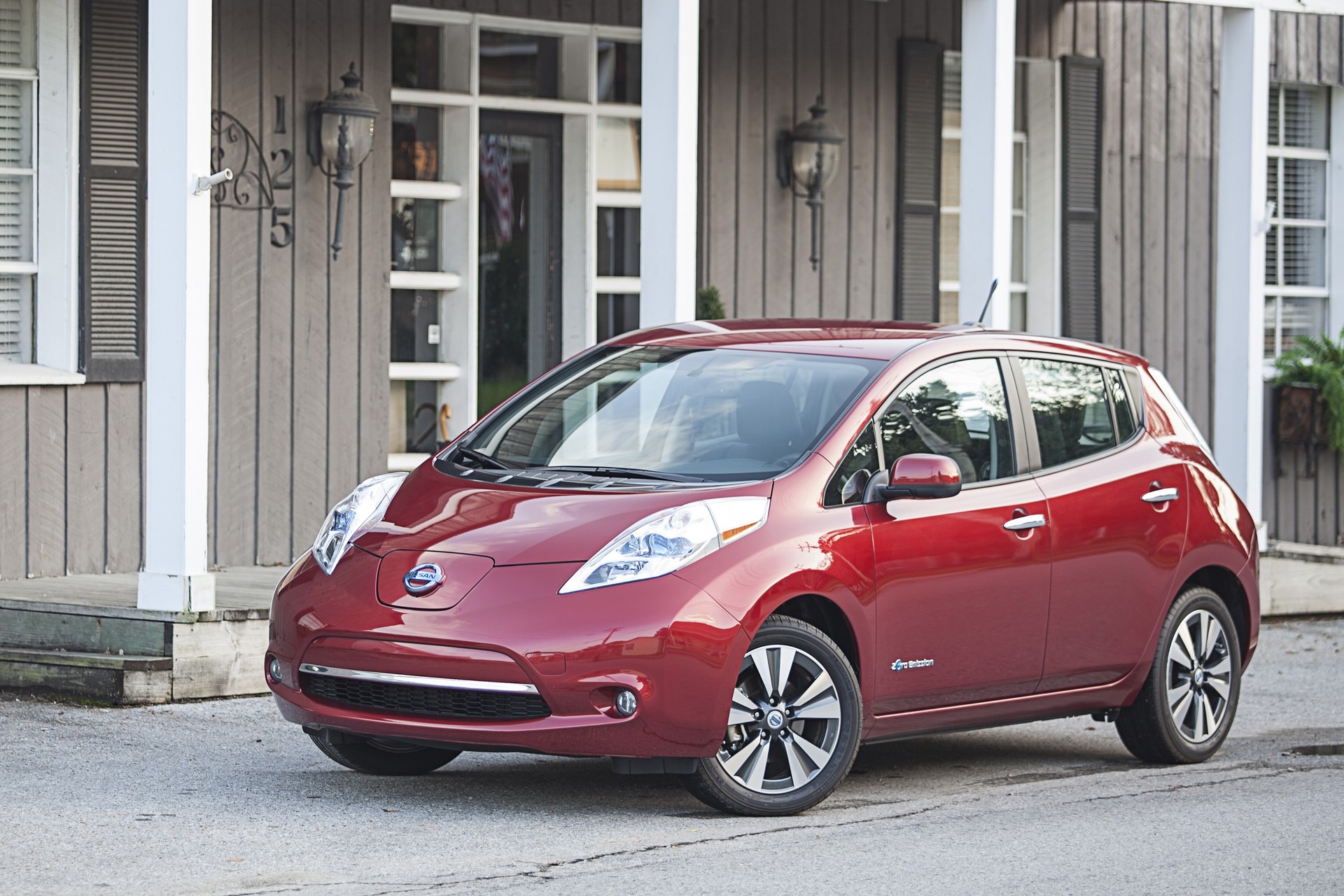
3. Nissan Leaf (2011-2015)
Electric pioneers often face growing pains, and early Nissan Leaf owners felt this one directly. Vehicles equipped with 3G telematics units lost NissanConnect EV capabilities.
That meant drivers could no longer remotely check battery charge levels or precondition the cabin before a drive. Those tools mattered more for a Leaf than for most cars.
Knowing how much driving range remains is an important part of planning each day. Previously, owners could simply check the app to see whether they had enough charge. Without that feature, they now have to go to the vehicle, turn it on, and check the dashboard for the remaining range.
Preconditioning was equally handy, since warming or cooling the cabin while plugged in saves battery range for the road. Without it, hot summers and freezing mornings feel harsher.
If you own an early Leaf, adjust your routine. Use the vehicle’s built-in timer for charging and climate settings, which often work without a cellular connection.
Learn to read the dashboard range estimate and plan charging stops with a little extra buffer. Third-party charging apps can still help you find stations, even if the car itself cannot report its status.
Check with Nissan or a dealer about any updates or alternatives available for your model. The Leaf still delivers affordable, quiet driving, and a few small habits can make up for lost digital shortcuts.
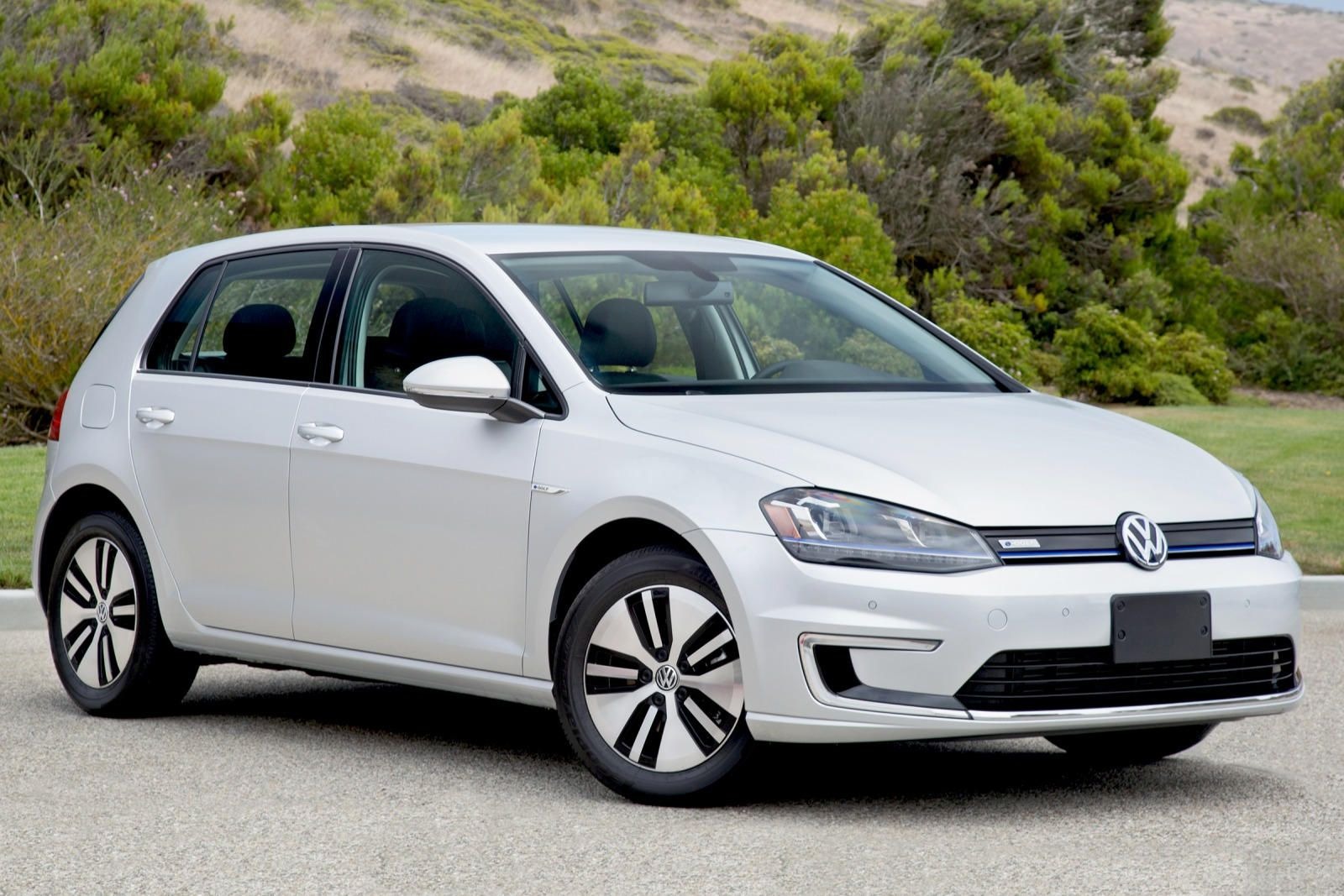
4. Volkswagen e-Golf (2014-2019)
The Volkswagen e-Golf combined the familiar design of a conventional Golf with an electric powertrain, making it an appealing option for drivers who wanted an electric vehicle without adopting an entirely different vehicle layout.
Its Car-Net connectivity system also provided digital conveniences that allowed owners to interact with the vehicle remotely.
Unfortunately, e-Golf models equipped with 3G modems faced a particularly disappointing outcome when cellular providers discontinued their older networks.
The shutdown disabled Car-Net telematics and associated mobile application features. Unlike certain other Volkswagen models that qualified for hardware replacement programs, the affected e-Golf vehicles did not receive an equivalent solution to restore their original connected functionality.
That left owners with fewer options than they might have expected. Features that depended on the cellular connection could no longer operate through the factory system, even though the car itself remained perfectly capable of everyday transportation.
For drivers who regularly used smartphone-based vehicle information, the loss changed how they interacted with their cars. Remote access and connected information became unavailable, removing conveniences that had been part of the original ownership package.
This also brings up an important consideration for used EV buyers, which is how much an older vehicle’s original technology features should affect its current market value.
With the e-Golf, prospective buyers need to separate the appeal of its electric driving experience from the condition of its discontinued digital services.
Its driving range, battery health, charging performance, and physical condition deserve careful attention. Factory connectivity should be treated as a separate consideration rather than an automatic benefit.
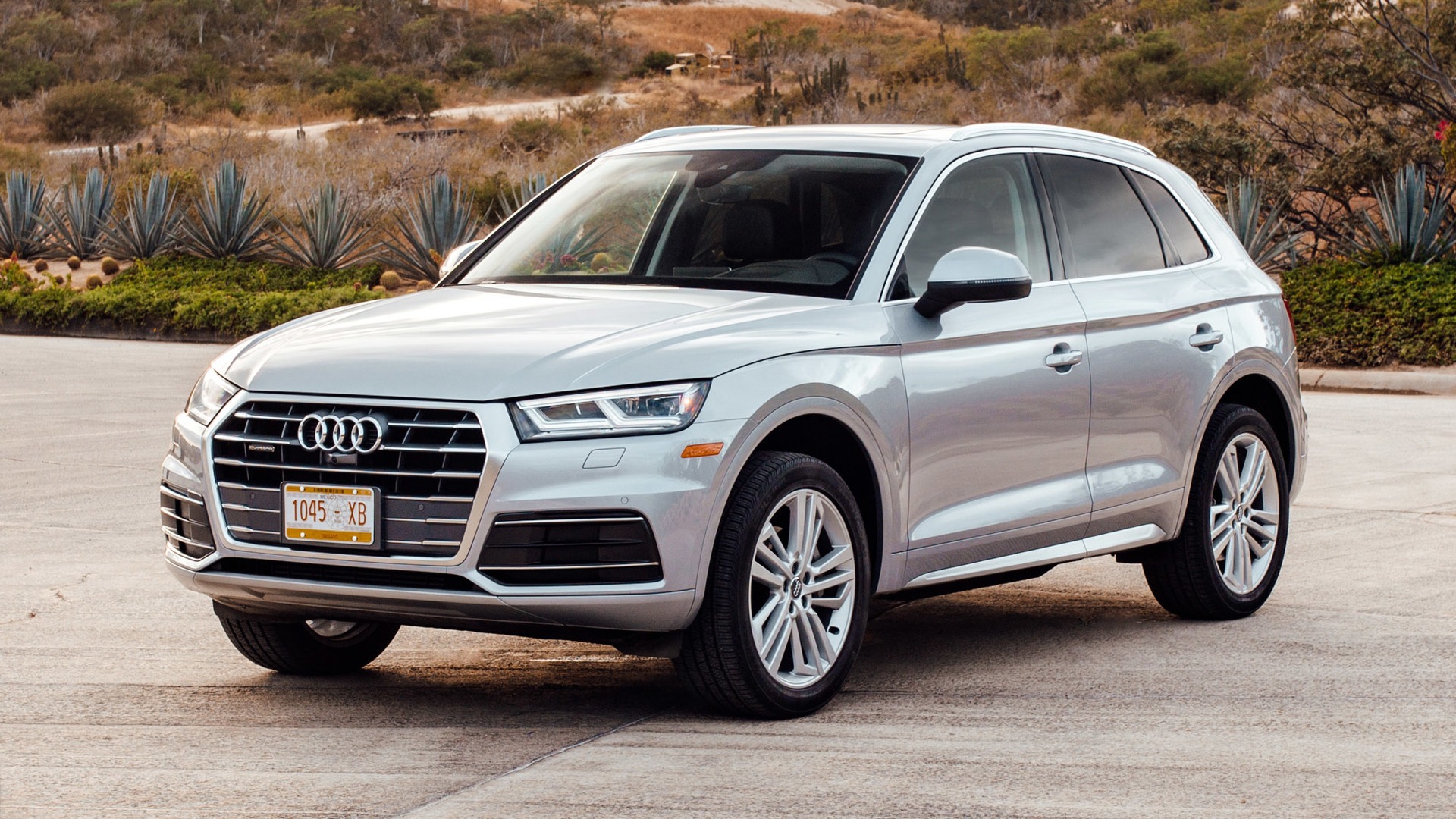
5. Audi Q5 (2013-2018)
Luxury SUVs love data, and the Audi Q5 used plenty of it. Audi Connect features such as online roadside assistance, stolen vehicle tracking, and real-time fuel or traffic light data went offline when AT&T retired its 3G network.
That is a long list of conveniences to lose at once. Imagine relying on the car to find the cheapest gas nearby, only to discover the feature no longer responds.
Or consider the peace of mind that came with stolen vehicle tracking, which can no longer help recover a missing car. Start by checking which services remain active through your myAudi account and the infotainment menu.
Then ask an Audi dealer whether a retrofit option exists for your model year and trim. Pricing and availability can vary, so request a written quote before agreeing to anything. In the meantime, rely on your smartphone for navigation, fuel prices, and roadside help.
Apps from your insurance company or a motor club often provide roadside services at low cost. For theft protection, consider a small tracker you can place in the vehicle. Many affordable options work on current networks.
The Q5 remains a polished, comfortable SUV, and losing a few online features does not change how it drives. A little planning can replace what the old modem once handled.
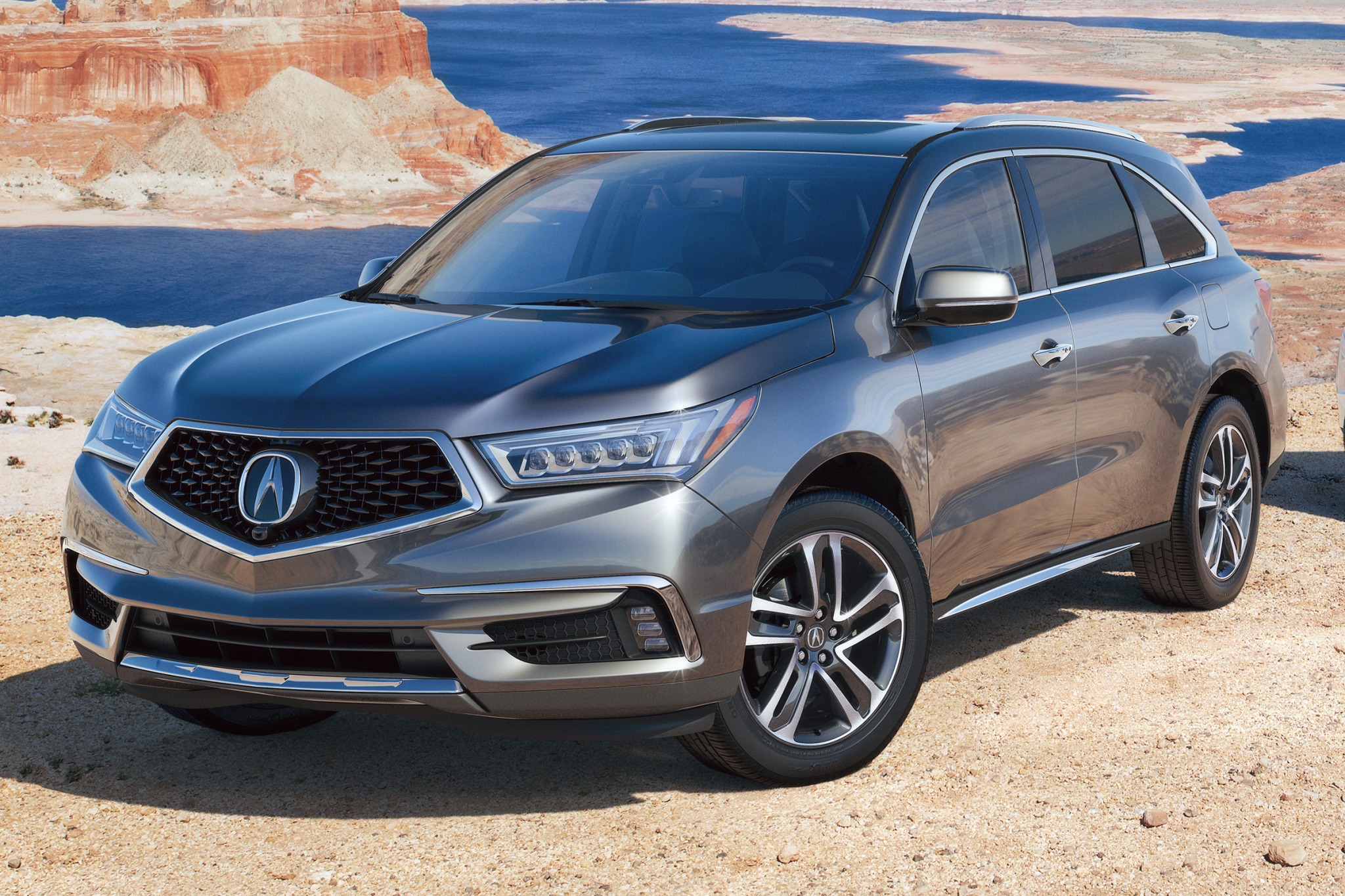
6. Acura MDX (2014-2017)
The Acura MDX has traditionally appealed to families and drivers who appreciate a spacious SUV with premium comfort and useful technology.
Its AcuraLink system provided connected features intended to make ownership easier, including automatic collision notification, maintenance reminders, and personal concierge assistance.
Unfortunately, affected MDX models from 2014 through 2017 depended on 3G telematics equipment. When cellular providers discontinued those networks, the factory-connected services lost the communication link they needed.
The automatic collision notification feature deserves particular attention. It was designed to provide an additional level of assistance after certain accidents, potentially helping occupants connect with emergency support when they needed it.
Losing that capability meant drivers could no longer depend on the original AcuraLink system for the same service. Maintenance reminders also became unavailable through the affected connected platform.
Although owners could still follow their maintenance schedules through traditional records, dashboard indicators, and dealership visits, the convenience of receiving connected reminders was reduced.
Personal concierge features were another casualty. These services formed part of the premium experience that helped distinguish Acura’s connected offering from ordinary vehicle equipment.
Some owners could restore supported AcuraLink functionality through dealership hardware upgrades. However, availability and compatibility depended on the vehicle and the applicable upgrade program.
MDX owners needed to check with an Acura dealership to determine which features were supported by their particular vehicles. This serves as a reminder that a luxury badge does not guarantee continued support for every electronic feature over the years.
When evaluating an older luxury SUV, examine the condition of its physical equipment and ask the manufacturer whether its original connected services still operate.
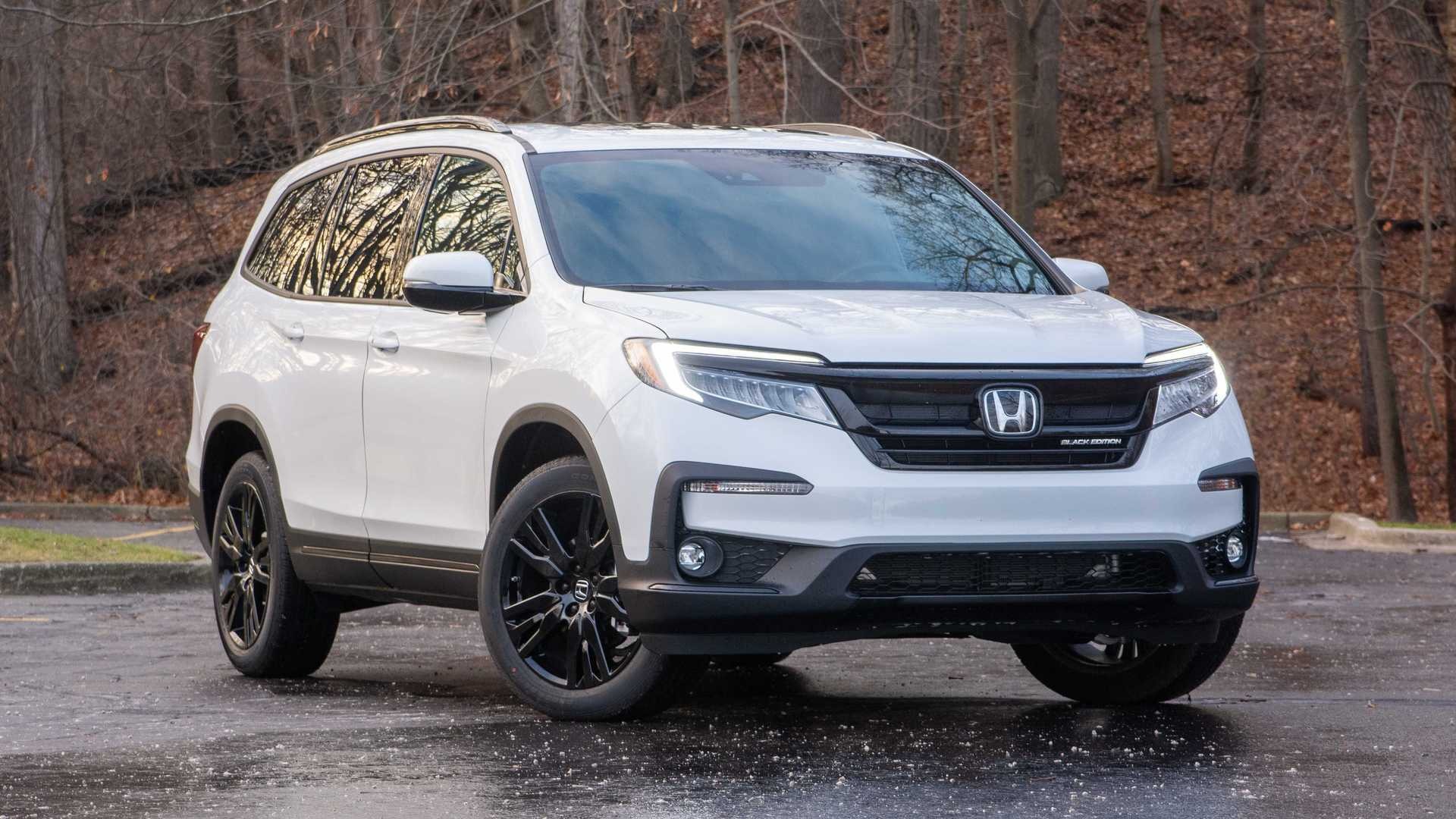
7. Honda Pilot (2019-2021)
It might seem surprising that relatively recent vehicles could already experience problems with outdated cellular technology. Yet certain 2019 to 2021 Honda Pilot trims were affected by the 3G shutdown because they depended on older network equipment for specific connected services.
The Touring, Elite, and Black Edition trims were among the versions associated with this issue. Their HondaLink features and in-car Wi-Fi hotspot capabilities relied on cellular connectivity, meaning owners faced the loss of supported functions when the older networks disappeared.
Honda provided an over-the-air update before the shutdown deadline to help affected vehicles avoid losing the relevant functionality. This was an important distinction because it offered owners a way to address the problem without necessarily visiting a dealership for a physical modem replacement.
However, the update had to be completed within the applicable support period. Owners who missed the necessary deadline could find themselves without access to the affected services.
The Wi-Fi hotspot feature was particularly useful for families who traveled with multiple connected devices. Passengers could use compatible devices for entertainment, browsing, and other online activities while on the road. HondaLink also provided a digital connection between the vehicle and its owner.
The Pilot’s situation demonstrates why model year alone is not enough when checking vehicle connectivity. Two SUVs produced within the same period can have different equipment, software requirements, and service eligibility depending on their trim levels.
Anyone considering a used 2019, 2020, or 2021 Pilot should ask whether the required update was completed and verify which HondaLink functions remain supported. A recent production date does not automatically mean every original connected feature is still available.
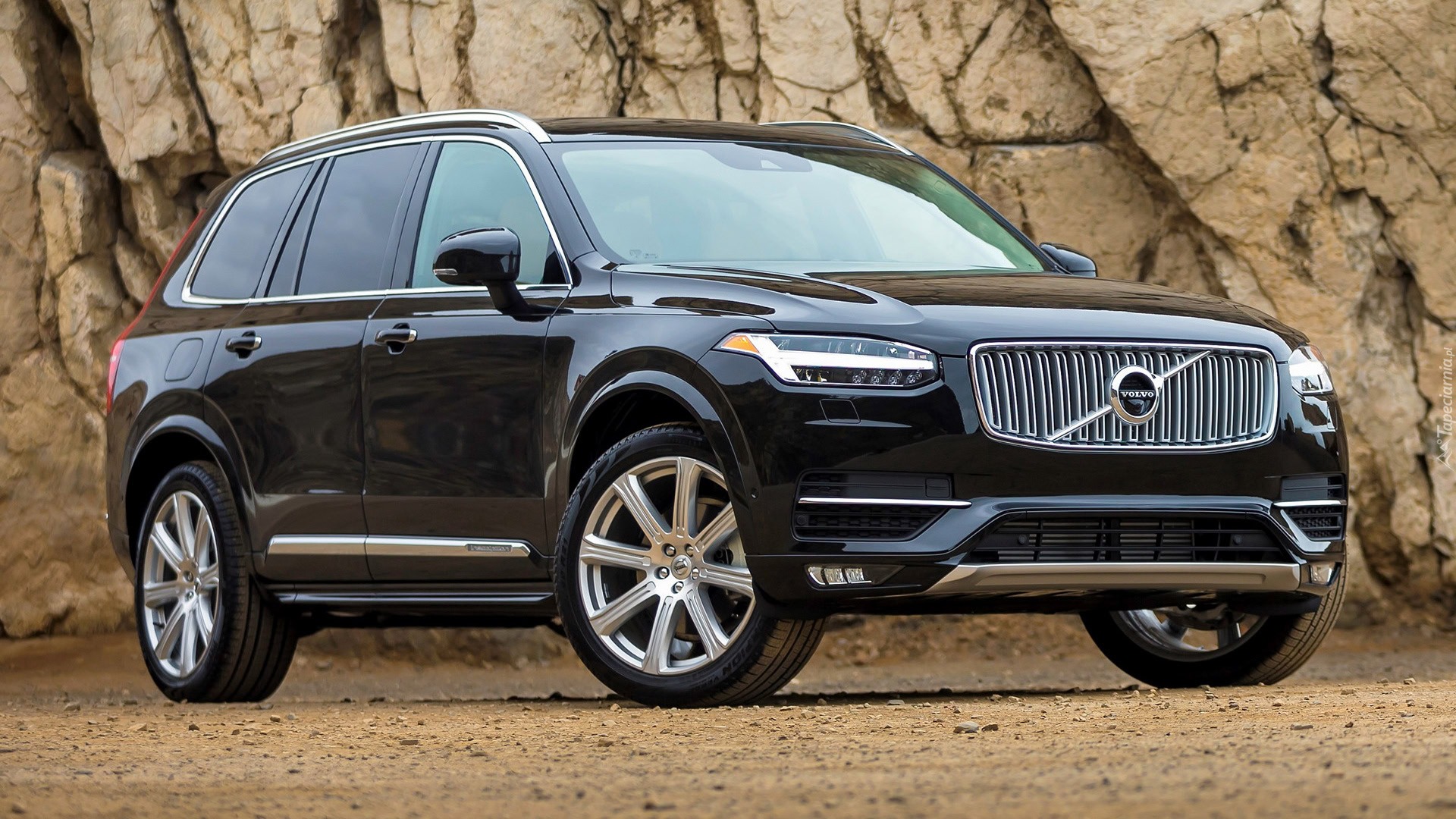
8. Volvo XC90 (2016)
Volvo has built much of its reputation around occupant protection, thoughtful engineering, and practical luxury. The 2016 XC90 reflected those priorities, offering a sophisticated SUV with connected features designed to support drivers and passengers.
Unfortunately, its Vehicle Connectivity Module relied strictly on 3G technology. When the older cellular networks were retired, affected XC90 vehicles lost access to several services that depended on that module.
These included Volvo Cars app remote start, SOS emergency calls, and automatic crash notifications. The loss of SOS functionality was especially concerning because emergency assistance is different from ordinary smartphone convenience.
Drivers may be able to live without checking their vehicle remotely, but losing a factory emergency communication feature raises more serious questions about the vehicle’s available support systems.
Remote starting was another missing convenience. Owners who previously used the Volvo Cars app to prepare their vehicles before departure could no longer depend on the original 3G connection.
Restoring these services required replacing the outdated equipment with a compatible 4G modem. However, the hardware replacement could be expensive, making the decision difficult for owners weighing the cost against the remaining value of their vehicles.
The 2016 XC90 remains a capable luxury SUV, but its original technology package requires careful consideration. Prospective buyers should ask whether the Vehicle Connectivity Module has been upgraded and whether the emergency services they expect are actually operational.
A used vehicle inspection should never focus exclusively on tires, brakes, engine condition, and service history. Electronic safety equipment deserves attention too, particularly when the factory system depends on cellular networks that no longer exist.
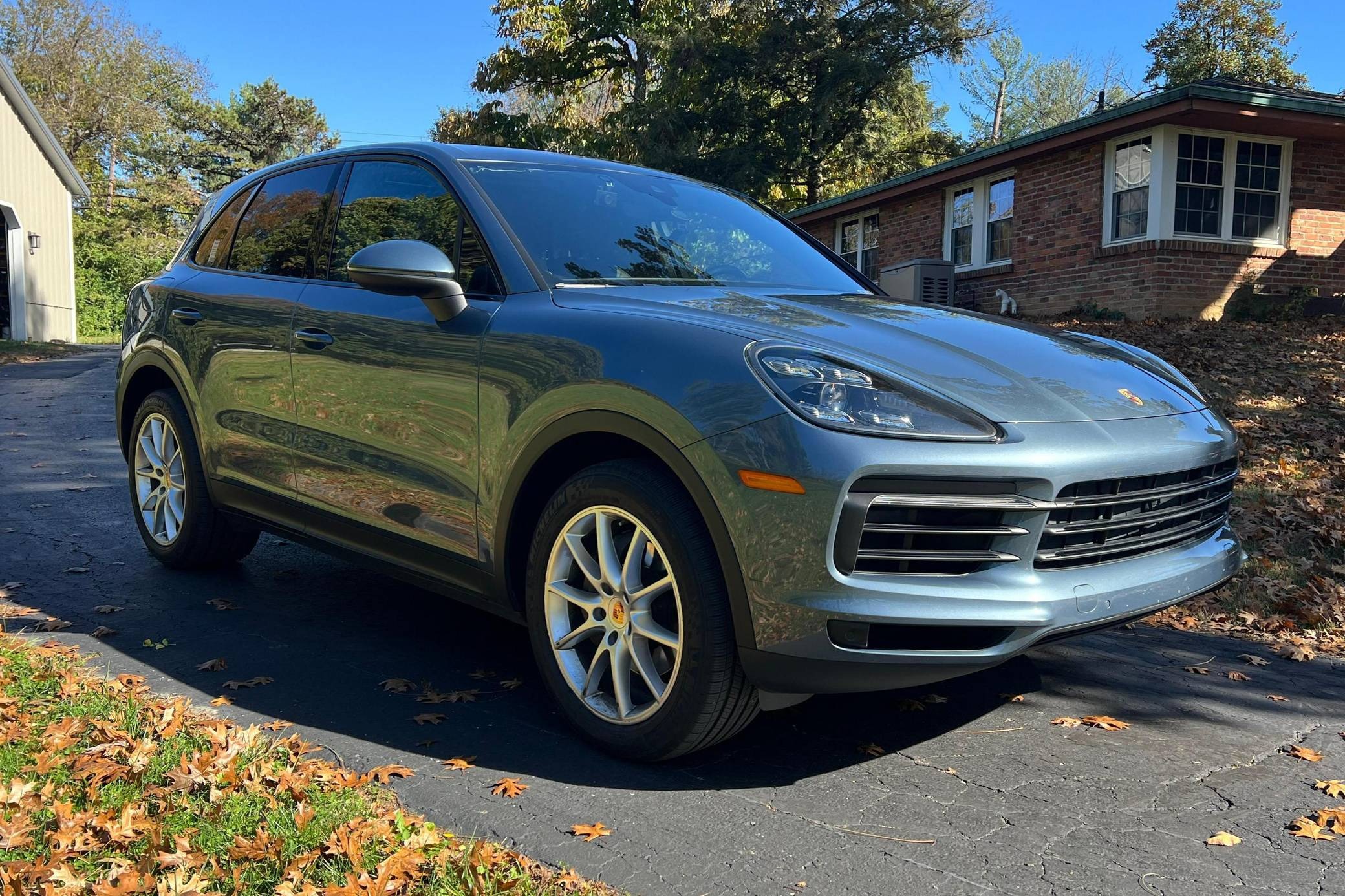
9. Porsche Cayenne (2015-2019)
The Porsche Cayenne brings together luxury, performance, and everyday practicality in a package that appeals to drivers who want more than an ordinary family SUV. Porsche Car Connect added another layer of convenience by allowing owners to access selected vehicle functions remotely.
Unfortunately, affected 2015 to 2019 Cayenne models depended on 3G connectivity for these services. Once the supporting networks were retired, Porsche Car Connect features became unavailable through the original equipment.
For owners who regularly used remote vehicle access, the loss was immediately noticeable. Smartphone-based interaction with the SUV no longer worked as expected, removing conveniences that had formed part of the connected ownership experience.
Porsche offered hardware upgrade options for select vehicles, with owners needing to arrange dealership appointments to determine eligibility and restore supported functions. The availability of an upgrade depended on the specific vehicle and applicable equipment requirements.
This created an additional ownership consideration. Someone purchasing a used Cayenne might see remote connectivity listed among its original equipment, only to discover that the feature no longer works because its modem cannot communicate with modern cellular networks.
It is worth remembering that the shutdown did not affect the Cayenne’s fundamental performance. Its engine, transmission, suspension, braking equipment, and traditional driving controls continued to operate independently of the discontinued 3G connection.
Still, buyers should ask a Porsche dealer whether the vehicle qualifies for a modem replacement and request confirmation of any completed work.
A performance SUV can deliver an excellent driving experience without every connected feature, but buyers deserve an accurate understanding of what they are getting.
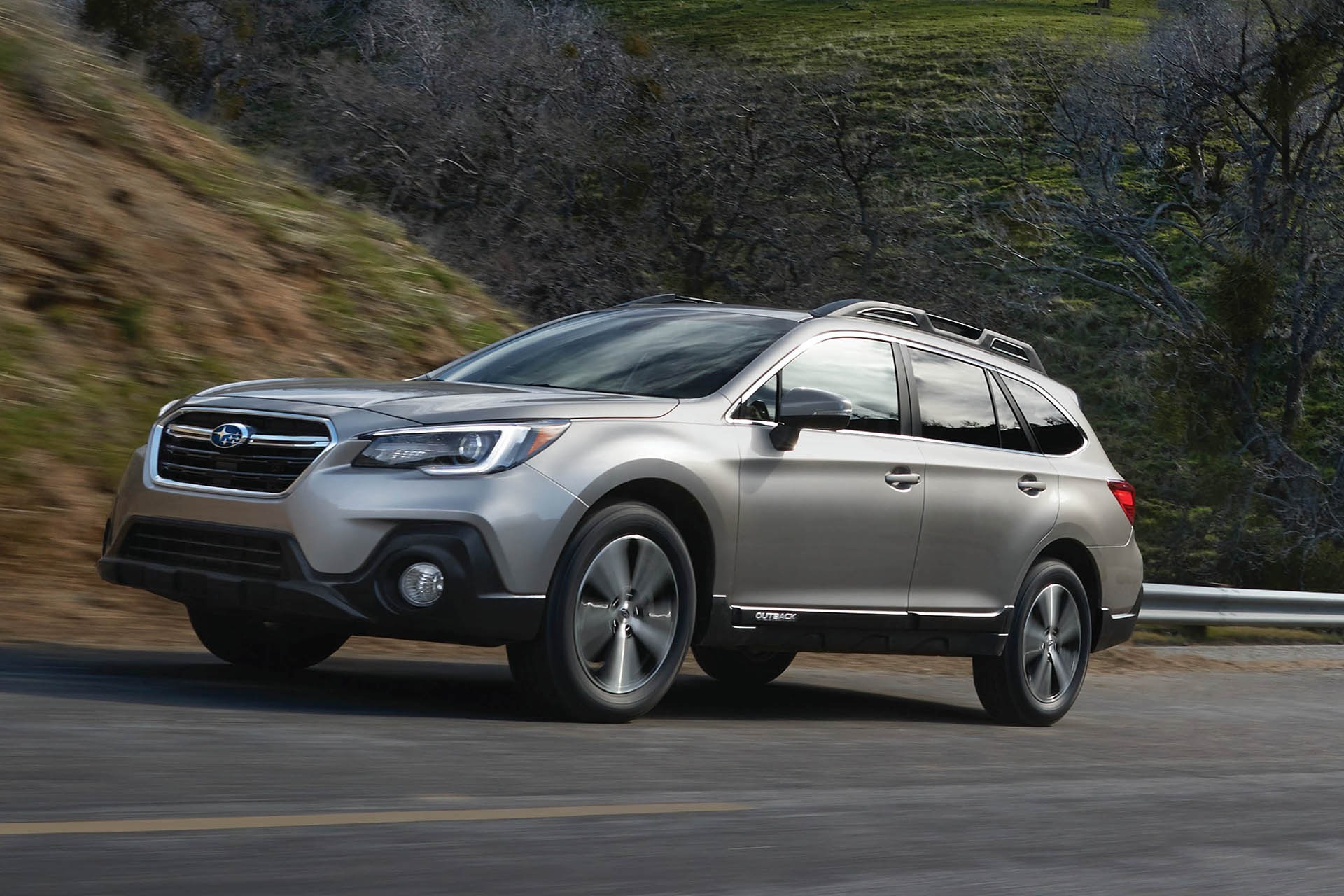
10. Subaru Outback (2016-2018)
Family wagons deserve reliable safety tools, and the Outback is a favorite for that reason. Models equipped with early STARLINK telematics lost emergency SOS calling and remote services until owners visited a dealer for a hardware upgrade.
The phrase “until owners visited a dealer” is the important part, because it means a solution exists. If you drive one of these Outbacks, call a Subaru dealer and ask whether your vehicle is eligible.
Bring your registration or have your vehicle identification number handy. Ask about price, installation time, and whether a subscription is needed to reactivate services.
Subaru owners often travel to places with weak cell coverage, such as mountains, forests, and country roads, so emergency features can matter a lot. Still, a connected SOS system depends on cellular coverage, so do not treat it as a guarantee everywhere.
Carry a basic emergency kit, tell someone your route, and download offline maps on your phone before heading out. If you decide to postpone the upgrade, remember that the SOS button in your car may not do anything.
Make sure every driver in the household knows that. The Outback remains a capable, comfortable adventure companion. A short dealer visit can restore a useful layer of protection.
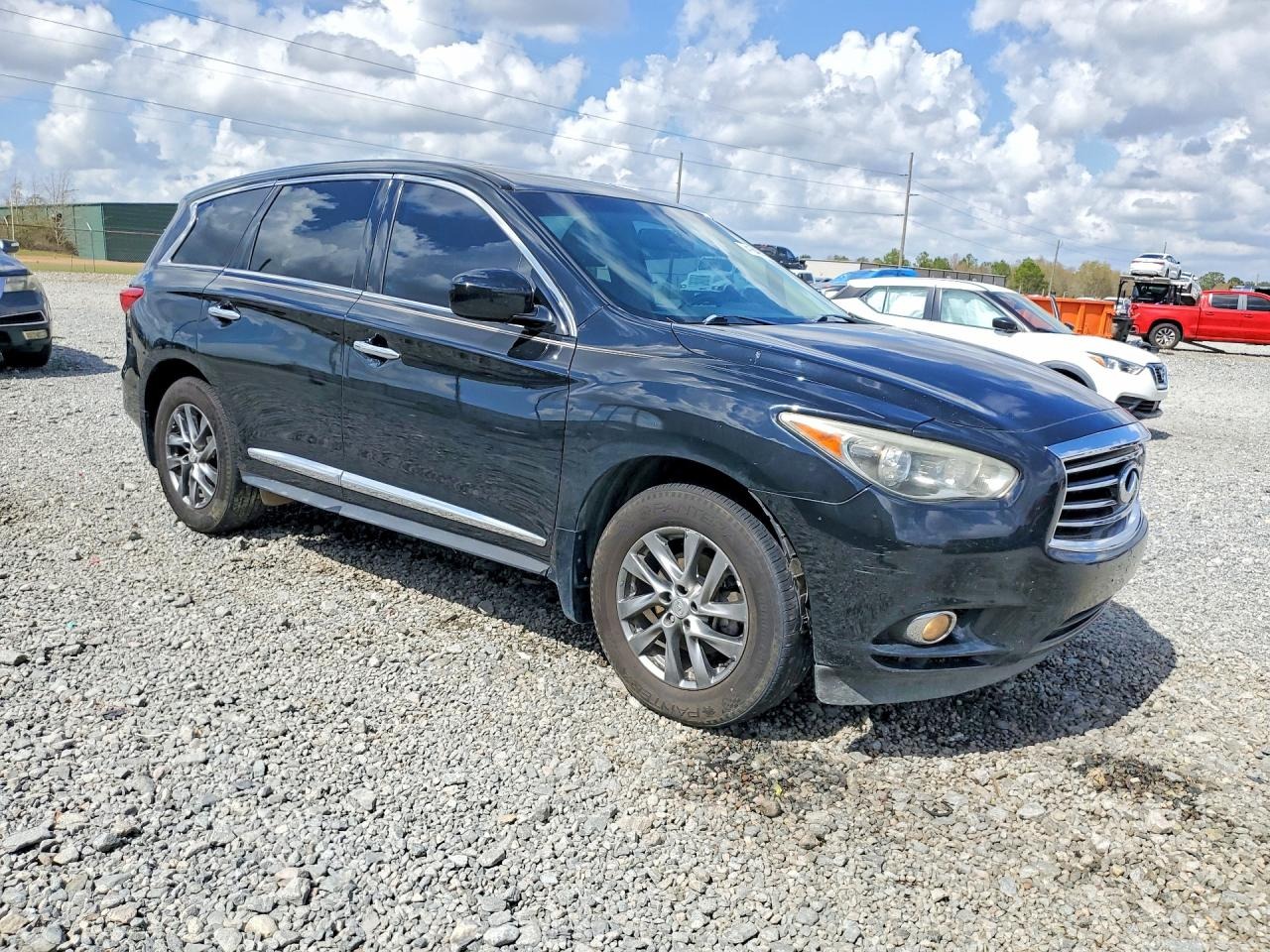
11. Infiniti QX60 (2014-2017)
The Infiniti QX60 was designed for drivers seeking a comfortable family SUV with premium features and technology that made daily use easier.
Infiniti InTouch provided connected services, including remote door unlocking and automatic crash notifications, giving owners additional ways to interact with their vehicles.
Unfortunately, affected 2014 to 2017 QX60 models relied on 3G connectivity for these functions. When cellular carriers shut down their older networks, the supporting services stopped working.
The loss of remote door unlocking meant owners could no longer depend on the original connected system to unlock their vehicles through the associated service. Automatic crash notifications also became unavailable, removing an important part of the factory-connected assistance package.
The situation was especially frustrating because Infiniti did not offer an official 4G modem retrofit for these affected vehicles. Owners therefore lacked the straightforward hardware replacement route available to customers of some other manufacturers.
This left drivers with a permanent loss of the affected factory-connected functions. Traditional vehicle equipment remained usable, but the original Infiniti InTouch experience could not be fully restored through an approved modem replacement.
For a used luxury SUV buyer, this information deserves attention before signing a purchase agreement. A vehicle may look well-maintained, have a clean interior, and perform smoothly during a test drive while still carrying discontinued electronic features.
The best approach is to ask the seller about the connected services and verify their status independently. Buyers should also understand that emergency notification through the original factory system is no longer available on affected vehicles.
Alternative safety arrangements, such as a compatible personal emergency device or mobile phone, may provide additional reassurance, but they are not the same as restoring the factory system.
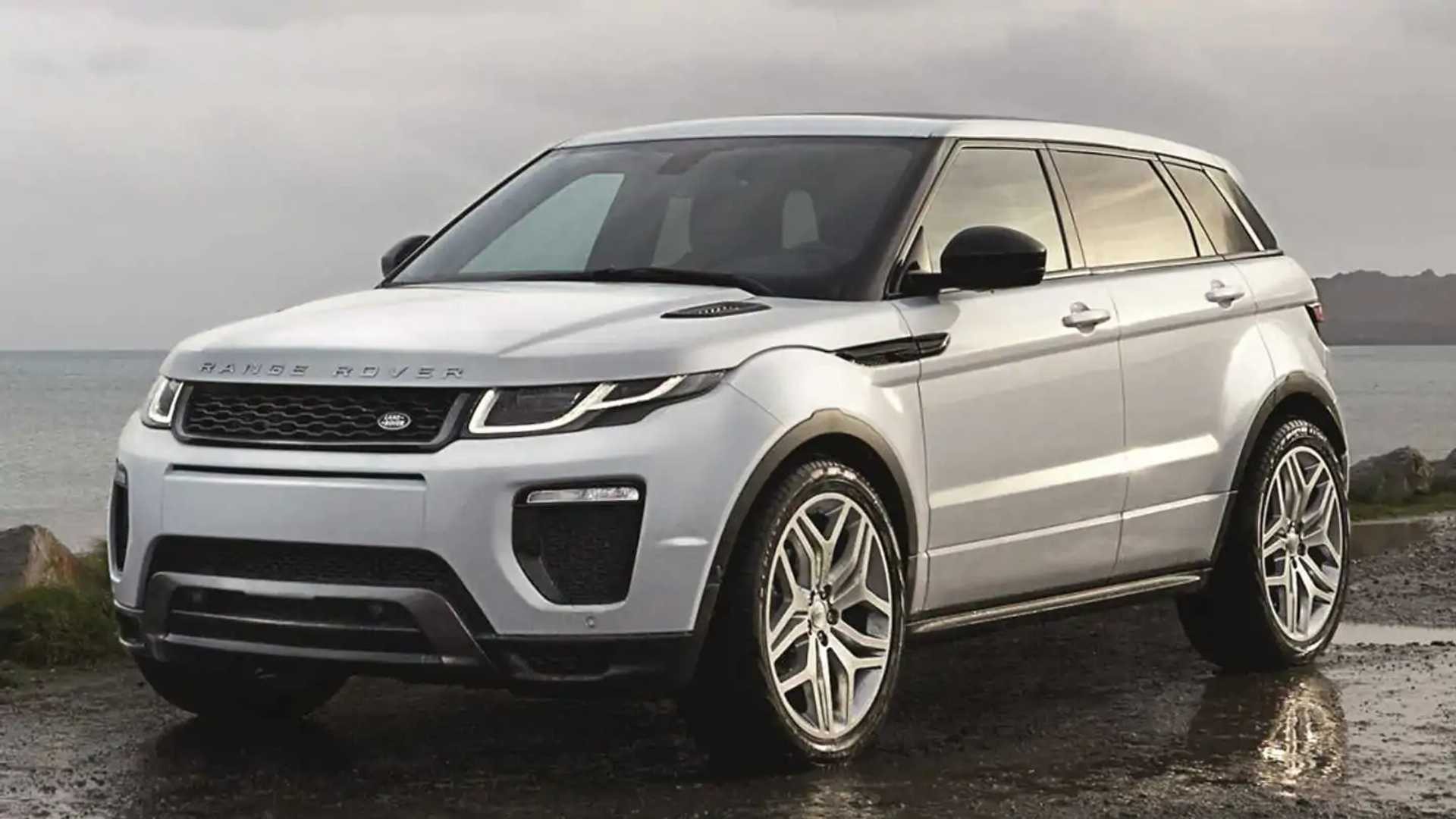
12. Range Rover Evoque (2015-2017)
Our final entry shows a partial loss rather than a total one. In the Range Rover Evoque, data-heavy features like live traffic, online search, and Wi-Fi hotspots went dark.
Basic safety functions fell back to older 2G networks, which means some emergency capabilities may still operate in places where 2G service remains available.
That distinction is worth noting, but there is one limitation. Many areas are also phasing out 2G networks, so owners should not expect these services to remain available indefinitely.
Treat any remaining safety function as a bonus, not a guarantee. For everyday needs, your smartphone can take over. Navigation apps offer live traffic, search tools, and often better maps than built-in systems.
Mobile hotspots from your phone or a small portable router can replace the lost Wi-Fi. Check with a Land Rover retailer to learn whether any upgrade options exist for your exact model.
Ask what features would return, how much it costs, and how long it takes. Compare the answer with the value of your current setup. For many owners, a phone mount and a charging cable solve most problems for very little money.
The Evoque remains a stylish, capable compact SUV. Knowing exactly what still works helps you drive with confidence and avoid unpleasant surprises.