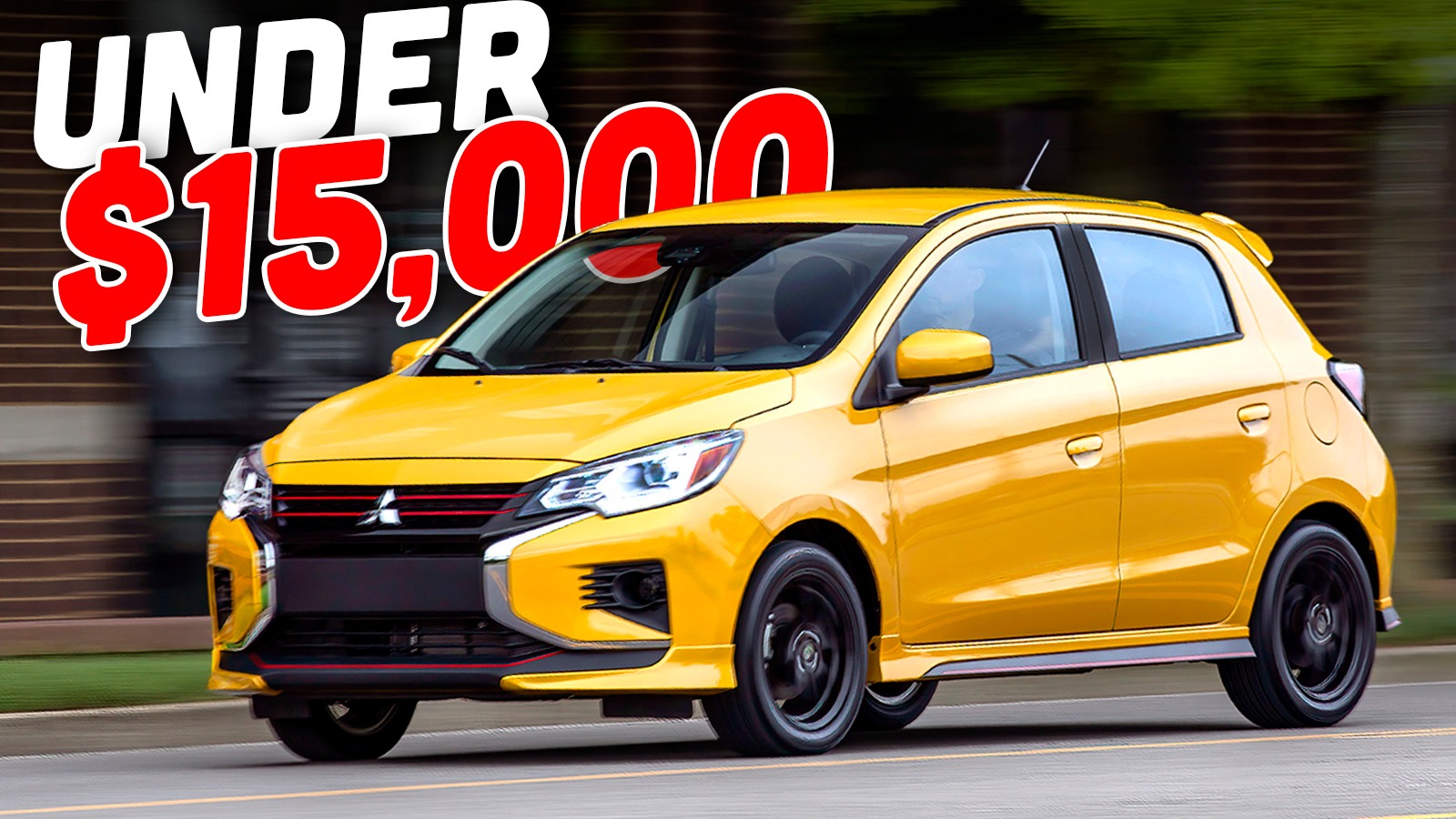
Finding a reliable used car for less than $15,000 is possible, but a low price does not always mean a good deal. Some vehicles look attractive because of their modern features, comfortable interiors, or affordable listings, yet their repair histories tell a different story. A car with recurring engine trouble, transmission failure, or electrical problems can quickly drain your savings after purchase.
The smartest approach is to research a model’s common mechanical issues before making a commitment. Whether you need a dependable commuter, a family vehicle, or an affordable weekend ride, knowing which models deserve extra caution can save you money and frustration. Here are eight common used cars under $15,000 that deserve a closer look before you make your decision.
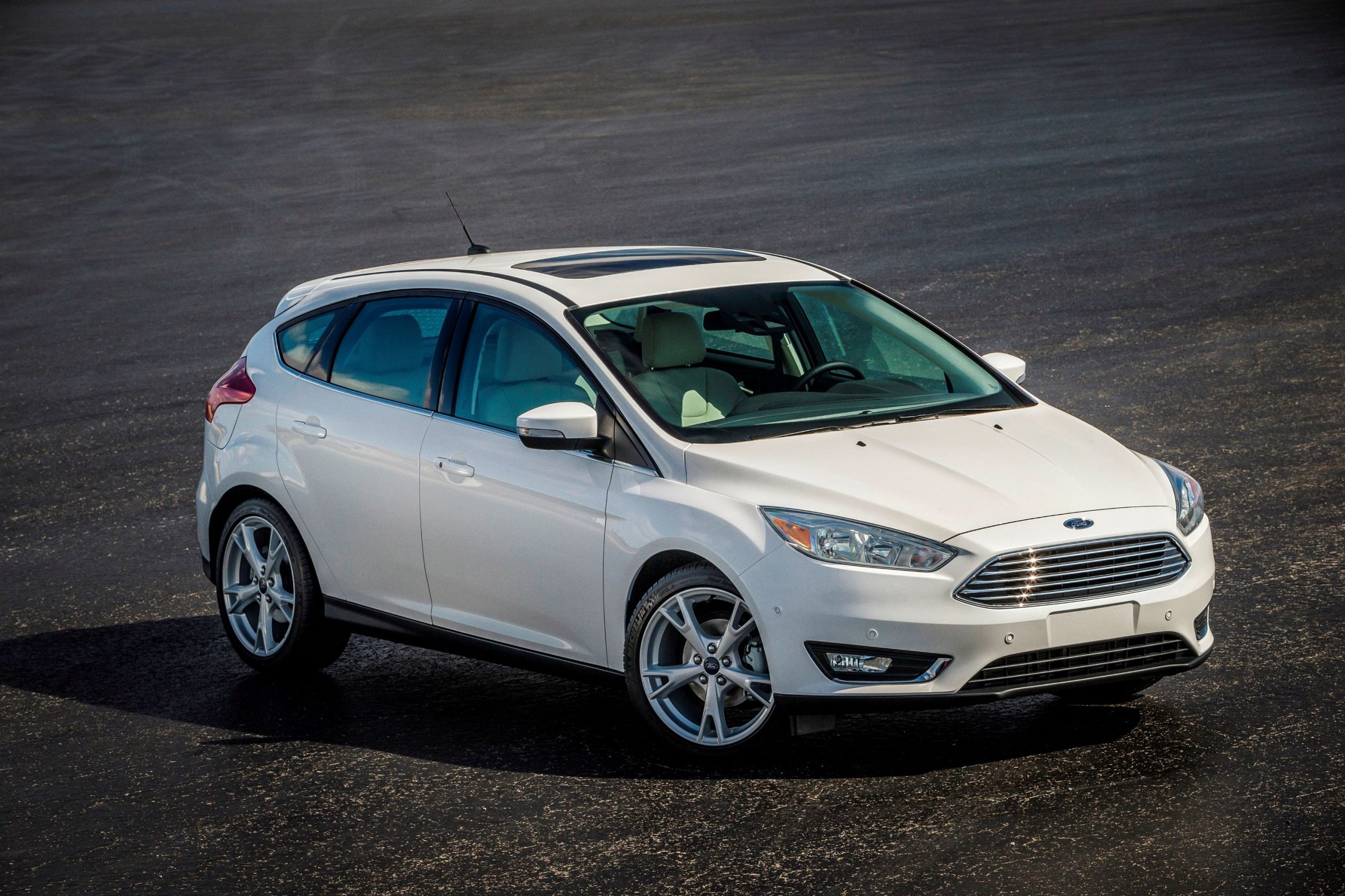
1. 2011-2018 Ford Focus (Automatic)
The 2011-2018 Ford Focus automatic may look like an excellent option for anyone searching for an affordable, fuel-efficient compact car. Its small dimensions make parking easy, while its comfortable interior and reasonable fuel economy suit everyday commuting.
However, these model years have developed a poor reputation because of recurring problems with Ford’s PowerShift dual-clutch automatic transmission. The transmission is particularly known for shuddering, slipping, hesitation, and unpredictable gear changes.
Some drivers experience noticeable vibrations when accelerating from a complete stop, while others report delayed responses, jerking movements, and difficulty maintaining smooth acceleration. These symptoms can make routine driving frustrating, especially in heavy traffic.
Unfortunately, transmission repairs can become expensive. Depending on the severity of the damage, owners may need replacement components or extensive mechanical work.
Even some vehicles that have undergone previous transmission repairs may experience similar problems again, making long-term ownership difficult to predict.
If you are considering one, request complete maintenance records and arrange an independent mechanical inspection before making an offer. During the test drive, pay attention to transmission behavior when accelerating, reversing, parking, and driving at low speeds.
Watch for warning lights, unusual noises, and delayed gear engagement. A low purchase price may seem attractive, but recurring transmission problems can quickly eliminate any initial savings.
For shoppers who prioritize dependable automatic transportation and predictable maintenance expenses, choosing another compact sedan may provide greater peace of mind.
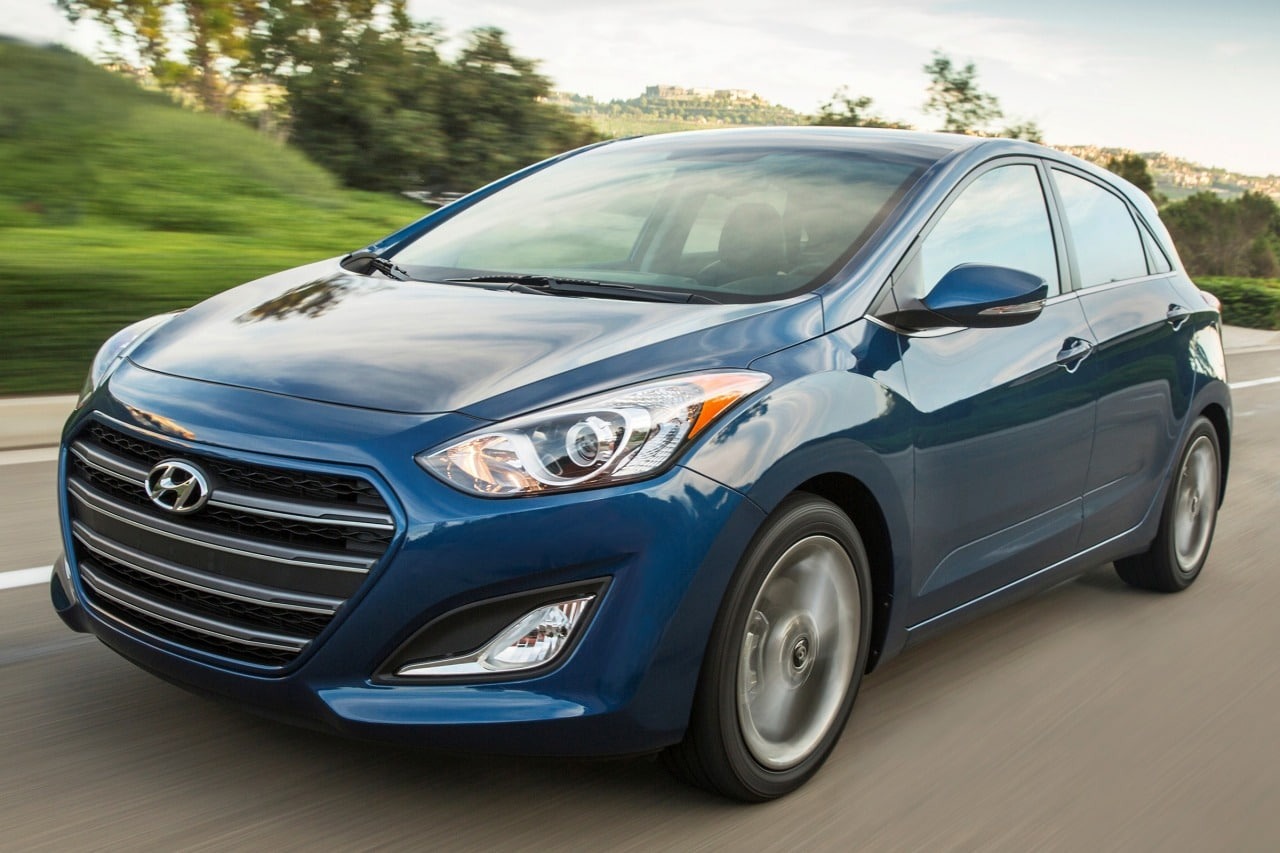
2. 2011-2016 Hyundai Elantra
Compact sedans are often praised for their affordability and convenience, but some 2011-2016 Hyundai Elantra models can become expensive to maintain.
The biggest concern is engine reliability, particularly reports of excessive oil consumption and internal engine damage. In severe cases, these problems can lead to complete engine failure, leaving owners with repair bills that may exceed their expectations.
An engine that burns oil can gradually lose lubrication between scheduled oil changes. If the driver fails to monitor oil levels, internal components may suffer premature wear, resulting in knocking noises, poor performance, or serious mechanical damage.
Before considering one, ask the seller whether the vehicle regularly requires additional oil between services. Request maintenance records, check the dipstick, and inspect the engine for leaks or sludge buildup. During a cold start, listen for unusual ticking, knocking, or rough operation.
A professional pre-purchase inspection is also essential. Have a qualified mechanic check for stored diagnostic codes, previous engine repairs, and applicable recall work.
Some vehicles may have received warranty-related engine repairs, but coverage depends on the vehicle’s circumstances, so verify everything with Hyundai.
Although a well-maintained example may still offer reasonable transportation, purchasing one without a documented maintenance history carries unnecessary financial risk.
For shoppers with limited budgets, choosing a compact sedan with a stronger reliability record may be the safer decision.
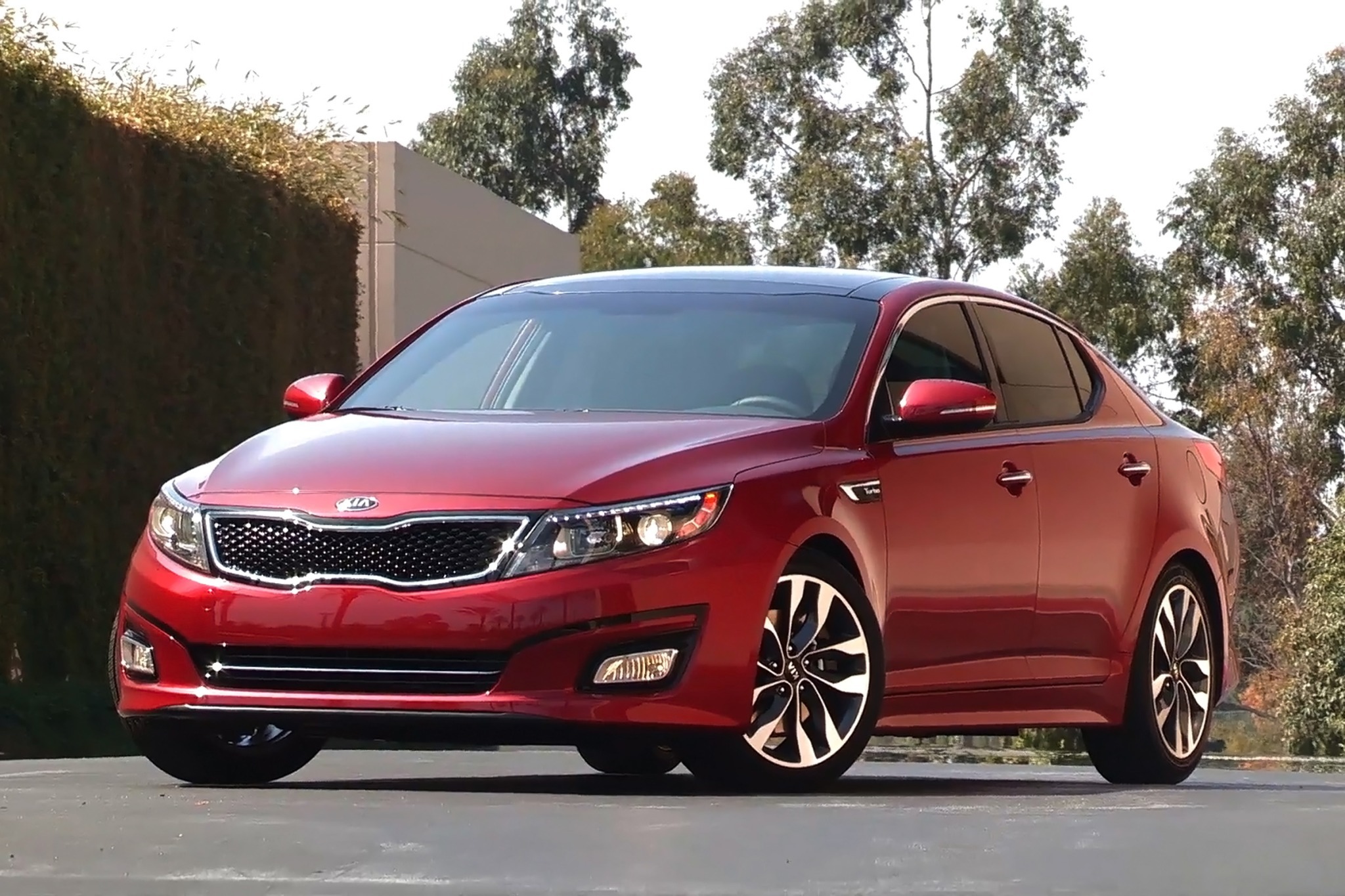
3. 2014 Kia Optima (2.4L Theta II GDI)
Some problems come with a warning label, and this one deserves a big one. The 2014 Kia Optima with the 2.4-liter Theta II GDI engine is known for a severe manufacturing defect involving the connecting rod bearings.
When those bearings fail, metal debris circulates through the engine, oil flow gets starved, and the result can be sudden engine seizure or a loud rod knock. In plain terms, the engine can destroy itself, sometimes with little warning.
Replacing an engine costs thousands, which can easily exceed the value of an older sedan. If you are considering one, start with the vehicle’s history.
Ask whether the engine was replaced or inspected, and look for documentation of any recall or warranty work. Be cautious of a seller who cannot provide clear records.
During a test drive, listen carefully for knocking or ticking, and watch the oil pressure and warning lights. Even a quiet engine today can fail tomorrow, so a clean test drive does not guarantee safety.
A mechanic’s inspection helps, though it cannot always detect hidden bearing wear. Given the risk, many shoppers sensibly skip this model year and engine altogether.
The Optima is a stylish and comfortable sedan, yet comfort does not matter if the engine quits. Consider other mid-size cars with a stronger reliability record, and keep your money safe.
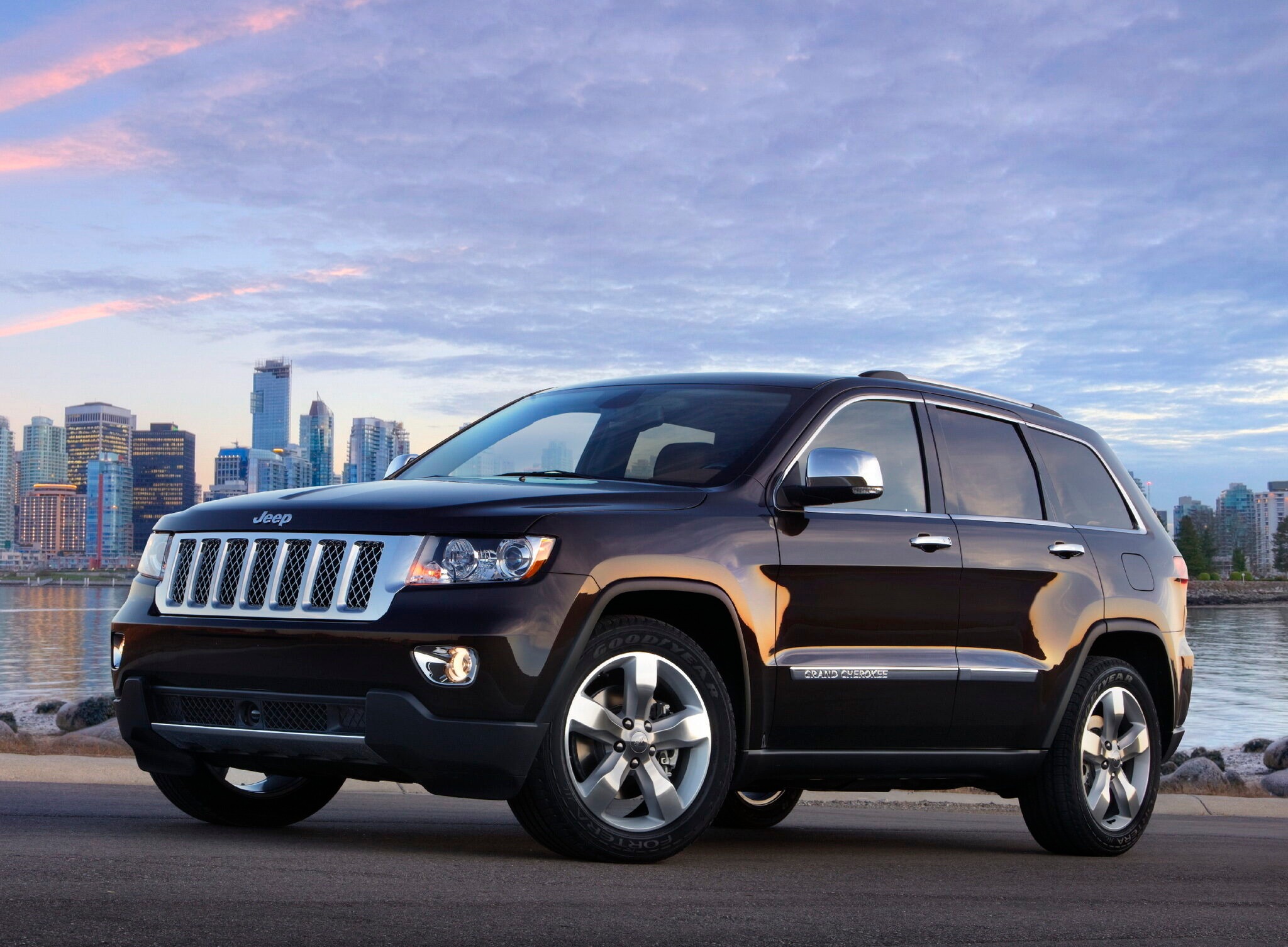
4. 2011-2015 Jeep Grand Cherokee
A used Jeep Grand Cherokee can look like an excellent bargain, especially for drivers who appreciate a roomy cabin, commanding driving position, and SUV versatility.
Its size makes it suitable for family transportation, while selected versions offer four-wheel-drive capability for different driving conditions. The trouble is that certain 2011-2015 examples have developed recurring electrical, suspension, and drivetrain problems.
Electrical faults can affect dashboard displays, sensors, warning systems, and other vehicle functions. Tracking down these issues may require specialist diagnostic equipment and several repair visits.
Suspension components can also wear, producing knocking noises, uneven tire wear, and an uncomfortable ride. Depending on the vehicle’s mileage and maintenance history, drivetrain or transmission repairs may add another substantial expense.
These concerns become particularly frustrating when the original warranty has expired. A vehicle that appears affordable at the dealership could require several costly repairs shortly after purchase.
If you are interested in this Jeep, insist on a complete inspection that covers the suspension, transmission, electrical system, and four-wheel-drive components where fitted. Check for warning lights and test every electronic feature.
Its SUV capabilities may be appealing, but maintenance costs deserve just as much attention as purchase price. A less complicated vehicle could be a more sensible option for anyone working with a strict $15,000 budget.
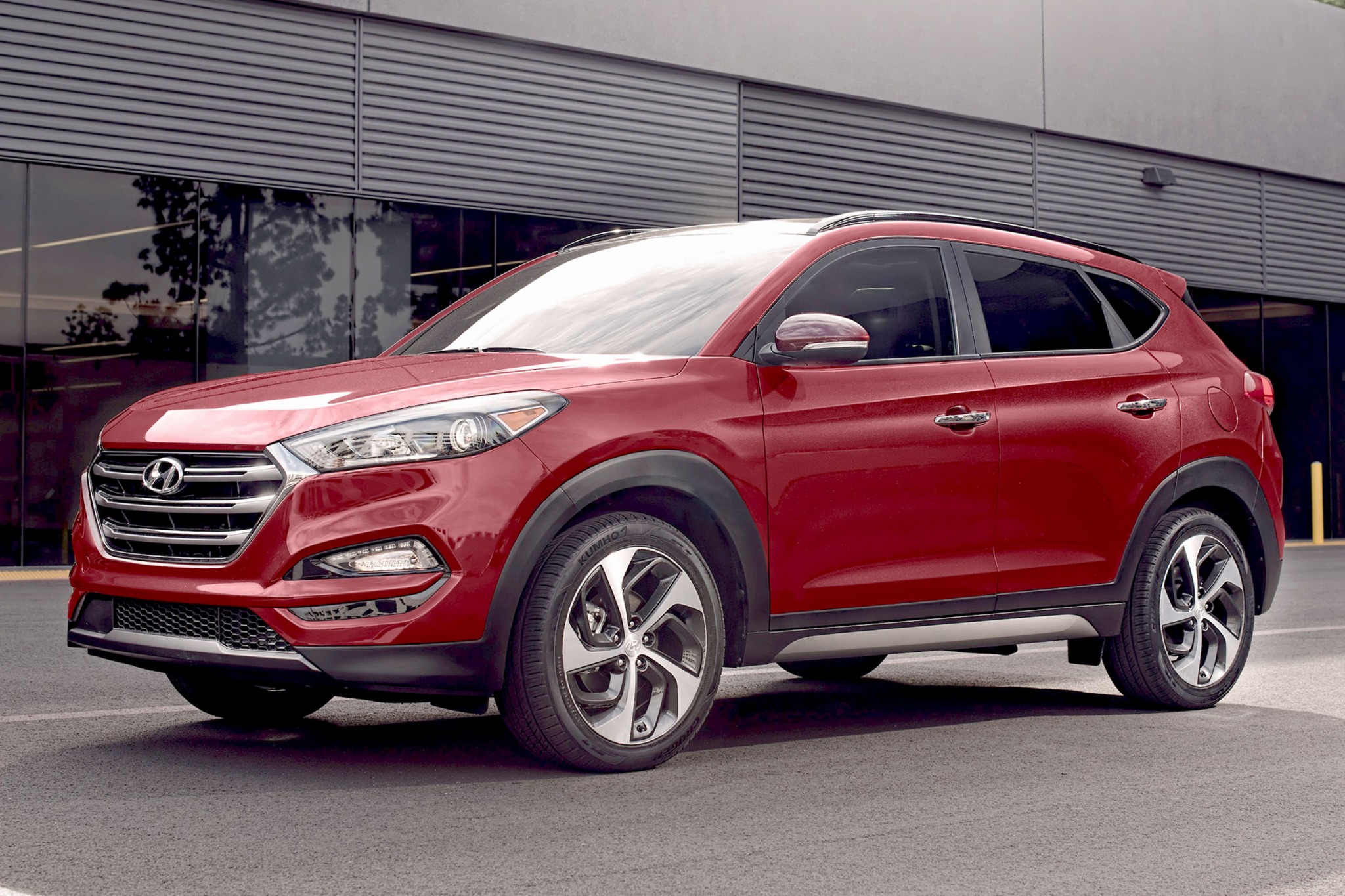
5. 2016-2018 Hyundai Tucson
The 2016-2018 Hyundai Tucson is a compact SUV that offers useful cargo capacity, comfortable seating, and a practical driving position.
For families and commuters, these qualities make it an appealing alternative to a traditional sedan. Unfortunately, some versions have experienced engine and transmission problems that can make ownership expensive.
Transmission complications may include hesitation, delayed acceleration, jerky gear changes, and inconsistent responses when driving at low speeds. These symptoms can be particularly frustrating in heavy traffic, where smooth acceleration is important.
Engine-related concerns also deserve attention. Depending on the vehicle and its maintenance history, mechanical faults can lead to poor performance, unusual noises, warning lights, and expensive diagnostic work.
Repair costs depend on the specific problem, but major transmission or engine work can easily consume a large portion of a used vehicle’s value. This is especially concerning for someone who has already spent most of their available budget on the purchase.
A professional inspection should include a cold start, a road test, diagnostic scanning, and a review of previous service records. Buyers should also confirm whether the vehicle has completed any applicable recalls or manufacturer service campaigns.
The Tucson is not automatically a bad purchase, but a questionable example can become an expensive responsibility. Never let attractive SUV styling distract you from checking its mechanical condition.
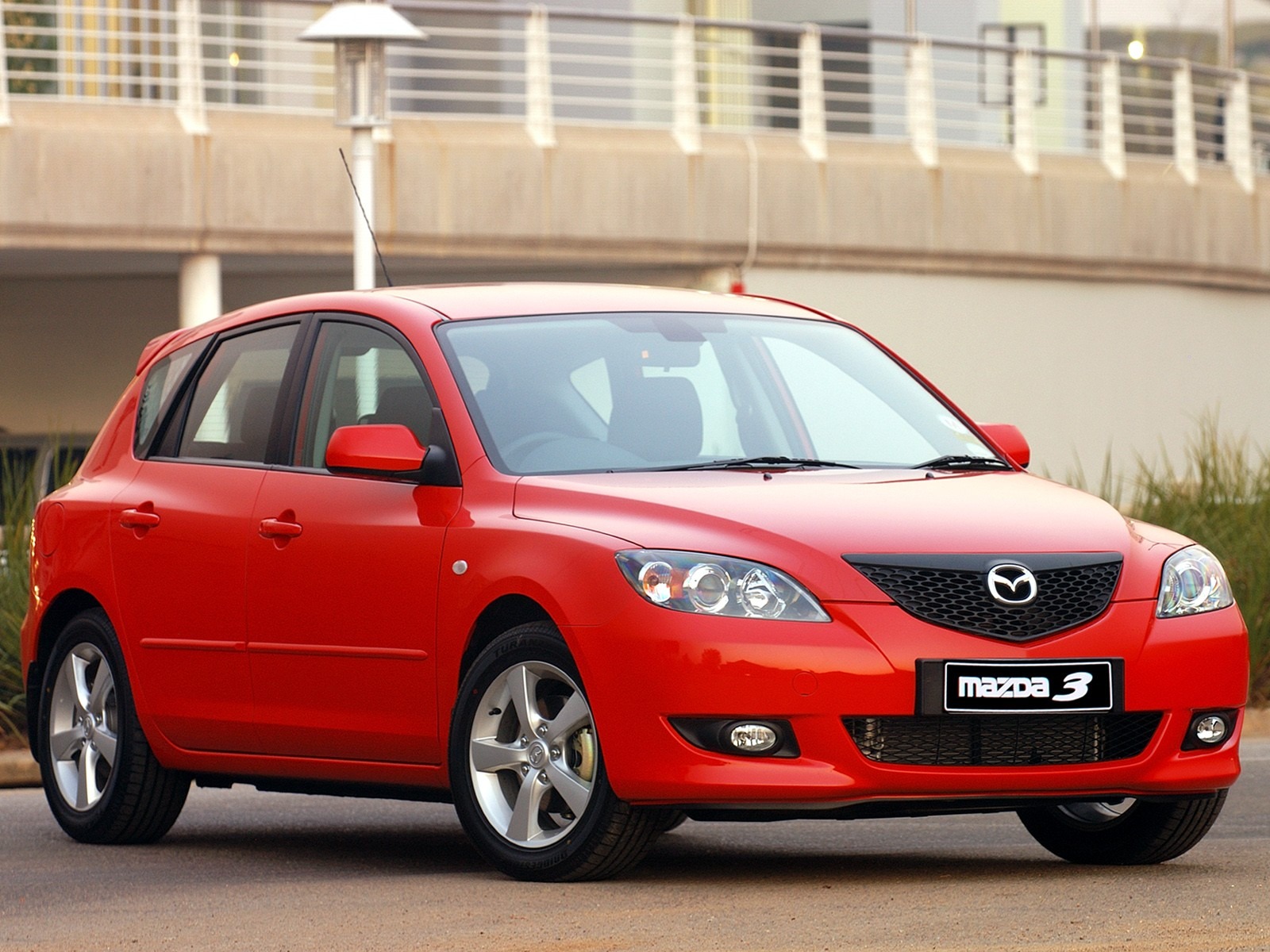
6. 2004-2009 Mazda 3
The 2004-2009 Mazda 3 remains an appealing choice for drivers who appreciate responsive steering, enjoyable handling, and practical everyday performance.
Its compact size makes parking relatively easy, while its straightforward design offers basic convenience without unnecessary extras. However, age-related mechanical and structural problems make these older models worth approaching with caution.
One major concern is body rust, which can develop around the wheel arches, underbody, suspension mounting points, and other exposed areas.
Vehicles regularly driven in wet climates or exposed to road salt may be particularly vulnerable. Unfortunately, corrosion is not always limited to surface damage. Severe rust can weaken structural components, compromise safety, and require expensive repairs.
Suspension wear presents another potential headache. Aging shock absorbers, damaged bushings, and worn suspension components can produce clunking noises, uneven tire wear, and uncomfortable handling.
Electrical problems involving switches, sensors, and other aging components may also require attention. Before purchasing one, arrange a professional inspection and ask the mechanic to examine the underbody carefully.
Check for corrosion, previous accident damage, fluid leaks, and worn suspension parts. Pay particular attention to areas where rust could affect structural strength.
A properly maintained Mazda 3 may still provide dependable transportation, but a neglected example can quickly become an expensive project. Its attractive purchase price should never distract you from checking its condition.
For budget-conscious shoppers, finding one with a clean maintenance history and minimal corrosion is essential.
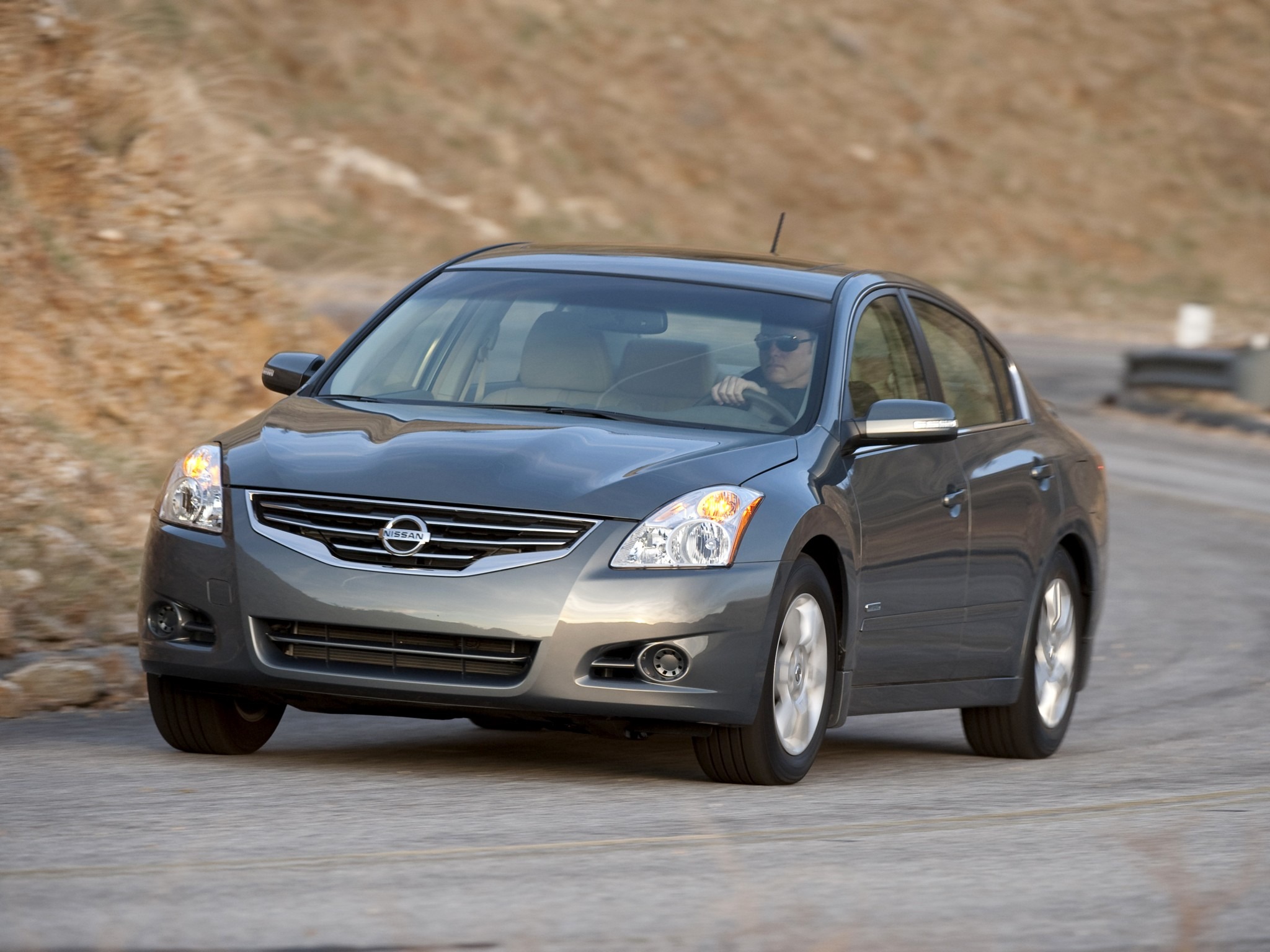
7. 2007-2012 Nissan Altima
The 2007-2012 Nissan Altima remains an attractive option for drivers who want a comfortable midsize sedan at an affordable price. Its spacious interior, relaxed ride, and familiar styling make it easy to understand why these vehicles continue appearing in the used-car market.
Unfortunately, early-generation continuously variable transmissions (CVTs) are a major concern with this model range. Unlike traditional automatic transmissions,
CVTs use a different system to manage engine power and vehicle speed. When functioning correctly, they can deliver smooth acceleration and efficient operation.
However, certain Altima models have experienced premature CVT failures, particularly as mileage increases. Symptoms may include whining noises, hesitation, shuddering, overheating, and a noticeable loss of acceleration.
Transmission replacement or major repairs can be extremely expensive. In some cases, the repair bill may approach a substantial portion of the vehicle’s resale value.
Anyone considering a used Altima from these years should pay close attention to its transmission history. During a test drive, check for unusual noises, delayed acceleration, and inconsistent power delivery.
Have a qualified mechanic inspect the transmission and review any available service documentation. Do not assume that a vehicle with a clean exterior and recently replaced tires is mechanically sound.
A neglected CVT can create serious ownership expenses, making this Nissan a risky purchase for anyone seeking inexpensive, dependable transportation.
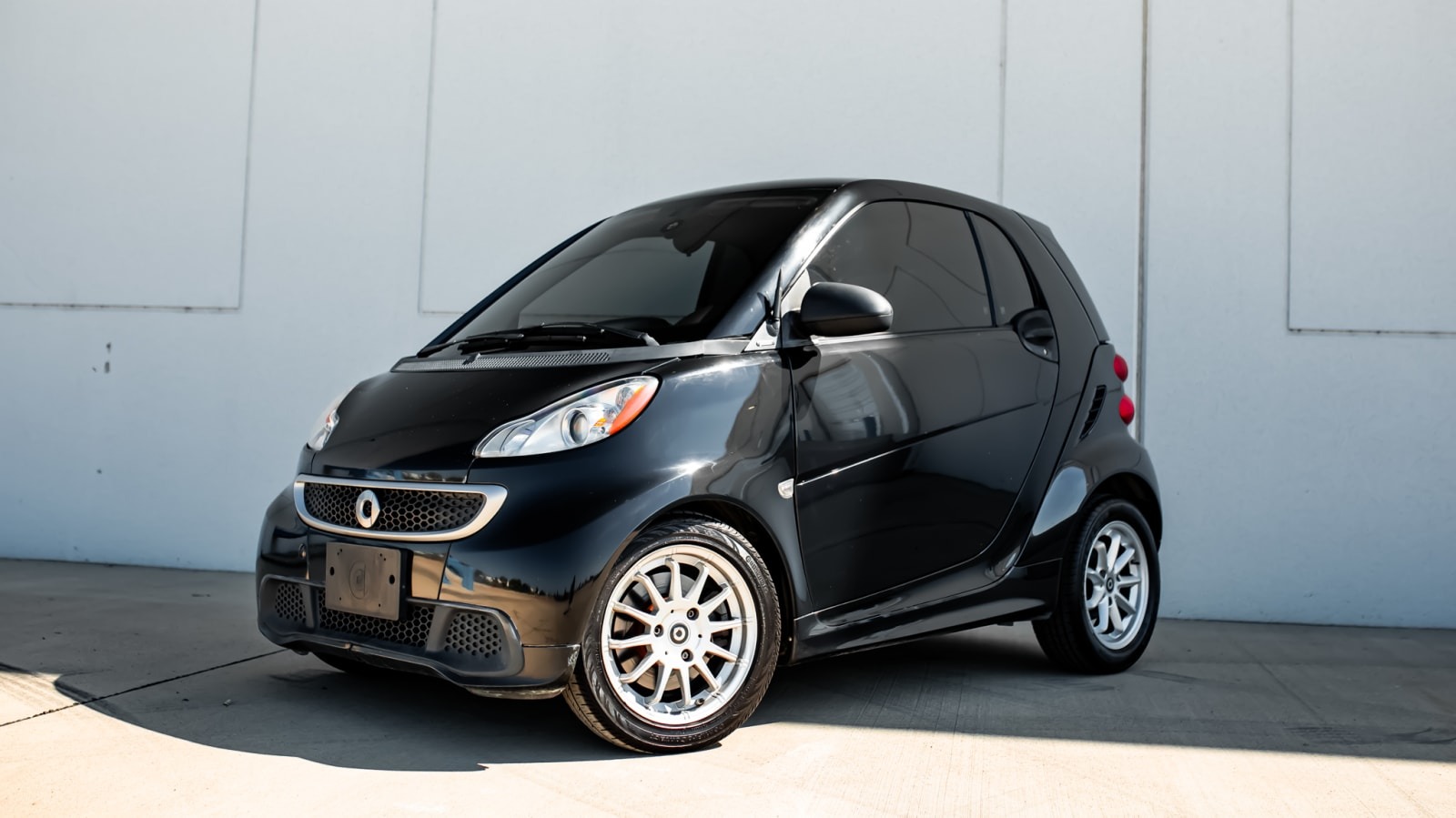
8. 2013 Smart Fortwo
Tiny cars can be appealing in busy cities, yet the 2013 Smart Fortwo comes with several drawbacks that may frustrate everyday drivers. Its compact dimensions make parking easy, especially in areas where available spaces are limited.
However, convenience is only one part of vehicle ownership, and this little car has weaknesses worth considering before spending your money.
One major concern is its single-clutch automated manual transmission, which can feel sluggish, jerky, and unpredictable during gear changes.
Drivers may experience noticeable pauses between gears, particularly when accelerating in traffic. Anyone accustomed to a traditional automatic transmission may find this driving experience uncomfortable.
Fuel expenses are another consideration because the Fortwo requires premium gasoline, which can increase routine running costs. Its two-seat cabin also provides limited passenger and cargo space, making it less suitable for families or people who regularly carry luggage.
Highway driving may feel less comfortable because of its short wheelbase and small body, particularly in strong crosswinds or around larger vehicles.
Before purchasing one, take an extended test drive that includes city streets and highway conditions. Ask a qualified mechanic to inspect the transmission, clutch actuator, and general mechanical condition. Request service records and check whether previous transmission repairs have been completed.
Although its small size has genuine advantages, the Fortwo may not deliver the comfort, practicality, or equipment many drivers expect from a daily vehicle.
Consider comparing it with similarly priced small hatchbacks that offer additional space and smoother transmission performance