
Reaching 100,000 miles can make selling a vehicle more challenging, but the financial impact varies significantly by model. Luxury vehicles and electric cars can face particularly steep depreciation because used buyers consider repair costs, battery condition, technology changes, and replacement prices.
One important distinction is that no single authoritative U.S. study provides a comprehensive ranking of vehicle resale values at exactly 100,000 miles.
This article uses iSeeCars’ 2026 analysis of more than 950,000 five-year-old used vehicles to identify models with exceptionally high depreciation, then explains why their values can be vulnerable as mileage increases.
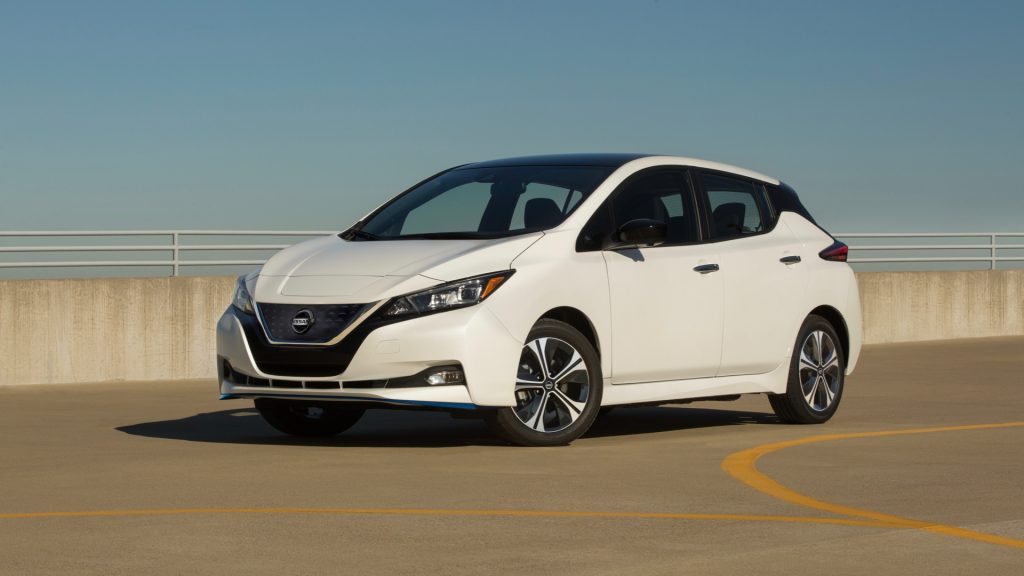
1. Nissan LEAF
Five-year depreciation: 63.1% | Average value lost: $17,743
The Nissan LEAF faces a difficult resale equation as it gets older, particularly when buyers begin considering battery condition alongside mileage. In iSeeCars’ 2026 U.S. depreciation study, the LEAF ranked first among the 25 vehicles with the highest five-year depreciation.
It lost an estimated 63.1% of its original value, equivalent to an average reduction of $17,743. The research examined more than 950,000 five-year-old used vehicles sold between March 2025 and February 2026.
The battery is a major reason high-mileage electric vehicles can attract additional scrutiny. A buyer looking at a LEAF with 100,000 miles may want to know how much usable battery capacity remains, whether the pack has experienced degradation and what driving range is available under normal conditions.
Battery condition varies with climate, charging habits, vehicle age, and usage, so mileage alone cannot establish its health.
The LEAF’s charging technology can also influence demand. Older versions use CHAdeMO fast-charging hardware, while many newer electric vehicles in the United States have moved toward other charging standards. This does not make the car unusable, but it can narrow the pool of interested buyers.
The 63.1% figure is a five-year depreciation measurement, not a guaranteed value loss at exactly 100,000 miles. Nevertheless, it shows how sharply the market has discounted this model. Anyone selling one should provide battery-health information, charging-system records, and maintenance history to support the asking price.
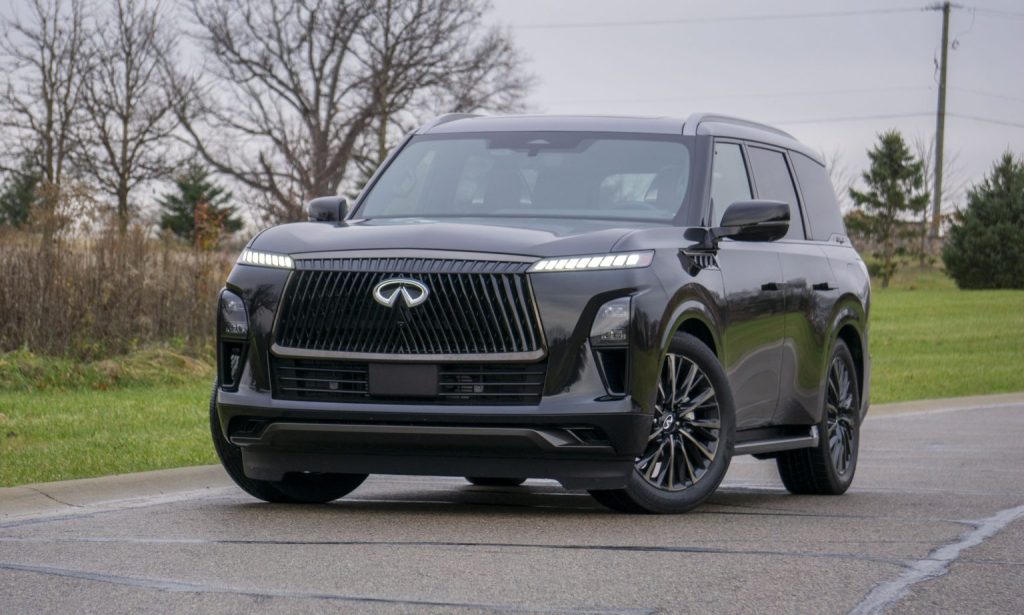
2. INFINITI QX80
Five-year depreciation: 62.8% | Average value lost: $52,631
A large luxury SUV can lose a remarkable amount of money without developing a major mechanical fault. The INFINITI QX80 illustrates this problem.
iSeeCars’ 2026 study placed it second among the vehicles with the highest five-year depreciation, estimating a 62.8% loss in value. The average difference between its original price and used-market value was approximately $52,631.
The model’s long production cycle is relevant to that result. The previous QX80 generation remained on sale for many years before a redesigned version arrived for the 2025 model year.
When a substantially updated replacement enters the market, older examples can appear less attractive to shoppers comparing technology, cabin design, safety equipment, and features. Buyers may also expect a discount because they are purchasing an older-generation vehicle.
At 100,000 miles, ownership costs become another important consideration. The QX80 is a large, powerful SUV, and prospective buyers may examine the condition of its transmission, suspension, brakes, tires, and engine cooling system before making an offer.
A complete maintenance record can help, but it cannot eliminate the effect of high mileage on buyer confidence.
The $52,631 figure is an average five-year depreciation difference, not a prediction of what every 100,000-mile QX80 will sell for. Model year, trim, accident history, location, and condition all affect the final price.
Sellers should compare their vehicle with similar-mileage examples rather than rely on the original window sticker to justify its current value.
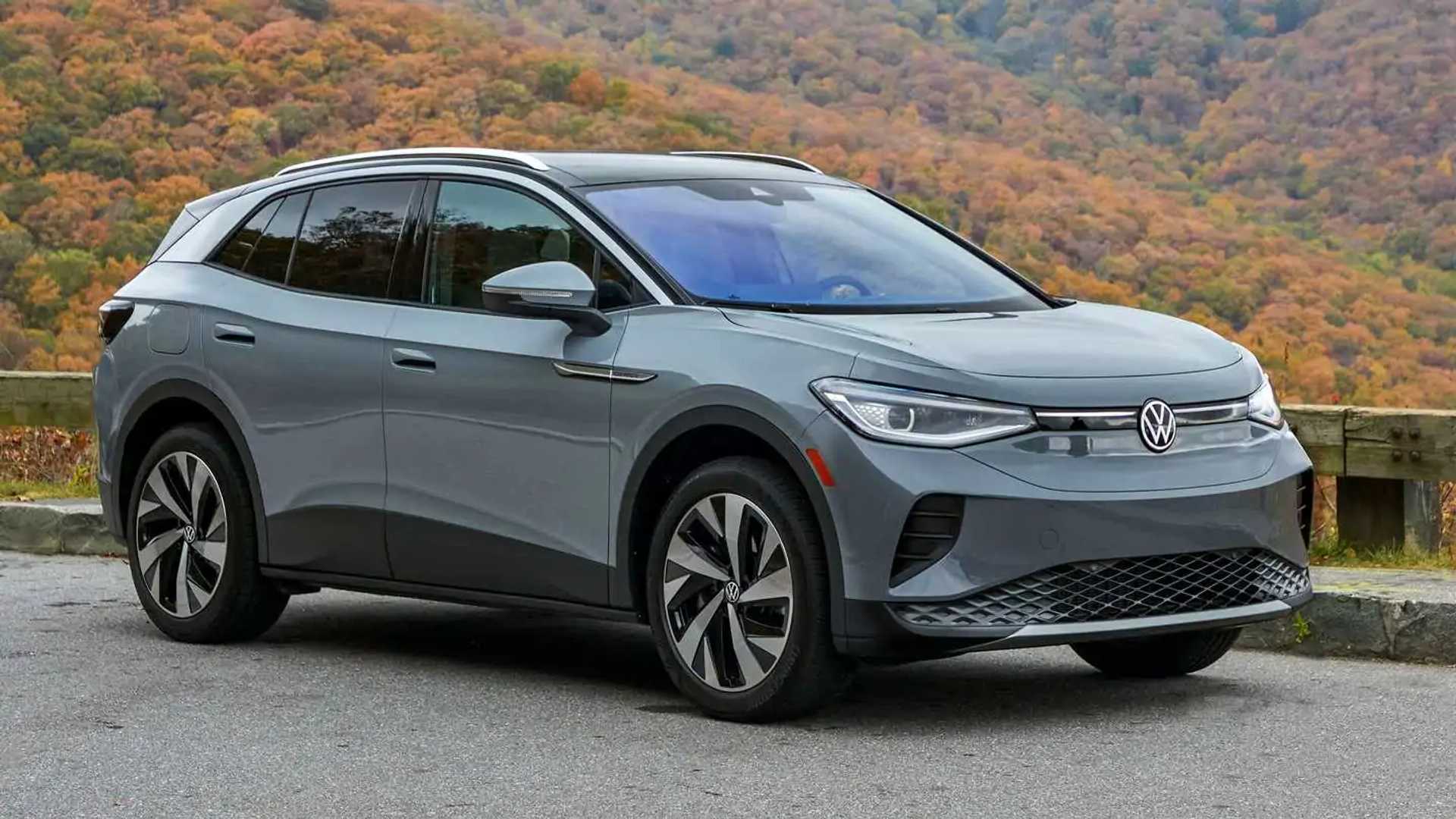
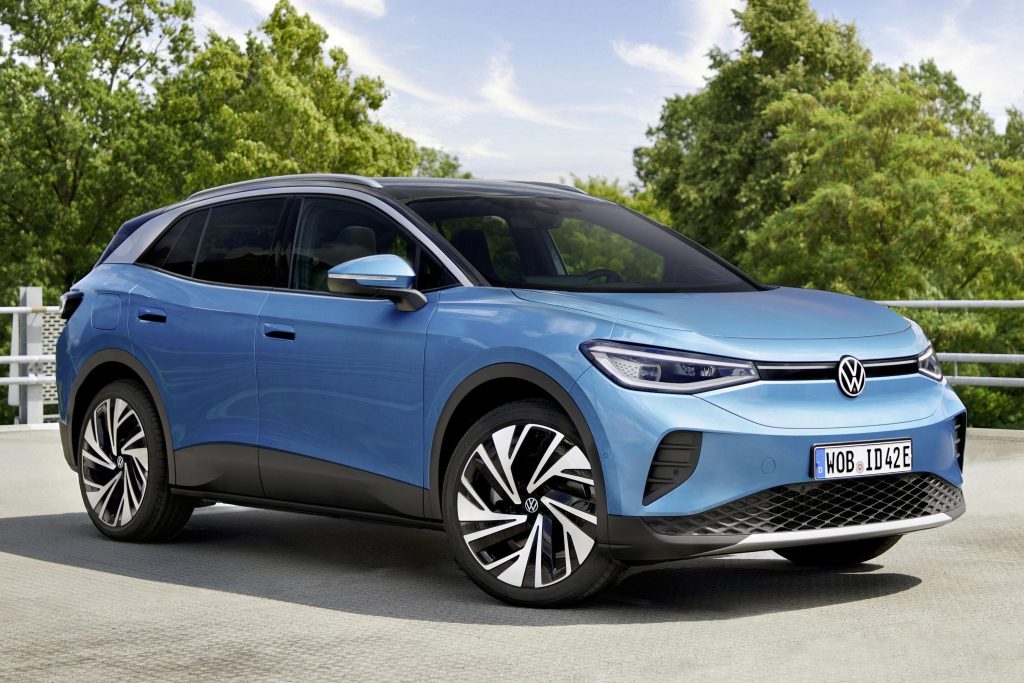
3. Volkswagen ID.4
Five-year depreciation: 62.1% | Average value lost: $28,010
The Volkswagen ID.4 ranks third in iSeeCars’ 2026 study of vehicles with the highest five-year depreciation. Its estimated value loss is 62.1%, representing an average reduction of $28,010 from its original price.
That is a substantial decline for an electric SUV that was introduced as a practical alternative to conventional gasoline-powered family vehicles.
One challenge for the ID.4 is the speed at which electric vehicle technology has developed. Newer models offer improvements in charging performance, driving range, software and battery efficiency.
As manufacturers introduce updated vehicles and adjust new-car prices, older electric SUVs can become less attractive to shoppers comparing them with newer alternatives. Incentives on new electric vehicles can also influence used-market pricing because buyers compare the actual cost of a new vehicle against a discounted used example.
At 100,000 miles, a prospective buyer may pay particular attention to the battery’s remaining capacity and charging performance.
Battery health is more informative than mileage alone. A vehicle with a well-maintained battery and documented service history may attract stronger interest than an example with unexplained range loss or incomplete maintenance records.
The ID.4’s depreciation figure should not be interpreted as proof of poor reliability or a specific battery failure rate. It measures the average five-year difference between original MSRP and used-market pricing in the study. Individual values vary with model year, trim, battery configuration, condition, and location.
For sellers, providing battery inspection results, charging-system records, and evidence of software updates can help buyers assess the vehicle more confidently. The large depreciation figure also creates an opportunity for used-car shoppers who want an electric SUV without paying its original new-car price.
4. Tesla Model S
Five-year depreciation: 62.0% | Average value lost: $58,907
The Tesla Model S demonstrates how an expensive electric luxury sedan can lose tens of thousands of dollars in value within five years.
According to iSeeCars’ 2026 research, the Model S depreciated by an average of 62.0%, translating into an estimated $58,907 reduction from its original price. It ranked fourth among the 25 vehicles with the highest five-year depreciation.
The financial difference is significant because the Model S entered the market as a premium electric vehicle. Its pricing reflected advanced technology, impressive acceleration, a large touchscreen interface, and access to Tesla’s charging network.
However, used buyers do not necessarily place the same value on those features that new-car customers did. Newer electric models, changing prices, and frequent technology improvements can make an older luxury EV harder to sell at a premium.
High mileage introduces additional questions. A prospective buyer may investigate battery condition, charging history, suspension wear, interior electronics, and the condition of expensive body components.
Battery replacement should not be assumed necessary at 100,000 miles, but a documented battery-health assessment can help establish the vehicle’s condition. Repair history also matters because premium electric vehicles can involve costly specialist work.
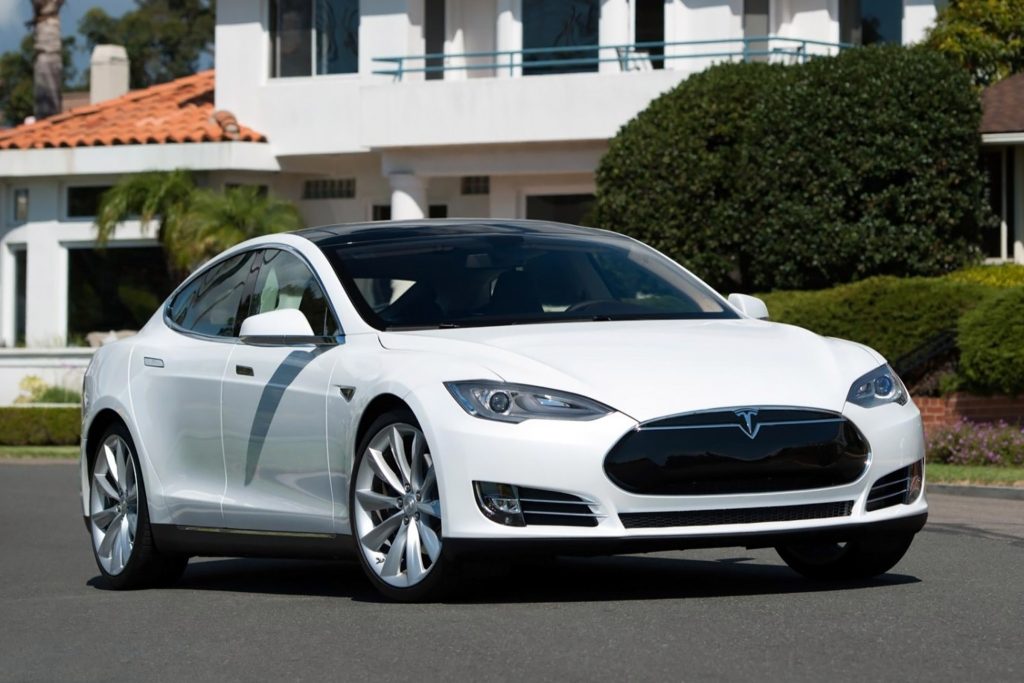
The $58,907 figure is particularly revealing when compared with the LEAF’s dollar depreciation. Although the Model S lost a slightly smaller percentage, its higher original price produced a much larger financial loss. Percentage depreciation and actual dollars lost tell different stories.
For owners planning to sell, maintenance invoices, battery information, software history, and evidence of completed repairs can strengthen a listing. Buyers, meanwhile, may find substantial discounts in the used market, provided they carefully inspect the vehicle before purchase.
5. Land Rover Range Rover
Five-year depreciation: 61.7% | Average value lost: $69,856
The Land Rover Range Rover records the largest average dollar depreciation among the vehicles discussed so far. iSeeCars estimates that it loses 61.7% of its original value over five years, equivalent to approximately $69,856. That makes it a particularly expensive vehicle to purchase new if retaining resale value is a major financial priority.
Its depreciation is not difficult to understand from a used buyer’s perspective. The Range Rover combines luxury equipment, advanced electronics, sophisticated suspension technology, and substantial off-road capability.
Those features contribute to its premium purchase price, but they can also make an older example more intimidating to own. Buyers shopping at higher mileage may carefully assess the air suspension, drivetrain, cooling system, electronic equipment, and maintenance history before making an offer.
Another factor is the cost of maintaining a premium SUV after its factory warranty expires. Even when a vehicle has been serviced regularly, potential buyers may budget for expensive replacement parts and specialist labor. That expectation can influence offers before any actual mechanical problem appears.
The five-year depreciation figure does not mean every Range Rover loses exactly $69,856. Trim, engine, options, condition, accident history, and regional demand all influence its market value. A well-maintained vehicle with complete service documentation can perform better than a neglected example.
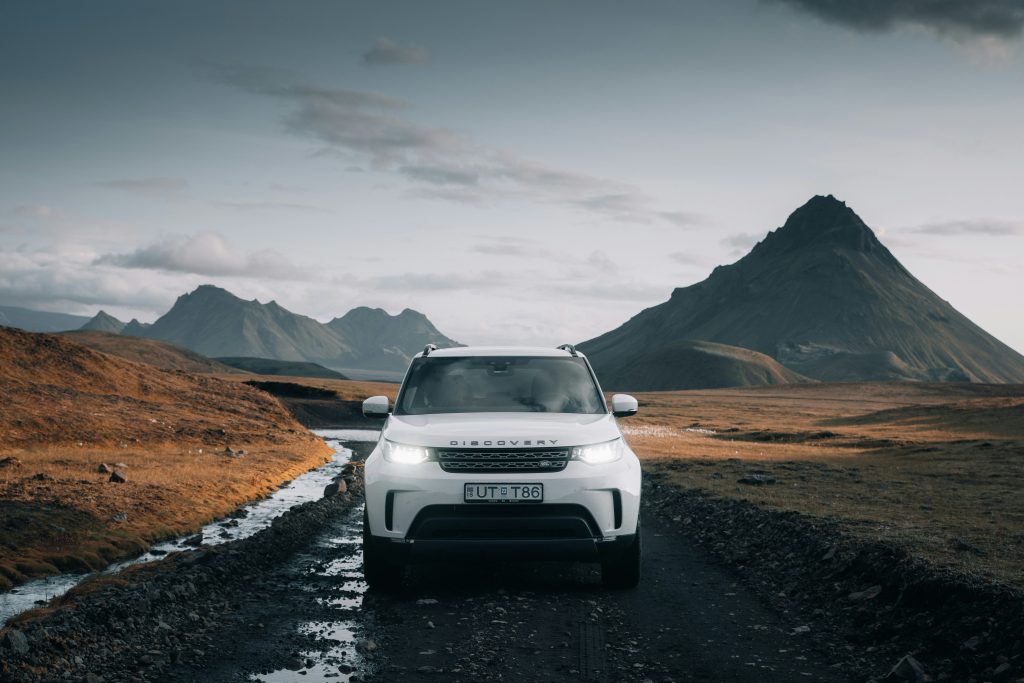
For owners approaching 100,000 miles, presenting detailed maintenance records is particularly important. Evidence of suspension servicing, scheduled maintenance, and previous component replacements can help establish confidence.
For used buyers, the large depreciation creates an opportunity to purchase a premium SUV for considerably less than its original price, but a specialist pre-purchase inspection remains essential.
6. BMW 7 Series
Five-year depreciation: 61.6% | Average value lost: $61,141
A BMW 7 Series can lose more than $60,000 in average value within five years, according to iSeeCars’ 2026 depreciation research. The study estimates a 61.6% reduction from its original price, placing the flagship sedan sixth among the 25 vehicles with the highest depreciation.
The 7 Series is built around technology and comfort. Depending on the generation and configuration, buyers can find advanced driver-assistance systems, sophisticated infotainment, electronically controlled suspension, premium seating functions and powerful engines.
These features make the sedan attractive when new, but they can become a concern for second-hand buyers once the vehicle ages. A malfunction involving an electronic control module, suspension component or advanced cabin feature may require specialist diagnosis.
At 100,000 miles, the buyer’s attention often shifts from the original luxury experience to the condition of the vehicle’s major systems.
Engine and transmission servicing, suspension repairs, cooling-system maintenance and electronic fault history can all influence the final offer. A vehicle with a complete maintenance record has a stronger case than one supported only by claims that it was regularly serviced.
The $61,141 depreciation figure is an average difference from original MSRP, not a guaranteed resale loss for every 7 Series. Long-wheelbase versions, engine choices, packages and individual vehicle condition can produce different market values.
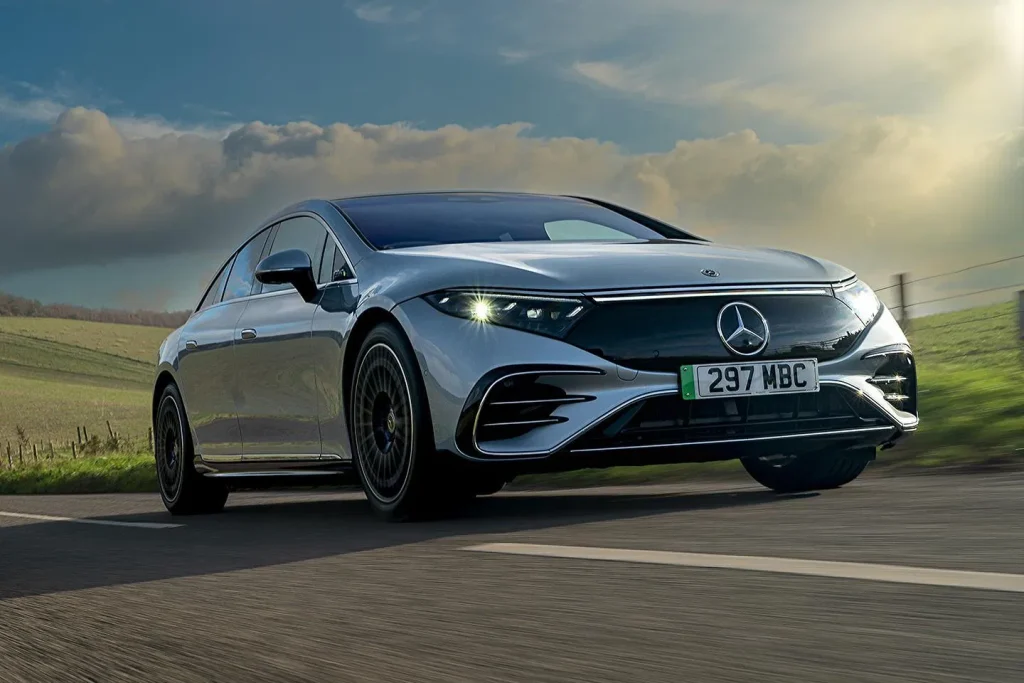
There is an important distinction between depreciation and ownership expense. A heavily depreciated 7 Series may become an attractive used-car purchase, but its maintenance costs do not necessarily fall in proportion to its market value.
Buyers should calculate potential repair expenses before being tempted by a low asking price. Sellers should focus on documented servicing and the condition of expensive equipment.
7. Tesla Model X
Five-year depreciation: 61.2% | Average value lost: $61,216
The Tesla Model X combines electric performance with three-row seating and distinctive falcon-wing rear doors. It is also one of the vehicles with the largest depreciation figures in iSeeCars’ 2026 study. The analysis places it seventh, with an estimated five-year value decline of 61.2%. Its average dollar loss reaches approximately $61,216.
The Model X’s premium pricing is an important part of the depreciation story. Its technology, acceleration and unusual door design helped distinguish it from conventional SUVs when new. However, a used buyer may assess the vehicle differently, focusing on the cost of maintaining its complex equipment rather than its original selling points.
The falcon-wing doors deserve particular attention during an inspection. Their operation depends on sensors and powered mechanisms, so buyers should check that both doors open and close smoothly.
The electric drivetrain, suspension, climate-control equipment and touchscreen functions should also be tested. Battery condition and remaining driving range are especially relevant when the vehicle has accumulated substantial mileage.
A high-mileage Model X is not automatically a poor purchase. Its actual condition, charging history and service records matter much more than an odometer reading by itself. A battery assessment can help establish whether the vehicle retains useful capacity, while a diagnostic inspection can reveal electronic faults that might not appear during a short drive.
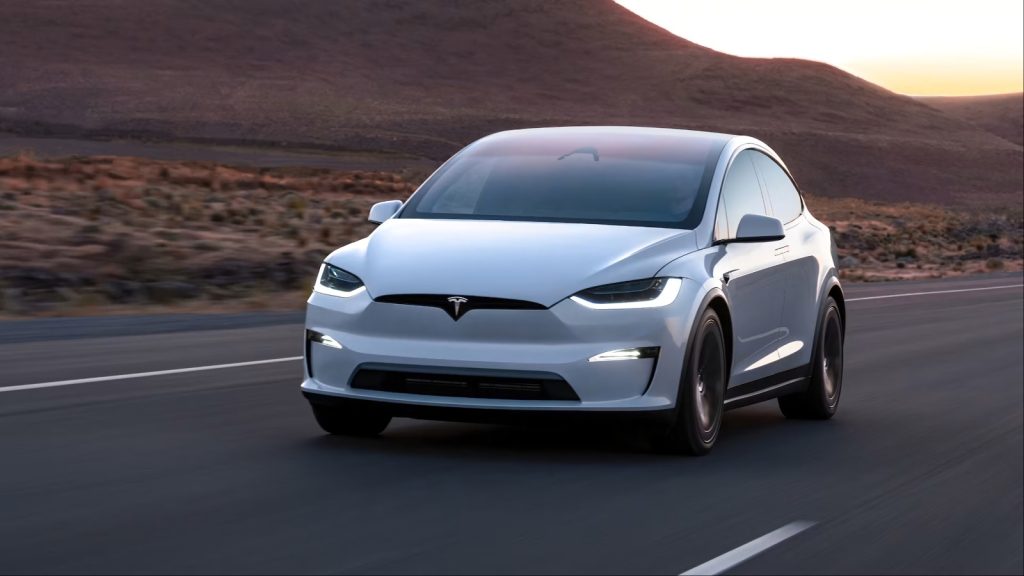
The $61,216 figure represents average depreciation over five years, not a fixed reduction at 100,000 miles. Vehicle age, configuration and condition influence the selling price.
Owners preparing to list one should document door-system repairs, suspension work, battery-related service and software history. For buyers, depreciation can make a previously expensive electric SUV more accessible, but specialist inspection is important.
8. Ford Mustang Mach-E
Five-year depreciation: 60.8% | Average value lost: $22,976
The Ford Mustang Mach-E ranks eighth in the iSeeCars 2026 list, with an estimated five-year depreciation rate of 60.8%. Its average value reduction is approximately $22,976.
Although its percentage loss is close to that of several expensive luxury vehicles, its dollar depreciation is considerably lower because its original price is generally below that of flagship luxury sedans and large premium SUVs.
The electric SUV entered the market with strong attention because it combined Mustang-inspired styling with an all-electric powertrain. Yet the used EV market has become increasingly competitive.
Buyers can compare the Mach-E against newer electric crossovers offering different battery capacities, charging speeds, driving ranges and technology packages. Discounts on new electric vehicles can also influence what shoppers are prepared to pay for a used example.
Mileage becomes an important part of the conversation as the vehicle approaches 100,000 miles. Prospective buyers may want to know the remaining battery capacity, charging performance and history of high-voltage system repairs.
The condition of the tires, brakes, suspension and cabin electronics also affects confidence. An electric vehicle still requires maintenance, even though it does not use a conventional gasoline engine or multi-speed automatic transmission.
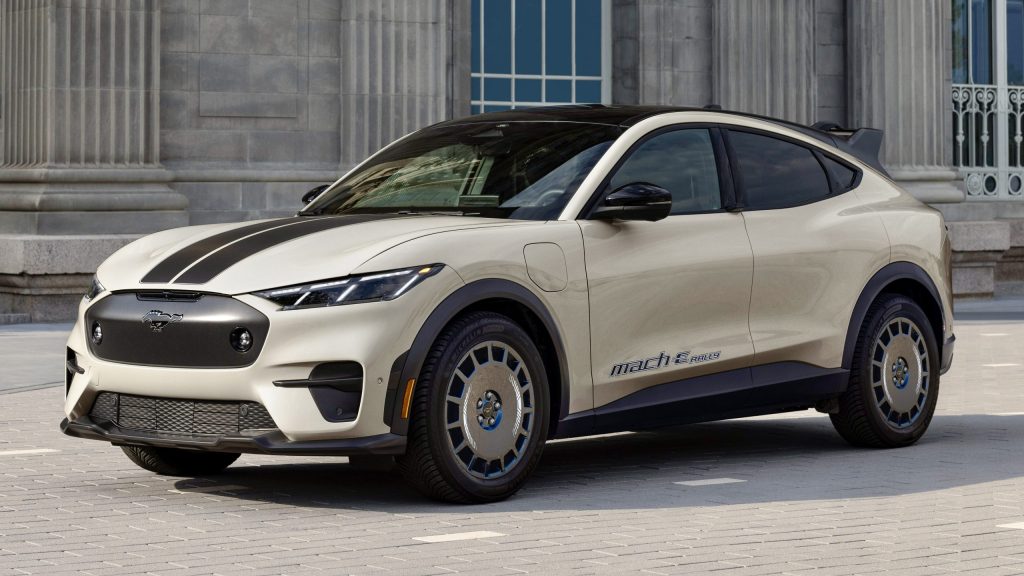
The 60.8% figure is a five-year market depreciation estimate, not a prediction that every Mach-E will lose that exact percentage at 100,000 miles. Model year, battery version, trim and condition can significantly change the resale figure.
Owners selling a high-mileage example should provide battery-related service records and document any software or recall work. A clear history can help separate a carefully maintained vehicle from one with unresolved faults. For used buyers, the depreciation creates an opportunity to access electric driving at a lower purchase price.
9. BMW 5 Series Hybrid
Five-year depreciation: 59.5% | Average value lost: $44,921
The plug-in hybrid BMW 5 Series faces a different resale challenge from a conventional gasoline sedan.
It combines an internal-combustion engine with an electric motor and rechargeable battery, giving owners the ability to drive using electric power for shorter journeys while retaining a gasoline engine for longer trips.
However, the additional technology can make used-car buyers more selective as the vehicle ages.
iSeeCars’ 2026 study places the BMW 5 Series hybrid ninth among the highest-depreciating vehicles. Its average five-year depreciation is 59.5%, with an estimated dollar loss of $44,921. The result reflects the hybrid version included in the study, not every gasoline-powered 5 Series.
Battery condition is an important consideration when evaluating a high-mileage example. Buyers may want to establish the battery’s remaining capacity, charging functionality and electric driving performance.
The gasoline engine, transmission and cooling systems still require attention as well. A problem involving the hybrid system can demand specialist diagnosis, so the availability of qualified repair facilities may influence buyer confidence.
The vehicle’s original premium positioning also contributes to the financial risk. New luxury hybrids can carry a significant price, but used shoppers may compare them against newer models with improved electric range and updated technology. That can reduce demand for older examples even when they remain mechanically sound.
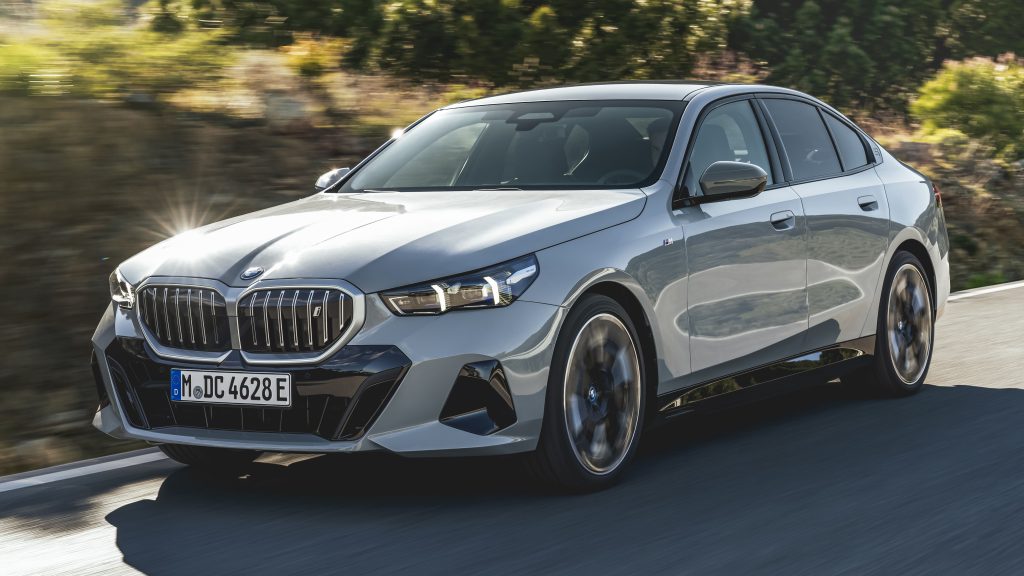
The $44,921 figure represents average five-year depreciation rather than a guaranteed value loss at 100,000 miles. Trim, model year, battery condition and maintenance records all matter. Sellers should retain evidence of hybrid-system inspections, scheduled servicing and charging-related repairs.
A used buyer should obtain a specialist inspection before purchase, particularly if the vehicle has limited service documentation.
10. INFINITI QX60
Five-year depreciation: 58.3% | Average value lost: $30,099
The INFINITI QX60 completes this list with a five-year depreciation rate of 58.3%, according to iSeeCars’ 2026 research. Its estimated average value reduction is $30,099, placing it tenth among the vehicles with the highest depreciation. The result shows that substantial value loss is not limited to electric vehicles or full-size luxury sedans.
The QX60 competes in the three-row luxury SUV segment, where buyers often compare cabin space, comfort, safety equipment, powertrain performance and ownership costs. Its resale position can be affected by competition from mainstream family SUVs as well as other premium brands.
When a used buyer can find a newer vehicle with updated technology and warranty coverage, an older luxury SUV may need a lower asking price to remain competitive.
At 100,000 miles, the condition of the transmission, engine, suspension and electronic systems becomes especially important. Buyers should review maintenance records and check whether recommended services were performed at the correct intervals.
A test drive should include city traffic and highway speeds to identify unusual noises, hesitation or shifting problems. A professional inspection can uncover issues that are not immediately obvious.
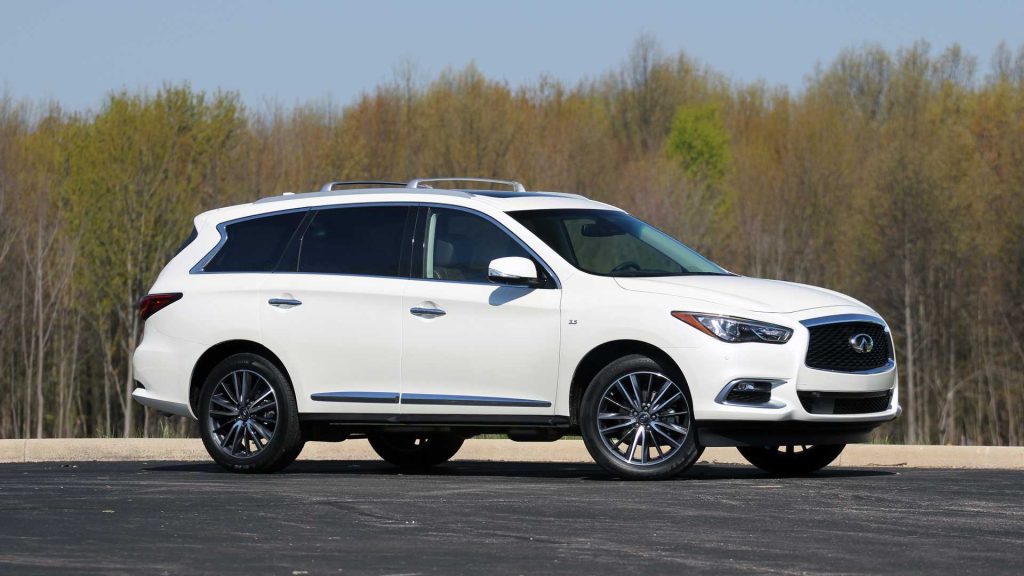
The $30,099 figure is an average five-year depreciation difference from MSRP, not the guaranteed loss for a particular high-mileage QX60. Model year, trim, accident history, condition and regional demand all influence its resale price.
For owners planning to sell, a detailed service history and evidence of completed repairs can help build buyer confidence. For used shoppers, the depreciation may create an opportunity to purchase a well-equipped family SUV at a substantial discount. However, the lower price should never replace a careful mechanical inspection.
