
A musty smell coming from a car’s air-conditioning vents can make even a short drive unpleasant. The odor is often associated with moisture, dust, pollen, and microbial growth on the evaporator, where condensation naturally forms during cooling.
Some manufacturers have issued technical service bulletins describing this problem and recommending specific cleaning or treatment procedures. These documents do not mean every vehicle listed will develop mold, nor do they establish a failure ranking.
The following ten models have documented manufacturer guidance concerning musty HVAC odors in the United States, making them useful examples for used-car owners and buyers.
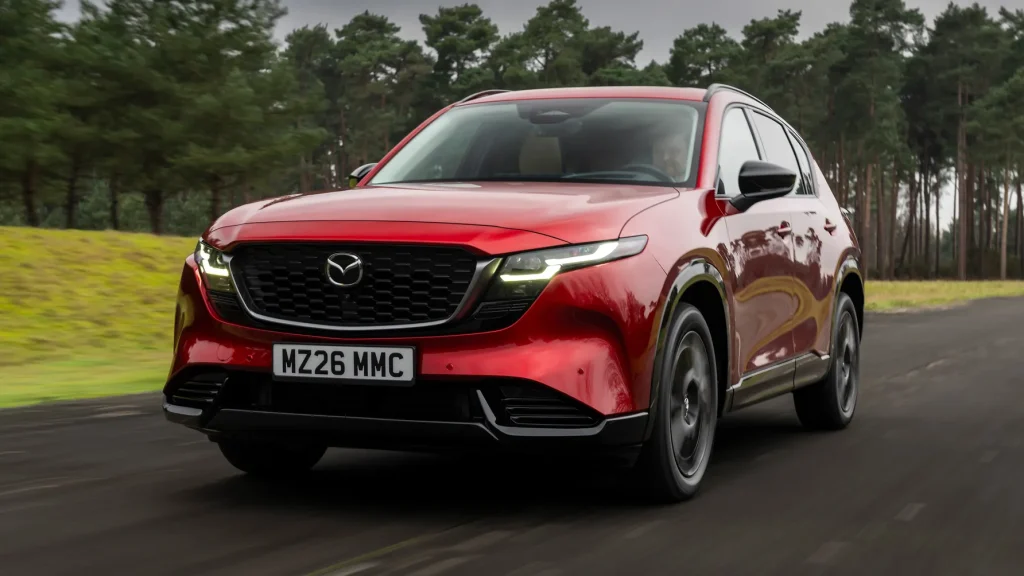
1. Mazda CX-5
Documented guidance: Mazda TSB 07-004/25 | Applicable model years: 2013-2025
A musty smell from the vents is a documented concern addressed by Mazda for several generations of the CX-5. Mazda North American Operations’ technical service bulletin 07-004/25, issued in April 2025, specifically lists the 2013 through 2025 CX-5 among the applicable models.
The bulletin describes a mildew-like odor that becomes noticeable when the air conditioning is operating, particularly when the system is first switched on.
Mazda identifies mold growth in the evaporator or cooling unit as the source of this particular odor. Condensation forms naturally when the air conditioner removes moisture from cabin air.
Dust and pollen can collect inside the cooling unit, creating conditions that support microbial growth. Mazda also notes that the smell can become worse in humid weather.
Mazda recommends treating the issue with its Air Cooling Coil Coating. When applied correctly to a clean, dry evaporator surface, the product helps cover mold growth and reduce unpleasant odors.
Mazda states that the treatment can remain effective for up to three years when properly applied. This is a treatment recommendation, not a guarantee that every vehicle needs it.
Owners should not immediately assume the evaporator is responsible for every unpleasant smell. A dirty cabin filter, a blocked drain, or water entering the passenger compartment can also create odor problems. If the smell continues, a technician should inspect the HVAC housing and drainage system before applying treatment.
For used CX-5 buyers, ask whether the evaporator has been cleaned and whether previous HVAC odor complaints were documented. A fresh cabin filter alone may not resolve microbial growth deeper inside the cooling unit.
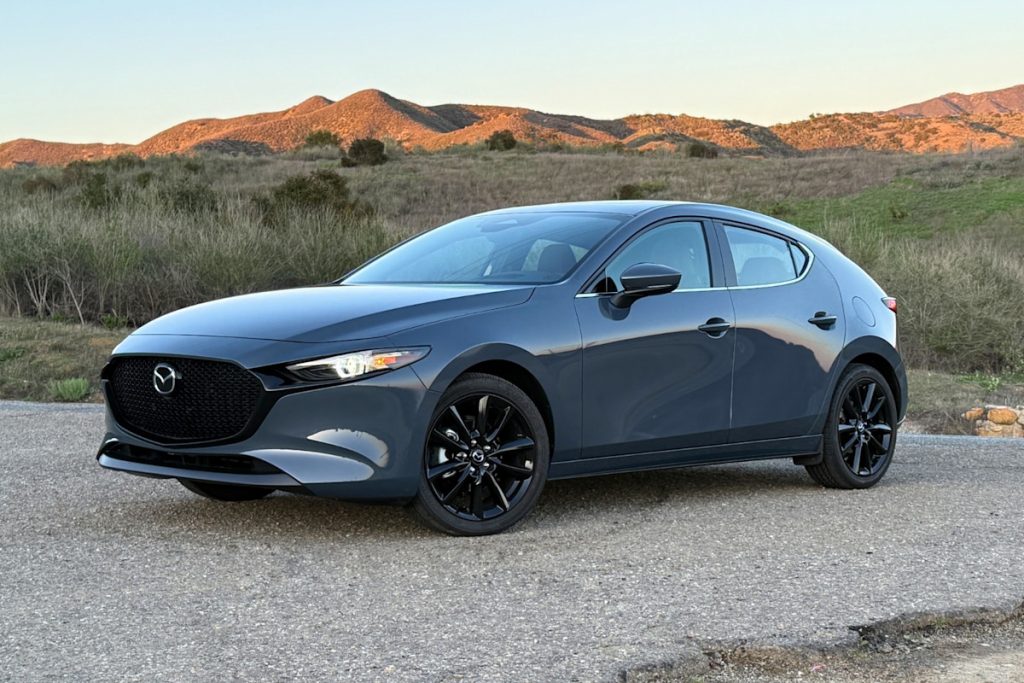
2. Mazda3
Documented guidance: Mazda TSB 07-004/25 | Applicable model years: 2004-2025
The Mazda3 has a particularly long history of being included in Mazda’s technical guidance for musty air-conditioning odors. The manufacturer’s April 2025 bulletin, number 07-004/25, lists Mazda3 models from 2004 through 2025.
That broad model-year coverage reflects the manufacturer’s continuing guidance on evaporator-related odor complaints. It does not mean every Mazda3 produced during those years has the problem.
The smell is generally most noticeable when the air conditioning is first switched on. Mazda explains that condensation, dust, and pollen can accumulate inside the evaporator or cooling unit.
Microbial growth in that damp environment can then release an unpleasant mildew-like odor through the ventilation outlets. High humidity can make the condition more noticeable because moisture is less likely to evaporate quickly.
Mazda’s bulletin describes a specific treatment using its air-cooling coil coating. The evaporator must first be relatively clean, free of debris, and thoroughly dried. The coating is then applied using the prescribed workshop procedure.
Mazda says that correct application can reduce the odor for up to three years. It is not a substitute for repairing a blocked drain or water leak.
An important distinction for Mazda3 owners is that a musty smell does not automatically indicate a mechanical failure of the air-conditioning compressor.
The cooling system may still produce cold air while the evaporator surface develops an odor problem. A technician should inspect the cabin filter, evaporator housing, and condensate drainage before recommending treatment.
When shopping for a used Mazda3, switch on the air conditioning after the car has been parked for several hours. A smell immediately after startup is worth investigating, particularly if it returns repeatedly despite filter replacement.
3. Mazda CX-9
Documented guidance: Mazda TSB 07-004/25 | Applicable model years: 2007-2023
A musty smell inside the Mazda CX-9 can be particularly noticeable when the air conditioning starts after the SUV has been parked for several hours. Mazda’s technical service bulletin 07-004/25 specifically includes the 2007 through 2023 CX-9.
The bulletin describes mildew-like odors coming through the ventilation outlets when the air conditioning is operating, with the smell often strongest immediately after switching the system on.
The explanation involves the evaporator, which cools and dehumidifies the air entering the cabin. Moisture naturally collects on its surface during operation.
Dust and pollen can accumulate in the cooling unit, creating conditions that support microbial growth. Mazda identifies this as a possible source of the unpleasant odor, particularly in humid weather.
Mazda recommends using its air-cooling coil coating as a workshop treatment. The process involves cleaning and preparing the evaporator surface before applying the product to cover mold growth and help eliminate unpleasant odors.
The manufacturer states that the treatment can remain effective for up to three years when properly applied. It is not a permanent guarantee against future odor development.

The CX-9 also has a large passenger compartment, so owners should consider whether the rear ventilation system contributes to the smell. A technician should check the entire HVAC system, cabin filter, and condensate drain rather than treating only the front vents.
For used-car buyers, the condition of the air conditioning deserves attention during a test drive. Run the system after the vehicle has been sitting, then check whether the smell returns when cooling begins. Request previous HVAC cleaning records if the odor is noticeable.
4. Mazda CX-30
Documented guidance: Mazda TSB 07-004/25 | Applicable model years: 2020-2025
The Mazda CX-30 is another model specifically identified in Mazda’s guidance for air-conditioning mildew odors. Technical service bulletin 07-004/25 covers CX-30 vehicles from the 2020 through 2025 model years.
The document describes a musty smell that can emerge from the vents while the air conditioner is operating, especially when cooling is first switched on.
The underlying process is connected to normal air-conditioning operation. As the evaporator cools incoming air, moisture condenses on its surface and normally drains away beneath the vehicle.
However, dust and pollen can remain inside the cooling unit. When moisture and accumulated contaminants are present, microbial growth can develop and produce an unpleasant smell.
Mazda specifically identifies high humidity as a condition that can make the odor more noticeable. This does not mean that every CX-30 will develop the problem, or that the presence of a musty smell proves the evaporator is contaminated. Water entering the cabin, a dirty cabin filter, or a blocked condensate drain should also be investigated.
The manufacturer recommends Mazda Air Cooling Coil Coating as a treatment for the described evaporator odor. When applied properly to the prepared surface, Mazda states that it can reduce the musty smell for up to three years.

The treatment should be performed using the manufacturer’s workshop instructions rather than improvised household cleaning products.
A used CX-30 should be checked with the air conditioning operating at different fan speeds. If the smell repeatedly appears at startup, ask a Mazda dealer to assess the evaporator and drainage system. A replacement cabin filter may help with trapped dust, but it will not necessarily eliminate growth deeper inside the cooling unit.
5. Volkswagen Atlas
Documented guidance: Volkswagen TSB 87-18-12 | Applicable model years: 2018-2025
A musty smell in the Volkswagen Atlas is addressed by Volkswagen’s technical service bulletin 87-18-12, released on November 14, 2024. The document applies to Volkswagen vehicles from the 2018 through 2025 model years.
It describes an unpleasant HVAC odor that may become noticeable approximately 20 to 60 seconds after starting a vehicle that has been sitting unused for at least five hours.
The bulletin explains that condensation is a normal result of air-conditioning operation and can contribute to a musty smell. However, Volkswagen does not instruct technicians to assume that the evaporator is automatically responsible.
They must first investigate other possible sources, including water entering the passenger compartment, blocked plenum drains, a restricted evaporator drain, and a dirty or wet pollen filter.
The Atlas deserves particular attention because some versions have three-zone climate control. Volkswagen’s procedure specifically requires treatment of the rear air-conditioning unit as well when a vehicle has three-zone or four-zone climate control.
This matters because cleaning only the front ventilation system may leave an odor source in the rear HVAC equipment.
The prescribed treatment uses an ultrasonic cleaning system and AIRCO-CLEAN treatment fluid. Volkswagen specifies particular equipment and a replacement pollen filter as part of its procedure.

The bulletin also limits the customer-satisfaction application to one treatment within the first 12 months after the vehicle’s original in-service date. Later complaints may become the owner’s responsibility.
Atlas owners experiencing this smell should request a complete HVAC inspection rather than simply spraying fragrance into the vents. A recurring odor may require checking the drainage system and rear climate-control equipment as well.
6. Volkswagen Tiguan
Documented guidance: Volkswagen TSB 87-18-12 | Applicable model years: 2018-2025
The Volkswagen Tiguan is included in the manufacturer’s broader guidance for unpleasant HVAC odors. Bulletin 87-18-12 covers Volkswagen vehicles from 2018 through 2025 and describes a smell that can appear shortly after starting a vehicle that has been parked for at least five hours.
The odor is generally noticed within the first minute of operation, rather than continuously throughout every drive.
Volkswagen explains that moisture produced during air-conditioning operation can contribute to the smell. However, technicians are instructed to check several possible causes before carrying out the cleaning procedure.
The evaporator drain must be clear, the pollen filter should be clean and dry, and the passenger compartment must not have water entering through damaged seals or other openings. Plenum drains also need inspection.
This distinction is important because a musty cabin does not always mean the evaporator needs chemical treatment. If water is collecting beneath the carpet or entering through the body, cleaning the ventilation system without repairing the leak will not address the underlying problem.
For vehicles that meet the bulletin’s conditions, Volkswagen specifies ultrasonic HVAC treatment using AIRCOMATIC equipment and AIRCO-CLEAN fluid. The pollen filter is removed during the prescribed procedure and replaced afterward.

The treatment takes approximately 15 minutes, followed by additional ventilation and system operation. These are workshop instructions, not a recommended home-cleaning shortcut.
The bulletin allows the customer-satisfaction procedure only once within the first 12 months of the original in-service date. Later treatments may be customer-paid.
Tiguan owners should therefore report recurring smells promptly while the vehicle is still within the relevant period. Buyers of used examples should also check whether the cabin has signs of water intrusion or previous HVAC odor complaints.
7. Volkswagen Jetta
Documented guidance: Volkswagen TSB 87-18-12 | Applicable model years: 2018-2025
An unpleasant smell from the Jetta’s ventilation system may be most noticeable during the first minute after starting the car. Volkswagen’s TSB 87-18-12 addresses this type of HVAC complaint across its 2018 through 2025 vehicles.
The manufacturer’s description says the odor can appear after the car has remained unused for at least five hours, making the first startup of the day a useful time to identify the condition.
The bulletin points to condensation as a possible contributor. Air conditioning naturally removes moisture from the air, and the evaporator becomes wet during cooling.
If contaminants remain on or around the cooling unit, a musty smell can develop. Nevertheless, Volkswagen requires technicians to rule out other causes before applying its cleaning procedure.
For a Jetta, the inspection should include the pollen filter, evaporator housing drain and plenum drains. Technicians must also check that water is not entering the cabin. A wet carpet or persistent smell while the engine and air conditioning are switched off may indicate a separate water-intrusion problem rather than an evaporator odor.
Volkswagen’s approved treatment uses an ultrasonic HVAC cleaner with a specified cleaning fluid. The evaporator is dried first, the filter is removed, and the cleaning process is performed with the ventilation system configured according to the bulletin. A new pollen filter is installed after treatment.

There is a warranty limitation worth understanding. Volkswagen permits the customer-satisfaction treatment once per vehicle within the first 12 months of its original in-service date. Subsequent applications are the owner’s responsibility.
Jetta owners should describe the exact circumstances when reporting the odor, including whether it appears only when cooling begins. That information helps a technician distinguish a ventilation-system complaint from moisture entering the cabin.
8. Volkswagen Golf GTI
Documented guidance: Volkswagen TSB 87-18-12 | Applicable model years: 2018-2025
The Volkswagen Golf GTI is known for its performance-focused driving experience, but its climate-control system can also develop the type of musty odor described in Volkswagen’s HVAC bulletin.
Technical service bulletin 87-18-12 covers Volkswagen vehicles from the 2018 through 2025 model years and addresses unpleasant smells that may become noticeable shortly after startup.
The timing is an important clue. Volkswagen describes an odor that appears within approximately 20 to 60 seconds after the vehicle is started following at least five hours of inactivity.
Condensation from normal air-conditioning operation can contribute to the smell. However, the manufacturer specifically warns technicians not to assume that the evaporator is responsible without checking other possible sources.
The Golf GTI’s HVAC inspection should include the pollen filter, evaporator drain and plenum drainage passages. Water entering through the body or accumulating in the cabin can create a musty smell even when the air-conditioning system itself is functioning correctly.
If the smell is present while the car is switched off, the technician should investigate the passenger compartment rather than immediately treating the evaporator.
Volkswagen’s prescribed remedy involves an ultrasonic climate-system cleaner and AIRCO-CLEAN treatment. The process includes drying the evaporator, removing the pollen filter, operating the cleaning equipment and fitting a new filter afterward. It is a controlled workshop procedure that should follow the manufacturer’s instructions.

The bulletin’s customer-satisfaction coverage is limited to one application within 12 months of the vehicle’s original in-service date. GTI owners experiencing the smell should report it early and retain the repair documentation.
For used-car buyers, a musty odor that returns after a filter change deserves a closer inspection of the HVAC drains and cabin for moisture.
9. Volkswagen ID.4
Documented guidance: Volkswagen TSB 87-18-12 | Applicable model years: 2021-2025
The Volkswagen ID.4 is an electric SUV, but its air-conditioning system still produces condensation and can develop unpleasant odors. Volkswagen’s technical bulletin 87-18-12 covers its 2018 through 2025 vehicle range, which includes the ID.4.
The guidance describes a musty HVAC smell that may become apparent shortly after the vehicle starts following several hours of inactivity.
The fact that the ID.4 does not have a conventional gasoline engine does not remove the need for HVAC maintenance. Its climate-control system still circulates cabin air through filters and cooling components.
Moisture can collect on the evaporator during cooling, and contaminants can contribute to an unpleasant smell. Volkswagen nevertheless requires technicians to investigate other possible causes before treating the system.
The checks include ensuring that the evaporator housing drain is open, the pollen filter is clean and dry, and the plenum drains are free of debris. The cabin must also be checked for water intrusion. A persistent smell when the vehicle is switched off may indicate moisture elsewhere inside the passenger compartment.
Volkswagen’s procedure uses an ultrasonic climate-system cleaning unit with AIRCO-CLEAN treatment fluid. For vehicles with multiple climate-control zones, the rear HVAC unit must also be treated. The process is designed to neutralize contaminants rather than simply cover the smell with fragrance.

The bulletin permits the customer-satisfaction procedure once within the first 12 months of the original in-service date. Owners should ask a Volkswagen service department whether the treatment is applicable to their vehicle and whether any other water-related issue needs repair.
A used ID.4 should be inspected for wet carpeting, blocked drains and recurring odor complaints, not just battery and charging performance.
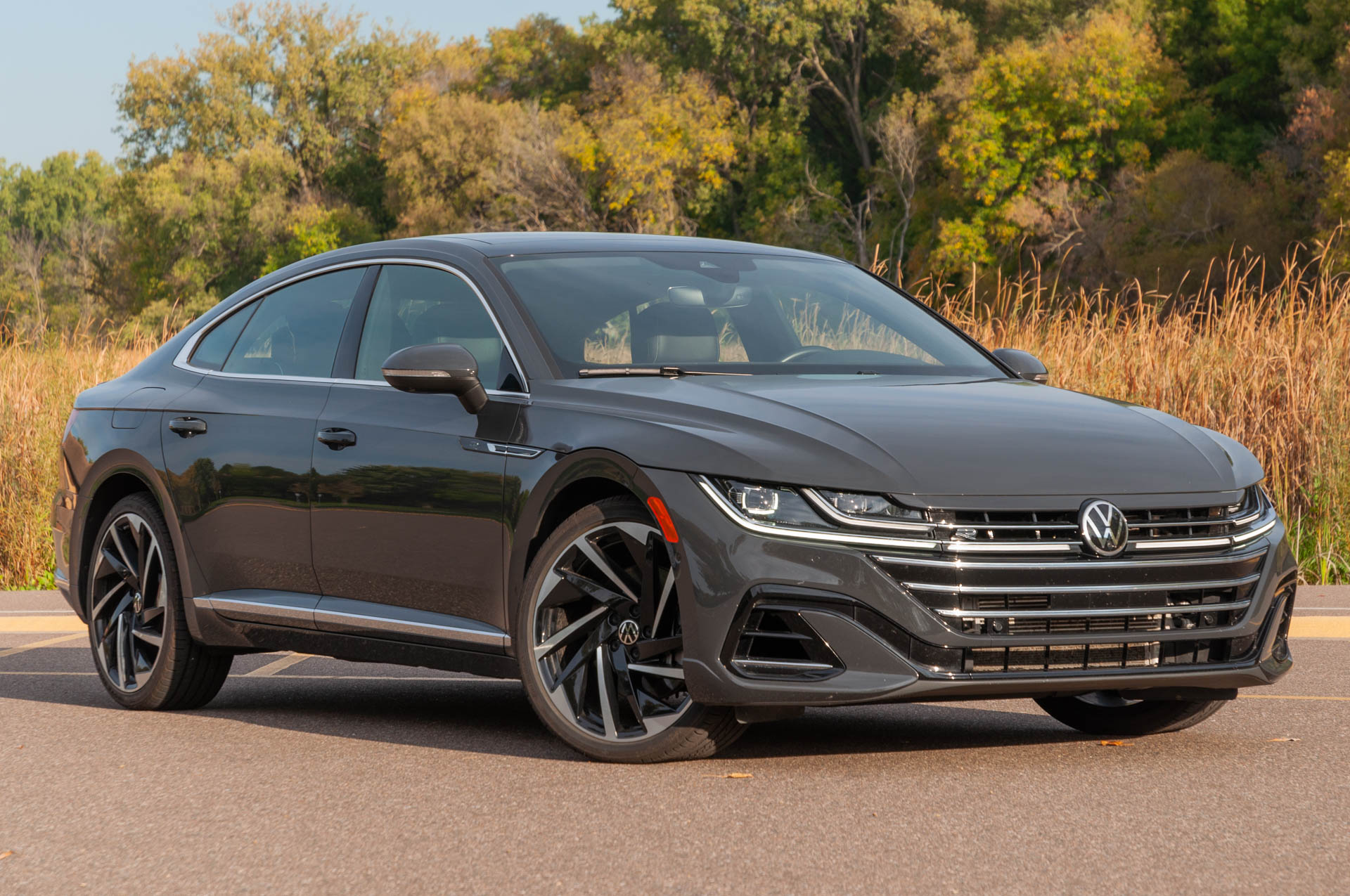
10. Volkswagen Arteon
Documented guidance: Volkswagen TSB 87-18-12 | Applicable model years: 2019-2023 U.S. models
The Volkswagen Arteon is a premium fastback with a spacious cabin and automatic climate control, but it is not exempt from the HVAC odor guidance issued by Volkswagen. Bulletin 87-18-12 applies broadly to Volkswagen vehicles from 2018 through 2025, covering the relevant U.S. Arteon model years.
It describes an unpleasant smell that can develop after the vehicle has been parked for several hours and become noticeable shortly after startup.
The manufacturer explains that condensation from air-conditioning operation can contribute to a musty odor. However, Volkswagen emphasizes that the technician must first eliminate other possible sources.
The evaporator drain should be clear, the pollen filter should be dry, and the plenum drains must not be blocked. The cabin should also be inspected for water entering through seals or other body openings.
This diagnostic sequence matters because a musty smell can originate from wet carpeting, trapped water or damp interior materials rather than the air-conditioning evaporator. Treating the ventilation system without addressing an actual water leak could leave the odor unresolved.

If the evaporator is identified as the source, Volkswagen specifies ultrasonic HVAC cleaning with its approved AIRCO-CLEAN treatment. The process involves drying the cooling unit, removing the pollen filter, treating the ventilation system and fitting a replacement filter. Vehicles with three-zone or four-zone climate control also require treatment of the rear unit.
The customer-satisfaction procedure is restricted to one application within the first 12 months after the original in-service date. Later treatment may be charged to the owner.
For used Arteon shoppers, switch on the climate control after the car has been parked and check for a recurring smell. If the interior smells musty even when the HVAC is off, request an inspection for water intrusion before purchasing.
