
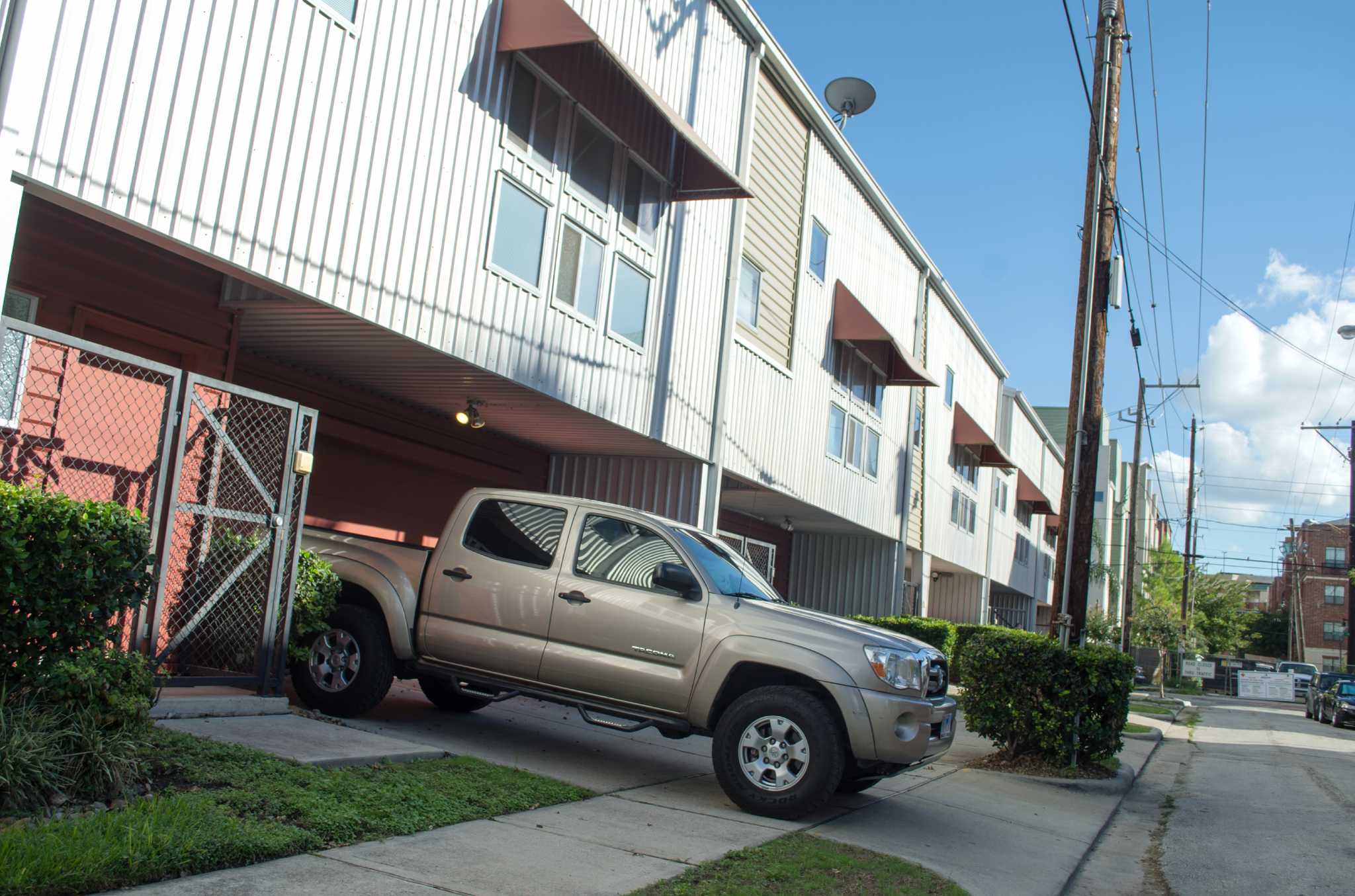
Owning a home does not mean everything you do on your driveway is automatically legal. Although driveways are generally private property, local governments, state laws, environmental regulations, and residential zoning rules can still restrict certain activities.
From parking vehicles on your lawn and running an unauthorized car repair business to improperly disposing of motor oil, seemingly ordinary activities can result in fines or code-enforcement action.
The rules can be surprising because some restrictions apply even when you are entirely within your property boundaries. Here are eight things American homeowners should avoid doing in their own driveways.
1. Parking Vehicles on Your Front Lawn
Your driveway may be full, but moving an extra vehicle onto the front lawn is not necessarily a legal solution. Many American municipalities regulate where vehicles can be parked on residential properties, including areas that belong entirely to the homeowner.
These restrictions are often introduced to prevent damaged lawns, excessive vehicle storage, drainage problems, and the appearance of unmaintained properties.
For example, the City of Forney, Texas, regulates parking outside designated paved areas under its municipal parking provisions. Its rules prohibit parking vehicles on sidewalks and also address parking outside designated or permitted parking areas.
Other municipalities have more explicit front-yard restrictions. A 2026 municipal code published by the City of Avon, Colorado, prohibits parking vehicles in front yards or grass areas, except in qualifying driveways and certain grandfathered parking areas. The applicable restrictions depend on the property’s zoning and local code.
This does not mean every American homeowner is prohibited from parking on grass. Some rural properties and municipalities permit it, while others require vehicles to remain on approved driveways or designated parking surfaces.
Homeowners associations can impose additional restrictions through enforceable community covenants.
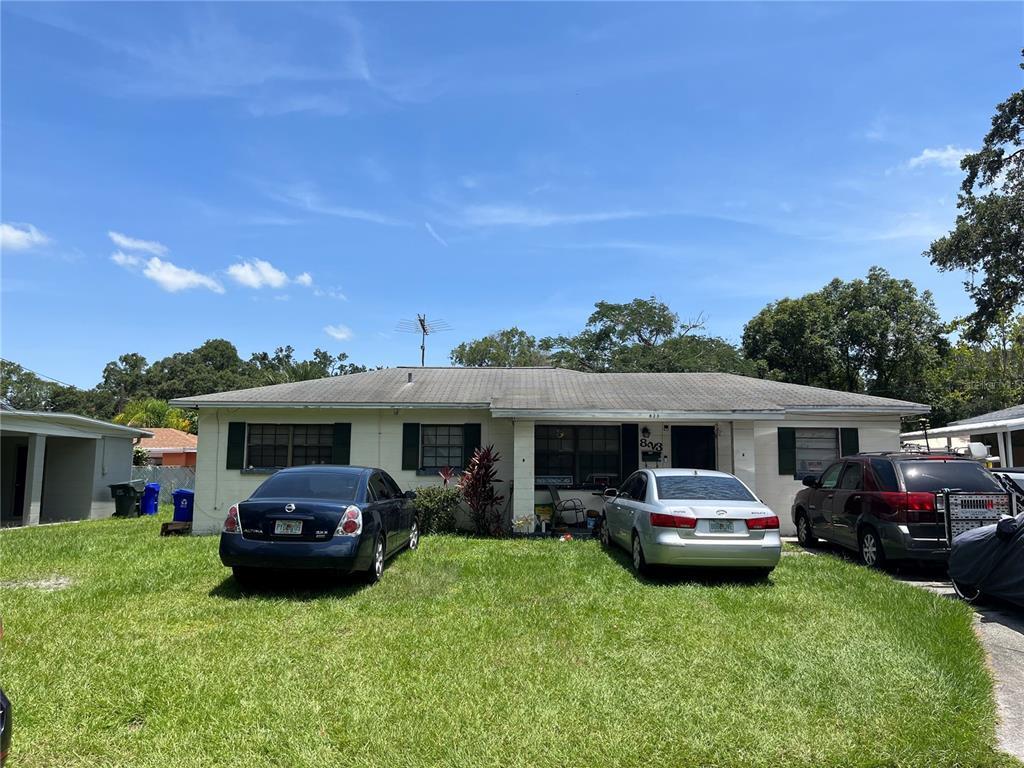
The issue becomes more complicated when a vehicle is parked on landscaping for extended periods. Some local codes distinguish between temporarily moving a vehicle onto grass and using a front yard as a permanent parking or storage area.
Before creating an additional parking space, check your municipal zoning and property-maintenance regulations. A paved driveway extension may require approval, and simply placing gravel over the lawn does not automatically make the parking area legal.
2. Blocking a Public Sidewalk With Your Parked Car
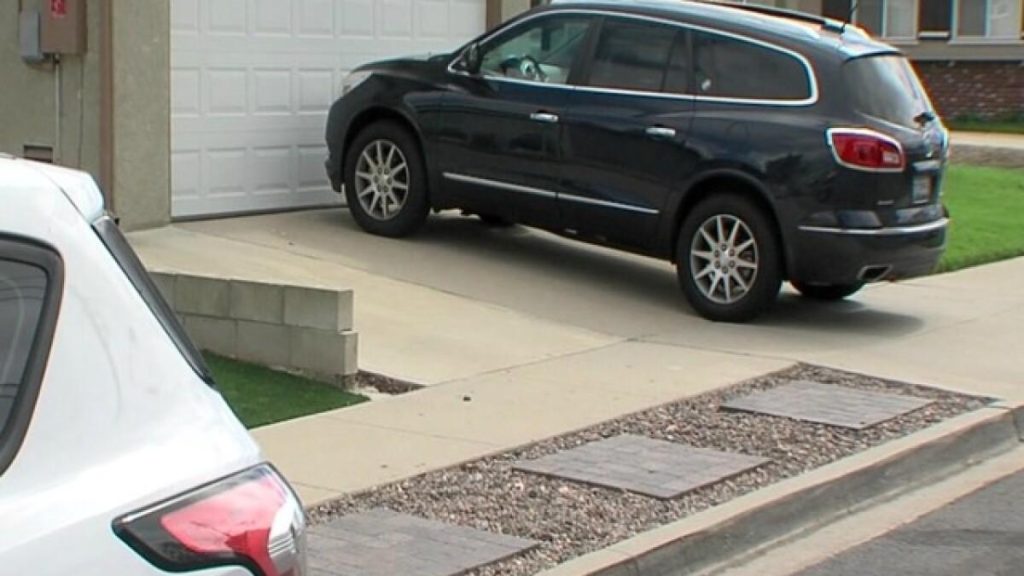
A long vehicle can create an unexpected parking problem when its rear bumper extends beyond the driveway and blocks the public sidewalk.
Homeowners sometimes assume that because the front wheels are on private property, the entire vehicle is legally parked. However, the sidewalk may remain part of the public right-of-way, and obstructing it can result in a citation.
Texas provides a clear example under Transportation Code §545.302, which regulates stopping, standing, and parking. Among other restrictions, the statute prohibits parking on a sidewalk. Local authorities also enforce rules designed to preserve pedestrian access and prevent vehicles from occupying public walkways.
The issue is particularly important for wheelchair users, parents pushing strollers, and pedestrians with mobility difficulties. When a vehicle blocks the pavement, people may be forced into the roadway to get around it.
This creates an unnecessary safety hazard, especially on residential streets where drivers may not expect pedestrians to enter the traffic lane.
Some municipalities also regulate the portion of a driveway that crosses a public sidewalk. The fact that a homeowner maintains the driveway does not automatically give them exclusive control over the adjoining pedestrian route.
Drivers should measure their available parking space before bringing a large SUV, pickup truck, or trailer into a residential driveway. If the vehicle cannot fit without obstructing the sidewalk, another legal parking arrangement is necessary.
Local rules can also address vehicles extending into streets, blocking neighboring driveways, or obstructing accessible pedestrian routes. Therefore, homeowners should check both state parking statutes and municipal ordinances.
A driveway is intended to provide off-street parking, not transfer a parking problem onto pedestrians. Keeping the entire vehicle within the permitted parking area is the simplest way to avoid enforcement.
3. Pouring Used Motor Oil or Antifreeze Onto the Ground
Changing your own engine oil in the driveway is generally a practical way to save money, but disposing of the waste incorrectly can create an environmental violation.
Used motor oil, transmission fluid, brake fluid, and antifreeze contain substances that can contaminate soil and waterways. Pouring these liquids onto the driveway, lawn, or nearby storm drain is not an acceptable disposal method.
Minnesota has a particularly clear restriction under Statutes §115A.916. The law prohibits knowingly placing motor oil, brake fluid, power-steering fluid, transmission fluid, used oil filters, and motor vehicle antifreeze on land without agency approval.
It also prohibits placing these materials into stormwater or wastewater collection and treatment systems, except under specified conditions.
The Environmental Protection Agency also identifies used motor oil and automotive batteries as household hazardous waste. Its guidance strongly recommends against pouring hazardous household products onto the ground, into drains, or into storm sewers. Improper disposal can contaminate water supplies and harm wildlife.
New York City provides another practical example. Its Department of Environmental Protection specifically warns residents not to dispose of antifreeze, gasoline, motor oil, or transmission fluid at the curb, in storm sewers, or in catch basins.
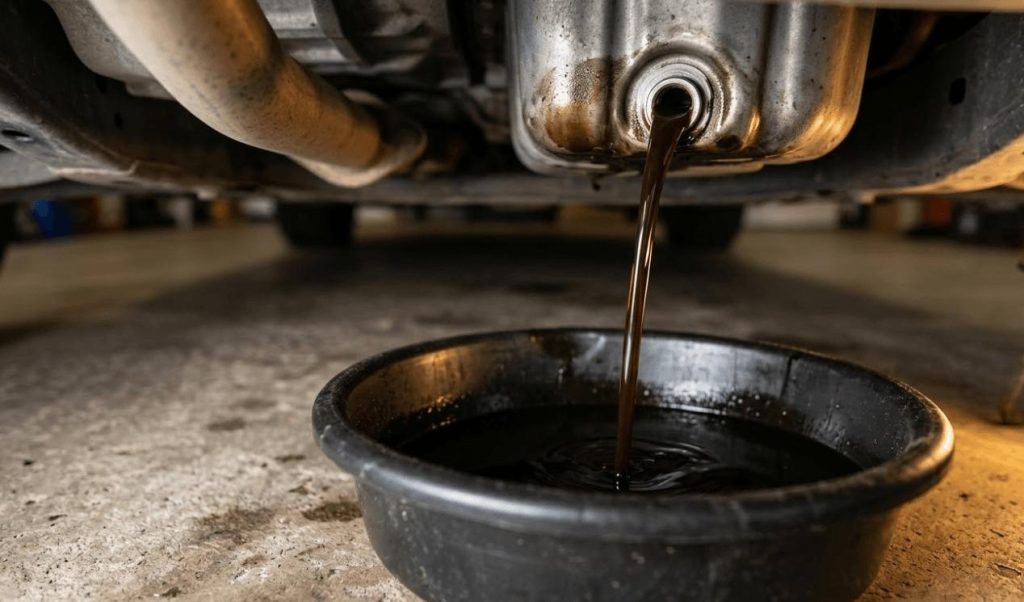
The problem is not performing maintenance on your own vehicle. Homeowners can generally change oil themselves, subject to local requirements. The legal issue is what happens to the waste afterward.
Keep used fluids in sealed, clearly identified containers, and take them to an authorized recycling center or household hazardous waste collection facility. Never leave an oil pan exposed to rain, where overflowing fluid could enter a storm drain.
A driveway is a convenient place for routine maintenance, but it is not a legal dumping ground for automotive chemicals.
4. Allowing Polluted Car-Wash Water to Enter Storm Drains
Washing a personal vehicle in your driveway is not automatically illegal across the United States. However, allowing contaminated water from certain cleaning activities to enter a storm drain can violate local environmental regulations.
The distinction matters because storm drains often carry runoff directly into nearby rivers, streams, and other waterways without passing through a wastewater treatment facility.
Portland, Oregon, provides a clear example. Portland City Code Chapter 17.39 prohibits certain non-stormwater discharges into the stormwater system, including wastewater and polluted wash water from cleaning automotive equipment and tools.
The city identifies substances such as oily water, discolored runoff, and other contaminated liquids as potential violations.
The San Diego Regional Water Quality Control Board also explains that washing patios and driveways can generate prohibited runoff when wastewater enters municipal storm drains.
However, individual residential car washing is treated differently under certain federal stormwater provisions, and local authorities may impose additional restrictions when pollution becomes a concern.
This means homeowners should not assume that every bucket of soapy water from washing a personal car automatically creates a violation. A routine residential wash may be exempt, while cleaning an oily engine, greasy components, or commercial equipment can create a different legal situation.
The safest approach is to prevent polluted runoff from reaching the street or stormwater system. Use designated car-wash facilities when cleaning engines or heavily contaminated components. For ordinary washing, follow local environmental guidance and use methods that keep wastewater away from storm drains.
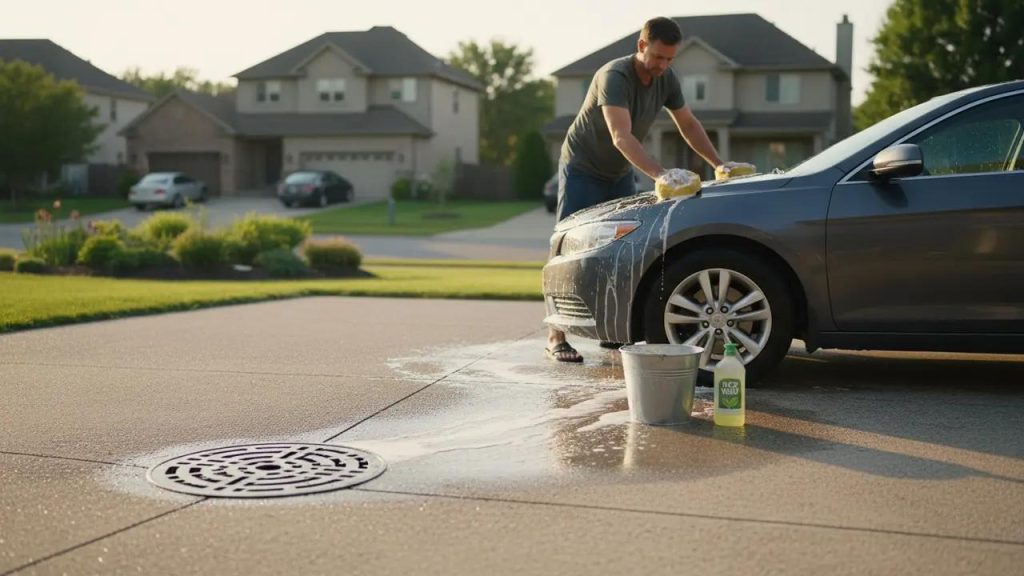
Portland specifically recommends washing vehicles on lawns or gravel where appropriate and avoiding the washing of engines, transmissions, and oily parts in ways that generate polluted runoff.
The important lesson is that homeowners can face environmental enforcement for what flows off their property, even when the cleaning activity itself takes place entirely on private land.
5. Running an Unauthorized Auto Repair Business From Home
Repairing your own car in the driveway is generally different from operating a commercial mechanic business from a residential property.
Homeowners may be allowed to perform routine maintenance, but regularly repairing customers’ vehicles, storing their cars, and receiving payments can violate residential zoning and home-occupation regulations.
Woodburn, Indiana, provides a particularly clear example in its zoning ordinance, Section 154.406. The city’s home-occupation standards prohibit automobile mechanical or body repairs, apart from routine maintenance and minor repairs involving vehicles titled to the occupants of the property.
The ordinance also restricts customer visits and retail activity at residential premises. Burien, Washington, provides another example of how residential zoning can limit automotive businesses. Its home-occupation regulations identify automobile and truck repair, bodywork, painting, and large or small engine repair among prohibited home occupations.
These restrictions are generally intended to prevent residential neighborhoods from becoming commercial workshops. Regular repair operations can bring additional traffic, customer parking, equipment noise, fumes, waste fluids, and outdoor vehicle storage into areas designed primarily for residential use.
That does not mean every homeowner needs a business permit to replace their own brake pads or perform an oil change. Personal vehicle maintenance is treated differently from operating a business that services other people’s vehicles.
The distinction becomes important when someone advertises mechanical services, accepts payment, or repeatedly brings customer vehicles onto the property. Even a small operation can fall outside permitted residential home-business activities.
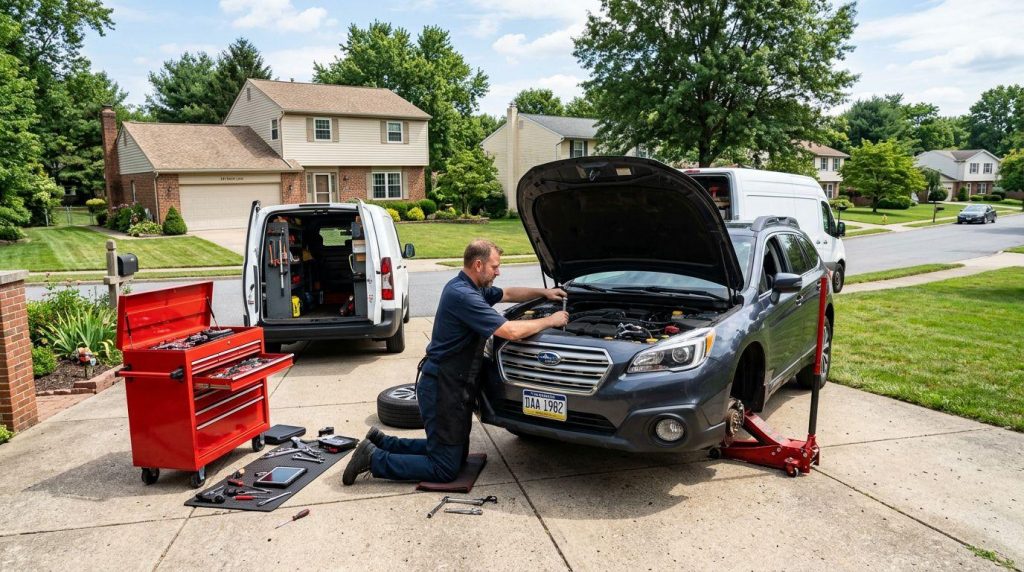
Before offering paid repair services from your driveway, check the local zoning ordinance, home-occupation rules, and business licensing requirements. You may need an approved commercial location rather than a residential driveway.
A homeowner can have the tools and mechanical knowledge to operate a workshop, but that does not automatically make a residential property a legally approved repair facility.
6. Storing Too Many Inoperable and Unregistered Vehicles
Keeping an old project car in your driveway is not necessarily illegal, but accumulating several vehicles that are no longer roadworthy can trigger specific state and local restrictions.
Some jurisdictions regulate the number of unregistered or inoperable vehicles a homeowner can keep on residential property, particularly when they become long-term storage rather than active restoration projects.
Nevada has an explicit statewide provision under Revised Statutes §487.290. Unless a person obtains the required license, the law generally prohibits keeping more than two unregistered vehicles on property they own or control when those vehicles are no longer intended for or in condition for lawful highway use.
There are exceptions. The statute identifies certain premises used by licensed dealers, manufacturers, rebuilders, farms, and motor vehicle repair shops. It also recognizes qualifying restoration projects involving vehicles with classic or historic significance.
The financial consequences are worth noting. Under Nevada Revised Statutes §487.305, a violation can result in a civil penalty of up to $100 per day, unless an applicable local ordinance establishes a different penalty.
Local governments can impose additional property-maintenance requirements. For example, Henderson, Nevada, explains that its rules restrict the outdoor storage of inoperable or abandoned vehicles, with limited allowances for certain screened vehicles in designated yard areas.
Las Vegas also provides code-enforcement guidance concerning the storage of damaged or dismantled vehicles.
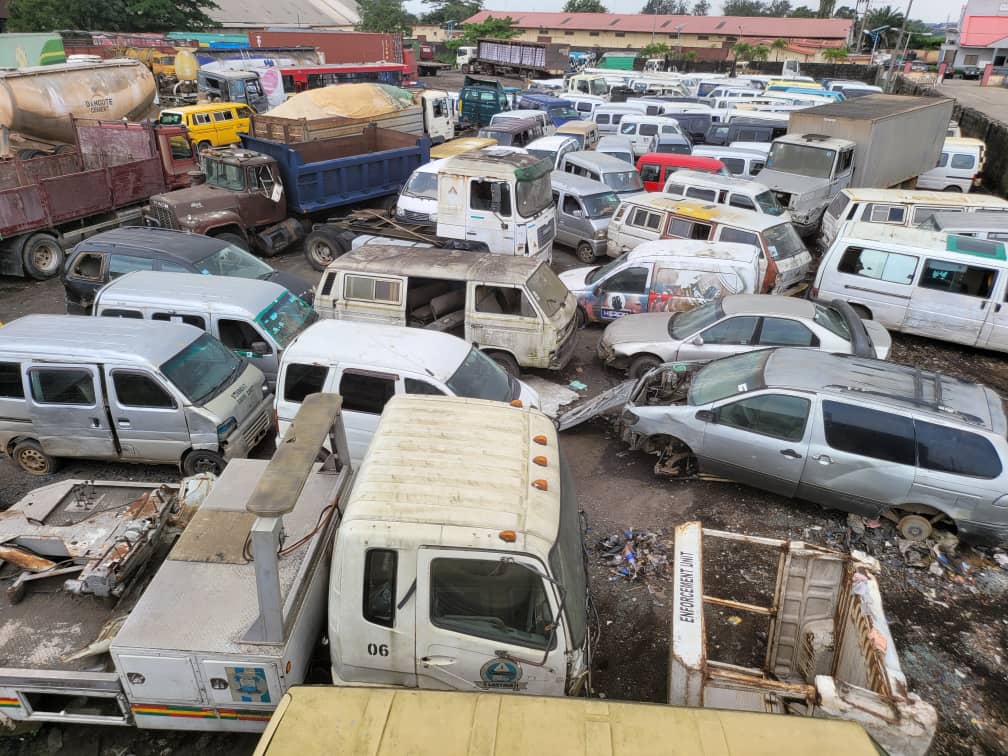
This does not mean that every vehicle with expired registration must immediately be removed from a private driveway. The Nevada statute specifically concerns vehicles that are unregistered and no longer intended for or capable of lawful highway use.
If you are restoring an old vehicle, check whether your project qualifies for an exception. Keeping it properly stored and maintaining the required documentation can help prevent code-enforcement problems.
7. Selling Multiple Cars From Your Driveway Without a Dealer License
Selling your personal vehicle from your driveway is generally permitted, but regularly buying and selling cars for profit can turn a private activity into a regulated dealership business. The distinction is important because several states require individuals engaged in motor vehicle sales to obtain dealer licenses, even when the transactions take place on residential property.
Florida has a particularly clear threshold under Florida Statutes §320.27. A person who buys, sells, deals in, or offers at least three motor vehicles for sale within 12 months is presumed to be operating as a motor vehicle dealer. The law covers vehicles offered or displayed for sale, not just completed transactions.
This means repeatedly displaying cars on your residential driveway could attract licensing scrutiny if your activity reaches the statutory threshold. Simply placing a vehicle you personally own for sale does not automatically make you a dealer.
Texas has a different licensing framework. Under Texas Transportation Code §503.024, a person generally does not need a dealer general distinguishing number when selling fewer than five vehicles of the same type during a calendar year, provided those vehicles are owned and registered in that person’s name. Other circumstances can require licensing even with fewer sales.

Another important factor is that having a dealer license does not necessarily allow someone to run a dealership from a residential driveway. Local zoning laws, approved business locations, signage rules, and land-use regulations may place additional limits on where a dealership can operate.
Homeowners who occasionally replace their vehicles should not confuse private sales with commercial inventory operations. The legal concern arises when someone repeatedly acquires vehicles for resale, displays multiple cars, or conducts an ongoing sales business without the required authorization.
Before turning your driveway into a used-car sales location, check your state’s dealer licensing rules and local zoning requirements.
8. Repairing or Revving Vehicles During Restricted Quiet Hours
Your driveway might be private property, but that does not give you unlimited permission to create noise that disturbs neighboring homes. Running an engine repeatedly, testing a modified exhaust, using power tools, or carrying out noisy mechanical repairs late at night can violate local noise ordinances.
Weston, Wisconsin, provides a specific example. Its municipal noise regulations prohibit working on vehicles or revving vehicle motors between 10 p.m. and 6 a.m. in residential zones when the activity creates unreasonable noise. The restriction is intended to protect residents from unnecessary nighttime disturbances.
Ravenna, Ohio, has another detailed provision under Municipal Code §626.06. It prohibits vehicle repair, rebuilding, or testing that creates unnecessary, excessive, or offensive noise between 9 p.m. and 8 a.m.
The ordinance also restricts excessive vehicle-repair noise during daytime hours, limiting certain noisy activities to five minutes out of every 60-minute period between 8 a.m. and 9 p.m.
These rules can affect activities that homeowners might consider ordinary maintenance. Repeatedly starting an engine to diagnose a problem, using loud pneumatic tools, or testing a modified exhaust can attract complaints if the noise exceeds local restrictions.
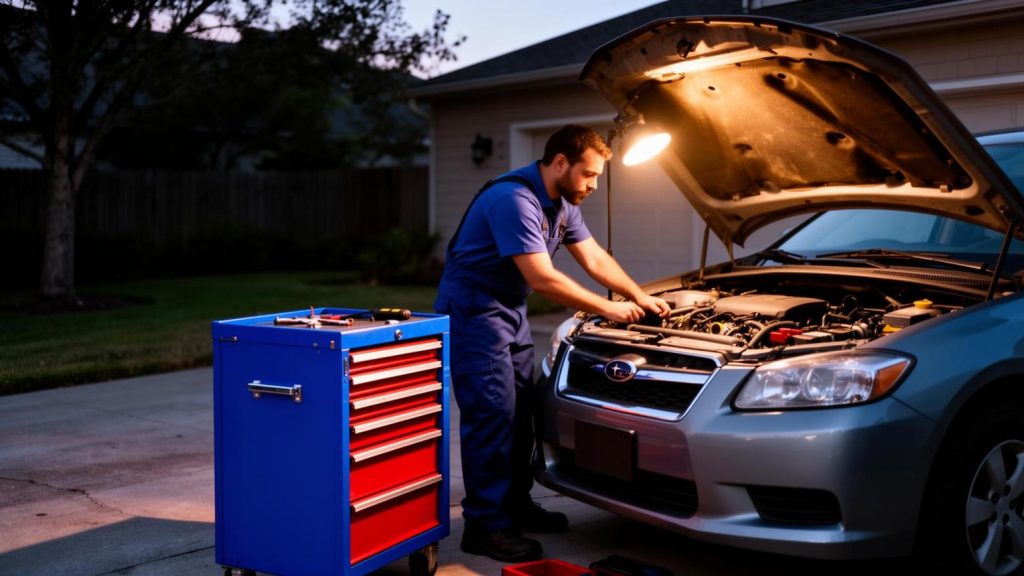
However, the legal limits are not identical across the country. Some municipalities use fixed quiet hours, while others evaluate the volume, duration, location, and unreasonable disturbance caused by an activity. Emergency repairs and certain permitted operations may receive exceptions.
Homeowners should check their city’s noise ordinance before beginning a lengthy repair project. Keeping exhaust systems properly muffled and avoiding unnecessary engine revving can also reduce neighborhood complaints.
Working on your own vehicle is not automatically illegal at night, but making excessive noise during restricted hours can turn a routine driveway repair into an enforceable nuisance violation.
