Volkswagen is bringing its redesigned 2027 Atlas and Atlas Cross Sport together at the 2026 Los Angeles Auto Show, giving American buyers their first opportunity to see both second-generation SUVs side by side.
The two models receive updated exterior styling, substantially revised cabins, more standard equipment, and a stronger turbocharged engine.
Although the three-row Atlas was revealed earlier in 2026 and the five-seat Cross Sport followed in August, their joint appearance highlights Volkswagen’s plans for an important part of its U.S. lineup. Both vehicles are built around the same updated architecture but serve different family and lifestyle needs.
Redesigned Exterior Gives Both SUVs a More Modern Appearance
The 2027 Atlas and Atlas Cross Sport enter their second generation with new exterior sheet metal and revised front and rear styling.
Volkswagen has retained the familiar proportions of its midsize SUV family while giving both vehicles a cleaner, more contemporary appearance. The changes include a more upright front-end design, redesigned LED lighting, and updated body detailing.
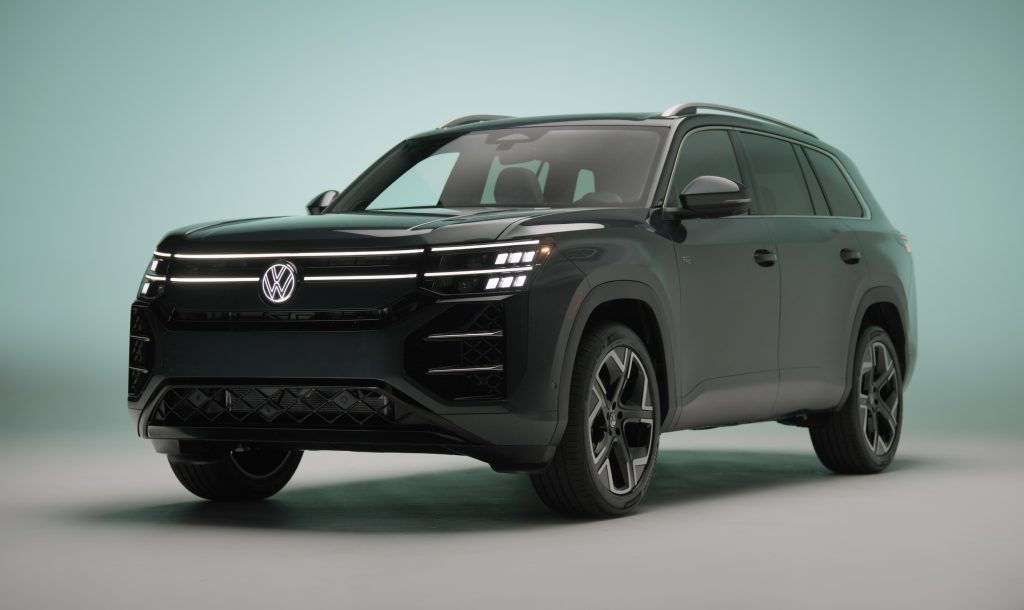
The standard Atlas continues to prioritize space and practicality. Its three-row layout accommodates up to seven passengers, making it the larger family-oriented option.
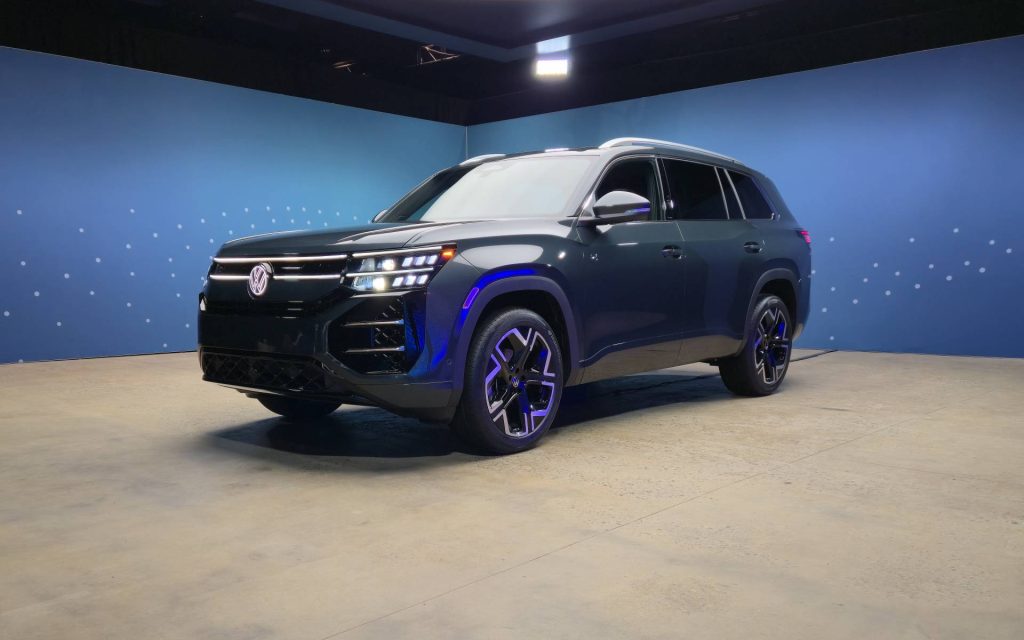
The redesigned body features a more confident stance, revised lighting signatures, and available illuminated front lighting elements. Volkswagen has also updated the rear styling to give the SUV a more cohesive appearance.
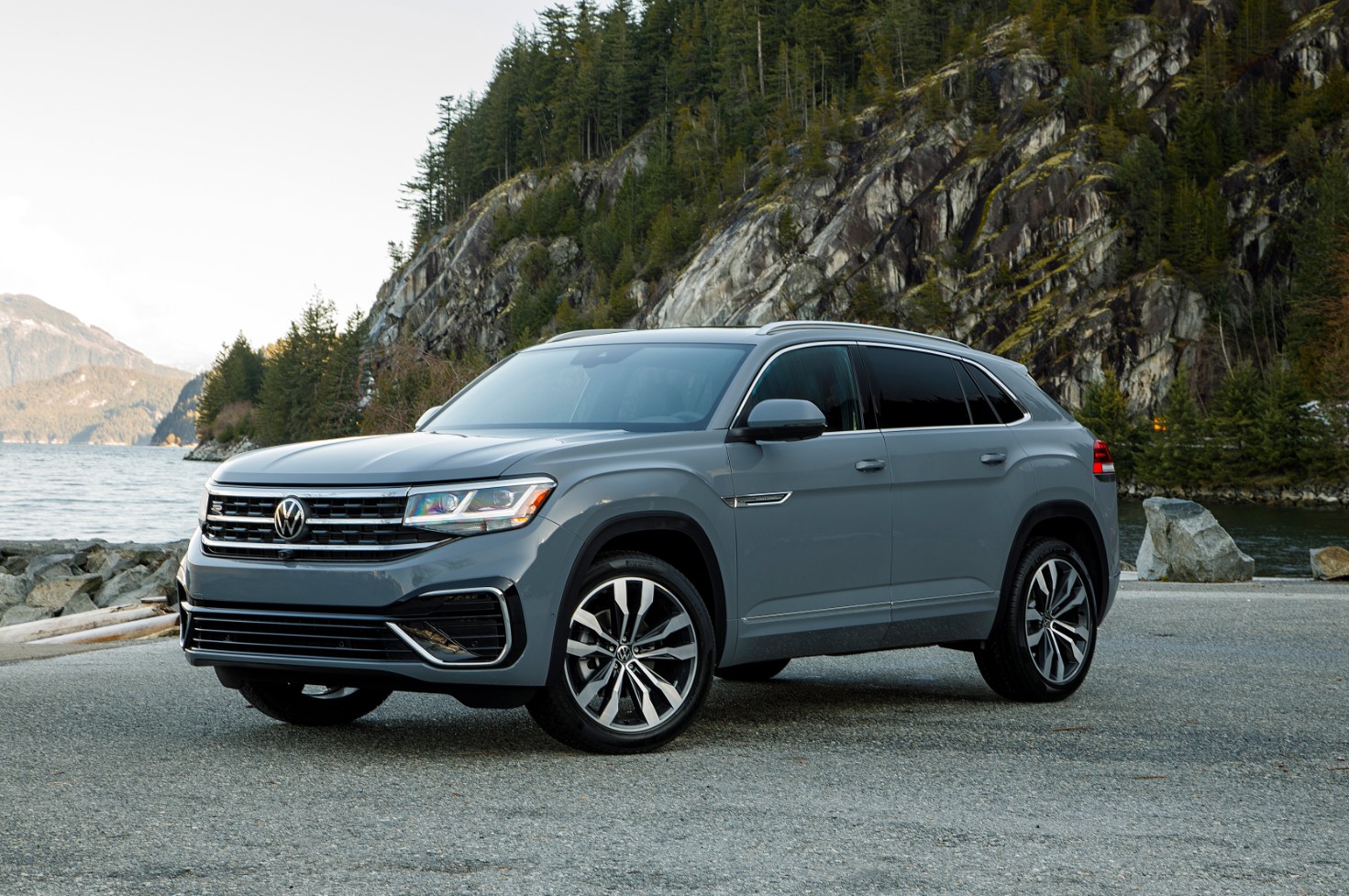
The Atlas Cross Sport takes a different approach. It retains two rows of seating and uses a more sloping roofline to create a sportier profile. Its shorter rear section and more sharply angled tailgate distinguish it from the regular Atlas.
The Cross Sport is approximately 5.4 inches shorter while sharing the same basic platform and wheelbase.
Both SUVs use Volkswagen’s updated MQB Evo architecture. This provides the foundation for their revised engineering, cabin packaging, and technology. The shared structure also allows the company to offer two different body styles without developing completely separate vehicles.
The new lighting design is among the most noticeable exterior changes. Stacked LED headlights and available illuminated light elements give the front end a distinctive appearance. At the rear, redesigned lamps and cleaner body surfaces help differentiate the new generation from the outgoing models.
Volkswagen has also revised the available wheel designs and exterior finishes. The Cross Sport receives its own styling details to emphasize its lower, more coupe-like roofline. Despite the visual differences, the two vehicles remain closely related underneath.
The joint Los Angeles appearance is significant because the models were introduced separately. Volkswagen first presented the redesigned Atlas earlier in 2026, while the Cross Sport was revealed in August. Their appearance together gives visitors a clearer view of how the automaker is positioning the two SUVs within the same family.
Interior Upgrades Bring Larger Screens and More Standard Equipment
Volkswagen has made substantial changes inside both SUVs, focusing on improved materials, additional technology, and a more premium cabin layout. The dashboard has been redesigned, with soft-touch surfaces and available decorative wood trim giving the interior a more upscale feel.
A 10.3-inch Digital Cockpit Pro instrument display is standard, providing configurable driving information ahead of the driver. The central infotainment screen measures 12.9 inches on the entry-level configuration, while higher versions receive a larger 15-inch display. The larger screen gives occupants more space for navigation, media, and vehicle settings.
Volkswagen has also changed the center console layout. The gear selector has been moved to the steering column, freeing up space for storage and charging functions.
Two wireless charging areas are available, while USB-C ports provide additional connectivity for passengers. A new Driver Experience Dial gives occupants physical control for functions such as audio volume and selected driving settings.
Comfort equipment has also received attention. Available features include massaging front seats, heated and ventilated seating, and upgraded upholstery.
The Atlas is designed to accommodate families across three rows, while the Cross Sport offers a more focused five-passenger cabin. Rear sunshades are now standard, giving passengers additional protection from sunlight.
The standard equipment list has expanded. Both models receive a power liftgate, an auto-dimming driver-side mirror, dual hatch lights, and front and rear Park Distance Control. A nine-speaker audio system is standard, while a 14-speaker Harman Kardon system is available on the highest trim.
Safety equipment has also been upgraded. A new front-center airbag brings the total to seven airbags. Volkswagen’s IQ.DRIVE driver-assistance package includes features such as adaptive cruise control, lane assistance, and blind-spot monitoring.
Travel Assist provides hands-on driving assistance, and the updated system can perform driver-initiated lane changes under suitable conditions.
The larger infotainment system also supports connected services and available generative AI voice assistance. Volkswagen is expanding its digital features to make navigation, vehicle functions, and entertainment easier to access. Some connected services may require a subscription, and availability can vary by trim.
These changes are important because the Atlas family competes in a segment where buyers increasingly expect large displays, practical storage, passenger comfort, and driver-assistance technology as part of the ownership experience.
Volkswagen’s expanded standard equipment gives the redesigned models a stronger feature list without changing their basic roles in the lineup.
More Power Under the Hood and U.S. Launch Details
Both 2027 models use Volkswagen’s updated EVO5 version of the EA888 2.0-liter turbocharged four-cylinder engine. It produces 282 horsepower and 258 lb-ft of torque, giving the SUVs 13 more horsepower than the previous generation. The engine uses direct fuel injection and a revised turbocharger to improve power delivery and efficiency.
An eight-speed automatic transmission with Tiptronic manual shifting sends power to the wheels. Front-wheel drive is standard, while Volkswagen’s 4Motion all-wheel-drive system is available across the lineup.
The company expects improved fuel economy from the updated powertrain, although buyers should check the final EPA figures for their chosen configuration.
The towing capacity remains an important part of the Atlas family’s appeal. When properly equipped, both SUVs can tow up to 5,000 pounds. That gives them the ability to handle small campers, recreational equipment, and trailers, although actual capacity depends on configuration and equipment.
The two models will reach dealerships on different schedules. The redesigned three-row Atlas went on sale in October 2026, with a starting MSRP of $41,610. Volkswagen has not yet announced final pricing for the 2027 Atlas Cross Sport. Its U.S. arrival is expected in early 2027, with additional pricing and equipment information to follow closer to launch.
Both vehicles are assembled at Volkswagen’s Chattanooga, Tennessee, manufacturing facility. Keeping production in the United States is significant for a model family aimed primarily at American buyers. The Atlas and Atlas Cross Sport have become important products for Volkswagen in a market where demand for midsize SUVs remains strong.
There are also longer-term plans for electrified versions. Volkswagen has indicated that hybrid powertrains are part of its future strategy for the Atlas family. However, the redesigned SUVs launch with the 2.0-liter turbocharged engine, and the company has not provided a confirmed arrival date or complete specifications for the hybrid versions.
The competition will remain demanding. The three-row Atlas faces established family SUVs such as the Honda Pilot, Toyota Highlander, and Kia Telluride.
The five-seat Cross Sport competes with vehicles including the Honda Passport, Chevrolet Blazer, and Jeep Grand Cherokee. Volkswagen’s approach is to offer shared engineering and powertrain technology while giving buyers a choice between a spacious three-row body and a sportier two-row design.
The Los Angeles Auto Show appearance will give the two redesigned SUVs a larger public showcase as Volkswagen prepares to expand their availability. The additional power, revised interiors, and expanded standard equipment represent meaningful updates, rather than a simple styling refresh.
Their success will depend on pricing, real-world fuel economy, and how well the new features perform against established rivals. For now, the 2027 Atlas family gives Volkswagen two updated choices in a segment that remains central to its American business.