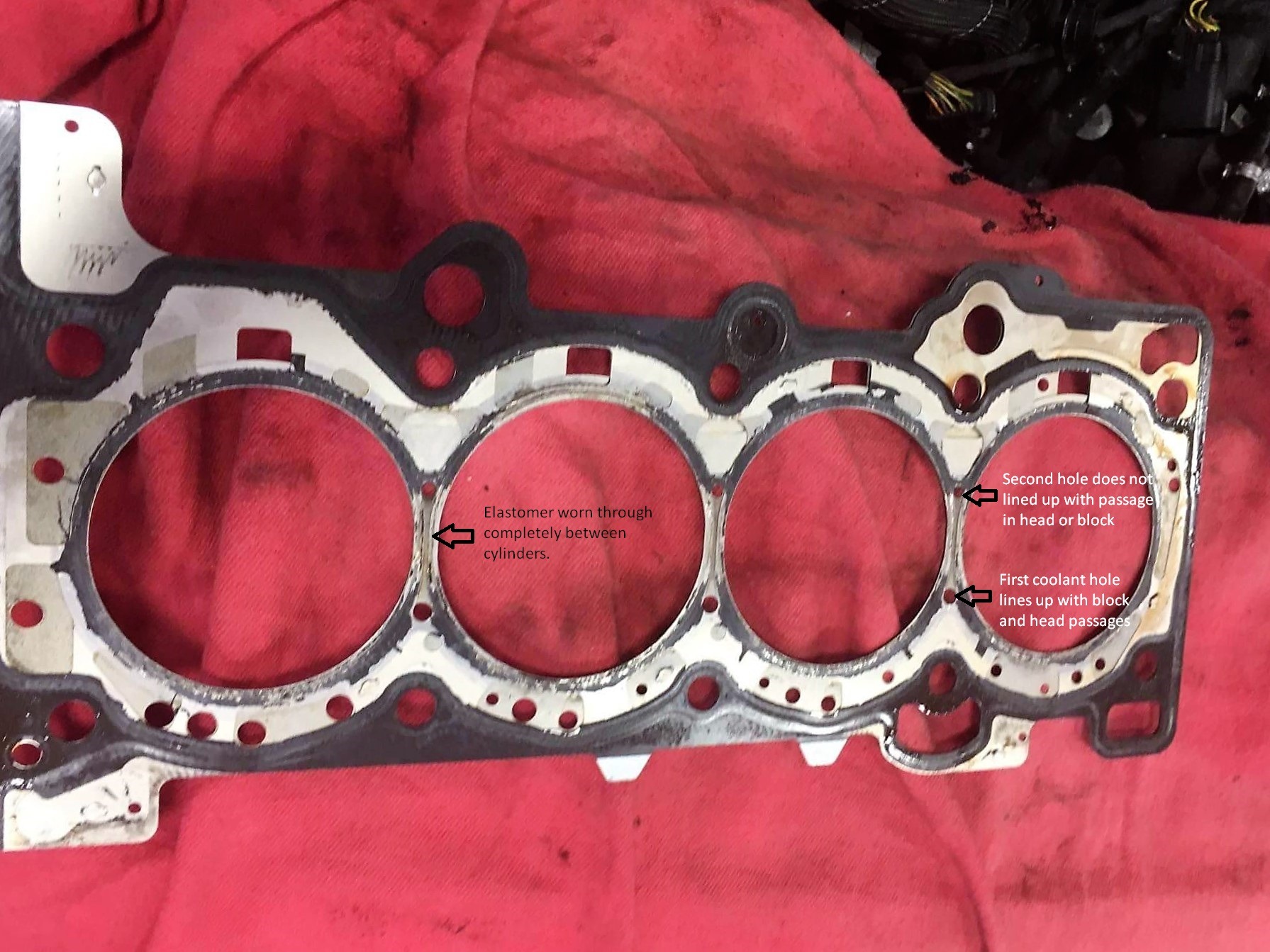
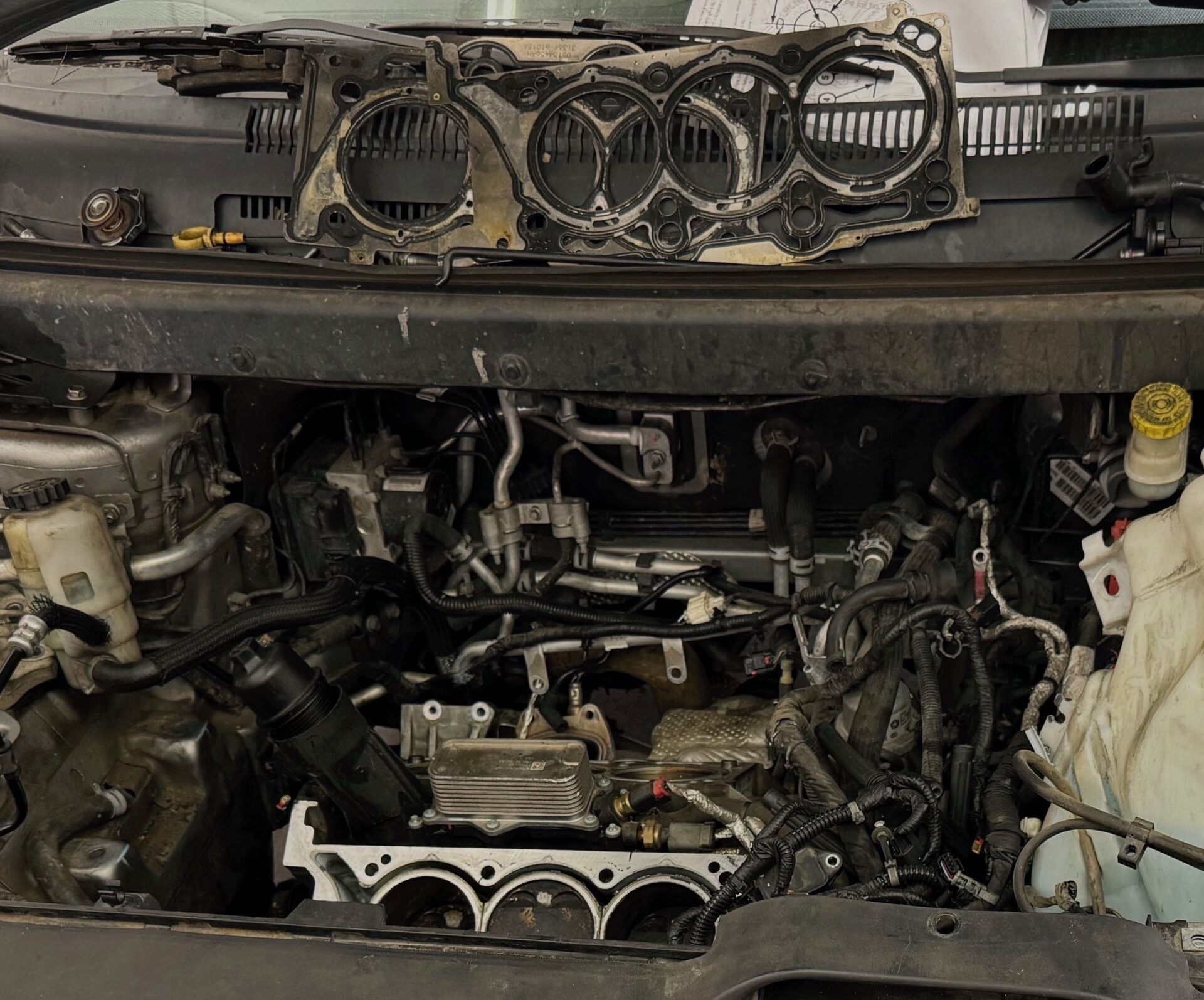
A healthy engine depends on several components working together, and the head gasket plays a bigger role than many drivers realize. It creates a tight seal between the engine block and cylinder head, keeping coolant, engine oil, and combustion pressure in their proper places. When this seal begins to weaken, your vehicle may start showing warning signs that are easy to mistake for ordinary engine trouble.
Ignoring these symptoms can lead to expensive repairs, severe engine damage, or even complete engine failure. The good news is that recognizing the early warning signs gives you a better chance of addressing the problem before it gets worse. Here are 10 signs your head gasket may be close to failing and what each one means for your vehicle.
1. Repeated Engine Overheating
An engine that keeps overheating deserves immediate attention, particularly when the cooling system appears to be functioning normally.
A weakening head gasket can allow combustion gases to enter the cooling passages, disrupting coolant circulation and reducing the system’s ability to regulate engine temperature.
You might notice the temperature gauge climbing into the red zone during ordinary driving, sitting in traffic, or traveling uphill. Sometimes, the temperature rises even after you’ve added fresh coolant.
This can happen because a damaged gasket allows coolant to escape internally or prevents the cooling system from maintaining proper pressure.
Pay attention if the problem keeps returning after repairs or coolant top-ups. A faulty thermostat, damaged water pump, clogged radiator, or failing cooling system component can also cause overheating, so the gasket should not be blamed without proper testing.
Never continue driving an overheating vehicle simply because it still runs. Pull over somewhere safe, switch off the engine, and allow it to cool.
Never remove a hot radiator cap because pressurized coolant can cause severe burns. Repeated overheating can damage the cylinder head and turn a manageable repair into an expensive engine job.
2. Thick White Exhaust Smoke
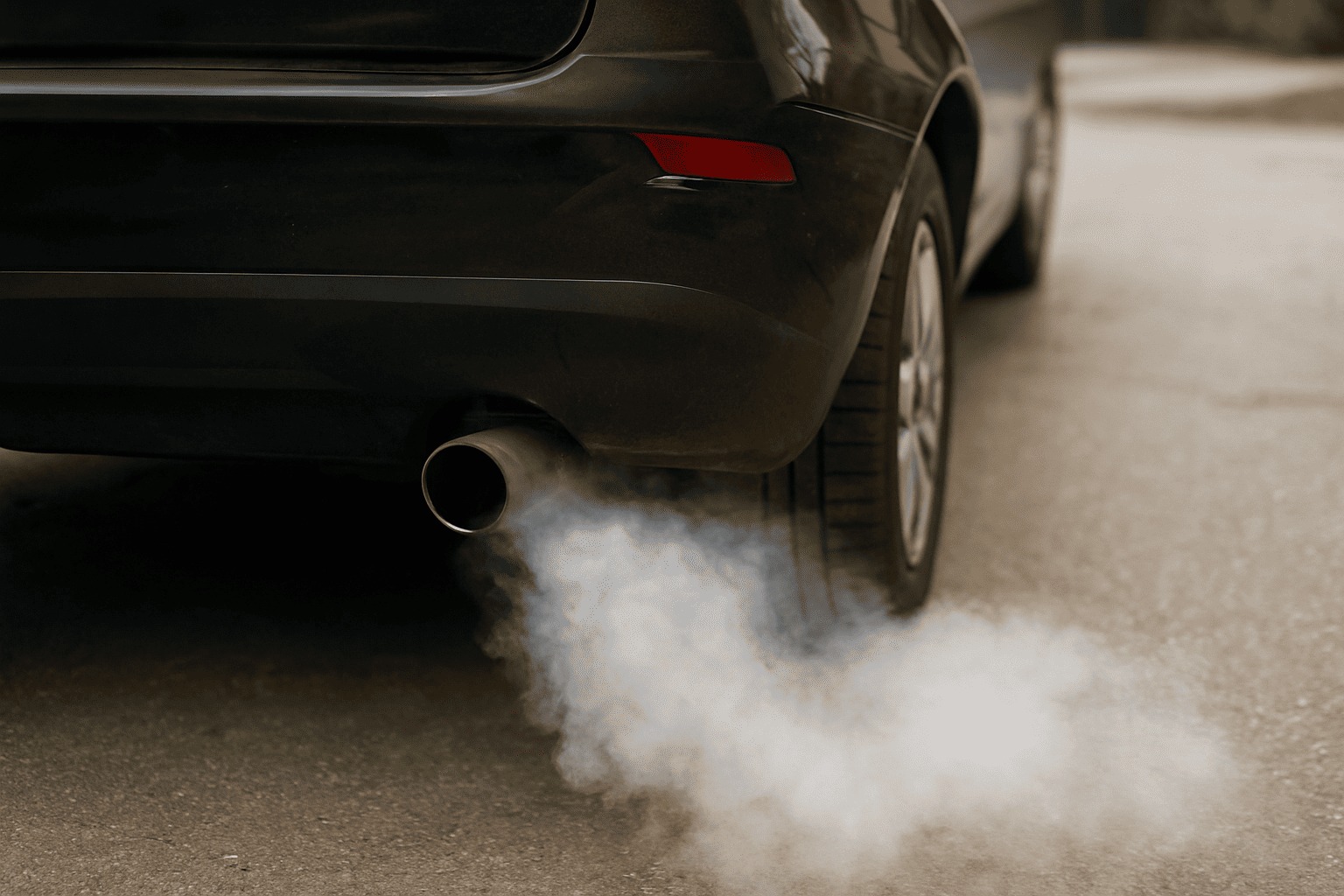
Have you noticed thick white smoke pouring from your vehicle’s exhaust pipe, even after the engine has warmed up? That could be a warning that coolant is entering one or more combustion chambers through a damaged head gasket.
During normal engine operation, coolant should remain inside its designated passages. When the gasket loses its seal, coolant may seep into a cylinder and mix with the combustion process.
As the engine burns this unwanted fluid, it produces white exhaust vapor that can become particularly noticeable during acceleration.
A little white vapor on a cold morning is usually nothing to worry about. Water condensation naturally collects inside the exhaust system and disappears as the engine reaches operating temperature. The concern arises when the smoke remains thick and persistent after the vehicle has warmed up.
You may also notice that the exhaust becomes unusually dense when you press the accelerator. In some cases, the coolant level drops at the same time, providing another clue that an internal leak may be present.
Do not dismiss persistent white smoke as harmless condensation. Have a qualified mechanic inspect the cooling system and perform a combustion leak test to determine whether the head gasket is allowing coolant into the engine.
3. Sweet Exhaust or Coolant Odor
Sometimes, your nose notices an engine problem before your eyes do. A failing head gasket can produce a distinctive sweet smell when coolant escapes into a hot engine area or enters the combustion chambers.
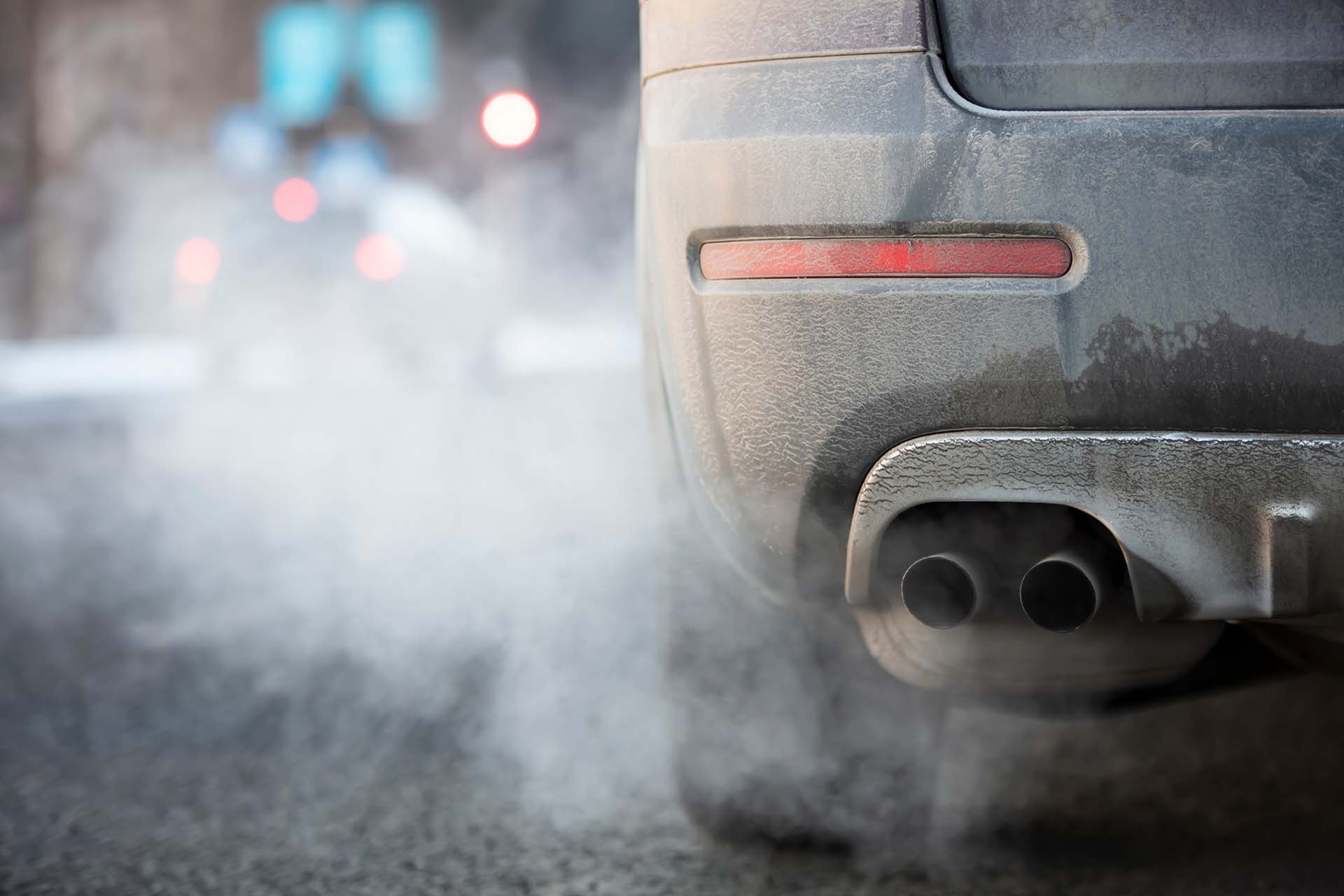
Most automotive coolants contain glycol-based ingredients that create a recognizable, sugary odor. If coolant leaks internally and burns inside the engine, some of that smell may travel through the exhaust pipe.
You might notice it while standing behind your vehicle, particularly after starting the engine or accelerating. There is another possibility worth considering.
Coolant can escape externally through a weakened gasket and reach hot engine surfaces. When this happens, the liquid evaporates and produces a sweet odor under the hood.
However, a sweet smell does not automatically mean your head gasket is damaged. A leaking radiator, loose hose connection, faulty coolant reservoir, or worn heater core can produce similar symptoms.
The important thing is to pay attention when the odor appears alongside other warning signs, such as overheating, unexplained coolant loss, or persistent white exhaust smoke.
Avoid leaning over a hot engine to locate the smell. Instead, arrange a cooling system inspection and ask your mechanic to check for internal and external coolant leaks. Early attention can prevent a small leak from becoming a much larger engine problem.
4. Unexplained Coolant Loss
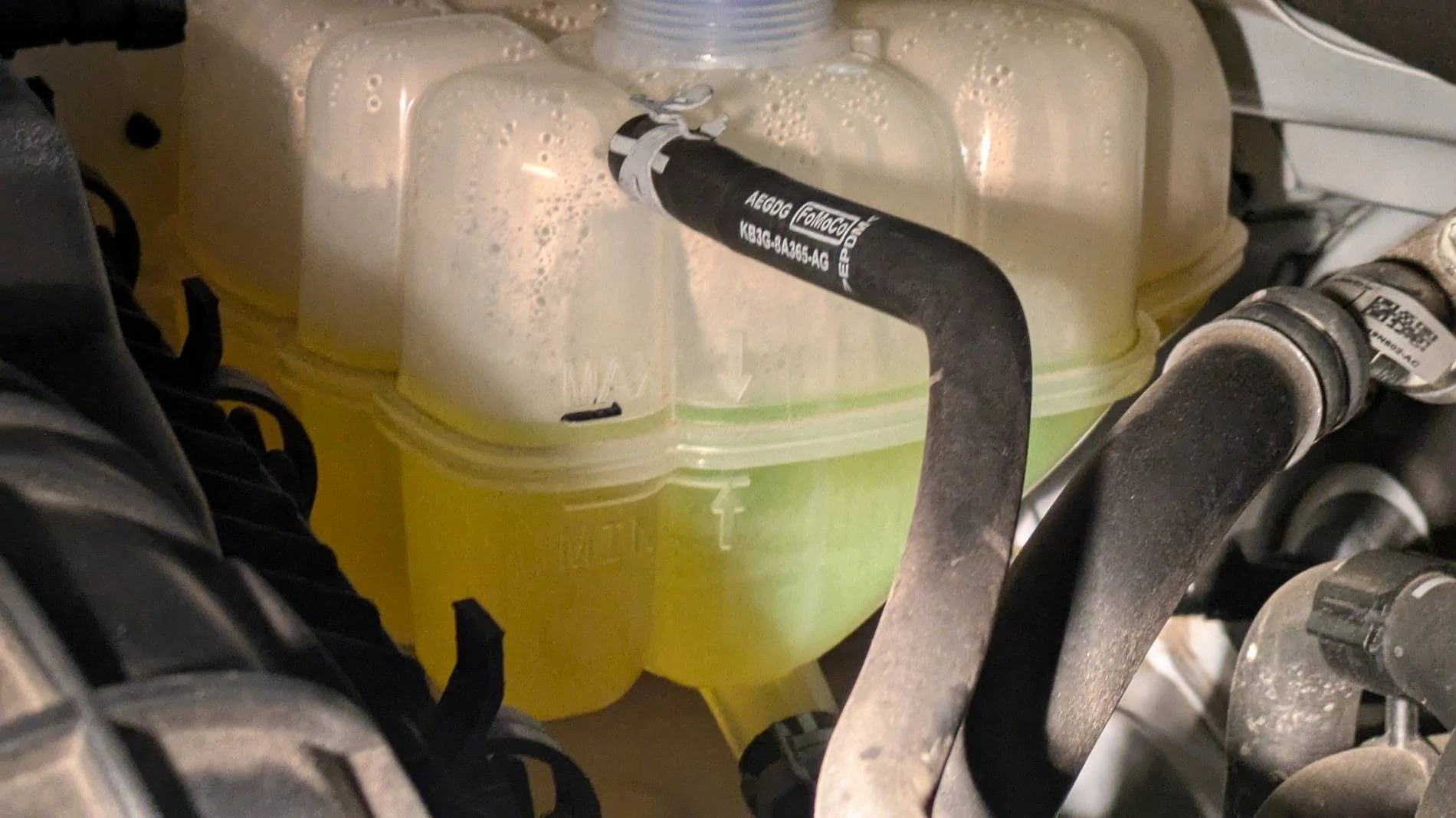
Your vehicle’s cooling system is designed to circulate coolant repeatedly, so the fluid level should remain relatively stable under normal operating conditions.
If you find yourself adding coolant every few days or weeks without seeing a leak beneath the vehicle, a failing head gasket may be responsible.
A damaged gasket can create a passage between the coolant channels and combustion chambers. This allows coolant to enter the cylinders, where it gets burned and exits through the exhaust.
Since the liquid disappears internally, you may never see a puddle in your driveway or parking space. Check the coolant reservoir when the engine is completely cold.
If the level repeatedly falls below the recommended mark, take the change seriously. You should also pay attention to whether the engine temperature rises more frequently than usual.
Of course, several other problems can cause coolant loss. A cracked radiator, deteriorated hose, loose clamp, leaking water pump, or damaged reservoir can allow coolant to escape without producing an obvious puddle.
A cooling system pressure test can help identify the source of the problem. Your mechanic may also perform a combustion gas test to determine whether exhaust gases are entering the coolant passages.
Avoid treating frequent coolant top-ups as a permanent solution. Adding fluid may temporarily restore the correct level, but it will not repair a damaged gasket or prevent further internal leakage.
5. Milky or Frothy Engine Oil
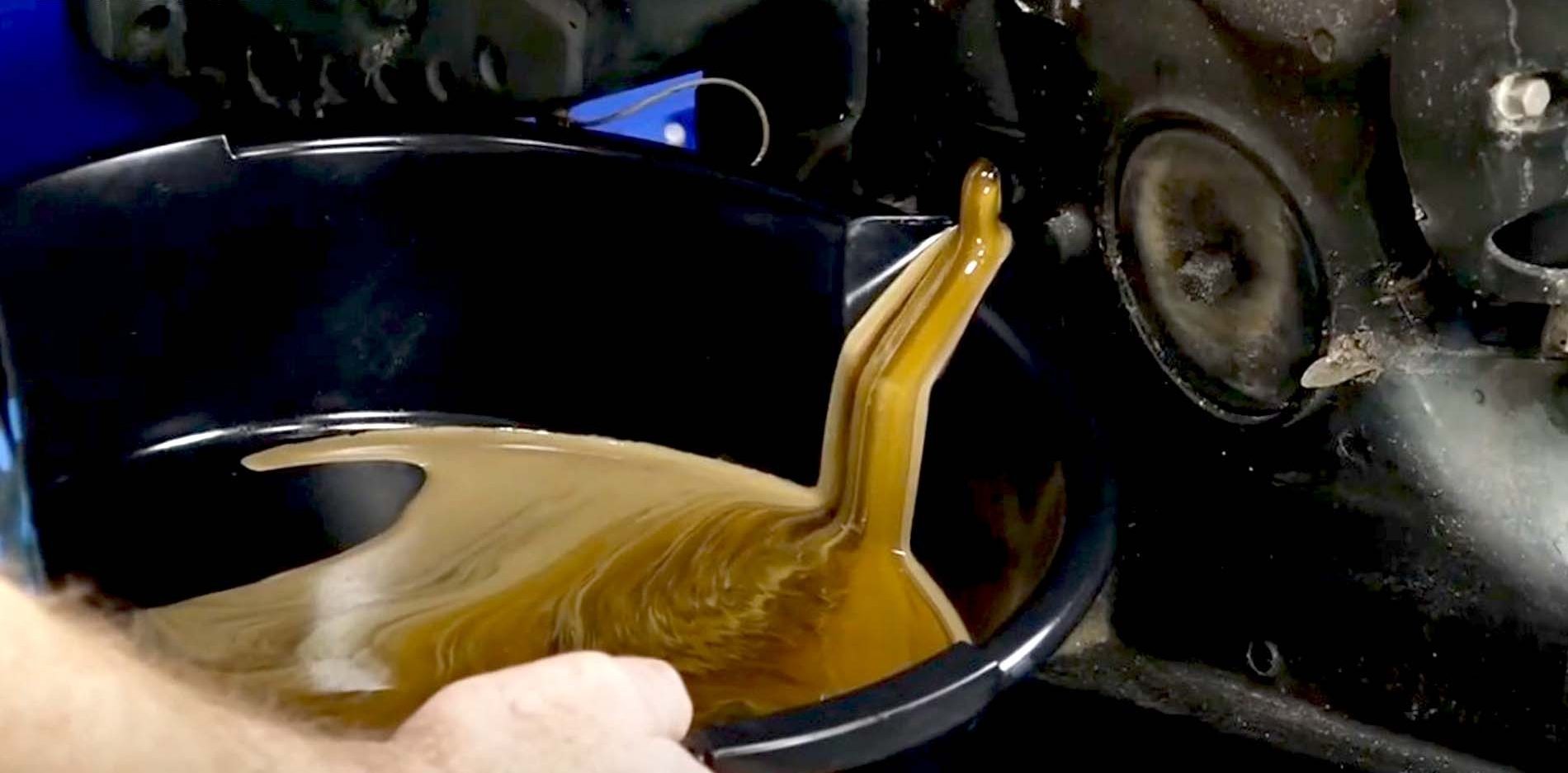
Healthy engine oil usually has an amber, brown, or dark appearance, depending on its age and condition. When coolant mixes with engine oil, however, the lubricant can develop a creamy, frothy, light brown appearance that resembles a milkshake.
This unusual texture is a warning that something may be allowing two fluids that should remain separate to mix. A damaged head gasket can create an opening between the coolant passages and oil passages, allowing coolant to contaminate the engine lubricant.
You can look for this symptom by checking the dipstick or examining the underside of the oil filler cap. A thick, pale residue may indicate moisture contamination, especially when accompanied by coolant loss or engine overheating.
It is important to note that a small amount of creamy buildup underneath the oil filler cap does not necessarily indicate a blown head gasket. Engines in vehicles that are frequently driven on short trips can accumulate internal condensation, which may create a similar residue.
However, milky oil on the dipstick, a rising oil level, or widespread creamy contamination deserves immediate investigation.
Coolant-contaminated oil cannot provide proper lubrication. Continued engine operation may damage bearings, crankshaft surfaces, and other internal components.
If you suspect coolant has entered the crankcase, avoid driving the vehicle until a mechanic has inspected it and confirmed whether the oil needs replacement and the source of contamination has been repaired.
6. Bubbling in the Radiator or Expansion Tank
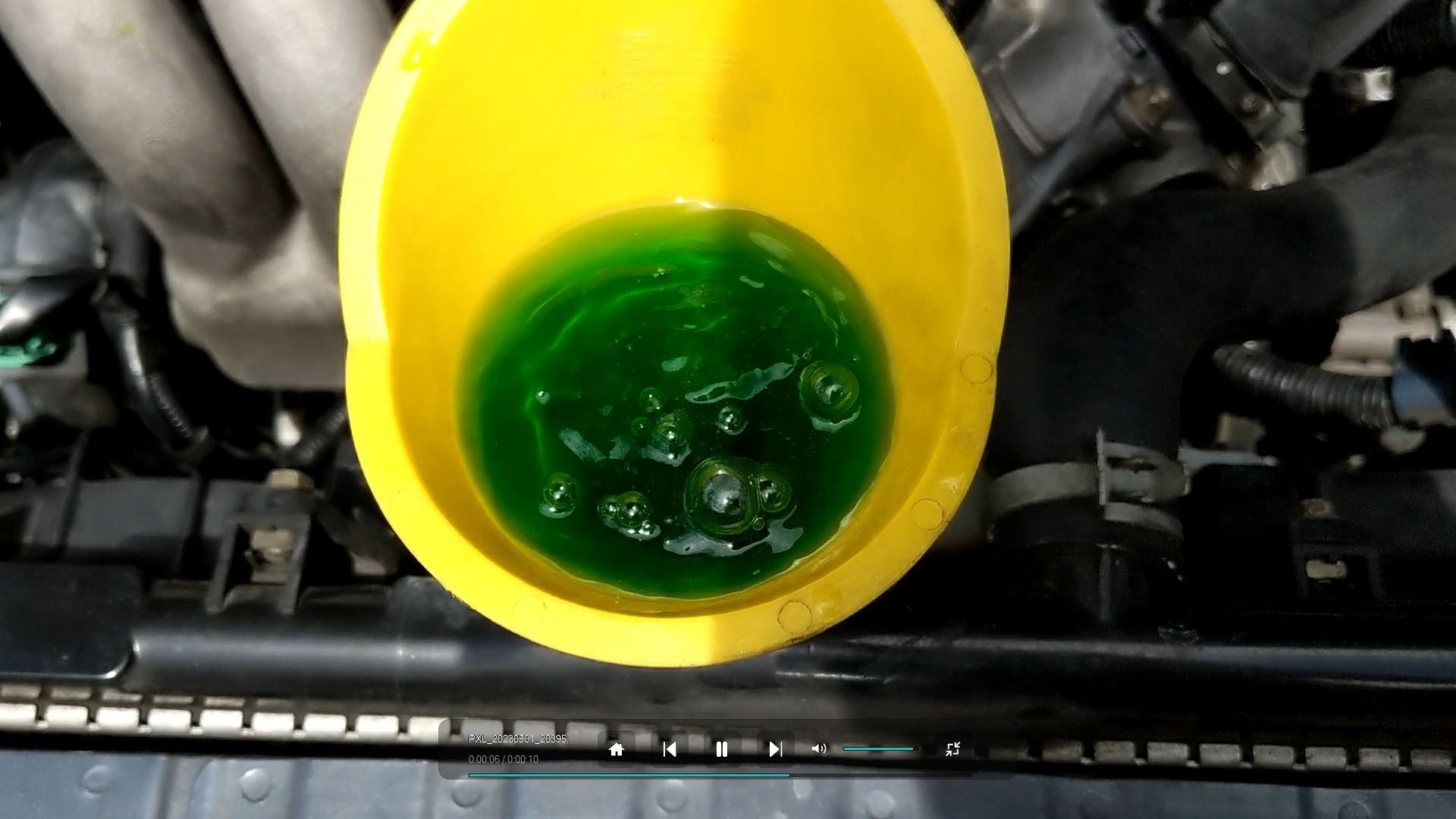
Your vehicle’s cooling system should circulate liquid without producing a continuous stream of combustion-related bubbles. If you notice repeated bubbling, gurgling, or unusual pressure inside the coolant reservoir, a damaged head gasket could be allowing exhaust gases into the system.
During combustion, the engine cylinders generate significant pressure. The head gasket is designed to keep these gases contained and prevent them from entering the surrounding coolant passages. However, when the gasket becomes damaged, combustion gases can escape past the seal and enter the cooling system.
This unwanted pressure may force air-like bubbles through the coolant reservoir. You might also notice that the hoses become unusually firm or that coolant gets pushed out of the overflow system.
A few bubbles during certain cooling system operations do not necessarily indicate a gasket problem. Trapped air following a coolant replacement can also cause bubbling. A faulty radiator cap or other cooling system issue may contribute to unusual pressure behavior.
The warning becomes more concerning when bubbling continues during engine operation and appears alongside overheating, coolant loss, or white exhaust smoke.
A mechanic can use a chemical combustion leak tester to check for exhaust gases in the coolant. This test helps establish whether combustion pressure is entering the cooling system through a damaged gasket.
Do not remove the radiator cap while the engine is hot to inspect bubbling. The pressurized liquid can spray out and cause serious injuries. Leave the inspection to someone equipped to perform it safely.
7. Oil Floating in the Coolant
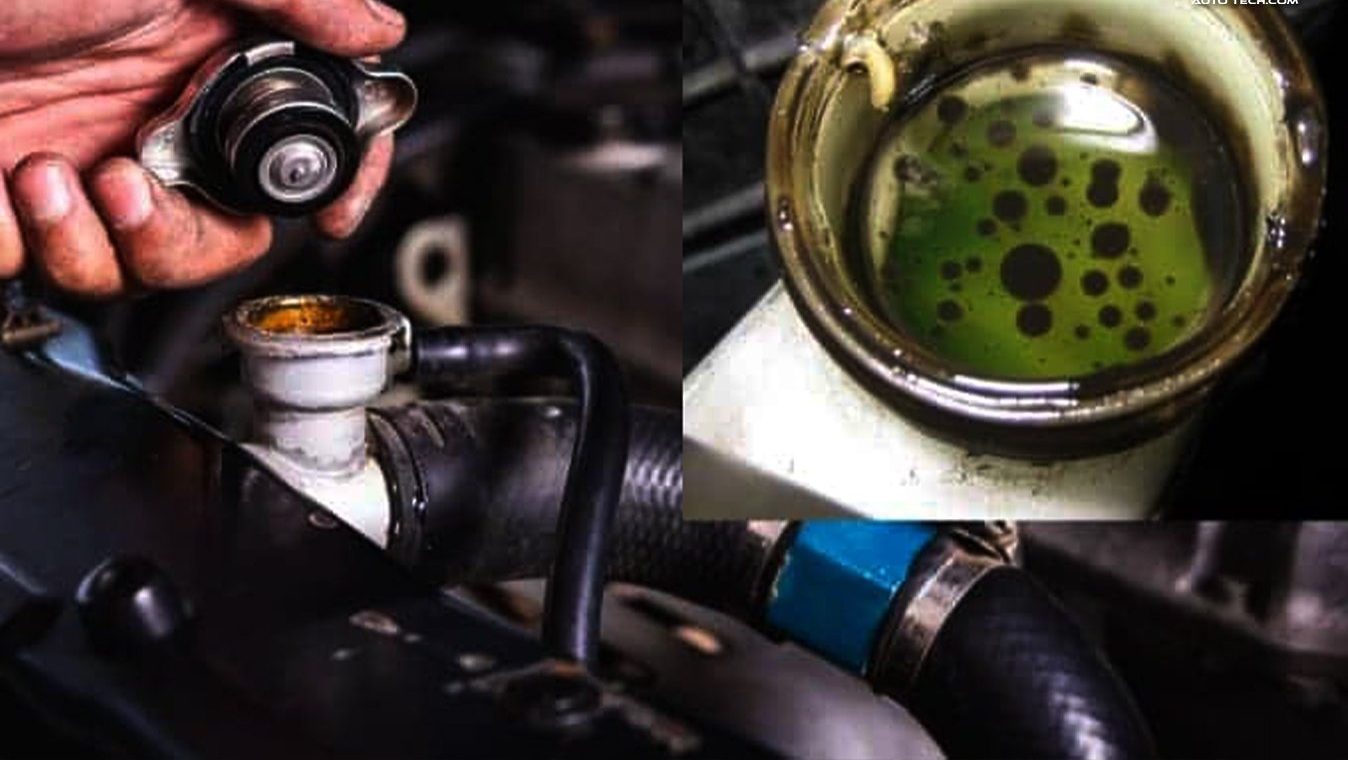
When you inspect your vehicle’s coolant reservoir and notice a greasy film floating on the surface, it may indicate that engine oil is entering the cooling system. This is another possible symptom of a failing head gasket.
The gasket separates several internal engine passages, including those carrying oil and coolant. If its sealing surface becomes damaged, the pressure difference between these passages can force oil into the cooling system.
The result may appear as a dark brown, black, or rainbow-colored film on top of the coolant. In some cases, you may find thick, greasy deposits around the reservoir walls or inside the radiator.
This problem should not be confused with ordinary dirt or old coolant discoloration. Oil contamination often produces a slippery texture that remains visible even when the coolant is moving through the system.
There are other possible sources of oil contamination, depending on the vehicle’s design. A failed engine oil cooler, for example, can allow oil and coolant to mix without a damaged head gasket.
A professional inspection is therefore necessary before deciding which component needs replacement.
Avoid simply flushing the cooling system and continuing to drive. If the source of contamination remains untreated, fresh coolant can quickly become contaminated again.
Oil inside the cooling system can also interfere with heat transfer and damage rubber hoses and other components.
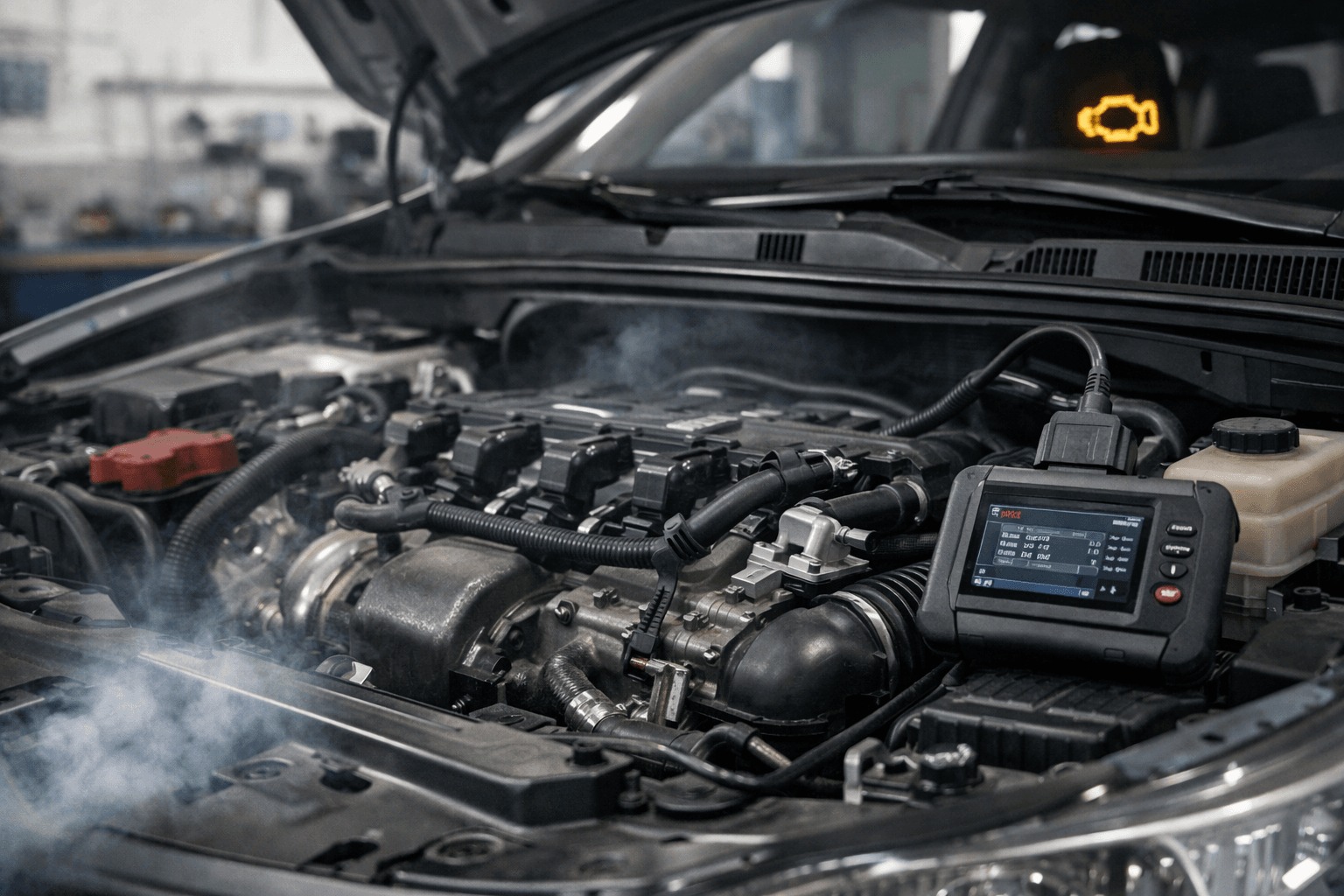
8. Engine Misfires or Rough Idling
An engine should run smoothly when sitting at a stoplight or idling in your driveway. If it begins shaking, vibrating, stumbling, or struggling to maintain a steady idle, a damaged head gasket could be affecting combustion.
One way this happens is through coolant entering a cylinder. The unwanted liquid interferes with the normal air-fuel combustion process, making it difficult for that cylinder to produce consistent power.
Another possibility involves combustion pressure escaping between neighboring cylinders through a damaged gasket. When the engine cannot maintain proper compression, its cylinders may stop contributing equally to engine performance.
You might notice that the problem is particularly obvious during cold starts. The engine may shake for several seconds, hesitate when you press the accelerator, or produce an uneven exhaust sound.
Misfires can also trigger the check engine light. Depending on the vehicle, a diagnostic scan may reveal misfire-related trouble codes, although these codes cannot independently confirm head gasket damage.
Other potential causes include worn spark plugs, defective ignition coils, faulty fuel injectors, vacuum leaks, and compression problems unrelated to the gasket.
A compression test and cylinder leak-down test can help identify whether the engine is losing pressure through a damaged sealing surface.
Don’t ignore repeated misfires. Unburned fuel can damage the catalytic converter, while coolant entering a cylinder can cause further internal engine damage.
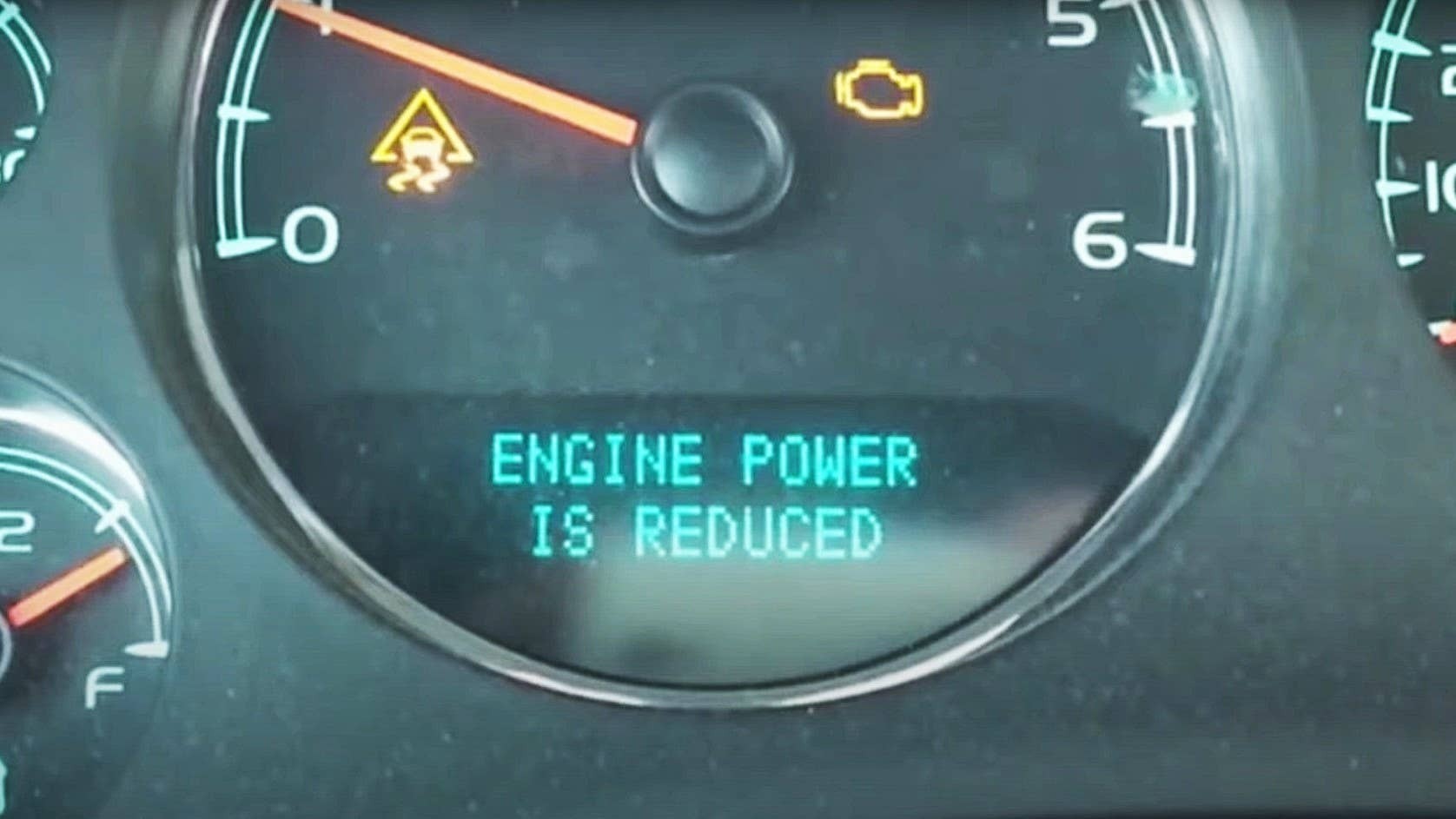
9. Loss of Engine Power and Acceleration
Does your vehicle feel weaker than usual when climbing hills, merging onto highways, or accelerating from a complete stop? A failing head gasket may be responsible for the reduced performance.
For an engine to produce power, each cylinder needs to maintain adequate compression during its combustion cycle. The head gasket helps preserve that pressure by sealing the connection between the cylinder head and engine block.
When the gasket develops a leak, some of the pressure escapes instead of contributing to the combustion process. As cylinder compression drops, the engine may struggle to generate its usual power.
You could experience sluggish acceleration, poor throttle response, or difficulty maintaining speed under load. In some cases, the engine may run unevenly because one or more cylinders are no longer producing enough power.
The severity depends on the location and extent of the gasket damage. A small leak may produce subtle performance changes, while a larger opening can cause obvious power loss and rough operation.
However, reduced acceleration is not exclusive to head gasket failure. A clogged fuel filter, dirty air filter, malfunctioning mass airflow sensor, restricted exhaust system, or failing fuel pump can create similar driving symptoms.
A compression test can help determine whether the cylinders are producing adequate pressure. Your mechanic may also inspect ignition, fuel delivery, and air intake components to rule out other causes.
If the vehicle suddenly loses power, overheats, or develops heavy exhaust smoke, stop driving when safe and arrange professional assistance.
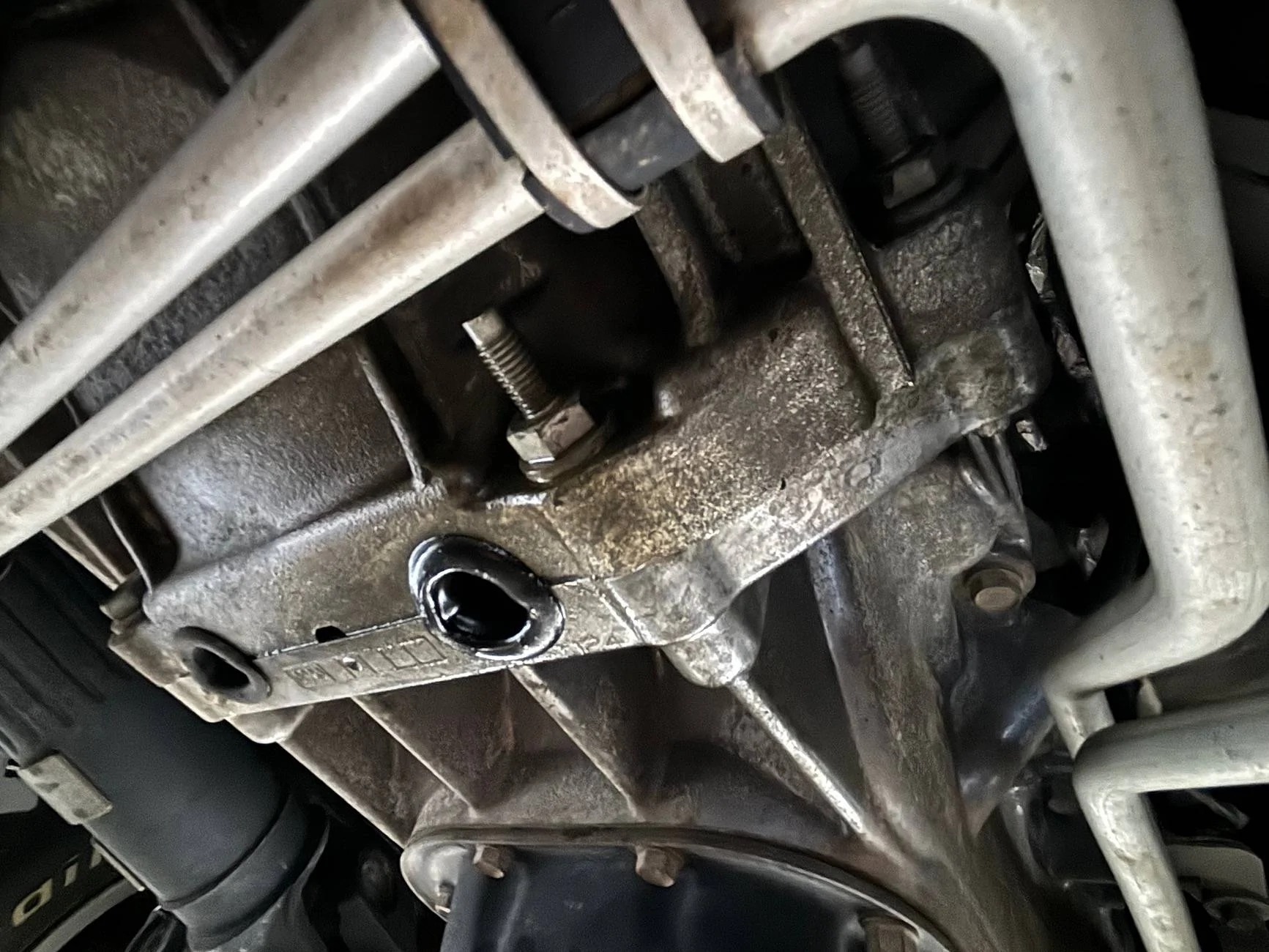
10. External Oil or Coolant Seepage Along the Block
Sometimes, a failing head gasket leaves visible evidence on the outside of the engine. Instead of losing coolant or oil internally, the damaged sealing surface may allow fluids to escape through the joint between the cylinder head and engine block.
Look for damp areas, oily streaks, or dried coolant residue around the perimeter of the engine where these two major components meet. Depending on the location of the leak, you might also notice fluid collecting on nearby engine surfaces.
Coolant leaks may leave colored deposits, while engine oil usually produces dark, greasy patches. The appearance depends on the type of fluid and the condition of the surrounding surfaces.
External gasket leaks can develop gradually. At first, the seepage may be small enough to leave only a slight stain. As the sealing material deteriorates, the leak may become more obvious and lead to falling fluid levels.
Still, not every leak around the cylinder head comes from the head gasket. Valve cover gaskets, nearby hoses, oil seals, and other engine components can leak onto the same area, making the source difficult to identify visually.
A mechanic can clean the affected surface and inspect it for fresh leakage. A cooling system pressure test may also help locate coolant escaping from the engine.
Take visible seepage seriously, especially when it appears alongside overheating or unexplained fluid loss. Addressing the leak early may help protect the engine from further damage and prevent a more expensive repair.