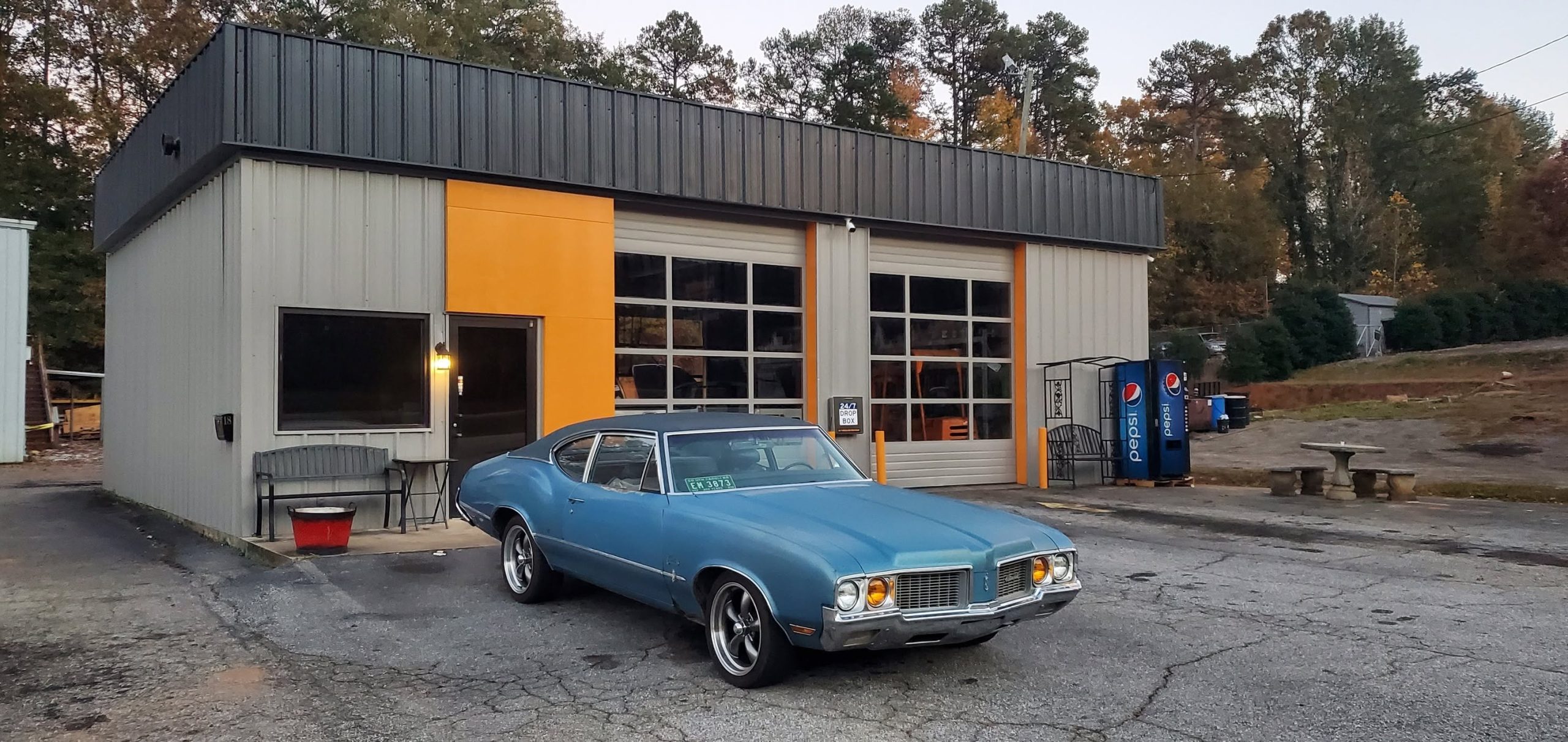
Getting an oil change should be a simple part of vehicle maintenance, but not every car can be serviced at a quick-lube shop. Some vehicles require specialized equipment, manufacturer-approved fluids, unique filter replacements, or technicians with experience handling high-performance engines. For a shop that handles mostly everyday vehicles, working on certain models can introduce unnecessary risks.
Exotic sports cars, vintage automobiles, heavily modified trucks, and rare collector vehicles often fall into this category. While some quick-lube locations may accept these cars, others prefer to decline the job rather than risk damaging an expensive engine.
Knowing which vehicles may be turned away can help owners find the right service provider before scheduling an appointment. Here are 10 types of cars that quick-lube shops may refuse to service and the reasons behind their decisions.

1. Exotic Sports Cars (Ferrari 488, Lamborghini Huracán, McLaren 720S)
Owning an exotic sports car requires proper maintenance and careful handling, as these expensive machines are designed differently from ordinary passenger vehicles.
Models such as the Ferrari 488, Lamborghini Huracán, and McLaren 720S come with specially engineered engines, advanced lubrication systems, and manufacturer-approved servicing requirements.
For this reason, maintaining them requires more technical knowledge than what is needed for everyday cars. Many quick-lube shops may not have the right equipment, suitable engine oil, or trained technicians to service these high-performance vehicles properly.
Some models also have oil filters and drain plugs positioned in difficult areas, making a routine oil change more demanding. Without the correct tools and technical information, completing the job safely can become a problem.
Another issue is the cost of making a servicing mistake. Using the wrong engine oil, fitting an unsuitable filter, or failing to follow the manufacturer’s instructions could damage important engine components.
Repairs on exotic sports cars can cost thousands of dollars, so many quick-lube businesses prefer to avoid jobs they are not properly equipped to handle.
For owners who want their vehicles to remain in good condition, authorised dealerships and experienced exotic car mechanics are better options.
These professionals understand the engineering behind each model and know which replacement parts, lubricants, and servicing procedures are suitable.
Taking the car to a qualified specialist helps reduce the risk of unnecessary damage and keeps the vehicle performing as expected.

2. Classic and Vintage Cars (Ford Mustang 1965, Chevrolet Bel Air, Jaguar E-Type)
Taking a vintage automobile to an ordinary quick-lube shop may not be the best decision, as older vehicles often require special attention during routine maintenance.
Models such as the 1965 Ford Mustang, Chevrolet Bel Air, and Jaguar E-Type were built using mechanical systems that differ from those found in modern cars. Their engines, lubrication arrangements, and replacement parts may require specific servicing methods.
Some classic vehicles need particular engine oil formulations and filters to keep their engines running properly. Others may have undergone restoration, with replacement engines, modified components, or aftermarket parts installed by previous owners.
These changes can make it difficult for an inexperienced technician to determine the correct servicing requirements. Getting the right replacement parts is another challenge.
A quick-lube technician may not have access to suitable filters or enough technical information to identify the correct products for an older model. Using an unsuitable filter or engine oil could affect engine performance and cause damage that may be expensive to repair.
Age-related wear also makes routine servicing more delicate. Old drain plugs may be difficult to remove, rubber seals can become brittle, and worn threads may create problems when replacing components.
A small mistake during an oil change could lead to additional repairs. Owners of classic automobiles should consider taking their vehicles to mechanics who specialise in vintage models.
Such professionals understand older engine designs, know how to source appropriate replacement parts, and can carry out maintenance with the attention these valuable vehicles deserve.
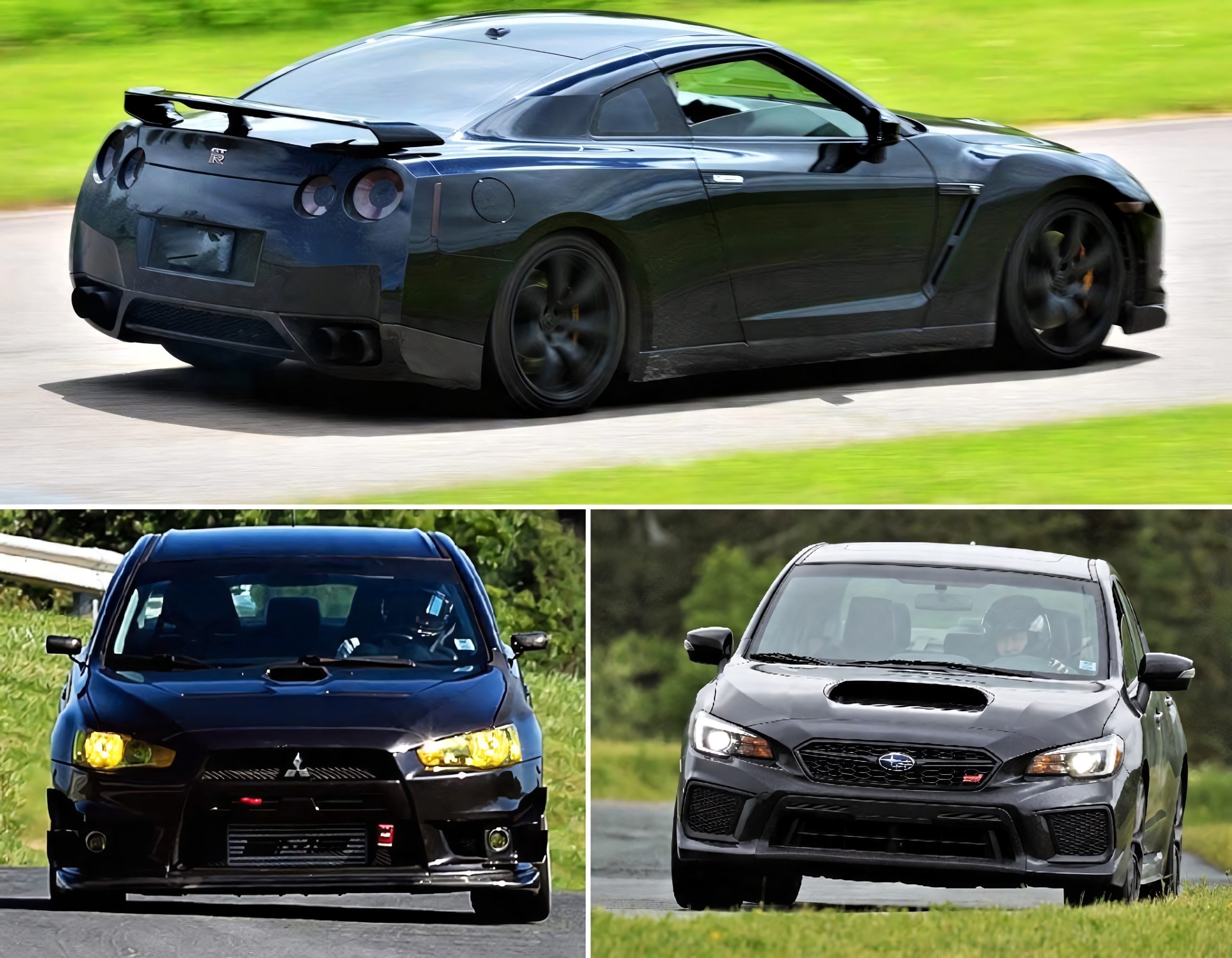
3. Modified Performance Cars (Nissan GT-R, Subaru WRX STI, Mitsubishi Lancer Evolution)
You added a bigger turbo, tuned the engine, and maybe upgraded the exhaust. Congratulations, your car now confuses every standard service chart.
Modified performance cars such as the Nissan GT-R, Subaru WRX STI, and Mitsubishi Lancer Evolution often run higher boost, hotter temperatures, and different oil demands than their stock versions.
A quick-lube shop cannot know exactly what has been changed, and guessing is a risky business. They may be unsure about the right oil viscosity or filter, and they usually lack time for a deeper conversation.
Some shops also avoid modified vehicles to limit liability, since a failure after service could be blamed on their work. Look for a tuning shop or a performance specialist instead.
They understand how modifications affect lubrication, and they can recommend oil designed for heavy loads. Be ready to share a list of upgrades, along with your driving habits.
Track days and spirited mountain drives call for shorter change intervals than commuting does. Ask about oil analysis, a lab test that shows how your oil is holding up and whether the engine is wearing abnormally.
It costs little and can reveal problems before they become disasters. Performance cars reward owners who treat maintenance seriously. The right shop becomes a partner in keeping your build fast and healthy.

4. Luxury European Cars (BMW 7 Series, Mercedes-Benz S-Class, Audi A8)
Luxury sedans feel effortless on the road, but under the hood, they are packed with precision. The BMW 7 Series, Mercedes-Benz S-Class, and Audi A8 often demand specific oil approvals, such as manufacturer-certified specifications, rather than generic products from the shelf.
Using the wrong oil can harm emissions equipment, upset sensors, and even affect warranty coverage. Many of these vehicles also have service reminders that must be reset with specialized tools, and some use undertrays and covers that take time to remove.
Quick-lube shops, built around speed, may lack both the right oil and the right procedure. A skipped reset can leave the dashboard nagging you or, worse, hide the next service interval.
Choose a dealer or an independent European specialist who uses factory-approved oil and keeps proper records. Ask to see the oil container and confirm it carries the approval listed in your owner’s manual.
Request a printed receipt that lists the oil type and quantity. If your car is under warranty, keep documentation of every service, since manufacturers may ask for proof.
Many specialists charge less than dealers while offering similar expertise, so shop around. A luxury sedan is a major investment, and a proper oil change is a small price to pay to protect it. Smooth rides begin with careful maintenance.

5. High-Performance Supercars (Bugatti Chiron, Porsche 911 GT3, Lamborghini Aventador)
Few vehicles sit as far from a quick-lube bay as a Bugatti Chiron. This machine and others like the Porsche 911 GT3 and Lamborghini Aventador push extreme power through engines built to tight tolerances.
Oil volumes can be large, filters can be unusual, and the procedures sometimes require specialized equipment. A Chiron’s service involves far more than a drain and refill, and the costs reflect that.
Most quick-lube operations simply do not stock the correct oil, lack the training, and refuse the risk. Even a GT3, which may seem more accessible, uses track-ready engineering that deserves expert hands.
Owners should plan on dealer service or a trusted specialist with factory training. Many manufacturers offer maintenance programs, and some include mobile service, meaning technicians come to you. Ask about those options.
Keep a careful record of every visit, because collectors and future buyers pay attention to service history. If you take the car to the track, discuss oil change frequency and fluid checks with your technician.
Consider storage needs too, since supercars that sit unused still need fresh fluids. Think of the maintenance cost as part of the ownership experience. Spending a little extra on proper service keeps a rare machine ready for the road and protects the value of a very large investment.

6. Heavily Modified Diesel Cars (Ford F-250 Power Stroke, Ram 2500 Cummins, Chevrolet Silverado Duramax)
Diesel trucks are tough, but heavily modified ones can be tricky. A Ford F-250 Power Stroke, Ram 2500 Cummins, or Chevrolet Silverado Duramax may carry large oil capacities, special filters, and upgraded parts such as bigger turbos, tuners, or deleted emissions equipment.
Many quick-lube shops hesitate to touch these trucks. Capacity is a major issue, since diesel engines can hold well over a dozen quarts, and the wrong amount can cause serious trouble.
Modified engines may also need oil formulated for heavy-duty use, with different viscosity or additive levels. A shop that follows a standard chart might choose incorrectly.
There is also a legal and liability angle, because certain emissions modifications can create problems for shops that service the vehicle. Instead, find a diesel specialist who understands your setup.
They will know the right oil, the correct filter brand, and how to check for soot loading or fuel dilution. Ask about oil analysis, which is especially helpful on hard-working trucks that tow heavy loads.
Keep records, and follow shorter intervals if you tow often or idle for long periods. Do not forget fuel filters and other fluids, which also affect diesel health.
A truck that pulls heavy trailers deserves service from someone who respects its workload. Taking the extra step keeps that engine pulling for years.
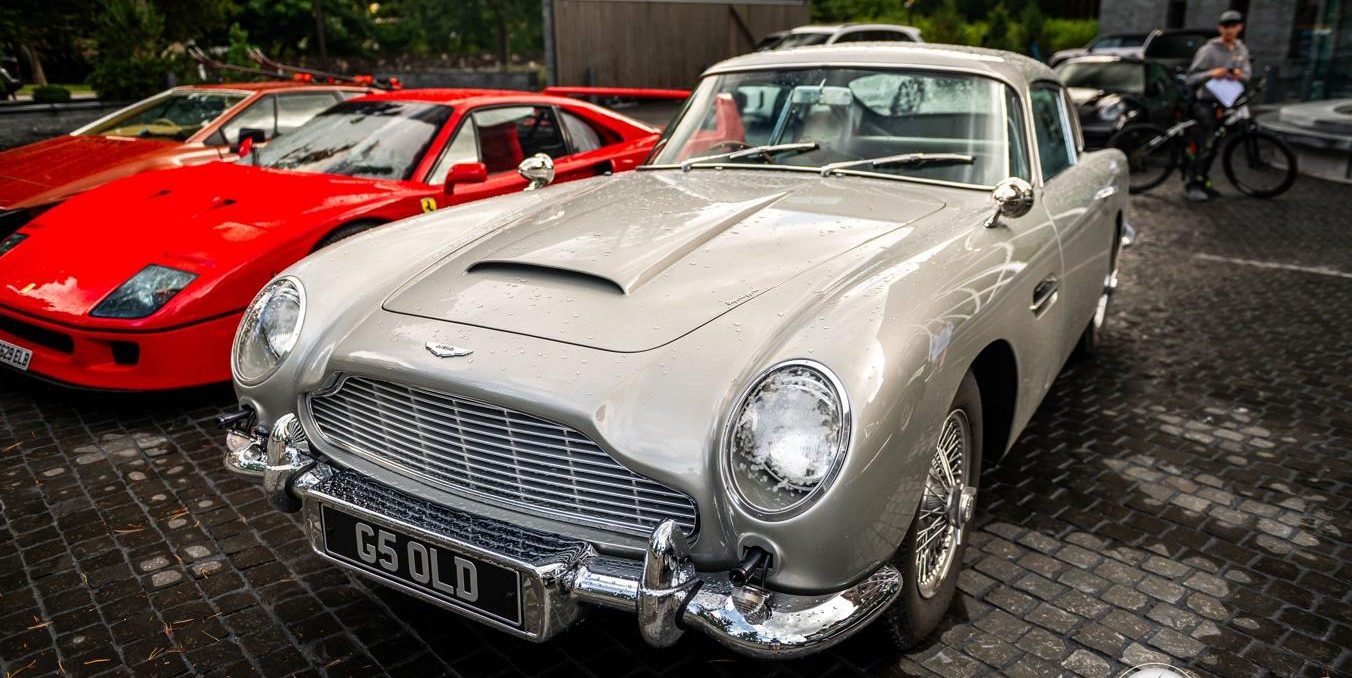
7. Rare Collector Cars (Toyota 2000GT, Ferrari F40, Aston Martin DB5)
Some cars are less like vehicles and more like moving museum pieces. A Toyota 2000GT, Ferrari F40, or Aston Martin DB5 might be worth hundreds of thousands, or even millions, of dollars.
Quick-lube shops understandably avoid them, because a single mistake could cause damage that no business wants to pay for. These cars often have fragile, hard-to-replace components, unusual fasteners, and oil requirements tied to decades-old engineering.
Parts may be nearly impossible to find, so even a stripped drain plug becomes a major crisis. Collectors rely on restoration experts and marque specialists who know the quirks of each model.
Those professionals understand correct fluids, proper torque specifications, and the safest way to lift the car without damaging delicate underbody parts.
If you own one, build a relationship with a specialist early. Ask for referrals through owner clubs, auction houses, or museums, which often keep lists of trusted technicians.
Document every service with photos and receipts, since provenance affects value. Consider the storage conditions too. Oil changes may be based on time rather than mileage because these cars often run few miles.
Using the right oil matters even more for engines that sit idle. Think of maintenance as preservation. When the machine is irreplaceable, the care it receives should be just as unique.

8. Race-Prepared Cars (Porsche 911 Cup, BMW M4 GT4, Chevrolet Camaro ZL1)
Track cars live hard, and their oil needs reflect it. A Porsche 911 Cup car, BMW M4 GT4, or Chevrolet Camaro ZL1 set up for racing faces extreme heat, high revs, and punishing loads.
Standard oil changes do not fit that lifestyle. These cars may use baffled oil pans, external coolers, dry-sump systems, and specific racing-grade oils that a quick-lube shop never stocks.
Intervals can be measured in hours of track time instead of miles. Technicians who work on race cars also inspect filters for metal particles, since fine debris can warn of trouble before an engine fails.
A quick-lube shop is not equipped for that kind of detective work. Instead, look for a motorsports shop or a race team that can handle the job.
They will understand your class rules, since some racing series regulate which fluids you can use. Keep a log of every session, including oil temperature and pressure readings, and share it with your mechanic.
Change fluids more often than you think you need to, because cheap oil is far less expensive than a rebuilt engine. Bring spare filters and oil to the track if you can. Preparation separates a great weekend from a ruined one. Serious racing deserves serious service.
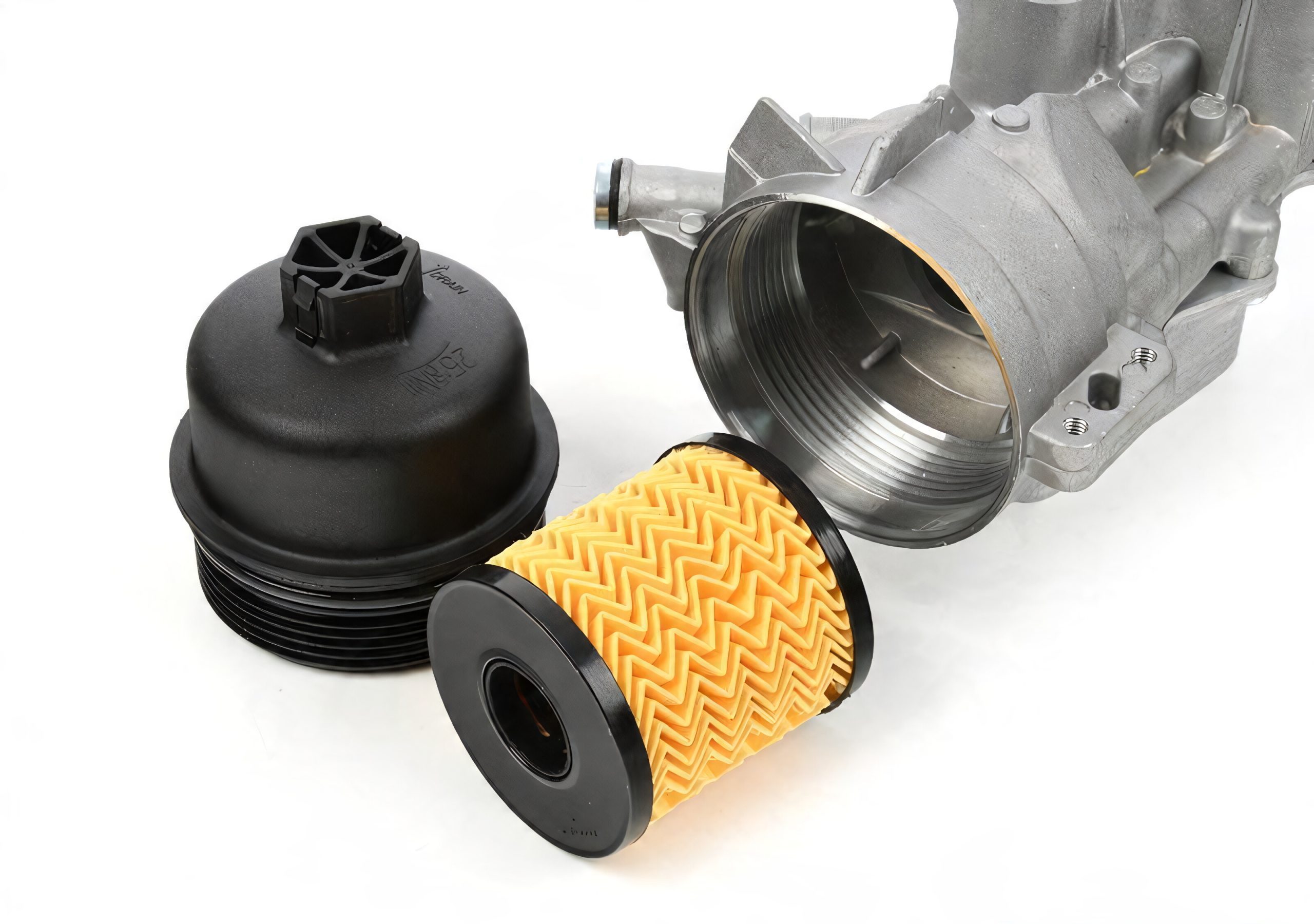
9. Vehicles With Unusual Oil Filter Systems (Some Older Mercedes-Benz Models, Certain BMW M Models, Select Porsche 911 Models)
Not every car makes oil changes simple. Some older Mercedes-Benz models, certain BMW M models, and select Porsche 911 models use unusual oil filter systems that require special tools, careful handling, or a particular procedure.
Many use cartridge-style filters housed inside a cap, which must be installed with the correct seals and torque. Get it wrong, and you risk leaks, poor filtration, or even engine damage.
Some designs place the filter in awkward spots, making access difficult without removing panels. Others involve multiple filters or oil lines, which increase the chance of mistakes.
Quick-lube shops often lack both the training and the specific parts to handle these jobs, and the staff rotates frequently, so experience varies. If your car falls into this group, bring it to a technician who services that brand regularly.
Ask whether they replace the filter housing O-rings, because worn seals are a common leak source. Confirm they use a quality filter that meets the manufacturer’s standards, not the cheapest option on the shelf.
After the service, check for leaks and watch the oil pressure light for a few days. Keep the receipt listing parts used. Simple maintenance can become costly when done carelessly, so patience and the right shop go a long way.

10. Cars With Specialized Oil Requirements (Audi R8, Mercedes-AMG GT, Porsche 911 Turbo)
Oil is not just oil, especially for cars built to deliver thrilling performance. The Audi R8, Mercedes-AMG GT, and Porsche 911 Turbo often require oil that meets specific manufacturer approvals, with precise viscosity and additive packages.
These engines run hot, spin fast, and rely on turbochargers or tight tolerances that demand exact lubrication. A general-purpose oil from a quick-lube shelf may not meet the standard, and using it can create wear, deposits, or warranty headaches.
Many shops simply do not stock the required products, so they decline the job. That is a good thing, because it protects you from a shortcut. Before any service, read your owner’s manual and note the approval codes listed for engine oil. Ask the shop to show you the container and verify those codes match.
Specialty oil costs more, sometimes much more, but the price difference is small compared with engine repair. Dealers and independent specialists usually carry the correct products and understand the service intervals.
Do not forget to ask about oil capacity, filter type, and any required resets. Keep your receipts in a safe place for warranty and resale purposes. Choosing the right oil is one of the easiest ways to protect a high-performance engine. Smart owners treat it as a priority, not an afterthought.