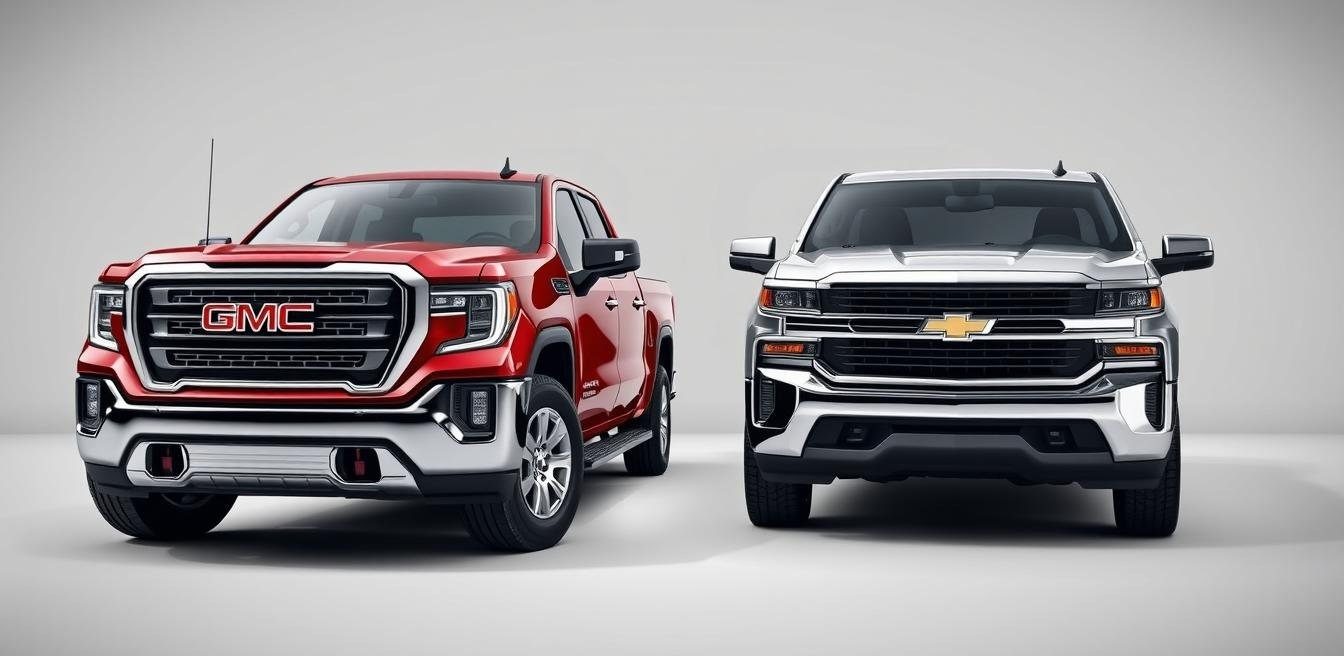
Some truck repairs start with a wrench, and others start with a lift. On many modern heavy-duty and full-size pickups, the engine, turbos, and wiring sit so tightly packed that mechanics take the entire cab off the frame to reach them. Manufacturers have added quick-disconnect bulkhead plugs to speed things up, yet a cab-off job remains a major shop undertaking.
Knowing which trucks commonly need it can help you budget, ask smarter questions, and choose the right shop. Whether you own a diesel workhorse or a daily-driver pickup, here are eight trucks where a major repair often means lifting the cab.
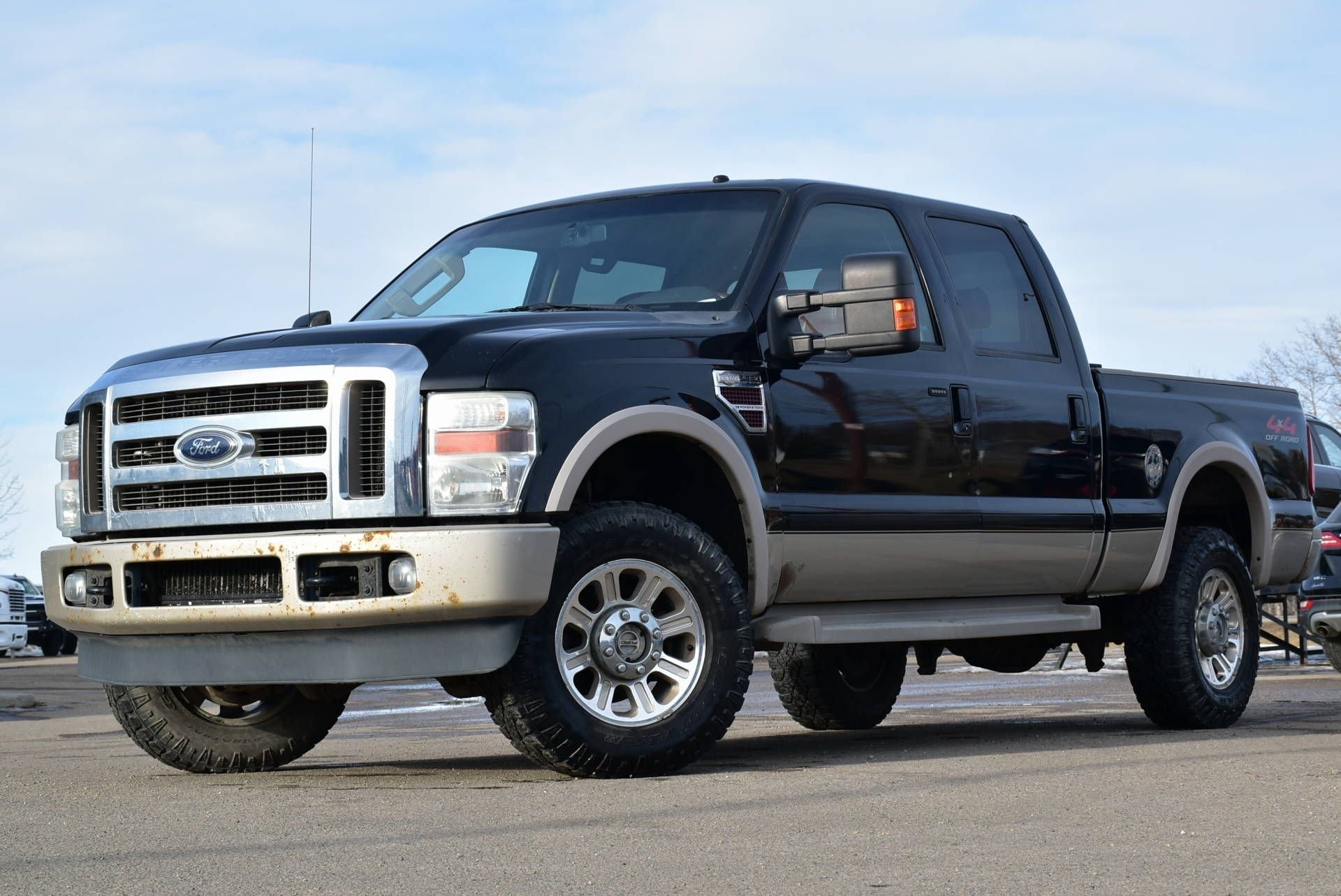
1. Ford F-250 / F-350 Super Duty (6.4L Power Stroke, 2008-2010)
The 2008-2010 Ford F-250 and F-350 Super Duty models equipped with the 6.4L Power Stroke diesel engine are well known among diesel mechanics for their demanding repair procedures.
Their twin-turbocharged V8 delivers impressive pulling power, but its tightly packed installation leaves limited room for accessing several major engine components.
The turbocharger arrangement is a major reason technicians sometimes prefer removing the cab. Both turbochargers, their associated plumbing, and other engine equipment occupy space that would otherwise make conventional repairs easier.
Reaching certain connections from above or behind the engine can become an exhausting exercise. Head gasket replacement is one repair that commonly encourages a cab-off approach.
The same applies to turbocharger replacement and EGR cooler repairs. Rather than spending additional hours working around the firewall and surrounding equipment, technicians can lift the cab and gain much better access.
For a repair shop, this procedure can make an otherwise awkward job more manageable. It also gives mechanics room to inspect surrounding components while the engine is exposed.
Although cab removal requires preparation and lifting equipment, it can reduce the physical strain associated with reaching difficult areas.
These trucks remain popular among diesel enthusiasts, but prospective owners should understand that major engine repairs can involve considerable labor.
A relatively straightforward component replacement on another vehicle may become a much larger workshop operation on a 6.4L Super Duty.
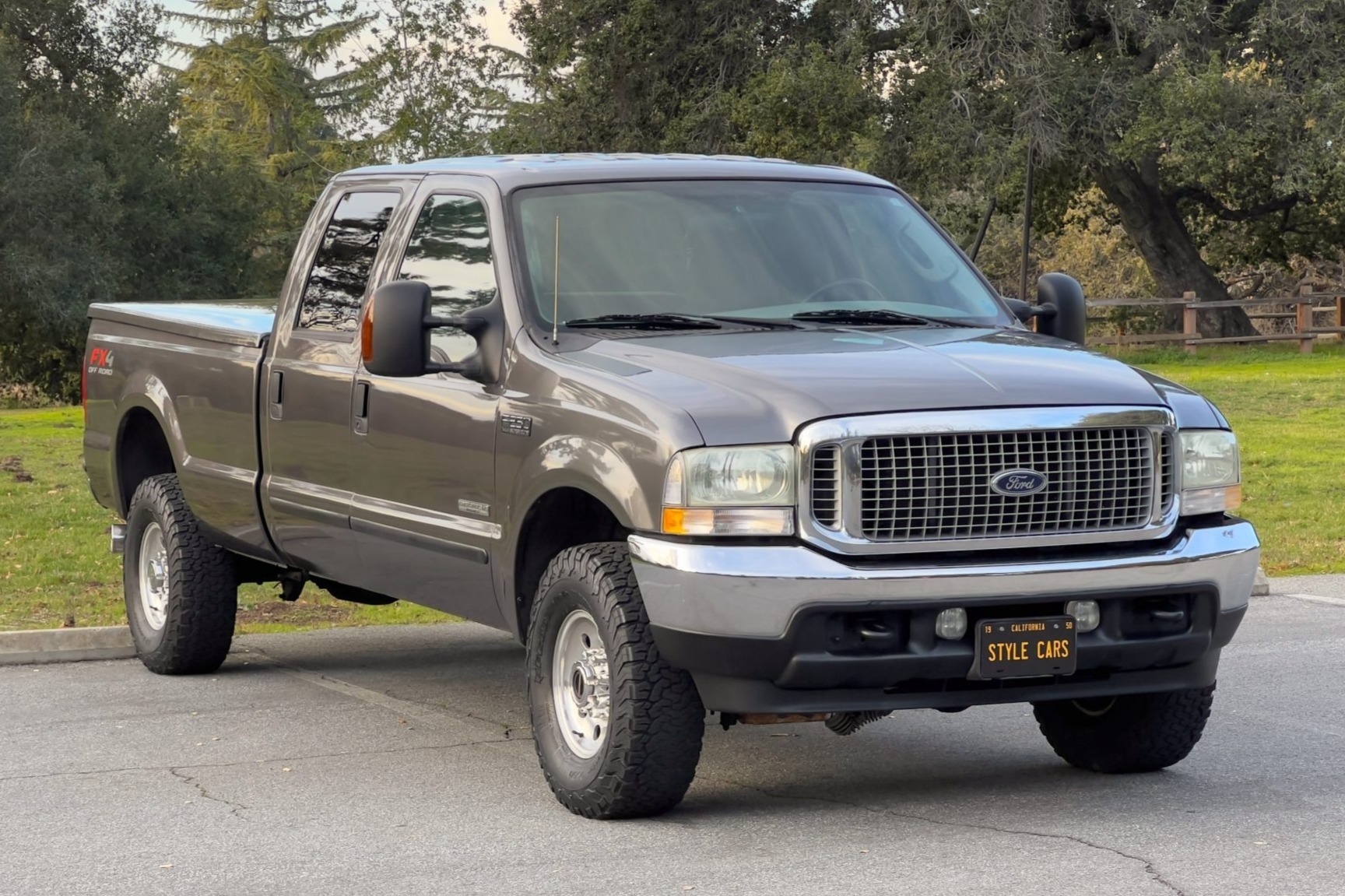
2. Ford F-250 / F-350 Super Duty (6.0L Power Stroke, 2003-2007)
The 6.0L Power Stroke has developed a reputation for keeping diesel technicians busy, particularly when head gasket problems enter the discussion.
Found in 2003-2007 Ford F-250 and F-350 Super Duty trucks, this engine was originally designed to receive conventional engine bay servicing. Yet many mechanics have discovered that removing the cab can make certain major repairs considerably easier.
Consider the process of replacing head gaskets and installing upgraded head studs. These jobs require careful access to the cylinder heads, and the space surrounding the engine can make working conditions uncomfortable.
The firewall creates additional restrictions, leaving technicians with awkward angles and limited room for their tools. A cab-off procedure provides a different working arrangement.
Once the cab is lifted, the technician has much better access to the upper engine and can work without constantly fighting surrounding bodywork. It also reduces the need to stretch into cramped areas for extended periods.
There is a practical reason many experienced diesel shops favor this method. Removing the cab can save labor on certain repairs, even though the initial preparation takes time.
It also makes it easier to inspect nearby hoses, connectors, and other parts that might otherwise remain hidden. Not every repair on a 6.0L requires lifting the cab, of course.
Routine maintenance and many smaller jobs can still be handled through traditional access points. However, when head gasket work or major cylinder-head service is involved, cab removal becomes an appealing option for technicians who want room to work properly.
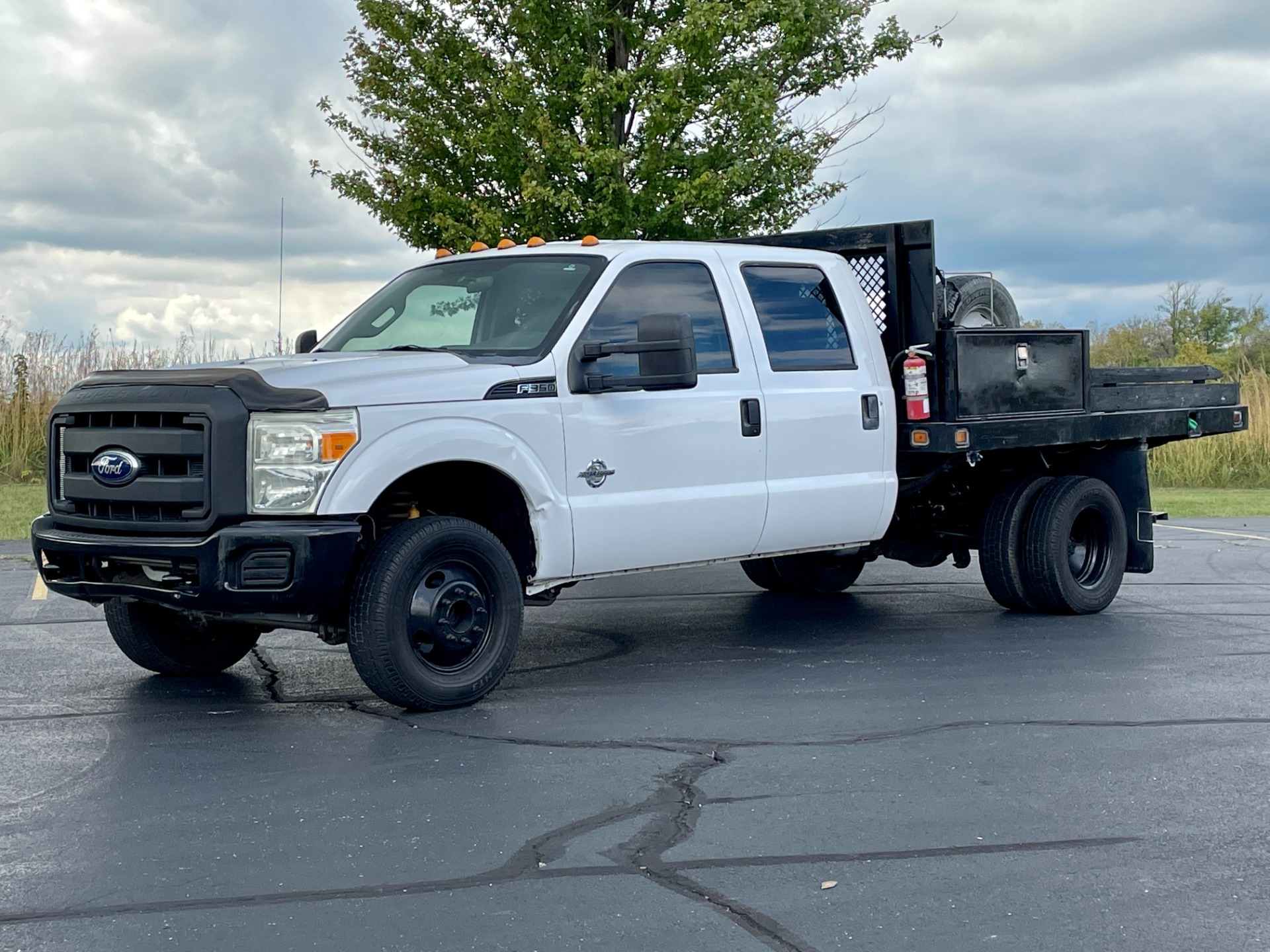
3. Ford F-250 / F-350 Super Duty (6.7L Power Stroke, 2011-Present)
Newer does not always mean easier. On the 6.7L diesel, replacing a leaking upper oil pan officially requires complete cab removal because of tight clearance. Full engine replacements and major fuel system work also typically rely on lifting the cab.
That detail surprises owners who assume a modern truck would be designed with simple access. The 6.7L packs a lot of power and technology into a compact space, and the layout leaves little room for tools. Before approving a repair, confirm the diagnosis.
Ask the shop to show you evidence of the leak, such as dye tests, photos, or clear signs of fluid on the pan. Misdiagnosed leaks can send you down an expensive path.
If the truck is under warranty or an extended service plan, check coverage before authorizing anything, since cab-off labor is a major part of the bill. Compare estimates from a dealer and a trusted independent diesel shop, and ask each one how long the truck will be down.
Downtime matters if you rely on the truck for work. Consider requesting a loaner or arranging alternative transportation. Maintenance helps, too. Follow the oil change schedule, use quality filters, and fix small leaks early.
A few good habits can keep your truck out of the shop and your cab firmly on the frame.
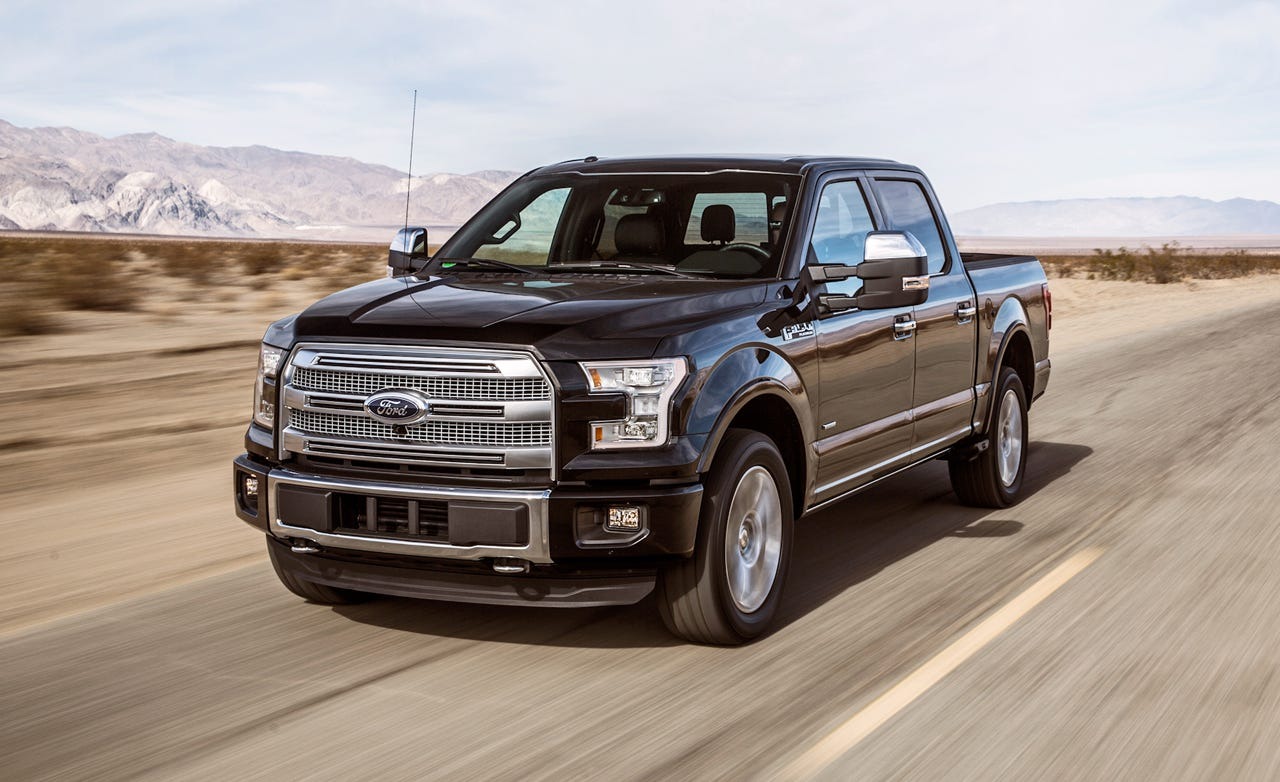
4. Ford F-150 (3.5L EcoBoost & 5.0L V8, 2015-Present)
You might expect a half-ton pickup to be simpler, yet the modern F-150 often goes cab-off for major engine work. Full engine replacements, turbocharger swaps, and rear timing chain jobs are frequently done this way.
The aluminum-body cab is lightweight, which makes lifting easier, and removing it gives mechanics 360-degree access to tight turbo plumbing. That visibility reduces the chance of damaging nearby parts.
Many drivers use these trucks as daily vehicles, so understanding the repair path helps you plan. Ask the shop how long the job will take, and whether they perform it regularly. Not every garage has the equipment or experience to lift a cab safely.
Timing chain repairs deserve special attention, because the wrong sequence can cause serious engine damage. Choose a technician who follows factory procedures, and request that old parts be saved for your inspection.
Compare repair costs against replacement options, including remanufactured engines, which sometimes come with a longer warranty. If the truck has high mileage, factor in the condition of the transmission, suspension, and body before investing.
Regular oil changes, quality fuel, and prompt attention to warning lights can help avoid big repairs. The F-150 is one of the most popular trucks on the road, and good maintenance helps it stay dependable.
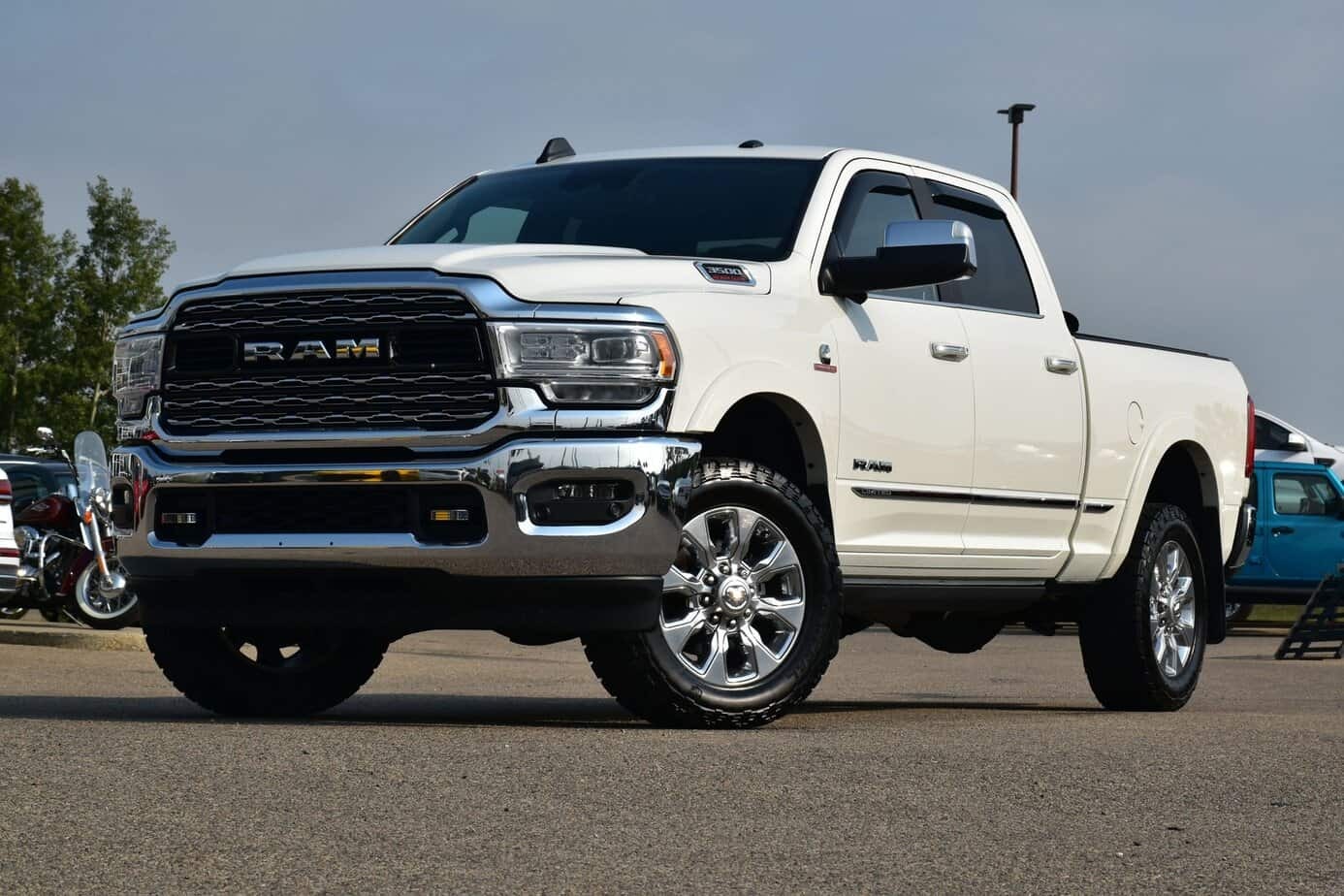
5. Ram 2500 / 3500 (6.7L Cummins, 2019-Present)
The inline-six Cummins has a loyal following, and it offers decent side access for many jobs. Still, certain repairs tell a different story. Working on the front timing plate or removing the camshaft often requires lifting the cab so the front clip does not block extraction.
On the r/Diesel subreddit, users agree that cab removal has become standard practice for major light-duty diesel engine work because of how tightly modern bays are packaged.
That crowd-sourced wisdom reflects what many shops see every week. Before you panic, remember that these repairs are not routine. Most owners will go years without needing anything this serious, especially with good maintenance.
Still, it helps to know what could be coming. Keep up with oil changes, use quality fuel filters, and watch for unusual noises or leaks. If a shop recommends a cab-off job, ask why.
Request a clear explanation of the access problem and compare it with alternative methods. A trustworthy technician will welcome those questions. Ask for a written estimate that lists labor hours and parts.
Consider asking about warranty coverage on the work, and whether the shop can handle related upgrades while the cab is off. The Cummins earns its reputation for toughness, and the right shop can keep it running for hundreds of thousands of miles.
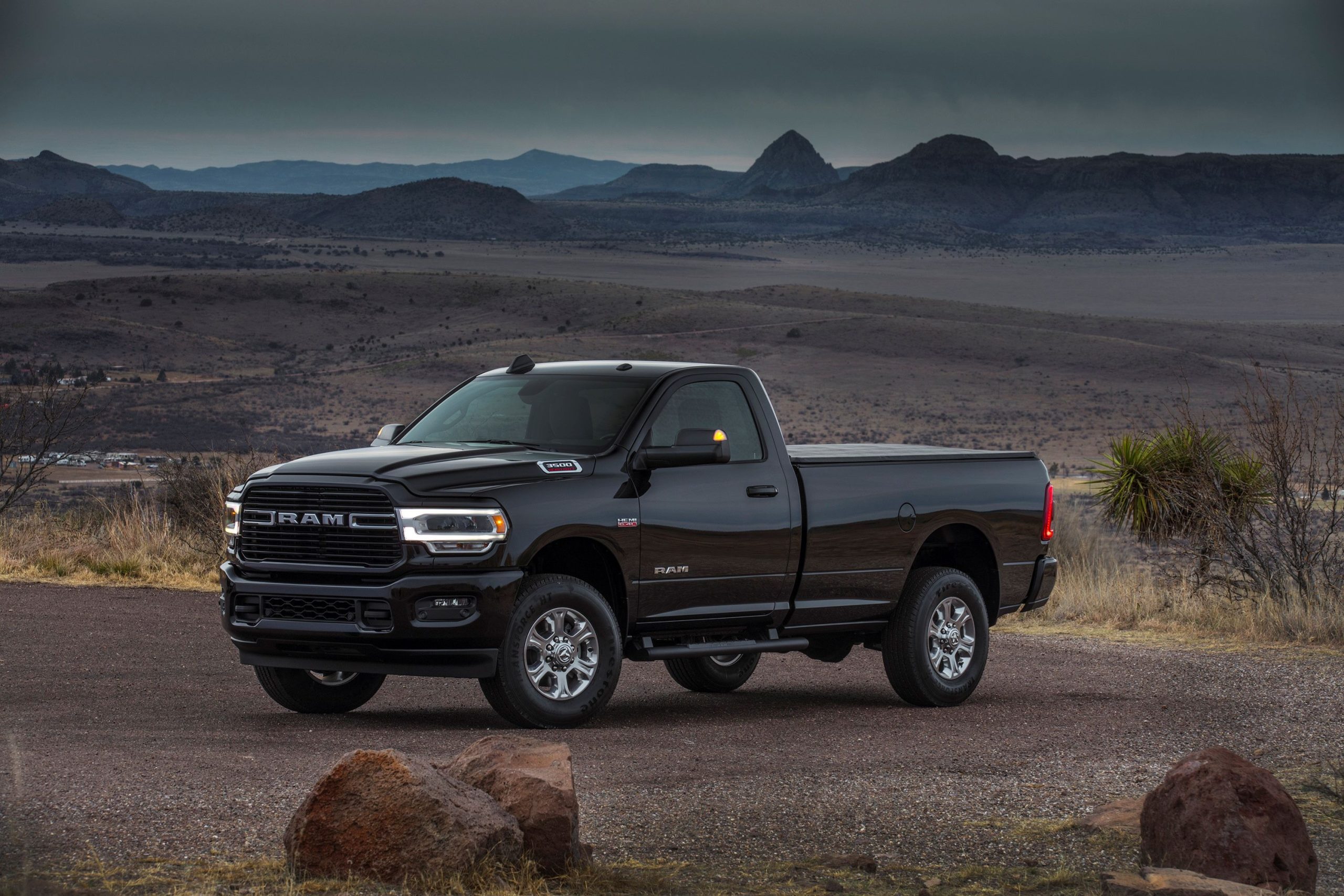
6. Ram 2500 / 3500 (6.4L Hemi V8)
The 6.4L Hemi V8 gives Ram 2500 and 3500 owners a gasoline-powered alternative to the Cummins diesel. It provides strong performance for hauling, towing, and everyday heavy-duty truck duties.
However, major internal engine problems can create a repair job that is far less convenient than its familiar V8 layout might suggest. Lifter failures are among the problems that can lead to extensive engine work on these trucks.
Replacing lifters may require substantial disassembly, while camshaft replacement introduces additional access requirements. If the damage extends further, a technician may recommend replacing the short block rather than attempting several separate internal repairs.
Why would a shop consider lifting the cab for this work? One reason involves the engine wiring harness and the way it is routed around nearby equipment.
The harness, transmission connections, and other components can make it difficult to remove the engine cleanly through conventional access points.
With the cab raised, technicians gain more room to disconnect and manage these connections. They can also approach the engine from positions that would be difficult to reach with the body sitting in its normal position.
Of course, cab removal is not automatically required for every Hemi repair. Some jobs can be completed using traditional methods, and the shop must evaluate the specific problem before deciding how much disassembly is necessary.
For someone shopping for a used Ram HD with the 6.4L Hemi, the service history deserves attention. Ask whether the engine has received previous internal repairs and whether the work was performed according to the manufacturer’s procedures.
A well-documented repair can tell a much better story than a low asking price alone.
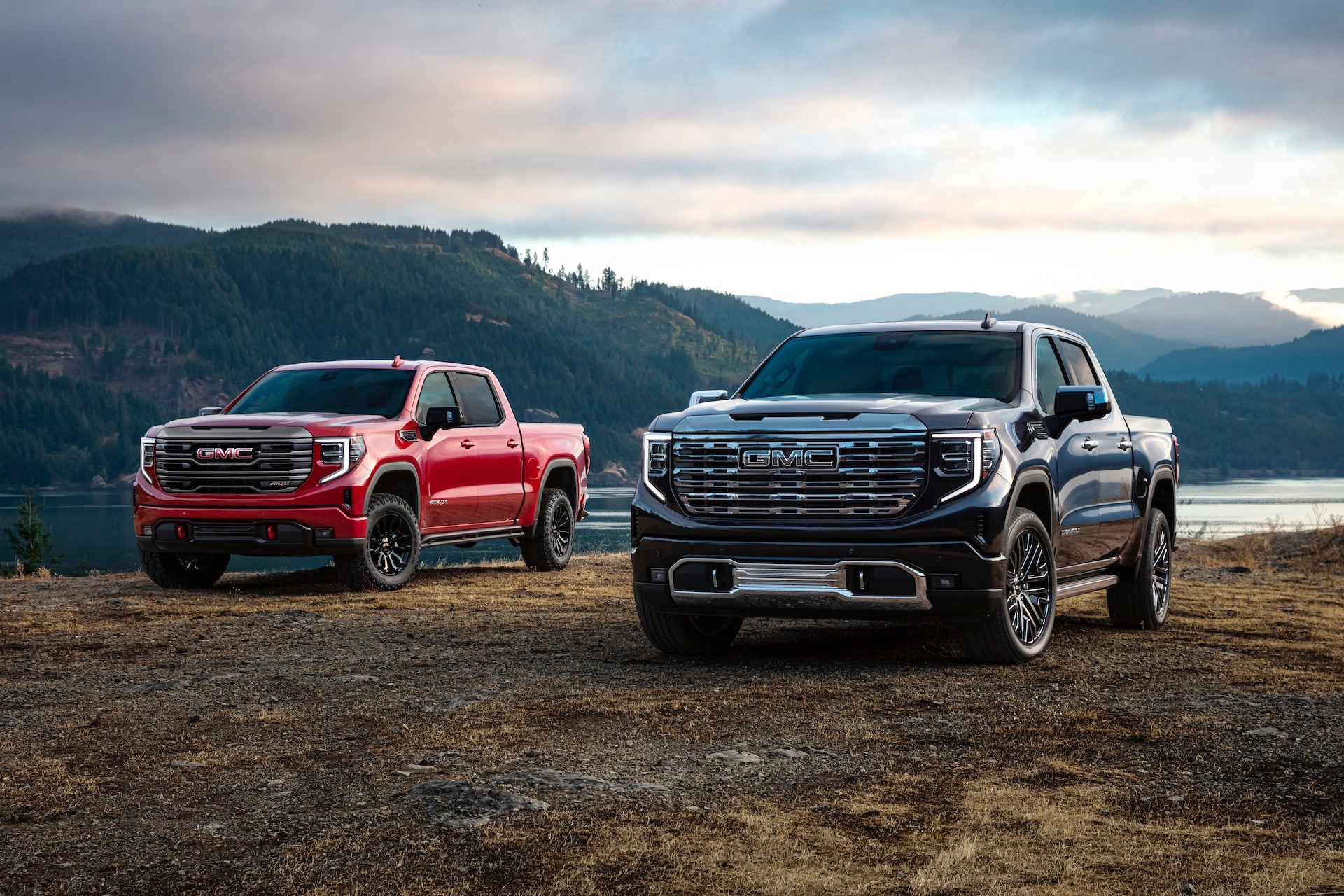
7. Chevrolet Silverado / GMC Sierra 2500HD (6.6L Duramax LML, 2011-2016)
Chevrolet Silverado and GMC Sierra 2500HD trucks equipped with the 6.6L Duramax LML diesel engine brought plenty of capability to the heavy-duty pickup market.
These trucks were designed to handle demanding towing and hauling duties, but their engine compartments contain numerous systems that can make certain repairs difficult.
The LML generation includes emissions equipment and turbocharger plumbing that occupy valuable space around the engine.
As a result, reaching some upper engine components can require considerable disassembly. When a repair involves parts tucked near the firewall, conventional access may become frustrating for the technician.
Turbocharger replacement is one job where cab removal can be an attractive option. The same applies to certain head gasket repairs and fuel injector service procedures. By raising the cab, a shop can gain better access to the engine’s upper sections and surrounding connections.
Fuel injector work deserves particular attention because these components require careful handling. Technicians need sufficient room to remove, inspect, and reinstall parts correctly. Working in a cramped area can make an already demanding repair less convenient.
There is also the matter of labor planning. A repair shop must decide whether removing the cab will save time compared with taking apart the front end and working through limited openings.
The answer depends on the exact job, available equipment, and the technician’s experience with the LML platform. For owners, this does not mean every LML Duramax is destined for a cab-off repair.
Routine servicing remains possible without such an operation. However, when major turbocharger, cylinder-head, or injector work becomes necessary, lifting the cab is a familiar solution in many diesel workshops.
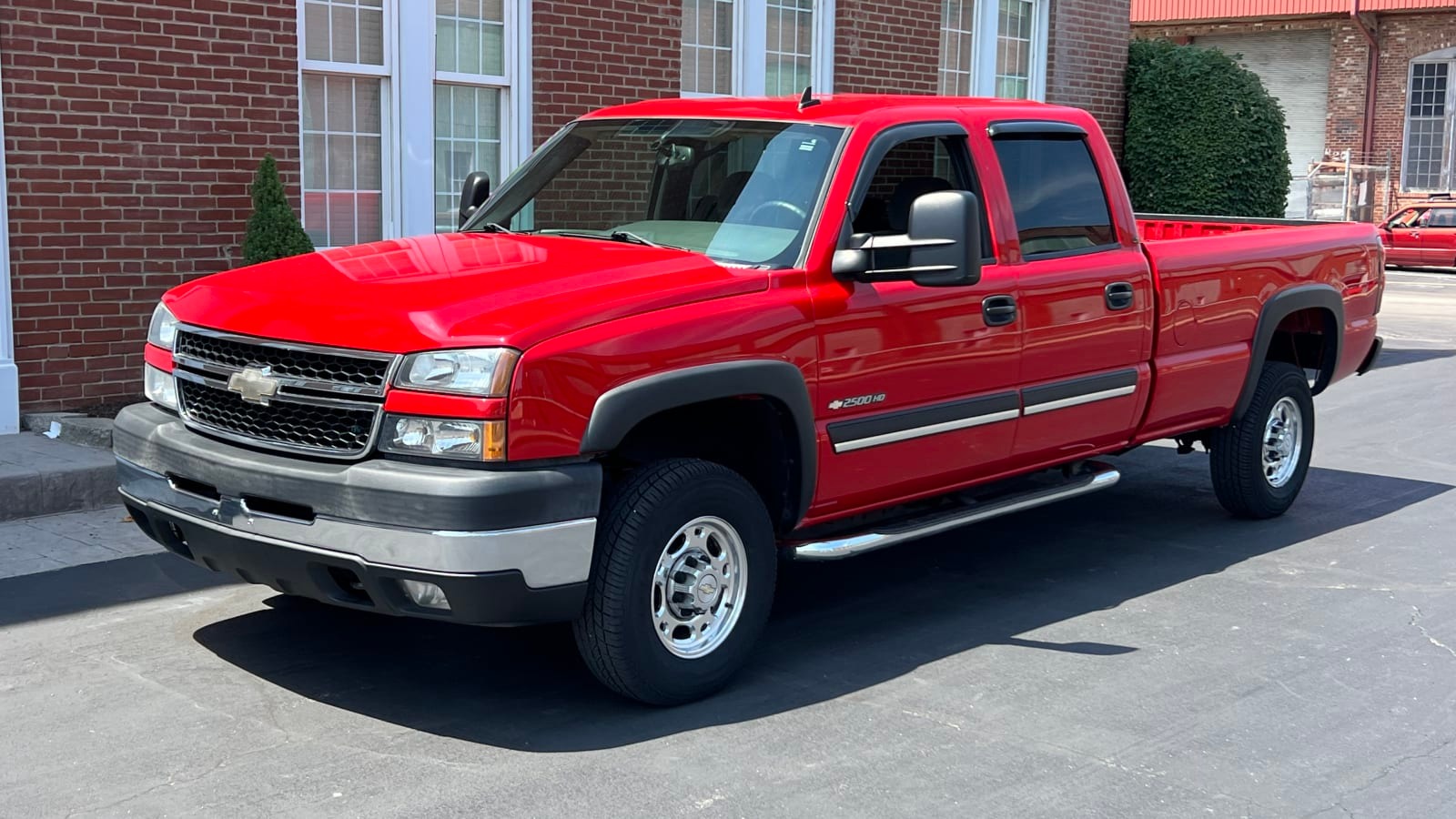
8. Chevrolet Silverado / GMC Sierra 2500HD (6.6L Duramax LBZ / LLY, 2007)
Older Duramax trucks have earned a devoted audience, yet age brings its own repair challenges. When replacing blown head gaskets or servicing components tucked near the firewall, many technicians opt to lift the cab rather than disassemble the entire front clip.
That choice can speed up the job and give them a clear view of the work area. The LBZ and LLY engines are respected for strength, but problems still happen, especially when trucks have been tuned, towed heavily, or neglected.
Watch for white smoke, coolant loss, or overheating, which may point to head gasket trouble. Early attention can prevent warped heads and bigger bills. If you plan to buy one of these trucks, ask whether any head gasket work has already been done, and request records.
Inspect the cooling system carefully, and look for signs of leaks around the engine. When you hire a shop, verify they have done cab-off repairs before.
Ask what upgrades they suggest, such as stronger head studs or improved cooling parts, and whether those make sense for your driving. Compare labor rates, warranties, and timelines.
Older trucks can serve for years with the right care. A solid repair today can keep a classic workhorse on the road far longer than you might expect.