A vehicle’s transmission plays a vital role in delivering power from the engine to the wheels, making it essential for smooth driving and reliable performance. However, some transmissions have developed reputations for experiencing serious mechanical problems as vehicles approach the end of their factory warranty periods.
Owners may notice slipping gears, delayed shifting, unusual noises, overheating, or sudden performance changes during this time. These problems can lead to expensive repairs, especially when warranty coverage is no longer available.
Understanding which transmissions have reported reliability concerns helps buyers make informed decisions, recognize early warning signs, and prepare for potential maintenance costs before unexpected failures occur.
1. Ford PowerShift DPS6 Dual-Clutch Transmission
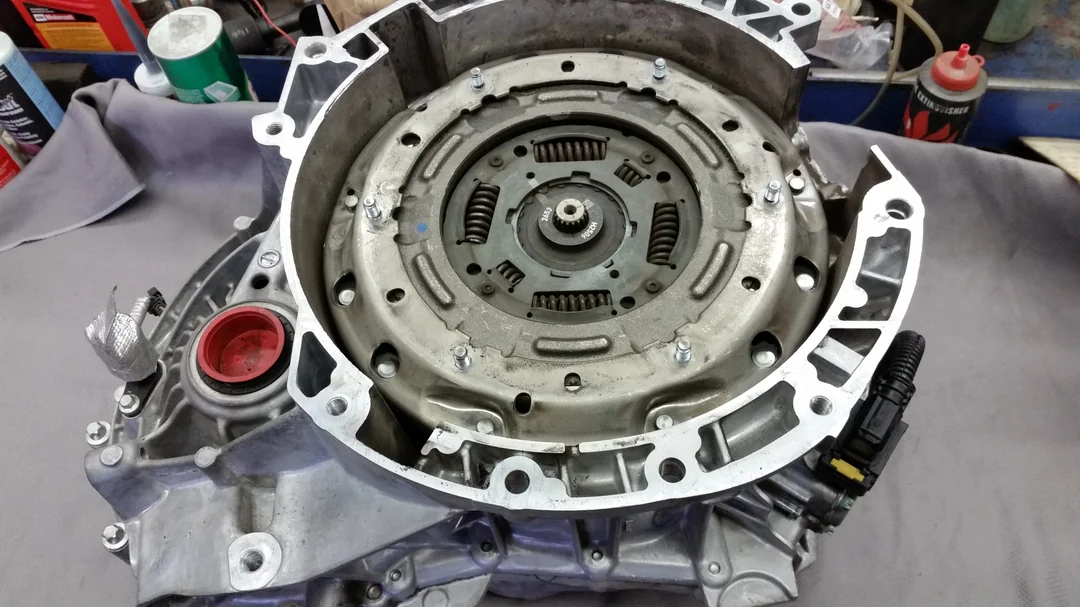
Ford’s PowerShift DPS6 transmission became widely discussed because of its reliability problems in several small vehicles, including the Ford Fiesta and Focus.
This six-speed dual-clutch automatic transmission was designed to improve fuel efficiency and provide quicker gear changes. However, many owners reported problems with its operation, particularly during everyday driving conditions.
One common complaint involved excessive shuddering when accelerating from a complete stop. Drivers often described the sensation as similar to operating a vehicle with a worn-out manual clutch. The vibration could become more noticeable in traffic, during parking maneuvers, and while moving slowly through crowded streets.
Another frequently reported issue involved hesitation during gear changes. Some vehicles struggled to respond when drivers pressed the accelerator, creating an uncomfortable delay. This behavior could make merging into traffic or moving through intersections less predictable.
Clutch wear became a major concern for many owners. The transmission’s dry-clutch design made it sensitive to certain driving conditions, particularly frequent stop-and-go traffic. Repeated clutch engagement could contribute to premature wear and require expensive replacement work.
Transmission control module failures also affected some vehicles equipped with the DPS6. The module manages important transmission functions, including gear selection and clutch operation. When it malfunctioned, drivers could experience warning lights, unexpected shifting behavior, or difficulty selecting gears.
Software updates were introduced to address certain operating problems. However, software adjustments could not permanently resolve every mechanical issue. Vehicles with worn clutch components or damaged internal parts sometimes required more extensive repairs.
Repair expenses varied depending on the vehicle, manufacturing year, and specific failure. Some owners received assistance through warranty extensions, settlements, or other coverage arrangements. However, coverage eligibility depended on the vehicle’s circumstances and applicable program terms.
Buyers considering a used Ford Focus or Fiesta with this transmission should carefully review its service history. A proper inspection should include a road test under different driving conditions, diagnostic scanning, and verification of previous clutch and control module repairs.
2. Nissan CVT Transmissions
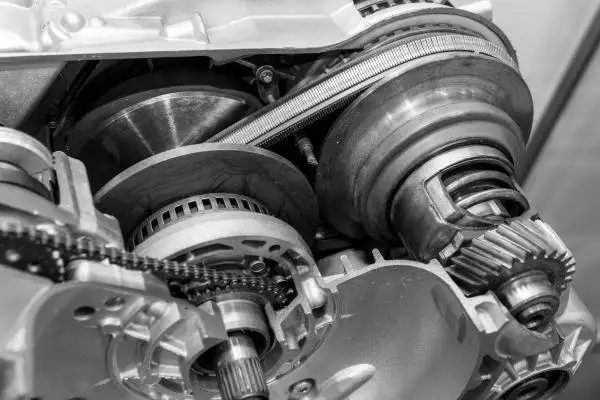
Nissan’s continuously variable transmissions, commonly known as CVTs, have received considerable attention because of reliability complaints involving several vehicle models. Certain Nissan Altima, Sentra, Rogue, and other vehicles experienced transmission problems that sometimes appeared after years of regular use.
Unlike conventional automatic transmissions, CVTs use a belt or chain system running between variable-diameter pulleys. This arrangement allows the transmission to change ratios continuously instead of relying on a fixed set of gears. The design can improve fuel efficiency and provide smooth acceleration when functioning correctly.
One reported problem involves excessive transmission heat. High operating temperatures can place additional stress on internal components and transmission fluid. If the cooling system cannot maintain suitable temperatures, premature wear and performance problems may develop.
Drivers have reported symptoms such as delayed acceleration, unusual whining noises, hesitation, and shuddering. Some vehicles also experience reduced power during extended driving. In certain situations, the transmission may enter a protective operating mode to prevent additional damage.
Internal belt or pulley wear can create serious mechanical problems. As these components deteriorate, the transmission may struggle to maintain the correct ratio. Drivers might notice inconsistent acceleration or a growing difference between engine speed and vehicle speed.
Transmission fluid maintenance is particularly important for CVT-equipped vehicles. Incorrect fluid, neglected service intervals, or contaminated fluid can affect lubrication and operating temperatures. Owners should follow the manufacturer’s maintenance recommendations rather than relying on assumptions about universal service intervals.
Some Nissan vehicles received extended warranty coverage or other assistance related to CVT concerns. These programs were not identical across all models and production years. Owners should check their vehicle identification number and contact an authorized dealership to confirm any applicable coverage.
Anyone purchasing a used Nissan with a CVT should request documented maintenance records. A qualified technician can inspect the transmission for leaks, stored fault codes, abnormal noises, and signs of overheating before the buyer commits to the purchase.
3. Ford 6F35 Automatic Transmission
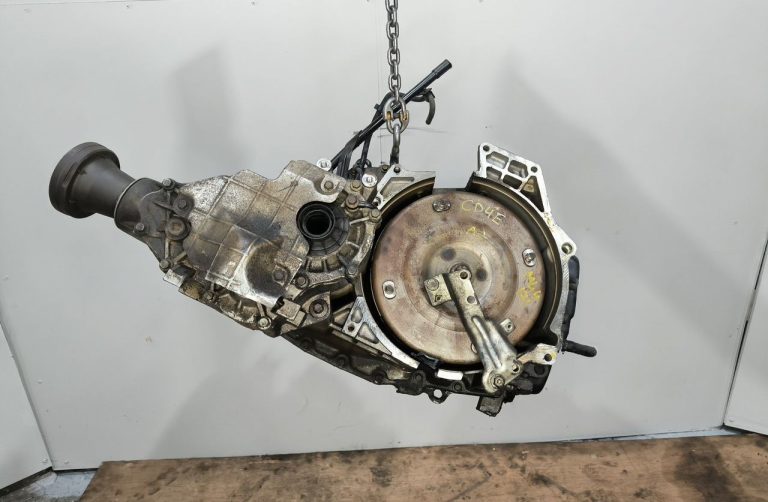
The Ford 6F35 is a six-speed automatic transmission used in several Ford and Lincoln vehicles. Applications include certain model years of the Ford Fusion, Escape, Focus, and other vehicles. It was designed to balance fuel economy, driving comfort, and everyday performance.
Some owners have reported harsh shifting, delayed engagement, and inconsistent transmission behavior. These symptoms can become more noticeable as a vehicle accumulates mileage. Drivers may experience rough transitions when accelerating, slowing down, or shifting between reverse and drive.
Transmission fluid condition can influence the way this unit operates. Old, degraded, or contaminated fluid may affect hydraulic pressure and clutch engagement. Regular inspection and manufacturer-recommended servicing can help identify potential problems before they become severe.
Valve body problems have also been associated with certain transmission complaints. The valve body directs hydraulic fluid through different passages to control gear changes. Wear, contamination, or solenoid-related faults can interfere with normal shifting operations.
Some vehicles experience torque converter-related symptoms. The torque converter transfers engine power to the transmission and helps provide smooth operation when the vehicle is stationary. Problems involving its internal components or lockup mechanism can cause vibration, slipping, or unusual driving sensations.
Software calibration can also influence shifting quality. Updated transmission control software may improve certain operating characteristics. However, software updates cannot repair worn clutches, damaged hydraulic components, or other mechanical defects.
Repair requirements depend on the specific fault. Some vehicles need relatively minor repairs, while others require valve body replacement, torque converter work, or a complete transmission rebuild. Obtaining an accurate diagnosis is essential before approving expensive repairs.
Used-car buyers should pay attention to the transmission’s behavior during a test drive. Smooth engagement, consistent acceleration, and the absence of warning lights are encouraging signs. A professional inspection and service history review can provide additional confidence.
4. General Motors 8-Speed Automatic Transmission
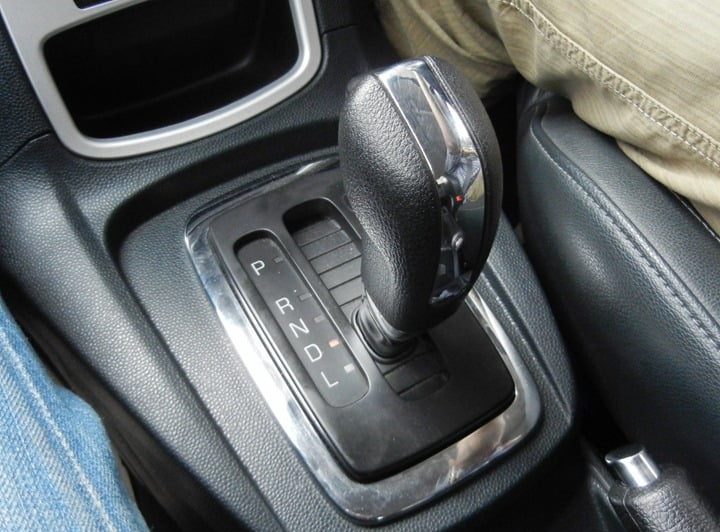
General Motors introduced several eight-speed automatic transmissions across vehicles from Chevrolet, Cadillac, GMC, and other brands. These units were developed to provide improved fuel efficiency, stronger acceleration, and smoother performance through a wider selection of gear ratios.
Certain eight-speed applications became associated with complaints involving shuddering, vibration, and inconsistent shifting. The problems attracted attention because drivers sometimes experienced noticeable vibrations during steady acceleration or highway cruising.
Torque converter shudder was a particularly reported concern in certain applications. The vibration could feel similar to driving over a rough road, even when the pavement was smooth. In some cases, the sensation appeared at specific speeds or under light acceleration.
Transmission fluid condition and formulation became important subjects in addressing these complaints. General Motors introduced revised fluid specifications and service procedures for certain affected vehicles. Proper fluid selection is important because automatic transmissions depend on carefully engineered lubrication and friction characteristics.
Some vehicles also experienced harsh shifting or hesitation. These symptoms can have multiple possible causes, including control software, hydraulic pressure irregularities, and internal wear. A technician should identify the actual problem before recommending a repair.
Repeated vibration should not be ignored. Continued operation with a malfunctioning torque converter or another internal component can contribute to additional wear. Early diagnosis may help prevent a smaller problem from developing into a more expensive repair.
5. Hyundai and Kia Dual-Clutch Transmissions
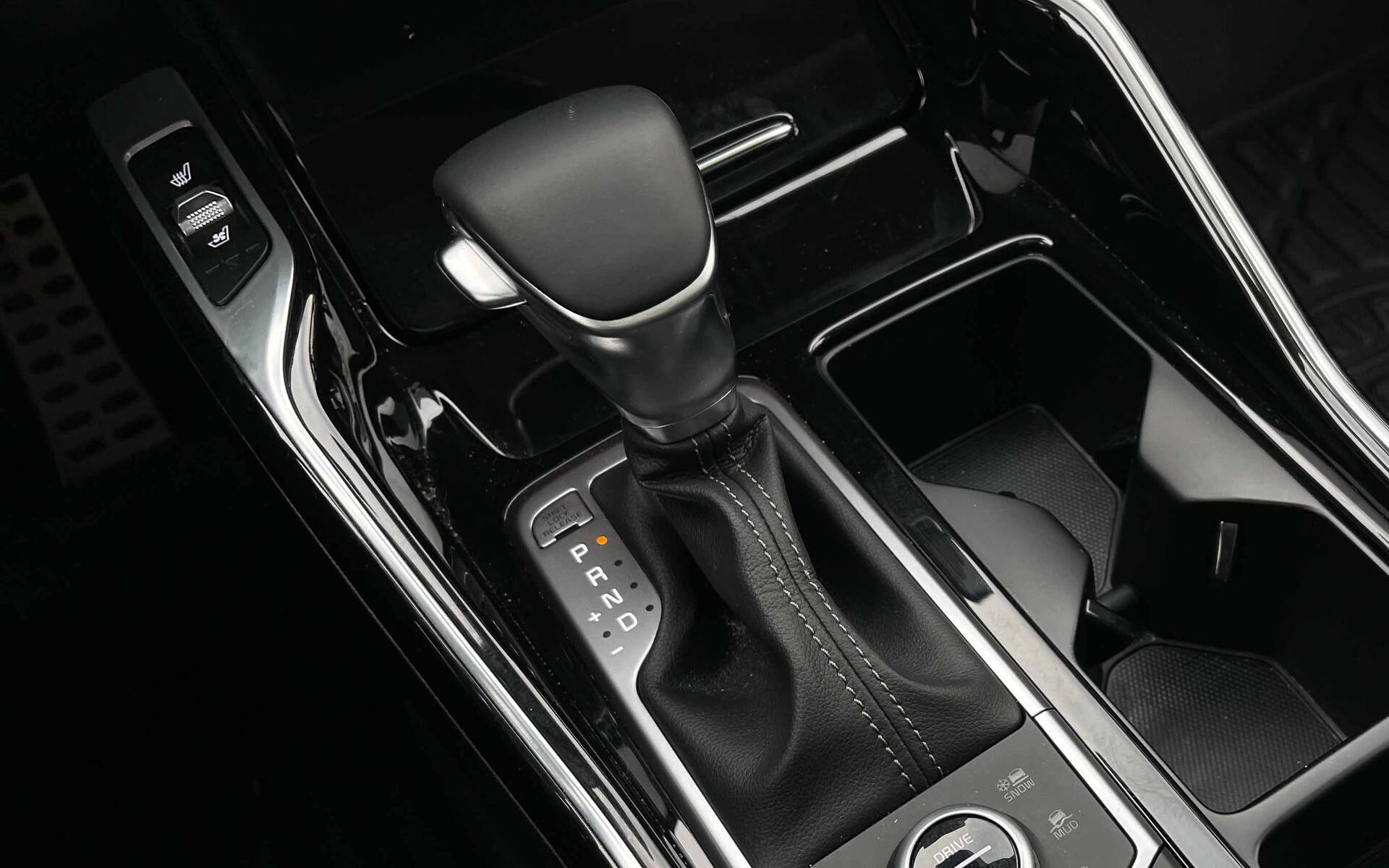
Hyundai and Kia introduced dual-clutch transmissions in several vehicles to improve efficiency and provide faster gear changes. These transmissions have appeared in different models, including certain versions of the Hyundai Tucson, Veloster, Elantra, and Kia Forte and other vehicles.
Dual-clutch technology uses two separate clutches to manage different groups of gears. This arrangement allows the transmission to prepare the next gear before completing a shift. The result can be quick gear changes and improved fuel economy.
However, some owners have reported hesitation, shuddering, and inconsistent acceleration. These symptoms may become especially noticeable during slow-speed driving. Parking, climbing steep roads, and moving through heavy traffic can place additional demands on the clutch system.
Clutch overheating is a concern under certain operating conditions. Repeated clutch engagement at low speeds can generate substantial heat. Depending on the transmission design, driving conditions, and control strategy, excessive heat may affect clutch performance.
Some vehicles may display warning messages when transmission temperatures become too high. Drivers might also notice reduced acceleration or unusual shifting behavior. These warnings should be taken seriously because continued operation under excessive heat can increase the risk of component damage.
6. Volkswagen DSG Dual-Clutch Transmission
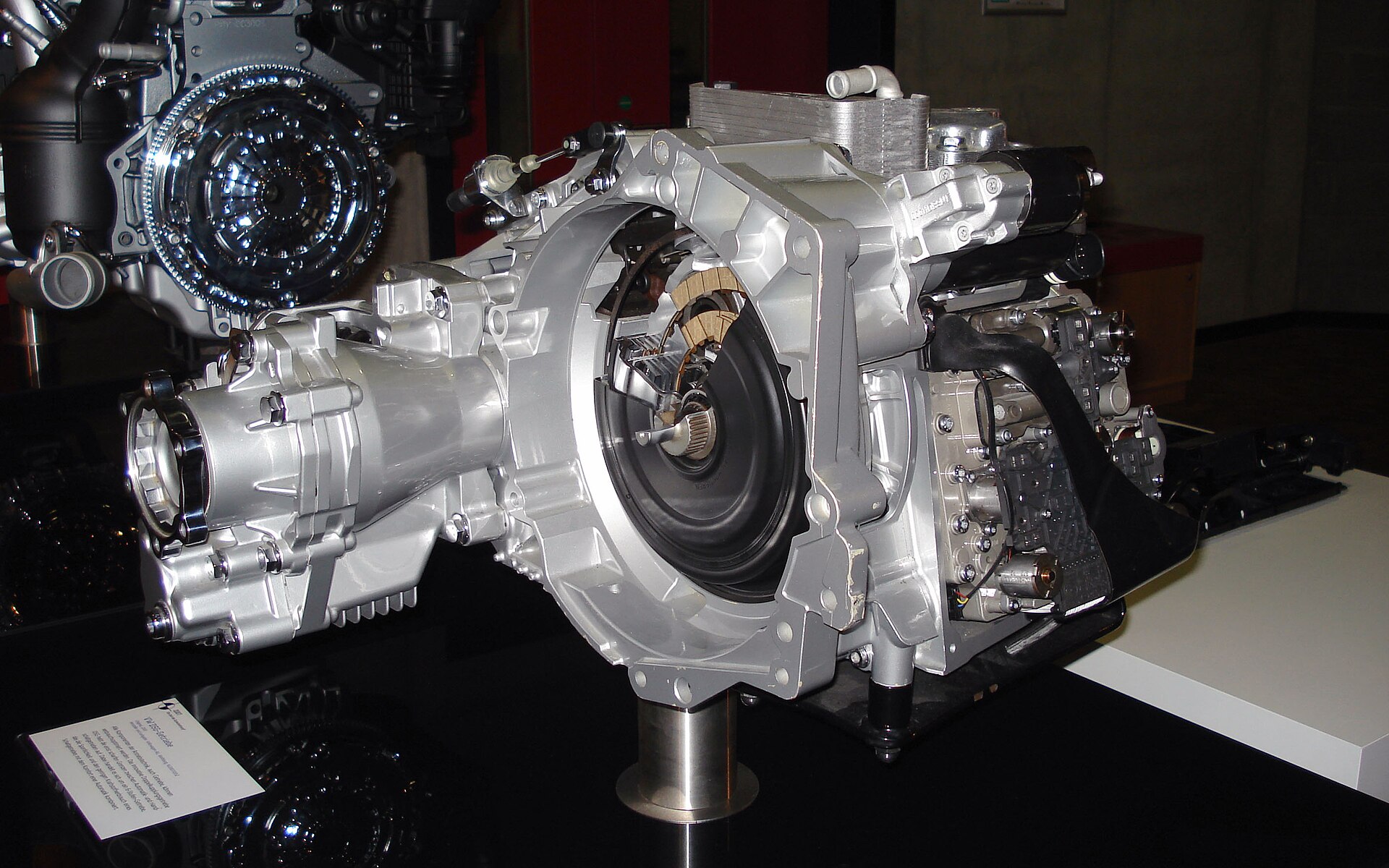
Volkswagen’s Direct-Shift Gearbox, commonly called DSG, is a dual-clutch transmission designed to combine automatic convenience with quick gear changes. It has been used in several Volkswagen models and related vehicles from other brands within the Volkswagen Group.
DSG transmissions are available in different configurations, including dry-clutch and wet-clutch versions. Their internal designs and maintenance requirements vary considerably. Understanding the exact transmission fitted to a vehicle is important when evaluating its reliability.
Some owners have experienced problems involving the mechatronic unit. This component combines electronic controls and hydraulic functions to manage gear selection and clutch operation. A malfunction can lead to warning lights, unexpected shifting, or difficulty engaging certain gears.
Clutch wear is another possible concern. Dry-clutch DSG units can be particularly sensitive to certain driving conditions, including repeated low-speed maneuvering and heavy traffic. Worn clutch components may produce shuddering, hesitation, or slipping during acceleration.
Other reported symptoms include rough gear changes, delayed engagement, and unusual mechanical noises. These issues do not necessarily indicate complete transmission failure, but they should be inspected before they cause further damage.
Maintenance requirements depend on the DSG version. Certain wet-clutch systems require regular transmission fluid and filter changes at specified intervals. Skipping the recommended service can affect lubrication, hydraulic operation, and long-term component durability.
Repair expenses can vary significantly. A faulty sensor or control-related problem may be less expensive to address than a damaged mechatronic unit or worn clutch assembly. In severe cases, a complete transmission rebuild or replacement may be necessary.
7. Honda 9-Speed Automatic Transmission
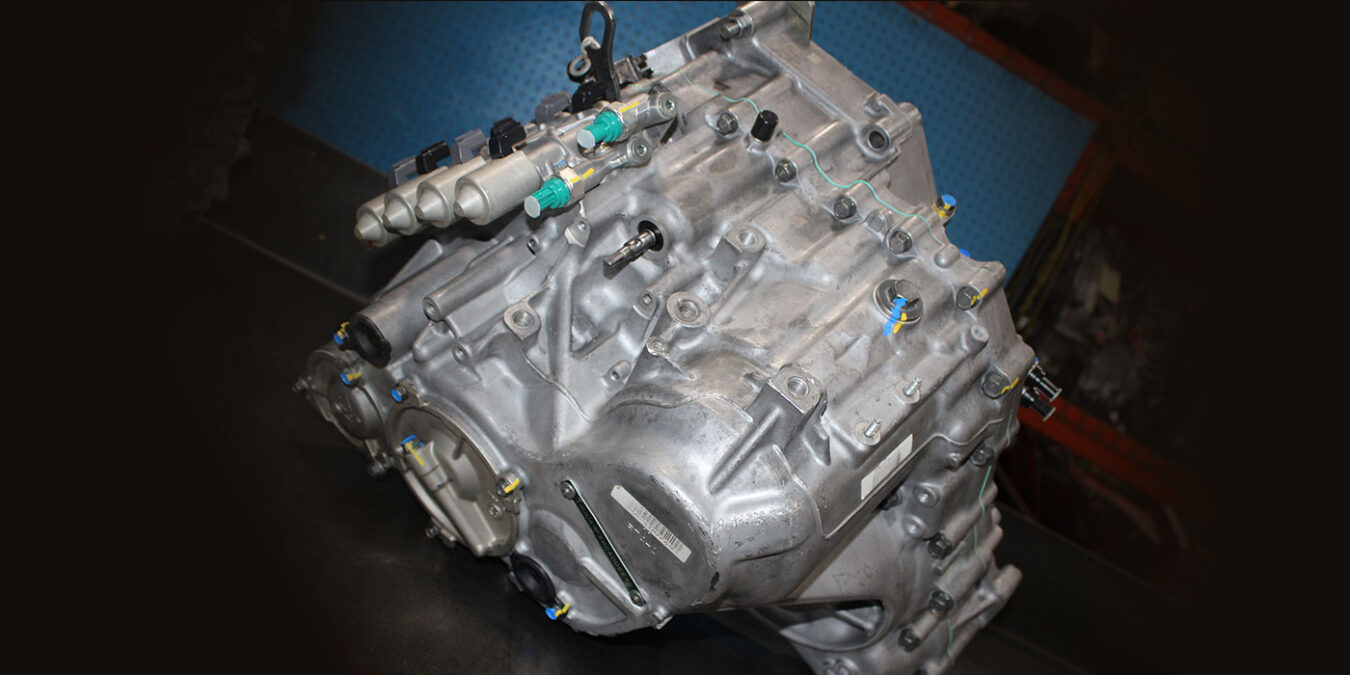
Honda used nine-speed automatic transmissions in certain vehicles, including selected versions of the Pilot, Odyssey, and Acura models. These transmissions were designed to provide a broad gear range, responsive acceleration, and improved efficiency.
Some owners reported complaints involving rough shifting, hesitation, and inconsistent gear selection. The symptoms could be noticeable during acceleration or when the vehicle shifted between lower and higher gears.
A delayed response when selecting drive or reverse can also indicate a transmission-related concern. Drivers may notice a pause before the vehicle begins moving. This behavior should be inspected, particularly if it becomes more frequent over time.
Electronic control systems manage many aspects of modern automatic transmissions. Software calibration can influence shift timing, pressure management, and gear selection. Certain operating complaints may be addressed through updated software or revised diagnostic procedures.
Transmission fluid condition remains important for long-term performance. Incorrect fluid or neglected maintenance can affect the internal friction characteristics and hydraulic operation. Owners should use the exact fluid specification recommended for their vehicle.
Some reported shifting problems may also involve sensors, wiring, solenoids, or other electronic components. This makes accurate diagnosis important because replacing the entire transmission without identifying the underlying fault can lead to unnecessary expenses.
Repair costs depend on the cause and severity of the problem. Minor electronic issues may require limited repairs, while internal clutch damage or hydraulic problems can result in much higher bills.
8. Chrysler and Dodge 62TE Automatic Transmission
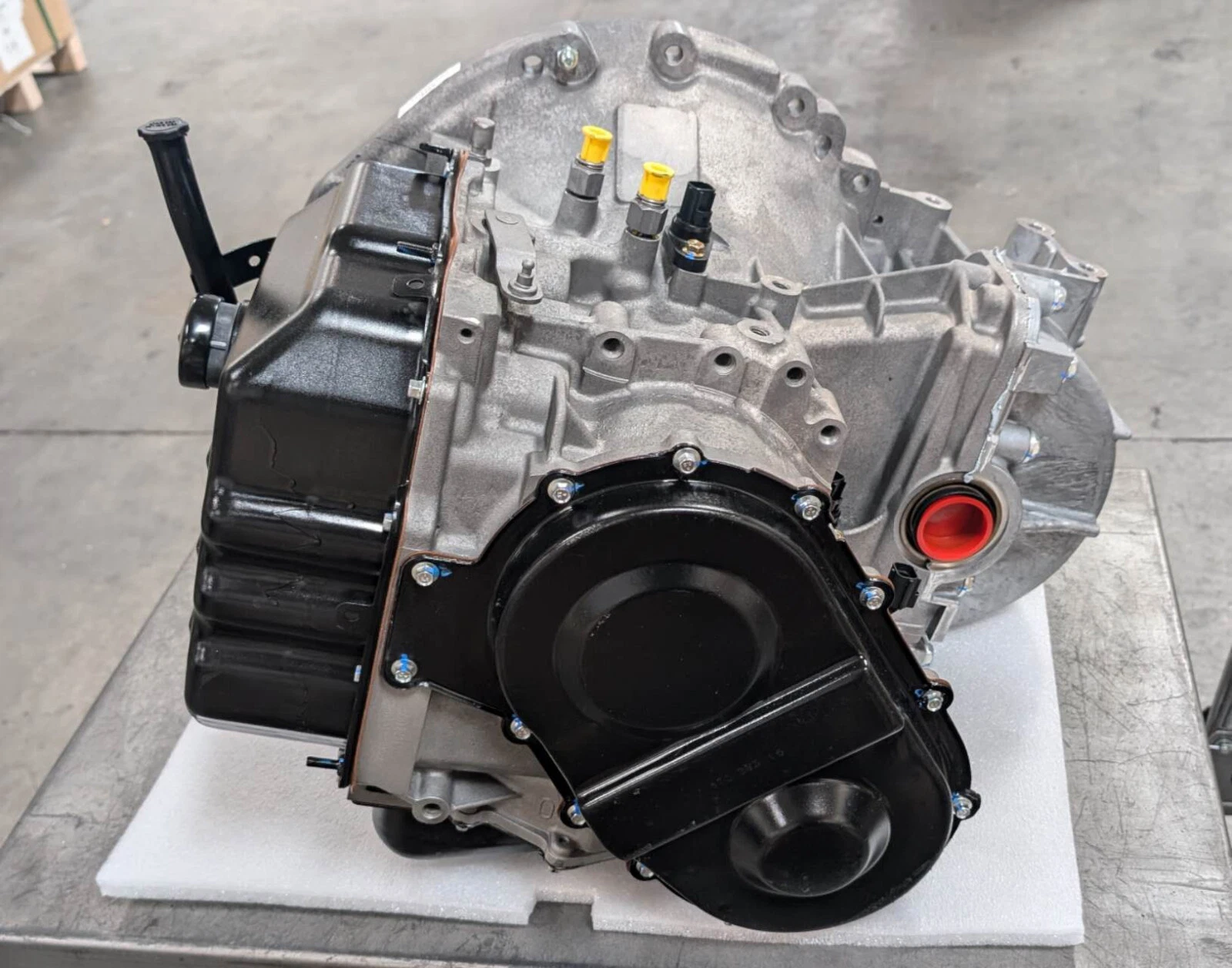
The Chrysler 62TE is a six-speed automatic transmission used in several vehicles, including certain Chrysler Town and Country, Dodge Grand Caravan, and other applications. It was developed to provide improved efficiency and suitable performance for family vehicles and light-duty applications.
Some owners have reported shifting problems as their vehicles accumulated mileage. These complaints include harsh gear changes, delayed engagement, slipping, and inconsistent performance. The actual symptoms depend on the vehicle’s condition and the underlying mechanical or electronic fault.
Solenoid-related issues can affect transmission operation. Solenoids control the flow of hydraulic fluid through different passages, allowing the transmission to engage the correct gears. A malfunctioning solenoid may cause incorrect shifting or activate warning lights.
Valve body wear or contamination can also contribute to shifting difficulties. The valve body manages hydraulic pressure throughout the transmission. Problems in this assembly may affect gear engagement and create unpredictable driving behavior.
Transmission fluid maintenance is essential for proper operation. Over time, fluid can lose some of its protective properties or become contaminated. Following the correct service schedule helps maintain lubrication and hydraulic performance.
Some vehicles may experience torque converter problems. A failing torque converter can produce vibration, slipping, or unusual noise. If the issue remains unresolved, it may contribute to further transmission damage.
Repair costs vary according to the affected components. A solenoid replacement or valve body repair may cost less than a full rebuild. However, extensive internal wear can make major repairs necessary, especially in vehicles with high mileage and a history of neglected maintenance.
9. BMW ZF 8-Speed Automatic Transmission
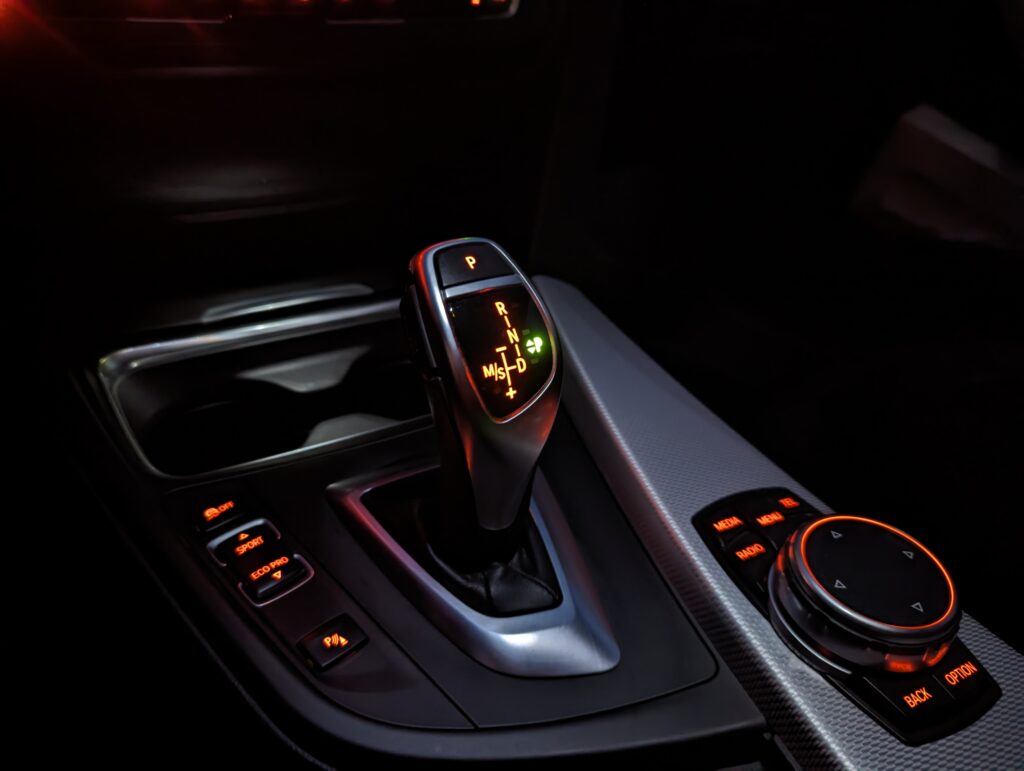
BMW has used ZF eight-speed automatic transmissions across a wide range of vehicles. These transmissions are also found in selected models from other manufacturers. They are widely recognized for their quick shifts, smooth operation, and ability to handle different engine outputs.
The ZF 8HP family has a generally strong reputation, but it is not immune to mechanical problems. Certain vehicles may experience fluid leaks, electronic faults, torque converter concerns, or shifting irregularities as mileage increases.
Transmission fluid leakage is a potential maintenance issue. Leaks may develop around the transmission pan, electrical connector sleeve, seals, or related components, depending on the specific application. Low fluid levels can affect hydraulic pressure and transmission performance.
Some drivers report rough shifting or delayed engagement. These symptoms may result from fluid deterioration, worn internal components, software calibration, or other mechanical issues. A professional diagnosis is necessary to identify the actual cause.
Torque converter wear can also affect performance. Drivers may experience vibration during steady acceleration or unusual behavior when the converter lockup mechanism operates. These symptoms should be investigated before additional damage occurs.
The transmission’s electronic controls are responsible for coordinating gear changes and managing hydraulic functions. Sensor problems, wiring faults, or software issues can sometimes trigger warning messages and irregular shifting.
ZF eight-speed transmissions have specific fluid requirements and service considerations. While some vehicle manufacturers have described certain transmissions as having lifetime fluid, many specialists recommend inspecting fluid condition and following suitable service practices based on the vehicle’s use and operating environment.
Repair expenses can be significant, particularly when the transmission requires a torque converter, valve body, or internal component replacement. Buyers should also remember that premium vehicles can carry higher labor and parts costs.
10. Subaru Lineartronic CVT Transmission
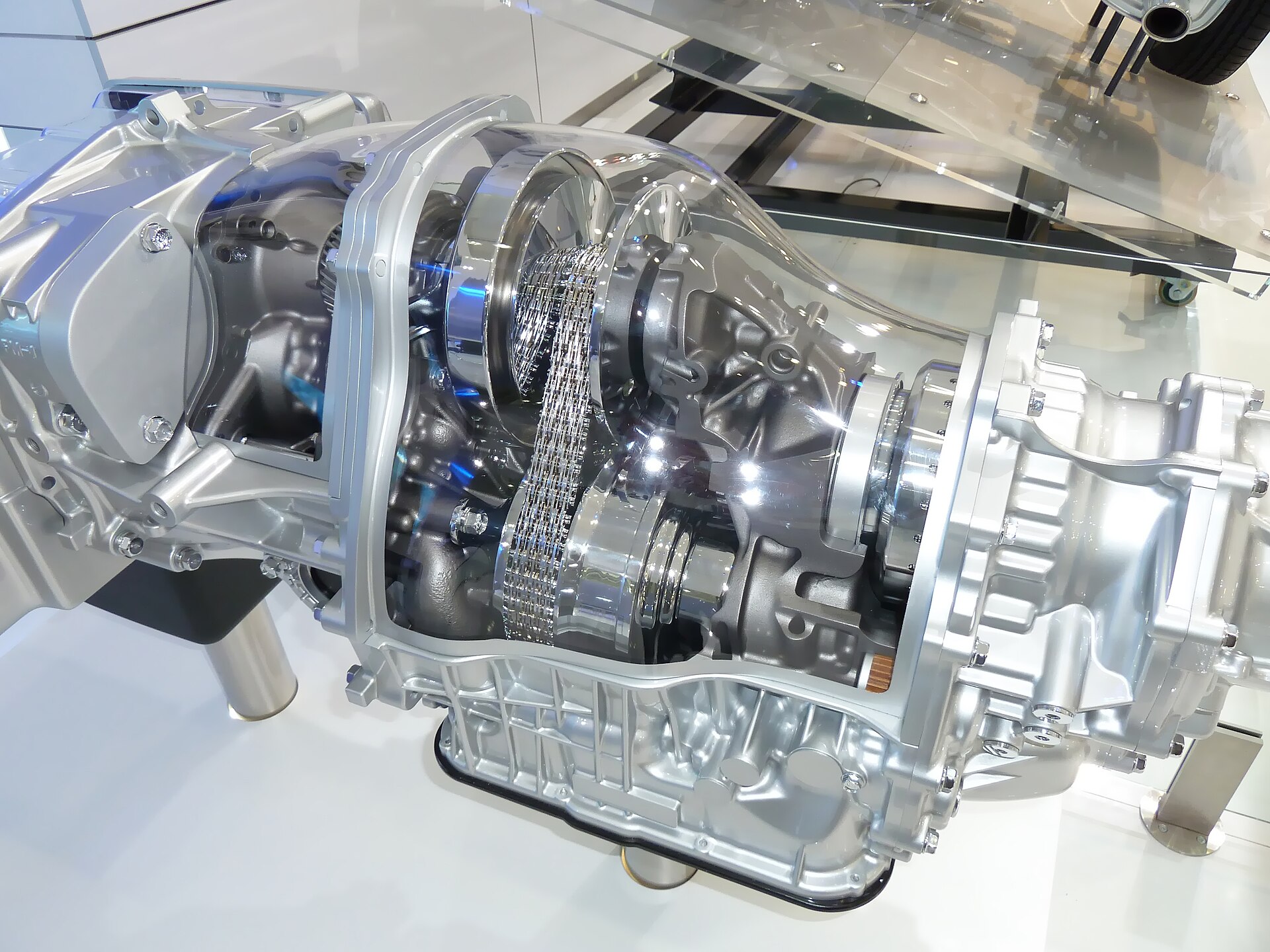
Subaru’s Lineartronic continuously variable transmission has been used in several models, including the Outback, Legacy, Forester, and Crosstrek. The system is designed to provide smooth power delivery and work with Subaru’s all-wheel-drive technology.
Certain production years and applications have received complaints involving CVT performance and durability. Reported symptoms include shuddering, whining noises, hesitation, and unusual acceleration behavior. These concerns do not apply equally to every Subaru model or transmission generation.
Transmission fluid deterioration can affect long-term operation. CVT systems depend on specially formulated fluid to maintain lubrication and the correct friction characteristics. Using unsuitable fluid may create operating problems or accelerate wear.
Overheating can also place stress on transmission components. Driving conditions, cooling system performance, vehicle load, and maintenance history can influence operating temperatures. Some vehicles may reduce power or activate warning indicators when the transmission becomes excessively hot.
Valve body and solenoid problems are additional potential concerns. These components regulate hydraulic pressure and control transmission operation. Faults may produce shifting irregularities, warning lights, or changes in acceleration.
Some Subaru vehicles have been included in warranty extensions or service programs related to CVT concerns. Coverage varies by model, year, mileage, and applicable program conditions. Owners should confirm eligibility directly with a Subaru dealership.
Repair costs depend on the nature of the failure. A relatively minor electronic or hydraulic repair may be less expensive than replacing the complete transmission. Severe internal damage can result in substantial repair bills, particularly after the original warranty expires.