Turbocharged engines promise strong acceleration, better fuel efficiency, and impressive performance from relatively small displacement. However, not every turbo engine delivers dependable long-term ownership.
Some have developed reputations for turbocharger failures, oil consumption, boost leaks, wastegate problems, and expensive repairs before reaching 100,000 miles. These issues can turn an affordable daily driver into a costly maintenance project. Understanding which engines have attracted repeated turbo-related complaints helps buyers make informed decisions when shopping for used vehicles.
This article examines ten turbocharged engines associated with reported reliability concerns, common failure symptoms, and potential ownership expenses.
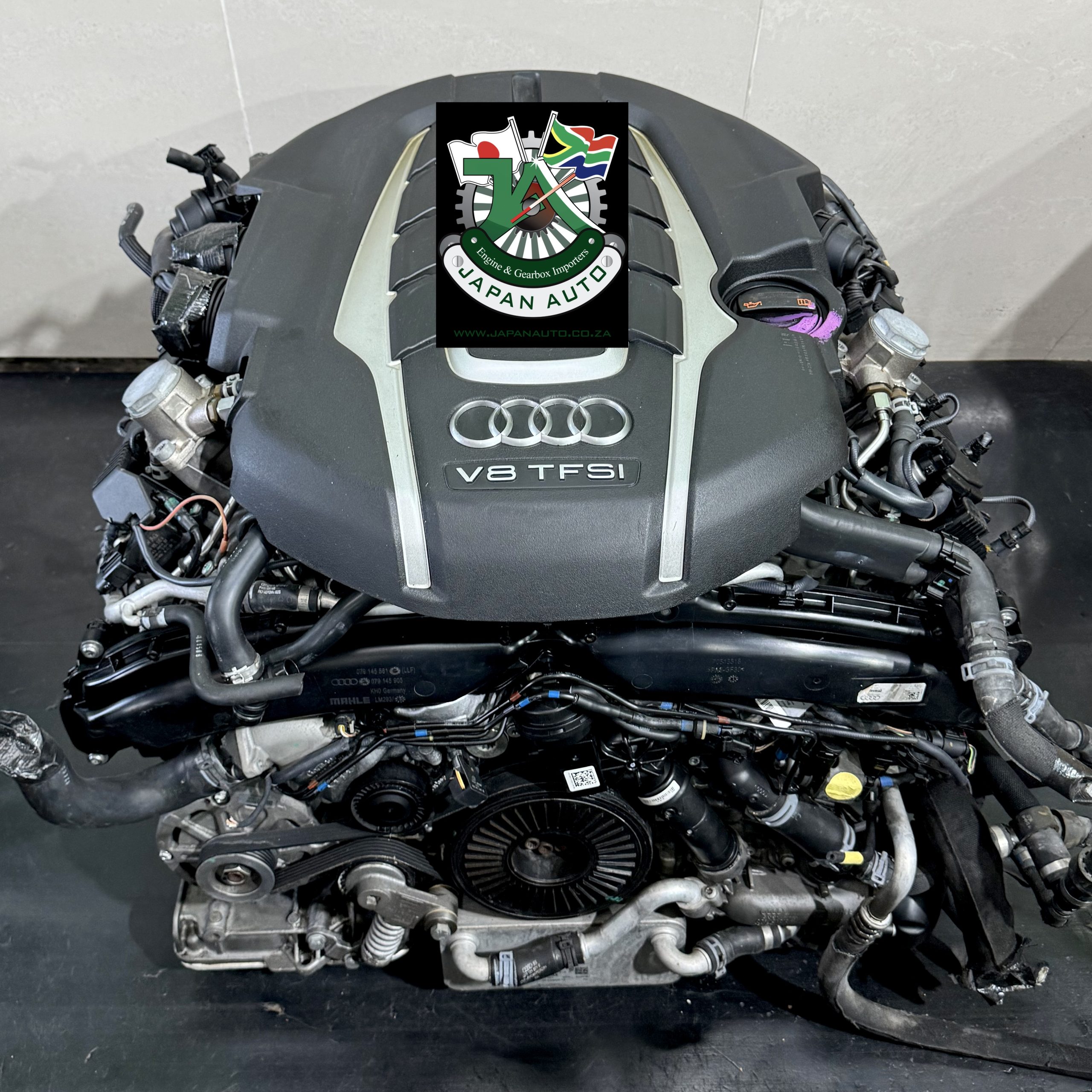
1. Audi 4.0-Litre Twin-Turbo V8
Audi’s 4.0-litre twin-turbocharged V8 delivers exceptional power and smooth acceleration. Found in models such as the A8, S6, S7, S8, and RS7, this engine offers impressive performance. However, certain model years have attracted serious complaints involving turbocharger lubrication and unexpected engine shutdowns.
A major concern involves restricted oil supply to the turbochargers. The engine uses oil strainers in the turbocharger supply lines, and accumulated carbon deposits can restrict oil flow. Insufficient lubrication can cause excessive heat, bearing damage, and eventual turbocharger failure.
The problem received significant attention from the National Highway Traffic Safety Administration (NHTSA). Its investigation covered certain 2013 to 2016 Audi vehicles equipped with the 4.0-litre twin-turbo V8. The agency examined allegations of sudden engine stalling linked to turbocharger failures.
Owners have reported sudden power loss while driving, sometimes without an obvious warning. In serious cases, the engine may stall and refuse to restart. Such symptoms create additional safety concerns, particularly when they occur during highway driving or heavy traffic.
Turbocharger oil starvation can also produce unusual mechanical noises. A damaged turbo may generate whining, scraping, or rattling sounds as its internal components wear. Blue exhaust smoke and reduced acceleration can provide further warning signs that the forced-induction system needs immediate inspection.
Repair expenses can become substantial because accessing the turbocharger assembly and its oil supply components requires considerable labour. Replacing damaged turbochargers without addressing the original lubrication problem can also result in repeat failures. Proper diagnosis should include inspection of the oil supply system.
Buyers considering a used Audi with this engine should request detailed maintenance records. Evidence of updated oil strainers, turbocharger replacement, and regular oil servicing deserves close attention. A specialist inspection before purchase can help identify expensive problems that may not appear during a short test drive.
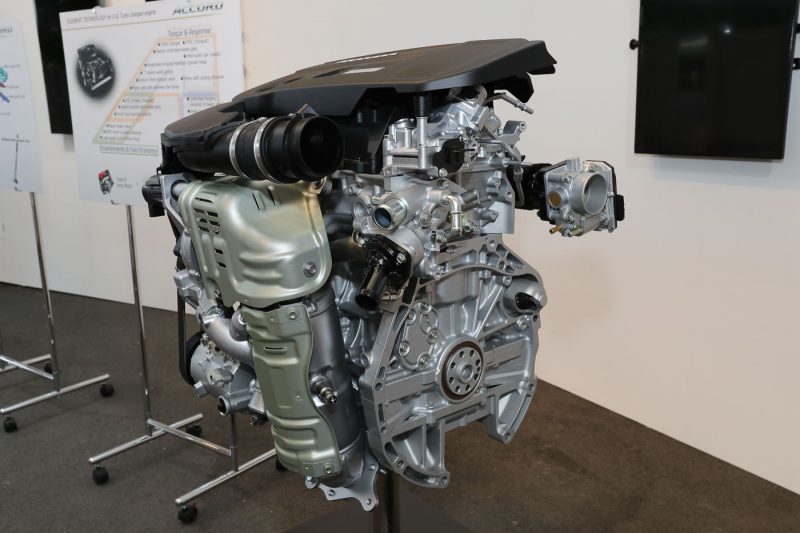
2. Honda 1.5-Litre Turbocharged Four-Cylinder
Honda introduced its 1.5-litre turbocharged engine across several popular vehicles, including the Civic, CR-V, and Accord. The engine provides a useful combination of performance and fuel economy. However, certain applications have attracted complaints involving reduced power, boost problems, and engine performance irregularities.
Turbocharger-related complaints involving the 2017 and 2018 CR-V and 2018 Accord have appeared in owner complaint records. Reports include sudden loss of acceleration, warning lights, and concerns about the turbocharger system. Complaint counts should not be interpreted as the percentage of engines that actually fail.
One concern involves inconsistent boost pressure. The turbocharger depends on accurate control of exhaust gases and compressed intake air. Problems involving wastegate operation, boost-control components, hoses, or sensors can prevent the engine from producing its expected power.
Some owners also report hesitation during acceleration. The vehicle may feel sluggish when entering a highway or attempting to overtake slower traffic. These symptoms do not automatically indicate a failed turbocharger, since ignition, fuel delivery, and electronic control problems can produce similar behaviour.
Oil-related concerns deserve attention as well. Honda’s 1.5-litre turbo engine has also been associated with fuel dilution complaints in certain cold-weather driving conditions. This is a separate issue from turbocharger failure, but contaminated engine oil can create additional lubrication concerns if maintenance is neglected.
A failing turbocharger may produce unusual whining sounds, excessive exhaust smoke, or reduced acceleration. Drivers should also pay attention to check-engine warnings and any messages indicating reduced engine power. Ignoring these symptoms can allow a relatively manageable repair to become more expensive.
Used-car buyers should check the vehicle’s service history and confirm that outstanding recalls or manufacturer service campaigns have been addressed. A diagnostic scan and boost-system inspection are sensible precautions. Regular oil changes using the manufacturer’s recommended specification are particularly important for long-term engine health.
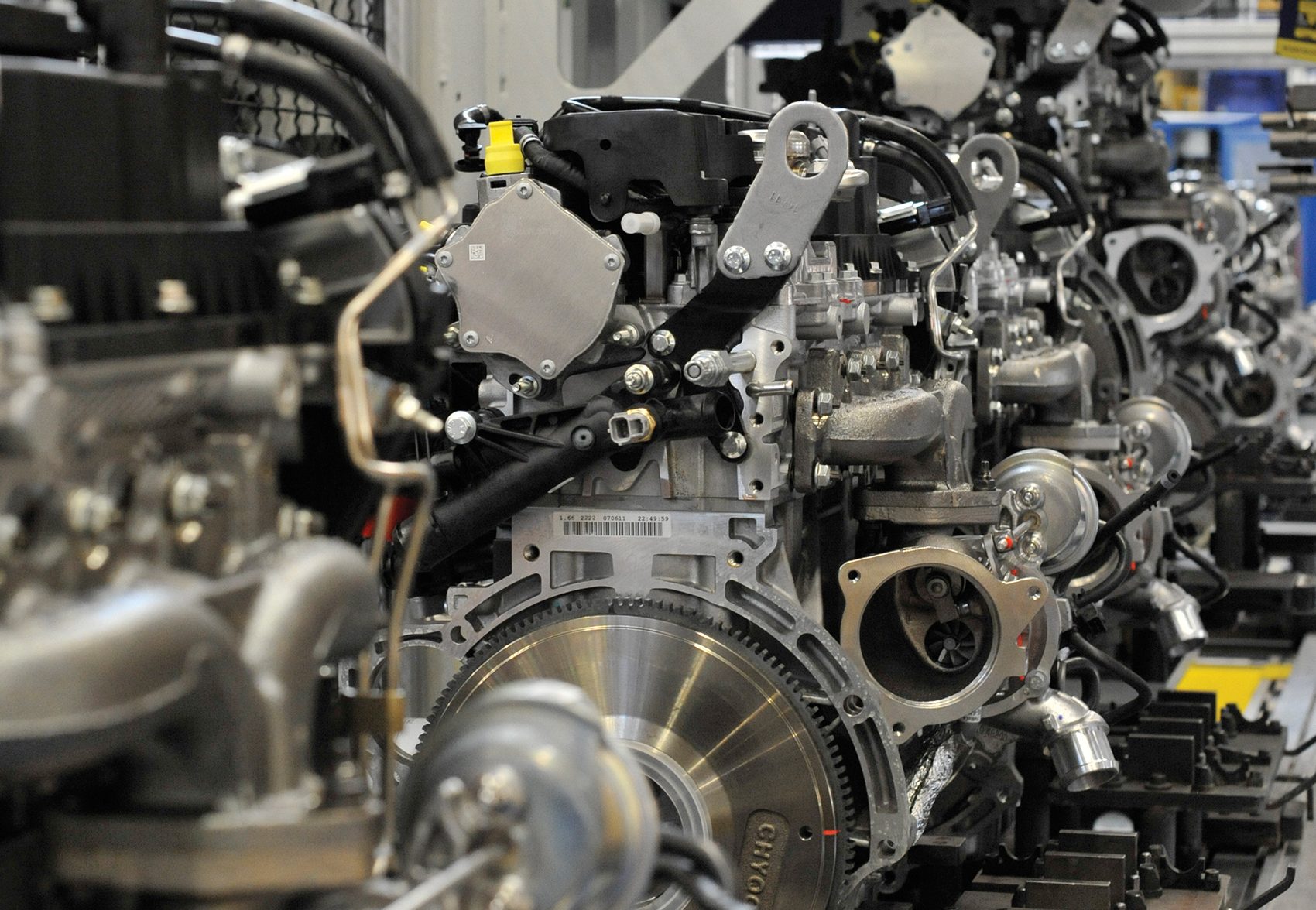
3. Ford 1.6-Litre EcoBoost Turbocharged Engine
Ford’s 1.6-litre EcoBoost engine combines a relatively small displacement with turbocharging and direct fuel injection. It appeared in vehicles such as the Fiesta ST, Focus, and Escape. The engine offers lively acceleration, but certain applications have attracted complaints involving overheating, cooling-system faults, and engine reliability.
Cooling-system problems are particularly important when evaluating this engine family. Excessive operating temperatures can damage engine components and create conditions that place additional stress on the turbocharger. A cooling fault should never be dismissed as a minor inconvenience.
Turbochargers operate under intense heat and rotational speed. They rely on consistent lubrication and effective cooling to maintain their internal components. Repeated overheating or poor oil maintenance can shorten turbocharger life and increase the likelihood of expensive mechanical repairs.
Some drivers describe reduced acceleration, unusual engine noises, and warning lights before visiting a repair shop. These symptoms require proper diagnosis because a boost leak, damaged hose, faulty sensor, or failing turbocharger can produce similar performance problems.
Oil leakage is another area worth checking. The turbocharger’s oil feed and return connections must remain sealed and unobstructed. Leaks can reduce lubrication, while restricted oil return passages can contribute to excessive oil accumulation around the turbocharger.
A neglected cooling system can make existing problems worse. Low coolant levels, damaged hoses, faulty thermostats, and radiator issues should be investigated before the vehicle returns to normal driving. Continuing to operate an overheating engine can lead to extensive damage.
Before purchasing a used vehicle equipped with this engine, inspect its cooling system, turbocharger, and maintenance records. Ask whether previous overheating incidents occurred and whether related repairs were completed properly. A clean service history provides more useful information than a low odometer reading alone.
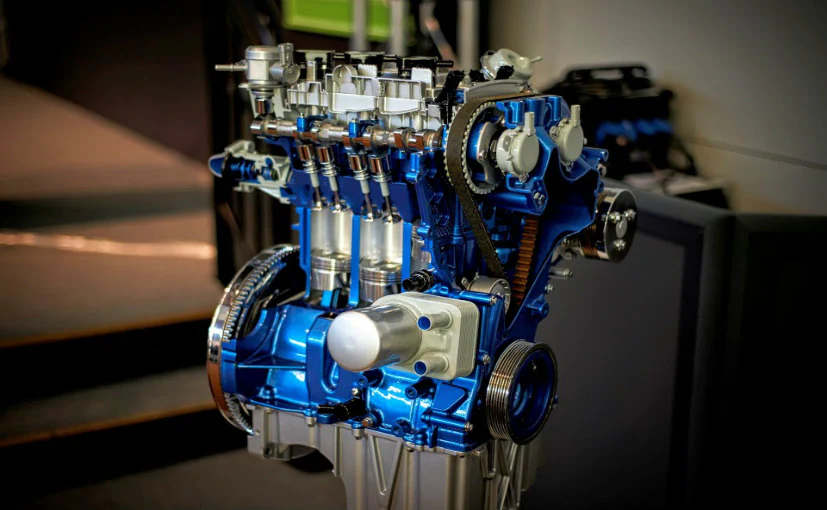
4. Ford 1.0-Litre EcoBoost Three-Cylinder
The Ford 1.0-litre EcoBoost is a small three-cylinder engine designed to deliver useful performance without requiring a large displacement. It appeared in vehicles such as the Fiesta, Focus, and EcoSport. Its compact construction and turbocharging helped make it popular among drivers seeking fuel efficiency.
However, some applications have developed concerns involving lubrication, cooling, and turbocharger performance. Owner complaint records include reports concerning turbocharger or boost-related problems in the 2018 Ford EcoSport. The 2020 EcoSport also appears in complaint data.
Turbocharger lubrication is especially important in a small, highly boosted engine. The turbocharger spins at extremely high speeds and depends on clean oil to protect its bearings. Delayed servicing or incorrect oil specifications can contribute to premature wear.
Some versions of the 1.0-litre EcoBoost also use a wet timing belt system. This arrangement makes correct oil specification and maintenance particularly important. Timing belt deterioration is not itself a turbocharger failure, but neglected engine maintenance can create wider mechanical problems.
Drivers may notice hesitation, reduced acceleration, unusual turbo noises, or warning lights when the forced-induction system develops a fault. A diagnostic scan can help identify boost-pressure irregularities and sensor-related problems before parts are replaced unnecessarily.
Oil leaks around turbocharger connections should receive immediate attention. A damaged oil feed line or restricted return passage can affect lubrication and create conditions that shorten turbocharger life. Technicians should inspect the entire system rather than focusing exclusively on the turbo unit.
Buyers should examine maintenance invoices carefully, particularly records showing oil changes, timing belt servicing, and cooling-system repairs. A pre-purchase inspection should also include a road test under moderate acceleration. Any unexplained loss of power deserves further investigation before money changes hands.
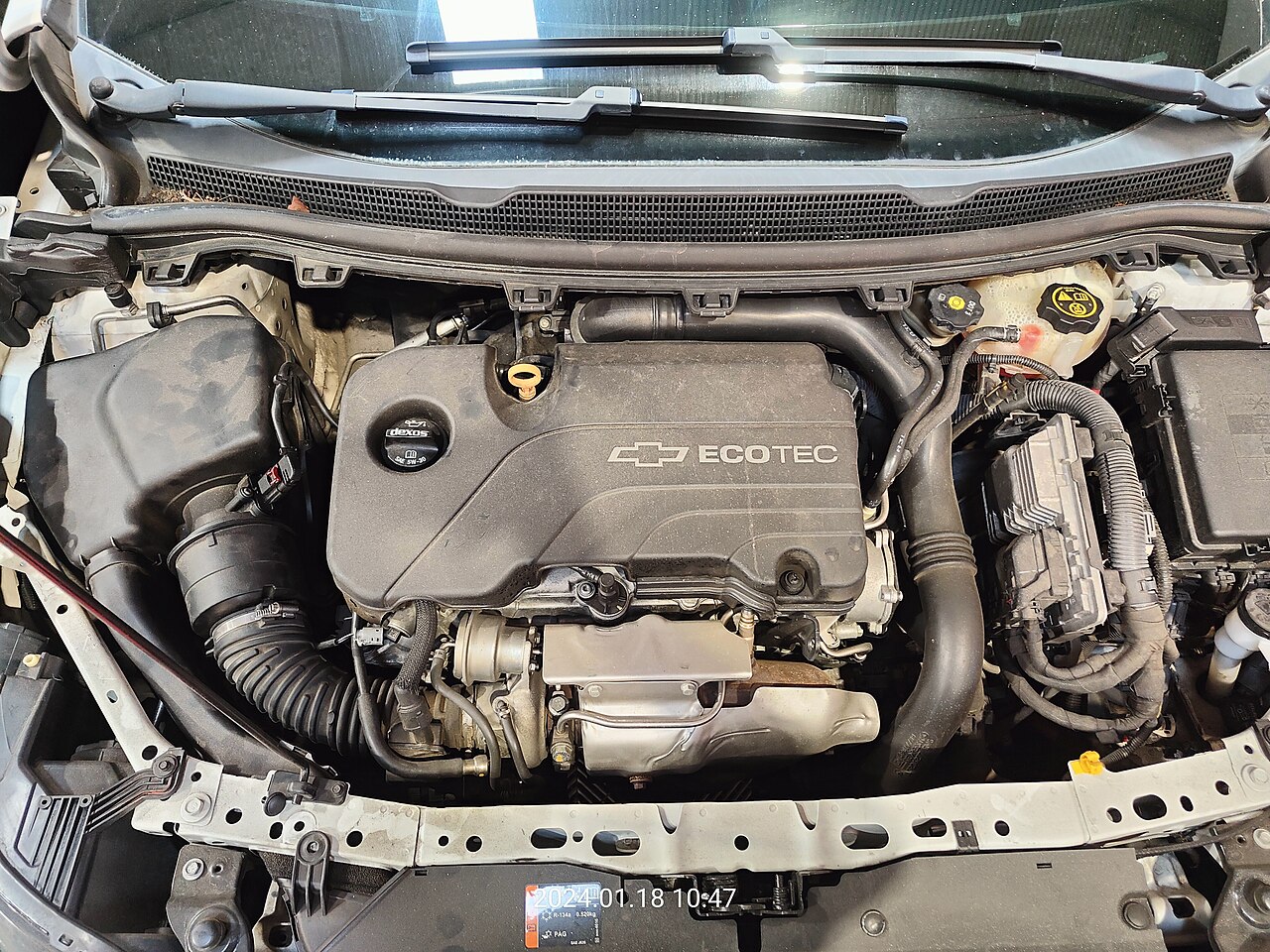
5. General Motors 1.4-Litre Turbocharged Engine
General Motors used its 1.4-litre turbocharged four-cylinder engine in several compact vehicles, including the Chevrolet Cruze, Sonic, and Buick Encore. The engine provides reasonable performance and fuel economy. However, certain model years have developed complaints involving turbocharger performance, oil leaks, and related engine components.
The 2014 Chevrolet Cruze appears in owner complaint records involving turbo failure and boost-related problems. Reports include concerns about power loss and turbocharger performance before the vehicle reaches or approaches 100,000 miles.
One potential problem involves the turbocharger wastegate mechanism. The wastegate controls exhaust flow through the turbocharger turbine. If its actuator or mechanical linkage develops a fault, the engine may experience incorrect boost pressure and inconsistent acceleration.
Cracked or damaged boost hoses can create similar symptoms. Pressurised air may escape before reaching the intake manifold, reducing engine performance. Drivers might notice sluggish acceleration, unusual airflow noises, or a check engine light during normal operation.
Oil leakage is another concern worth investigating. Turbocharger connections, seals, and surrounding engine components should be inspected during routine servicing. Low oil levels can compromise lubrication and increase the risk of internal damage if the problem remains unresolved.
The engine’s cooling system also deserves attention. Cooling-system leaks and overheating can affect long-term reliability, especially when combined with neglected oil changes. A vehicle that has experienced repeated overheating should receive a detailed mechanical inspection before purchase.
Repair costs depend on the failed component. A damaged hose or actuator may require a relatively straightforward repair, while a completely failed turbocharger can involve considerably greater expense. Buyers should request a written diagnosis instead of assuming every boost problem requires turbo replacement.
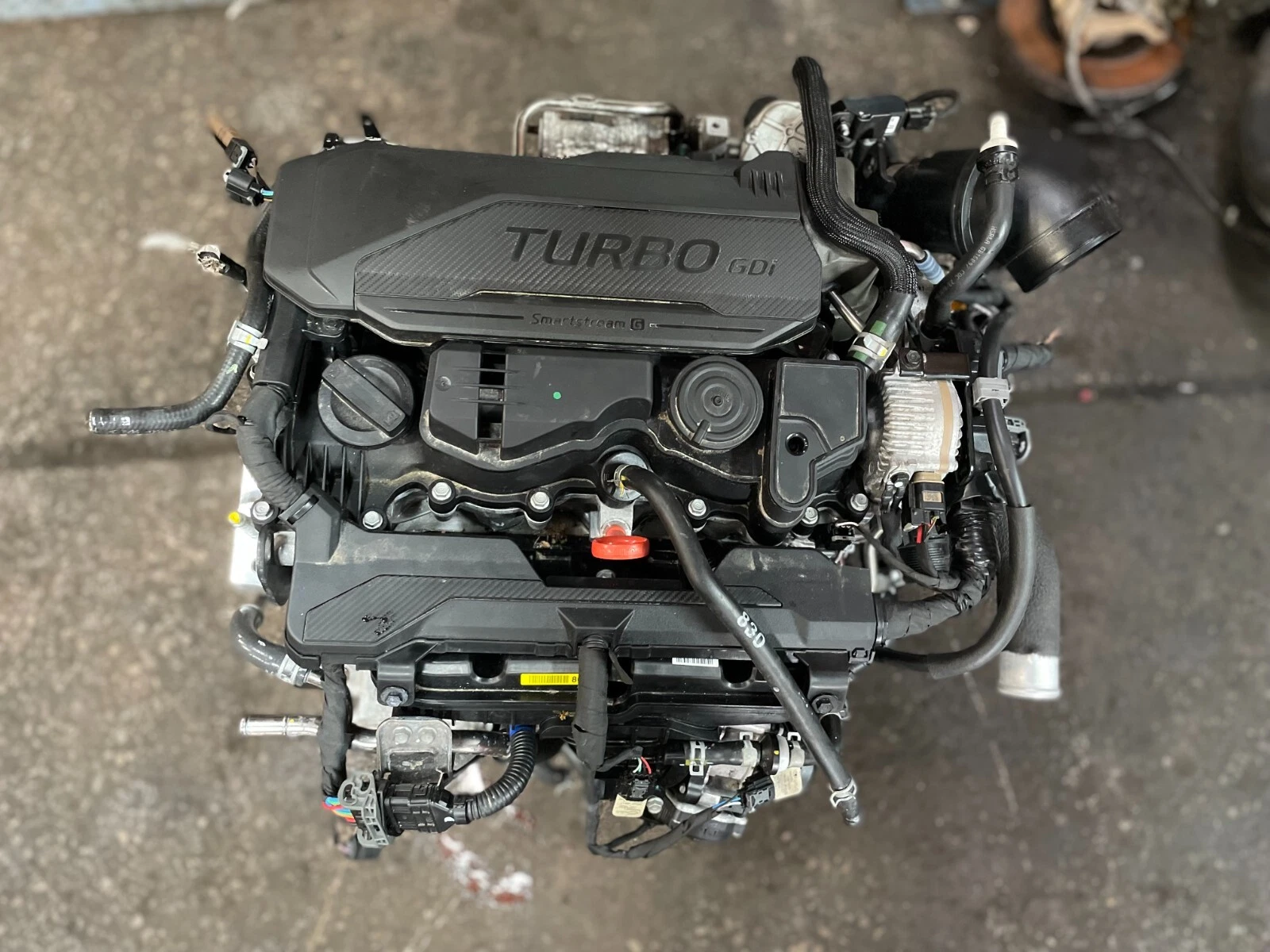
6. Hyundai and Kia 1.6-Litre T-GDi Turbocharged Engine
Hyundai and Kia have used the 1.6-litre T-GDi turbocharged engine in several compact cars and SUVs. Models such as the Hyundai Tucson and Kia Sportage offer responsive acceleration and practical everyday performance. However, certain model years have attracted complaints involving turbocharger operation and engine performance.
The 2016 and 2017 Hyundai Tucson appear in owner complaint records involving turbo-related problems. Reports include concerns about reduced power, boost performance, and warning lights. The 2016 Tucson has also appeared in records involving more serious incidents, though these reports do not establish that every vehicle has the same underlying defect.
One area requiring attention is the turbocharger wastegate system. The wastegate regulates exhaust gases entering the turbine. If its actuator becomes unreliable or the mechanism sticks, the engine may struggle to maintain the correct boost pressure.
Drivers can experience hesitation during acceleration, reduced pulling power, or inconsistent engine response. These symptoms can become particularly noticeable when climbing hills or carrying passengers. A diagnostic scan can help distinguish turbocharger problems from ignition and fuel delivery faults.
Oil quality also plays an important role in turbocharger durability. The turbocharger relies on clean engine oil to lubricate its high-speed bearings. Extended oil-change intervals, incorrect oil grades, and neglected servicing can increase the risk of premature component wear.
Unusual whining noises and exhaust smoke should receive attention. A damaged turbocharger may allow oil to enter the intake or exhaust system. However, similar symptoms can originate from other engine components, making professional diagnosis important.
Used-car buyers should examine the vehicle’s maintenance history and check whether manufacturer recalls or service campaigns have been completed. Inspecting boost hoses, oil connections, and cooling-system components can reveal problems that might otherwise become expensive after purchase.
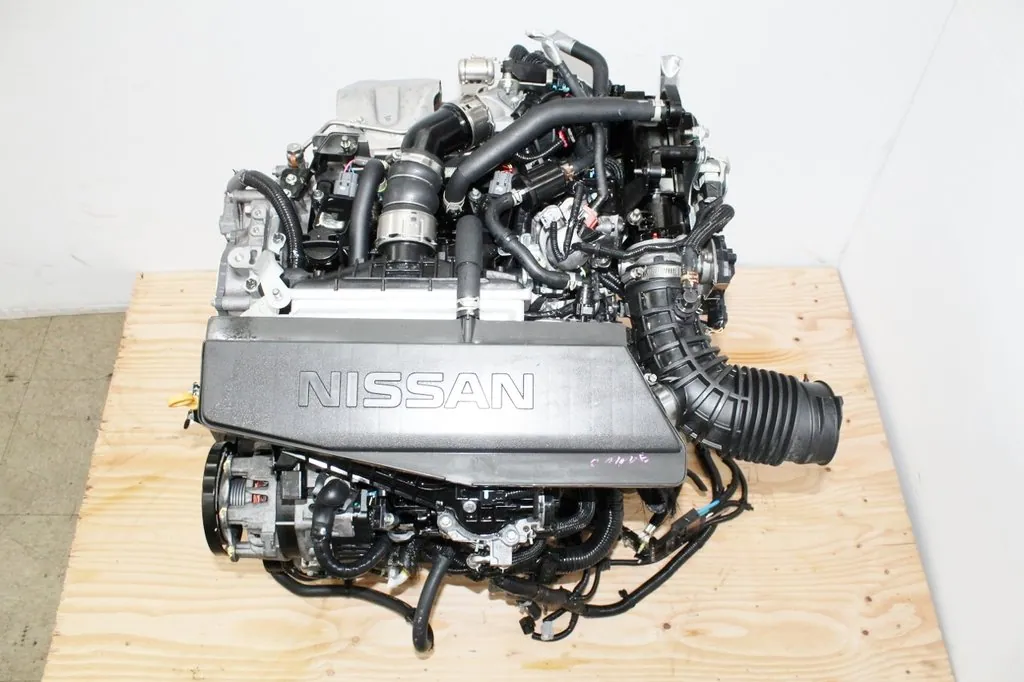
7. Nissan 1.5-Litre Variable Compression Turbo Engine
Nissan’s 1.5-litre variable compression turbocharged engine represents a different approach to improving engine efficiency. It uses variable compression technology to adjust how the engine operates under different driving conditions. The technology is designed to balance fuel economy with strong acceleration.
This engine is used in newer Nissan Rogue models, including the 2022 and 2023 versions in North America. Turbo-related complaints have appeared in owner reporting databases for these model years. The 2023 Rogue appears among vehicles with turbo and boost-related complaint counts.
The engine’s complex design makes accurate diagnosis particularly important. Variable compression mechanisms, turbocharger controls, electronic sensors, and engine management software work together. A problem in one area can affect performance and sometimes produce symptoms that resemble turbocharger failure.
Some reported concerns involve reduced acceleration and inconsistent power delivery. Drivers may notice hesitation when pressing the accelerator or experience an unexpected reduction in engine performance. These symptoms should be investigated before assuming the turbocharger itself needs replacement.
Boost-pressure regulation is another important inspection point. A malfunctioning sensor, damaged intake connection, or control-system fault can prevent the turbocharger from delivering the expected pressure. Replacing the turbo without checking these related components may lead to unnecessary expenses.
Oil maintenance is essential because the turbocharger operates under demanding conditions. Owners should follow the recommended oil specification and service schedule. Any unexplained oil consumption, exhaust smoke, or mechanical whining should receive professional attention.
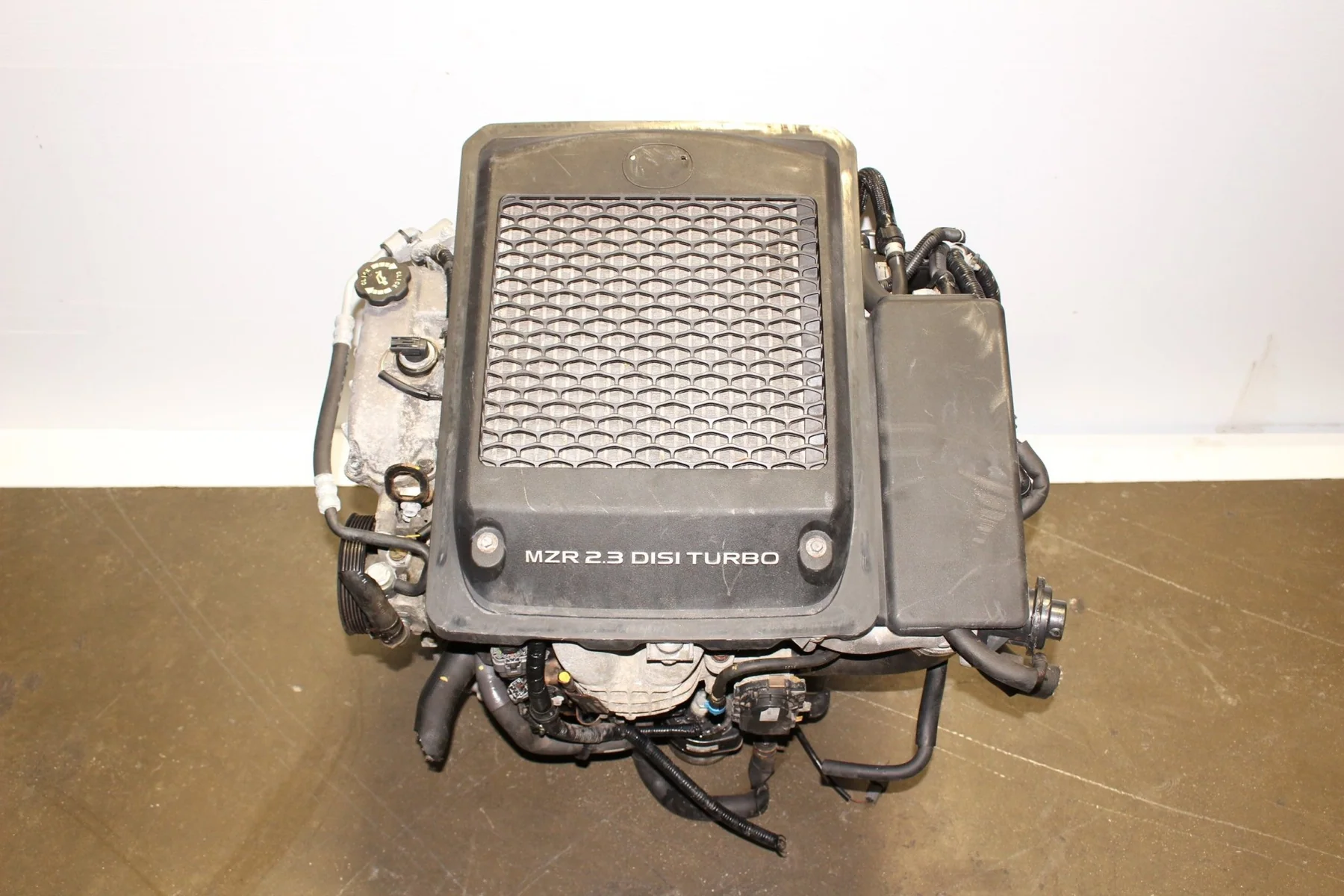
8. Mazda 2.3-Litre DISI Turbocharged Engine
Mazda’s 2.3-litre direct-injection turbocharged engine became popular through performance-oriented vehicles and the CX-7 SUV. It delivers strong acceleration and an engaging driving experience. However, certain older applications have attracted complaints involving turbocharger durability and oil-related mechanical problems.
The 2007 Mazda CX-7 appears in turbocharger failure complaint records. Older examples deserve particular attention because age, mileage, previous maintenance, and driving conditions can all influence the condition of the turbocharger.
Oil consumption and lubrication deserve close inspection. Turbochargers depend on a steady supply of clean oil to protect their internal bearings. Neglected servicing, restricted oil passages, or deteriorated seals can contribute to premature turbocharger damage.
A failing turbocharger may produce blue exhaust smoke, unusual whining noises, or reduced engine performance. Some owners may initially mistake these symptoms for ordinary ageing. However, continued driving with a damaged turbo can increase the risk of further engine problems.
The engine’s direct-injection design also makes carbon deposits a maintenance consideration. Deposits around intake valves can affect engine operation and contribute to rough running. This is not necessarily a turbocharger defect, but it can complicate diagnosis when performance begins to decline.
Another area to inspect is the turbocharger’s oil feed and return system. Oil leakage or restricted oil circulation can affect the unit’s ability to operate safely. Technicians should examine the surrounding plumbing and connections before approving a replacement.
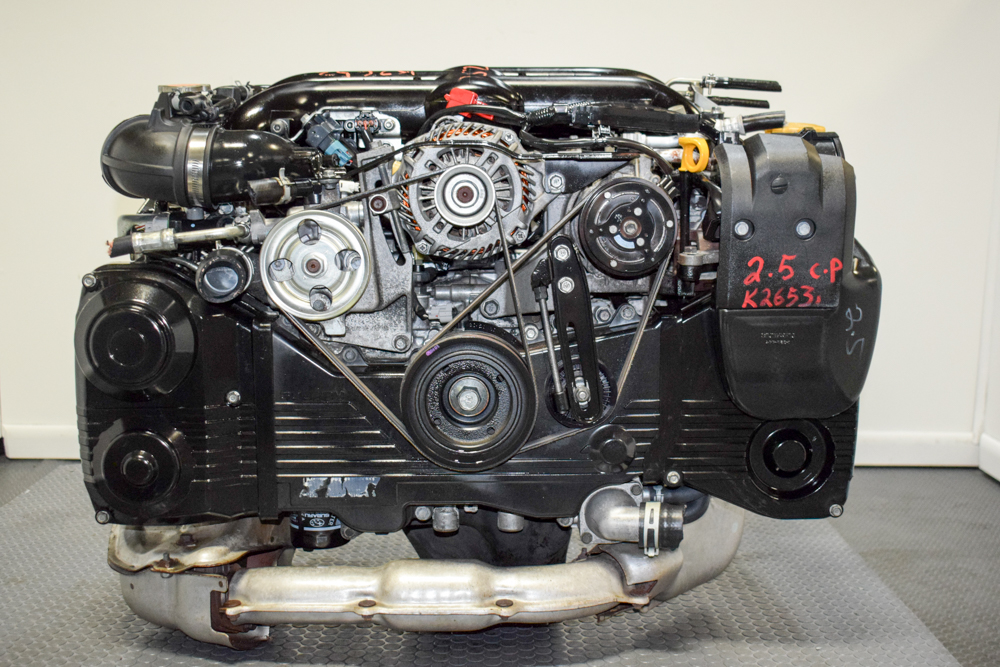
9. Subaru EJ255 2.5-Litre Turbocharged Boxer Engine
Subaru’s EJ255 2.5-litre turbocharged boxer engine powered several performance-oriented vehicles, including the Legacy GT, Forester XT, and certain Impreza WRX versions. Its horizontally opposed cylinder layout and turbocharged performance made it popular among enthusiasts.
Older Subaru turbocharged engines have attracted complaints involving lubrication, oil consumption, overheating, and turbocharger durability. The 2005 Subaru Legacy appears in turbocharger failure reporting data, making it a relevant example for used-car buyers.
Oil quality and circulation are especially important in the EJ255. The turbocharger depends on consistent lubrication, and contaminated oil can accelerate bearing wear. Extended oil-change intervals and poor maintenance can increase the likelihood of expensive repairs.
Drivers may notice blue exhaust smoke, unusual turbocharger noises, reduced boost pressure, or excessive oil consumption. These symptoms should be investigated promptly because a damaged turbocharger can introduce further complications into the engine’s intake and lubrication systems.
Cooling-system condition also matters. Excessive operating temperatures can place additional stress on engine components and reduce long-term durability. A vehicle with a history of overheating deserves a detailed inspection before purchase.
The EJ255’s reputation is influenced by more than turbocharger complaints. Engine tuning, aggressive driving, incorrect modifications, and poor servicing can all affect reliability. A modified vehicle with increased boost pressure may have experienced considerably more mechanical stress than a factory-standard example.
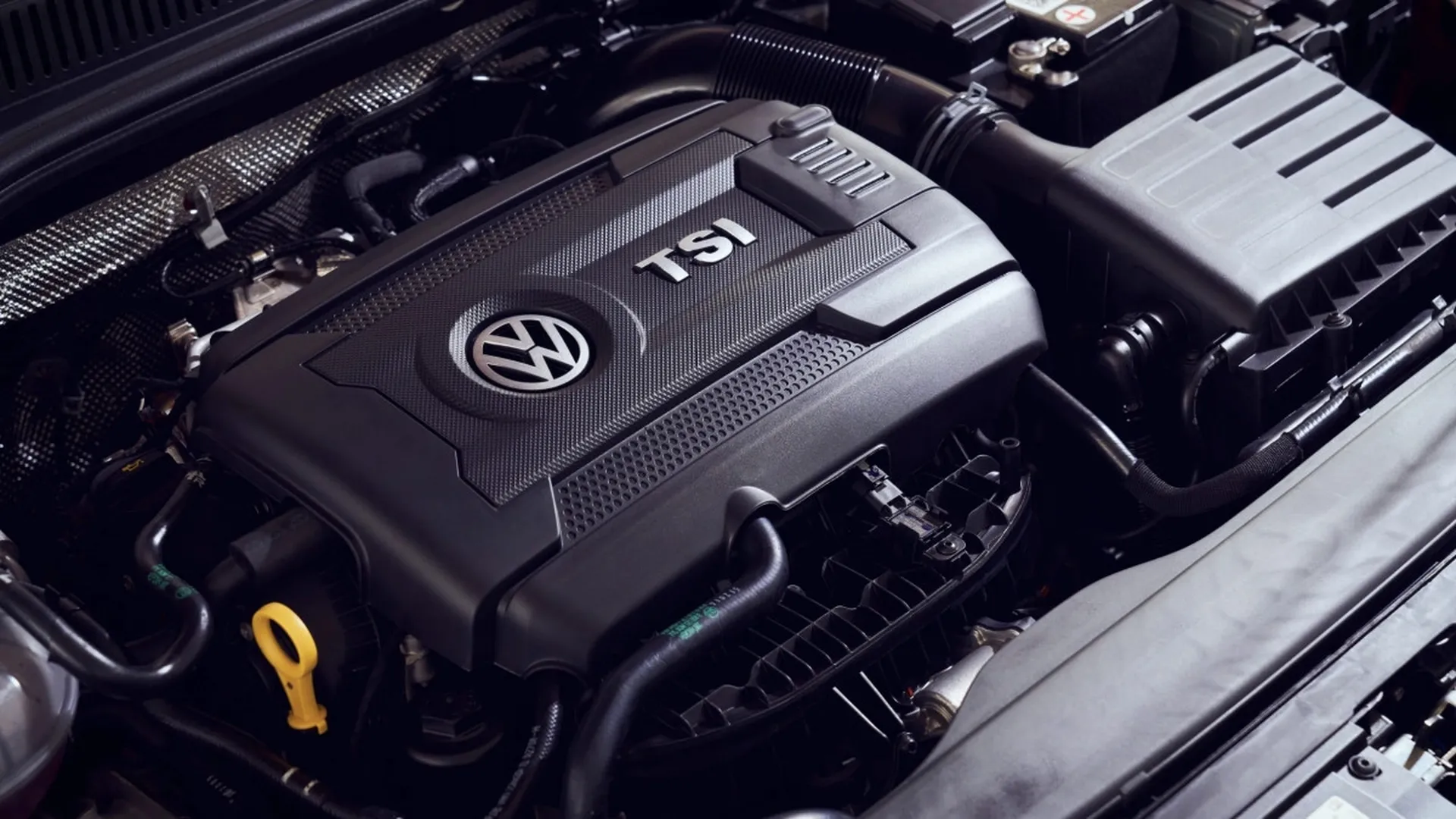
10. Volkswagen 2.0-Litre TSI Turbocharged Engine
Volkswagen’s 2.0-litre TSI engine has powered numerous vehicles, including the Passat, Golf GTI, Tiguan, and other models. It offers strong low-speed torque and useful highway performance. However, different generations have experienced concerns involving oil consumption, timing components, and turbocharger operation.
Some Volkswagen Passat model years appear in turbocharger complaint datasets. The reported problems include reduced boost, turbocharger failure, and other performance-related concerns. These records cover different engine generations, so buyers should identify the exact engine code before making reliability assumptions.
Turbocharger wastegate problems can affect certain applications. A worn linkage or faulty actuator may prevent the system from regulating boost pressure correctly. Drivers can experience reduced acceleration, warning lights, and inconsistent engine response.
Oil consumption is another important consideration in certain TSI generations. Low oil levels can compromise turbocharger lubrication and increase mechanical wear. Owners should check oil levels regularly and investigate unexplained consumption rather than simply topping up the engine indefinitely.
Timing chain and tensioner concerns have also affected certain older Volkswagen TSI engines. These problems are separate from turbocharger failure, but they matter when evaluating the reliability of a used vehicle. Unusual rattling during cold starts deserves professional attention.