

Vehicle stalling is a serious concern that can affect driving safety, engine performance, and reliability. When an engine shuts off unexpectedly, drivers may lose power assistance for steering and braking, making it difficult to control the vehicle.
The National Highway Traffic Safety Administration (NHTSA) collects consumer complaints about vehicle defects, including unexpected engine shutdowns, rough idling, and repeated stalling. These reports help identify potential safety concerns across different manufacturers and model years.
This article examines ten vehicle models associated with reported stalling concerns, common symptoms, possible causes, and important information buyers should understand before purchasing.
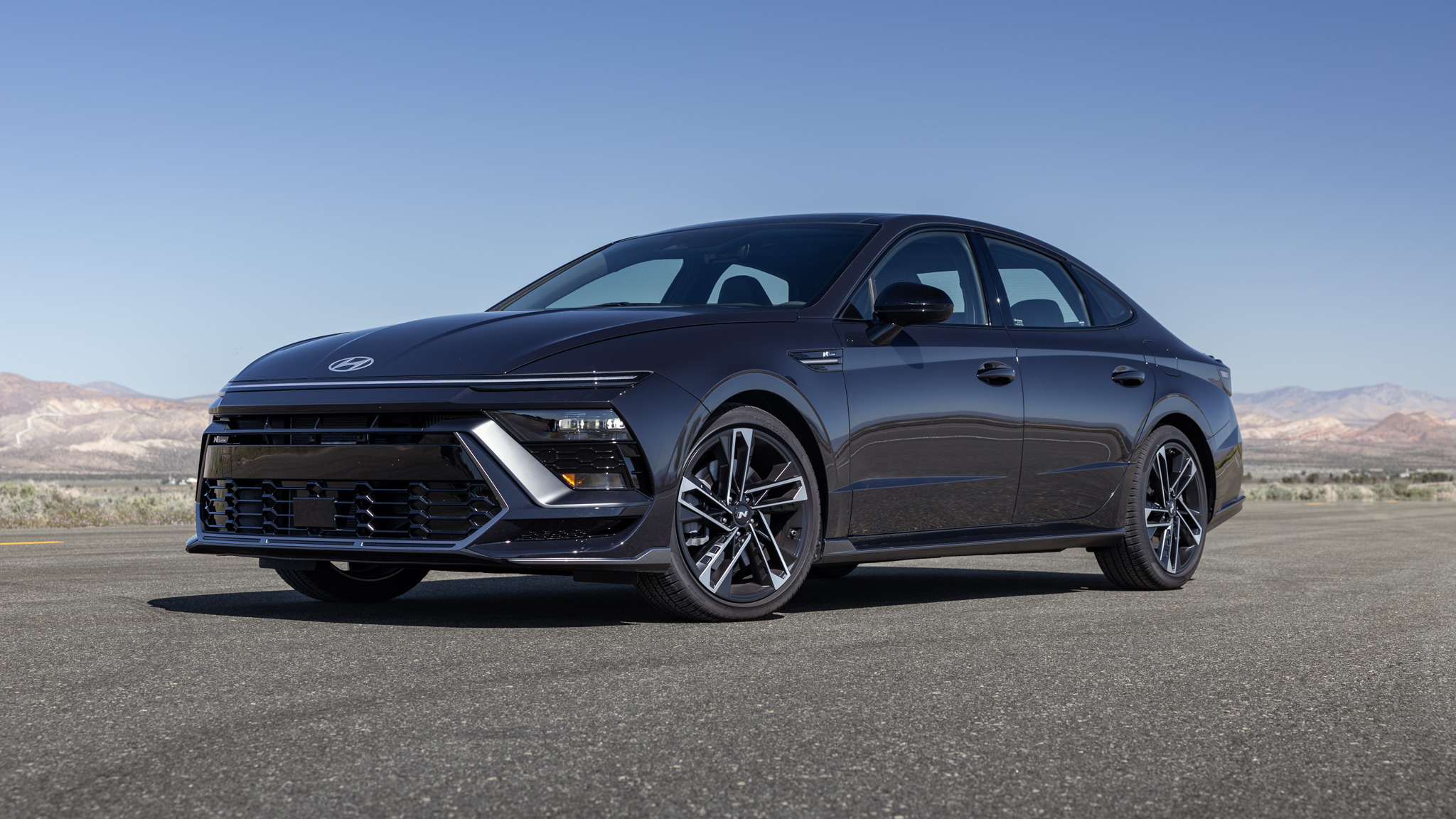
1. Hyundai Sonata
The Hyundai Sonata has experienced engine-related complaints across several model years. Some owners have reported unexpected engine shutdowns, hesitation, rough operation, and difficulty maintaining consistent performance. Such symptoms can make everyday driving stressful, particularly in heavy traffic.
Certain Sonata model years have also received attention because of engine reliability concerns. Reports involving engine knocking, excessive oil consumption, and engine failure have contributed to questions about long-term dependability. However, these problems do not affect every Sonata.
Stalling can occur when an engine fails to maintain stable operation. Issues involving fuel delivery, ignition components, electronic controls, or internal engine damage can contribute to this condition. A proper inspection is necessary to identify the actual cause.
Drivers experiencing repeated stalling should pay attention to warning lights, unusual engine noises, and changes in acceleration. An engine that shuts down without warning requires immediate attention because the driver may experience reduced steering and braking assistance.
Potential buyers should research the specific Sonata model year rather than treating every vehicle in the lineup equally. Different generations use different engines, components, and control systems, which can influence reliability.
NHTSA complaint records, recall notices, and manufacturer service information can help buyers understand whether a particular vehicle has a documented history of engine-related concerns. Checking the vehicle identification number is also important.
A used Sonata should receive a comprehensive mechanical inspection before purchase. The inspection should include engine performance, diagnostic trouble codes, maintenance records, oil consumption history, and evidence of previous engine repairs.
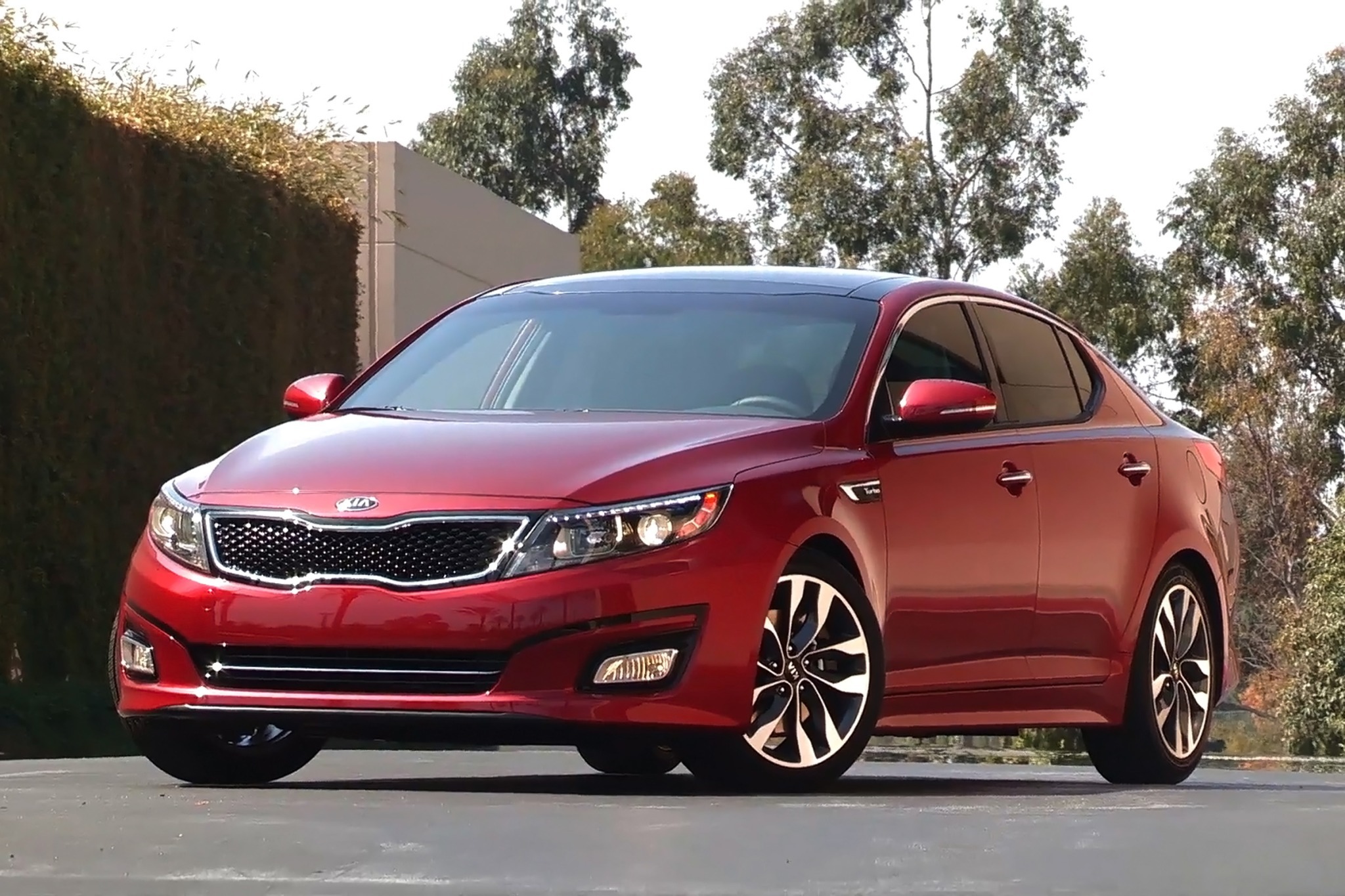
2. Kia Optima
The Kia Optima has appeared in discussions involving engine performance and unexpected shutdown concerns. Certain model years have attracted attention because of reported engine problems, including knocking, power loss, and complete engine failure.
Some drivers have described situations in which their vehicles lost power while moving. Depending on the underlying mechanical problem, engine performance may deteriorate gradually, or the vehicle may stop operating unexpectedly.
The causes of stalling can vary. Fuel system problems, ignition failures, damaged sensors, electrical faults, and internal engine damage may all affect the engine’s ability to continue running.
The Optima shares some engineering components with vehicles from Hyundai. However, shared platforms do not mean every model year has identical reliability concerns. Buyers should investigate the exact engine configuration and production year.
A warning light should never be ignored when the engine begins running roughly or losing power. Continuing to drive a vehicle with serious engine symptoms may increase repair costs and create additional safety risks.
Anyone considering a used Kia Optima should review its maintenance history and check for completed safety recalls. Particular attention should be given to engine replacement documentation and any unresolved mechanical complaints.
A professional inspection can reveal problems that may not appear during a short test drive. Buyers should request a cold start, a diagnostic scan, and an evaluation of engine noise and operating temperature.

3. Ford Escape
The Ford Escape has been produced across several generations, with different engine options and mechanical configurations. Some owners have reported engine hesitation, rough idling, unexpected shutdowns, and other powertrain-related problems.
Stalling complaints involving the Escape can have different explanations depending on the vehicle’s age and equipment. Fuel delivery issues, throttle body faults, ignition problems, and electronic sensor failures may interfere with normal engine operation.
Older vehicles can also develop problems involving electrical connections and worn engine components. These faults may become more noticeable during acceleration, when the vehicle is idling, or when the engine reaches operating temperature.
A vehicle that stalls at an intersection or during a turn can create a dangerous situation. Drivers may struggle to maintain control, especially when traffic is moving quickly or the vehicle is positioned in a busy junction.
The Ford Escape has received various recalls across different model years. However, a recall involving another component does not automatically indicate a stalling defect. Buyers should check the actual recall description and affected production dates.
Used-car shoppers should examine the vehicle’s service history and look for repeated visits involving engine performance, fuel system repairs, or electrical problems. Multiple repairs for similar symptoms may indicate an unresolved issue.
A qualified technician should inspect the vehicle before purchase. A road test under different driving conditions, combined with a computer diagnostic scan, can help identify problems that may not be visible during a stationary inspection.
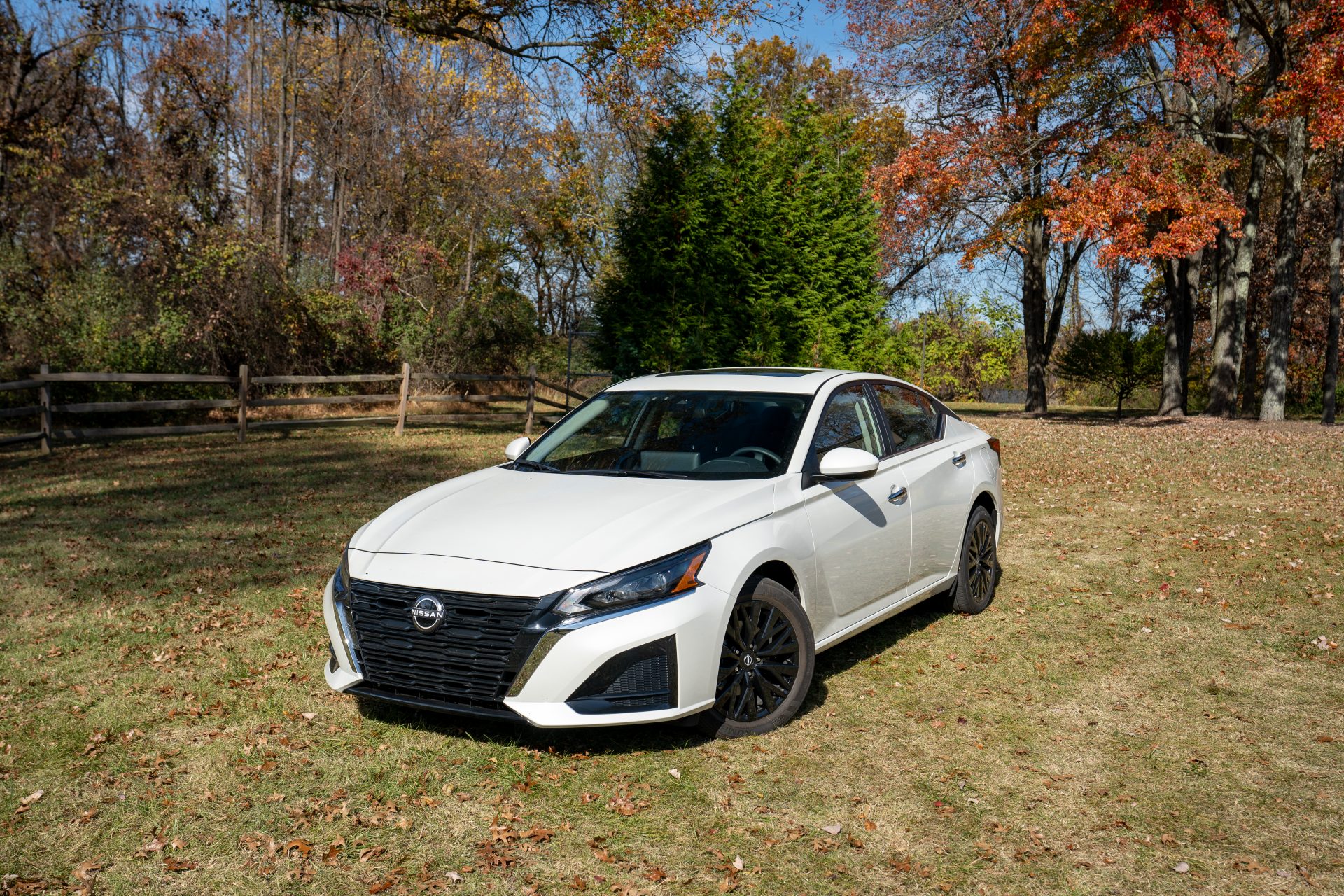
4. Nissan Altima
The Nissan Altima is a popular midsize sedan that has been sold with different engine and transmission configurations. Owners have reported various performance concerns over the years, including hesitation, power loss, and occasional engine stalling.
It is important to distinguish engine stalling from transmission-related hesitation. A vehicle may feel as though it is losing power when the transmission is not responding properly, even if the engine continues running.
Problems involving fuel pressure, ignition components, airflow sensors, and electronic engine controls can contribute to genuine stalling. The exact cause depends on the model year, engine type, and maintenance condition.
Some Altima owners have also raised concerns about continuously variable transmission performance. Transmission problems can produce delayed acceleration, shuddering, and inconsistent power delivery, which should be investigated separately from engine shutdown complaints.
A warning light, sudden loss of acceleration, or repeated rough idling should prompt a professional diagnostic inspection. Ignoring these symptoms can allow a relatively manageable problem to develop into a more expensive repair.
Potential buyers should research the specific Altima generation and check its service history. Transmission maintenance, engine repairs, previous warning lights, and outstanding recalls deserve careful attention.
Before purchasing a used Altima, arrange an independent inspection and test drive. The technician should evaluate engine operation, transmission response, stored fault codes, and electrical system performance.
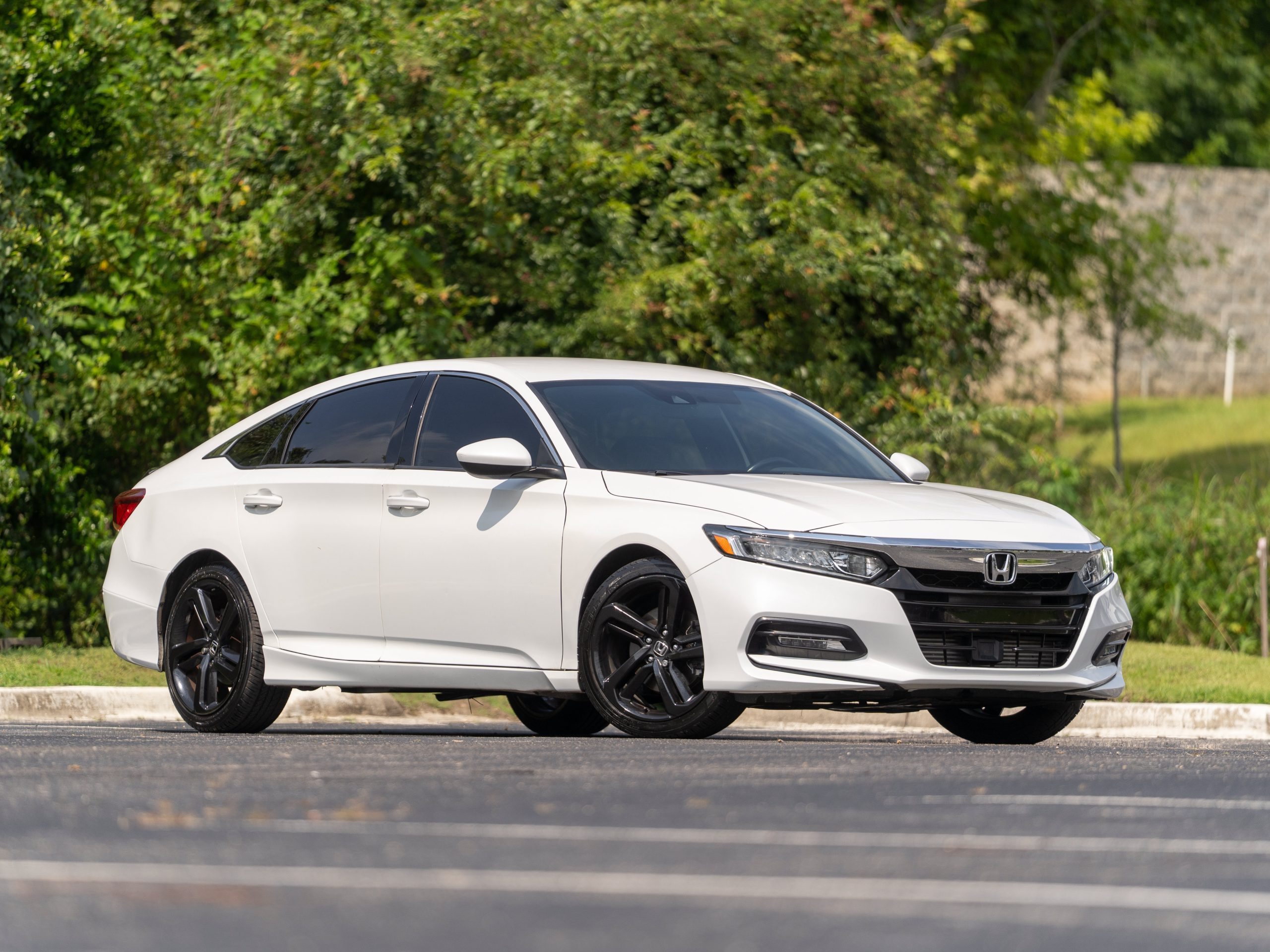
5. Honda Accord
The Honda Accord has a long history in the midsize sedan segment and is generally recognized for practical ownership characteristics. However, certain model years have generated complaints involving engine performance, rough idling, and unexpected shutdowns.
Stalling can develop when an engine receives an incorrect air-fuel mixture or experiences an interruption in fuel delivery. Ignition system problems and faulty sensors can also interfere with consistent combustion.
Older Accord models may experience wear involving the fuel pump, ignition coils, throttle body, and other engine components. These parts can affect idle stability and acceleration when they begin to fail.
A driver may notice warning signs before the engine stops completely. Common symptoms include difficulty starting, fluctuating engine speed, hesitation during acceleration, and repeated shutdowns at low speeds.
Not every Accord generation has the same mechanical concerns. Engine options, production changes, and maintenance requirements differ, making model-year research particularly important when evaluating used examples.
NHTSA complaint records can help identify patterns reported by other owners. Buyers should also examine recalls and manufacturer service information instead of relying exclusively on online discussions or individual experiences.
A used Accord should be inspected for engine leaks, irregular idle speed, diagnostic trouble codes, and evidence of previous repairs. A complete maintenance record can provide valuable information about how the vehicle was treated.
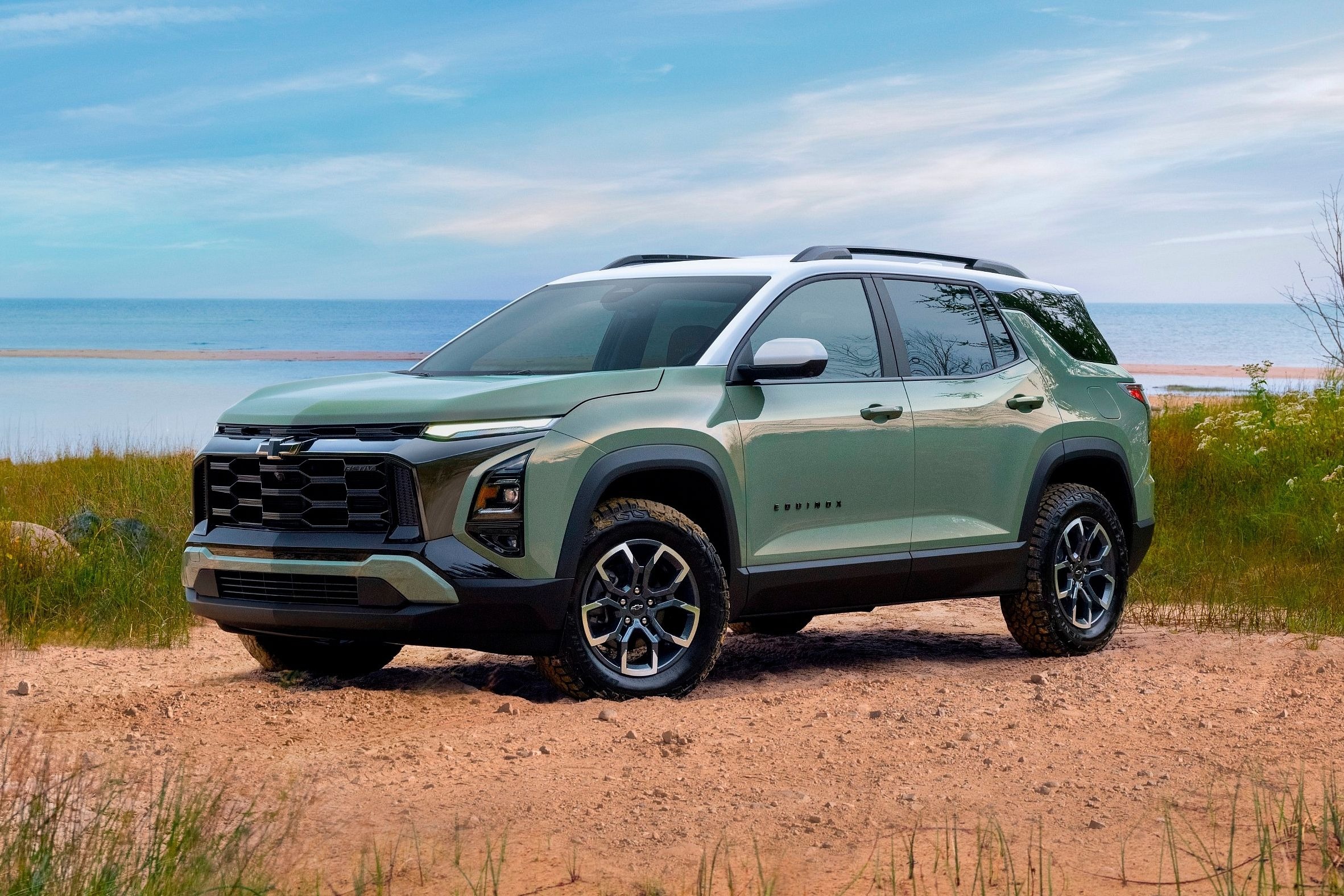
6. Chevrolet Equinox
The Chevrolet Equinox is a compact SUV available with several engine configurations across its production history. Certain model years have received complaints involving engine performance, power loss, and other mechanical concerns.
Stalling can result from problems within the fuel system, ignition system, engine sensors, or electronic control modules. A vehicle may also develop rough idling when components responsible for regulating airflow stop functioning correctly.
Some Equinox owners have reported excessive oil consumption and engine-related problems in particular generations. Low oil levels can contribute to serious engine damage, potentially affecting reliability and long-term operation.
Drivers should monitor oil levels, engine temperature, warning lights, and unusual noises. A vehicle that begins running roughly or loses power should be inspected rather than driven repeatedly without identifying the cause.
Different Equinox model years have different mechanical characteristics. Buyers should avoid assuming that every vehicle shares the same engine concerns or that a complaint involving one generation applies to the entire lineup.
Checking the VIN through NHTSA’s recall lookup tool can identify outstanding safety recalls. Buyers should also request maintenance invoices and ask whether the engine has received major repairs.
A qualified mechanic can inspect the engine, fuel system, electrical connections, and stored diagnostic codes. This evaluation can help establish whether the vehicle has an isolated fault or a recurring mechanical problem.

7. Jeep Grand Cherokee
The Jeep Grand Cherokee is a midsize SUV known for its off-road capability, towing performance, and range of engine options. However, certain model years have generated owner complaints involving engine operation, electrical faults, and unexpected power loss.
Stalling can occur when essential engine systems fail to operate correctly. Fuel delivery interruptions, faulty sensors, ignition problems, and electrical system defects can prevent the engine from maintaining consistent operation.
Some drivers have reported situations involving sudden engine shutdowns or difficulty restarting their vehicles. These symptoms deserve attention because an unexpected loss of engine power can affect vehicle control and create dangerous driving conditions.
Electrical problems can also complicate the diagnosis. Modern Grand Cherokee models depend on electronic modules and sensors to manage engine functions. A fault in the relevant electrical system may cause warning lights, irregular performance, or engine shutdown.
Buyers should pay attention to the vehicle’s model year, engine configuration, and maintenance history. The Grand Cherokee has undergone several redesigns, meaning mechanical concerns can differ considerably between generations.
Before purchasing a used example, check NHTSA records for complaints and recalls associated with the exact model year. Review whether previous owners have reported recurring engine problems or experienced repeated repairs for similar symptoms.
A professional inspection should include an engine diagnostic scan, electrical system evaluation, and road test. Buyers should also confirm that outstanding recalls have been completed and that previous engine repairs are supported by proper documentation.
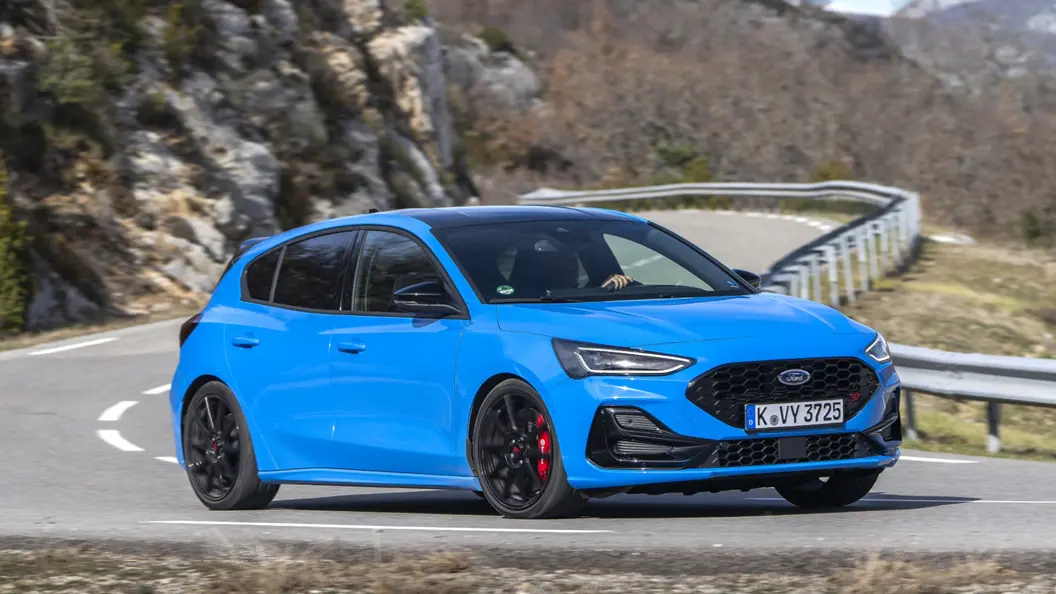
8. Ford Focus
The Ford Focus has been available as a compact car in several generations. Some model years have attracted complaints involving powertrain performance, rough operation, hesitation, and unexpected vehicle shutdowns.
Drivers sometimes describe transmission hesitation as stalling. These conditions should be distinguished because a transmission problem may affect acceleration without causing the engine itself to stop running.
The Focus has received considerable attention for transmission-related complaints involving certain automatic transmission configurations. Owners have reported shuddering, hesitation, and inconsistent power delivery, particularly in some model years.
Actual engine stalling may involve separate problems with fuel delivery, ignition components, electronic controls, or engine sensors. A reliable diagnosis requires checking whether the engine stops running or the transmission simply fails to transfer power smoothly.
Repeated hesitation during acceleration should not be ignored. Drivers should observe whether the engine speed changes unexpectedly, whether warning lights appear, and whether the vehicle restarts immediately after losing power.
Used-car buyers should investigate the exact transmission type and model year. Previous transmission repairs, software updates, warranty work, and service records can provide useful information about the vehicle’s mechanical condition.
A thorough inspection should include a road test, diagnostic scan, and examination of the transmission and engine systems. Buyers should avoid purchasing a vehicle with recurring powertrain symptoms until the underlying problem has been properly identified.
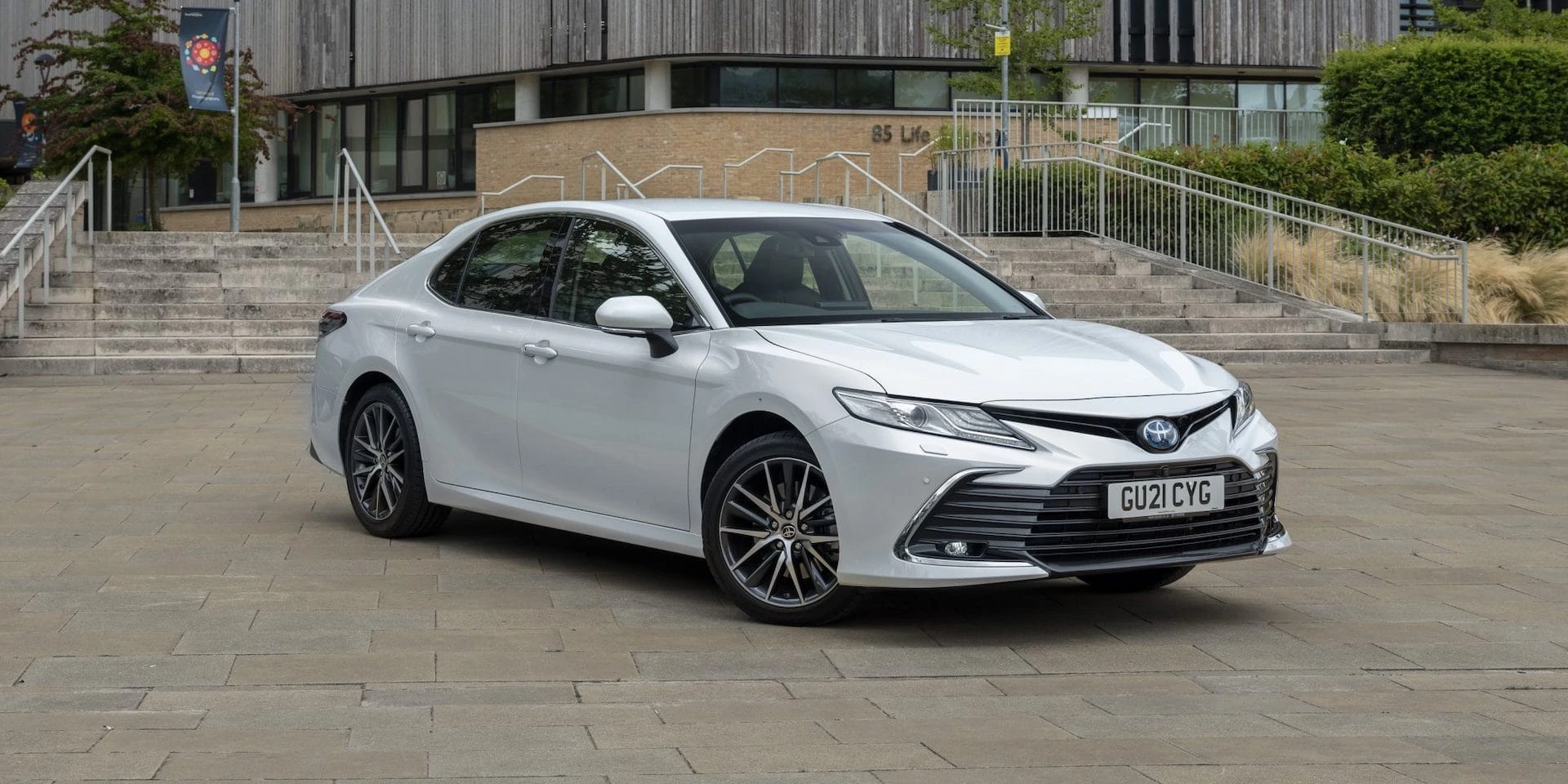
9. Toyota Camry
The Toyota Camry is a widely recognized midsize sedan with a reputation for practicality and long-term ownership value. However, certain model years have generated complaints involving engine performance, rough operation, and unexpected power loss.
Stalling can develop when engine components fail to maintain the correct balance of air, fuel, and ignition. Problems involving sensors, fuel pumps, throttle systems, and electrical connections can contribute to inconsistent operation.
Older Camry models may experience mechanical wear as they accumulate mileage. Components that regulate engine speed and fuel delivery can deteriorate over time, affecting idle quality and driving performance.
Some owners may notice fluctuating engine speed before experiencing a complete shutdown. Other warning signs include difficulty starting, hesitation during acceleration, and an engine that struggles to maintain a steady idle.
Toyota has issued recalls and service campaigns affecting different Camry model years. However, these actions address specific defects and should not be interpreted as evidence that every Camry has a stalling problem.
Buyers should use the NHTSA website to review complaints and recall information for the exact model year. Maintenance documentation is equally important, particularly when evaluating older vehicles with high mileage.
A pre-purchase inspection should cover engine performance, fuel delivery, ignition components, and electronic controls. A well-maintained Camry with documented repairs may be a reasonable purchase, but recurring stalling symptoms require further investigation.
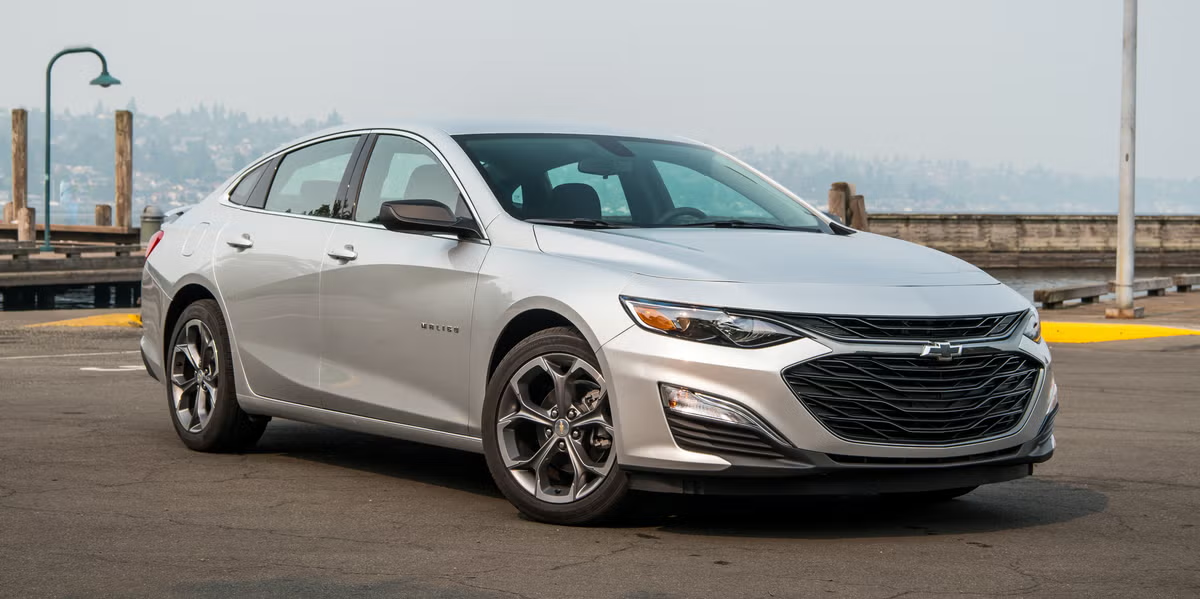
10. Chevrolet Malibu
The Chevrolet Malibu is a midsize sedan that has been produced with several engine and transmission combinations. Different generations have experienced different mechanical concerns, including reports of engine hesitation and powertrain performance problems.
Stalling complaints can involve several systems. An engine may stop operating because of fuel delivery problems, ignition faults, damaged wiring, or electronic components that fail to provide accurate operating information.
Some Malibu owners have reported engine-related symptoms such as rough idling, reduced acceleration, and difficulty maintaining consistent performance. The seriousness of these symptoms depends on their cause and frequency.
Electrical system faults may also affect engine operation. Modern vehicles rely on multiple electronic modules, and a malfunctioning component can sometimes interrupt normal communication between essential systems.
Drivers should pay attention to warning lights, unusual engine sounds, and repeated starting difficulties. If a Malibu shuts down while moving, it should receive a professional inspection before returning to regular use.
Potential buyers should research the specific production year rather than assuming that every Malibu has identical reliability concerns. Different engines, transmission systems, and manufacturing updates can affect the likelihood and type of mechanical problems.
Before buying a used Malibu, check its NHTSA complaint history, recall status, and service records. An independent mechanic should examine the engine, electrical components, and fuel system to identify any unresolved problems.
