Coolant leaks are a common concern for vehicle owners, particularly when an engine develops problems before reaching 100,000 miles. A leaking cooling system can cause overheating, poor heater performance, engine damage, and expensive repairs if the problem remains unnoticed.
Certain engines have developed recognizable patterns involving water pumps, head gaskets, plastic coolant housings, intake manifold gaskets, and cooling system connections.
Knowing which engines deserve closer inspection can help buyers make informed decisions and help existing owners catch problems early. This article examines ten engines associated with recurring coolant leak complaints, their common failure points, warning signs, and repair considerations.
1. General Motors 3.1L and 3.4L V6 Engines
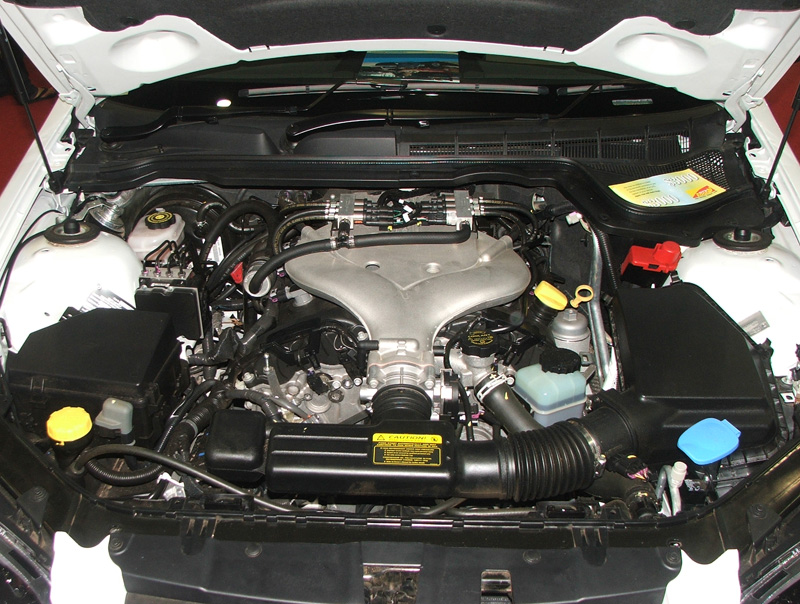
The General Motors 3.1L and 3.4L V6 engines have developed a reputation for intake manifold gasket problems. These engines appeared in several Chevrolet, Pontiac, Buick, and Oldsmobile vehicles. Coolant leakage around the intake manifold gasket is a frequently reported issue, particularly in older applications.
The intake manifold gasket separates coolant passages from other engine areas. When its sealing material deteriorates, coolant can escape externally or enter the engine oil. Either situation requires attention because continued leakage can create serious mechanical problems.
Lower intake manifold gasket deterioration is particularly associated with certain 3.1L and 3.4L engine versions. Original gasket materials and exposure to repeated heating and cooling contributed to sealing problems in affected applications.
Owners may notice coolant collecting around the intake manifold, unexplained drops in the coolant reservoir, or a sweet smell after driving. Some vehicles also develop milky-looking engine oil when coolant enters the lubrication system.
Another warning sign is overheating during regular driving. Coolant loss can reduce the cooling system’s ability to maintain stable operating temperatures, especially during heavy traffic or extended journeys.
Repair generally involves removing the intake manifold, cleaning the sealing surfaces, and installing updated gaskets. Technicians should also inspect the manifold, cooling passages, and surrounding components before completing the repair.
Before purchasing a vehicle equipped with either engine, check its maintenance records for previous intake manifold gasket replacement. A properly completed repair can address the known weakness, but unexplained coolant loss deserves further investigation.
2. Subaru EJ25 2.5L Boxer Engine
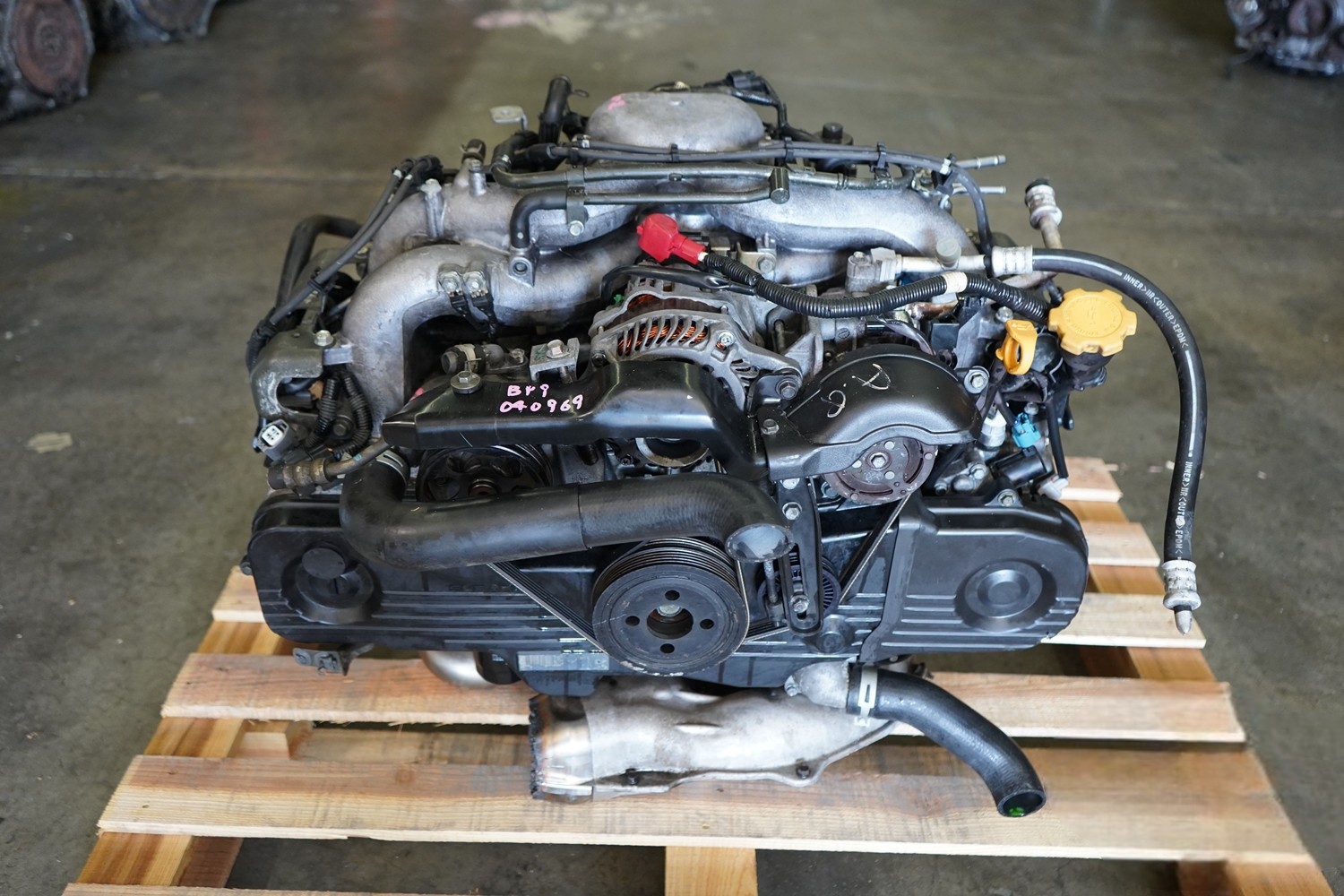
The Subaru EJ25 is a widely used 2.5L horizontally opposed four-cylinder engine. It powered several Impreza, Forester, Legacy, and Outback models. Certain versions became particularly associated with head gasket leakage, making cooling system inspections important for used-car buyers.
Head gasket problems are among the most discussed concerns involving earlier naturally aspirated EJ25 engines. Depending on the specific version, leakage may occur externally or internally, affecting coolant circulation and engine operation.
External coolant leakage can leave visible residue around the cylinder head and engine block. Some owners notice small coolant spots underneath their vehicles after parking, while others experience gradual coolant loss without obvious puddles.
The problem may develop slowly, making regular monitoring important. A vehicle can continue operating for some time with a minor leak, but ignoring coolant loss increases the risk of overheating and additional engine damage.
Symptoms include repeated low coolant warnings, temperature fluctuations, coolant odors, and overheating. In more serious cases, exhaust gases may enter the cooling system through a compromised head gasket.
Repair usually requires removing the cylinder heads and replacing the head gaskets. The cylinder heads should also receive appropriate inspection for warping, cracks, and surface damage before reassembly.
Not every EJ25 engine experiences head gasket failure. Later versions and different applications have varying reliability records, so buyers should identify the exact engine code and model year rather than judging every Subaru 2.5L engine by the same standard.
3. Volkswagen and Audi 2.0T TSI EA888 Engine
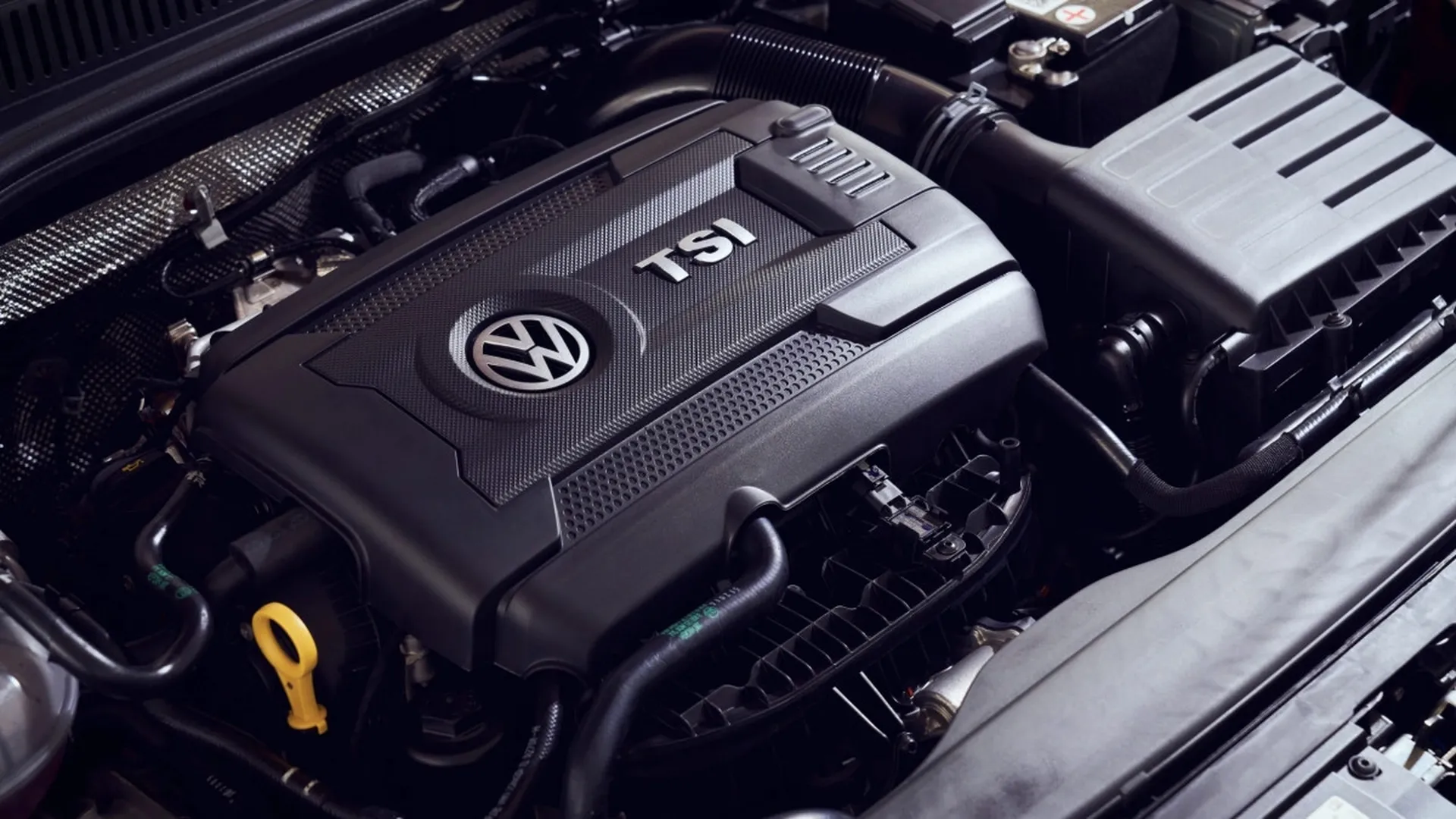
The Volkswagen and Audi EA888 2.0T TSI engine has been used in numerous popular vehicles, including the Volkswagen Golf, Tiguan, Passat, and Audi A3. Certain generations have developed recurring cooling system complaints involving water pumps and thermostat housings.
The water pump and thermostat assembly are important parts of the engine’s temperature management system. Their housings and sealing surfaces can deteriorate, allowing coolant to escape during normal operation.
Plastic cooling system components are particularly important to inspect. Repeated exposure to high temperatures and pressure can affect their durability, potentially causing cracks, weakened seals, or coolant leakage around connecting points.
Owners commonly report low coolant warnings, visible pink or white residue around the water pump housing, and coolant odors after driving. These symptoms may appear before the engine reaches 100,000 miles.
A small leak can become more noticeable as the vehicle ages. Coolant may collect on nearby engine components or evaporate from hot surfaces, making it difficult to identify the exact source without a proper inspection.
Repair often involves replacing the affected water pump, thermostat housing, seals, or related components. Updated replacement parts may be available for particular engine generations and vehicle applications.
Buyers should verify whether previous cooling system repairs were completed using appropriate parts. The EA888 family includes several generations, so a problem associated with an earlier version should not automatically be attributed to every 2.0T engine.
4. BMW N62 4.4L and 4.8L V8 Engines
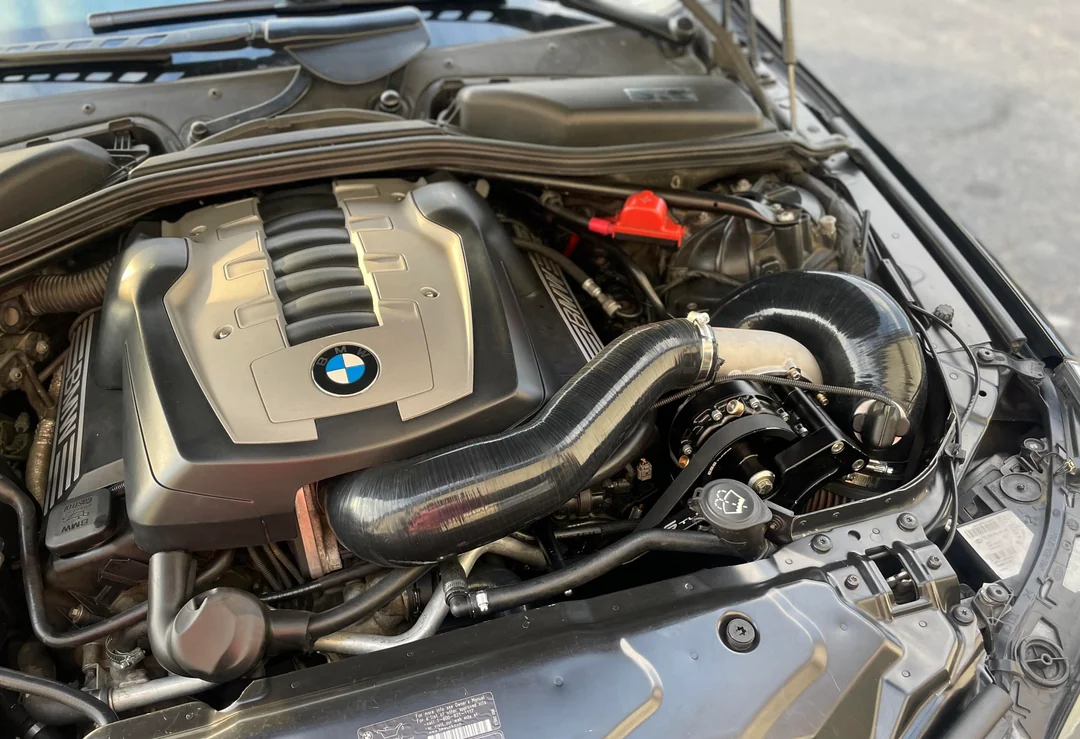
BMW’s N62 V8 engine appeared in several luxury models, including the 5 Series, 6 Series, 7 Series, X5, and certain X6 vehicles. It delivers strong performance, but its cooling system contains components that can become expensive to repair as the engine ages.
A commonly reported problem involves the coolant transfer pipe located inside the engine’s V-shaped valley. Its sealing components can deteriorate, allowing coolant to escape into an area that is difficult to access.
The location of this pipe makes the repair more complicated than replacing an ordinary external hose. Accessing the affected components requires substantial disassembly, which increases labor costs.
Drivers may notice unexplained coolant loss, a sweet smell from the engine compartment, or visible coolant residue around the engine. Some leaks remain difficult to identify because the coolant collects in hidden areas.
The coolant transfer pipe is not the only potential source of trouble. Water pumps, expansion tanks, hoses, and other cooling system connections can also develop leaks with age and mileage.
Repair costs depend heavily on the specific failure. Replacing a transfer pipe can require considerable workshop time, making an accurate diagnosis particularly important before approving expensive work.
Anyone considering a used BMW equipped with the N62 should request a cooling system inspection. Service records showing previous pipe replacement and other cooling system maintenance can provide useful information about the vehicle’s condition.
5. BMW N54 3.0L Twin-Turbocharged Inline-Six Engine
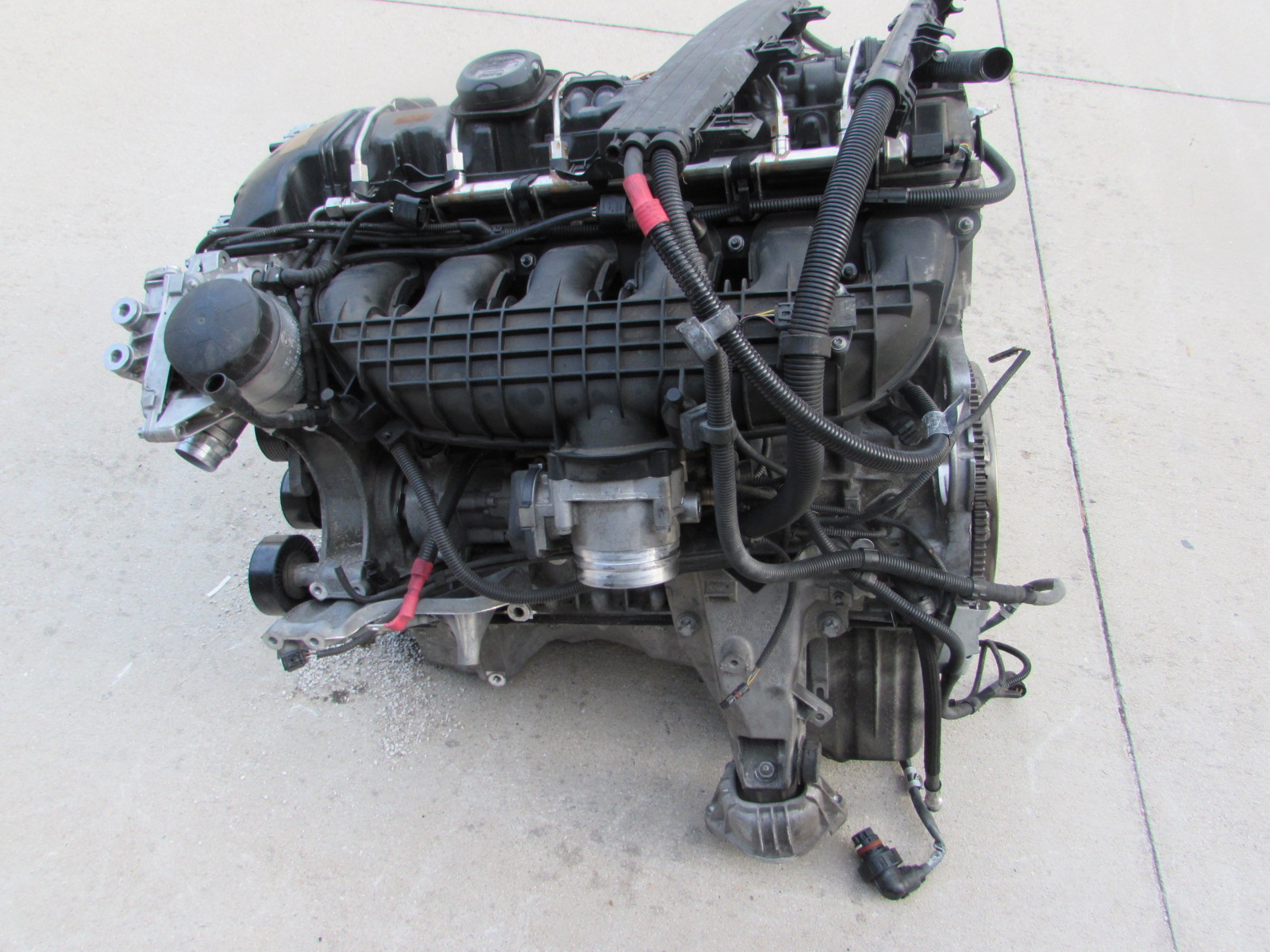
The BMW N54 is a 3.0L twin-turbocharged inline-six engine found in vehicles such as the 335i, 135i, 535i, and certain Z4 models. Its performance potential made it popular, but owners have also reported several cooling system problems.
The electric water pump is an important component to monitor. It can fail or develop operational problems, potentially affecting coolant circulation and causing the engine to overheat.
Thermostat problems may also contribute to cooling system concerns. A thermostat that does not operate correctly can interfere with temperature regulation and may require replacement alongside other cooling system components.
Coolant hoses, plastic connections, and expansion tank components can develop leaks as they age. Heat from the engine and turbocharging system places considerable demands on surrounding components.
Typical warning signs include coolant level warnings, unusual temperature readings, visible fluid residue, and coolant smells after driving. Some owners may initially mistake these symptoms for problems with the radiator or another external connection.
A professional pressure test can help identify leaks around the water pump, thermostat, hoses, and other connections. Electrical diagnosis may also be necessary when the water pump is not circulating coolant correctly.
Buyers should examine maintenance records carefully because N54 repair costs can increase when several aging components require attention together. A well-maintained engine with documented cooling system repairs can be a more sensible purchase than a neglected example.
6. Ford 4.6L Modular V8 Engine
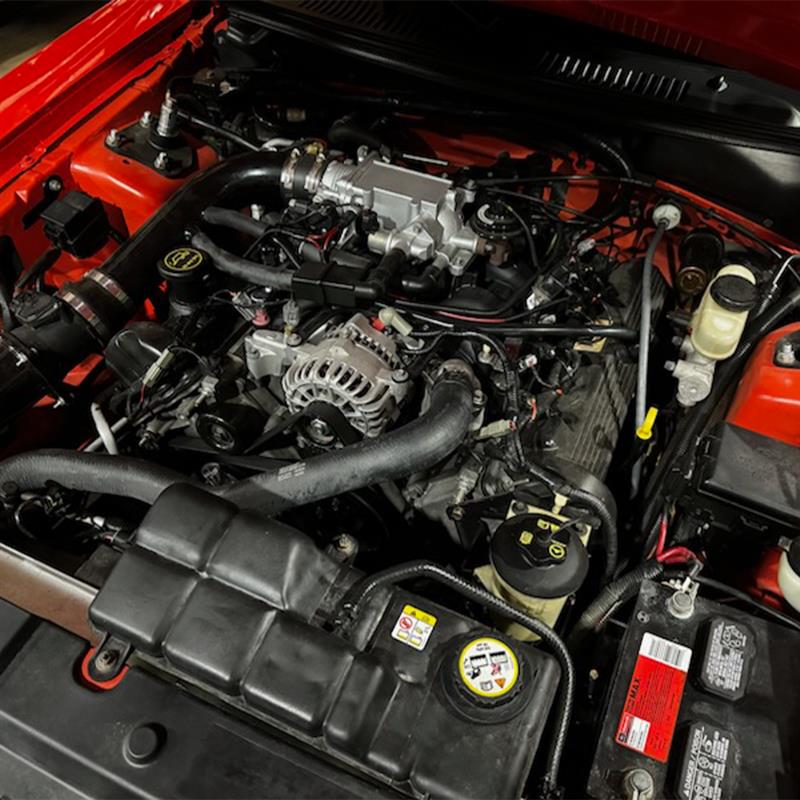
Ford’s 4.6L Modular V8 powered numerous vehicles, including the Crown Victoria, Mustang, Explorer, F-150, and Lincoln models. Its long production history means several different configurations exist, with cooling system concerns varying by application and engine version.
Certain 4.6L versions are associated with intake manifold coolant leaks. Early plastic intake manifolds, particularly those used in some 2-valve applications, could develop cracks around coolant passages.
The intake manifold’s coolant crossover area deserves particular attention. A crack or damaged sealing surface can allow coolant to escape from the front section of the engine.
Visible leakage may appear around the intake manifold, cylinder heads, or nearby engine components. Coolant can also collect underneath the vehicle, depending on the location and severity of the damage.
Owners may notice a gradually decreasing coolant level, overheating, or a sweet smell after operating the engine. These symptoms should not be ignored, even when the vehicle continues to drive normally.
Repair may involve replacing the intake manifold with an updated design and installing appropriate gaskets. Technicians should inspect the surrounding components and verify that the replacement manifold matches the specific engine configuration.
Not every Ford 4.6L V8 uses the same intake manifold design. Buyers should check the vehicle’s model year, engine configuration, and previous repair history before assuming that a particular coolant leak applies to their vehicle.
7. Ford 3.5L Duratec V6 Engine
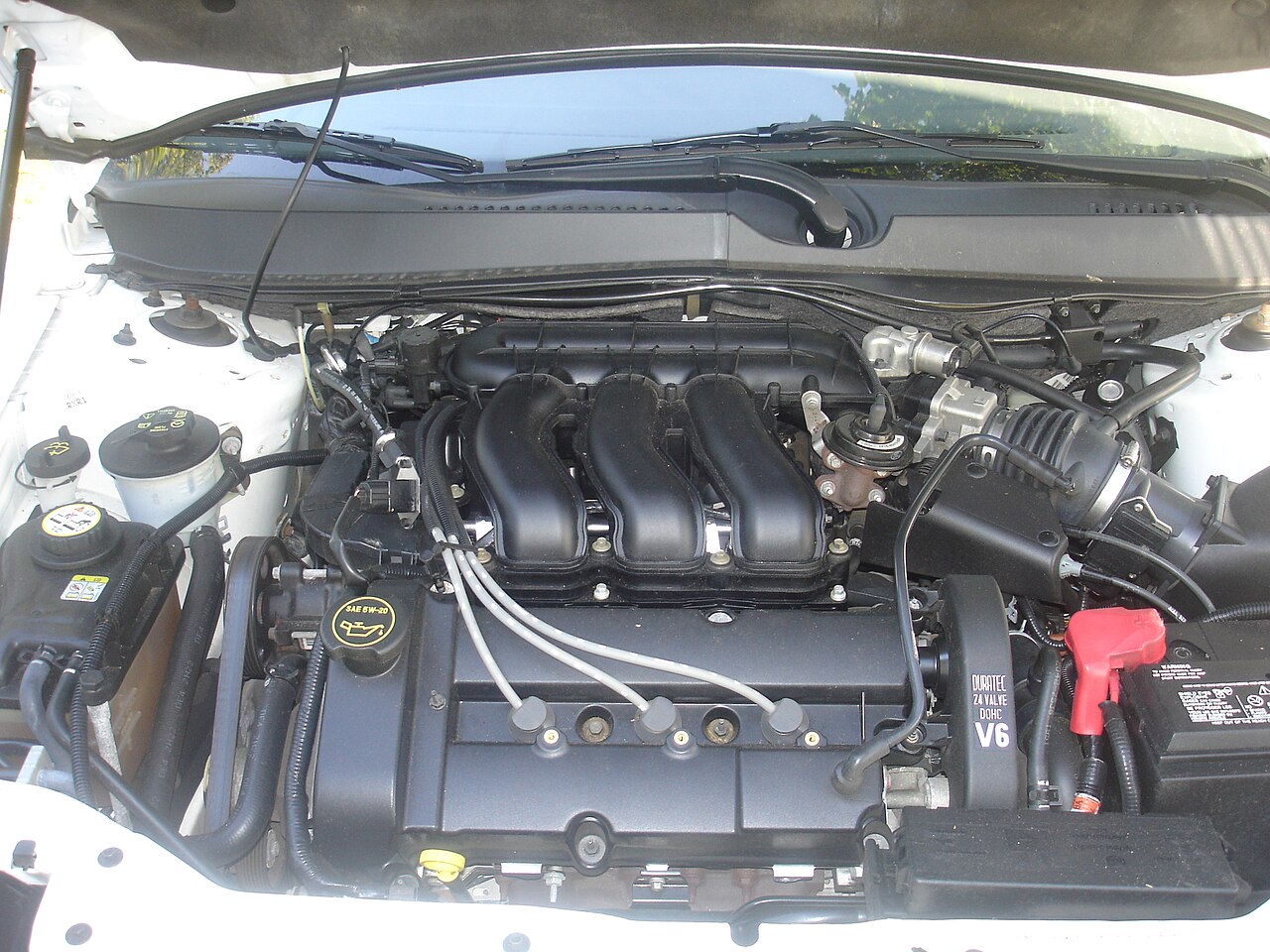
Ford’s 3.5L Duratec V6, also known as the Cyclone engine, appeared in vehicles such as the Ford Edge, Taurus, Flex, Explorer, and several Lincoln models. Certain applications use an internally mounted water pump that deserves special attention.
The internal water pump design is a significant consideration because the pump is driven by the engine’s timing chain system. A failed pump seal can allow coolant to enter the engine’s internal areas.
When coolant leaks into the crankcase, it can mix with engine oil and compromise lubrication. This creates a more serious situation than an ordinary external coolant leak.
Some owners initially notice unexplained coolant loss without finding fluid underneath the vehicle. Others discover contaminated oil or unusual engine noises when the problem has progressed.
Early diagnosis is important because continued coolant contamination can damage internal engine bearings and other lubricated components. Regular oil inspections and coolant level checks can help identify developing problems.
Repair typically requires substantial labor because the water pump is located behind the timing cover. Depending on the vehicle and engine condition, technicians may recommend replacing related timing components during the same repair.
This concern applies to specific naturally aspirated 3.5L Duratec applications. It should not be confused with every Ford 3.5L EcoBoost engine, which uses different cooling system arrangements.
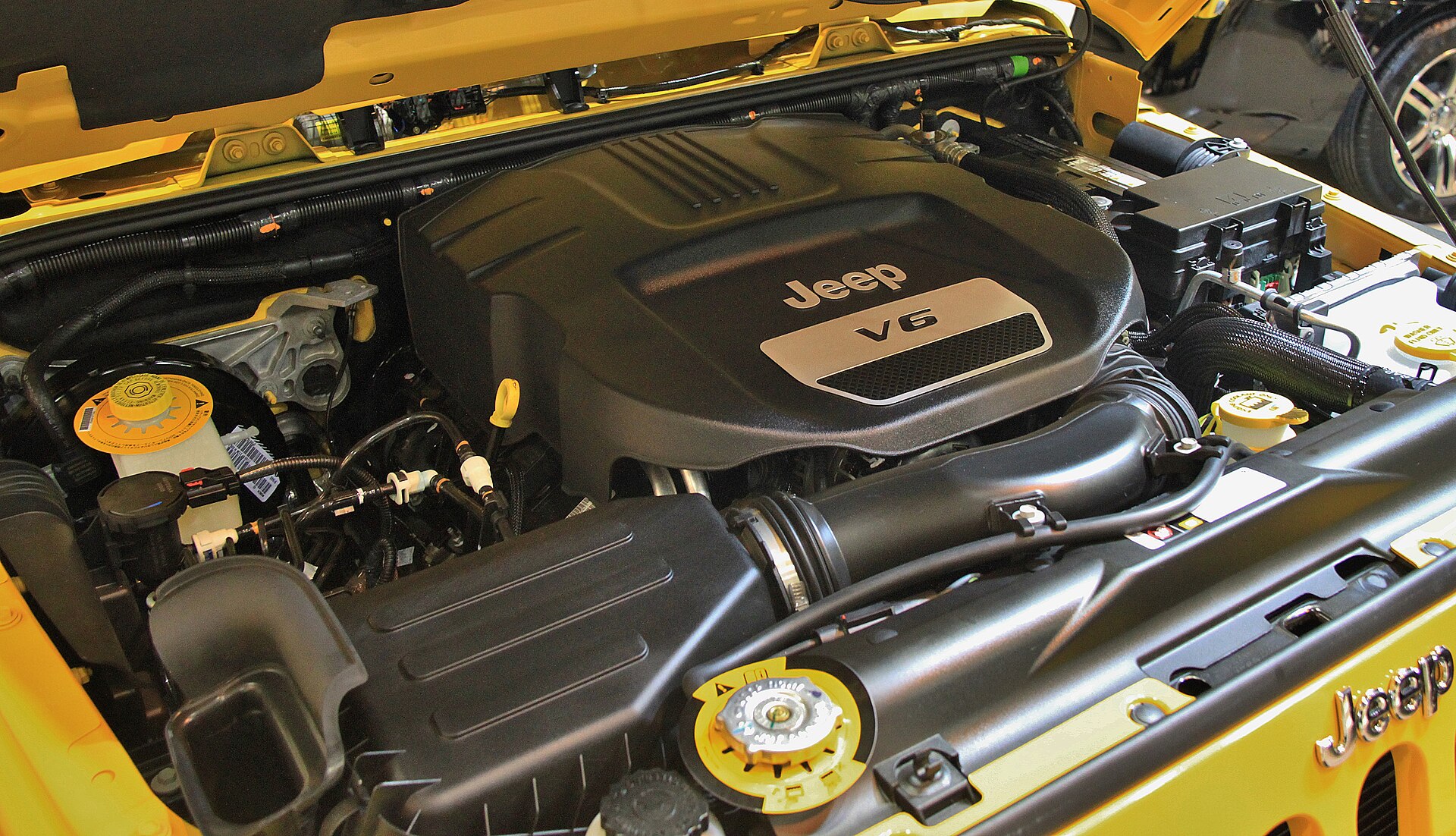
8. Chrysler 3.6L Pentastar V6 Engine
The Chrysler 3.6L Pentastar V6 is found in numerous vehicles, including the Jeep Grand Cherokee, Wrangler, Dodge Charger, Challenger, Durango, and Chrysler Pacifica. It has become a widely used engine, but certain cooling system components have attracted recurring owner complaints.
The oil filter housing and oil cooler assembly are notable areas for inspection. These components sit within the engine’s valley and contain coolant passages that can develop leaks around their seals or housing.
Plastic housing deterioration can contribute to leakage in affected applications. Repeated heat cycles and age may weaken the material, creating opportunities for coolant to escape.
Drivers may notice coolant collecting around the engine, a sweet smell, or unexplained drops in the coolant reservoir. Oil leakage can also occur from the same general assembly, making inspection important.
The thermostat housing, water pump, radiator connections, and coolant hoses should also receive attention. Problems in these areas can create symptoms similar to a leaking oil cooler assembly.
Repair often involves replacing the affected housing or oil cooler assembly, along with the required seals. Updated replacement components may be available, depending on the vehicle’s production year and engine configuration.
Used vehicles equipped with the Pentastar deserve a careful inspection around the engine valley. A history of repeated coolant loss should prompt further testing rather than an assumption that the problem has already been fixed.
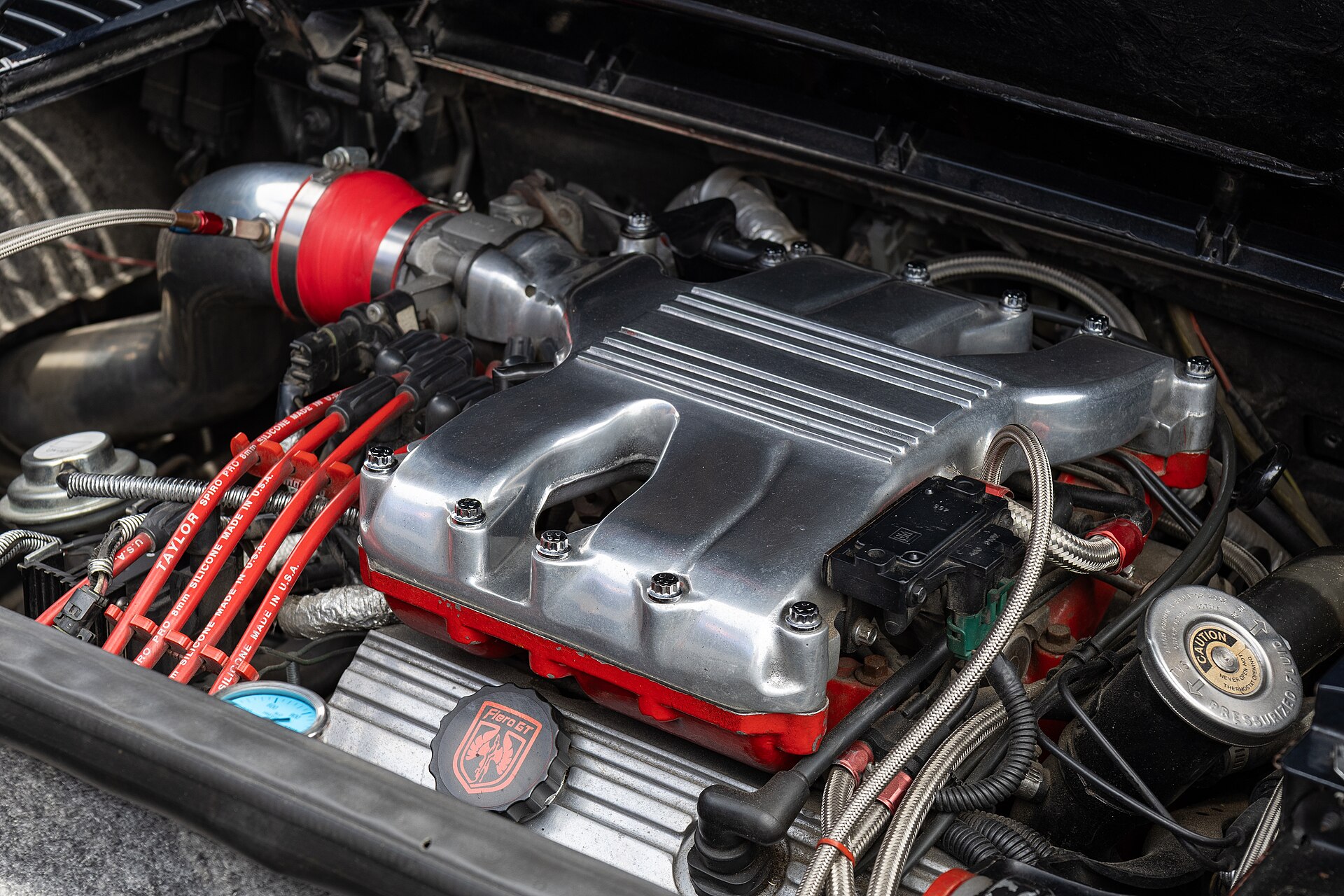
9. General Motors 3.6L High Feature V6 Engine
General Motors introduced its 3.6L High Feature V6 in several vehicles, including the Chevrolet Camaro, Cadillac CTS, Buick Enclave, GMC Acadia, and other models. Different versions of this engine family have been used across multiple production years.
Cooling system complaints involving this engine family include water pump leaks, coolant hose deterioration, thermostat housing problems, and leakage around connections. The exact failure pattern depends on the specific engine version and vehicle application.
The water pump deserves particular attention during maintenance inspections. A worn seal or damaged pump can allow coolant to escape, gradually reducing the amount available for proper engine cooling.
Some owners report coolant odors after driving or small puddles underneath the front section of the vehicle. Dried coolant residue near the pump can also provide evidence of a developing leak.
The thermostat housing and surrounding coolant connections should be inspected as well. Plastic components and rubber hoses can deteriorate with age, particularly when exposed to repeated temperature changes.
A cooling system pressure test can help identify leakage before replacing parts unnecessarily. Technicians should also inspect the radiator, reservoir, heater hoses, and other connections to establish the actual source.
The 3.6L V6 has several different versions, including LY7, LLT, LFX, and other related configurations. Buyers should use the engine code and vehicle year to determine which maintenance concerns apply to their particular vehicle.
10. Toyota 1MZ-FE 3.0L V6 Engine
Toyota’s 1MZ-FE 3.0L V6 powers vehicles such as the Camry, Avalon, Sienna, Highlander, and Lexus ES 300. It is generally regarded as a durable engine, but older examples can experience cooling system leaks as their components age.
The water pump is an important component to monitor. Its seals and bearings can wear over time, potentially allowing coolant to escape around the pump housing.
Coolant hoses and radiator connections can also deteriorate with age. Rubber loses flexibility over time, while plastic fittings may become brittle after repeated exposure to heat.
Owners may notice coolant spots underneath the engine, a sweet smell, or a reservoir level that gradually decreases. These symptoms warrant inspection before the engine develops overheating problems.
The radiator and expansion tank should also receive attention. Small cracks, weakened connections, and aging seals can allow coolant to escape during normal driving.
Repair depends on the location of the leak. Water pump replacement generally involves timing belt service on applicable 1MZ-FE configurations, making it sensible to assess the timing belt’s condition during the repair.
Not every 1MZ-FE has a serious coolant leakage history. Regular servicing and timely replacement of aging cooling system components can help maintain reliability, particularly in vehicles that have accumulated significant mileage.