
Modern cars rely on advanced electrical systems that require careful handling during maintenance and repairs. While replacing a car battery was once a simple task that most vehicle owners could complete at home, many newer models have made the process more complicated.
Some vehicles use battery management systems, electronic control modules, coded components, and specialised diagnostic equipment that make professional assistance necessary. In certain cases, replacing the battery requires dealer-level tools, software registration, or manufacturer-specific procedures.
This article covers 10 cars where battery replacement can be particularly challenging, explains why professional service may be required, and highlights what owners should know before arranging a replacement.

1. BMW 7 Series
The BMW 7 Series is known for its advanced technology, sophisticated electronics, and extensive comfort features. These systems depend on a carefully managed electrical supply, making battery maintenance more complicated than in older vehicles. Depending on the model year and equipment, the vehicle may use an advanced battery management system that monitors charging performance and electrical consumption.
Replacing the battery in a BMW 7 Series is not simply a matter of disconnecting the old unit and installing a new one. Many versions require battery registration through a compatible diagnostic system. This process informs the vehicle’s electronic control system that a replacement battery has been installed.
Battery registration is important because the charging system adjusts its operation according to battery age, capacity, and condition. Without the correct registration, the vehicle may continue using charging settings intended for the previous battery. This can affect battery performance and service life.
Some 7 Series models also require specific battery specifications. Depending on the engine and equipment, the vehicle may use an AGM battery designed to handle substantial electrical demands. Installing an unsuitable battery can create charging problems or trigger warning messages.
The battery location can add to the difficulty. Certain versions place the battery in the luggage compartment rather than beneath the bonnet. Owners may need to remove protective covers or interior trim to access it safely.
BMW dealerships have access to manufacturer-approved diagnostic equipment and technical information. Independent workshops with suitable BMW-compatible tools can also perform many battery replacements. Therefore, dealership service is not universally mandatory, but professional installation is recommended.
The 7 Series also contains numerous electronic systems that need a stable power supply. Incorrect disconnection procedures can cause temporary electrical faults, loss of stored settings, or other complications. Following the manufacturer’s instructions helps prevent unnecessary problems.

2. Mercedes-Benz S-Class
The Mercedes-Benz S-Class combines luxury equipment with sophisticated electrical technology. Its electronic architecture supports advanced driver assistance features, climate control, entertainment systems, suspension technology, and numerous comfort functions. These features place significant demands on the vehicle’s battery system.
Many S-Class generations use an intelligent battery management system that monitors battery condition and electrical consumption. Depending on the particular model, the vehicle may also have more than one battery. This arrangement makes battery diagnosis and replacement more complicated than in conventional cars.
Some models use an auxiliary battery to support selected electrical functions. If either battery develops a problem, the dashboard may display warning messages. Identifying the source of the issue requires appropriate diagnostic equipment and an understanding of the vehicle’s electrical architecture.
Battery replacement may involve checking the battery specifications, disconnecting electrical connections in the correct sequence, and performing necessary electronic resets. Certain models also require diagnostic procedures after installation to ensure that the electrical management system recognises the replacement component.
The S-Class can use AGM batteries, which are designed for vehicles with substantial electrical demands and advanced start-stop systems. Selecting the correct battery capacity and technology is essential. A standard battery may not provide the performance required by the vehicle.
Mercedes-Benz dealerships have access to manufacturer-specific diagnostic equipment, technical documentation, and approved replacement parts. These resources make dealership servicing a suitable choice for owners who want manufacturer-supported maintenance.
However, independent Mercedes-Benz specialists can also replace batteries on many S-Class models. They need suitable diagnostic tools and knowledge of the relevant generation. The dealership is not necessarily the only place capable of completing the work.

3. Audi A8
The Audi A8 is a premium luxury sedan equipped with advanced electronic systems and sophisticated vehicle management technology. Its electrical architecture supports numerous features, including digital displays, driver assistance equipment, adaptive suspension, and comfort functions. Maintaining a reliable battery supply is essential for these systems.
Many Audi A8 models use battery monitoring technology that tracks battery condition and charging behaviour. Depending on the generation, a replacement battery may need to be registered or adapted using a compatible diagnostic system. This allows the vehicle to recognise the new battery and manage charging appropriately.
Battery registration becomes particularly important when the replacement unit differs in age or capacity from the original. The electronic management system uses battery information to determine suitable charging behaviour. Incorrect information can affect charging performance and battery longevity.
The battery itself may be positioned in the luggage compartment or another designated area, depending on the model. Access can involve removing covers and protective panels. This makes the process less convenient for owners who are unfamiliar with the vehicle’s layout.
Audi A8 models can also use AGM batteries or other manufacturer-specified battery technologies. The correct selection depends on the engine, equipment, and production year. Matching the original specifications helps maintain electrical reliability.
A dealership can use Audi diagnostic equipment to check battery health, register replacement components, and identify related faults. This is particularly useful when the vehicle displays battery management warnings or has experienced repeated electrical issues.
Independent Audi specialists may also carry out the replacement when they have suitable equipment and technical experience. Owners should confirm that the workshop can complete any required battery coding or adaptation before approving the work.
A properly completed replacement should include battery testing, charging-system inspection, connection checks, and diagnostic confirmation. These steps help ensure that the A8’s electrical systems continue operating as intended.

4. Porsche Cayenne
The Porsche Cayenne is a performance-oriented luxury SUV with a complex electrical system. Its battery supports engine starting, electronic suspension components, infotainment equipment, safety systems, and various convenience features. The vehicle’s technology makes battery maintenance more demanding than in many conventional SUVs.
Depending on the model year and powertrain, the Cayenne may use an AGM battery or another specialised battery type. The correct specification is important because the vehicle’s charging system is designed around particular battery characteristics.
Some Cayenne models require battery registration or adaptation after replacement. This procedure allows the battery management system to recognise the new unit and adjust its charging strategy. Failure to complete required electronic procedures may lead to warning messages or charging irregularities.
Battery access can also vary between generations. Some versions position the battery beneath interior trim or in a designated compartment that requires additional work to reach. Owners should consult the relevant service documentation before attempting removal.
The Cayenne’s electrical architecture includes several interconnected control modules. Disconnecting the battery without following the correct procedure can affect stored settings or cause temporary electronic faults. Professional handling reduces the possibility of unnecessary complications.
Porsche dealerships use manufacturer-approved tools and procedures to perform battery diagnostics and replacement. They can also check for software-related faults and confirm that the installed battery matches factory requirements.
Specialist Porsche workshops may offer the same service when equipped with compatible diagnostic systems. This means that dealership replacement is not an absolute requirement for every Cayenne. The technician’s experience with the specific model is more important than the workshop’s name.
Owners should consider professional battery replacement when the SUV displays electrical warnings, experiences starting difficulties, or has a battery that repeatedly loses charge. A complete diagnosis can help determine whether the battery, alternator, or another electrical component is responsible.

5. Land Rover Range Rover
The Land Rover Range Rover features a sophisticated electrical system designed to support luxury equipment, advanced suspension technology, off-road functions, and driver assistance features. Its battery plays an important role in maintaining the operation of these systems.
Many Range Rover models use intelligent battery monitoring technology. Depending on the generation, the vehicle may require battery registration or a battery management system reset following replacement. These procedures help the vehicle recognise the new battery and manage its charging requirements.
Some versions also feature auxiliary batteries that support selected electrical systems. This can make diagnosis more complicated because a warning message may not necessarily indicate that the main battery has failed.
Battery specifications vary according to engine type, production year, and equipment level. Certain models require AGM batteries or other approved battery technologies. Using an incorrect replacement can result in reduced performance or electrical faults.
Accessing the battery may require removing protective covers or interior panels, depending on the vehicle’s design. The process should follow the manufacturer’s instructions to avoid damaging nearby components or electrical connections.
Land Rover dealerships have access to specialised diagnostic equipment and manufacturer technical information. These resources help technicians identify battery faults, carry out necessary resets, and verify that the charging system operates correctly.
Independent Land Rover specialists can also replace batteries on many models. However, the workshop should have the correct diagnostic equipment and experience with the particular Range Rover generation. Not every independent garage will be prepared to handle its electronic systems.
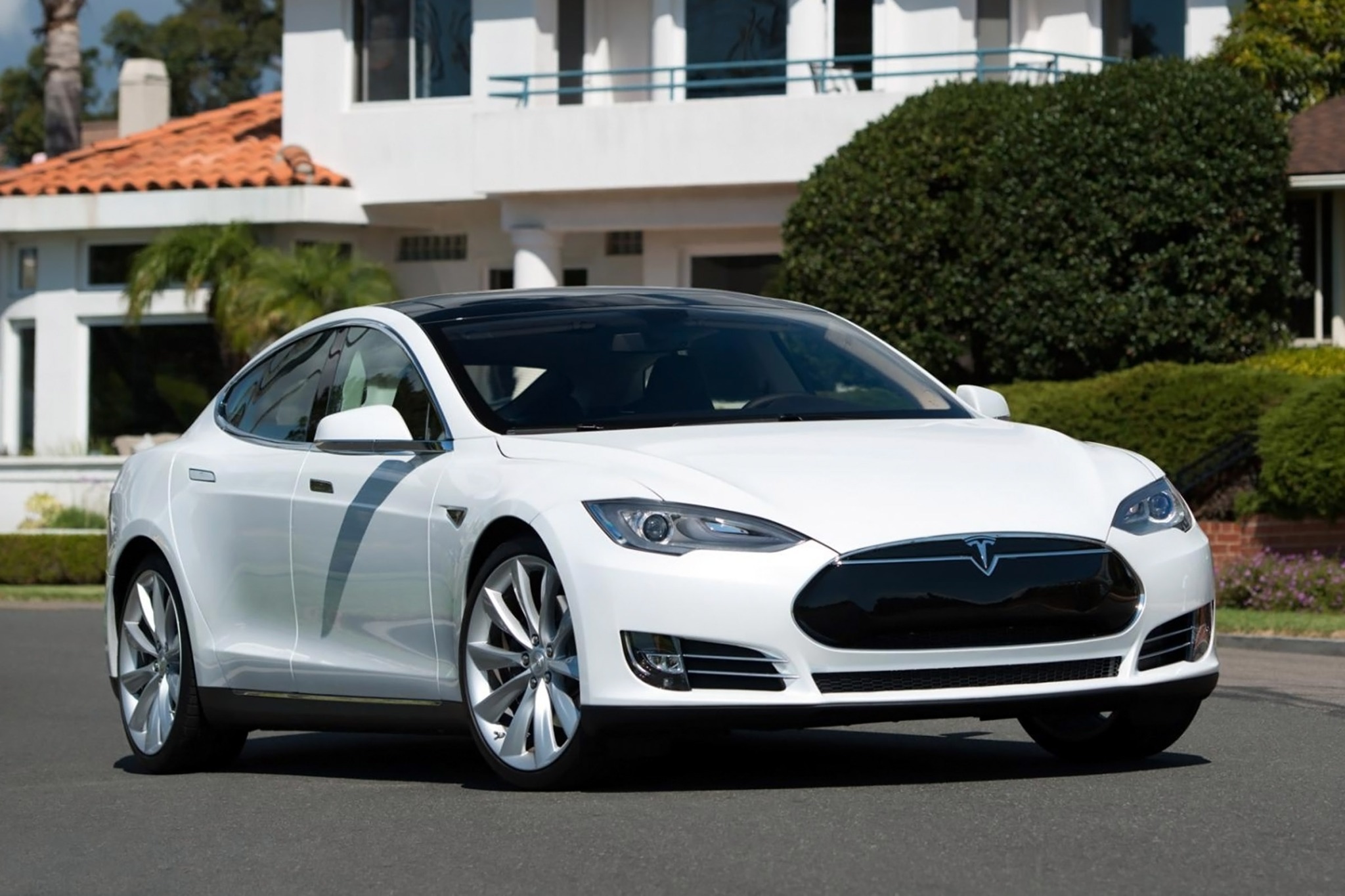
6. Tesla Model S
The Tesla Model S has a distinctive electrical architecture because it combines a high-voltage traction battery with a separate low-voltage electrical system. These two systems serve different purposes and require different maintenance procedures.
The high-voltage battery powers the electric motors and provides the energy required for driving. The low-voltage battery supports electronic control systems, lighting, locks, displays, and other vehicle functions. Problems with the low-voltage battery can affect the vehicle’s ability to operate normally.
Battery replacement in a Model S depends on which battery is being serviced. The high-voltage battery is a major vehicle component and requires specialised training, protective equipment, and manufacturer-approved procedures. It is not a suitable repair for an ordinary car owner.
Low-voltage battery technology varies by Model S production year. Earlier versions generally used conventional low-voltage batteries, while later vehicles introduced different battery technologies. The correct replacement procedure must therefore be confirmed using the vehicle’s exact specifications.
Tesla’s service network can diagnose battery-related faults using manufacturer-supported systems. Technicians can identify the correct replacement component and complete any required electronic procedures.
Some Model S owners may have access to qualified independent electric vehicle repair specialists. However, high-voltage battery work should only be performed by technicians with the necessary training and equipment.
The vehicle’s software-based architecture also makes professional diagnosis important. Battery warnings can sometimes be connected to other electrical components rather than a failed battery alone. A complete inspection helps prevent unnecessary replacement expenses.
Owners should avoid treating the Model S like a conventional petrol-powered car when it comes to battery maintenance. The distinction between its low-voltage battery and high-voltage traction battery is essential for choosing the correct repair service.

7. Jaguar XJ
The Jaguar XJ is a luxury sedan that uses advanced electrical technology to support its comfort, performance, and safety features. Depending on the generation, its systems may include electronic suspension controls, sophisticated infotainment equipment, climate management, and multiple electronic control modules.
The vehicle’s battery supplies power to these systems and must meet the manufacturer’s specifications. Some XJ models use AGM batteries designed to handle higher electrical demands and repeated charging cycles.
Battery replacement may require diagnostic checks or battery monitoring system resets, depending on the model year. These procedures help ensure that the vehicle’s charging system responds correctly to the replacement battery.
The location of the battery also varies across different XJ generations. Certain models have batteries positioned in the luggage compartment, requiring additional access steps. Following the correct service procedure is important to protect the surrounding electrical components.
A weak battery can produce symptoms that appear unrelated to the battery itself. Owners may notice warning lights, malfunctioning electronic features, slow engine cranking, or difficulty starting the vehicle.
Jaguar dealerships have access to manufacturer-specific diagnostic equipment and service information. This can be useful when the vehicle has multiple electrical warnings or requires specialised battery adaptation.
Independent Jaguar specialists can also handle many battery replacements. The important requirement is that the workshop has the appropriate diagnostic tools and understands the electrical system fitted to the particular XJ.
Before replacing the battery, technicians should inspect the charging system, check electrical connections, and investigate possible parasitic power consumption. This helps determine whether the battery is genuinely defective or whether another component is responsible.

8. Volvo XC90
The Volvo XC90 is a technology-focused SUV with advanced safety features, electronic driver assistance systems, and extensive comfort equipment. Its electrical system must maintain a stable power supply to support these functions.
Many XC90 models use a battery management system that monitors charging performance and battery condition. Depending on the generation and powertrain, the vehicle may also have a separate support battery for specific electrical functions.
Battery replacement can involve more than installing a new unit. Certain versions require electronic resets, battery monitoring system procedures, or diagnostic checks after installation. The exact requirements depend on the vehicle’s production year and configuration.
The XC90 may use AGM batteries or other manufacturer-approved battery types. Selecting the right replacement is important because the vehicle’s electrical management system is designed to work with specific battery characteristics.
Access to the battery can vary depending on the model. Some versions require the removal of protective panels or covers. Correct handling is important to avoid damaging wiring, connectors, or nearby components.
Volvo dealerships can perform battery testing and replacement using manufacturer-approved diagnostic systems. These tools help technicians identify the correct battery specification and check whether the vehicle requires additional electronic procedures.
Qualified independent Volvo workshops can also complete many battery replacements. However, owners should confirm that the workshop can handle battery monitoring system requirements and any necessary software-related procedures.
A failing battery may cause starting problems, warning messages, or unusual electrical behaviour. Having the battery and charging system inspected together can help identify the source of the problem before additional components are affected.
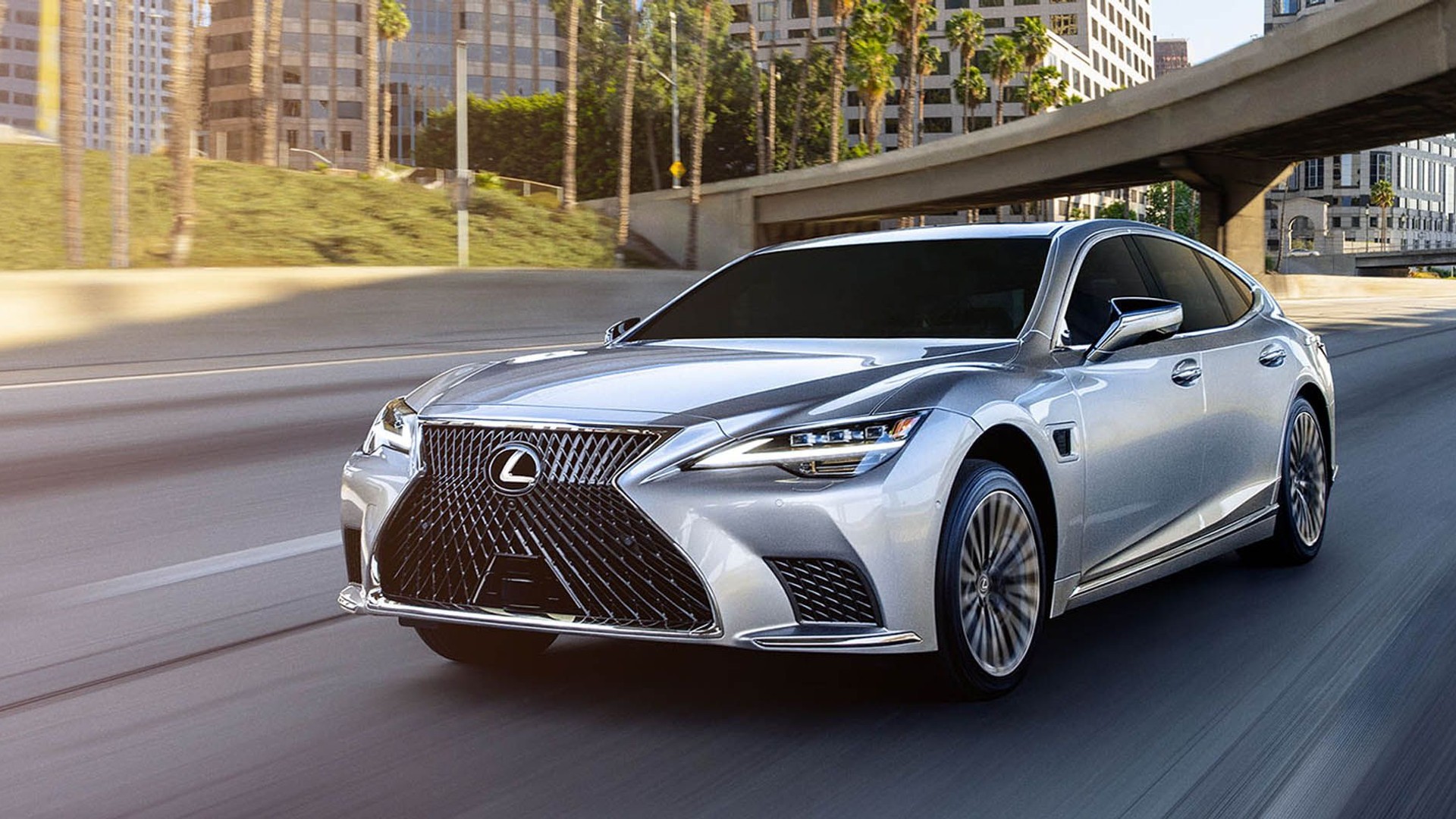
9. Lexus LS
The Lexus LS is a premium luxury sedan designed with a strong emphasis on comfort, reliability, and advanced technology. Its electronic systems support features such as adaptive cruise control, climate management, infotainment, electronic seats, and various safety functions.
Depending on the generation, the Lexus LS may use an advanced battery monitoring system and a manufacturer-specified battery type. Some models require additional diagnostic checks or electronic procedures following battery replacement.
Hybrid versions introduce additional considerations. The vehicle has a conventional low-voltage electrical system as well as a high-voltage hybrid battery that supports the hybrid powertrain. These components serve different purposes and require different maintenance procedures.
Replacing the conventional 12-volt battery in a hybrid LS is not the same as servicing the high-voltage traction battery. High-voltage work should be handled by technicians who have the necessary hybrid vehicle training and safety equipment.
Battery location can also differ between versions. Depending on the model, the 12-volt battery may be positioned in the engine compartment or luggage area. Owners should refer to the vehicle’s service information before attempting access.
Lexus dealerships can perform battery diagnostics, inspect the charging system, and identify the correct replacement component. They also have access to manufacturer-specific technical information for hybrid and conventional models.
Independent Lexus specialists may provide the same service when they have suitable diagnostic tools and hybrid vehicle expertise. Routine 12-volt battery replacement does not automatically require a dealership visit on every LS model.
Owners should pay attention to warning messages, difficulty starting, and unusual electrical behaviour. A proper inspection can distinguish between a weak 12-volt battery, a charging issue, and a fault involving the hybrid system.

10. Chevrolet Corvette
The Chevrolet Corvette is a high-performance sports car equipped with sophisticated engine management, electronic safety features, and advanced infotainment technology. Its electrical system is designed to support both everyday operation and demanding driving conditions.
Modern Corvette generations may use battery monitoring systems that track charging performance and battery condition. Depending on the model year, the vehicle may require a battery monitoring system reset or other electronic checks after replacement.
Battery specifications are important because the Corvette’s electrical system is designed for a particular battery capacity and technology. Installing an unsuitable replacement may affect charging performance or create electrical warnings.
Accessing the battery can also be more complicated than expected. Certain generations have specific battery locations and protective components that must be handled according to the manufacturer’s instructions.
The vehicle’s performance electronics make it important to maintain a stable electrical supply during servicing. Incorrect procedures can lead to temporary warning messages, lost settings, or other electronic issues.
Chevrolet dealerships have access to factory diagnostic systems and approved service procedures. They can test the battery, check the charging system, and determine whether additional electronic work is required.
Independent Corvette specialists can also perform battery replacements when equipped with suitable diagnostic equipment. The dealership is not necessarily the only option, particularly for routine 12-volt battery replacement.