
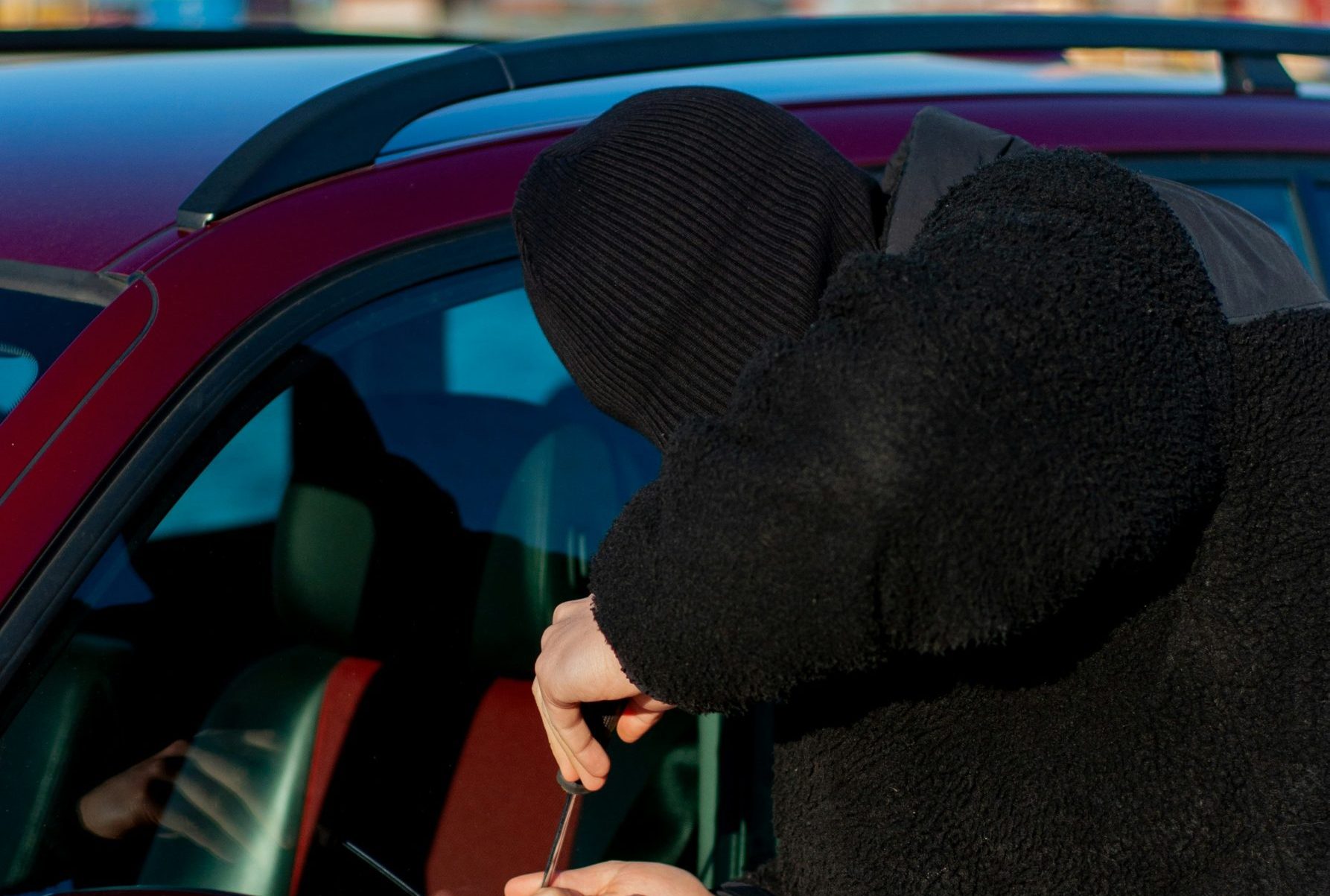
Finding your car in a different condition than you left it can be unsettling, especially when it has been parked in a familiar place. Vehicle tampering does not always involve visible damage or stolen belongings. Sometimes, small changes around the doors, windows, tyres, or interior can indicate that someone has interfered with your vehicle.
Recognising these warning signs early can help you protect your property, identify possible security concerns, and prevent further damage. Whether your car was parked outside your home, at work, or in a public parking area, knowing what to check can make a significant difference.
1. Unusual Scratches, Dents, or Marks Around the Car
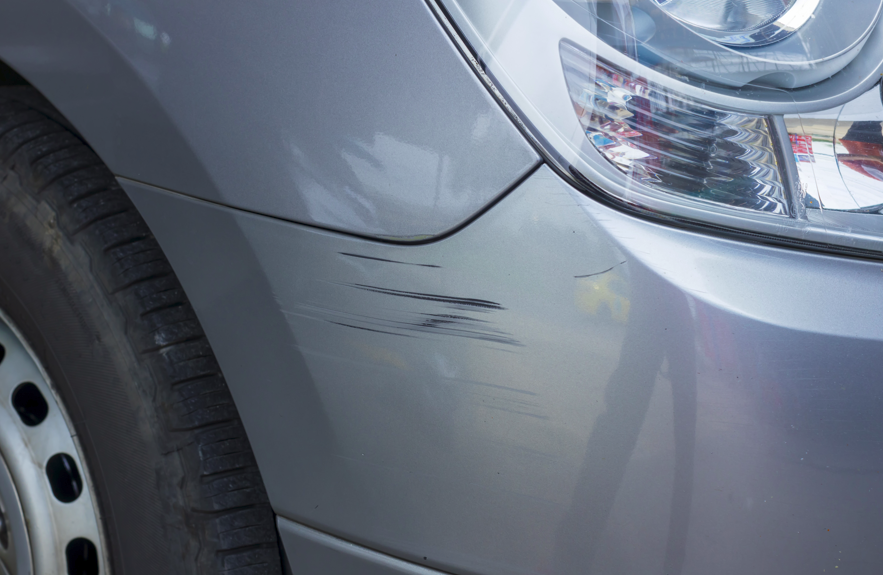
Fresh scratches, dents, and unusual marks on your vehicle can indicate that someone may have interfered with it while it was parked. These marks deserve attention, particularly when you are certain they were not present before leaving the car.
Check the doors, bonnet, boot, bumpers, and areas around the windows. Small scratches near door handles or locks may suggest that someone attempted to gain access to the vehicle. However, similar marks can also result from accidental contact with keys, bags, bicycles, or nearby vehicles.
Pay close attention to scratches that appear unusually fresh. New damage may have a different colour or texture from older marks. Dust, dirt, and weather exposure can make it easier to distinguish recent damage from marks that have been present for some time.
Dents near the doors or side panels can also raise concerns. Someone may have struck the vehicle with an object or caused damage while moving around it. If the car was parked in a tight space, another vehicle could also be responsible.
Photograph any unfamiliar marks as soon as you notice them. Take pictures from different angles and include wider shots that show the location of the damage. These records may help when reporting the incident to your insurance provider or local authorities.
It is also useful to compare the affected area with photographs taken before the vehicle was parked. Regular pictures of your car can provide a helpful reference if you notice damage later.
If the damage appears intentional or involves an attempted break-in, report it to the appropriate authorities. A professional inspection can help determine whether the marks resulted from an attempted entry or ordinary accidental contact.
2. Signs of Forced Entry Around the Doors and Locks
Damaged door locks are among the more concerning signs that someone may have attempted to access your parked vehicle. Even when the doors remain locked, visible damage around the locking mechanism can indicate interference.
Inspect the driver’s door and other entry points for unusual scratches, dents, or loose components. A lock that looks different from its usual condition deserves attention, particularly if the surrounding paint or trim has been damaged.
Check whether the door handles operate normally. A handle that feels loose, sticks, or no longer works smoothly may indicate damage. Mechanical wear can also cause these problems, so consider the vehicle’s previous condition.
Modern vehicles often use electronic locking systems. If the central locking system suddenly behaves differently, the issue could involve a faulty actuator, damaged wiring, a weak battery, or a security-related problem.
Pay attention to unexpected changes in the locking system. For example, doors that fail to lock properly or repeatedly unlock without a clear reason should be inspected rather than ignored.
Look for signs of damage around the window frames and door seals. Bent trim, loose rubber seals, or unusual gaps may indicate that the door has experienced physical interference.
If you suspect someone attempted to enter your car, avoid repeatedly testing a damaged lock. Further use could worsen the problem or make it difficult for a technician to assess the original damage.
Contact a qualified automotive locksmith or service centre for an inspection. If you find evidence of forced entry, document the damage and consider making a police report.
3. Missing Personal Belongings or Items That Have Been Moved
A missing item inside your car can be a clear indication that someone accessed the vehicle without permission. However, objects that have been moved or rearranged can also be worth investigating.
Start by checking the glove compartment, centre console, door pockets, storage compartments, and boot. These areas commonly hold personal belongings, documents, charging cables, and other everyday items.
Look for items that are missing or no longer in their usual positions. A misplaced wallet, sunglasses case, vehicle documents, or electronic accessory may indicate that someone searched through the interior.
Sometimes, the missing object is not particularly valuable. Small items such as coins, parking receipts, USB drives, or loose change may be taken during an unauthorised entry.
Pay attention to the condition of the interior. An open glove compartment, displaced floor mats, or scattered papers can suggest that someone handled your belongings.
However, avoid jumping to conclusions. Passengers, family members, or even your own previous activities may explain why something has moved. Consider whether anyone else had legitimate access to the vehicle.
Check whether important documents are still present. Vehicle registration papers, insurance documents, identification details, and house keys should receive particular attention because their loss may create additional security concerns.
If anything important is missing, make a list and report the incident when appropriate. Contact your bank if payment cards are involved, and take suitable steps to protect personal information.
For future protection, avoid leaving valuables in plain sight. Keep important belongings with you and use secure storage arrangements whenever possible.
4. Windows or Window Seals That Look Different
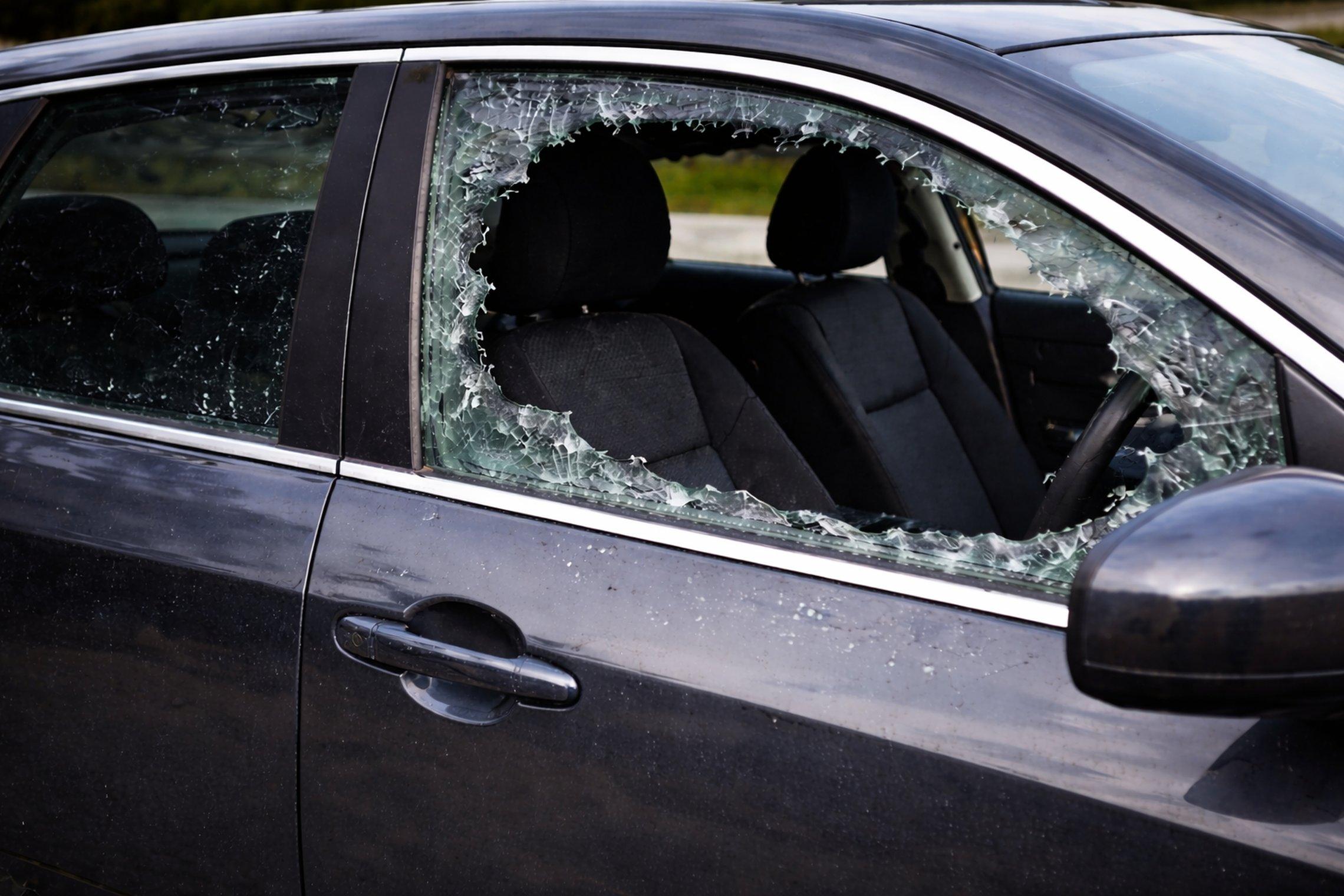
Windows provide another important area to inspect after leaving your vehicle parked in a public or unfamiliar location. Changes to the glass, window frames, or rubber seals may indicate accidental damage or possible interference.
Begin by examining each window carefully. Look for fresh cracks, chips, unusual scratches, or damage around the edges. Even a small chip can become a larger problem if it spreads.
Check the rubber seals surrounding the glass. Loose, displaced, or damaged seals may indicate that the window has experienced physical pressure or that the vehicle has a maintenance issue.
A window that sits unevenly in its frame can also deserve attention. If the glass appears lower, higher, or differently aligned than usual, have the window mechanism inspected.
Look inside the vehicle for signs of broken glass. Small fragments around the seats, floor mats, or door panels may indicate that a window has been damaged.
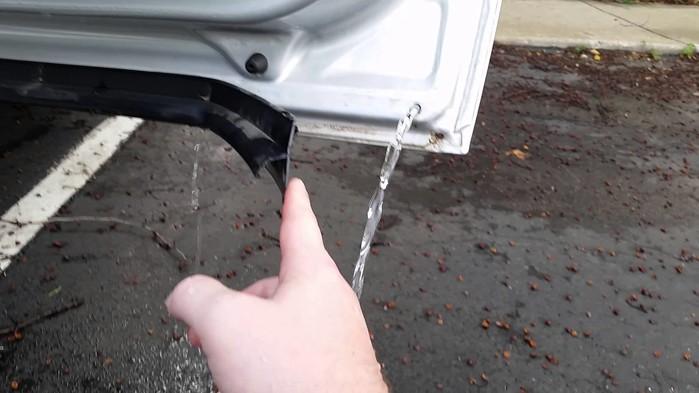
Pay attention to unexpected moisture inside the car. Water entering through a damaged seal or window can leave damp upholstery, wet carpets, and unpleasant smells. However, blocked drainage channels and ordinary seal deterioration can produce similar symptoms.
Check whether the power windows operate as expected. Slow movement, unusual noises, or a window that refuses to close may point to a mechanical or electrical fault.
If you find broken glass or clear signs of attempted entry, avoid touching sharp fragments with bare hands. Photograph the damage and arrange a professional inspection.
Keeping windows fully closed when leaving your vehicle parked can reduce certain security risks. Regularly checking the seals and glass also helps identify ordinary maintenance problems before they become serious.

5. Tyres That Appear Damaged or Have Unusual Pressure Changes
Your vehicle’s tyres deserve careful attention because unusual damage or pressure loss can affect both security and driving safety. If a tyre looks different from when you parked, investigate before moving the vehicle.
Start by visually inspecting all four tyres. Look for cuts, punctures, bulges, unusual marks, or objects embedded in the rubber. Also check whether one tyre appears noticeably flatter than the others.
A sudden loss of tyre pressure can result from a puncture, damaged valve, leaking rim, or temperature changes. It should not automatically be treated as evidence of intentional tampering.
Check the tyre pressure using a reliable gauge. Compare the readings with the manufacturer’s recommended pressure, usually listed on a label inside the driver’s door or in the owner’s manual.
Look for visible damage around the valve stems and wheel rims. A damaged valve can allow air to escape gradually, while a bent rim may cause persistent pressure loss.
Pay attention to the condition of the wheel nuts as well. If a wheel appears loose or you notice missing hardware, do not drive the vehicle until a qualified mechanic has inspected it.
Modern vehicles equipped with a tyre pressure monitoring system may display a warning when pressure drops. A warning that appears after parking should be taken seriously, even if the tyre looks normal.
Never attempt to drive on a visibly damaged or severely underinflated tyre. Doing so can affect steering, braking, and vehicle stability. Arrange roadside assistance if necessary.
Regular tyre inspections are a practical part of vehicle maintenance. Checking pressure and condition before longer journeys can help you identify problems early and avoid unnecessary risks.
6. Unexpected Changes Inside the Vehicle
Changes inside your car may provide clues that someone has entered or interfered with it. These changes are not always dramatic, which makes it important to notice small differences.
Check the driver’s seat position first. If the seat has moved significantly, someone may have adjusted it. However, this can also happen when another authorised driver uses the vehicle.
Look at the steering wheel and mirrors. Unexpected adjustments may indicate that someone occupied the driver’s seat or that another person used the vehicle before you noticed the change.
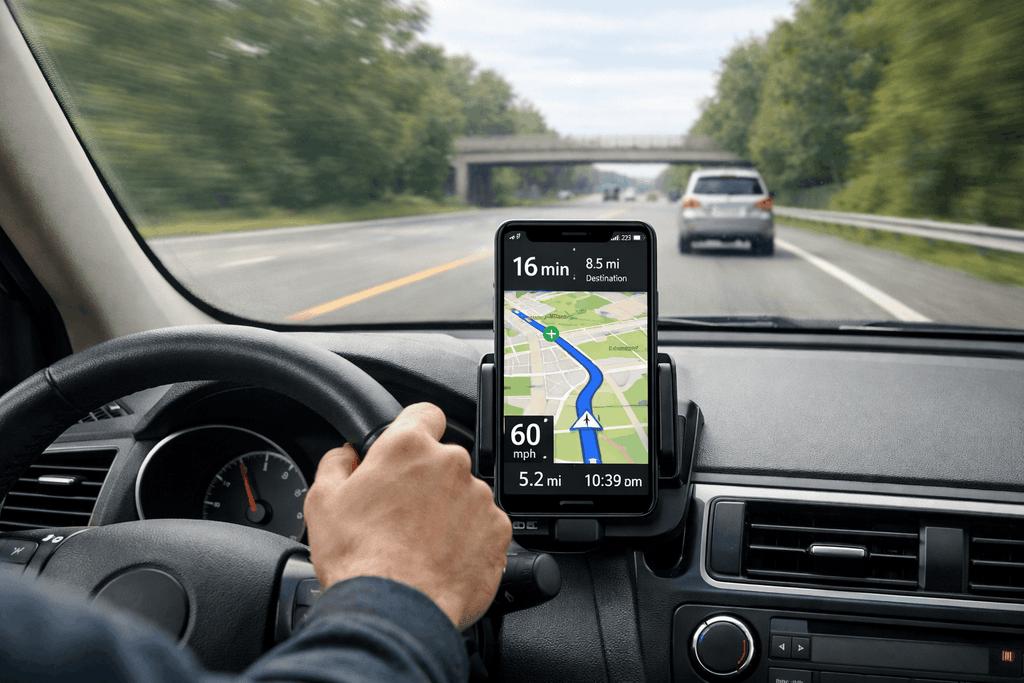
Inspect the dashboard and centre console for unfamiliar warning lights. A new warning may result from an electrical fault, low battery voltage, or a mechanical issue rather than deliberate interference.
Check the interior controls, including the infotainment system, air conditioning, and instrument settings. Unfamiliar changes may indicate that someone has operated the vehicle’s controls.
Pay attention to unusual smells. Strong fuel, burning plastic, chemical, or unfamiliar odours should never be ignored. These smells may indicate leaks, overheating components, spills, or other mechanical concerns.
Inspect the floor mats and seats for unfamiliar dirt, stains, or debris. Such changes may suggest that someone entered the car, particularly when the interior was clean before parking.
If you notice unfamiliar electronic devices or loose wiring, do not attempt to dismantle them yourself. Take photographs and ask a qualified automotive technician to investigate.
A careful interior inspection can help distinguish normal wear, mechanical faults, and possible unauthorised access. If several unusual changes appear together, document them and consider reporting the incident.
7. Unusual Warning Lights, Electrical Problems, or Battery Issues
Electrical problems can sometimes appear after a vehicle has been left unattended. While these issues often have ordinary mechanical explanations, sudden and unexplained changes deserve attention.
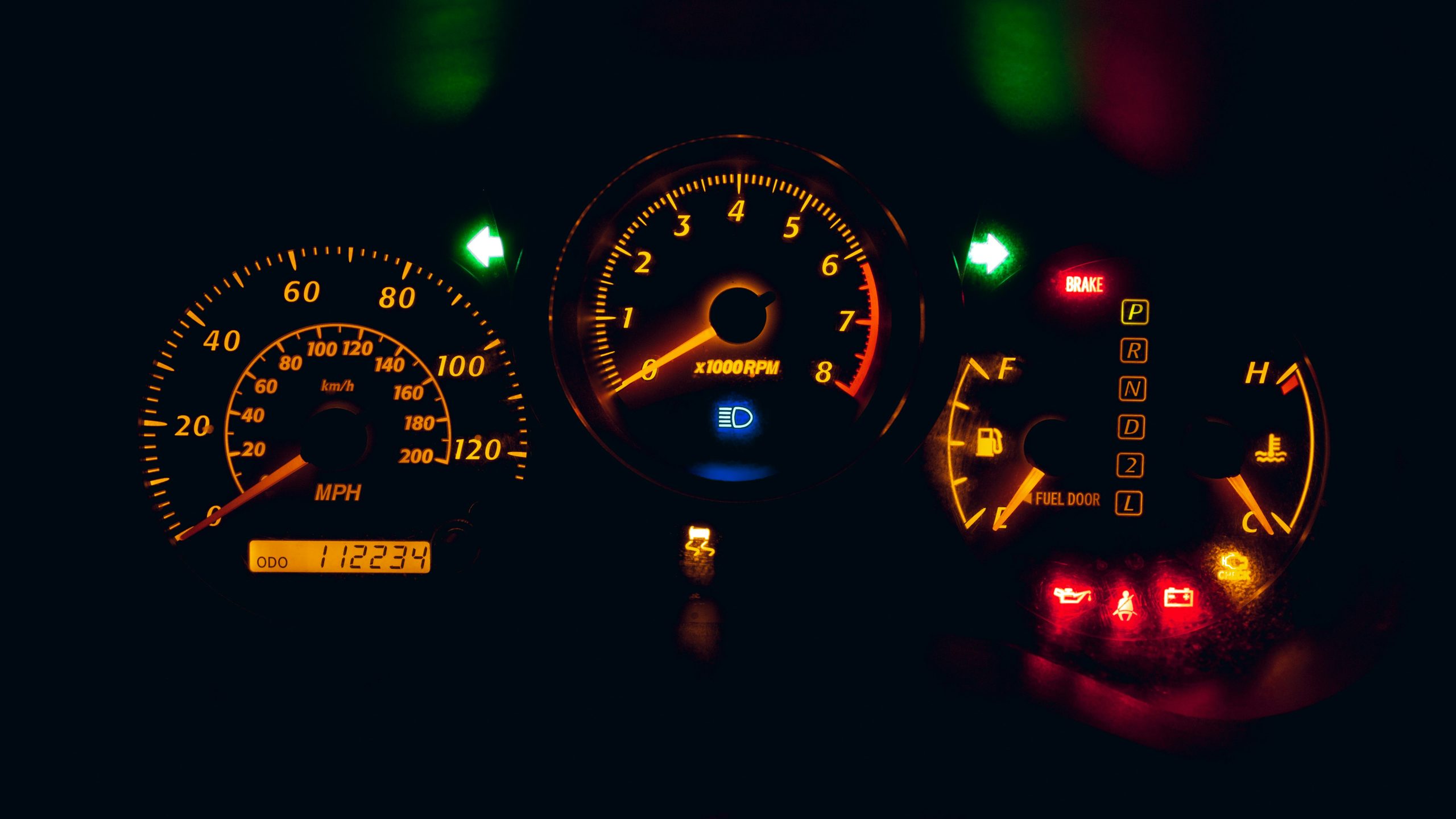
Start by checking the dashboard for warning lights that were not present before parking. Battery, engine, airbag, and security system warnings may indicate faults that require professional diagnosis.
Test the headlights, indicators, brake lights, and interior lights. If any of these systems behave differently, there may be an electrical issue or damaged component.
Check whether the vehicle starts normally. A car that suddenly struggles to start or fails to respond may have a weak battery, charging system problem, or electrical fault.
Pay attention to the central locking system and keyless entry features. If the vehicle no longer recognises the key or responds inconsistently, the problem could involve the key fob battery, vehicle battery, or electronic system.
Unexpected battery discharge is another issue worth investigating. A failing battery, an electrical component that remains switched on, or excessive parasitic drain can cause a parked vehicle to lose power.
Look for signs of physical damage around accessible wiring and electrical components. If you notice loose panels, exposed wires, or damaged connectors, avoid touching them.
Modern vehicles contain complex electronic systems, so diagnosing electrical faults without proper equipment can be difficult. A qualified technician can scan the vehicle for diagnostic trouble codes and inspect affected components.
Keep records of recurring electrical problems, including when they started and what warning messages appeared. This information can help a technician identify the cause more efficiently.
8. Suspicious Activity or Evidence Near the Parking Location
Sometimes, the most useful clues are found outside the vehicle. The area where your car was parked may provide information about what happened while you were away.
Think about whether anyone was behaving unusually near your vehicle. People repeatedly approaching parked cars, looking through windows, or attempting to open doors without a clear reason may warrant attention.
Check whether the vehicle was moved from its original parking position. Even a small difference in its location or orientation may be worth investigating, particularly if you parked on a clearly marked space.
Look for nearby objects that may have been disturbed. Broken pieces of glass, damaged plastic, unfamiliar items, or debris close to your vehicle could be connected to an incident.
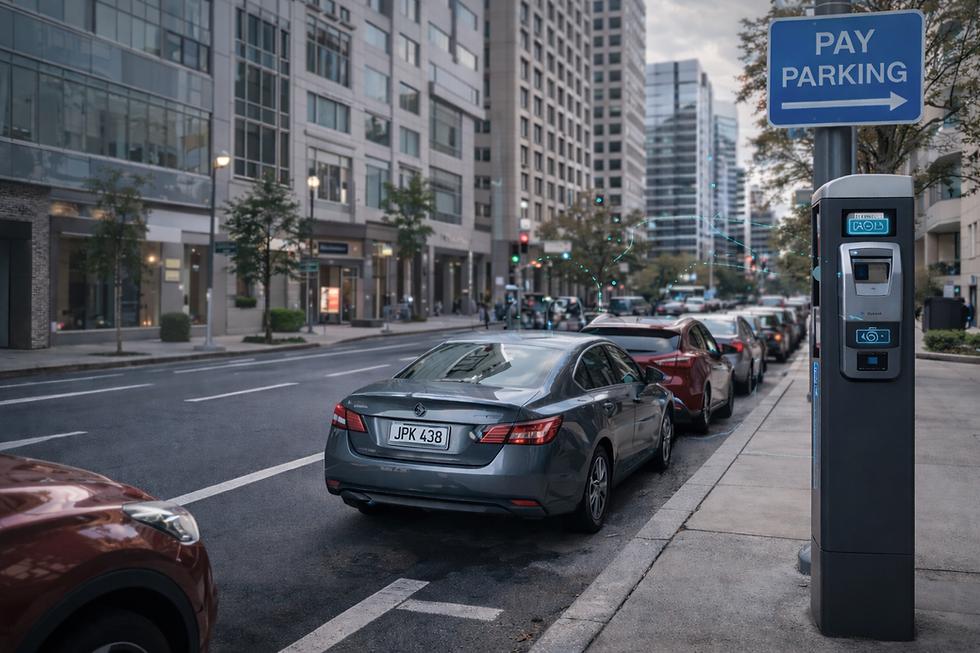
Security cameras can provide useful information. If your car was parked near a residential building, office, shopping centre, or paid parking facility, ask the property manager whether footage is available.
Try to establish the approximate time when the incident may have occurred. Your parking receipt, workplace attendance record, or other time-stamped information may help narrow down the period.
Speak with nearby security personnel or witnesses if appropriate. Someone may have noticed unusual activity or heard an alarm while your vehicle was unattended.
Avoid confronting anyone you suspect of involvement. If you believe a crime has occurred, contact local law enforcement and provide the information you have collected.
Improving your parking arrangements can also reduce future risks. Whenever possible, choose well-lit areas with regular foot traffic, visible security cameras, and controlled vehicle access.
