
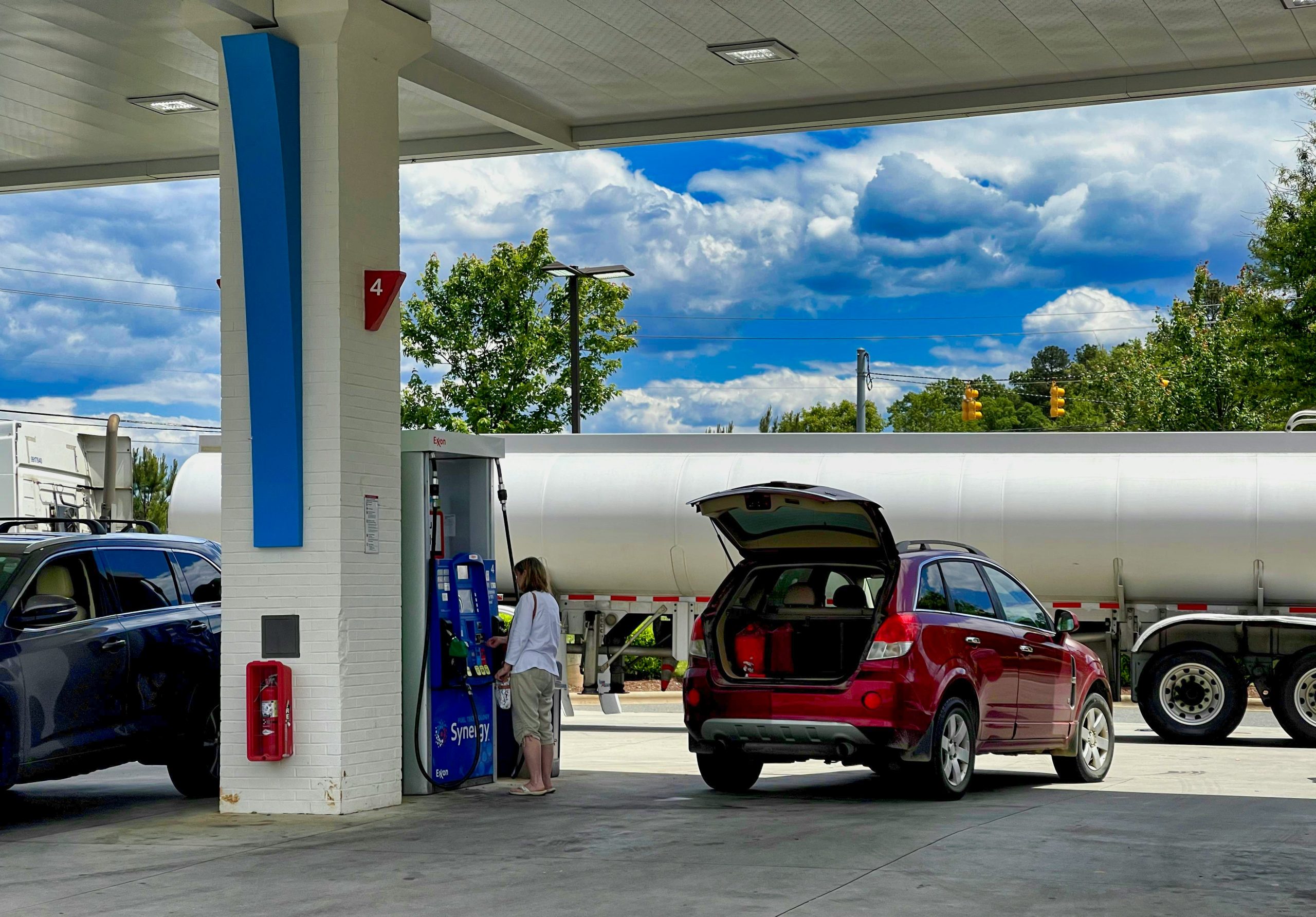
Gas stations are a regular stop for millions of drivers, whether they need fuel, snacks, or a quick break during a long journey. However, not every visit is as straightforward as it seems. Some dishonest operators use misleading prices, faulty equipment, payment tricks, and deceptive sales tactics to charge customers more than expected.
These practices can lead to unexpected expenses, stolen financial information, or unnecessary vehicle repairs. Knowing how common gas station scams work can help drivers make smarter decisions, protect their money, and avoid becoming easy targets. A little awareness can make every fuel stop safer.
1. Credit Card Skimming Scams
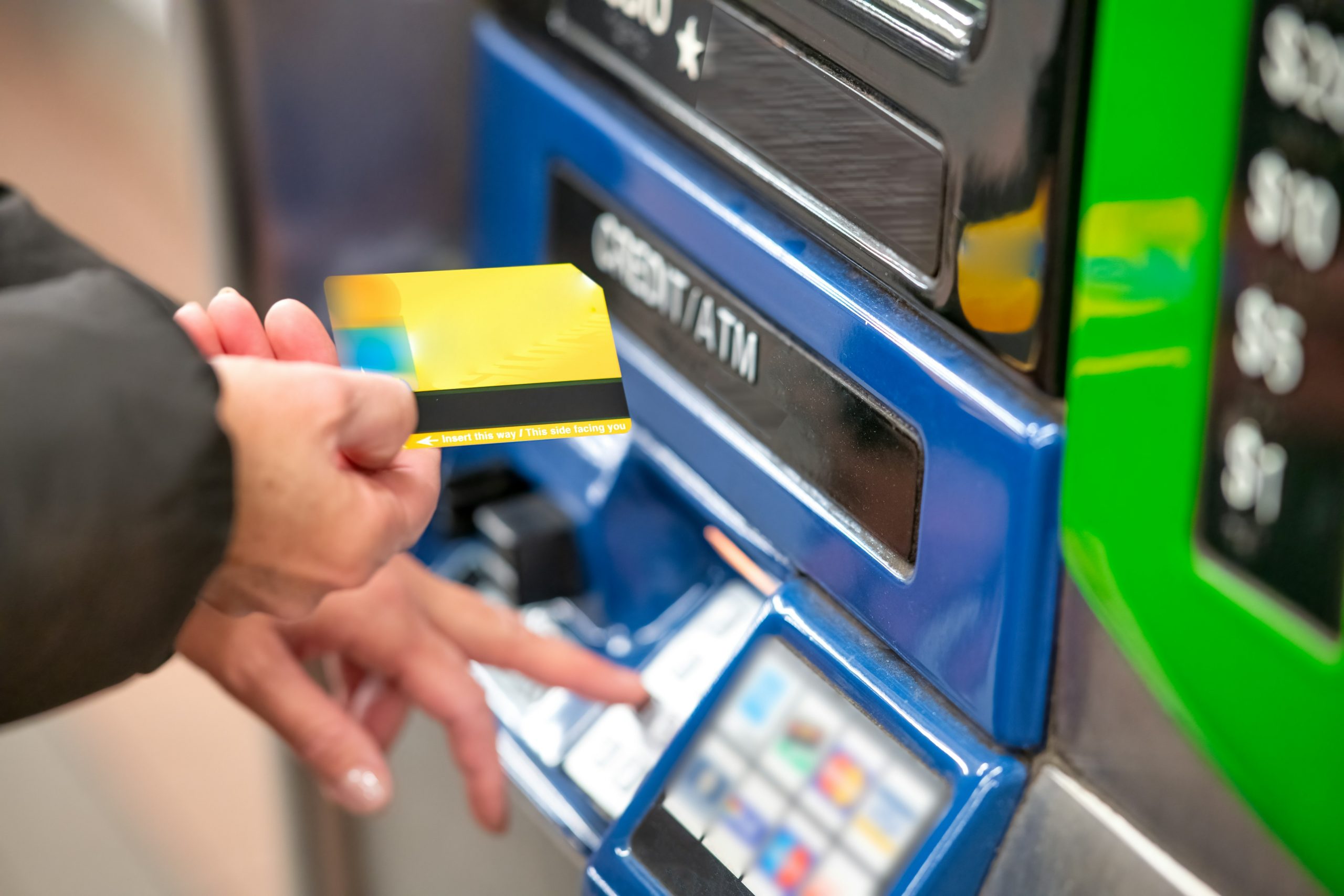
Credit card skimming is a common form of financial fraud that can happen at gas station payment terminals. Criminals install small devices inside or over card readers to collect information from customers’ payment cards. These devices may be difficult to notice because they are designed to look like ordinary parts of the machine.
When a customer inserts or swipes a card, the skimming device can capture sensitive information stored on its magnetic stripe. Criminals may combine this information with stolen PIN details to create counterfeit cards or carry out unauthorized transactions. This can result in financial losses that customers might not notice immediately.
Some criminals also use hidden cameras to record customers entering their PINs. These cameras may be placed near payment terminals, making it easier for fraudsters to collect both card information and security codes. A compromised payment terminal can therefore put several customers at risk before anyone notices suspicious activity.
Before paying at a fuel pump, take a moment to inspect the card reader. Look for loose parts, unusual attachments, damaged surfaces, or anything that appears different from neighboring terminals. A card reader that looks poorly fitted or tampered with should be avoided.
Using contactless payments or a trusted mobile wallet can reduce exposure to certain forms of card skimming. These payment methods use additional security features and do not require customers to swipe a traditional magnetic stripe. However, customers should still remain alert when using any electronic payment system.
It is also helpful to choose fuel stations with visible security cameras and well-maintained payment equipment. Established businesses often have procedures for inspecting their terminals and identifying suspicious devices. While these precautions cannot guarantee complete protection, they can reduce the chances of encountering compromised equipment.
Check your bank statements regularly, especially after making payments at unfamiliar gas stations. Report transactions you do not recognize as soon as possible. Early reporting gives your bank an opportunity to investigate the activity, block compromised cards, and explain the available dispute process.
2. Fuel Pump Price Manipulation
Fuel pump price manipulation occurs when customers are charged more than the advertised or displayed price. Some dishonest station operators may use misleading pricing practices to increase the amount customers pay without making the difference immediately obvious.
One common issue involves outdated price displays. A station may advertise a lower fuel price on its roadside sign while charging a higher amount at the pump. Customers who do not check the final price before filling their tanks may end up paying more than expected.
Another possible problem involves incorrect pump settings. If a fuel dispenser has not been properly calibrated or maintained, it may display inaccurate measurements. This can make customers believe they have received a particular quantity of fuel when the actual amount delivered may differ.
Customers should always check the price displayed on the pump before starting a transaction. Compare it with the advertised rate and ask the attendant to explain any difference. Do not assume that the roadside sign automatically reflects the price being charged at every dispenser.
Pay attention to the pump reading as fuel begins flowing. The amount should start increasing from zero for a new transaction. If the display already shows a previous amount, ask the attendant to reset it before dispensing fuel.
Keeping the receipt is another useful precaution. It provides a record of the fuel quantity, unit price, total payment, and transaction details. If the final amount seems incorrect, the receipt can help support a complaint with the station management or relevant consumer authority.
Drivers should also be cautious when attendants provide verbal explanations that do not match the displayed information. Ask for clarification before authorizing payment. A legitimate business should be able to explain its pricing clearly without pressuring customers to complete the purchase.
3. Fake Fuel Quality and Adulteration Scams
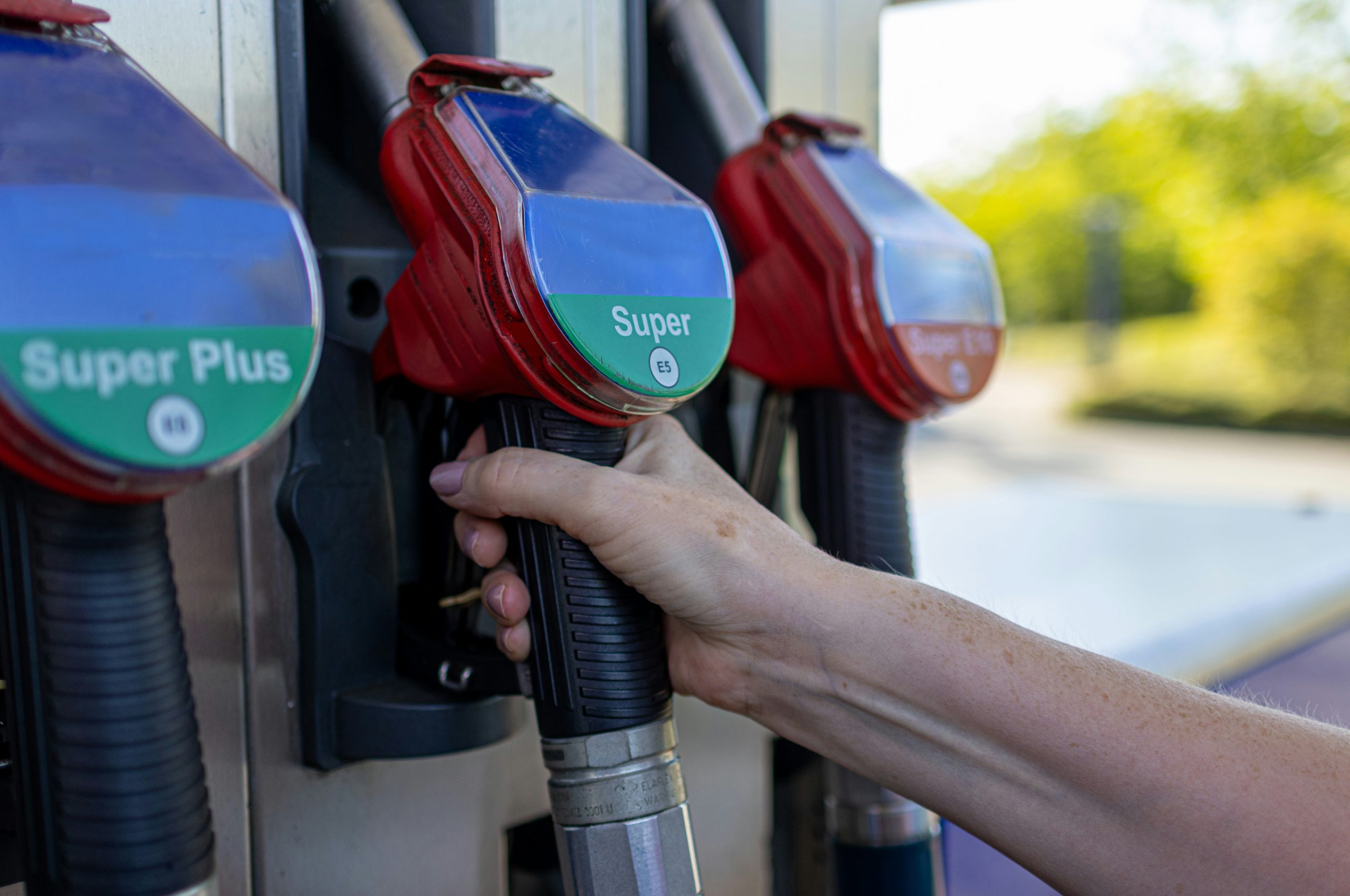
Fuel adulteration is a serious concern because it can affect both vehicle performance and customer finances. It involves mixing petrol or diesel with cheaper substances or adding unauthorized materials that reduce the quality of the fuel being sold.
Adulterated fuel may contain solvents, lower-grade petroleum products, or other substances that are not approved for the intended fuel type. These mixtures can interfere with engine combustion and may damage important vehicle components over time.
Drivers sometimes notice warning signs after purchasing questionable fuel. These may include unusual engine knocking, reduced acceleration, rough idling, difficulty starting the vehicle, or unexpected smoke from the exhaust. However, these symptoms can also result from unrelated mechanical problems, so they should not automatically be treated as proof of adulteration.
Choosing a reputable fuel station is an important way to reduce this risk. Look for businesses with established operations, visible quality standards, and properly maintained dispensers. Stations that follow recognized fuel distribution procedures are generally preferable to unfamiliar outlets with unclear ownership or inconsistent practices.
Customers should be cautious about unusually low fuel prices. A discount does not automatically indicate poor quality, but an offer that seems significantly cheaper than nearby stations deserves closer attention. Check whether the price is genuine and whether the business can provide information about its fuel supply.
If you suspect that the fuel purchased has been contaminated, avoid continuing to drive unnecessarily. Contact a qualified mechanic and explain when the problem started. A professional inspection can help determine whether the fuel is responsible for the symptoms and whether the tank or fuel system requires attention.
Keep the purchase receipt and record the station’s location, date, and approximate time of purchase. These details may help when reporting suspected adulteration to the appropriate authorities. If several customers report similar problems, the information can also assist an investigation.
4. Short-Changing Customers at the Pump
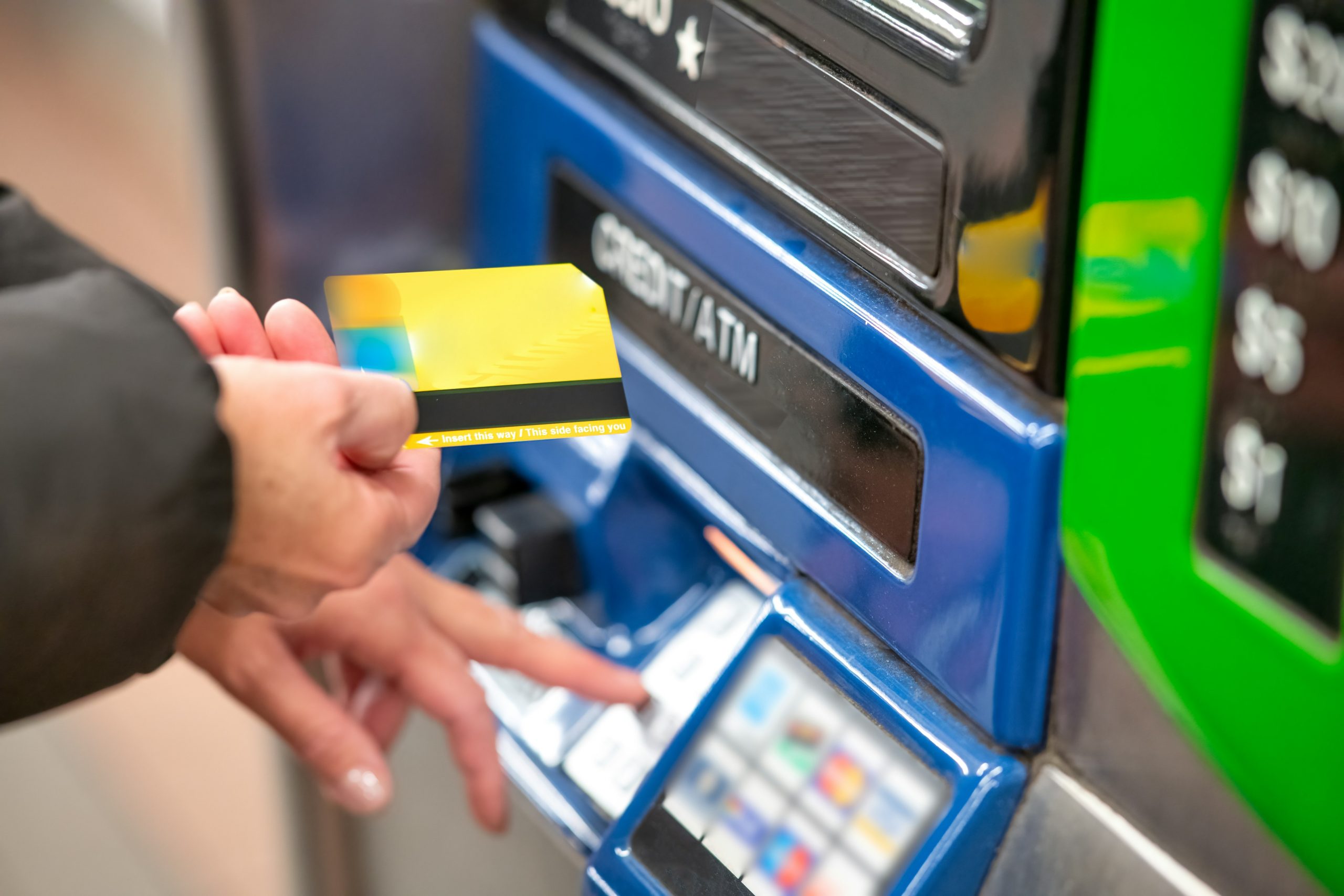
Short-changing is a simple but effective scam that takes advantage of customers who do not pay close attention during a fuel transaction. It generally involves providing less change than the customer is owed or creating confusion about the amount of money received.
This practice is more likely to occur during cash transactions. For example, a customer may hand over a large banknote, but the attendant may claim to have received a smaller denomination. If the customer cannot remember the exact amount handed over, resolving the disagreement becomes difficult.
In some situations, attendants may deliberately distract customers during payment. They might ask unrelated questions, rush the transaction, or discuss additional services while handling the cash. This distraction can make it easier to return an incorrect amount of change.
To avoid this problem, count your money before handing it over and clearly state the denomination. For example, if you are paying with a large note, mention its value while giving it to the attendant. This creates a clearer understanding of the amount being paid.
Always count your change immediately after receiving it. Do not wait until you have driven away because it may become difficult to resolve a payment disagreement later. If the amount is incorrect, politely point out the difference before leaving the station.
Digital payments can reduce the risk of cash-related confusion. They also create an electronic record of the transaction, making it easier to confirm how much was paid. However, customers should verify the amount entered into the payment terminal before approving it.
It is equally important to check the final fuel bill. Make sure the amount displayed on the dispenser matches the payment requested by the attendant. A few seconds spent reviewing the transaction can prevent unnecessary financial losses.
5. Fake Vehicle Repair and Maintenance Scams
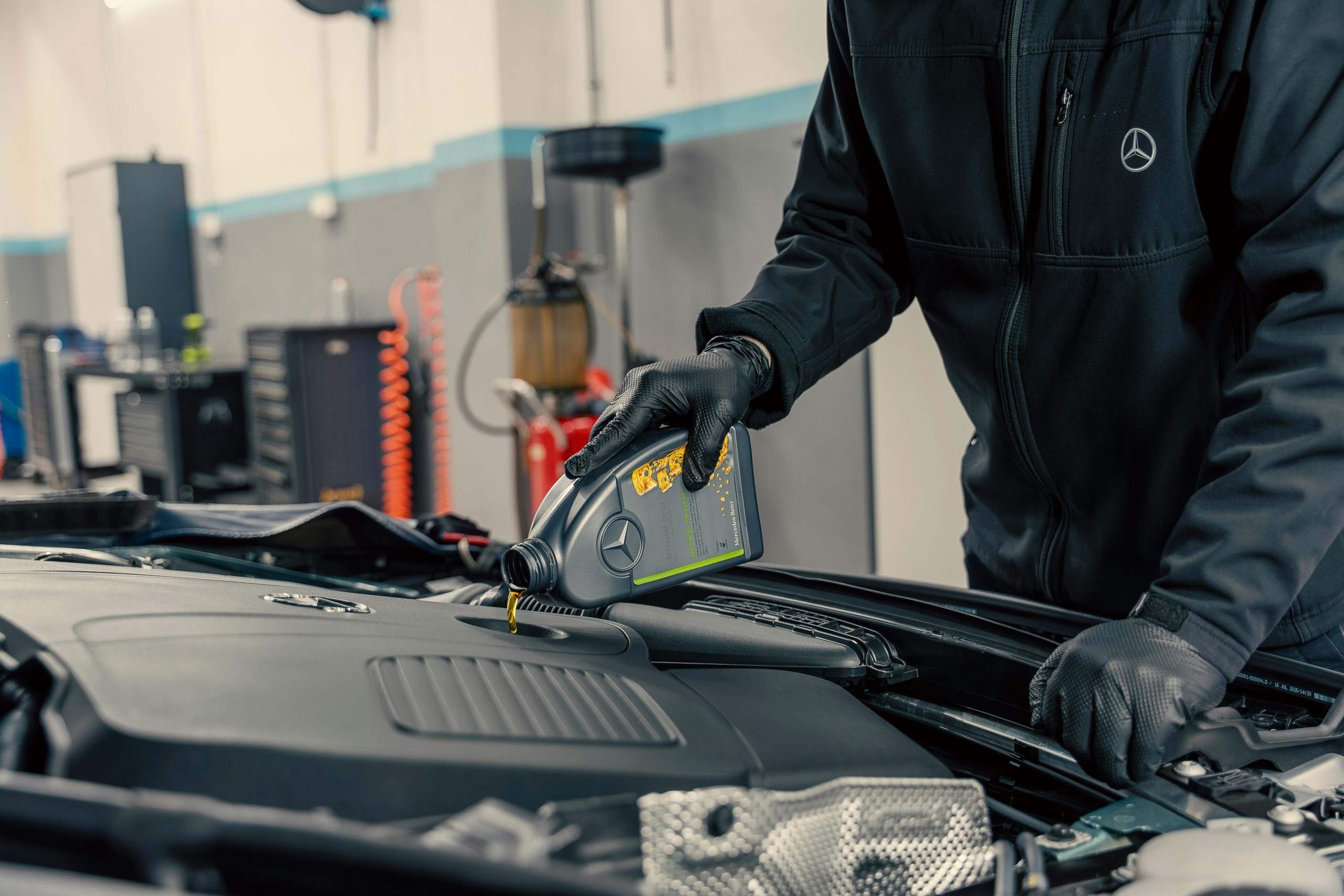
Some dishonest gas station employees use customers’ limited mechanical knowledge to sell unnecessary repairs or maintenance services. These scams often target drivers who stop for fuel and are then told that their vehicles have serious mechanical problems.
An attendant may claim that the engine oil is dangerously low, the battery is failing, or the coolant needs immediate replacement. In some cases, the employee may exaggerate a minor issue to convince the customer to purchase an expensive service.
Another tactic involves showing customers dirty vehicle components and presenting normal wear or discoloration as evidence of serious damage. For example, used engine oil naturally becomes darker during operation. Its appearance alone does not establish that it needs immediate replacement.
Drivers should avoid agreeing to unexpected repairs without understanding the problem. Ask the employee to explain what is wrong, why the service is necessary, and how much it will cost. A trustworthy service provider should be willing to answer these questions.
If someone claims that your vehicle is unsafe to drive, request a clear explanation and consider getting a second opinion from an independent mechanic. Serious mechanical issues should be evaluated by qualified professionals rather than accepted solely on the basis of a verbal warning.
Following the manufacturer’s maintenance schedule can also help prevent unnecessary spending. Check your vehicle’s manual for recommended oil changes, fluid inspections, tire maintenance, and other servicing requirements. This gives you a reliable reference when someone suggests additional work.
Keep records of previous repairs and maintenance appointments. These documents make it easier to determine when a component was last replaced and whether a proposed service is actually due. They also help protect you from paying for work that has already been completed.

6. Prepaid Fuel and Payment Authorization Scams
Prepaid fuel transactions are common at stations where customers pay before filling their vehicles. However, dishonest operators may use confusing payment procedures to collect more money than necessary or create disputes over unused fuel balances.
For example, a customer may authorize a specific amount for fuel but receive less than the prepaid value. If the transaction is not properly closed, the customer may struggle to obtain a refund for the unused balance.
Some payment terminals also allow customers to authorize a larger amount temporarily. This can happen when a station places a temporary hold on a payment card before the final fuel purchase is completed. Customers unfamiliar with this process may believe they have been charged incorrectly.
The safest approach is to understand the payment process before authorizing a transaction. Ask whether the station will charge the exact fuel amount or place a temporary hold. If the procedure is unclear, request assistance from the cashier before proceeding.
When using a card at the pump, review the amount shown on the payment screen. Make sure you understand whether it represents the final purchase or an authorization limit. This distinction can help prevent confusion when checking your bank account later.
After fueling, check the final transaction amount. If you paid more than the actual fuel cost, ask the station how the unused balance will be returned. Keep your receipt and monitor your bank statement until the transaction is fully settled.
Never share your card PIN, banking password, or one-time verification code with a station employee. Legitimate payment processing does not require customers to disclose these confidential details to attendants.
7. Fake Discounts and Misleading Fuel Offers
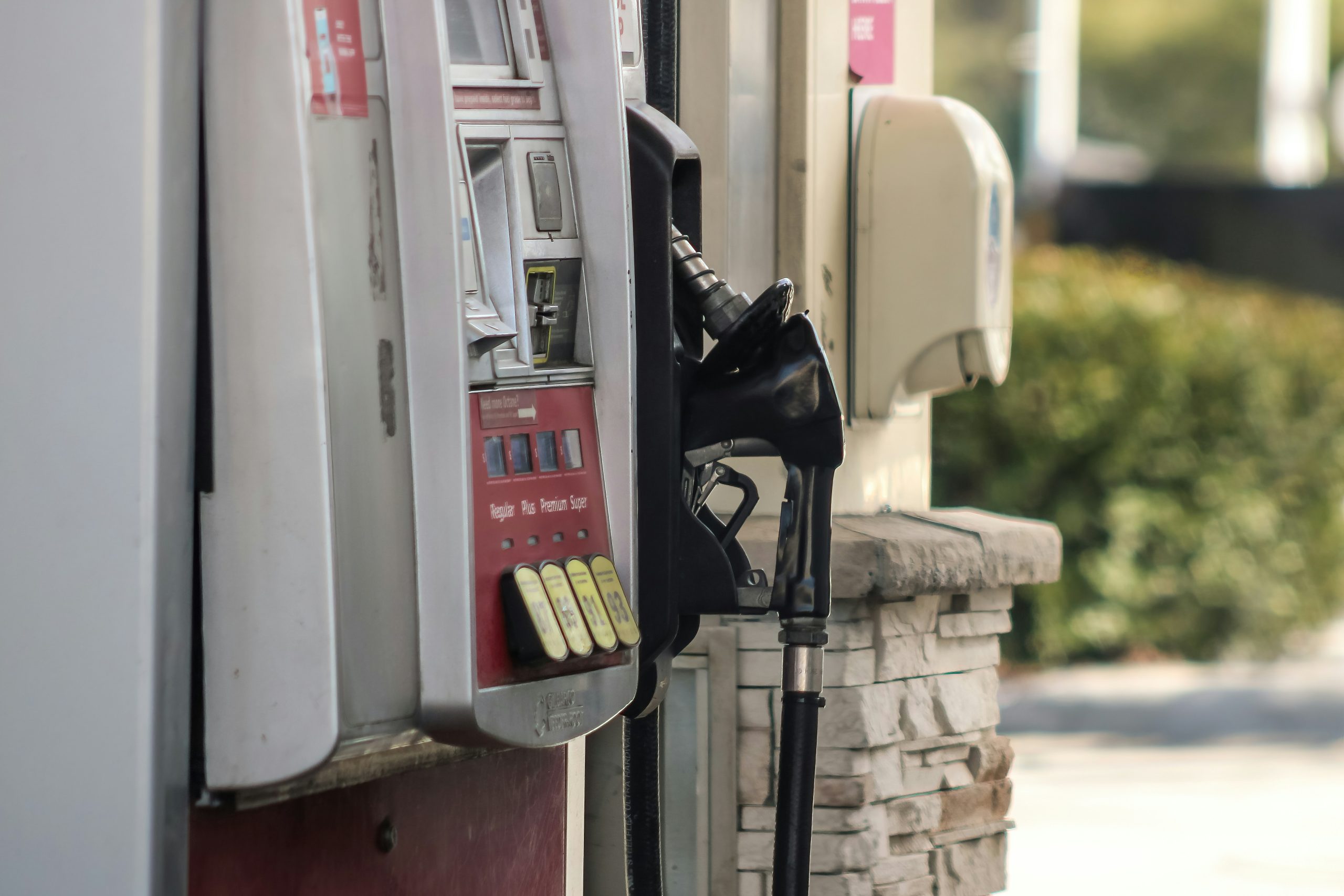
Promotional offers can attract customers looking to save money on fuel. However, some gas stations use misleading advertisements to encourage purchases without providing the advertised benefits.
A station may display a large discount on its roadside sign while placing important conditions in small print. The reduced price might apply only to a specific payment method, fuel grade, loyalty membership, or minimum purchase amount.
Some offers also require customers to purchase additional products before receiving the advertised discount. For example, a station might promote a lower fuel price that is available only after buying selected convenience-store items. Customers who overlook these conditions may spend more than they originally intended.
Another misleading practice involves advertising a temporary discount that has already expired. Customers may arrive expecting lower prices but discover that the promotion is no longer available. This can be frustrating, especially when the station has not updated its promotional material.
Before accepting a promotional offer, read the terms and conditions carefully. Ask the cashier which fuel types qualify, how the discount is calculated, and whether any additional purchase is required. Clear answers should be available before you spend money.
Compare the advertised price with the standard price at nearby stations. A promotion may appear attractive but provide very little actual savings. Looking at the final cost rather than the size of the advertised discount helps you make a better purchasing decision.
Customers should also be cautious about unsolicited messages claiming to offer free fuel or exclusive discounts. Fraudsters may use fake links to collect personal information, payment details, or login credentials. Only use official station websites or verified applications when checking promotional offers.
8. Fake Fuel Attendants and Unauthorized Charges
Gas stations that offer full-service fueling may involve several employees interacting with customers. While most attendants perform their duties honestly, some dishonest individuals may take advantage of the payment process to charge customers incorrectly.
One possible scam involves an attendant claiming that the customer requested a larger fuel quantity than originally agreed. The employee may then ask for additional payment without providing a clear explanation of the difference.
Another situation occurs when an attendant distracts the driver while another person handles the payment. This can create confusion about the amount dispensed, the amount paid, or whether the transaction has already been completed.
Customers should communicate the exact amount or quantity of fuel they want before dispensing begins. Make sure the attendant understands the request and confirm that the pump display matches the agreed amount.
Avoid handing over your payment card unless necessary. If a card transaction is required, observe the payment process and check the amount before entering your PIN or approving the payment. Never allow anyone to complete an unknown transaction on your behalf.
If an attendant asks for additional money, request an itemized explanation. Compare the amount with the pump reading and your original instructions. Do not pay extra charges that cannot be properly explained or supported by the transaction record.
Drivers should also remain attentive when several employees are working around their vehicles. Keep personal belongings secure and avoid leaving wallets, phones, or other valuables unattended. Basic awareness can help prevent both financial disputes and opportunistic theft.

9. Fake Loyalty Programs and Personal Information Theft
Many fuel stations operate loyalty programs that offer discounts, reward points, or special benefits to regular customers. These programs can be useful, but fake registration schemes may be used to collect personal information from unsuspecting drivers.
A fraudulent loyalty offer might promise free fuel, large discounts, or instant rewards in exchange for basic registration details. Customers may be asked to provide their phone numbers, email addresses, payment information, or other personal data through an unofficial website or application.
Once criminals obtain this information, they may use it for phishing attempts, unauthorized account access, or identity-related fraud. Some schemes also encourage customers to share verification codes, allowing scammers to gain access to accounts connected to their phone numbers.
Be cautious when an employee asks you to register for a rewards program using an unfamiliar link. Verify that the program belongs to the actual fuel company before entering any personal information. Official websites and applications are safer options than random links shared through text messages or social media.
Never provide a one-time password or banking verification code to someone claiming to activate your loyalty membership. Such codes are intended to confirm your identity during a transaction or account login. Sharing them can give criminals access to sensitive services.
Check the privacy policy of any rewards program before signing up. Understand what information the company collects, how it uses customer data, and whether it shares information with third parties. Avoid programs that demand unnecessary personal details.
If you receive an unexpected message claiming that you have won free fuel or bonus points, verify the offer directly through the company’s official customer service channel. Do not click suspicious links or download unfamiliar applications simply because a message promises attractive rewards.
