
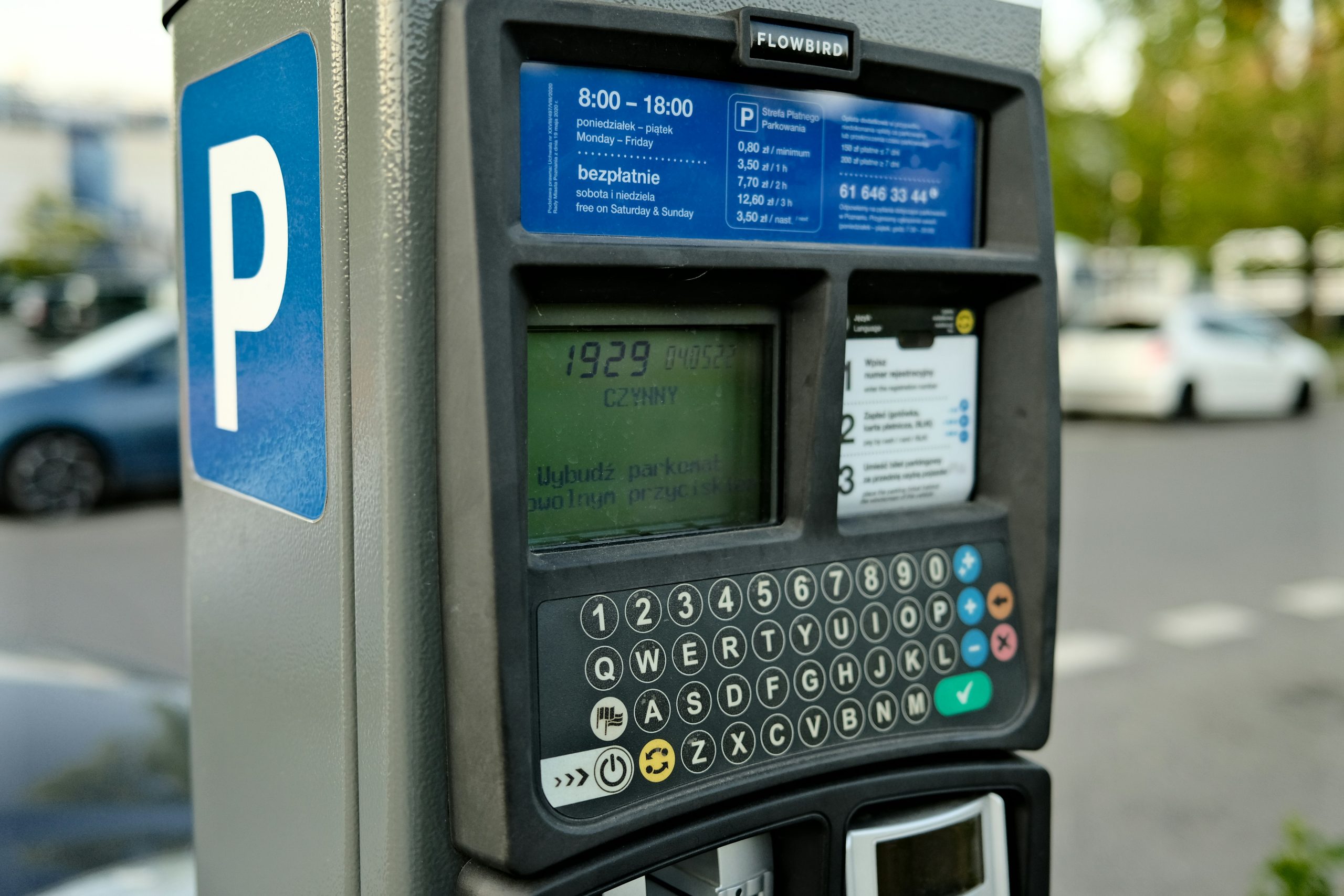
Parking meter QR codes have made paying for street parking faster and more convenient. Drivers can scan a code, open a payment page, enter their vehicle details, and complete a transaction without searching for coins or using a physical meter. However, scammers have started taking advantage of this convenience by placing fake QR code stickers over legitimate payment instructions.
These fraudulent codes can direct drivers to imitation websites designed to steal payment details, personal information, or money. Knowing how to recognise a fake parking meter QR code can help drivers avoid financial losses and protect their information.
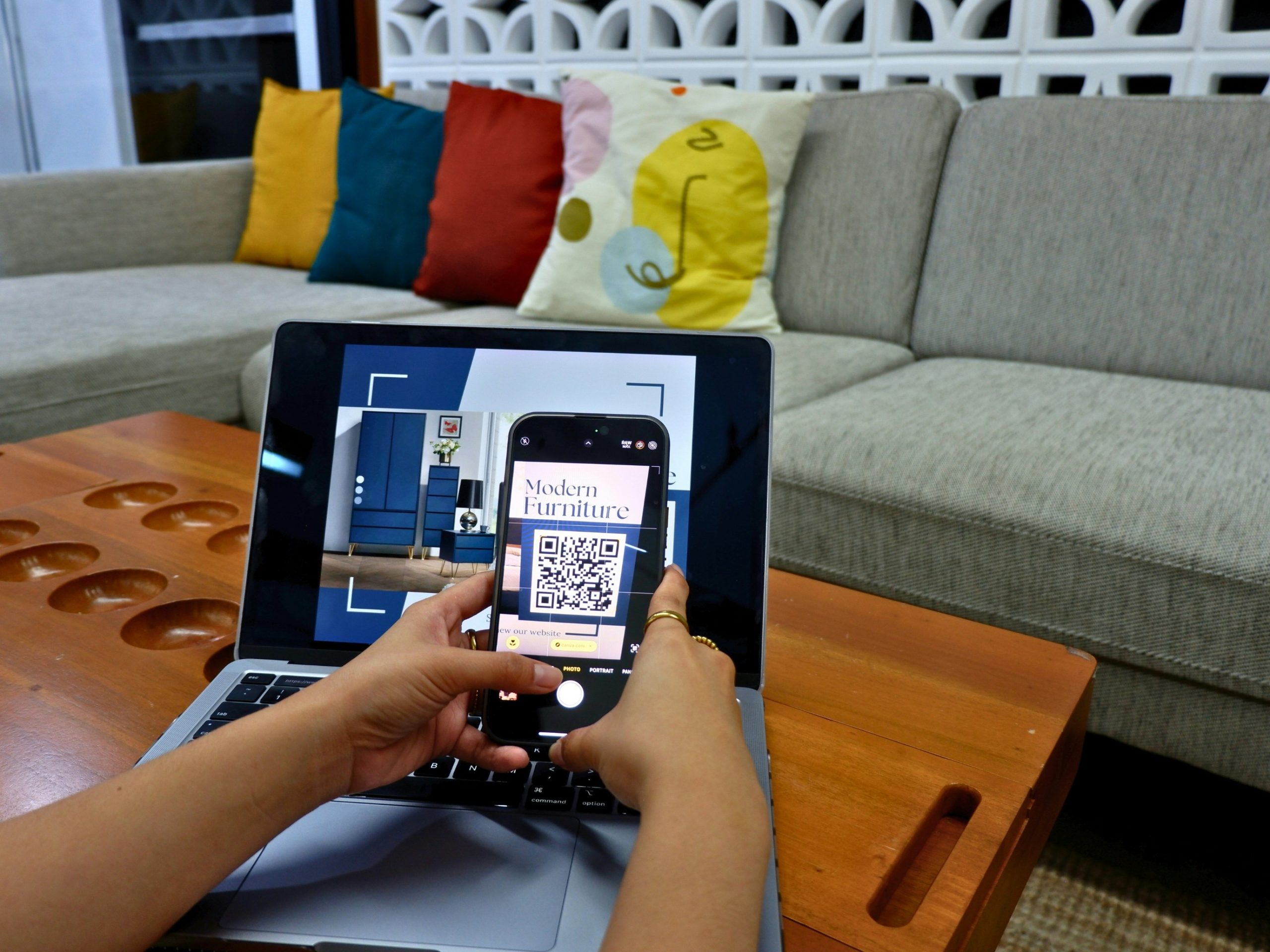
1. The QR Code Looks Like a Sticker Placed Over the Original
A QR code that appears to be attached separately to a parking meter deserves careful attention. Scammers sometimes print fraudulent codes on stickers and place them directly over genuine payment instructions. The replacement may look convincing at first glance, particularly when drivers are in a hurry to find a parking space.
Check whether the QR code appears to be part of the original meter design. A genuine payment code is generally printed as part of an official information panel or professionally attached payment label. A suspicious code may have uneven edges, visible adhesive, wrinkles, bubbles, or a slightly different surface texture.
Pay attention to the material surrounding the code. If the sticker looks newer than the rest of the parking meter, it may have been added recently. Fresh adhesive, peeling corners, or inconsistent printing can indicate that someone has altered the original payment instructions.
Compare the QR code area with nearby information panels. Official parking equipment usually follows a consistent design, including matching fonts, colours, logos, and layouts. A separate sticker with different colours or formatting may be a sign of tampering.
Look closely at whether the original QR code is still visible underneath the newer sticker. In some cases, scammers deliberately cover the legitimate code rather than removing it. If you notice multiple layers of labels or unusual patches, avoid scanning the code.
It is also worth checking whether the sticker covers important information, such as the parking zone number, payment instructions, or official contact details. Legitimate parking authorities have little reason to cover essential information with an unrelated label.
Do not assume that a clean-looking sticker is safe. Fraudulent QR codes can be printed professionally, and some may be difficult to distinguish from genuine payment labels. Physical appearance should be treated as an initial warning sign rather than the only way to verify authenticity.
If the code looks suspicious, use the payment method listed on the parking authority’s official website or a verified mobile application. You can also report the altered meter to the relevant parking department so that staff can inspect and replace the payment label.

2. The QR Code Opens an Unfamiliar Website
The website that opens after scanning a parking meter QR code can provide important clues about its authenticity. Official parking services generally direct drivers to a recognised website or payment platform associated with the local parking authority. An unfamiliar website should make you pause before entering any information.
Check the website address carefully before proceeding. Scammers often create addresses that resemble legitimate payment platforms by adding extra words, changing letters, or using unusual domain extensions. These small differences can be difficult to notice when viewing a website on a mobile phone.
For example, a fraudulent address might include additional terms such as “secure-payment,” “parking-confirm,” or “pay-now” alongside a brand name. These words do not automatically indicate fraud, but an unexpected domain should be verified through an official source.
Be particularly cautious when a QR code redirects you through several unfamiliar websites before reaching the payment page. Legitimate services may use payment processors or redirects, but an unexpected chain of websites increases the need for verification.
Check whether the website address matches the payment information provided by the parking authority. You can usually find the correct payment website through its official website, published parking instructions, or verified application listing.
A professional-looking website does not guarantee that it is genuine. Fraudsters can copy logos, colours, page layouts, and payment forms from real parking services. Always verify the actual website address rather than relying on its appearance.
Never enter your card details simply because the website displays a familiar company logo. A copied logo can be added to almost any fraudulent page. The domain name and its connection to the official parking operator matter much more.
If the website appears unfamiliar or inconsistent with the parking authority’s published instructions, close the page. Open the official parking service independently through a trusted source and check whether the same payment option is available there.
3. The Payment Page Requests Unnecessary Personal Information
A legitimate parking payment process usually requires a limited amount of information. Depending on the parking authority, drivers may need to provide their vehicle registration number, parking zone, duration, and payment details. Requests for unrelated personal information can indicate a fraudulent payment page.
Be cautious if a parking website asks for your full home address when it is not part of the authority’s stated payment process. Basic parking transactions generally do not require extensive personal details. Any request for additional information should have a clear and reasonable explanation.
Requests for government identification numbers, personal identification documents, or unrelated account credentials should raise immediate concerns. These details are not normally required to pay for an ordinary parking session.
A fake payment page may also ask users to create an account before making a simple parking payment. Account creation is not automatically suspicious, since some legitimate services offer this feature. However, an unexpected registration requirement should be checked against the official payment instructions.
Pay attention to requests for passwords associated with your email, banking, or social media accounts. A parking payment service has no legitimate reason to ask for the password you use to access unrelated accounts.
Some fraudulent websites use forms that appear to collect information for payment verification. They may request your date of birth, telephone number, or other personal details without explaining why they are necessary. Avoid providing such information until you have confirmed that the service is genuine.
Look for clear explanations of the information being collected. Established payment platforms generally provide privacy information explaining how customer data is handled. Missing privacy details or vague explanations should encourage additional caution.
The safest approach is to provide only the information required by the verified parking service. If the payment page asks for unnecessary details, stop the transaction and contact the parking authority using its independently verified contact information.
4. The Website Shows Unusual Payment Methods
Payment options can reveal whether a parking meter QR code is genuine. Established parking services typically support recognised payment methods, such as debit cards, credit cards, or authorised mobile payment platforms. An unfamiliar or unusual payment request deserves careful examination.
Be particularly suspicious if a parking website asks you to transfer money directly to an individual bank account. Official parking authorities generally use recognised payment systems with clear transaction records rather than asking drivers to send money to personal accounts.
Requests for cryptocurrency payments are another serious warning sign. Ordinary street parking payments are not generally processed through cryptocurrency transfers. If a website asks you to purchase digital currency or send funds to a wallet address, leave the page.
Gift card payments should also raise concerns. A parking authority has no ordinary reason to ask drivers to purchase gift cards and submit their codes to pay for a parking session. This type of request is commonly associated with payment fraud.
Watch for websites that display only one unfamiliar payment method without providing any explanation. Legitimate services usually identify their accepted payment options and provide clear instructions for completing transactions.
Unexpected payment processing fees can also be a warning sign. Some parking platforms charge legitimate service fees, but these should be disclosed clearly before payment. Hidden charges or sudden additional amounts should be checked against official parking information.
Another concern is a payment page that asks you to submit your card information through an unfamiliar form instead of a recognised payment gateway. This does not automatically prove fraud, but it increases the importance of checking the service’s authenticity before continuing.
Always verify the accepted payment methods through the parking authority’s official website. If the QR code directs you to a payment option that is not listed there, avoid completing the transaction until the authority confirms that the service is authorised.
5. The Website Contains Spelling Mistakes and Poor Design
The quality of a parking payment website can provide useful clues about its legitimacy. Official parking platforms generally maintain consistent branding, readable instructions, and clear payment information. A page containing numerous spelling mistakes, confusing sentences, or poorly arranged elements may be fraudulent.
Start by reading the main payment instructions. Fake websites sometimes contain grammatical errors, missing words, incorrect punctuation, or unusual phrases. These mistakes can indicate that the page was created quickly without proper quality checks.
Look at the spelling of the parking authority’s name. A fraudulent website may use a slightly different organisation name or an incorrect version of its official branding. Even a small difference should be checked before providing payment information.
Examine the website’s visual layout. Overlapping text, stretched logos, low-quality images, inconsistent fonts, and poorly aligned payment buttons can suggest that the page was copied from another source.
Check whether the information is organised logically. A genuine parking payment page should make it reasonably easy to understand the parking location, applicable charges, payment duration, and confirmation process. Confusing instructions can make it harder to recognise misleading requests.
Pay attention to messages that create unnecessary urgency. A fraudulent page may claim that your vehicle will be fined immediately unless you complete payment within a few minutes. Such warnings are sometimes used to pressure drivers into making quick decisions.
Look for missing information about the parking operator. A trustworthy payment service should identify the organisation responsible for collecting payments and provide suitable customer support or contact information.
However, do not rely entirely on spelling or design quality. Modern scammers can create polished websites that closely resemble legitimate services. A fake page may contain perfect grammar, attractive graphics, and professional branding.
Treat poor website quality as a warning sign, not a final verdict. Combine what you observe with other checks, including the website address, official payment instructions, and the physical condition of the QR code.
6. The Parking Zone or Location Details Do Not Match
Parking zone information is an important part of a legitimate parking transaction. Different streets, parking areas, and municipal zones may have separate payment rates and restrictions. If the website displays a location that does not match your actual parking space, do not proceed with payment.
After scanning a QR code, check whether the payment page identifies the correct street, parking zone, or meter number. The information should correspond with the location where your vehicle is parked.
Some fraudulent QR codes redirect drivers to payment pages associated with completely different locations. This can happen because scammers use generic websites or copy payment details from unrelated parking services.
Compare the displayed zone number with the information printed on the parking meter. Even a small difference in the code or location identifier can result in payment being recorded against the wrong parking area.
Check the parking rates as well. Parking charges vary according to location, time, duration, and local regulations. An amount that differs significantly from the official tariff should be verified before payment.
Pay attention to the maximum parking duration. A legitimate service should provide information that makes sense for the specific parking area. If the website offers parking periods that conflict with the meter’s displayed restrictions, stop and investigate.
Be careful when a payment page does not identify the parking location at all. Some authorised systems may ask users to enter a zone number manually, but the process should be explained clearly and supported by official instructions.
A mismatch does not always mean that the QR code is fake. Parking authorities sometimes update zone information or introduce new payment arrangements. However, drivers should confirm any unexpected differences through a verified source.
Never assume that a payment has been made correctly just because the transaction was successful. Confirm that the receipt includes the correct vehicle registration number, parking location, and paid duration.

7. The Website Uses Pressure Tactics or Threatening Messages
Scammers frequently use fear and urgency to encourage people to make mistakes. Parking-related fraud can involve messages suggesting that a driver must pay immediately to avoid a penalty, towing charge, or legal action.
Be cautious if a website displays a countdown timer that gives you only a few minutes to complete payment. Genuine parking payment systems may have time restrictions, but artificial countdowns designed to force immediate decisions are suspicious.
Some fraudulent pages claim that an unpaid parking charge will increase dramatically within minutes. These statements may be intended to prevent drivers from checking the website address or verifying the QR code.
Look carefully at the language used in warnings. Messages containing threats, excessive capital letters, repeated exclamation marks, or aggressive instructions can indicate an attempt to manipulate users.
A suspicious payment page may also claim that your vehicle has already been reported or that legal action has started. Such statements should not be accepted without verification from the relevant parking authority.
Watch out for messages that tell you not to close the website or contact customer support. A legitimate payment service should not discourage customers from checking official information or seeking assistance.
Some fraudulent websites use pop-ups claiming that payment must be completed immediately to protect your vehicle from towing. Instead of reacting emotionally, check the parking signs and official local regulations.
Remember that genuine parking rules and enforcement procedures vary by location. A payment website should not be treated as the final authority on fines, penalties, or towing procedures. Confirm such information through the relevant municipal department.
If a website uses threatening language or tries to rush your decision, stop the transaction. Taking a few moments to verify the payment service is safer than entering financial information under pressure.
8. There Is No Official Payment Confirmation or Receipt
A payment confirmation is an important part of the parking process. After completing a legitimate transaction, drivers should generally receive some form of confirmation, such as an on-screen receipt, transaction reference, email, or notification through the official parking application.
A suspicious website may display a payment successful message without providing any meaningful transaction details. If there is no receipt, payment reference, or confirmation of the parking session, you should check whether the transaction was processed correctly.
Look for the vehicle registration number on the confirmation page. The details should match the vehicle you are parking. An incorrect registration number can cause problems even when payment has reached the legitimate operator.
Check whether the receipt identifies the parking location and duration. These details help confirm that the correct parking session has been purchased. Missing or inconsistent information should be investigated before assuming that the payment is valid.
Be cautious if the website asks you to pay again immediately after the first transaction. A fraudulent page may use repeated payment requests to collect money several times from the same driver.
Check your bank or card transaction history if you have already submitted payment details. Look for unexpected charges, unfamiliar merchant names, or duplicate transactions. However, remember that a transaction appearing in your bank account does not automatically prove that the parking authority received the money.
Do not rely solely on an email confirmation. Scammers can create fake payment emails that resemble official receipts. Check the sender’s address, transaction details, and merchant information independently.
If you receive no confirmation, contact the parking authority through its official website or published telephone number. Provide the relevant parking location and transaction details so that staff can check whether your payment was recorded.
Keeping a copy of the receipt can also help resolve disputes. Save the confirmation screen or transaction reference when available, and check that the information matches your parking session before leaving the vehicle.
