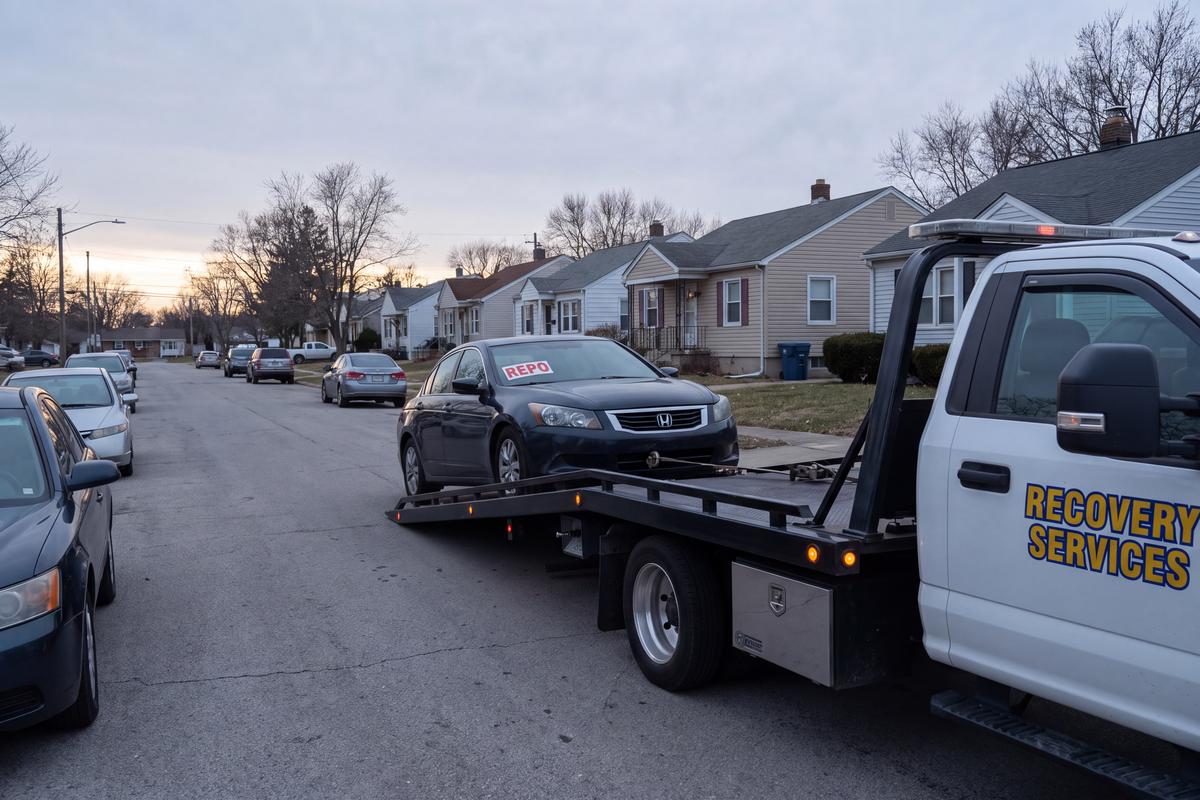
Missing a car payment can create more financial trouble than many drivers expect. Even a single missed installment can trigger late fees, affect credit reporting, and put additional pressure on an already tight budget.
However, the consequences do not happen simultaneously, and missing a payment does not automatically mean a vehicle will be repossessed. The outcome depends on the loan agreement, lender policies, state laws, and how quickly the borrower addresses the missed installment.
Understanding what can happen after one missed payment helps drivers make informed decisions, communicate with lenders, and avoid turning a temporary financial setback into a much larger problem.
1. Your Lender May Charge a Late Payment Fee
One of the first consequences of missing a car payment is the possibility of being charged a late fee. Most auto financing agreements specify when a monthly installment is due and explain what happens if the borrower fails to pay on time.
Once the applicable grace period expires, the lender may impose a fee according to the loan contract and any relevant state restrictions.
A grace period is the additional time a lender allows after the scheduled due date before applying certain penalties. However, borrowers should not assume every auto loan includes one.
Some lenders provide a few extra days, while others may assess a late charge shortly after the payment becomes overdue. The exact arrangement depends on the financing agreement.
For example, a borrower with a $450 monthly payment might face an additional charge if the lender’s contract permits a late fee after the applicable deadline. That extra amount can make catching up more difficult, particularly when the borrower is already dealing with reduced income or unexpected expenses.
The actual fee could be a fixed dollar amount or calculated using a percentage, depending on the agreement and applicable law.
Another important distinction is that a late fee and a credit bureau report are separate matters. A lender may charge a contractual late fee before reporting the missed installment as 30 days late to the major credit bureaus. Paying after the due date but before that reporting threshold does not necessarily eliminate the contractual fee.
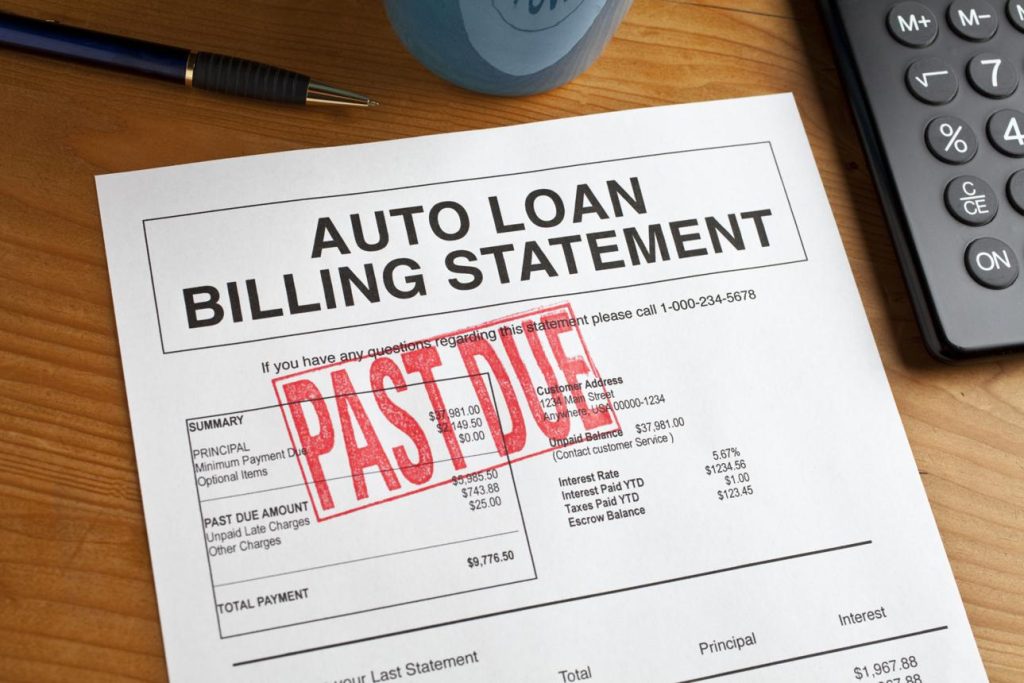
The Consumer Financial Protection Bureau (CFPB) advises borrowers to review their loan agreements and contact lenders when they anticipate payment difficulties. Understanding the exact late-payment terms can help prevent unnecessary charges and confusion.
If you miss an installment, check your account immediately, confirm the amount outstanding, and ask whether a late fee has been added. Do not assume that paying the regular monthly amount automatically clears every outstanding charge.
2. Your Missed Payment Could Appear on Your Credit Report
Missing a car payment can have consequences that reach beyond the vehicle itself. If the payment remains overdue for at least 30 days, the lender may report the missed payment to one or more of the major credit reporting agencies, including Equifax, Experian, and TransUnion. This can negatively affect the borrower’s credit score and future borrowing opportunities.
This can place a negative mark on the borrower’s credit history and make future borrowing more difficult.
It is important to distinguish between being late under the loan agreement and being 30 days late for credit reporting purposes. A lender may consider an installment overdue immediately after its due date, even if it offers a grace period for late fees.
However, creditors generally report installment-loan delinquencies in 30-day increments. Paying before the account reaches that reporting threshold may help avoid a 30-day late-payment entry, although contractual fees may still apply.
For someone who has maintained an excellent payment record for several years, a single reported delinquency can be particularly frustrating. It introduces negative payment history into an otherwise positive credit file.
The exact reporting outcome depends on the lender’s reporting practices and the accuracy of the account information.
There is also a long-term consideration. Under the Fair Credit Reporting Act, most negative payment information can generally remain on consumer credit reports for up to seven years, subject to the applicable reporting rules. Bringing the account current does not automatically erase an accurately reported late payment.

Experian explains that creditors generally report missed payments once an account reaches 30 days past due. The CFPB also warns that missed auto payments can negatively affect credit reports and scores.
If you realize an installment is overdue, contact the lender and find out exactly how many days past due the account is. Ask when the lender reports account information and whether an available payment arrangement could prevent further delinquency.
3. Your Credit Score May Drop
A lower credit score is another possible consequence of missing a car payment, particularly when the account reaches the 30-day delinquency stage and the lender reports it to the credit bureaus.
Credit scores help lenders evaluate how borrowers have managed previous financial obligations. A newly reported missed payment can therefore affect how attractive an applicant appears when applying for another loan or credit card.
Payment history is an important part of FICO scoring. FICO identifies it as the most influential scoring category, accounting for approximately 35% of a typical FICO Score calculation.
This does not mean that one missed installment automatically reduces every borrower’s score by a fixed percentage. The actual impact depends on the person’s existing credit history and the scoring model being used.
For example, someone with a long history of making payments on time may experience a noticeable decline after their first reported delinquency. Another borrower who already has several late payments may experience a different change because their credit file already contains negative information.
A lower score can make future financing more expensive. When applying for another vehicle loan, a lender may offer a higher interest rate or less favorable terms depending on its underwriting criteria. Credit scores are not the only factor considered, but they can influence the decision.
The consequences can extend to other financial products as well. Credit card issuers and other lenders may review credit reports when evaluating applications or managing existing accounts. However, a single late auto payment does not automatically cause every financial institution to change its terms.

Experian reports that a 30-day late payment can remain on a credit report for seven years. The impact generally becomes less significant as the information ages, although its presence can still matter to some scoring models.
The best response is to bring the account current as quickly as possible, monitor your credit reports, and dispute any inaccurate information. Paying the overdue installment will not guarantee an immediate score recovery, but preventing additional missed payments can help limit further damage.
4. Your Lender May Start Contacting You About the Overdue Payment
Missing a scheduled car payment can also lead to increased communication from the lender or loan servicer. What initially feels like a routine payment reminder can become a series of phone calls, emails, text messages, and written notices if the outstanding amount remains unpaid.
These communications are intended to inform borrowers about their overdue accounts and encourage them to resolve the situation.
The first contact may be relatively straightforward. A lender might send an automated reminder explaining that the monthly installment has not been received.
It may also provide the outstanding amount, payment instructions, and information about any applicable late charges. If the borrower responds quickly and makes the payment, the issue may be resolved without progressing further.
However, ignoring repeated communications can make the situation more complicated. The lender may continue attempting to contact the borrower, explain the consequences of continued nonpayment, and discuss available repayment arrangements.
If the account becomes seriously delinquent, it may eventually be handled by a separate collection department or an outside debt collection agency.
Federal law provides important protections regarding debt collection. The Fair Debt Collection Practices Act generally restricts abusive, deceptive, and unfair collection practices by covered third-party debt collectors. However, the law does not cover every communication from an original creditor collecting its own debt.
Borrowers should not assume that every phone call means repossession is imminent. A reminder about an overdue installment is different from a formal default notice or repossession action. Nevertheless, repeated communication is a sign that the account needs attention.

The Federal Trade Commission (FTC) recommends contacting the lender as soon as payment difficulties arise rather than waiting until the situation becomes more serious.
If you receive a payment reminder, verify the amount owed through the lender’s official website or customer service number. Discuss your options directly and keep written records of any agreement. Ignoring the situation rarely makes the financial obligation disappear.
5. Additional Interest and Outstanding Charges Can Increase What You Owe
Missing a car payment does not normally make the original loan principal disappear or pause the financing agreement. The outstanding balance remains subject to the loan’s terms, and interest generally continues accruing according to the agreed repayment structure.
This means delaying an installment can make catching up more expensive, particularly when late fees and other permitted charges are added.
For example, consider a borrower with a $20,000 auto loan and a fixed annual interest rate. The monthly payment is calculated to cover both principal and interest over the agreed loan term.
When an installment is missed, the scheduled payment is not automatically removed from the repayment schedule. The unpaid amount remains outstanding, and the lender’s contract determines how subsequent payments, interest, and fees are handled.
One important distinction is that a missed payment does not automatically increase the contractual interest rate on every auto loan.
Most conventional fixed-rate vehicle loans maintain their agreed interest rate throughout the repayment period. However, certain contracts may contain specific default-related provisions, and additional charges may be permitted under applicable law.
Late fees can also add to the amount required to bring the account current. If the borrower makes only the regular monthly payment without addressing outstanding charges, the account may remain delinquent.
Another potential issue is payment allocation. Depending on the loan agreement, a lender may apply an incoming payment toward fees, interest, or other amounts before reducing principal. Borrowers should request an itemized account statement to understand exactly how their money has been applied.

The CFPB advises consumers to contact their auto loan servicers about payment difficulties and ask about available repayment arrangements.
Before making a catch-up payment, request the exact amount needed to bring the loan current. Ask whether any fees have been added, whether interest continues accruing, and whether the lender can offer a temporary arrangement.
Understanding the outstanding balance is essential because paying the usual installment may not always be enough to restore the account to current status.
6. A Co-Signer Could Also Be Affected
If someone helped you qualify for an auto loan by co-signing the financing agreement, missing a payment can affect that person as well. A co-signer is not simply someone who provides a character reference.
They accept legal responsibility for the debt under the terms of the agreement, which means the lender may hold them responsible if the primary borrower fails to make the required payments.
This arrangement is common when a borrower has limited credit history, insufficient income, or a credit profile that does not independently meet the lender’s requirements. A parent, spouse, relative, or another financially established individual may agree to co-sign to improve the chances of loan approval.
However, the arrangement creates financial responsibilities for both parties. If the payment becomes sufficiently overdue and the lender reports the delinquency, the negative information may appear on the co-signer’s credit report as well, depending on how the account is reported.
This can potentially affect their ability to qualify for mortgages, personal loans, credit cards, or other financing.
For example, imagine a parent co-signs a $28,000 vehicle loan for an adult child. The child misses a monthly installment and does not resolve the outstanding amount. The lender may contact both parties because both have contractual responsibility for the debt. The co-signer cannot simply argue that they were not driving the vehicle or making the regular payments.
The FTC and CFPB explain that co-signers can be held responsible for repaying debts when the primary borrower does not meet the agreement’s requirements. Their credit can also be affected by missed payments.

This is why borrowers should communicate with their co-signers when financial difficulties arise. Waiting until the lender starts contacting both parties can create unnecessary tension and damage trust.
If you have a co-signer, discuss the situation early and confirm exactly what the lender expects from each person. A temporary payment problem should not become an unexpected financial burden for someone who agreed to help you obtain the vehicle.
7. Your Vehicle Could Become Eligible for Repossession
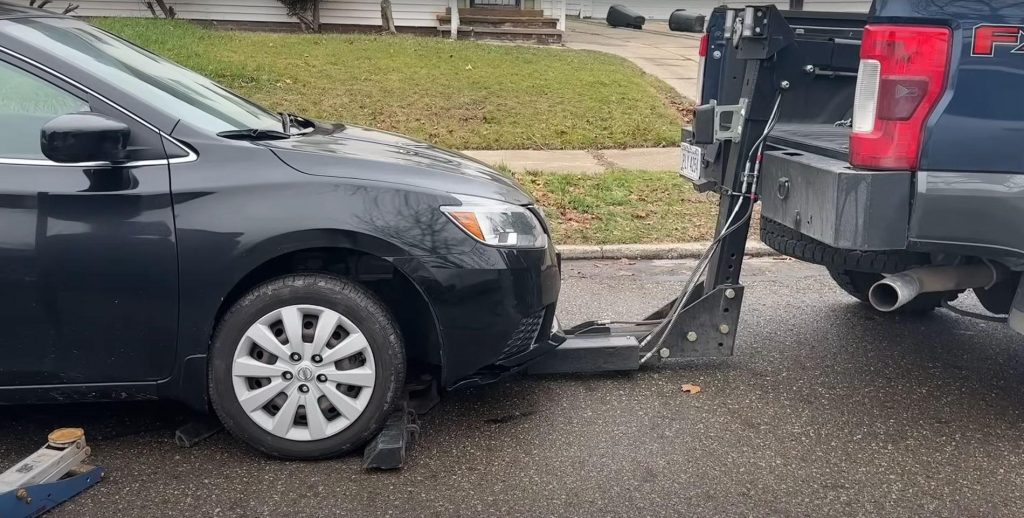
Repossession is one of the most serious consequences associated with failing to make car payments. When you finance a vehicle, the lender generally retains a security interest in it until the loan is paid off. This gives the lender certain rights to recover the vehicle if the borrower defaults under the financing agreement.
However, there is an important distinction between missing one installment and automatically losing the vehicle. Repossession rules depend on the loan contract and applicable state law.
In many states, a lender may have the legal right to repossess a vehicle after a borrower defaults, even following a single missed payment. Other states require particular notices or provide additional opportunities to resolve the default.
The possibility of repossession means borrowers should never assume they have several months to catch up. Some lenders may attempt to contact the borrower and negotiate a payment arrangement before taking further action, but this is not guaranteed.
The Federal Trade Commission explains that creditors in many states can repossess a vehicle without first obtaining a court order or providing advance notice, provided they follow applicable laws and do not breach the peace. This means a repossession can sometimes happen without the borrower receiving a final warning immediately beforehand.
For someone who depends on a vehicle to commute to work, losing access to it can create additional financial difficulties. Transportation costs may increase, and reaching the workplace could become considerably harder.
The CFPB recommends contacting the lender or servicer as soon as payment problems become apparent. Borrowers should ask whether a payment extension, revised schedule, or other hardship arrangement is available.
If the lender agrees to postpone payments or modify the repayment arrangement, obtain the agreement in writing. Confirm whether the arrangement prevents repossession and how it affects the credit report.
Repossession is not an automatic consequence of every missed installment, but it is a genuine risk when an account enters default. Acting early gives borrowers a better opportunity to discuss possible solutions before the situation escalates.
8. You Could Still Owe Money Even After Losing the Vehicle
Many borrowers assume that once a lender repossesses a vehicle, the financial obligation disappears. Unfortunately, that is not necessarily true. Repossession does not automatically cancel an auto loan.
If the lender sells the vehicle and the sale proceeds are insufficient to cover the outstanding debt and permitted expenses, the borrower may still be responsible for the remaining amount.
This remaining balance is commonly called a deficiency balance. It represents the difference between the amount owed under the loan agreement, including applicable expenses, and the amount received from selling the repossessed vehicle.
Consider a borrower who owes $18,000 on an auto loan when the vehicle is repossessed. If the lender sells it for $12,000 and adds $1,000 in allowable repossession and related expenses, the resulting deficiency could be approximately $7,000. The exact calculation depends on the loan agreement, applicable law, sale proceeds, and permitted charges.
This creates a difficult financial situation because the borrower may lose access to the vehicle while still owing thousands of dollars. In many states, creditors can pursue collection of a valid deficiency balance, including through a lawsuit seeking a deficiency judgment, provided they comply with applicable legal requirements.
The Federal Trade Commission explains that voluntary repossession does not automatically eliminate the remaining debt either. Returning the vehicle voluntarily may reduce certain expenses, but it does not necessarily remove the borrower’s responsibility for the outstanding balance.

There are also important consumer protections. Lenders generally must dispose of repossessed collateral in a commercially reasonable manner under applicable secured-transactions law. Borrowers may have rights concerning sale notices, redemption, reinstatement, and recovery of personal belongings, depending on their state.
The CFPB recommends requesting an itemized explanation of repossession expenses and the final sale proceeds if a vehicle is taken.
This is why contacting the lender after the first missed installment matters. Resolving a temporary payment problem early can help prevent a situation in which the borrower loses the vehicle but continues paying for a debt that remains unpaid.