
Parking may seem like one of the simplest parts of driving, but certain habits can put unnecessary stress on a vehicle’s transmission. Many drivers make small mistakes without realizing that the parking process involves more than selecting Park and switching off the engine.
From allowing the vehicle’s weight to rest entirely on the transmission’s parking mechanism to shifting gears before coming to a complete stop, these actions can create avoidable mechanical problems.
Modern automatic transmissions are designed to handle everyday driving, but they still require proper operation. Here are six common parking habits that drivers should avoid to protect their transmissions.
1. Relying Entirely on Park When Parking on an Incline
One of the most common mistakes drivers make is relying entirely on the transmission’s Park position when leaving a vehicle on a slope.
Although Park is designed to prevent an automatic vehicle from rolling, it should not replace the parking brake. The problem becomes particularly noticeable when the vehicle is parked on a steep driveway, sloping street, or inclined parking space.
Inside an automatic transmission, a component called the parking pawl engages with a toothed parking gear to prevent the transmission’s output shaft from rotating. When a vehicle is parked on an incline without the parking brake properly applied, its weight can place substantial force on this locking mechanism.
The pawl may end up carrying much of the vehicle’s load rather than simply securing the transmission after the parking brake has held the vehicle stationary.
This situation can produce a condition known as torque lock. Drivers may notice that the gear selector becomes unusually difficult to move out of park when they return. The vehicle’s weight is effectively pressing against the parking mechanism, making disengagement difficult.
General Motors explains this condition in its 2022 Silverado owner’s manual and recommends applying the parking brake before shifting into Park when parking on a hill.
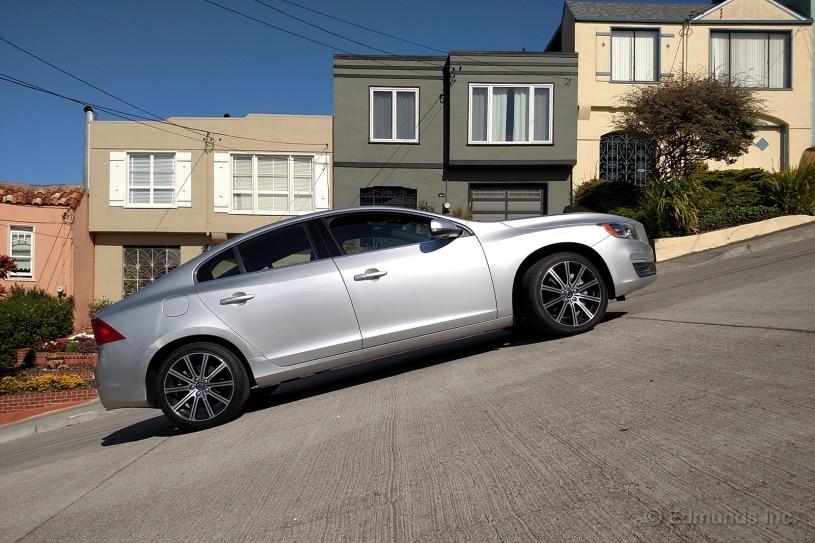
A safer procedure is to bring the vehicle to a complete stop, keep your foot on the brake pedal, apply the parking brake fully, and then select Park. Confirm that the vehicle remains stationary before switching off the engine.
This simple sequence allows the parking brake to hold the vehicle instead of placing unnecessary strain on the transmission’s parking mechanism. It also reduces the likelihood of encountering torque lock when leaving the parking space.
2. Shifting Into Park Before the Vehicle Completely Stops
Some drivers have a habit of moving the gear selector into Park while the vehicle is still creeping forward or backward. This often happens when entering a parking space, approaching a driveway, or stopping in a hurry.
Although the vehicle may be travelling at only a few miles per hour, selecting Park before reaching a complete stop can expose the transmission’s parking mechanism to forces it was not designed to handle during normal operation.
The Park position works through a mechanical locking mechanism that prevents the transmission’s output shaft from rotating. When the vehicle is stationary, the parking pawl can engage with the corresponding parking gear as intended.
However, if Park is selected while the vehicle is still moving, the mechanism may attempt to engage while the internal components are rotating.
Depending on the transmission design, the pawl may produce a ratcheting noise, fail to engage immediately, or experience damaging contact with the rotating parking gear. Repeatedly performing this action increases the possibility of internal damage.
Honda specifically warns in its 2024 CR-V owner’s manual that putting the transmission into park before the vehicle stops completely can damage the transmission. This is not simply a recommendation intended to make parking smoother.
The correct procedure is to use the service brake to bring the vehicle to a complete stop before selecting Park. Keep your foot firmly on the brake pedal until the Park indicator confirms that the gear has engaged. Only then should you switch off the engine and release the brake pedal.
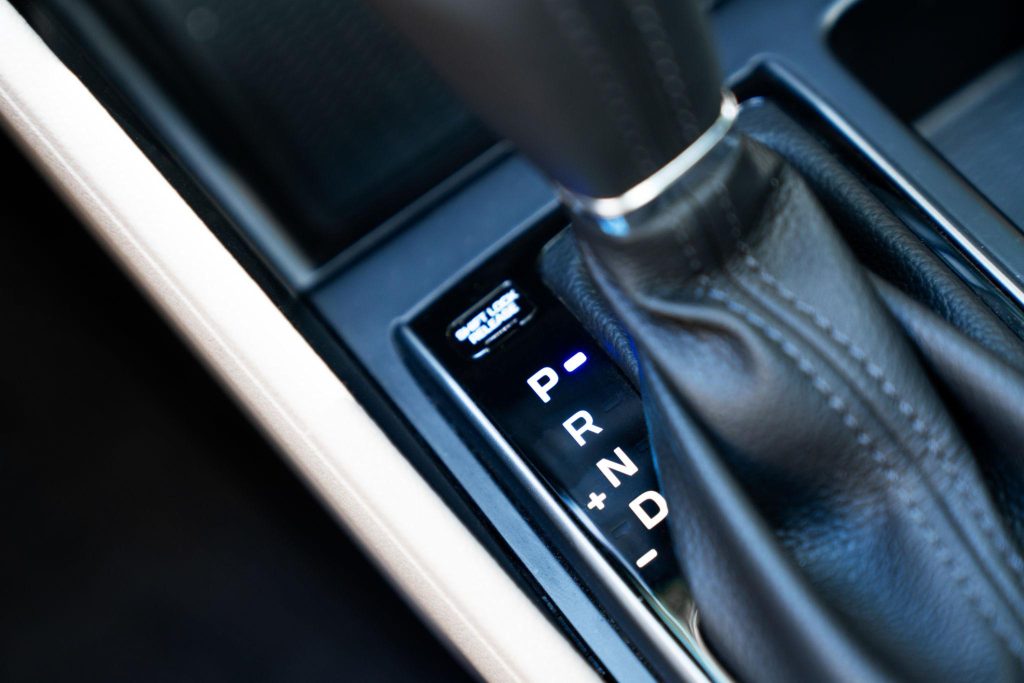
Drivers should also avoid using the park as an emergency braking method. If the vehicle is moving, control its speed with the regular brakes and follow the manufacturer’s emergency stopping instructions.
Waiting those extra seconds is a simple way to avoid unnecessary stress on an important transmission component.
3. Switching Between Drive and Reverse Without Stopping Completely
Moving between Drive and Reverse is a routine part of parking, especially when maneuvering into a tight space or backing out of a driveway. However, doing it while the vehicle is still rolling in the opposite direction is a habit that can place unnecessary stress on the transmission.
Some drivers quickly switch from reverse to drive while the vehicle is still moving backward, expecting the transmission to slow the car down. This is not the correct way to stop a vehicle.
Automatic transmissions contain multiple internal components that control how engine power reaches the wheels. Selecting Drive or Reverse changes the direction in which the transmission delivers power.
When a driver selects the opposite direction before the vehicle has stopped, the transmission may be required to manage conflicting rotational forces.
Depending on the transmission design, this can increase stress on clutch packs, gears, and other internal components. Repeatedly performing these abrupt directional changes can accelerate wear and potentially contribute to expensive transmission problems.
Kia’s official owner guidance specifically instructs drivers to come to a complete stop before shifting into or out of reverse. Honda provides similar instructions in its vehicle manuals, warning against selecting gears before the vehicle has stopped.
A safer approach is to use the brake pedal to bring the vehicle completely to rest before changing direction. Once stationary, keep your foot on the brake, select the required gear, and allow the transmission to engage before gently applying the accelerator.
Avoid treating the transmission as a substitute for the braking system. It is designed to transmit engine power, not to absorb repeated sudden changes in vehicle direction.
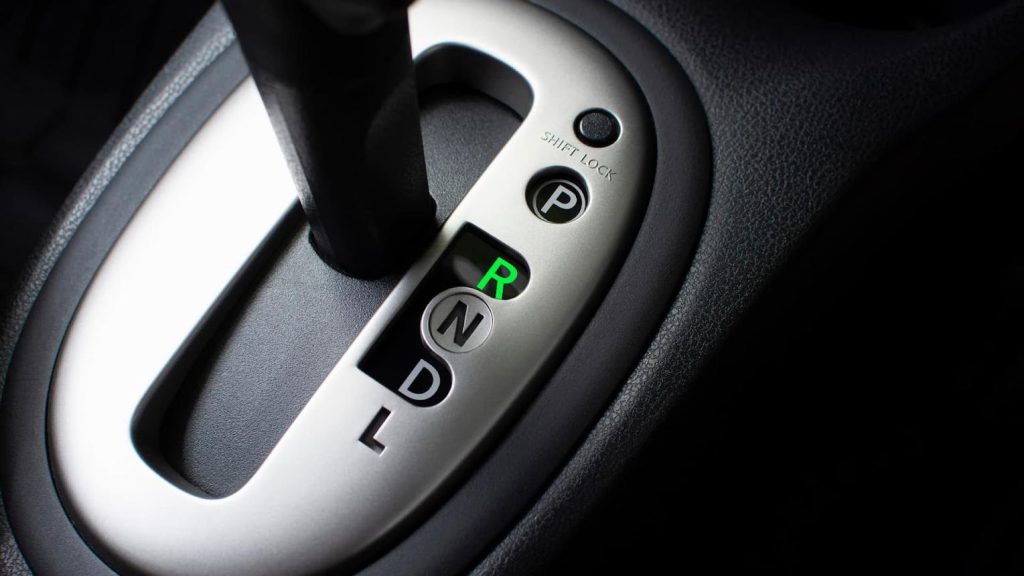
This habit is particularly important when parking on an incline, where the vehicle may begin rolling if the driver changes gears without maintaining proper brake control.
Taking a moment between forward and reverse movements makes low-speed maneuvering smoother and helps protect the transmission from unnecessary mechanical stress.
4. Holding the Vehicle on an Incline Using the Accelerator
Another damaging habit occurs when drivers use the accelerator to keep an automatic vehicle stationary on an incline. This often happens in crowded parking areas, steep driveways, traffic queues, or when waiting for another vehicle to move.
Instead of keeping the vehicle stationary with the brake pedal, the driver applies just enough throttle to prevent it from rolling backward.
Although this technique may feel convenient, it can create unnecessary heat and stress inside the transmission. In many automatic transmissions, the torque converter allows the engine to continue running while the vehicle remains stationary.
When the accelerator is applied against the force holding the vehicle back, the transmission generates additional heat as power is transferred through the system without corresponding vehicle movement.
Repeatedly using this technique can increase transmission fluid temperatures and place unnecessary strain on internal components. The risk is particularly relevant when the vehicle is heavily loaded, the incline is steep, or the driver maintains the accelerator position for an extended period.
Honda explicitly lists holding a vehicle in place on an uphill slope by depressing the accelerator pedal as an action that can damage the transmission in its 2024 CR-V owner’s manual.
The correct method is to use the brake pedal to hold the vehicle stationary. If the vehicle has a hill-start assist system or electronic parking brake, use it according to the manufacturer’s instructions. When beginning to move again, release the brake and apply the accelerator smoothly.
Drivers should also avoid repeatedly alternating between the accelerator and brake to maintain position on a slope. This creates unnecessary heat and wear in the braking system as well.
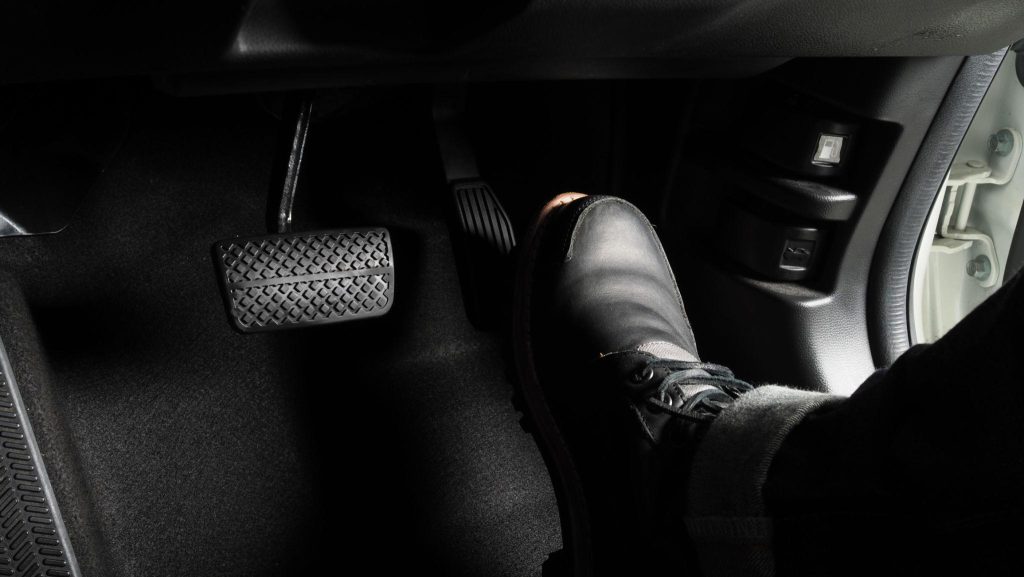
A vehicle’s transmission is designed to deliver power to the wheels, not serve as a substitute for the parking brake. Using the proper braking equipment is a much safer way to prevent rollback and protect expensive drivetrain components.
5. Pressing the Accelerator and Brake Pedals Simultaneously While Parking
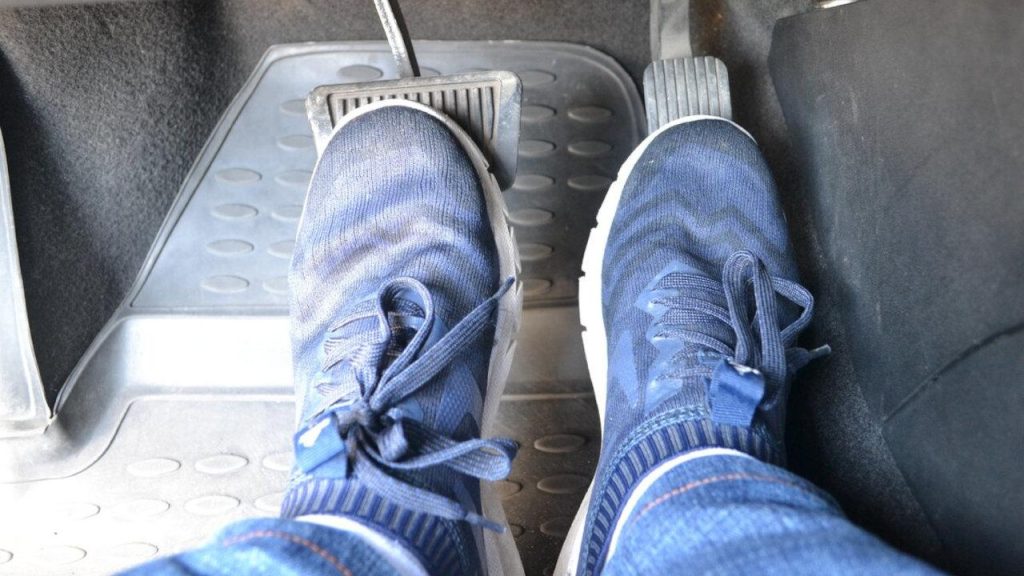
Some drivers press the accelerator and brake pedals simultaneously when maneuvering in tight parking spaces. They may believe this gives them better control over the vehicle’s movement, particularly when positioning it on a slope or making very small adjustments.
However, using both pedals together can create unnecessary mechanical stress and should not become a regular parking technique.
In a conventional automatic vehicle, pressing the accelerator requests additional engine power, while pressing the brake attempts to prevent the wheels from moving.
When both inputs are applied simultaneously, the drivetrain may continue producing torque against the braking force. This can generate additional heat and place unnecessary stress on components involved in transmitting and controlling power.
The exact consequences depend on the vehicle’s transmission design and electronic control systems. Some modern vehicles include brake-throttle override systems that reduce engine output when both pedals are pressed. However, drivers should not assume every vehicle responds identically or that these systems make the practice harmless.
Honda specifically identifies simultaneous accelerator and brake pedal operation as a condition that can damage the transmission in its 2024 CR-V owner’s manual. This makes it an important warning for drivers who regularly use this technique during parking manoeuvres.
Instead of controlling vehicle movement with both pedals, use the brake to regulate speed and apply the accelerator only when the vehicle needs to move. For very slow manoeuvres, allow the vehicle’s natural idle creep to assist when appropriate, while keeping your foot ready to brake.
If the vehicle has an automatic parking system, follow its operating instructions rather than manually interfering with its controls.
Parking should involve smooth, deliberate movements rather than competing accelerator and braking inputs. Using each pedal for its intended purpose helps avoid unnecessary drivetrain stress and makes tight parking manoeuvres easier to control.
6. Shifting Into Drive or Reverse While the Engine Is Revving
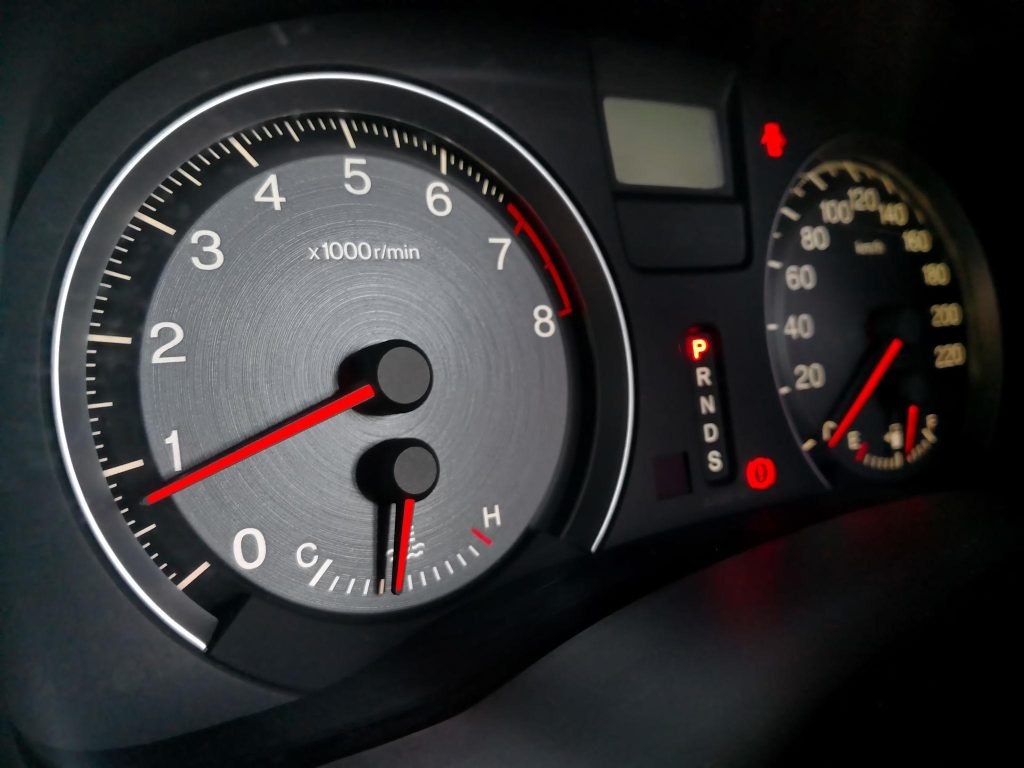
Another habit that can put unnecessary stress on an automatic transmission is selecting Drive or Reverse while the engine is running at elevated RPM.
This sometimes happens when drivers start the engine, immediately press the accelerator, and move the gear selector before allowing the engine speed to settle. Others rev the engine while the transmission is engaging because they expect the vehicle to move more quickly.
Automatic transmissions are designed to engage their selected operating ranges under specific conditions.
When a driver selects Drive or Reverse, the transmission’s hydraulic or electronic control system coordinates the engagement of internal components. Applying throttle while this process is taking place can create an abrupt transfer of torque.
The result may be a sudden vehicle movement, harsh engagement, or unnecessary stress on internal clutch components and drivetrain connections. Repeating this behaviour can contribute to premature wear, particularly when combined with other aggressive driving habits.
Several manufacturers specifically warn against this practice. Kia’s automatic transmission operating guidance instructs drivers not to move the shift lever from Park or Neutral into another gear while the accelerator pedal is depressed. It also recommends allowing the selected gear to engage before accelerating.
A better approach is to start the engine with your foot firmly on the brake and the transmission in Park. Allow the engine speed to stabilize, select Drive or Reverse while maintaining brake pressure, and wait until the gear engages. Only then should you release the brake and apply the accelerator gradually.
There is no need to rev the engine to make an automatic transmission engage faster. Modern systems are designed to manage gear engagement without additional throttle input.
If a vehicle repeatedly hesitates, produces loud clunks, or engages gears unusually harshly, have the transmission inspected instead of trying to overcome the symptoms by applying more accelerator.
Smooth gear selection is a small habit that can help reduce unnecessary stress on the transmission and make everyday parking manoeuvres more controlled.