A truck’s reputation can make it an easy choice on the used market, but a familiar nameplate does not guarantee that every model year is worth buying. Changes to engines, transmissions, electronics, and safety equipment can make one year considerably less appealing than the next.
Some trucks also have documented recalls, repeated owner complaints, or expensive mechanical problems that deserve closer attention.
This list focuses on specific U.S.-market model years with credible evidence of significant concerns, rather than labeling entire truck generations unreliable. A problematic year is not automatically a bad purchase, but buyers should know what to check before spending their money.
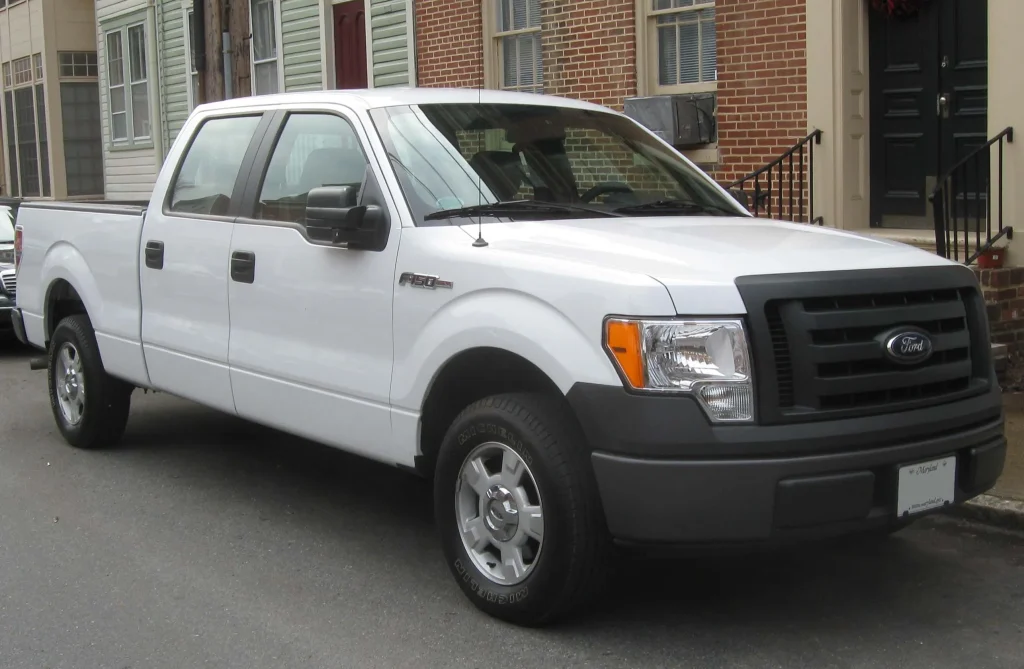
1. 2011 Ford F-150
The 2011 Ford F-150 deserves extra scrutiny because it was among the model years affected by a significant transmission safety recall.
Ford recalled certain 2011-2013 F-150 pickups equipped with the six-speed 6R80 automatic transmission after identifying a possible intermittent failure of the transmission output shaft speed sensor signal.
If that signal is lost, the transmission can unexpectedly downshift into first gear. At higher speeds, the abrupt shift may cause the rear wheels to slow sharply or lock, increasing the risk of losing control.
The scale of the campaign was substantial. Ford’s recall report covered approximately 1.26 million F-150s from the 2011, 2012, and 2013 model years combined.
NHTSA also opened a recall query after receiving 123 reports alleging sudden, unintended downshifts in the affected vehicle group. Those figures apply to the combined years, not exclusively to 2011 trucks.
There are other reasons to inspect this model carefully. The 2011 truck introduced several new powertrain options, including the 3.5-liter EcoBoost V6 and 5.0-liter V8.
Problems reported across this generation include timing-chain concerns on some EcoBoost engines, but the exact risk depends on engine, maintenance history, and operating conditions. It would be inaccurate to assume every 2011 F-150 has the same issue.
Before buying one, check the VIN for recall completion and have the transmission scanned for stored fault codes. During a road test, watch for harsh or unexpected shifts, warning lights, and unusual engine noises.
A truck with documented recall repairs and strong service records may still be worth considering, but an example with an unresolved transmission recall is one to walk away from until the repair is completed.
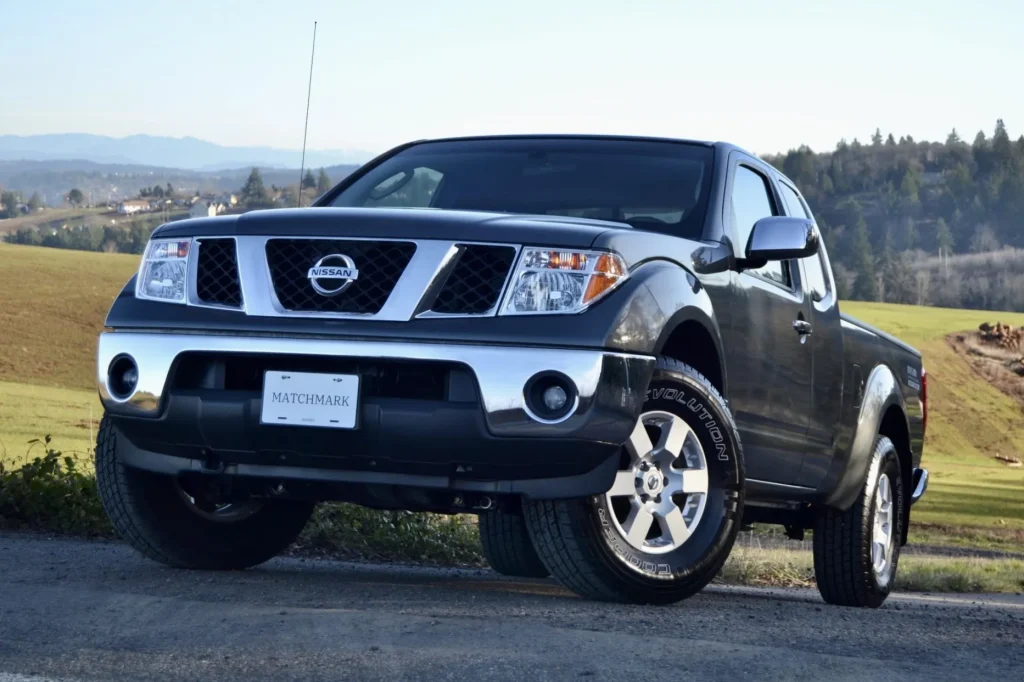
2. 2006 Nissan Frontier
The 2006 Nissan Frontier is one of the model years buyers should approach cautiously, particularly when considering an automatic-transmission truck. Its central concern involves the radiator’s internal transmission-fluid cooler.
On affected vehicles, a crack in the cooler tube inside the radiator can allow engine coolant to mix with automatic transmission fluid. This contamination can damage the transmission and potentially turn what appears to be a cooling-system repair into a much more expensive drivetrain job.
Nissan acknowledged the issue through an extended warranty program covering the radiator assembly on certain 2005-2010 Frontier, Pathfinder, and Xterra vehicles equipped with automatic transmissions.
The company stated that an internal crack could cause coolant leakage into the transmission. Coverage was extended to as much as 10 years or 100,000 miles, subject to the program’s terms and customer contributions at certain ages and mileages.
That coverage has expired for these trucks, but the announcement confirms that Nissan recognized the condition in the affected vehicle group.
Complaint data also points to a concentration of reports among early trucks in this generation. A compilation of NHTSA owner reports identifies 2005-2008 Frontiers as the main years associated with radiator and transmission-fluid contamination complaints.
These are owner reports, not confirmed failures in every truck, and the count should not be mistaken for a failure rate.
If you are considering a 2006 Frontier, ask for proof that the original radiator was replaced or that an appropriate repair was performed. Have a technician inspect the coolant and transmission fluid for signs of contamination, and check for slipping, shuddering, delayed engagement, or abnormal shifting.
A manual-transmission example does not have the same automatic cooler-related risk, so confirm the transmission type before judging the truck.
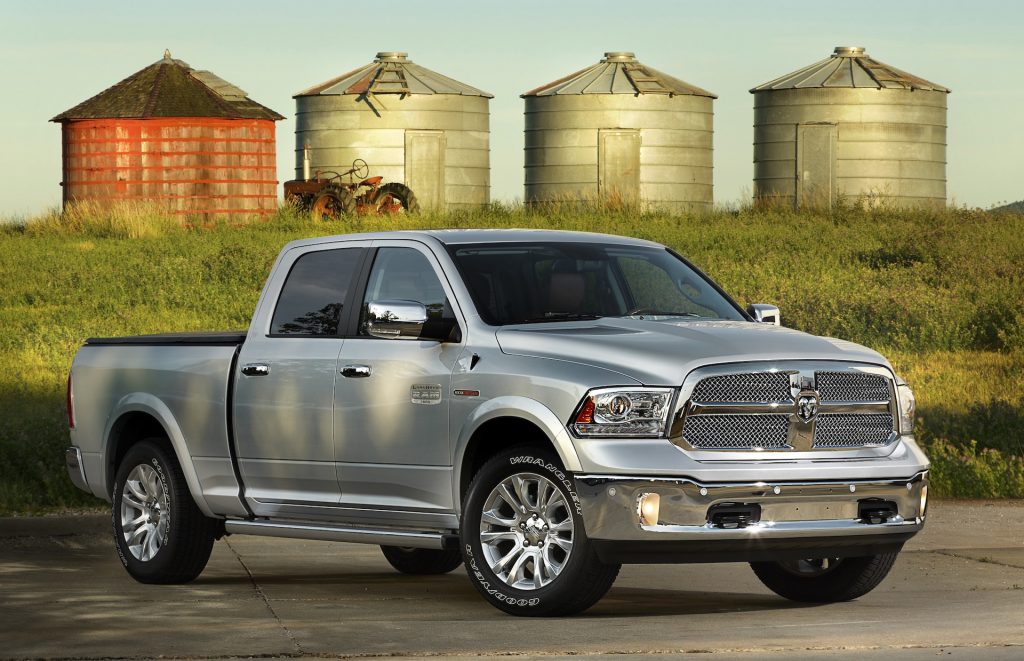
3. 2014 Ram 1500
The 2014 Ram 1500 is worth approaching carefully because its electric power steering system has drawn significant safety attention. NHTSA opened a recall query in August 2023 covering certain 2013-2016 Ram 1500 trucks after receiving 380 consumer reports alleging intermittent or complete loss of power steering assistance.
Drivers described steering that suddenly became much harder to operate, sometimes with limited warning. The investigation was opened to determine whether the existing recall coverage addressed the full scope of the reported problem. An investigation is not, by itself, a finding that every truck has a defect.
There was also a separate, limited recall involving certain 2015-2016 Ram 1500 pickups. The NHTSA recall 16V-167 covered 442 vehicles with potentially contaminated electric power steering circuit boards.
The contamination could cause intermittent or complete loss of steering assistance. That recall does not apply automatically to every 2014 truck, so it should not be used to claim that all model years had the same confirmed defect.
Consumer Reports also rates the 2014 Ram 1500 as less reliable than other vehicles from its model year and lists 17 NHTSA recalls. That broader reliability assessment adds context, although recall totals alone do not measure how likely a particular truck is to break down.
If you’re considering one, pay close attention to steering effort, warning lights, and any history of steering-system repairs. Have the truck scanned and inspected by a technician familiar with its electric power steering system.
Verify its VIN for outstanding recalls and ask for repair documentation. A clean inspection does not guarantee trouble-free ownership, but an unexplained steering warning or intermittent loss of assistance is a strong reason to reject the vehicle.
4. 2014 Chevrolet Silverado 1500
The 2014 Chevrolet Silverado 1500 was an important redesign year, but it also became associated with a significant electric power steering recall.
General Motors recalled certain 2014 Silverado 1500 and GMC Sierra 1500 pickups because an electrical or software issue could cause a temporary loss of steering assistance, followed by a sudden return of assistance.
The problem was especially relevant during low-speed turns, when a sudden change in steering effort could catch a driver off guard.
The recall covered a significant number of vehicles, with NHTSA reporting that 690,685 Chevrolet Silverado and GMC Sierra trucks were potentially affected. To address the issue, dealers were instructed to update the electric power steering module software at no cost to owners.
That number does not represent confirmed failures, nor does it mean every 2014 Silverado was included. Recall eligibility depends on the individual vehicle’s VIN.
There are other areas worth checking on this generation. Reports involving air-conditioning condenser leaks, hard brake pedals, and transmission shudder appear in owner-reported material for some 2014-2018 trucks.
These issues can vary by engine, transmission, build date, and vehicle condition, so they should be treated as inspection points rather than universal defects.
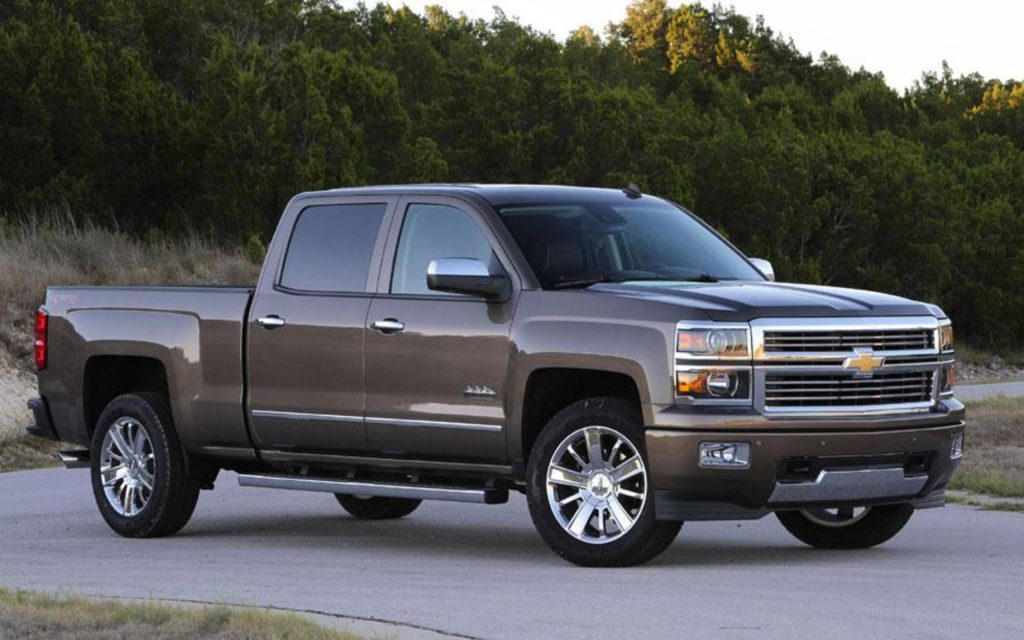
A used 2014 Silverado may still be a capable work truck, but buyers should not skip a detailed inspection. Test the steering at parking-lot speeds, check for warning messages, confirm that the recall software update was completed, and inspect the brakes and transmission during a road test.
If the steering assistance cuts out or returns abruptly, do not treat it as a minor annoyance. Have the fault diagnosed before considering the purchase.
5. 2017 Honda Ridgeline
The 2017 Honda Ridgeline is a model year that deserves particular caution because of an engine-related safety recall. Honda recalled certain 2017 Ridgeline pickups after identifying a manufacturing problem involving the crankshaft and connecting rod bearings.
Incorrect dimensions on some crankshaft journals could increase friction, causing the bearings to wear prematurely and potentially seize. If the engine suffers this damage, it may run improperly, stall, or fail while driving.
Honda responded to the issue by issuing a stop-sale notice and safety recall for certain 2017 and 2019 Ridgeline models. However, the recall applies only to specific vehicles, meaning not every truck from those model years is affected.
The recall population was identified using manufacturing records and VIN information, so buyers should not assume that a particular Ridgeline is included or excluded simply because of its model year.
This is not merely a concern about an occasional engine noise. A seized connecting rod bearing can cause major internal engine damage, potentially requiring an engine replacement.
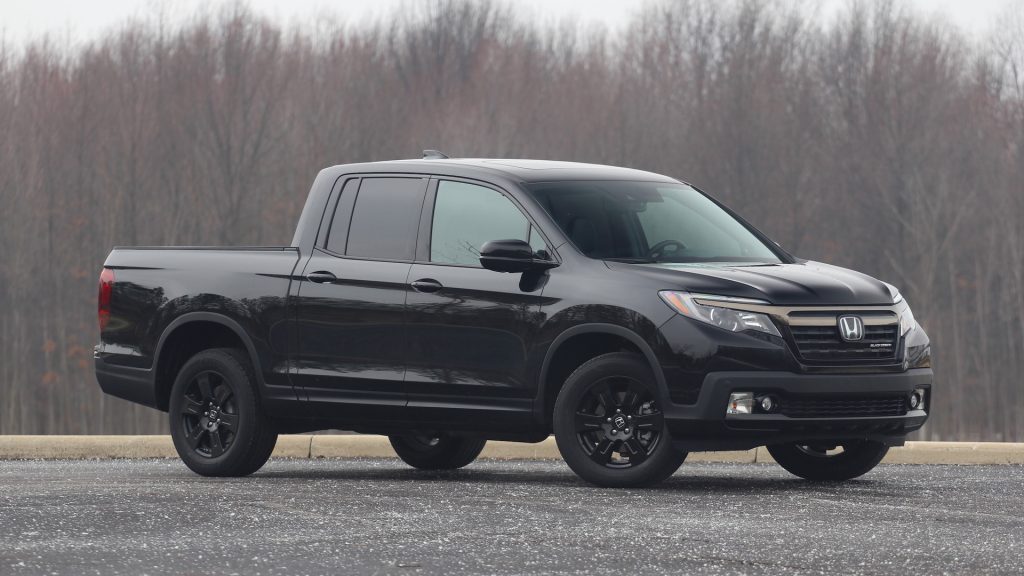
Honda’s recall documentation identifies abnormal engine noise, stalling, and reduced engine output with an illuminated check engine light as possible warning signs.
Before purchasing a 2017 Ridgeline, check its VIN through NHTSA and Honda’s recall system. Ask for paperwork proving that the connecting rod bearing recall was completed, and investigate any history of engine replacement or unusual knocking sounds.
A technician should also inspect the engine and scan for stored fault codes. The Ridgeline remains a practical midsize pickup, but an example with unresolved recall work or unexplained engine noise is not worth the risk.
6. 2016 Nissan Titan XD Diesel
The 2016 Nissan Titan XD Diesel is a truck to approach cautiously because NHTSA investigated reports of crankshaft failures affecting diesel-powered Titan models from 2016 through 2019.
The investigation, identified as PE23020, concerned allegations that the crankshaft could break, causing the engine to stall and preventing it from restarting.
According to NHTSA’s investigation summary, the agency had identified 10 vehicle-owner questionnaire reports and several manufacturer early-warning field reports when it opened its preliminary evaluation in November 2023.
A broken crankshaft is an especially serious problem because it can cause catastrophic engine damage. Repairing the affected trucks may require replacing the engine rather than addressing a relatively inexpensive external component.
The investigation covered an estimated population of 38,763 diesel-powered Titan trucks from the 2016-2019 model years. That figure represents the combined population under investigation, not the number of confirmed failures or the number of affected 2016 trucks.
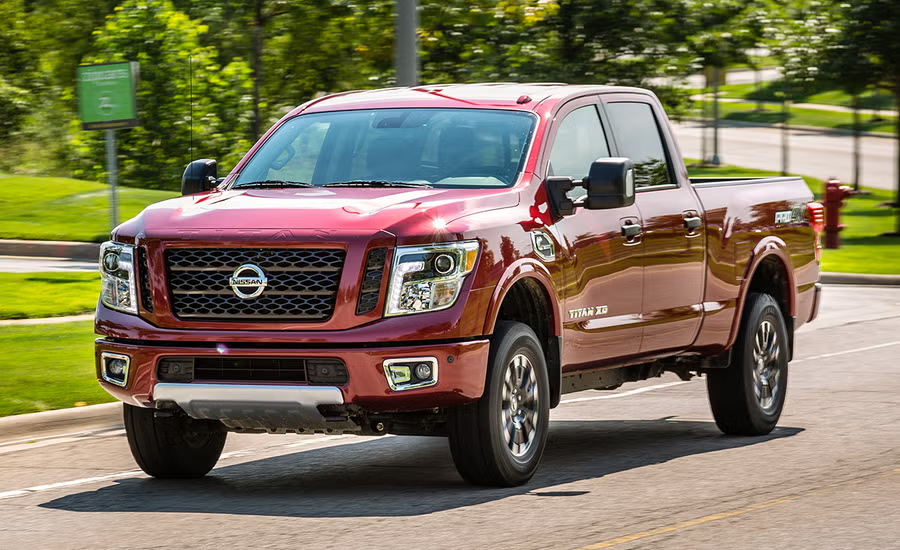
The 2016 diesel model also had a separate recall involving its fuel-tank breather tube. On certain trucks, an assembly error could prevent proper tank ventilation, potentially causing the fuel gauge and distance-to-empty display to read inaccurately. NHTSA recall 16V-847 covered approximately 12,112 vehicles.
Anyone considering this truck should verify both recall history and engine service records. Listen for abnormal mechanical noises, check for previous engine replacements, and have a diesel specialist inspect it before purchase.
The crankshaft investigation does not establish that every Titan XD Diesel will fail, but its potential repair consequences make a thorough inspection essential.