Brake complaints deserve serious attention because they can involve anything from premature pad wear and unusual noises to reduced braking performance or complete brake failure.
In the United States, drivers can report safety-related problems directly to the National Highway Traffic Safety Administration (NHTSA), creating a public record that helps identify potential patterns.
Still, complaint figures should be viewed with some caution. They reflect issues reported by vehicle owners rather than verified defects or actual failure rates, and they do not mean that every vehicle is affected by the same problem.
The vehicles below must therefore be ranked using a consistent NHTSA brake-related complaint dataset, with model years and reporting limitations clearly identified.
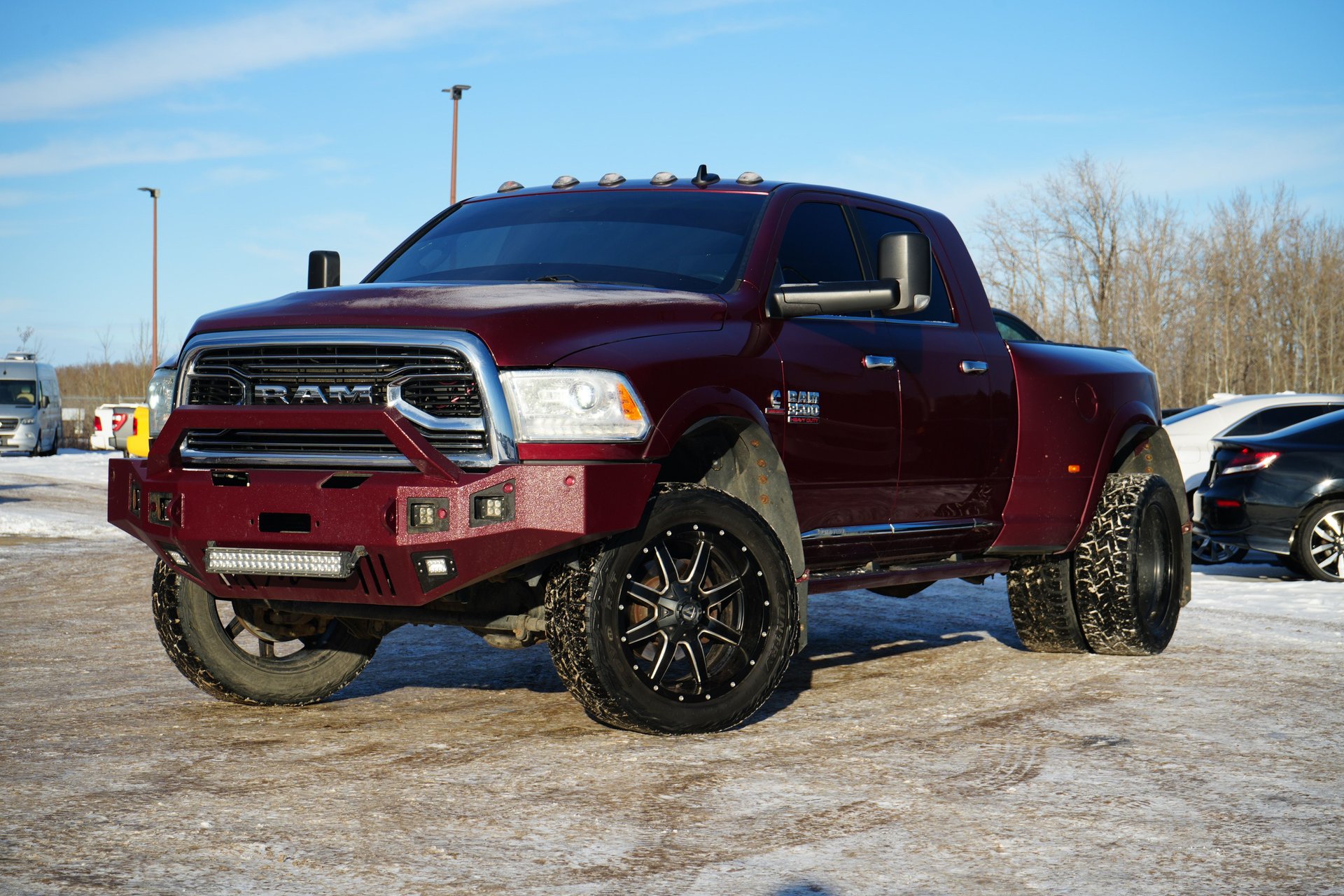
1. 2018 Ram 2500
The 2018 Ram 2500 sits at the top of this ranking with 2,345 brake-related complaints filed with NHTSA. That is an unusually high number for a single model year. According to the compiled complaint data, brake reports account for approximately 90% of the 2,606 complaints recorded for this truck.
The typical reported failure mileage was around 59,000 miles, although complaints came from owners at different mileage levels.
What makes this result particularly concerning is the nature of some reported problems. Owners described ABS warning lights, traction-control warnings, reduced braking performance, and incidents in which the truck allegedly failed to slow as expected.
These are not simply reports of noisy brakes or routine pad replacement. Some complaints describe crashes, including incidents involving trucks towing trailers. Such accounts are owner-submitted reports, not individually verified findings, but they deserve attention.
There is also an important official safety record behind the complaints. NHTSA recall 24V-896, issued in November 2024, covers certain 2017-2018 Ram 2500 and 3500 pickups, along with specified chassis-cab models.
The recall concerns a hydraulic control unit that may fail, potentially affecting the anti-lock braking system, electronic stability control, and traction control. The prescribed remedy is replacement of the affected hydraulic control unit or its motor, as applicable.
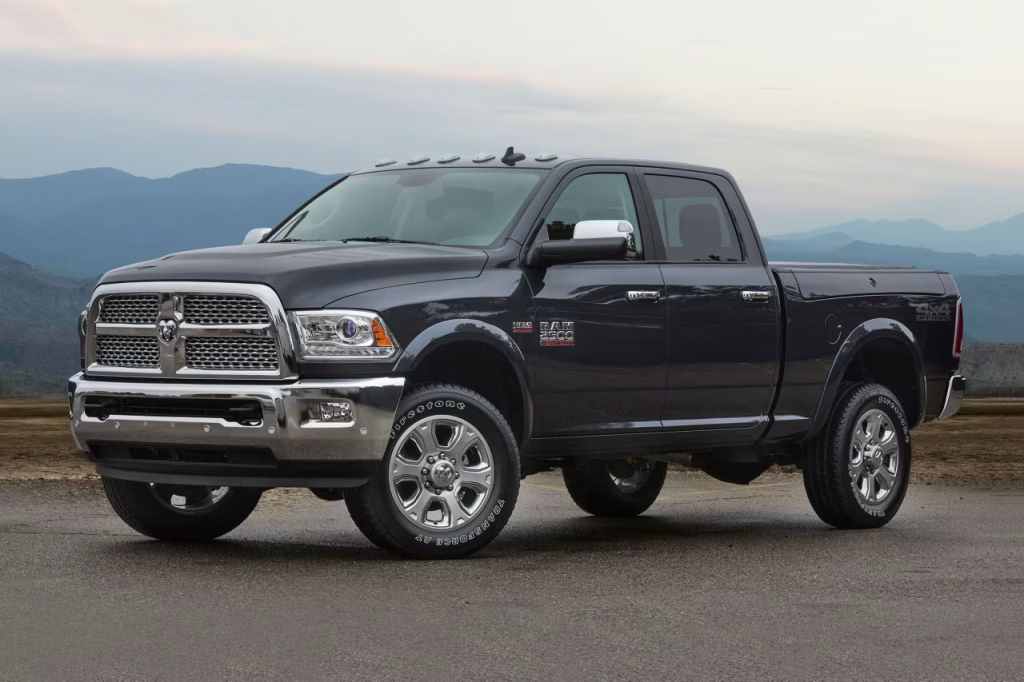
Anyone considering a used 2018 Ram 2500 should check its VIN for open recalls and confirm that applicable repairs have been completed. Warning lights, unusual pedal behavior, or inconsistent braking should never be ignored.
The complaint total does not establish that every truck is defective, but the combination of a large number of reports and an official brake-related recall makes this model year particularly important to investigate.
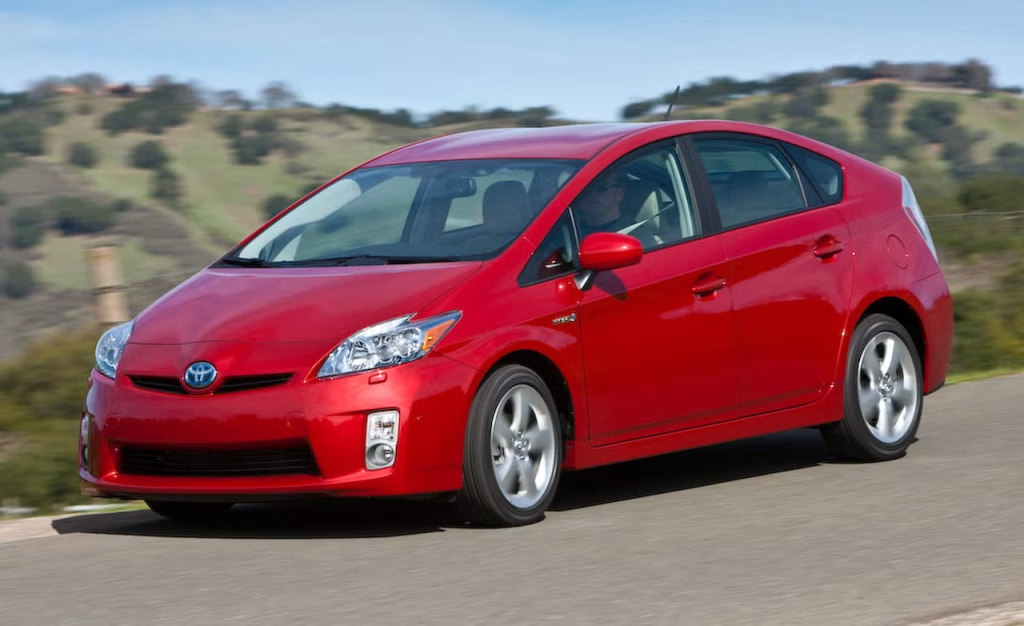
2. 2010 Toyota Prius
The 2010 Toyota Prius ranks second, with 1,945 brake-related complaints recorded by NHTSA. These reports represent approximately 69% of the 2,823 total complaints listed for this model year in the compiled dataset.
One particularly concerning detail is the reported mileage at which these issues occurred. The typical failure point was around 5,000 miles, with many owners reporting braking problems while their vehicles were still relatively new.
The reports frequently involve the anti-lock braking system and its control unit. Some drivers described inconsistent braking feel, warning lights, or a vehicle that did not slow as expected on wet or uneven surfaces.
These complaints are particularly relevant to the Prius because its braking system combines conventional hydraulic braking with regenerative braking, which uses the electric motor to recover energy during deceleration. NHTSA investigated braking performance in this generation after receiving reports about the system.
The 2010 Prius also has two relevant federal recall records. Recall 10V-039, issued in February 2010, addressed inconsistent brake feel after ABS activation on rough or slippery roads. Toyota’s remedy involved updating the ABS control-unit software.
A later recall, 13V-235, concerned a brake-booster pump assembly issue that could allow nitrogen gas to enter the brake fluid. Affected assemblies were to be replaced.
These records make it essential to distinguish between a vehicle’s reputation and the history of an individual example. A used Prius may have already received the necessary recall work, while another may have incomplete documentation.
Buyers should check the VIN, review maintenance and repair records, and have the brake system inspected if warning lights, unusual pedal feel, or reduced stopping performance appear. The complaint total is a reason for careful checks, not proof that every 2010 Prius has a braking defect.
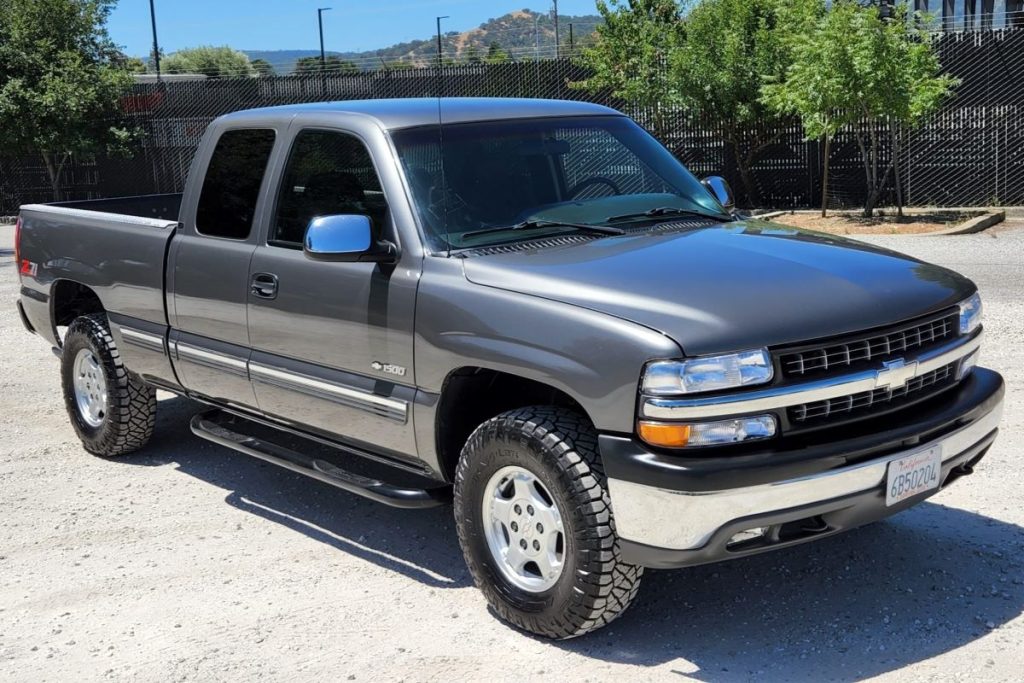
3. 1999 Chevrolet Silverado
The 1999 Chevrolet Silverado ranks third, with 971 brake-related complaints in the NHTSA-derived model-year dataset. That represents approximately 58% of the complaints recorded for this model year.
A major concern associated with this generation of GM trucks was unwanted ABS activation at low speeds, sometimes when drivers were approaching a stop.
This issue was serious enough to attract federal attention. In 2005, General Motors conducted a safety recall covering certain 1999-2002 Chevrolet Silverado and GMC Sierra 1500 trucks, along with other related GM vehicles, in selected U.S. states.
The concern involved corrosion around the front wheel-speed sensor mounting area, which could cause unwanted ABS activation during low-speed braking.
In some situations, the system could interpret the wheel-speed signal incorrectly and activate ABS when it was not needed, potentially increasing stopping distance. The recall remedy involved inspecting and cleaning the affected area and replacing components where necessary.
A separate concern involved corrosion of brake lines on older GM trucks and SUVs. NHTSA opened investigation PE10-010 in March 2010 after receiving complaints alleging brake-line corrosion, ruptures, and loss of braking effectiveness across certain 1999-2003 Chevrolet and GMC vehicles.
The investigation summary reported that some brake-line failures had been confirmed by dealer inspections. This was a broader investigation covering several models, not a finding that every 1999 Silverado had defective lines.
For anyone shopping for this truck, the condition of the brake lines deserves particular attention, especially in vehicles that have spent years in regions where road salt is used. Check for corrosion, leaks, warning lights, and abnormal pedal feel.
Confirm recall completion by VIN and have a qualified technician inspect the ABS sensors and hydraulic system before purchase.
4. 2018 Ram 3500
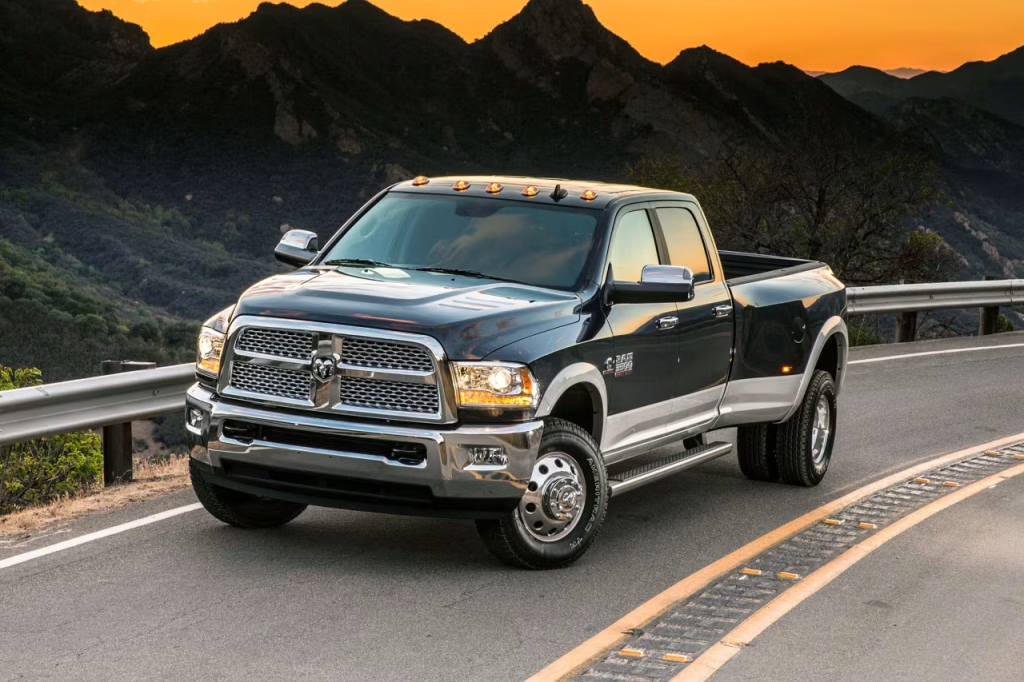
The 2018 Ram 3500 appears fourth on the list, with 667 brake-related complaints in the NHTSA-derived dataset. These reports represent roughly 83% of the 807 complaints recorded for this model year.
The typical reported problem mileage was approximately 55,000 miles. Some owners described ABS warnings, brake-system alerts, and situations in which the truck allegedly did not stop as expected.
The complaint history is significant because this heavy-duty pickup was included in a federal safety recall. NHTSA recall 24V-896, issued on November 27, 2024, covered certain 2017-2018 Ram 2500 and 3500 pickups, as well as specified chassis-cab models.
The defect involved the hydraulic control unit, which may fail and cause the anti-lock braking system, electronic stability control, and traction control systems to stop functioning properly. The manufacturer’s remedy was to replace the affected hydraulic control unit or its motor, depending on the vehicle.
This is especially relevant for owners who use the Ram 3500 for towing or hauling. A heavy trailer increases the importance of a properly functioning braking system, and a warning light should never be dismissed simply because the truck still appears to stop normally.
Drivers should also pay attention to changes in pedal response, ABS operation, or stability-control warnings.
The 667 complaints are owner-submitted reports, not 667 confirmed mechanical failures. Nevertheless, the volume of reports and the documented recall make this model year worth checking carefully.
Before buying a used 2018 Ram 3500, verify its VIN through NHTSA’s recall lookup, confirm that the recall repair has been completed, and arrange a professional brake-system inspection.
5. 2003 Ford Windstar
The 2003 Ford Windstar takes fifth place, with 648 brake-related complaints in the NHTSA-derived ranking. The number is notable because brake concerns account for a substantial share of the complaints associated with this minivan.
Other complaint records for the model year also show reports involving ABS operation and braking performance.
The Windstar was designed as a family minivan, so dependable stopping performance is particularly important when carrying several passengers.
Some owner reports describe concerns such as ABS and brake warning lights illuminating, unusual brake behavior, and difficulty stopping as expected. These are individual accounts submitted to NHTSA, not confirmed findings that apply to every vehicle.
The model also has a complicated safety history involving other systems, and its age means buyers should consider deterioration as well as original manufacturing concerns. Brake hoses, steel lines, calipers, rotors, pads, and the master cylinder can all require attention on a vehicle that has been on the road for more than two decades.
ABS warning lights should be diagnosed rather than ignored, since the underlying issue may involve a sensor, wiring, or hydraulic component.
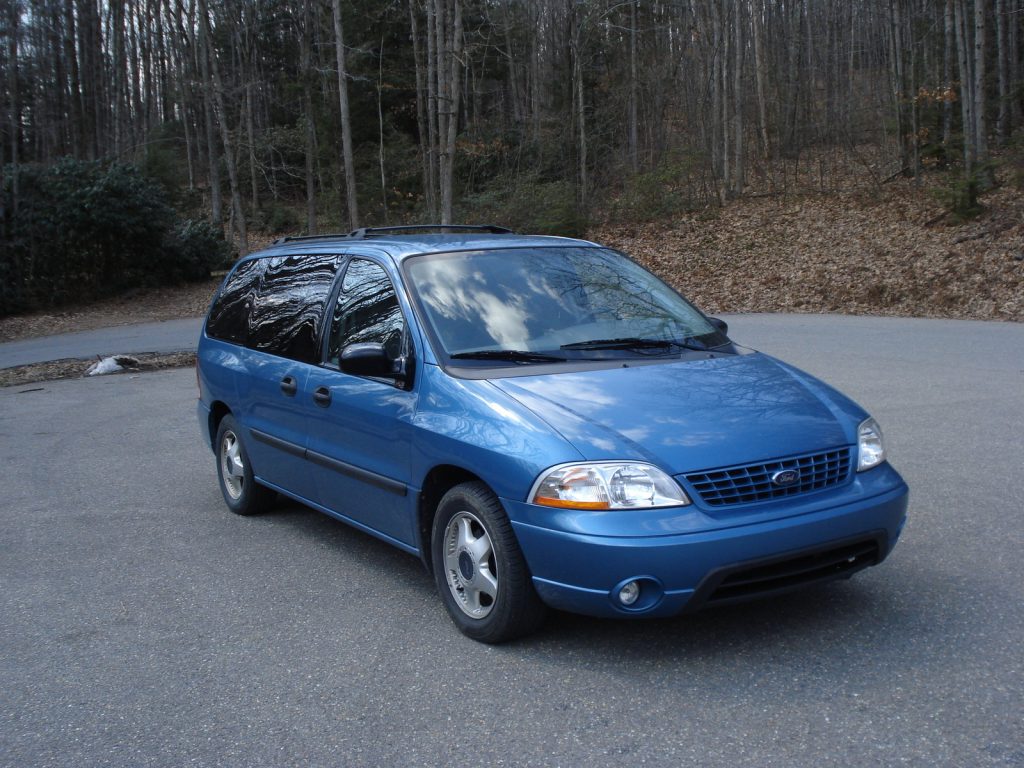
A high-mileage Windstar should receive a thorough inspection before anyone considers purchasing it. Ask for service records showing previous brake work, check for fluid leaks, and have a technician assess the condition of the brake lines and ABS.
The 648 complaints do not establish a failure rate, and the total is not adjusted for how many vehicles were sold. Still, the complaint volume makes the 2003 model year a sensible one to investigate carefully.
6. 1999 Jeep Grand Cherokee
The 1999 Jeep Grand Cherokee ranks sixth, with 639 brake-related complaints in the compiled NHTSA data. The figure places this older SUV among the model years with the largest recorded volumes of brake complaints.
It is important to remember that complaint totals measure what owners reported to the government, rather than the number of vehicles independently confirmed to have a defective braking system.
One documented brake-related concern for this generation involved front brake pulsation during light to moderate pedal application. A Chrysler service bulletin dated December 16, 2002, covered certain 1999-2002 Grand Cherokee models.
It explained that excessive thickness variation in the front brake rotors could produce vibration through the steering wheel, floor, seat, or brake pedal.
The repair procedure involved replacing the front rotors and caliper assemblies when the condition was diagnosed. A technical service bulletin is not the same as a safety recall, and it does not mean every vehicle was affected.
For a used 1999 Grand Cherokee, a pulsating pedal or steering-wheel vibration during braking deserves attention. Such symptoms can have several causes, including rotor condition, uneven pad deposits, or problems elsewhere in the braking system.
A mechanic should inspect the front brakes and measure rotor condition rather than assuming that replacing pads alone will resolve the issue.
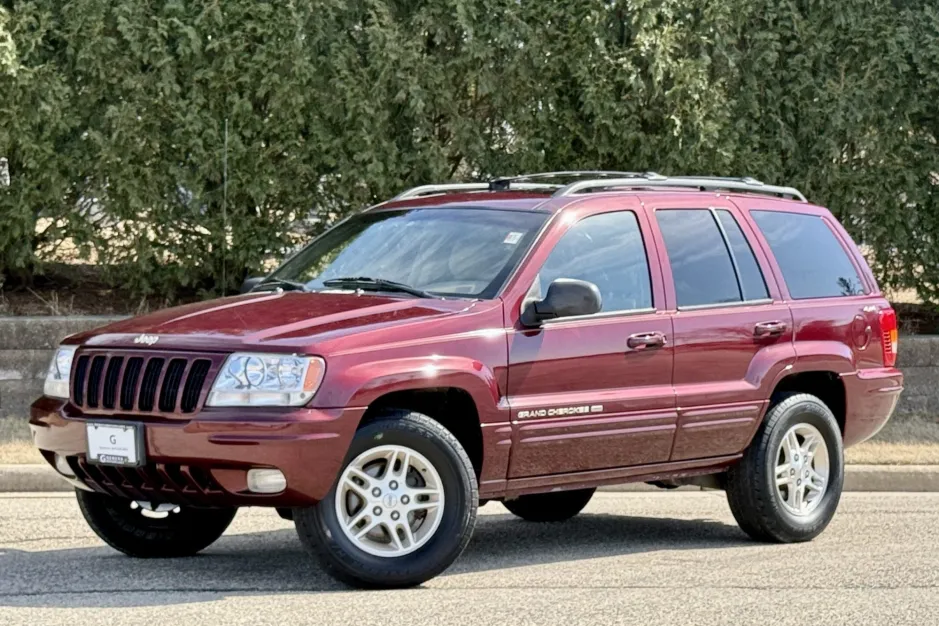
The vehicle’s age also makes the condition of rubber hoses, steel brake lines, calipers, and the ABS important. Look for corrosion, fluid leaks, warning lights, and evidence of poorly completed repairs.
The complaint figure is a reason to be thorough, not a verdict on every Grand Cherokee. A documented maintenance history and an independent inspection are especially valuable before buying one.
7. 2002 Ford Windstar
The 2002 Ford Windstar records 637 brake-related complaints, placing it seventh in this ranking. The number is close to the total reported for the 2003 model year, suggesting that brake concerns were not limited to a single year of this minivan’s production.
However, these are separate model-year complaint totals, not a measurement of the percentage of Windstars that experienced brake problems.
The available complaint records include reports involving ABS and brake warning lights, along with concerns about braking performance. An illuminated ABS warning light does not necessarily mean that the conventional brakes have stopped working.
It can indicate that the anti-lock function has been disabled or that the system has detected a fault. Even so, drivers should have the vehicle checked promptly because ABS is an important safety feature, particularly during hard braking or on slippery surfaces.
Age is another major consideration with a 2002 Windstar. Brake fluid can become contaminated, flexible hoses can deteriorate, and corrosion can weaken metal brake lines. These issues are not exclusive to the Windstar, but they become increasingly relevant when inspecting a vehicle that is more than 20 years old.
A thorough examination should include the hydraulic system, master cylinder, wheel cylinders or calipers, rotors, pads, parking brake, and ABS components.
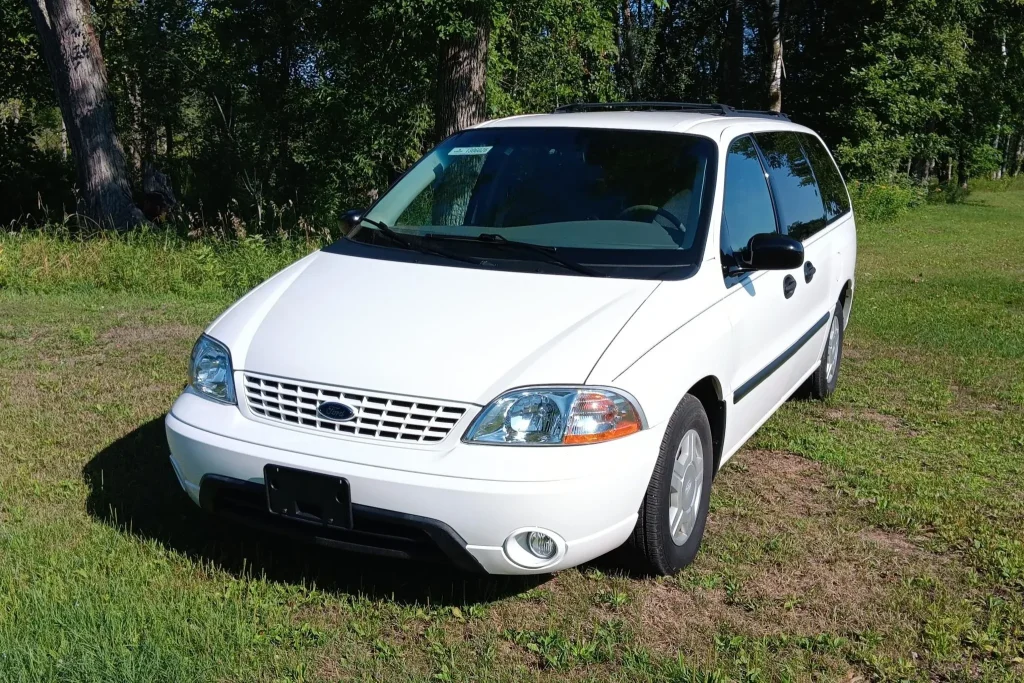
The complaint total alone cannot tell buyers which individual Windstar is safe or unsafe. A vehicle with complete maintenance records and properly documented repairs may be in better condition than one with fewer miles and an uncertain history.
Before purchasing, arrange an independent inspection and verify any outstanding recalls using the vehicle identification number.
8. 2013 Ford Edge
The 2013 Ford Edge appears eighth, with 633 brake-related complaints in the NHTSA-derived dataset. These reports account for approximately 26% of the complaints recorded for this model year.
The typical reported problem mileage was around 86,000 miles, based on complaints that included mileage information. That figure is a statistical summary of owner reports, not a prediction of when every Edge will develop a brake issue.
The complaints cover different parts of the braking system, including reports involving ABS warning lights, brake assist, and conventional brake components. Some owners have also described concerns about pedal feel and stopping performance.
The available data does not establish one single defect responsible for all 633 reports. In fact, the model-year record lists no brake-related safety recall, although that does not mean every reported problem was insignificant.
Ford’s documentation does provide another useful point for buyers. A service program covering certain 2010-2013 Edge and Lincoln MKX vehicles addressed possible brake-booster diaphragm deterioration.
Under certain conditions, a small tear could produce a hissing noise and a spongy pedal feel. If the condition progressed, the driver could need greater pedal effort to stop. Coverage depended on the vehicle’s build details and program eligibility, so owners should confirm applicability with Ford rather than assuming every 2013 Edge was included.
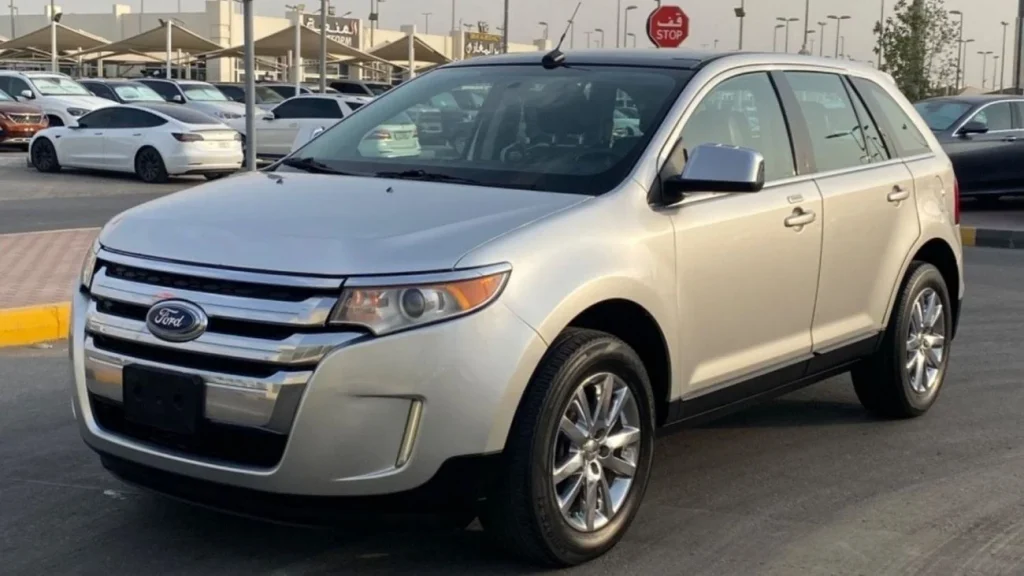
When inspecting a used Edge, pay attention to pedal firmness, hissing sounds, warning lights, and any history of brake-booster repairs. Ask the seller for maintenance records and have the hydraulic and ABS systems checked by a qualified technician.
The complaint count is substantial, but it should be treated as a warning to inspect carefully, not proof that every 2013 Edge has defective brakes.
9. 1994 Chevrolet Suburban
The 1994 Chevrolet Suburban ranks ninth, with 584 brake-related complaints in the compiled NHTSA ranking. The figure is particularly relevant because this generation of Suburban had a documented history of concerns involving brake performance.
NHTSA previously investigated poor braking performance in certain Chevrolet and GMC Suburban models, and a related safety-improvement campaign covered specified 1992-1994 vehicles.
The campaign addressed vehicles equipped with vacuum power-brake assist and an EBC4 anti-lock braking system. The agency’s record described concerns about brake-system performance and pedal feel.
The corrective action involved installing a new brake-pedal pad and inspecting the brake-booster output rod, replacing it if necessary.
The campaign was identified as a safety improvement campaign rather than a standard safety recall under the federal Safety Act. That distinction matters when describing the vehicle’s history.
For a Suburban that is now more than 30 years old, buyers should look beyond the original campaign. Age-related deterioration can affect brake lines, hoses, seals, the master cylinder, calipers, and the ABS hardware.
Rust is especially important to check on vehicles that have spent years in areas where winter road salt is common. A soft or sinking pedal, unusual stopping distance, or an illuminated brake warning light should prompt immediate professional diagnosis.
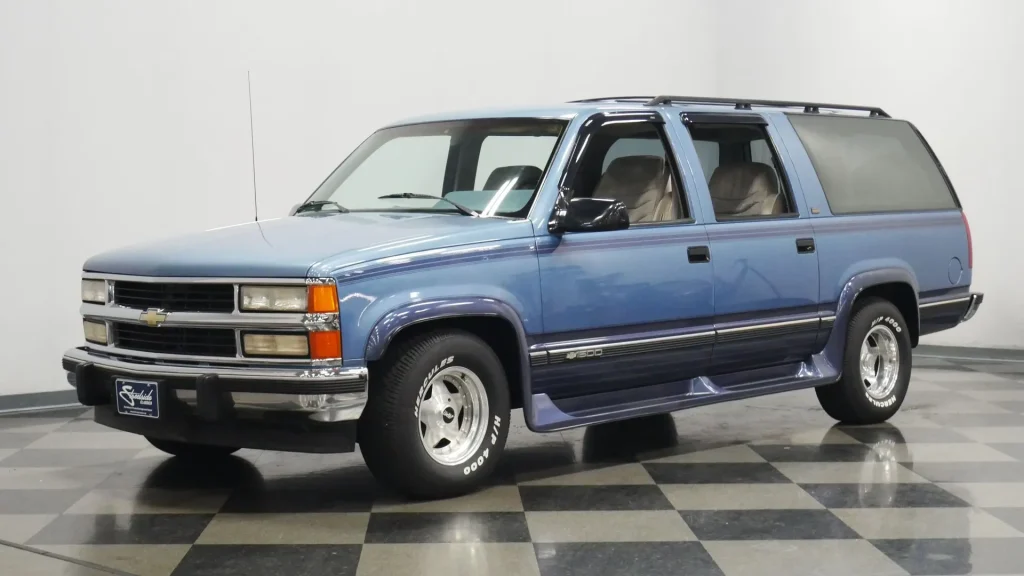
The 584 complaints do not mean that every 1994 Suburban has experienced poor braking. They do, however, provide a reason to examine the braking system carefully.
Anyone considering one should confirm whether the safety-improvement work was performed, review available service records, and have the complete hydraulic and ABS systems inspected before driving it regularly.
10. 2008 Honda Accord
The 2008 Honda Accord completes the list with 573 brake-related complaints in the NHTSA-derived dataset. That represents approximately 38% of the complaints recorded for this model year.
The reported mileage associated with brake concerns was relatively low compared with several older vehicles on this list, with the typical reported problem appearing at around 22,000 miles.
A recurring theme in owner reports involved premature rear brake-pad wear. Some drivers said the rear pads required replacement much earlier than they expected, while others described concerns about rotor condition and braking noise.
One complaint submitted to NHTSA in 2009, for example, described rear pads having only a small amount of material remaining at approximately 33,000 miles. That is an individual owner’s report, not evidence that every 2008 Accord experienced the same wear pattern.
The available model-year complaint breakdown also identifies service brakes as a major category, but it does not establish a single confirmed defect responsible for all reports. The 2008 Accord has no brake-specific safety recall listed in the cited complaint summary.
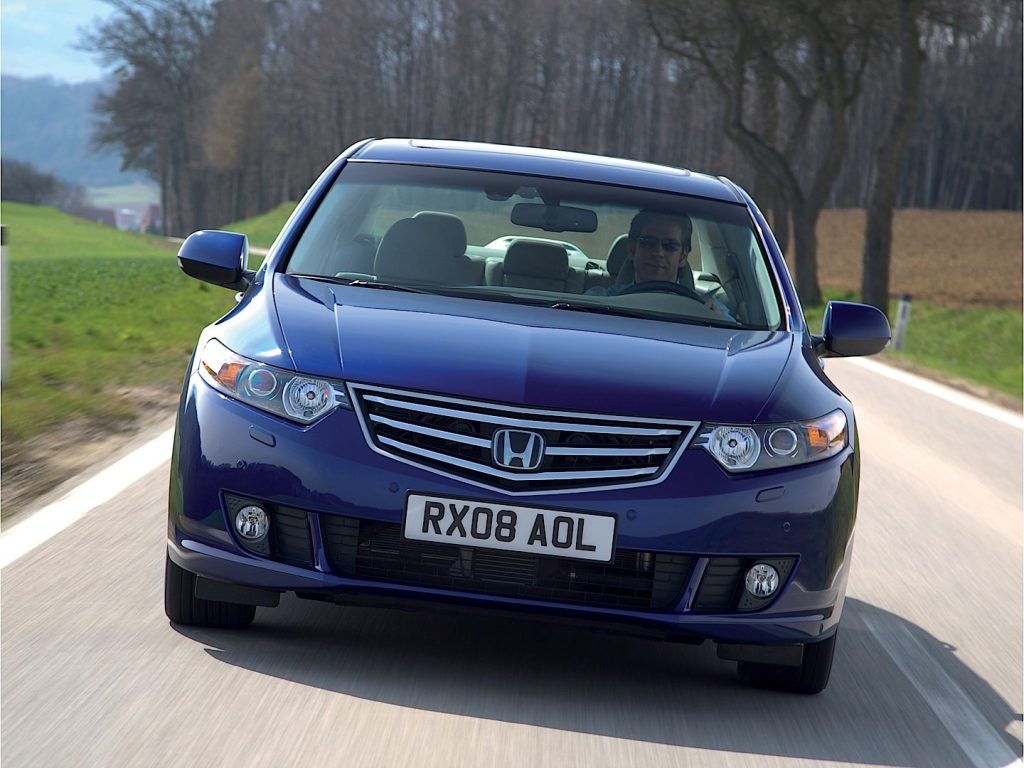
It is important to understand that a large number of complaints does not necessarily result in a recall. Likewise, the absence of an official recall does not mean that owners have not encountered genuine problems with their vehicles.
Used-car buyers should inspect pad thickness at all four wheels, check the rotors for scoring or vibration, and review previous brake-service invoices.
Uneven wear can point to problems such as a sticking caliper or slide pin, which should be corrected rather than treated as routine pad replacement. The 2008 Accord’s complaint record makes a careful inspection worthwhile, especially if the seller cannot provide a clear maintenance history.