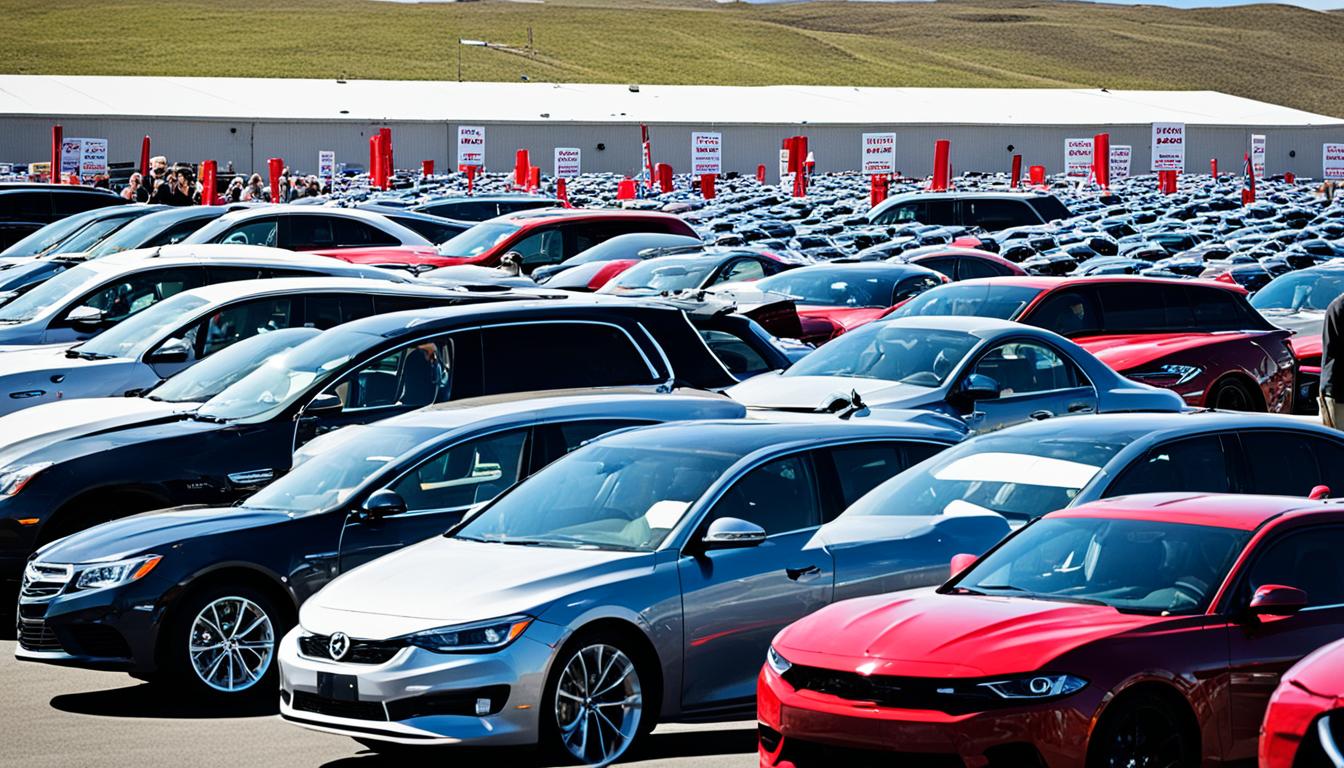
The price printed on a used car’s windshield can make it difficult to guess what the dealership actually spent to acquire it. A vehicle advertised for $18,000 might have cost the dealer considerably less at auction, but the winning bid is not the full purchase cost.
Auction fees, transportation, inspections, repairs, detailing, and financing can all add to the amount invested before the car is ready for customers. The difference matters because a dealer must recover those expenses before earning a profit.
Understanding how wholesale auctions work reveals why the price a dealer pays can be very different from the price a buyer sees on the lot.
The Auction Price Is Only the Starting Point
Dealerships obtain used vehicles from several places, including customer trade-ins, lease returns, rental fleets, other dealers, and wholesale vehicle auctions. Auctions are particularly important when a dealership needs to fill gaps in its inventory or find a particular model, trim, or price range.
Large wholesale marketplaces such as Manheim allow licensed dealers to bid in physical auction lanes and through online platforms.
The winning bid is commonly called the hammer price. It is the amount at which the auctioneer closes the sale, but it should not be confused with the dealer’s final acquisition cost. A dealer bidding on a vehicle for $12,000, for example, still needs to account for the auction’s buyer charges and the expenses involved in getting the car ready for resale.
There is no single auction price for a particular model. Two vehicles of the same year and trim can sell for noticeably different amounts because of mileage, accident history, service records, equipment, condition, location, and demand.
A clean vehicle with low mileage may attract several competing bidders, while one with worn tires, cosmetic damage, or an incomplete service history may sell for less.
Dealers also use wholesale pricing information to decide how much they can afford to bid. One important reference is the Manheim Market Report, or MMR, which uses wholesale transaction data to help estimate a vehicle’s market value.
The figure is a guide rather than a guaranteed selling price. A dealer still has to assess the individual car and decide whether its condition and likely retail price justify the bid.
The wider wholesale market can influence those decisions. Cox Automotive reported that the Manheim Used Vehicle Value Index reached 206.8 in October 2026, representing a 2% year-over-year increase after adjustments for vehicle mix, mileage, and seasonality. However, non-adjusted wholesale prices were down 2.3% from September.
That difference shows why dealers pay attention to market conditions instead of assuming that every used vehicle is becoming more expensive.
A dealer’s target bid is therefore based on the expected retail value minus the costs and profit margin required to make the purchase worthwhile. If a vehicle is likely to sell for $17,000, bidding close to that amount would leave little room for auction charges, repairs, advertising, and other expenses.
Experienced buyers calculate those costs before raising their bids, rather than trying to work them out after winning.
The Extra Costs That Increase the Dealer’s Investment
The first additional expense is the auction buyer fee. Wholesale auctions charge buyers for facilitating the transaction, processing the purchase, and providing related services. The amount can depend on the auction location, sale format, purchase price, and the dealer’s account arrangements. Some online purchases may also carry platform-specific charges.
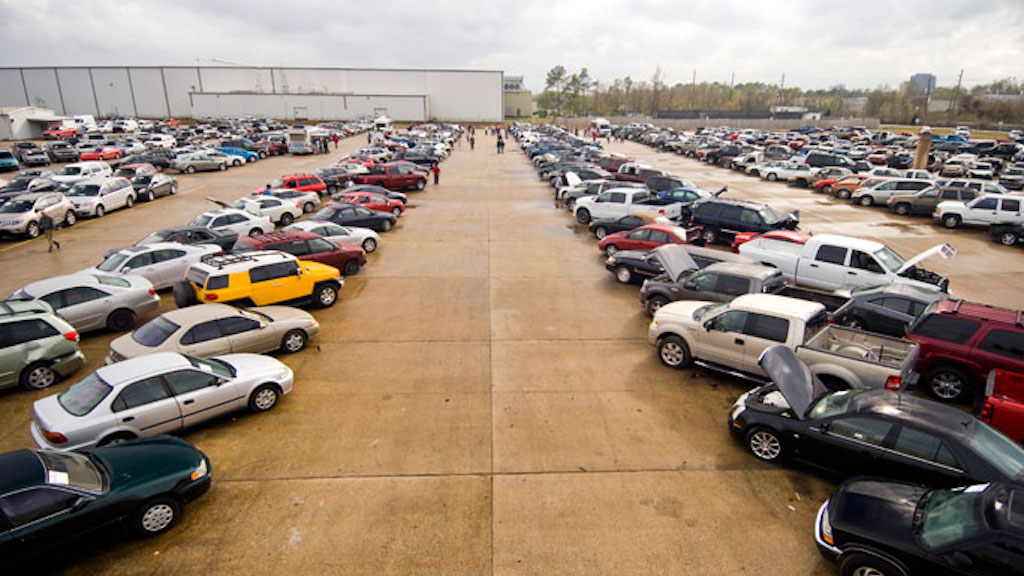
It is important not to assume that every auction charges the same amount. Manheim does not provide one universal buyer-fee figure that applies to every transaction.
Its terms also make clear that buyers are responsible for transportation and associated costs when moving a purchased vehicle to their chosen location. Dealers must check the applicable fee schedule and sale conditions before bidding.
Transportation is the next major consideration. A car purchased at an auction close to the dealership may be relatively inexpensive to collect, particularly if the dealer has its own transport arrangements.
A vehicle bought several hundred miles away can cost considerably more to move. Dealers may use vehicle transport companies, auction-arranged shipping, or their own drivers, depending on distance and availability.
Some buyers also pay for post-sale inspections. An auction condition report can help identify visible damage and mechanical concerns, but it does not eliminate the risk of unexpected problems.
Manheim’s post-sale inspection policy states that buyers are responsible for the inspection fee whether the vehicle passes or fails. A failed inspection may allow the buyer to pursue arbitration under the applicable rules, but it does not automatically mean the transaction disappears.
Once the vehicle reaches the dealership, reconditioning begins. This can include an oil and filter change, new tires, brake work, battery replacement, paint correction, dent removal, interior cleaning, and mechanical repairs. The work required depends on the car’s age, mileage, condition, and the dealership’s standards.
A vehicle that looks attractive in auction photographs may still need several hundred dollars in work before it is ready for a retail customer. A car with worn tires and damaged upholstery could require substantially more. Dealers generally have to estimate these expenses before bidding because a low hammer price does not necessarily make a vehicle a good purchase.
Financing can add another layer. Some dealerships use floorplan financing, a form of inventory credit that allows them to purchase vehicles without tying up all their cash. Interest may accumulate while the vehicle remains in stock.
The longer it takes to sell, the more carrying costs can build up. Manheim’s terms specifically identify financing costs, inspection and reconditioning expenses, transportation, title and registration charges, and auction fees among the expenses associated with purchasing and reselling vehicles.
The dealer must also consider title processing and paperwork. A vehicle may not be ready for retail sale until the dealership has received and reviewed the necessary ownership documents. Delays can tie up money in inventory and create additional administrative work.
Auction rules also impose deadlines and conditions for reporting certain problems, so buyers need to review sale announcements and paperwork promptly.
These expenses explain why the dealer’s true cost is better described as the vehicle’s landed and reconditioned cost than simply its auction purchase price.
A Realistic Example of the Dealer’s Total Cost
Consider a hypothetical used sedan that a dealership wins at auction for $12,000. The following example illustrates how the investment can increase before the car appears on the retail lot. These figures are illustrative, not a published average or a guaranteed fee schedule.
- Auction hammer price: $12,000
- Auction buyer and administrative fees: $400
- Transportation: $250
- Inspection and paperwork: $100
- Mechanical repairs and reconditioning: $650
- Cleaning and detailing: $100
The dealership has now invested $13,500 in the vehicle, before any additional floorplan interest or general operating expenses. Although the auction bid was $12,000, the car has cost the dealer another $1,500 to acquire and prepare.
Suppose the dealership lists the sedan for $16,500. The difference between the advertised price and the $13,500 investment is $3,000. That amount is not automatically the dealership’s final profit.
The customer may negotiate a lower selling price, and the dealership may incur further expenses through advertising, sales commissions, inventory financing, or other operating costs. A warranty or service contract may also involve separate costs and revenue arrangements.
The example also demonstrates why comparing a vehicle’s auction price directly with its retail price can produce a misleading estimate of dealer profit.
A customer might see a $4,500 gap between the $12,000 auction bid and the $16,500 asking price. But the dealer has already spent $1,500 beyond the bid, and the final transaction price may be lower than the sticker price.
Dealers also face the possibility that a vehicle will not sell quickly. If a car remains on the lot for weeks or months, financing and inventory costs can continue to accumulate.
The dealership may eventually reduce the asking price to attract buyers or move the vehicle to another dealer through a wholesale sale. In that situation, the original purchase may produce a much smaller margin than expected, or even a loss.
This is why dealerships evaluate more than the auction’s advertised or estimated market value. They consider how quickly a particular model sells in their area, the competition from similar vehicles, expected repair expenses, customer demand, and the price buyers are likely to accept.
A popular model with strong local demand may justify a more competitive bid. A slow-selling vehicle with expensive parts or uncertain mechanical condition may not.
For consumers, this information is useful when negotiating. A dealer’s auction purchase price is not necessarily something the dealership must disclose, and it does not determine the vehicle’s market value on its own.
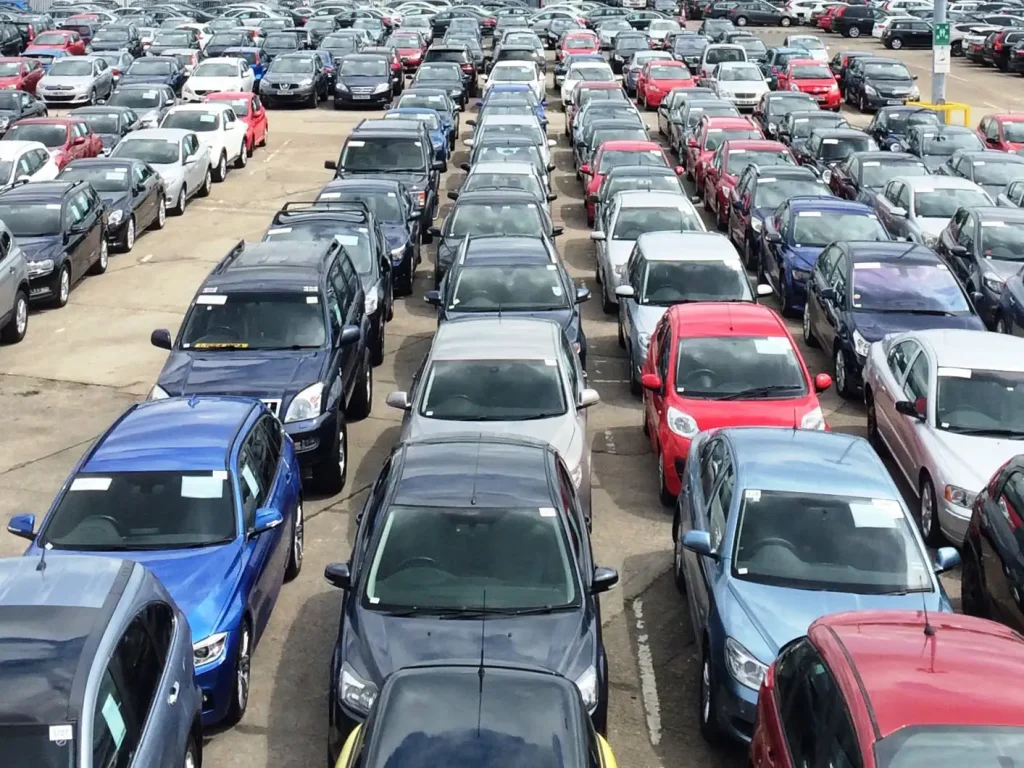
A more practical approach is to compare the asking price with similar vehicles, check the vehicle history report, arrange an independent inspection, and negotiate based on the car’s condition and local market value.
The key takeaway is that a dealership’s purchase cost goes beyond the winning auction bid. That initial payment is only the starting point, as the vehicle also comes with additional expenses such as auction fees, transportation, reconditioning, and inventory holding costs.
A dealership needs to account for all of those expenses before it can know whether the vehicle is likely to make money. That is why a car’s retail price can be thousands of dollars above its auction bid without the entire difference becoming dealership profit.