When a customer finances a vehicle, the finance and insurance office may offer Guaranteed Asset Protection, better known as GAP coverage. It can protect a buyer from owing money after a vehicle is stolen or declared a total loss, but it can also be a profitable add-on for the dealership.
The amount a dealer makes depends on the wholesale cost of the contract, the price charged to the customer, and the compensation arrangement with the provider.
A widely cited National Consumer Law Center study found an average GAP markup of $378 per contract in its sample. That figure is useful, but it is not a guaranteed current profit on every sale.
How Much Profit Can a Dealer Make on GAP Insurance?
There is no single nationwide amount that every dealership earns from selling GAP. Dealers typically obtain a GAP contract or waiver through a third-party administrator, insurer, lender, or finance-company program.
The provider charges the dealership a wholesale amount, while the dealership or program sets the retail price presented to the buyer. The difference can become dealer gross profit, although the exact arrangement varies by provider, state, and contract.
One of the most frequently cited studies on dealer add-on pricing comes from the National Consumer Law Center. Its 2017 report, Auto Add-Ons Add Up, examined transaction data from 2012. In that sample, customers paid an average of $629 for GAP, while the average dealer cost was $251.
The resulting average markup was $378, or approximately 151% above the dealer’s cost. Put another way, the markup represented about 60% of the average selling price in that historical sample.
Those figures help explain why GAP can be attractive to a dealership’s finance department, but they are not a current national average for 2026. The underlying transactions were from 2012, and prices, provider agreements, and state rules can change.
A simple example shows how the economics work. If a provider charges a dealership $250 for a GAP contract and the dealership sells it to a customer for $750, the difference is $500 in gross markup before any other applicable costs or contractual adjustments. If the retail price is $600, the difference is $350.
The customer sees the retail charge on the paperwork but generally does not see the provider’s wholesale amount or the dealership’s internal profit calculation.
The distinction between gross markup and take-home earnings matters. The full difference does not necessarily go directly into the finance manager’s pocket.
The dealership may retain the gross profit and then pay the finance manager under a compensation plan that can include a percentage of eligible product gross, bonuses, salary, or other incentives. The sales employee’s actual commission is determined by that store’s pay plan, not by a universal GAP commission rate.
A public filing with the SEC from Credit Acceptance outlines one GAP insurance arrangement in which the dealer receives a commission equal to the difference between the wholesale and retail prices. However, this is not a standard practice across all providers, as other programs may rely on fixed commissions, payment limits, or profit-sharing arrangements.
Why GAP Prices Vary Between Dealerships
Unlike a vehicle’s manufacturer-suggested retail price, GAP does not have one standard nationwide retail price. A dealership may have discretion over the amount it charges, subject to its provider agreement and applicable state law.
This is why two customers financing similar vehicles may receive noticeably different GAP quotes, even when the coverage appears similar.
The wholesale cost depends on the provider’s program, vehicle, amount financed, loan-to-value ratio, loan term, and other risk factors. Dealer volume and negotiated agreements can also affect it. The NCLC’s $251 figure is historical research, not a current price list.
A buyer financing a large balance, rolling negative equity into a new loan, or choosing a long repayment term may face a greater potential shortfall after a total loss. Some programs use pricing tiers or eligibility limits, but a larger retail quote does not automatically mean the dealer’s wholesale cost rose by the same amount.
Dealership pricing strategy matters too. Some stores offer a modest fixed price, while others charge more or bundle GAP with tire-and-wheel protection, key replacement, or a service contract. Bundling can make it harder for a customer to identify how much is being charged for GAP alone. Ask for each product’s individual price and whether it is optional.
The type of product is another important distinction. A GAP insurance policy and a contractual GAP waiver can work toward a similar financial result, but they are not necessarily the same legal product.
An insurance policy is generally underwritten by an insurer. A waiver is a creditor’s contractual promise to cancel some or all of the remaining debt after a qualifying total loss.
State law can treat and regulate these products differently, so buyers should read the actual agreement rather than relying only on the phrase “GAP insurance.”
What Buyers Should Know Before Paying for GAP
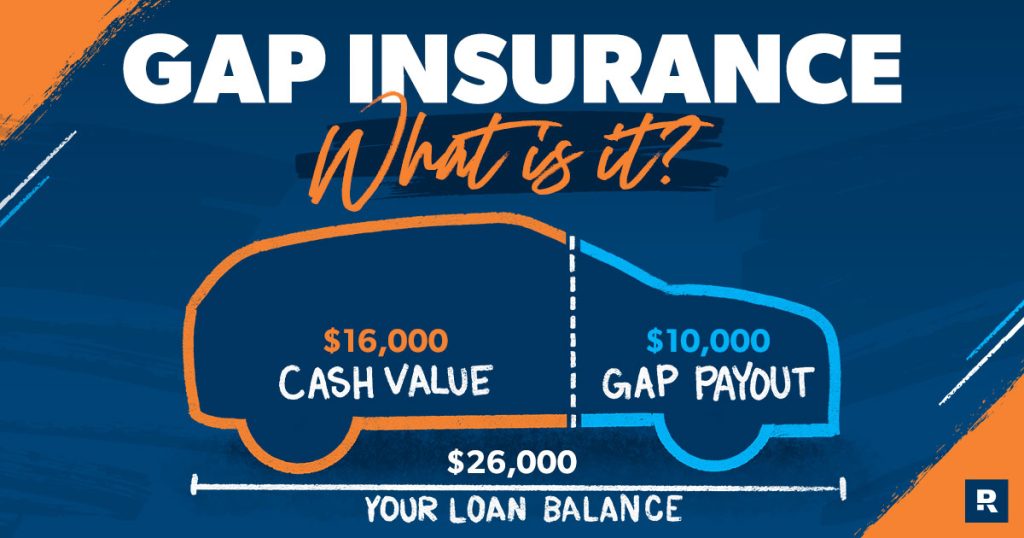
GAP is designed to address the difference between the amount still owed on a vehicle loan or lease and the vehicle’s actual cash value when it is stolen and not recovered or declared a total loss.
Standard collision or comprehensive insurance generally pays the vehicle’s covered actual cash value, subject to the policy terms and deductible. If the loan payoff is higher than that amount, GAP may cover some or all of the remaining difference, subject to exclusions and limits.
It can be useful for buyers making a small down payment, taking a long loan, rolling old debt into a new loan, or buying a vehicle that depreciates quickly. Buyers with substantial equity may have little need for it, and eligibility rules can restrict who benefits.
The Consumer Financial Protection Bureau says GAP is generally optional and advises consumers to compare dealership coverage with options from an auto insurer or direct lender.
It also warns that financing the GAP charge increases the loan principal and can add interest over the repayment period. If a dealer says the product is mandatory, the buyer should ask the lender to identify that requirement in the loan documents.
It is worth comparing dealership GAP coverage with loan or lease payoff protection offered by insurance companies, as the latter may cost less than the several hundred dollars charged by some dealerships. However, coverage limits and conditions can vary.
Some insurance products restrict benefits to a certain percentage of the vehicle’s value, while dealership contracts may include different exclusions, coverage limits, and deductible requirements. Reviewing the actual contract terms is essential before making a decision, rather than choosing based on price alone.
Buyers should also ask whether the agreement covers the full loan balance, rolled-over negative equity, late payments, missed payments, extended warranties, or other financed add-ons.
Many contracts exclude some of these amounts or limit the total benefit. Check whether a deductible is covered, whether there is a maximum loan-to-value ratio, and whether the policy applies to the vehicle and intended use.
If the loan is paid off early, the vehicle is sold, or the customer refinances, a refund may be available for the unused portion of a cancellable GAP product. The procedure and calculation depend on the contract and state law.
The CFPB recommends contacting the lender, provider, or dealership and checking the paperwork for cancellation instructions.
Ultimately, a dealership can make hundreds of dollars in gross markup on a GAP sale, but the amount is not fixed and should not be confused with an employee’s personal commission. The best-known NCLC study found a $378 average markup in historical transaction data, not a universal figure for today’s market.
Buyers can protect themselves by requesting the wholesale-versus-retail explanation where available, comparing outside coverage, checking exclusions, and refusing any add-ons they do not want.
GAP may be worthwhile when a loan creates a genuine risk of negative equity, but its price and terms deserve the same scrutiny as the vehicle and financing agreement.