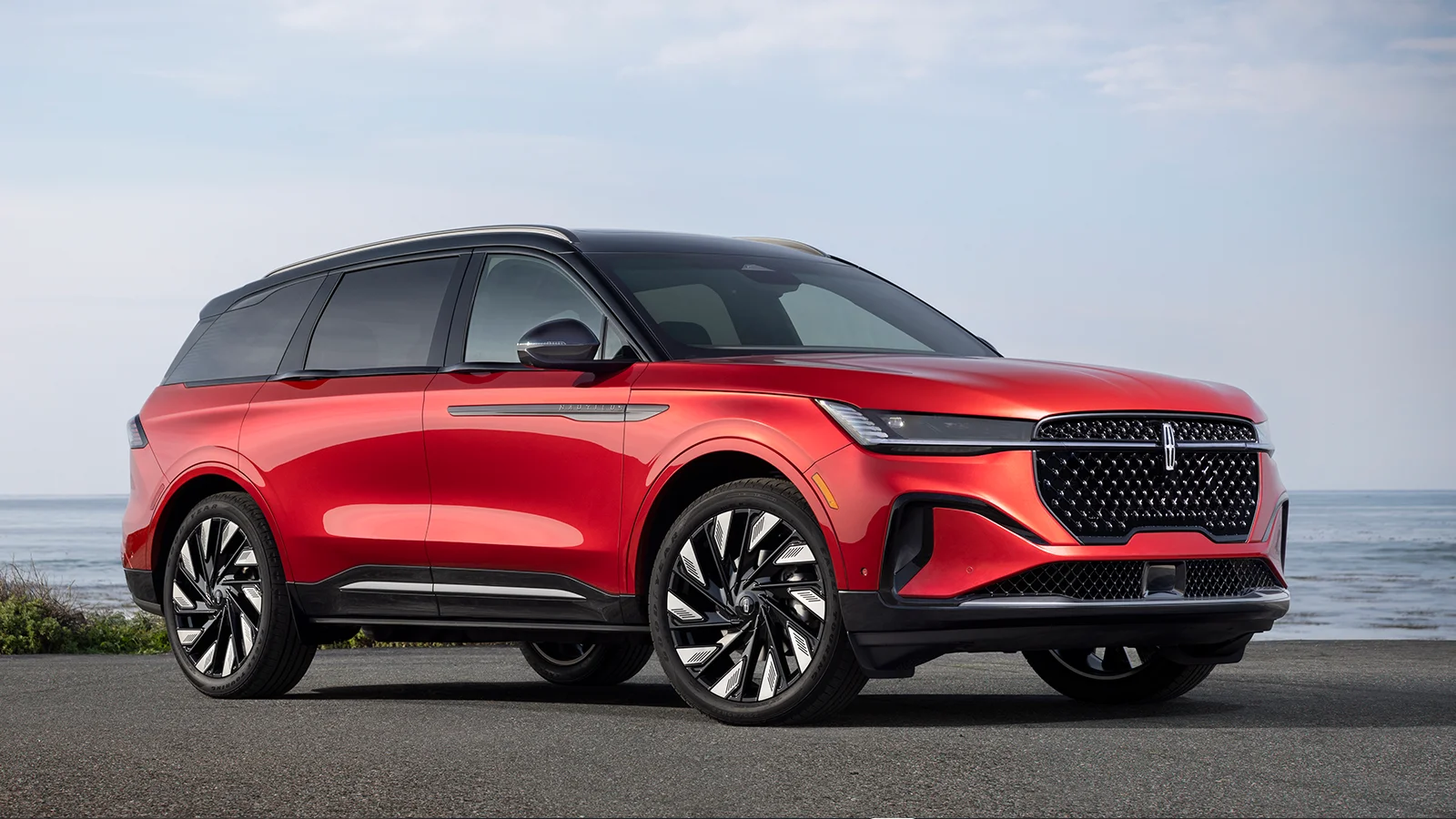
Luxury badges usually come with a premium fuel sticker. That sticker adds up fast. Premium gas often costs 50 cents to a dollar more per gallon than regular. Over a year, that gap can reach several hundred dollars for a daily commuter.
Over five years, it becomes a real number. Independent testing has also found little measurable gain from premium in engines built for regular. Most European luxury brands still demand 91 octane. Many turbo engines are tuned around it. Skip it, and the car may feel slower or thirstier.
A few models break that pattern. Their makers say 87 octane is acceptable. The owner’s manual spells it out. There is one catch worth knowing. Some of these cars still list premium as recommended. That means regular is safe, but peak power may need the good stuff. Advertised horsepower is often rated on premium.
This list covers US-market models only. Each pick was checked against maker specs and recent reviews. Output and fuel guidance can change by trim and model year. Always confirm with your own owner’s manual. Some picks are small crossovers. Others are three-row giants. All of them keep the pump bill lower.
1. Audi Q3
Audi’s smallest SUV is the surprise of this list. The redesigned 2026 Q3 runs on a 2.0-liter turbocharged four-cylinder. It makes 255 horsepower and 273 lb-ft of torque. That is a big jump from the 228 horsepower of the 2025 model. Yet the engine is listed to run on regular gas. That is unusual for a German luxury brand.
Power flows through a seven-speed dual-clutch automatic. Quattro all-wheel drive is standard. Audi claims 0-60 mph in 5.5 seconds. That is quick for a small luxury crossover. The EPA rates it at 22 city, 29 highway, and 25 combined mpg. Rivals such as the BMW X1 and Mercedes GLA ask for a premium.
The Q3 is compact. It measures about 178 inches long and rides on a 105.6-inch wheelbase. Curb weight is near 3,935 pounds. Cargo space reaches about 50 cubic feet with the rear seat folded. The rear bench slides and reclines. That makes the small body feel more useful.
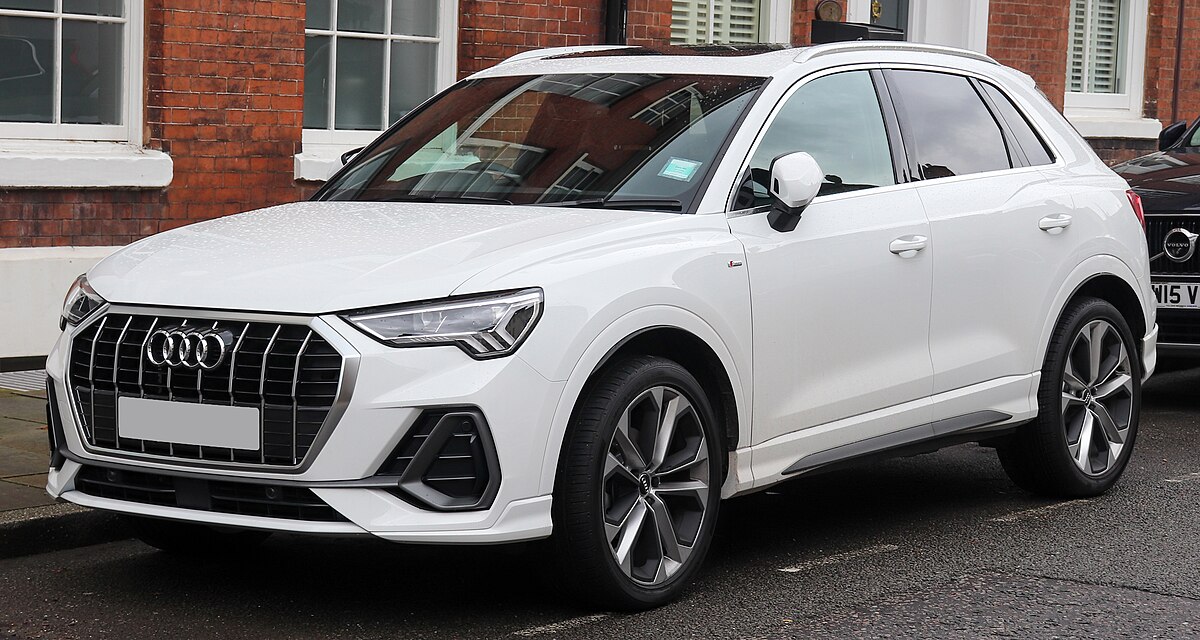
Inside, a 12.8-inch touchscreen sits beside an 11.9-inch driver display. Most major features come standard. Pricing starts near $45,000 for the single S line trim. Audi finishes this generation in Győr, Hungary. Expect a somewhat firm ride. Some drivers will love the sharp feel. Others may want more softness.
The savings are easy to see. Drive 12,000 miles a year at 25 mpg. That is about 480 gallons. If premium costs 50 cents to a dollar more, regular saves roughly $240 to $480 yearly. Audi’s power figures may still be rated on premium. Regular works, but expect tiny differences at the limit.
Best for city commuters who want a premium badge without premium fuel costs. Skip it if you need a big back seat. It pairs speed with sensible running costs.
2. Lexus UX 300h
The Lexus UX 300h is the smallest Lexus SUV. It is also one of the easiest luxury cars to fuel. Lexus guidance treats the hybrid as an 87-octane model. Many other Lexus gas models require premium. This one does not. It keeps the cost of entry luxury low.
Under the hood is a 2.0-liter four-cylinder hybrid system. Total output is about 196 horsepower. That figure is modest. Road testers describe it as a Prius with a nicer cabin and sharper styling. Front-wheel drive is standard. All-wheel drive is optional.
Fuel economy is the headline. The EPA rates it at 43 to 44 mpg combined. That holds for front- and all-wheel drive. Few luxury vehicles get close to that number. At 12,000 miles a year, you burn only about 276 gallons. A premium requirement would have added roughly $140 to $280 a year.
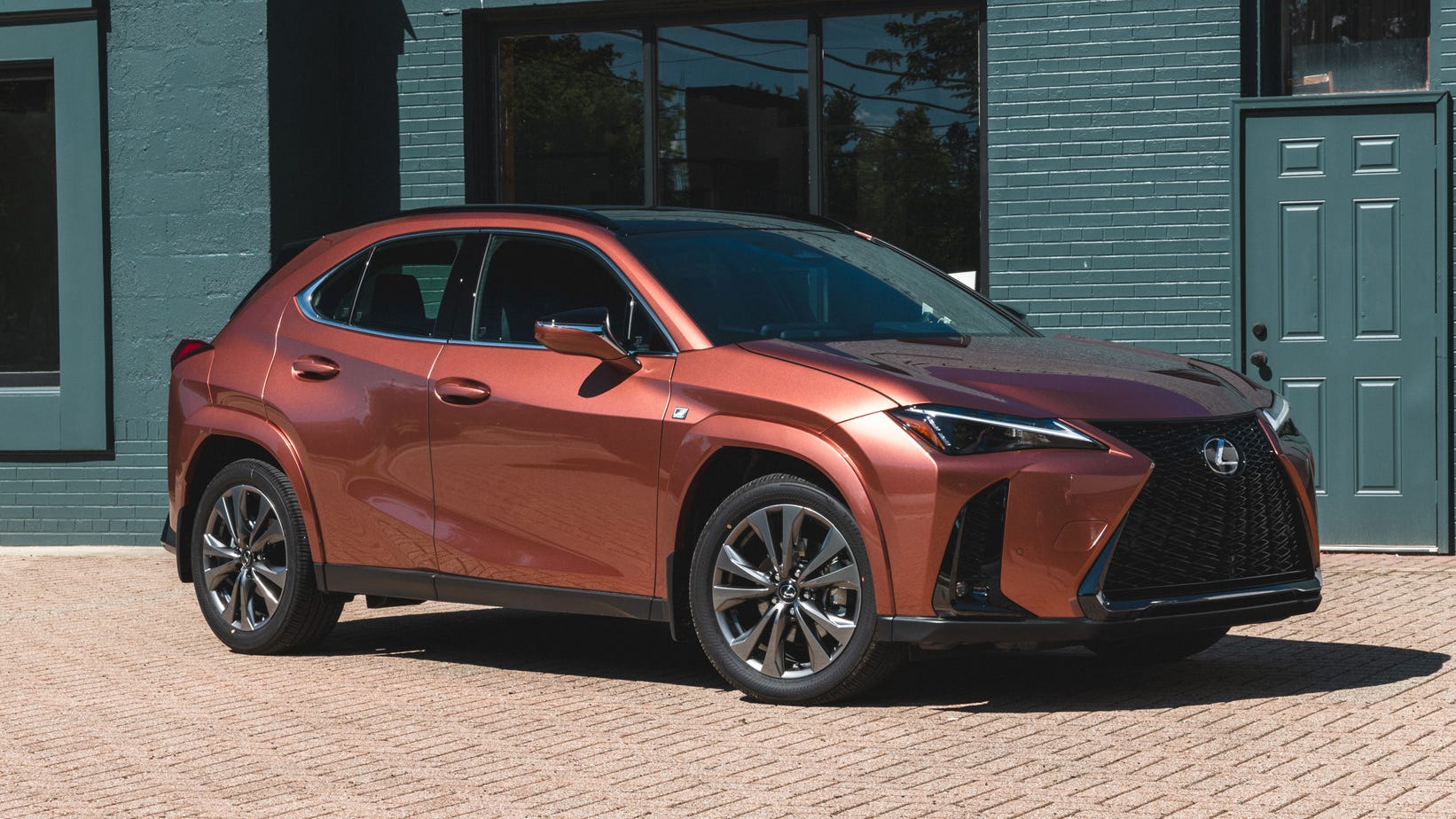
The UX is small, about the size of a compact hatchback. Parking is easy. Cargo room is limited, though. Tall rear passengers may feel tight. It suits solo commuters and couples best.
Performance is not the point. Acceleration is relaxed. The hybrid system favors smooth, quiet running. A sportier F Sport trim exists, with firmer handling. It still will not feel fast.
One important note on regular gas. Lexus lists 87 octane for this hybrid. That is not true for most of the range. Gas versions of the RX and NX lean toward premium. Check the fuel door label on the exact car you buy.
Best for drivers who want luxury and big mileage in a small package. Expect modest power. In return, you get a calm, efficient daily driver with a trusted badge.
3. Lincoln Nautilus
The Lincoln Nautilus is a comfort-first midsize SUV. It is built for quiet, easy driving. It runs on regular 87 octane in both gas and hybrid form. Road testers confirm both versions need only regular. Premium is listed as a recommendation for best performance. It is not a requirement.
The base engine is a turbocharged 2.0-liter four-cylinder. It makes 250 horsepower and 280 lb-ft of torque. An eight-speed automatic and all-wheel drive come standard. The EPA rates it at 21 city, 29 highway, and 24 combined mpg. Lincoln notes its power numbers use premium fuel. Real-world gaps on regular are likely small.
The hybrid uses the same engine with a larger turbo and an electric motor. Reviewers list about 310 horsepower and 295 lb-ft of torque. Lincoln’s own spec sheet shows a lower combined figure, so quotes vary. Fuel economy jumps to 30 mpg combined. Consumer Reports saw 30 mpg in its own testing. The hybrid costs about $3,000 more. One review pegs the savings near $500 a year.
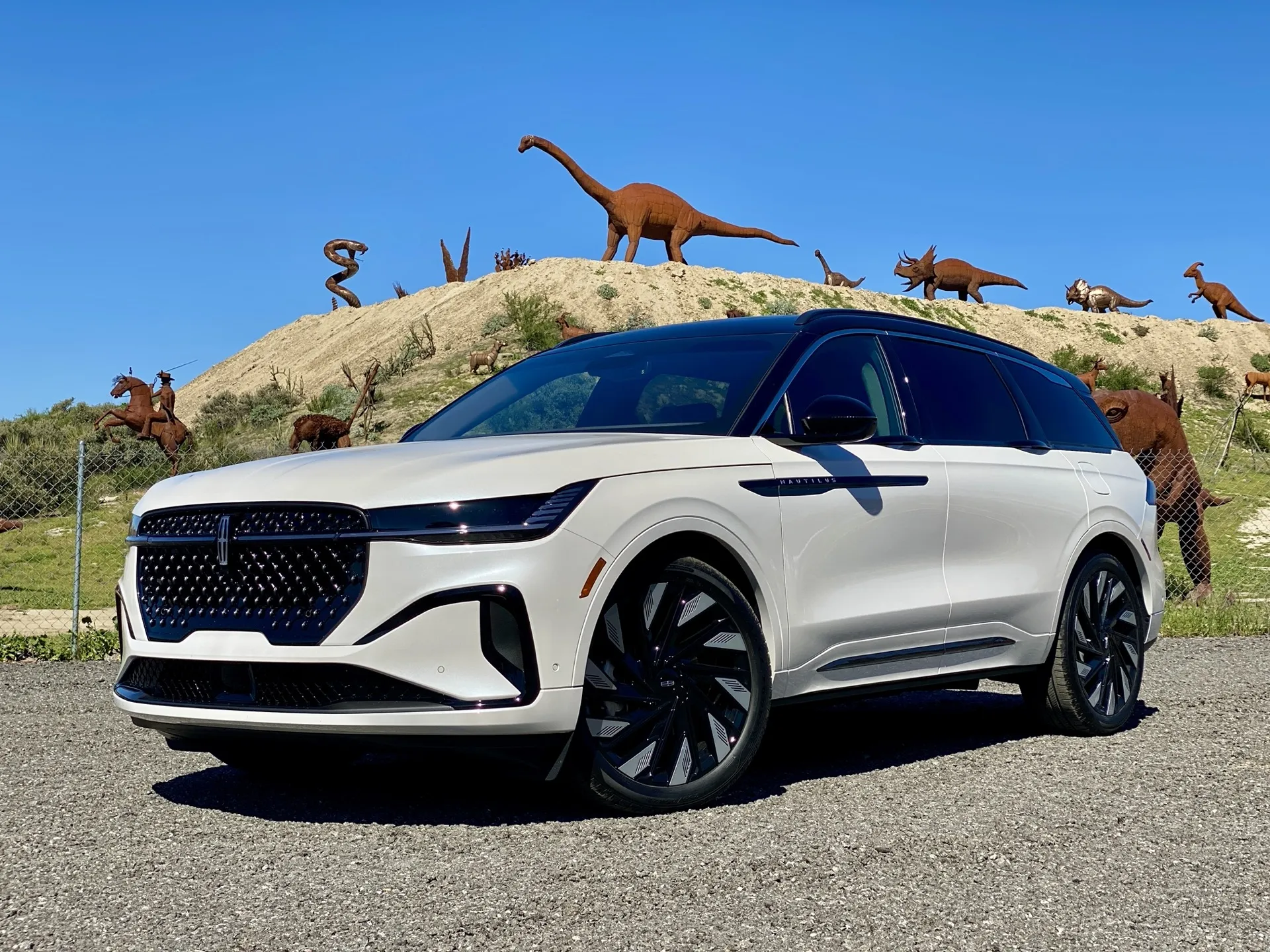
The Nautilus measures about 193 inches long. The wheelbase is roughly 114 inches. It carries a 20-gallon tank. Cargo space is about 35 cubic feet with the seats up. Towing tops out at 1,750 pounds. This is not a hauler. It is a lounge on wheels.
Inside, a huge screen dominates the dashboard. Black Label trim adds 24-way massaging front seats and a 28-speaker Revel audio system. Pricing varies by trim, starting in the mid-$50,000s. Some listings show higher starting prices. Lincoln assembles the Nautilus in China. Some buyers will want to know that.
Best for buyers who value a soft ride and a hushed cabin. The hybrid is the smart pick for high-mileage drivers. Both versions keep the pump bill friendly.
4. Alfa Romeo Tonale
Alfa Romeo brings Italian style to the regular pump. Whichever Tonale you pick, it takes 87 octane. Alfa dropped the plug-in hybrid recently. The gas-only version remains. It uses a turbocharged 2.0-liter four-cylinder. All-wheel drive is standard.
Output is about 256 horsepower and 295 lb-ft of torque. A nine-speed automatic handles the shifts. The EPA rates it at 24 mpg combined. That is average for the class. Expect a sporty feel, with quick steering and firm handling.
The Tonale is close in size to the Audi Q3. It sits low and wide for a small SUV. The cabin has a driver-focused layout. Rear space is tight for adults. Cargo room is fine for weekend trips. It is a car for people who care about looks.
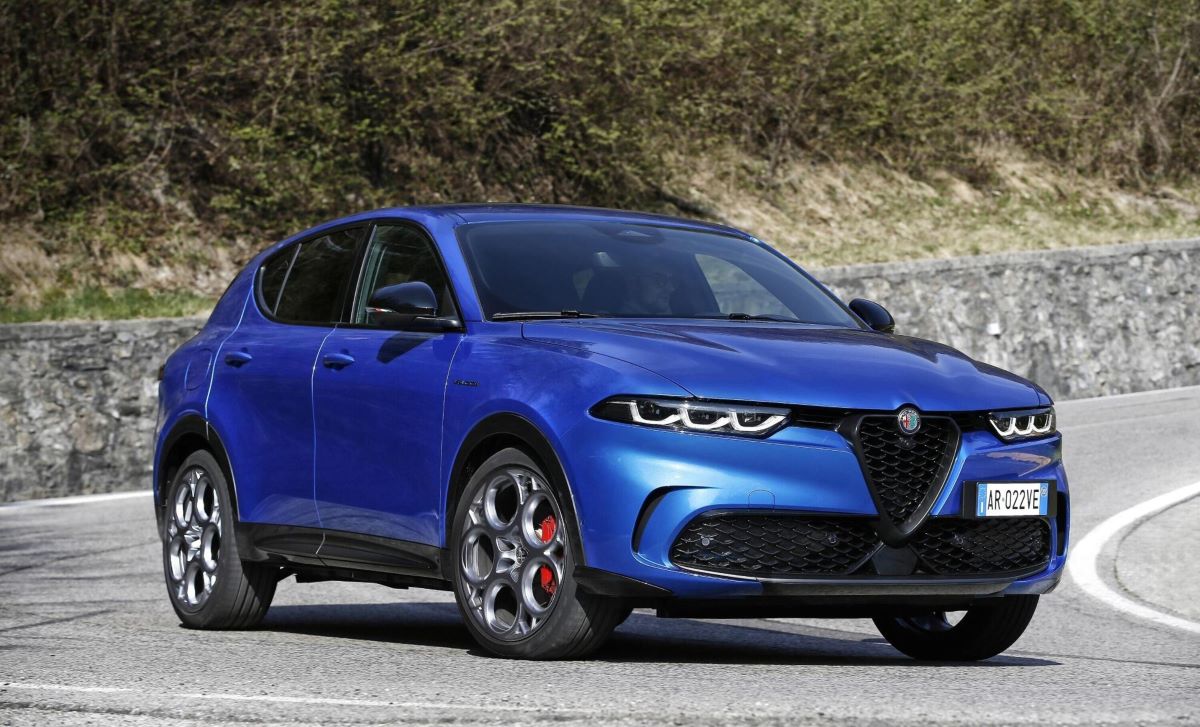
The fuel math is simple. At 24 mpg and 12,000 miles, you use about 500 gallons a year. Regular instead of premium saves roughly $250 to $500. That adds up over a lease or a loan. The Tonale gives you a rare Italian badge without the premium tax.
Ownership needs some thought. Alfa’s dealer network is smaller than Lexus’s or Audi’s. Servicing may take more planning in some regions. Check service options near you before buying. A pre-purchase warranty review is wise.
The plug-in version is gone, so there is no hybrid option now. That limits the efficiency story. The gas model is the one to consider. It is still a fun small SUV.
Best for drivers who want style and a lively feel. Skip it if you need rear-seat space or a huge dealer network. If personality matters most, the Tonale delivers.
5. Lincoln Navigator
The Navigator is a true full-size luxury SUV. It is surprising that it does not require premium. Its twin-turbocharged 3.5-liter V6 is shared with the Ford Expedition. Lincoln says regular is acceptable. It also says premium is preferred for maximum performance. You can fuel it with regular.
Lincoln lists about 440 horsepower and 510 lb-ft of torque. Ford’s spec sheet shows 432 horsepower on premium fuel. Numbers vary by source, so treat them as close. A 10-speed automatic and four-wheel drive are standard. Towing capacity reaches 8,700 pounds. That rivals many trucks.
Size is the real story. The standard Navigator is 210 inches long. The long-wheelbase Navigator L stretches to 221.9 inches. Width is 80 inches without mirrors and 94.6 with them. Seating is for seven or eight. Third-row space is usable for adults.
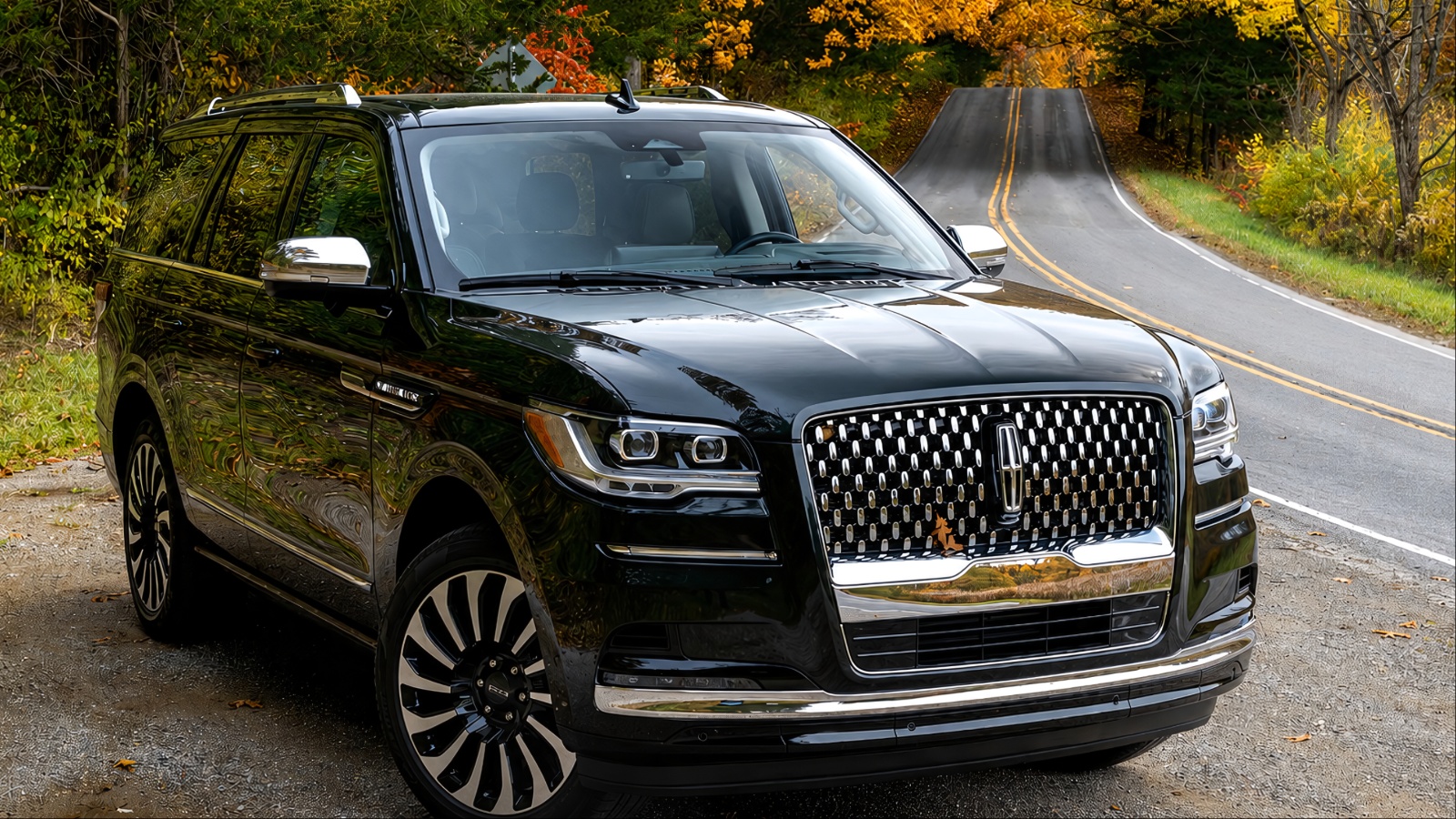
Fuel economy is not a strength. The EPA rates it at 15 city, 22 highway, and 17 combined mpg. At 12,000 miles a year, that is about 706 gallons. Regular instead of premium can save roughly $350 to $700 a year. That is the biggest dollar saving on this list. The long-wheelbase tank holds about 27.8 gallons.
Lincoln’s V6 outpaces the standard V8 in the Cadillac Escalade on torque. The Escalade’s 6.2-liter V8 makes 420 horsepower and 460 lb-ft. The Navigator’s 510 lb-ft is stronger. It gets there with less displacement. That is a nice flex for a Lincoln.
Pricing starts in the mid-$90,000s. Black Label trims run well above $120,000. Adaptive suspension keeps the ride composed. Best for families and towing needs. It is a big, quiet, comfortable machine. The regular-gas allowance helps with a thirsty engine.
6. Lincoln Aviator
The Aviator is the Navigator’s smaller sibling. It is a three-row midsize SUV with a twin-turbo V6. Lincoln leans on Ford’s powertrain bin here. That helps explain why regular is allowed. Premium is preferred for best performance.
Lincoln lists 400 horsepower and 415 lb-ft of torque from the 3.0-liter V6. Some reviewers cite 383 horsepower for 2026. The difference comes from emissions changes. Either way, it is strong for the class. A 10-speed automatic is standard.
Rear-wheel drive is standard in some trims. Lincoln’s all-wheel drive is available. The EPA rates the RWD model at 18 city, 25 highway, and 21 combined mpg. AWD drops to 17, 25, and 20. Towing is rated at 5,000 pounds. The Aviator is about 199.7 inches long.
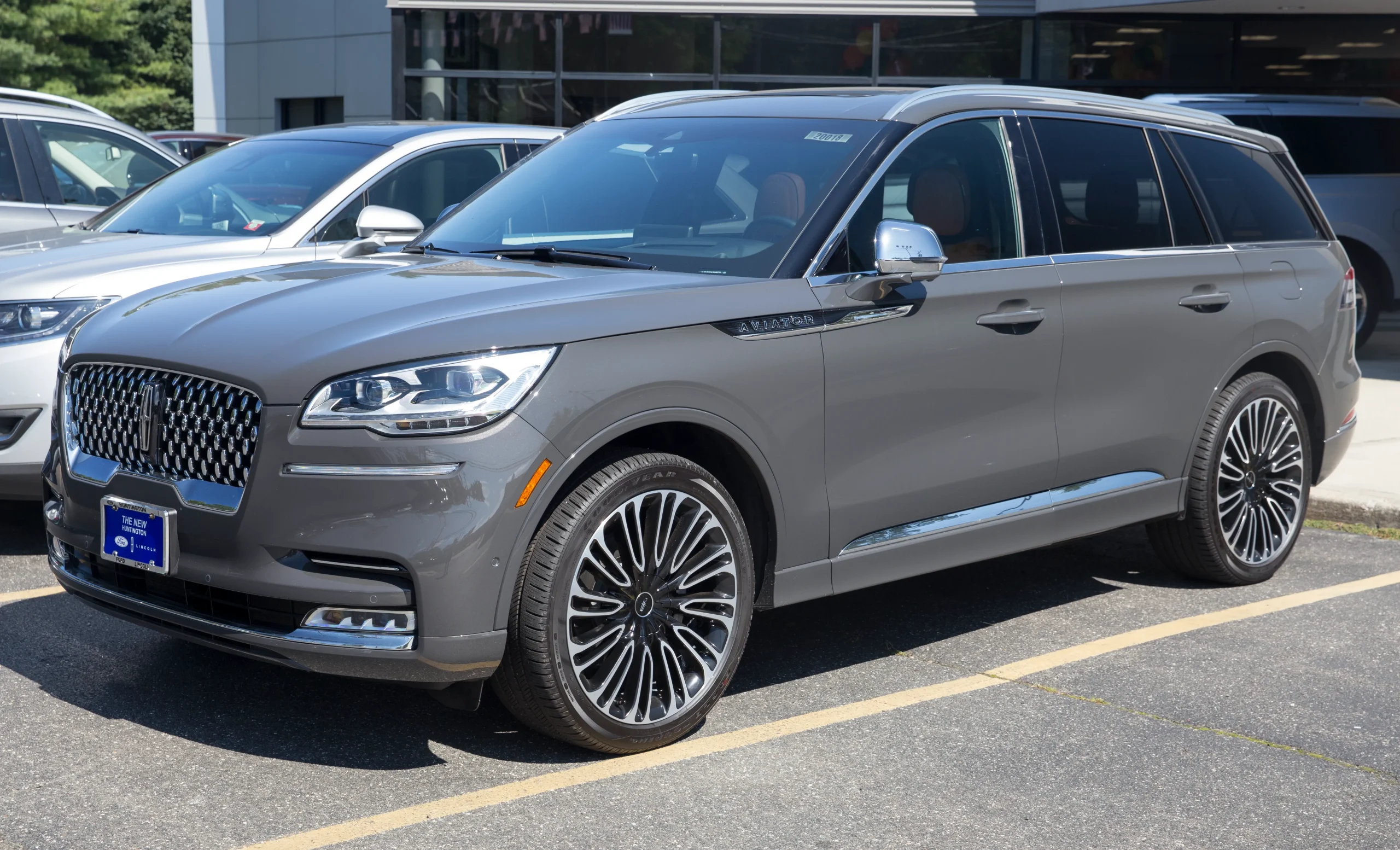
Run the numbers. At 20 mpg and 12,000 miles, you burn about 600 gallons. Regular instead of premium saves roughly $300 to $600 yearly. That is real money over a lease. It makes the Aviator’s strong power cheaper to enjoy.
The cabin is plush and calm. Adaptive suspension filters out road noise. A 13.2-inch touchscreen leads the dash. Second-row captain’s chairs are available. The Premiere trim starts near $56,000 by one estimate. Higher trims climb fast.
There is one note on the model line. Lincoln has had a plug-in Grand Touring version in past years. That variant is not the main story now. The V6 gas model is the one to buy. Best for families who want power and space. It is cheaper than a Navigator. You still get strong acceleration. Regular fuel keeps the bills in check.
7. Lincoln Corsair
The Corsair is Lincoln’s small luxury SUV. It is built on Ford Escape underpinnings. That is why it runs on regular 87 octane. Lincoln says regular is required at minimum. Premium is recommended for best performance and longevity. This is true for both gas and plug-in versions.
The standard engine is a turbocharged 2.0-liter four-cylinder. It makes about 250 horsepower and 280 lb-ft of torque. An eight-speed automatic and all-wheel drive are standard on the gas model. The plug-in Grand Touring uses a 2.5-liter Atkinson-cycle four-cylinder with electric motors. Fuel economy ranges from 24 to 33 mpg, depending on the version.
Dimensions are compact. The Corsair is about the size of an Audi Q5. It feels quiet and relaxed on the road. Seats are comfortable. The ride favors comfort over sport. It is not a driver’s car. It is a calm daily companion.
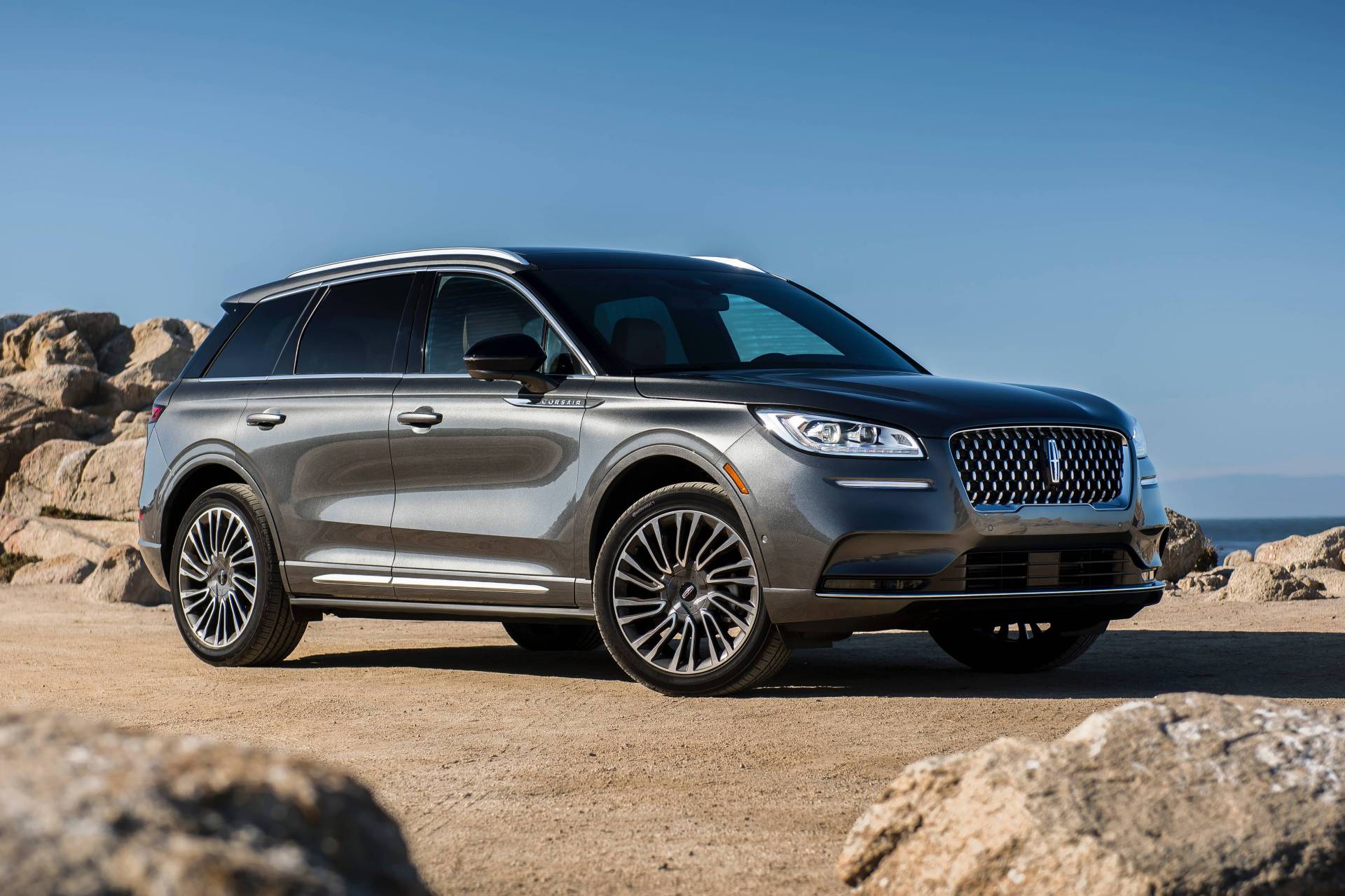
An important note for shoppers. Road testers report that Corsair production has wrapped up. The model is “not long for this world.” Dealer stock may still exist. Pricing can be attractive on leftover units. Check what is available near you.
The fuel math is friendly. At 24 mpg and 12,000 miles, you use 500 gallons yearly. Regular saves roughly $250 to $500 versus premium. The plug-in can save even more if you charge at home. Short trips can run on electric power.
Build quality is solid. The cabin has soft materials and a clean layout. Infotainment is easy to use. Warranty coverage is similar to other Lincolns. Best for buyers who want a small, quiet luxury SUV at a good price. Act fast if you want one new. It is a bargain among compact luxury crossovers.
8. Lexus ES
The Lexus ES is the old-school luxury sedan on this list. For years, the entire ES lineup has taken regular gas. That includes the ES 250, ES 350, and ES 300h. Lexus guidance shows 87 octane for all three.
The ES 350’s 3.5-liter V6 makes 302 horsepower and 267 lb-ft of torque. The ES 250 uses a 2.5-liter four-cylinder with about 203 horsepower. The ES 300h hybrid makes roughly 215 horsepower. Fuel economy ranges from about 25 to 44 mpg combined. The hybrid is the efficiency star.
Lexus redesigned the ES for 2026. It introduces an electric version and a new hybrid, the ES 350h. Road testers expect the new hybrid to use regular. Lexus has not confirmed that to them. If you want certainty, buy the outgoing model. Or confirm the fuel label on any new car.
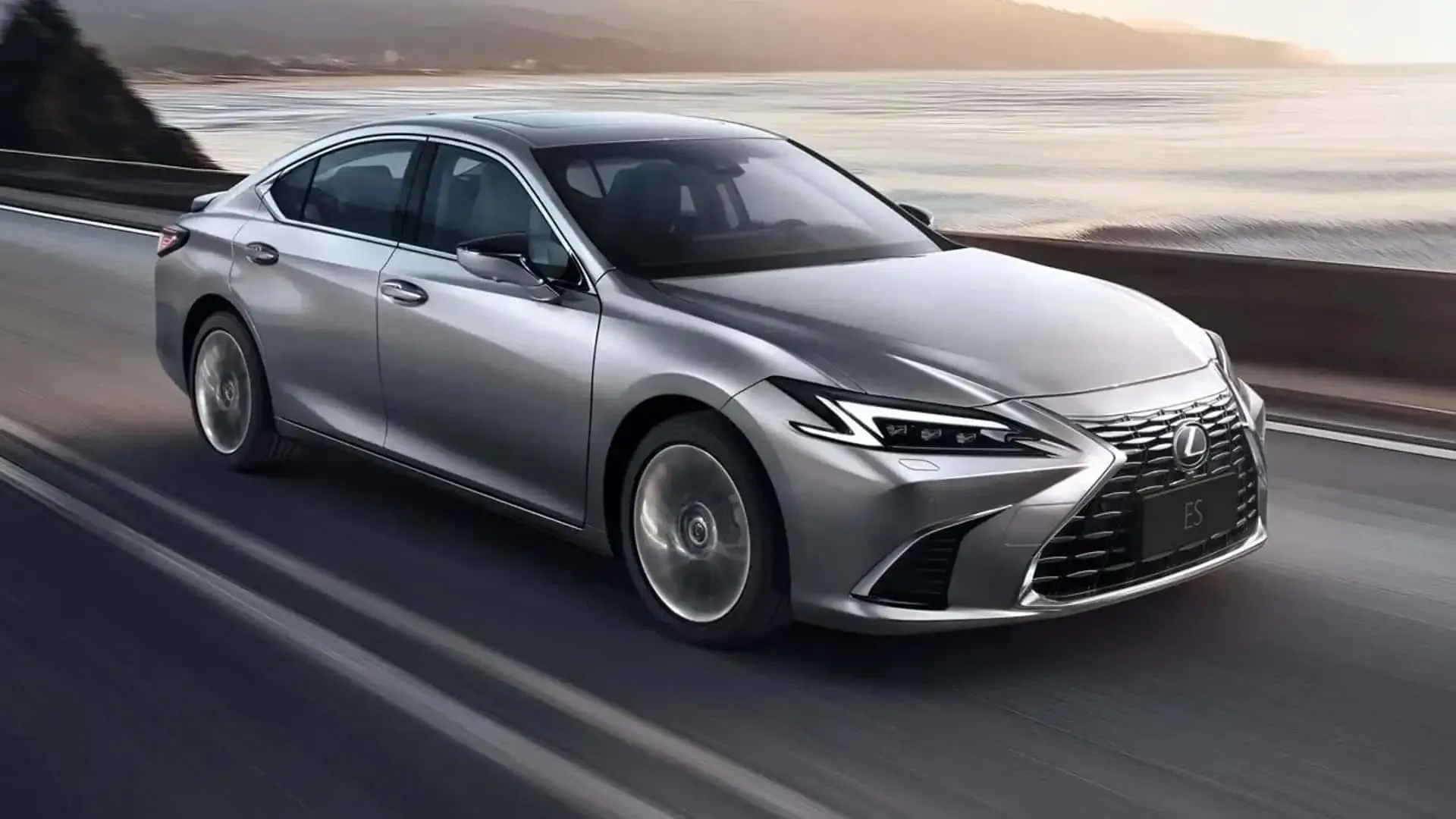
The ES is about 196 inches long. It is a roomy front-drive sedan. The ride is smooth and quiet. Rear space is generous. The trunk is large. It is a calm commuter more than a sports sedan.
Fuel savings depend on the engine. At 25 mpg, the V6 uses about 480 gallons for 12,000 miles. Regular saves roughly $240 to $480 yearly. The hybrid at 44 mpg uses only about 273 gallons. That is a tiny fuel bill for a luxury sedan.
Lexus has a strong name for dependability. Used examples are popular for that reason. Check records before buying any older car. Best for drivers who want a quiet, comfortable sedan with low running costs. The hybrid is the standout. The V6 is a smooth alternative.
9. Cadillac XT5 (3.6L V6)
The Cadillac XT5 comes with two engines. Only one is a regular-gas pick. The base 2.0-liter turbo four requires premium. The 3.6-liter V6 is content with regular. That is the version to look for.
The V6 makes about 310 horsepower and 271 lb-ft of torque. It is a naturally aspirated engine. That means smooth, linear power. There is no turbo lag. Some drivers prefer that feel. It is also simpler than a turbo.
Fuel economy is average. The EPA rates the V6 at 21 mpg combined. At 12,000 miles a year, you burn about 571 gallons. Regular instead of premium saves roughly $285 to $570 a year. That is the argument for choosing the V6 over the turbo.
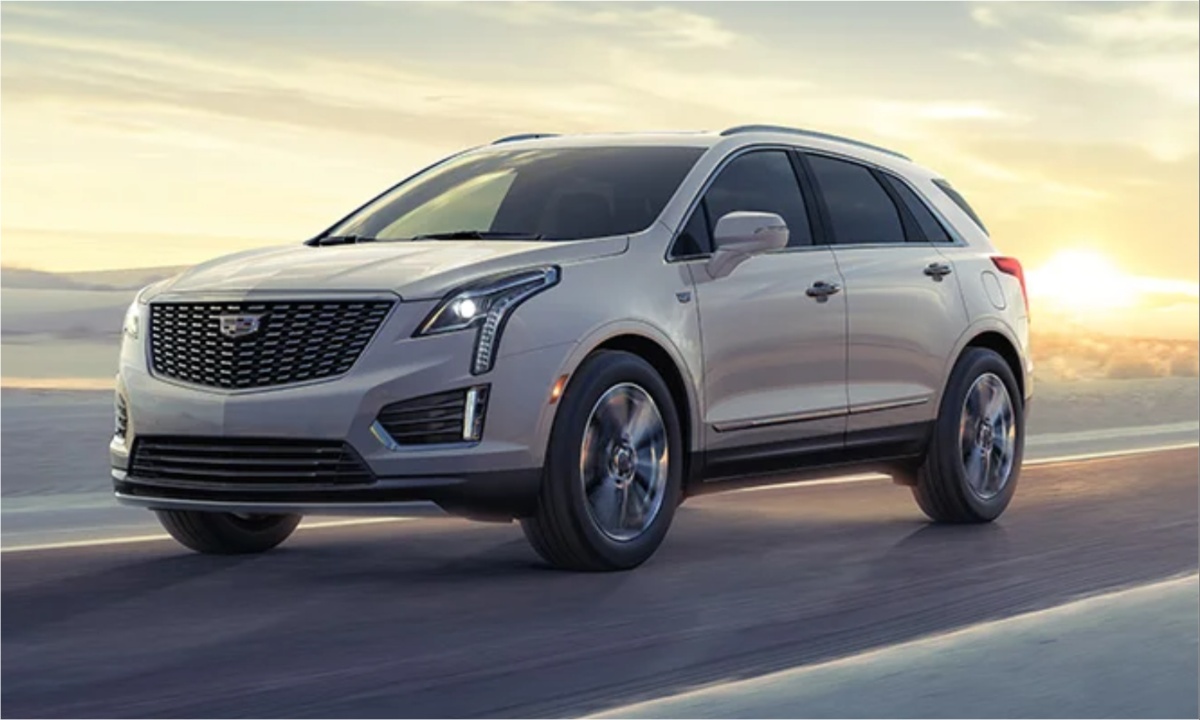
Road testers call the XT5 dated. It is not their first choice for a compact luxury SUV. The interior and tech trail newer rivals. Still, the cabin is comfortable. Ride quality is soft. Used and discounted examples can be strong values.
Fuel guidance has caused confusion online. Some lists say the XT5 needs premium. That is true only for the turbo four. Always confirm the engine before assuming. The V6 badge or a quick VIN check helps.
Ownership is simple. The V6 is a proven design. It has fewer parts than a turbo setup. Maintenance costs are usually moderate. Check service records on any used example.
Best for buyers who want traditional American luxury at a fair price. The V6 gives smooth power and regular-fuel savings. It is a good pick if you do not need the latest tech.
10. Buick Enclave
The Buick Enclave is a near-luxury three-row SUV. Buick is not a full-blown luxury brand. Still, pricing and packaging put it in this conversation. Its turbo four-cylinder is shared with the Chevrolet Traverse and GMC Acadia. That explains why it runs on regular gas.
The 2.5-liter turbo four makes about 328 horsepower and 326 lb-ft of torque. An eight-speed automatic handles the gears. Front-wheel drive is standard. All-wheel drive is available. The EPA rates fuel economy at 21 to 22 mpg combined.
That is solid for a three-row SUV. At 21.5 mpg and 12,000 miles, you use about 558 gallons. Regular instead of premium saves roughly $280 to $560 yearly. The Enclave is one of the more affordable ways to get a quiet, plush family hauler.

The cabin is nicer than its Chevy and GMC cousins. Materials feel richer. The ride is soft and hushed. Buick focuses on quiet. Noise isolation is a strong point. Third-row space is usable for kids and smaller adults.
Cargo space is large with the rear seats folded. The Avenir trim adds more luxury touches. Pricing sits below true luxury rivals. That is a key part of the appeal. You get space, comfort, and low fuel costs.
It is not a sporty SUV. The Enclave is built for easy highway miles. Steering is light. Handling is safe and relaxed. If you want driver feedback, look elsewhere.
Best for families who want a quiet, comfortable three-row without a luxury price. Regular fuel keeps costs down. It is a smart middle path between mainstream and premium.