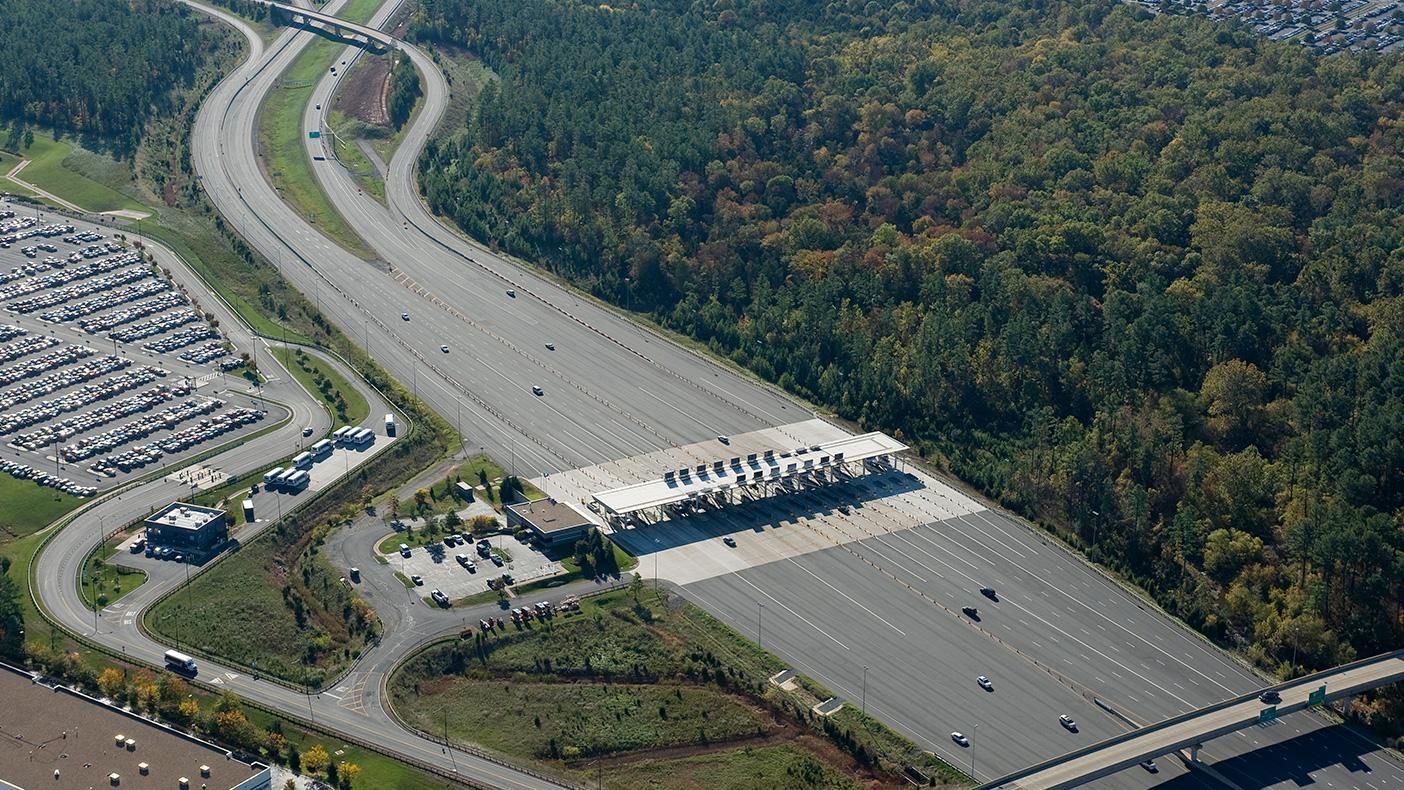
Tolls in America are not one story. They are fifty stories, each written by a different agency with a different bill to pay. Some roads charge pennies per mile. Others charge a small fortune for one drive.
This list ranks full end-to-end trips for a standard two-axle passenger car. used published rate schedules, agency announcements, and a late-2025 end-to-end price comparison. Then checked each road against 2026 updates where I could find them.
Two rules shaped the ranking. Count the full length of each road, not bridges, tunnels, or short express lanes. I also rank by the price paid without a transponder, since that is what an unprepared driver pays.
The results are surprising. One road costs about three times more than its nearest rival. Two others make the list mostly because they are long, not because they are steep per mile. One is only 47 miles long and still lands in the top seven.
Prices move every year, and several roads raised rates in 2026. Treat every figure as a close snapshot, not a quote. Always check the agency’s own calculator before a long trip. Here is the list, from the top.
1. Pennsylvania Turnpike: about $120 by plate, about $60 with E-ZPass
The Pennsylvania Turnpike is in a class of its own. Nothing else in America comes close for an end-to-end drive. A full trip from the Ohio line to the New Jersey line costs about $120 without a transponder. With E-ZPass, the bill is roughly half.
A late-2025 comparison listed $120.74 by plate and $60.27 with a pass. The 4 percent increase on January 4, 2026 pushed those numbers higher. Local reports put the 2026 trip near $62.54 with E-ZPass and $119.57 by plate. Exact totals shift a little with your entry and exit points.
The road runs about 360 miles. At the plate rate, that is around 33 cents a mile. The New York Thruway, at 570 miles, works out to about 7 cents a mile. That gap is the whole story of this list.
So why is it so costly? The answer sits in a 2007 state law known as Act 44. It requires the Turnpike Commission to send large yearly payments to the state transportation department. The money supports roads and transit across Pennsylvania. Turnpike drivers are, in effect, funding much more than their own pavement.
The commission has raised tolls for 18 years in a row. The 2026 increase was 4 percent, the smallest since 2014. In July 2026, commissioners voted for another increase, due January 3, 2027. Expect the full-trip price to keep climbing.
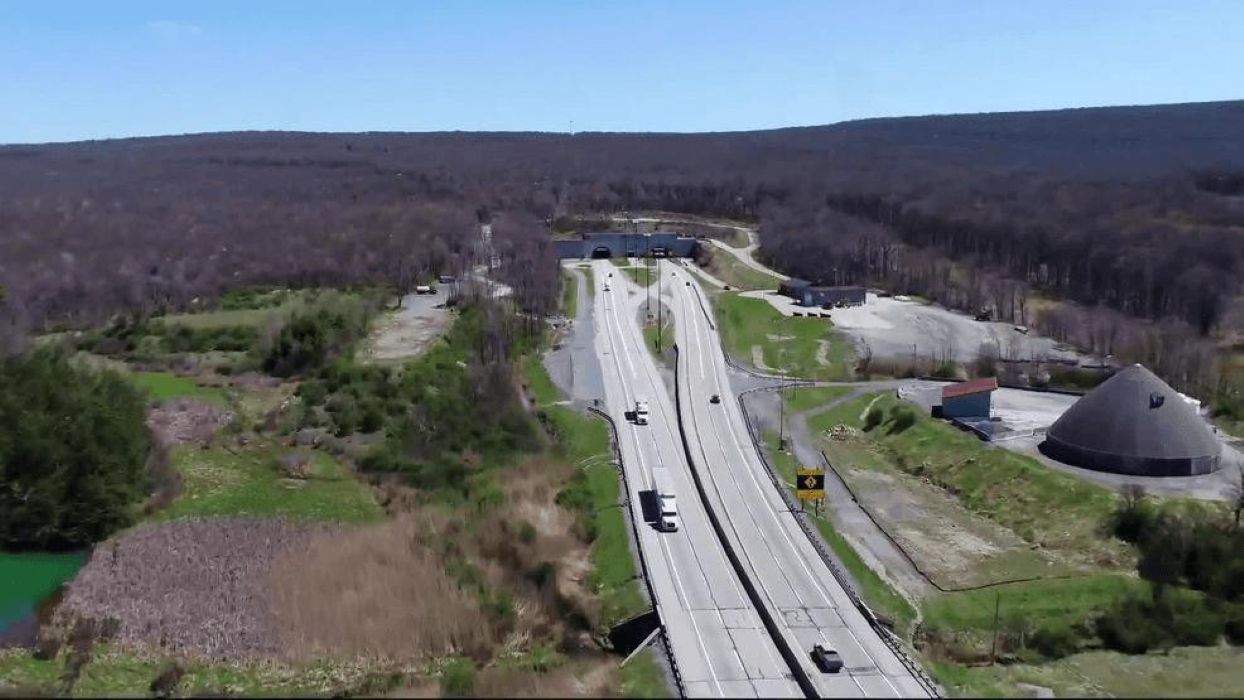
The commission defends its rates. It says its E-ZPass prices sit below the national per-mile average. It also says about 85 percent of drivers use E-ZPass. Those drivers pay the lower rate, so the typical bill is far below the headline plate price.
The most common passenger toll in 2026 is $1.94 with E-ZPass and $3.88 by plate. The most common tractor-trailer trip is $24.12 with E-ZPass and $48.24 by plate. The plate penalty doubles everything.
The Turnpike is also a landmark. It opened in 1940 and earned the nickname “America’s First Superhighway.” It crosses the Appalachians and passes through mountain tunnels. It is a real piece of road history.
Today the road is cashless. Open road tolling arrived east of Reading and on the Northeast Extension in January 2025. Western Pennsylvania is still being converted, with completion expected around 2027.
The practical lesson is simple. Get E-ZPass before you enter. Without it, a cross-state drive can cost as much as a cheap flight. Some drivers who receive a plate bill have been offered the lower rate when opening a new account. That offer is not guaranteed.
2. New York State Thruway: about $40 by plate, about $23 with E-ZPass
The Thruway is the longest road on this list and the second most expensive. A late-2025 comparison put the full 570-mile trip at $39.66 by plate. With a pass, it was $22.66. That is about 7 cents a mile at the plate rate.
The 570 miles count every section. The mainline runs 426 miles from New York City to Buffalo. The Erie Section adds 70 miles from Buffalo to the Pennsylvania line. Other connecting sections make up the rest.
Almost nobody pays the full amount. Few people drive the whole system in one go. Most trips are short hops between a few exits. The headline number matters less than the per-mile rate.
The rate is not cheap, though. The Thruway raised tolls by 5 percent in 2024. It also widened the gap for drivers without a New York E-ZPass. Tolls by Mail now run 75 percent above New York E-ZPass rates.
There is a catch for out-of-state drivers. The Thruway’s own schedules group “Non NY E-ZPass” with Tolls by Mail. A New Jersey or Pennsylvania tag may not earn the New York discount. Check before you assume otherwise.
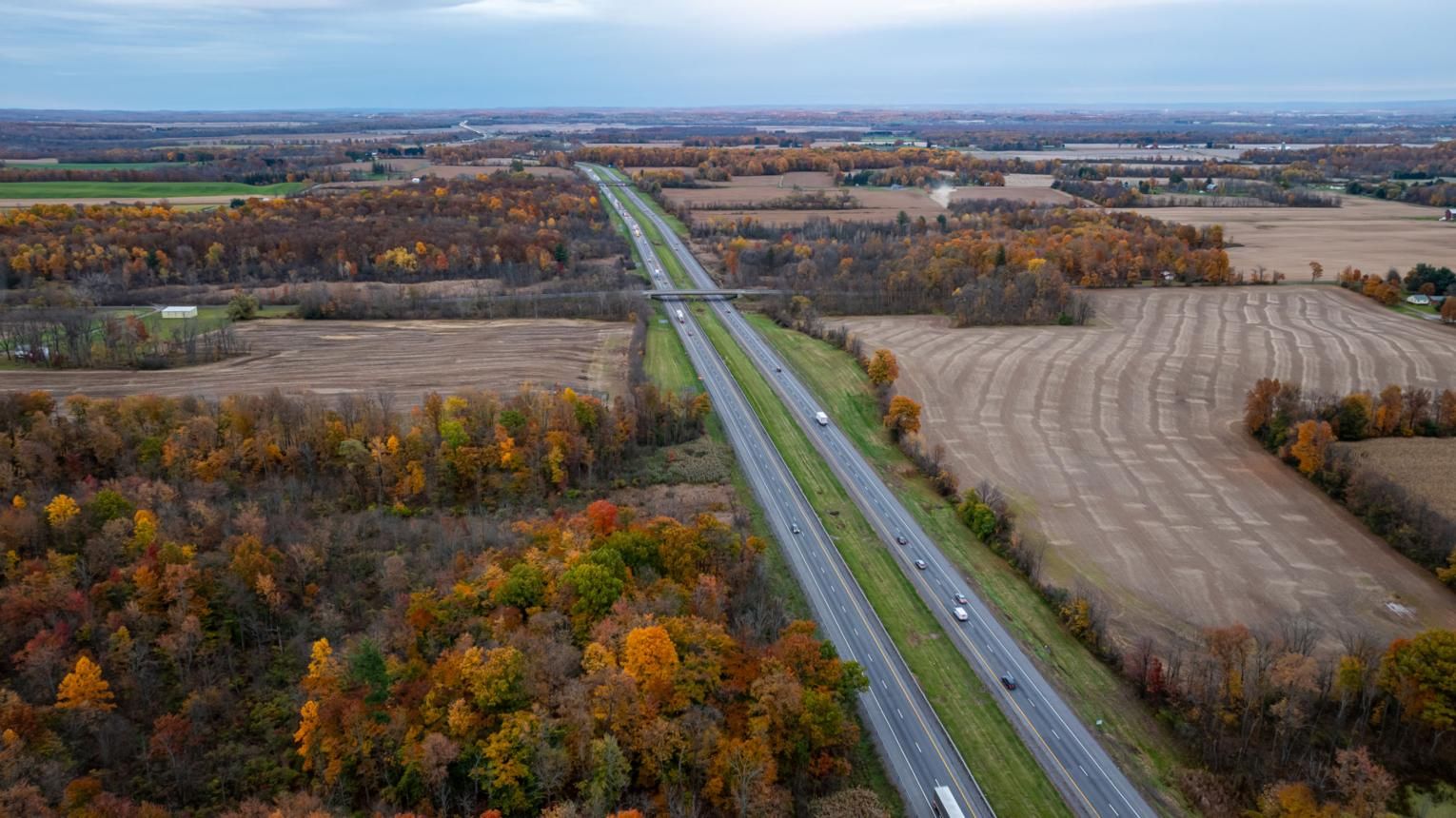
The Thruway board approved a $2.8 billion capital plan for 2026 to 2030. It held rates flat in 2026, apart from a 50-cent round-trip increase at the Governor Mario M. Cuomo Bridge. The next scheduled increase is 5 percent on January 1, 2027. That would lift the New York E-ZPass rate from about 4.7 to 4.9 cents a mile.
The Thruway is also a money machine. About 338 million vehicles used it in 2024. They generated roughly $1.1 billion in toll revenue. The authority says it receives no dedicated federal, state, or local tax dollars.
That fact explains the pricing. The Thruway is user-fee supported. Every repaving job, bridge repair, and plow truck is paid for at the toll gantry. Heavy winters and heavy traffic make that bill large.
The authority dates to 1950. The road is officially named for Governor Thomas E. Dewey. It carries stretches of I-87, I-90 and I-287. It links New York City to Albany, Syracuse, Rochester, and Buffalo.
For most drivers, the best move is a New York E-ZPass. Commuter and annual permit programs also exist for frequent users. If you drive the Thruway rarely, the cost is easy to absorb. If you drive it weekly, it adds up fast.
3. Texas State Highway 130: about $27 by plate, about $19 with a tag
Texas 130 is the surprise of the list. It is only 91 miles long, yet a full drive from Georgetown to Seguin costs $27.01 without a tag. With a tag, it costs $19.19. Those rates took effect on November 11, 2025. That is about 30 cents a mile without a tag and 21 cents with a tag.
The road is really two roads. Segments 1 to 4 run 49 miles from I-35 in Georgetown to US 183 southeast of Austin. TxDOT operates them. Segments 5 and 6 run about 41 miles from Mustang Ridge to I-10 in Seguin. A private company operates them.
That private stretch explains the high price. The SH 130 Concession Company signed its deal with TxDOT in March 2007. The agreement runs 50 years from opening. The company built the road without state money and opened it in 2012. In return, it collects tolls under rates written into the contract.
Those rates rise each year. The latest annual adjustment added roughly three-quarters of a penny per mile for light vehicles. The company says the rates were set in the original concession agreement. The state does not reprice the road year to year.
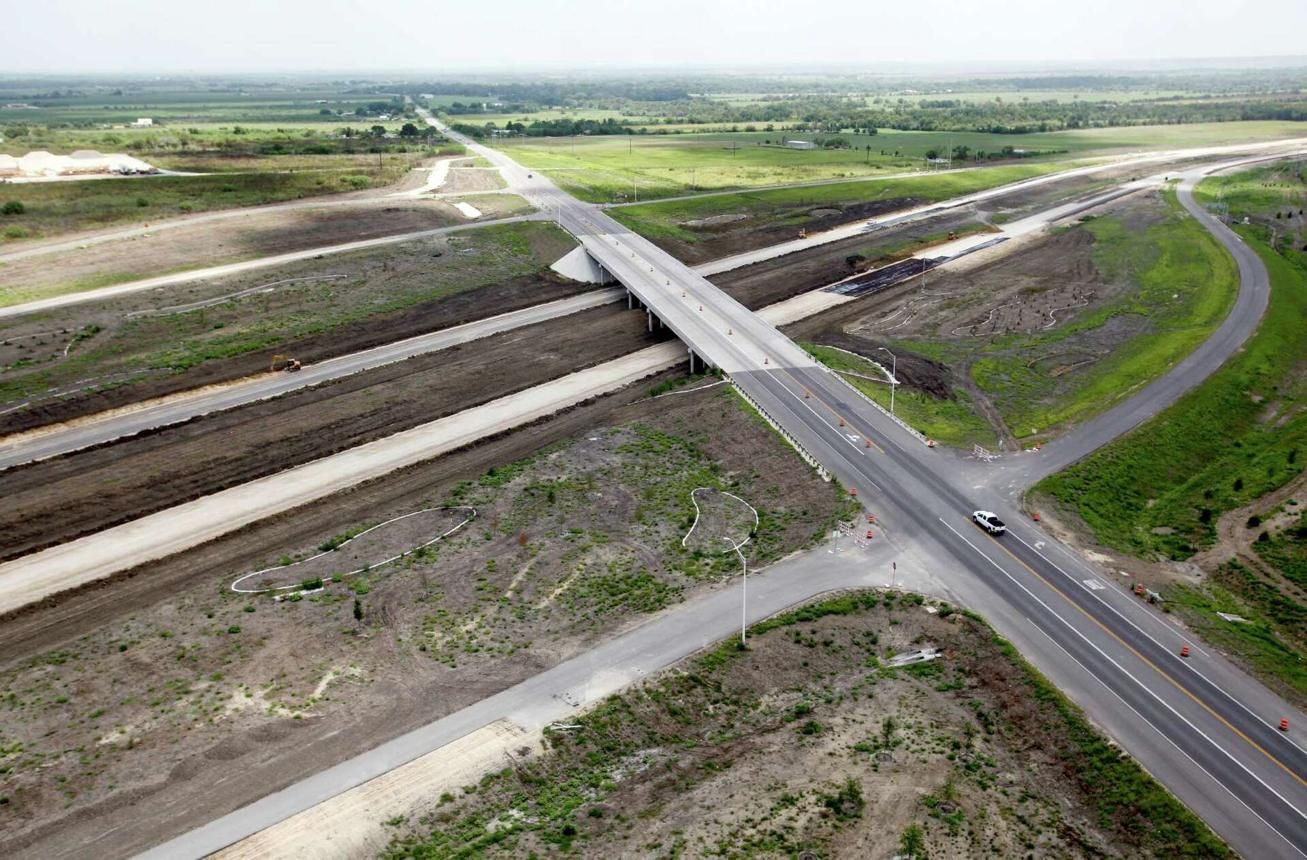
The project has a rocky financial past. Traffic fell short of early forecasts, and the concession company filed for bankruptcy protection in 2016. Strategic Value Partners has been the majority owner since 2017. The road is publicly owned but privately run.
The southern segments carry a famous number. The speed limit is 85 mph. That is the highest posted limit in the nation. Tolling is all-electronic and open road, so nobody slows for booths.
The road was built to ease I-35 congestion through Austin. It does that well. Drivers heading from Georgetown toward San Antonio can bypass the city entirely. Whether that is worth $19 to $27 depends on the hour and the traffic.
A tag matters here. A TxTag or compatible tag saves nearly 30 percent over the plate price. Short trips are far cheaper than the full run. The SH 21 ramp, for example, costs $1.24 with a tag and $1.65 by mail.
TxDOT has also scheduled an oversize and overweight truck pilot on SH 130, beginning November 12, 2026. On the private segments, those permitted loads pay a higher class rate than standard trucks. The road is still changing.
4. Florida’s Turnpike: about $24 by plate, about $19 with SunPass
Florida’s Turnpike earns its spot through distance, not a steep rate. A late-2025 comparison listed $23.97 by plate and $19.05 with a transponder. Older official figures were lower, at $22.59 and $17.45. The gap shows how rates creep up over time.
Length depends on how you count. The mainline runs roughly 265 miles from Miami Gardens to Wildwood. With the 47-mile Homestead Extension, the system passes 308 miles. Some comparisons use about 312 miles. Check which stretch your quote covers.
The per-mile math is modest. Reports put the average at about 6.7 cents with SunPass and 8.7 cents by plate. That is close to the Thruway’s rate. Florida is on this list because the road is long and the tolls add up.
The turnpike opened on January 25, 1957. It carries the slogan “The Less Stressway.” It handles about 3 million customers a day. It runs past Miami, Fort Lauderdale and West Palm Beach. It then crosses I-4 in Orlando.
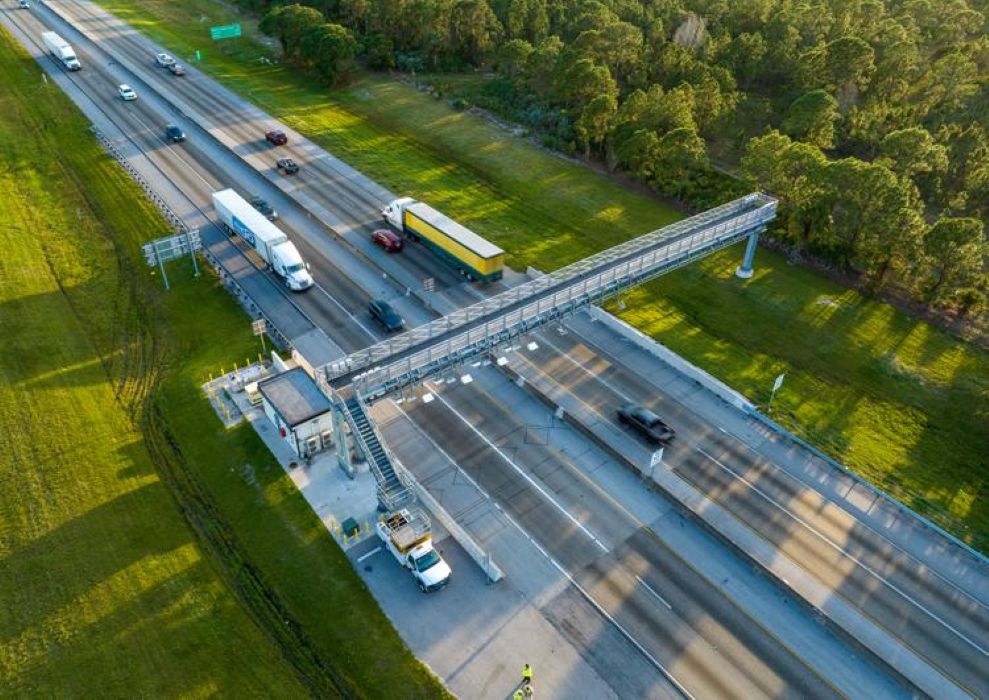
The mainline is now fully electronic. Cash is gone between Miami and Wildwood. You pay with SunPass, a compatible transponder or Toll-by-Plate. Plate users face a higher rate and reported administrative fees.
Toll points are scattered along the way. Barrier plazas and ramp tolls both apply. Reported plaza charges for cars run from about $1.16 to $4.13. A long drive crosses many of them. Each one looks small, but the total is not.
Out-of-state drivers should plan ahead. SunPass PRO works with the wider E-ZPass network. The basic SunPass Mini works in Florida, Georgia, Kansas, North Carolina, Oklahoma and Texas. Carrying the wrong tag can cost you the discount.
Reported figures put the SunPass savings at about 25 percent against plates. That is smaller than the 50 percent savings in Pennsylvania or Kansas. It still matters on a 300-mile drive.
A Miami-to-Orlando trip, about 235 miles, was listed at $15.75 with SunPass and $20.48 by plate in older figures. Orlando to the Tampa side via I-75 added about $5 more. Those are the trips most tourists actually take.
The turnpike passes Universal Studios Florida and runs beside wildlife areas near Fort Drum. It is a practical road, not a scenic one. For most drivers, the SunPass is the single best money decision here.
5. Kansas Turnpike: about $23 by plate, about $11 with K-TAG
Kansas shows how big a transponder discount can be. The full 236-mile trip from Kansas City to the Oklahoma line costs about $11.36 with K-TAG and $22.72 by plate under 2026 rate guides. A late-2025 comparison listed $22.92 and $11.46. Plate billing is exactly double.
The per-mile rates are 4.8 cents with K-TAG and 9.6 cents by plate. That is cheap with a tag and pricey without one. The road lands on this list because of the penalty, not the base rate.
The turnpike has a quick history. Builders started in December 1954 and finished in just 22 months. The goal was a safer link between Kansas City, Topeka and Wichita. It predates the interstate era. Today it carries parts of I-35, I-335 and I-70, and about 120,000 motorists a day.
Cash is gone. The turnpike went fully cashless on July 1, 2024. Toll booths came down, and bills now go to the address tied to your license plate. A guide reports a $25 administrative fee for tolls unpaid after 30 days. It also reports monthly interest on delinquent accounts.
Prices are about to rise. In August 2026, the Kansas Turnpike Authority approved a three-year increase. It starts September 1, 2026. Everyone pays at least 3 percent more, and commercial vehicles pay 4 percent more. A $12 trip rises by about 35 cents.
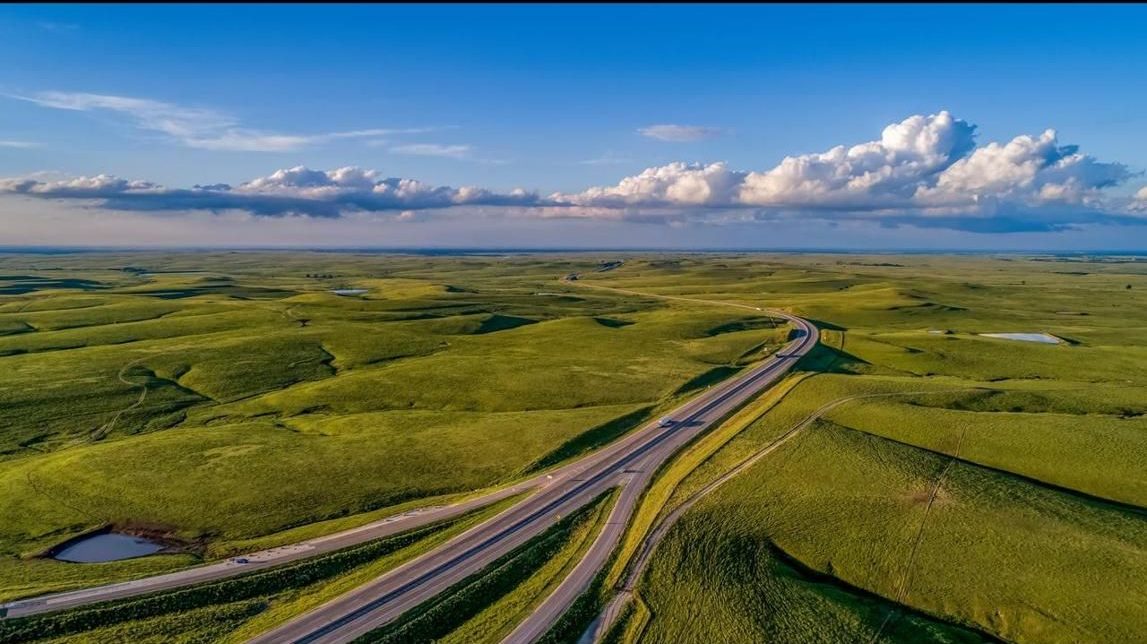
The money has a purpose. The authority is raising tolls to fund nearly $500 million of widening, facilities, technology and operations work. It says the changes will make the road safer and more efficient. Drivers are paying for the upgrades.
K-TAG is free. It is a windshield sticker, and you set it up on the DriveKS website. It works on other compatible systems, including Colorado, Oklahoma and Texas. E-ZPass does not work on the Kansas Turnpike. Florida’s SunPass is reported as compatible.
Kansas also opened a separate toll facility in 2026. The 69 Express Lanes opened in Overland Park on February 21. They cover about six miles of US-69 and use dynamic pricing. K-TAG rates ranged from $0.35 to $1.75 at opening. They are not part of the turnpike total.
Scenery helps soften the bill. Drivers cross the Flint Hills and pass near Tallgrass Prairie National Preserve. El Dorado Lake sits close to the road. It is a quiet, wide-open drive.
6. Ohio Turnpike: about $23 to $28 by cash or card, $16 to $19 with E-ZPass
The Ohio Turnpike is cheap per mile, yet it still makes this list. It is 241 miles long, so the total adds up. It links the Pennsylvania Turnpike on the east with the Indiana Toll Road on the west. It is the only toll road in Ohio.
The 2026 numbers depend on direction. Rates rose 2.7 percent on January 1, 2026. A westbound full trip costs $19 with E-ZPass and $27.75 by cash or card. An eastbound full trip costs $16 with E-ZPass and $23.50 by cash or card.
Why the difference? It comes from the Eastgate Toll Plaza near the Pennsylvania border. Westbound drivers pay a flat round-trip toll there. Eastbound drivers pay nothing at that plaza. The result is a higher westbound bill.
A late-2025 comparison listed $22.75 by cash and $15.50 with a pass. That fits the older rates. Using 2026 numbers, the westbound cash price would jump toward the top of this list. The eastbound price stays near sixth. Direction changes the ranking.
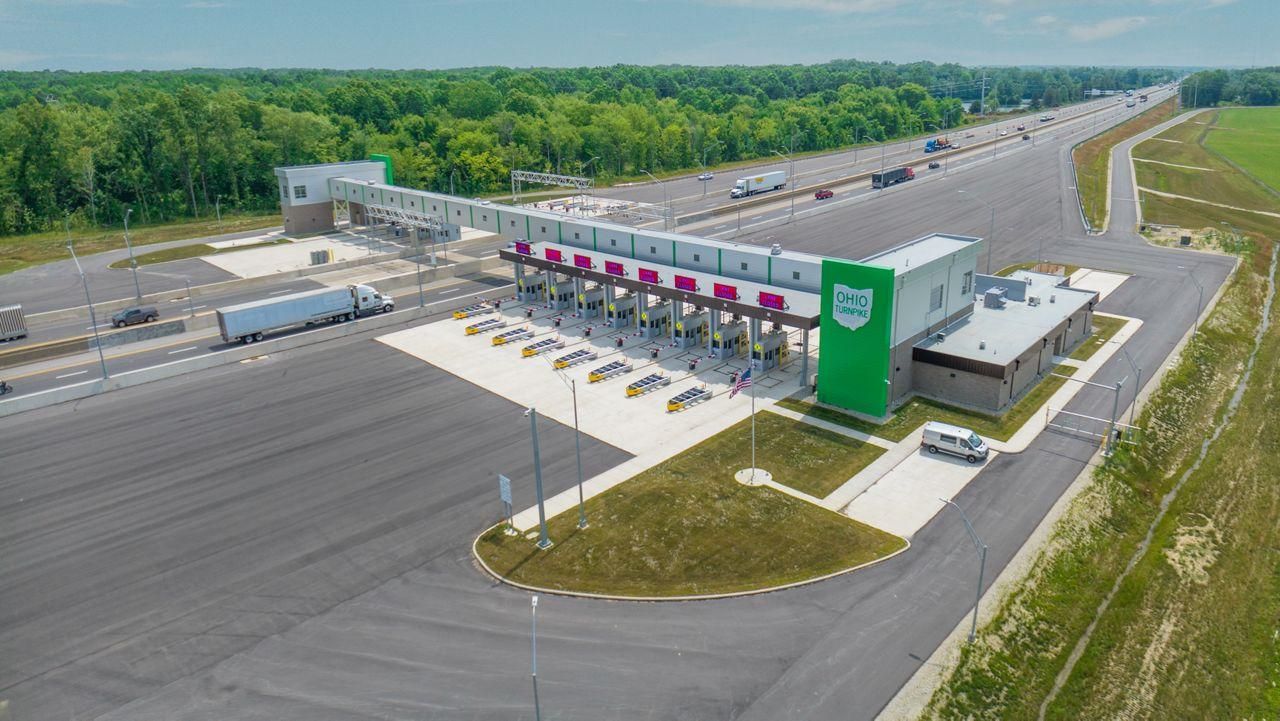
The per-mile rate is modest. E-ZPass passenger cars pay 7.3 cents a mile. Cash and card customers pay 10.6 cents. The commission says its rates rank among the lowest in the country. The numbers back that up. Length does the damage.
E-ZPass saves about 33 percent on average. Cash and cards are still accepted at plazas. That is unusual on a list full of cashless roads. Commercial trucks pay far more. A westbound Class 5 truck pays $58.75 with E-ZPass and $74 by cash or card.
The commission blames construction costs. It points to rising prices for asphalt, concrete and steel. It says the increases keep its financial plan stable. Another scheduled increase takes effect January 1, 2027.
The road has a proud story. It opened in 1955 after about 10,000 workers spent 35 months building it. About 56 million vehicles used it in 2024. That is more than five times its first-year traffic.
It also opens doors to side trips. Cedar Point’s roller coasters sit a short drive away on Lake Erie. Cuyahoga Valley National Park is close too. For many drivers, the turnpike is a crossing point, not a destination.
7. E-470, Colorado: about $22 by plate, about $14 with ExpressToll
E-470 is the shortest road here and the priciest per mile. It runs only 47 miles. A late-2025 comparison put the full trip at $22.25 by plate and $13.95 with a pass. That is about 47 cents a mile by plate and 30 cents with a pass.
Published figures vary. An older report put the pass price at $14.25 for the full length. Another guide shows a lower range. Plaza-based tolls make totals hard to pin down. Use the official calculator for your exact route.
The road is a semicircle east and south of Denver. It starts at I-25 in Lone Tree and ends at I-25 near Thornton. It then connects to Northwest Parkway. It was built in sections between 1991 and 2009.
The design is impressive. The speed limit is 75 mph. The road has 23 interchanges and 101 bridges. It gives easy access to Denver International Airport and Centennial Airport. Many drivers use it to avoid downtown congestion.
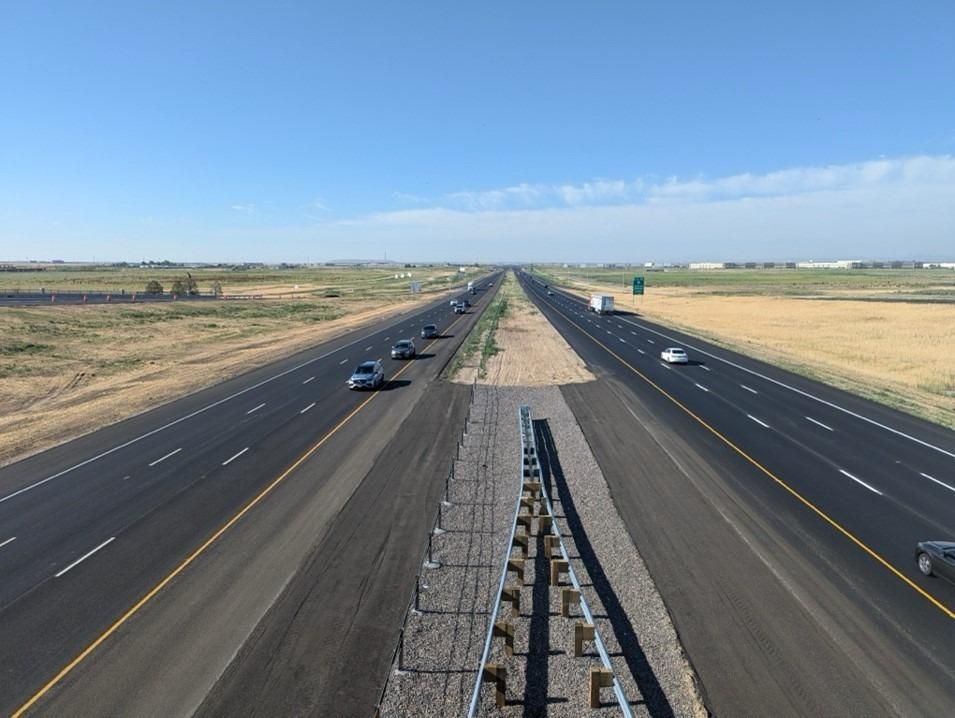
A public highway authority runs E-470. Tolls repay the debt that built it. That model keeps the road self-funded. It also keeps prices high on a short, heavily used loop.
Tolls are collected at five mainline plazas, labeled A through E, plus ramp gantries. A two-axle car pays at each point it passes. In 2025 and 2026, Plaza A listed $2.60 with ExpressToll and $4.20 by plate. Several plazas on a long drive add up quickly.
The road is fully electronic. Cash is not accepted. E-ZPass does not work either. Drivers use an ExpressToll pass or License Plate Toll billing. ExpressToll saves up to 40 percent on E-470. Late statements can add a $5 fee.
Colorado stacks tolls in other places too. One report ranks it the fifth-most-expensive state for tolls. Express lanes on I-25, US-36 and C-470 add dynamic pricing. A driver can pay more than once in a single trip across the metro.
The lesson from E-470 is that short roads can bite. A 47-mile drive costs about as much as a Florida Turnpike trip across most of the state. If you rent a car near Denver’s airport, ask about the toll program before you leave the lot.